
A Wedding Speech for the Mother of the Bride
 Curated byKory White · Fractional CRO · Maryland
 PULSEKNOWLEDGE LIBRARY
Quality
Certified
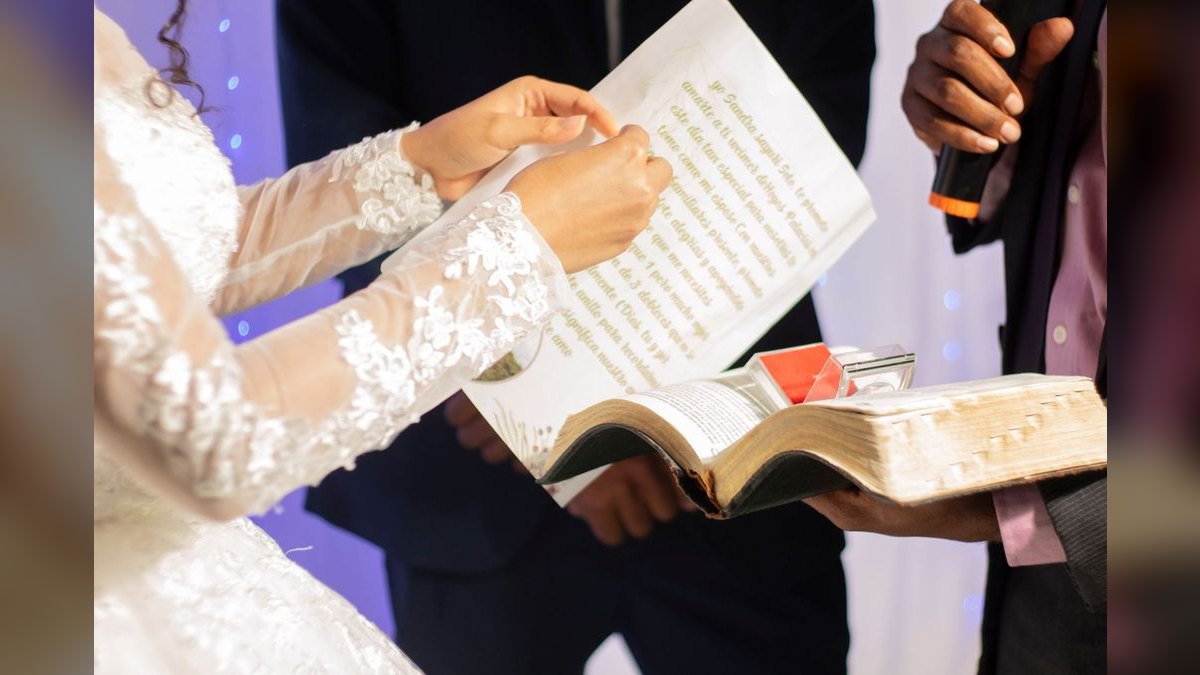
A mother of the bride wedding speech should be a heartfelt, personal tribute lasting three to five minutes that expresses gratitude, shares a meaningful memory, and warmly welcomes the new spouse into the family. The most effective speeches blend genuine emotion with light humor, avoid negative comments about planning or family dynamics, and close with a sincere toast to the couple's future together. To succeed, the mother should focus on one specific childhood story, speak directly to her daughter and new son-in-law, and practice delivery to manage nerves without memorizing word-for-word.
The mother of the bride speech is one of the most anticipated moments of any wedding reception. It carries the weight of a lifetime of love while setting the tone for the celebration ahead. This guide will help you craft a speech that honors your daughter, welcomes her partner, and leaves guests feeling warm and connected.
What Is the Ideal Length and Structure for a Mother of the Bride Speech?
The ideal mother of the bride speech runs between 400 and 600 words when written, which translates to roughly three to five minutes of spoken delivery. This length gives you enough time to share a meaningful story and express genuine emotion without losing the audience's attention. The most effective structure follows a clear arc: open with gratitude, share a specific memory, speak directly to the couple, and close with a toast.
Begin by thanking guests for traveling and celebrating with your family. Acknowledge the groom's parents, the wedding party, and anyone who contributed significantly to the day. This gracious opening buys you a moment to settle your nerves and sets a warm tone. Then pivot to a single, specific story about your daughter that reveals her character—not her entire biography, but a snapshot that connects naturally to why she and her partner are right for each other. For example, you might share how she organized a neighborhood fundraiser at age eight, demonstrating the same compassion you see in her relationship today.
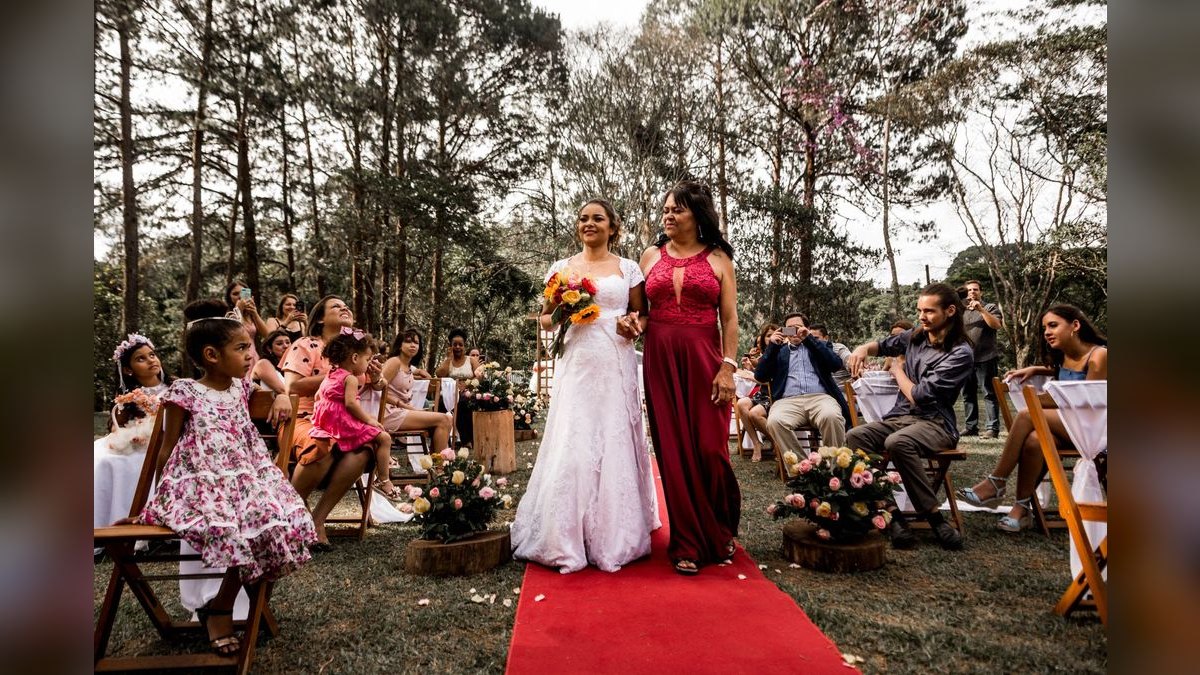
After the story, address the couple directly. Share what you've observed about their partnership—a quality you admire or a moment you knew they were meant to be together. Keep this section warm but brief; the focus remains on your daughter and her new spouse, not on your own parenting journey. Finally, raise your glass with a clear, heartfelt toast that the room can join: "To [daughter's name] and [partner's name]—may your life together be filled with laughter, patience, and the same joy you've brought to ours."
How Can You Make Your Speech Personal and Authentic?
The most memorable mother of the bride speeches are those that feel genuinely personal. Avoid generic templates and instead draw from your unique relationship with your daughter. Start by asking yourself a few key questions: What did you know about your daughter at age five that's still true today? What moment made you realize she had found the right person? What one piece of advice do you actually live by in your own marriage?
Replace any bracketed compliments in sample speeches with true observations you've made about how the partner treats your daughter. Instead of saying "thank you for how you look at her," say something like "I noticed the way you brought her tea when she was stressed about the wedding planning, without her even asking." Specificity creates emotional resonance that generic praise cannot match.
For the childhood memory, choose a story only your family would recognize. The more specific and slightly embarrassing, the warmer it lands. A story about her lining up her shoes by the door every night or narrating the lives of neighborhood cats reveals her personality while making guests feel like they know her better. Avoid stories that might humiliate her or paint her in a negative light—stick to endearing quirks that showcase her character.
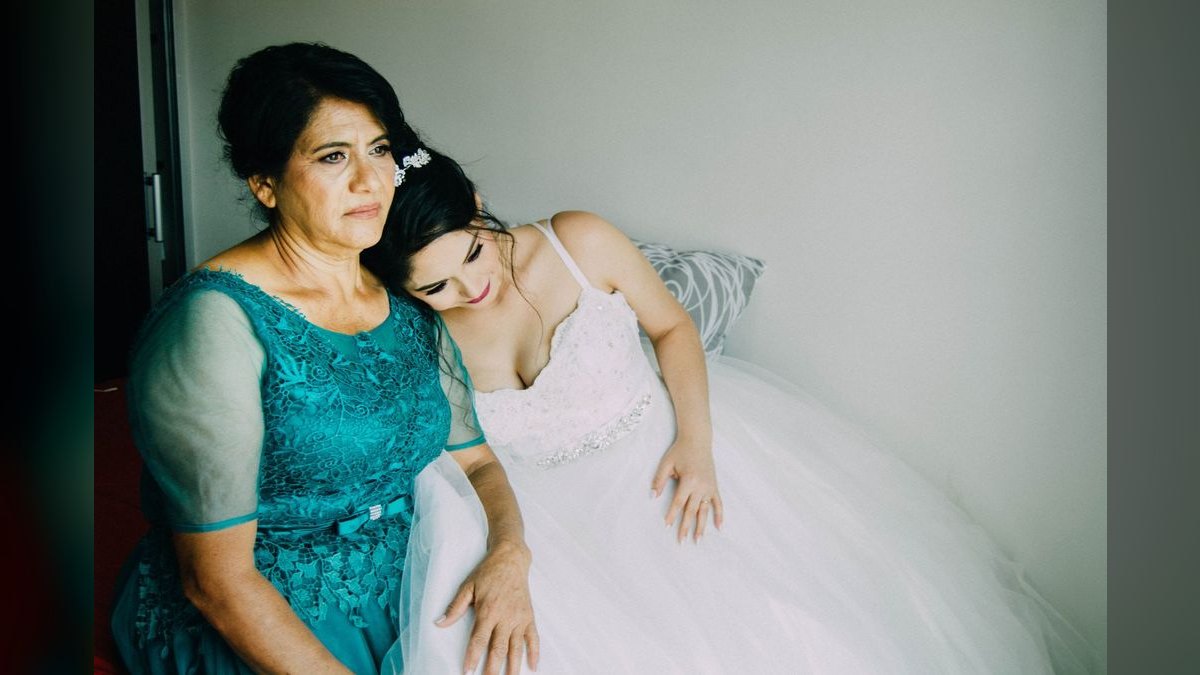
What Are the Best Techniques for Managing Nerves During Delivery?
Even experienced public speakers feel jittery before a wedding toast. The key is channeling that energy rather than eliminating it. On the day, eat a light meal before the reception—an empty stomach amplifies anxiety. Keep a glass of water nearby during your speech; sipping gives you a natural pause if you need to collect yourself. Avoid alcohol before speaking, as it can dull your emotional control and make tears harder to manage.
If you feel tears coming, pause and take a slow breath. The audience will wait for you—they're rooting for you, not judging your composure. A simple line like "Give me just a second" or "I promised myself I wouldn't cry" actually endears you to the room. Holding back tears completely can make your voice tight and rushed; letting a few fall while you continue speaking often feels more authentic.
Eye contact matters more than memorization. Scan the room slowly—look at your daughter, then the groom, then a few familiar faces in the front rows. Avoid reading directly from your notes for the entire speech; glance down only to prompt your next point. If you lose your place, it's fine to say, "Where was I?" Someone will whisper the cue, and the moment becomes a shared, human interaction rather than a performance.
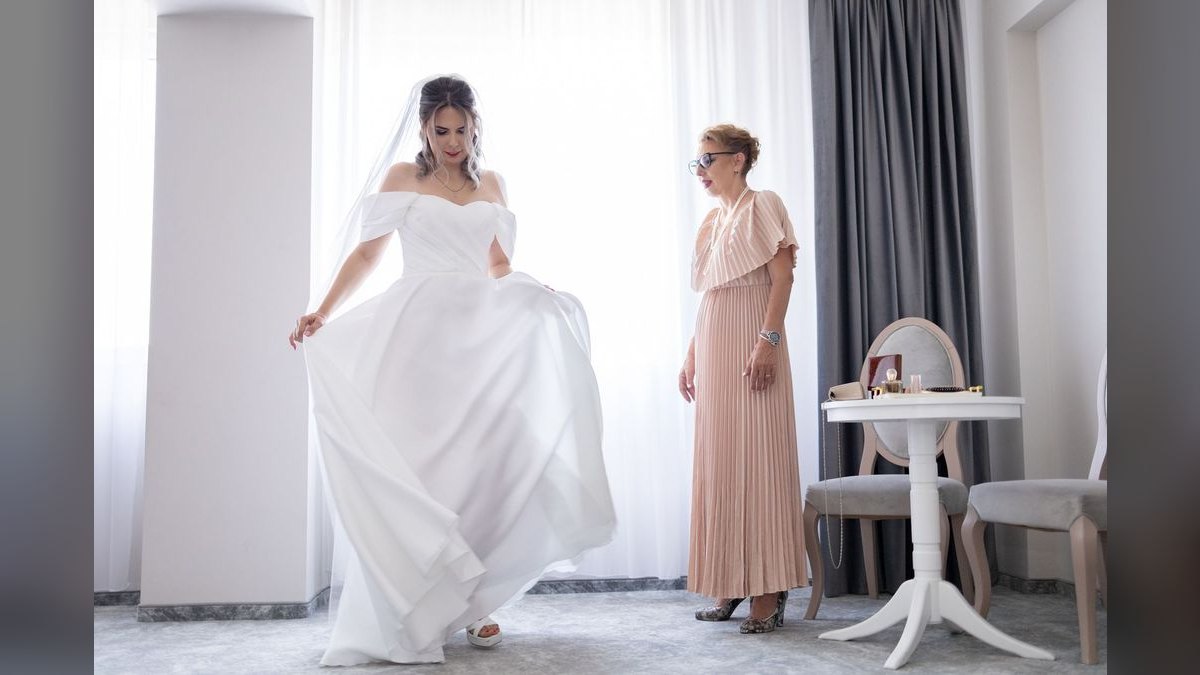
For mothers who are especially nervous, consider a shorter speech—two minutes of sincere words beats four minutes of shaky delivery. You can also ask the DJ or emcee to stand nearby with a glass of water and a backup copy of your speech, just in case you misplace your notes. Most importantly, remind yourself that your daughter wants you to succeed; she chose you for this role because she trusts your voice.
How Should You Adapt Your Speech for Different Family Dynamics?
Modern families include blended households, same-sex couples, estranged relationships, and cultural variations that require thoughtful adjustments. If you're co-parenting with an ex-spouse, coordinate your speeches to avoid overlap or contradiction. One option is to divide the content: you focus on your daughter's childhood and the ex-spouse speaks about her adult years. Alternatively, you can deliver a joint toast if you're on good terms, alternating paragraphs to show unity.
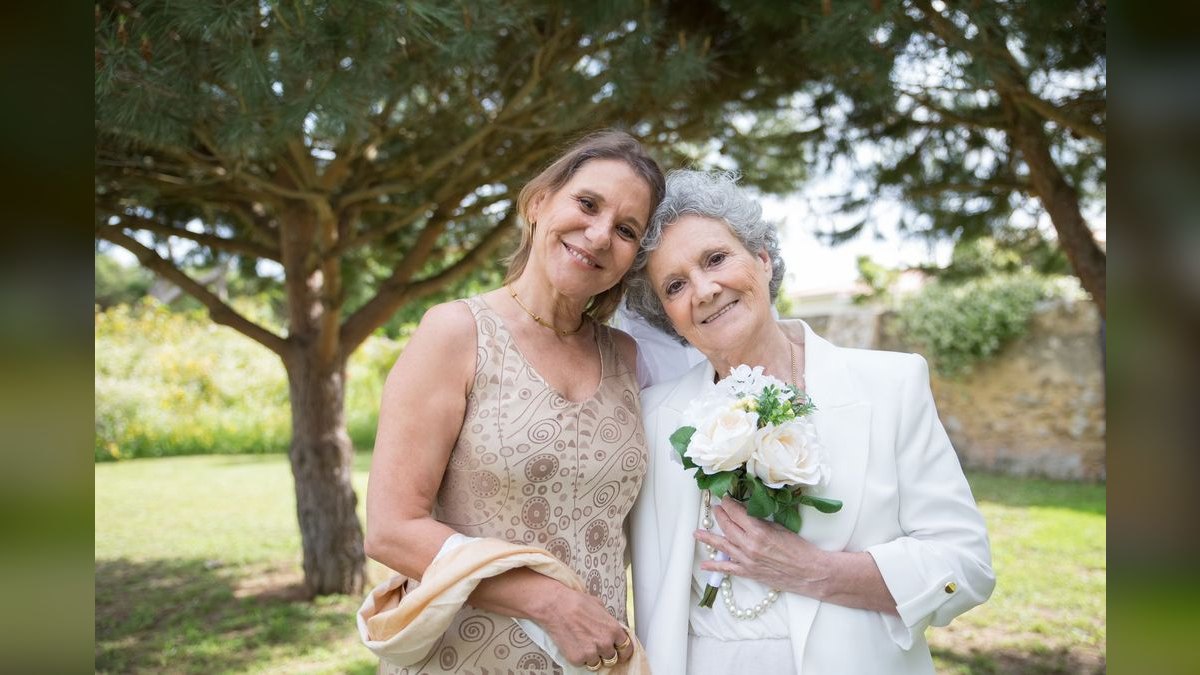
When the bride has two mothers (or two fathers), each mother should have her own moment. Decide who speaks first based on who is more comfortable with public speaking, or let the more emotional mother go second so the first can set a steady tone. Avoid comparing the two relationships—simply celebrate your shared love for the couple.
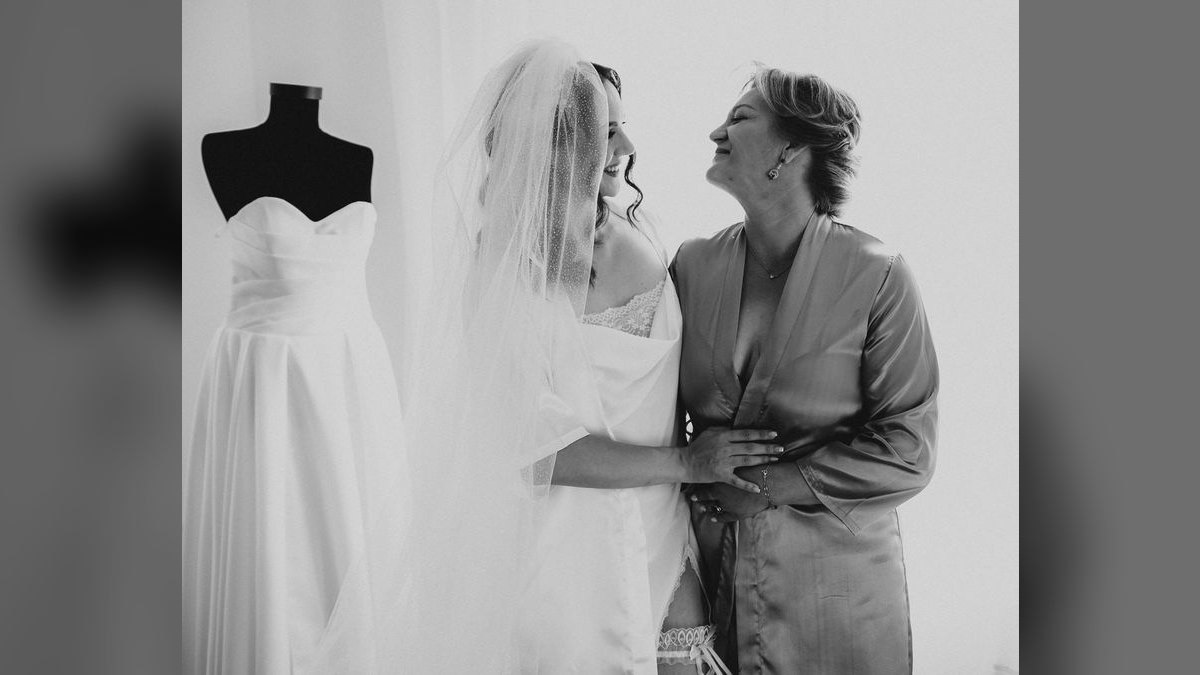
For mothers who are not biologically related to the bride—stepmothers, adoptive mothers, or chosen family—your speech can acknowledge the unique bond without diminishing the biological parent's role. A line like "I may not have given birth to you, but I've had the privilege of watching you grow into the woman you are today" honors your relationship without competition. If the bride has asked you to speak alongside her birth mother, agree on a theme or message in advance so your words complement rather than clash.
In cultures where wedding speeches follow specific protocols—such as Chinese tea ceremonies or Indian sangeet traditions—check with the couple about timing and format. Your toast might be expected in a different language, or you may need to incorporate a blessing or proverb. Ask the couple or their wedding planner for guidance at least two weeks before the event to avoid surprises.
For mothers who feel too emotional to speak at all, there is no shame in writing a letter for the couple to read privately, or asking a sibling or close friend to read your words aloud. The goal is authentic expression, not perfection. A tearful, stumbling speech delivered from the heart will be remembered far more fondly than a polished recitation that feels hollow.
What Are Common Mistakes to Avoid in a Mother of the Bride Speech?
The most common mistake mothers make is trying to cover too much ground. A chronological recap of your daughter's entire life from birth to wedding day will lose the audience and dilute the emotional impact. Instead, choose one or two carefully selected moments that reveal her character and connect to her relationship. Another frequent error is making the speech about you rather than the couple. While it's natural to share your feelings about watching her grow up, frame these emotions in terms of her happiness, not your loss.
Avoid negative comments about the wedding planning process, the in-laws, or past relationships. Even a lighthearted complaint about the stress of choosing flowers can create an uncomfortable undertone. Similarly, skip inside jokes that exclude most guests—your speech should make everyone feel included in the celebration. Never criticize the groom or the couple's choices; the focus should remain on love and celebration.
Another mistake is reading directly from a full script without making eye contact. Practice your speech enough that you can glance at bullet points rather than reading word-for-word. This makes you sound like a mother speaking from the heart, not a teleprompter delivering lines. Finally, avoid rushing through your speech because of nerves. Speak slower than feels natural; nerves push everyone to rush. Pause after funny lines to let the room laugh, and pause after emotional moments to let them land.
For more detailed guidance on structuring your toast, see our Wedding Speech Structure Guide. If you're looking for ideas specific to the groom's mother, check out our Mother of the Groom Speech Tips.
Related questions
What should a mother of the bride say in a wedding speech?
A mother of the bride should express gratitude to guests, share a specific childhood memory, welcome the new spouse, and offer a heartfelt toast. The speech should be warm, personal, and avoid negative remarks about planning or family dynamics.
How long should a mother of the bride wedding speech be?
A mother of the bride speech should be three to five minutes long, which translates to roughly 400 to 600 written words. This length allows for a meaningful story and toast without losing the audience's attention.
Can the mother of the bride include humor in her speech?
Yes, light humor is welcome, but keep it gentle and avoid embarrassing stories. Funny anecdotes about the bride's childhood or wedding preparation moments work well, but steer clear of jokes that might make anyone uncomfortable.
What should the mother of the bride avoid in her speech?
Avoid negative comments about wedding planning, the in-laws, or past relationships. Skip inside jokes that exclude most guests, and never criticize the groom or the couple's choices. The focus should remain on love and celebration.
How can the mother of the bride manage nerves during her speech?
Practice the speech aloud at least five times, eat a light meal before the reception, keep water nearby, and avoid alcohol before speaking. Use notecards with bullet points rather than a full script, and remember that pausing for emotion is natural and endearing.
FAQ
How do I start a mother of the bride speech? Open with a warm greeting to guests, then introduce yourself clearly. A simple line like "Good evening, everyone—for those who don't know me, I'm [Name], the bride's mother" sets a natural, welcoming tone.
Should I mention the father of the bride in my speech? Yes, if he's present or part of the couple's life. A brief, gracious acknowledgment—such as thanking him for his role in raising their daughter—is respectful and avoids awkwardness, even if they're divorced.
Is it okay to cry during the speech? Yes, it's completely natural and often endearing. If you're worried, practice the speech several times, pause to breathe, and keep a tissue handy—guests will understand and appreciate your emotion.
Can I write my speech on notecards? Yes, notecards with bullet points are recommended over memorizing word-for-word. This helps you sound like a mother speaking from the heart rather than a teleprompter.
How do I welcome the groom in my speech? Speak directly to him with a specific compliment about how he treats your daughter. For example, "Thank you for the way you make her laugh even when she's stressed" feels genuine and personal.
What if I'm too emotional to deliver the speech myself? There is no shame in writing a letter for the couple to read privately, or asking a sibling or close friend to read your words aloud. The goal is authentic expression, not perfection.
Should I include a blessing or prayer in my speech? Only if it aligns with the couple's beliefs and the tone of the ceremony. For interfaith or secular weddings, a well-wish or hope for their future works just as well.
How many stories should I include in my speech? One or two specific stories are ideal. Too many stories can make the speech feel long and scattered, diluting the emotional impact of each memory.
Sources
- The Knot - Mother of the Bride Speech Guide
- Brides Magazine - How to Write a Mother of the Bride Speech
- Emily Post Institute - Wedding Toast Etiquette
- Toastmasters International - Public Speaking Tips
- Psychology Today - Managing Public Speaking Anxiety
- American Wedding Ministry - Wedding Speech Customs
- Martha Stewart Weddings - Mother of the Bride Toast Ideas
Related on PULSE
This page will be disappearing soon. Save it to your device for $1 — or read it free while it is here.
@Kory-White- · if Venmo asks, the last 4 of my number are 2012
This page is gone.
This one is off the shelf now. $1 keeps it on your phone for good — the whole page, pictures and diagrams included.
 pulse-speechesA Graduation Speech for a Kindergarten Graduation
 pulse-speechesHow to Tailor a Toast to the Audience in 2027
 pulse-speechesA Wedding Speech for a Same-Sex Wedding
 pulse-speechesA Eulogy for a Colleague
 pulse-speechesA Graduation Speech for a Graduate as the Class President
 pulse-speechesA Toast for a Gender Reveal
 pulse-speechesA Retirement Speech for a CEO
 pulse-speechesA Speech for Accepting an Industry Award
 pulse-speechesHow to Structure a Best Man Speech in 2027
 pulse-speechesA Retirement Speech for a Military Officer