

A Toast for a Surprise Birthday Party
 Curated byKory White · Fractional CRO · Maryland
Quality
Certified
The best toast for a surprise birthday party is short, warm, and focuses on the guest of honor. Start by expressing genuine surprise and joy at having pulled off the secret, then offer a simple sentiment like, "To [Name]—may this year be as wonderful as you are." Keep it under a minute, and raise your glass for a group cheer. A surprise birthday toast works because of the shared secret, so lean into that conspiracy for the laughs before pivoting to why this person was worth all the sneaking around.
Crafting a memorable toast for a surprise birthday party requires balancing humor, sincerity, and brevity. Whether you're the planner, a close friend, or a family member, the goal is to capture the emotional peak of the surprise moment—when the guest of honor is still processing the shock—and turn it into a celebration of their character. This guide provides a complete script, delivery tips, variations for different tones, and practical logistics to ensure your toast lands perfectly.
What Makes a Surprise Birthday Toast Different From a Regular Birthday Toast?
A surprise birthday toast carries unique emotional weight because it acknowledges the collective effort of keeping the secret and the joy of revealing it. Unlike a standard birthday toast, which often assumes the honoree knows what's coming, a surprise toast must address the shared conspiracy—the hiding, the whispers, the near-misses—before shifting to heartfelt celebration. This dual focus creates a powerful moment of connection between the speaker, the honoree, and the guests.
The structure of a surprise toast typically follows three beats: first, acknowledge the surprise itself with humor ("We pulled it off!"); second, pivot to why the honoree deserves this effort ("Because you're the person who always shows up"); third, lead the group in a unified cheer. This arc works because it mirrors the emotional journey of the party—from tension to relief to joy. A regular birthday toast, by contrast, might open with a story or compliment without needing to address the element of deception.
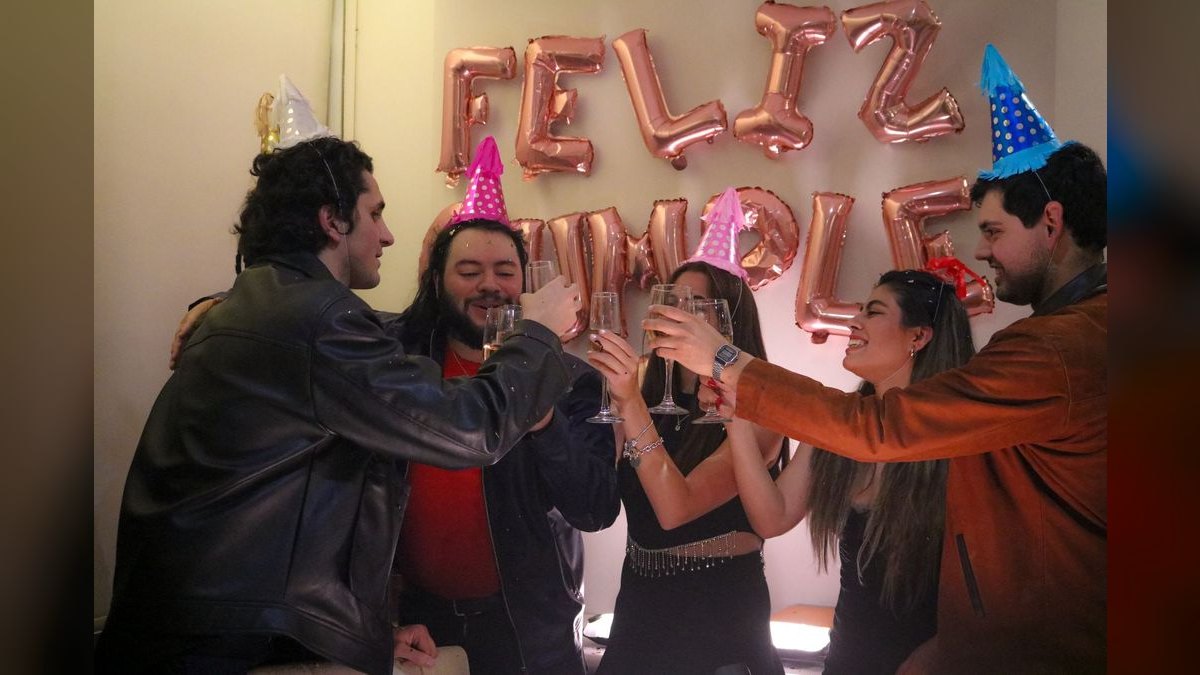
Delivery also differs. In a surprise setting, the room is often loud and giddy from the initial shock. The speaker must start slightly above conversation level to capture attention, then gradually drop their voice to signal the shift to sincerity. Regular birthday toasts, held in calmer environments, don't require this volume modulation. Additionally, the speaker at a surprise party should hold eye contact with the honoree throughout, as the moment is intimate despite the crowd.
How Do You Write a Toast Script That Doesn't Freeze Under Pressure?
Writing a toast script that feels natural under the spotlight requires preparation paired with a flexible structure. The key is to avoid a word-for-word script that you'll read—instead, create bullet points that guide your delivery while allowing for spontaneity. Start by identifying three core elements: the hook (first 10 seconds), the story (30–45 seconds), and the call to action (15 seconds). This three-part structure ensures you cover the essential beats without rambling.
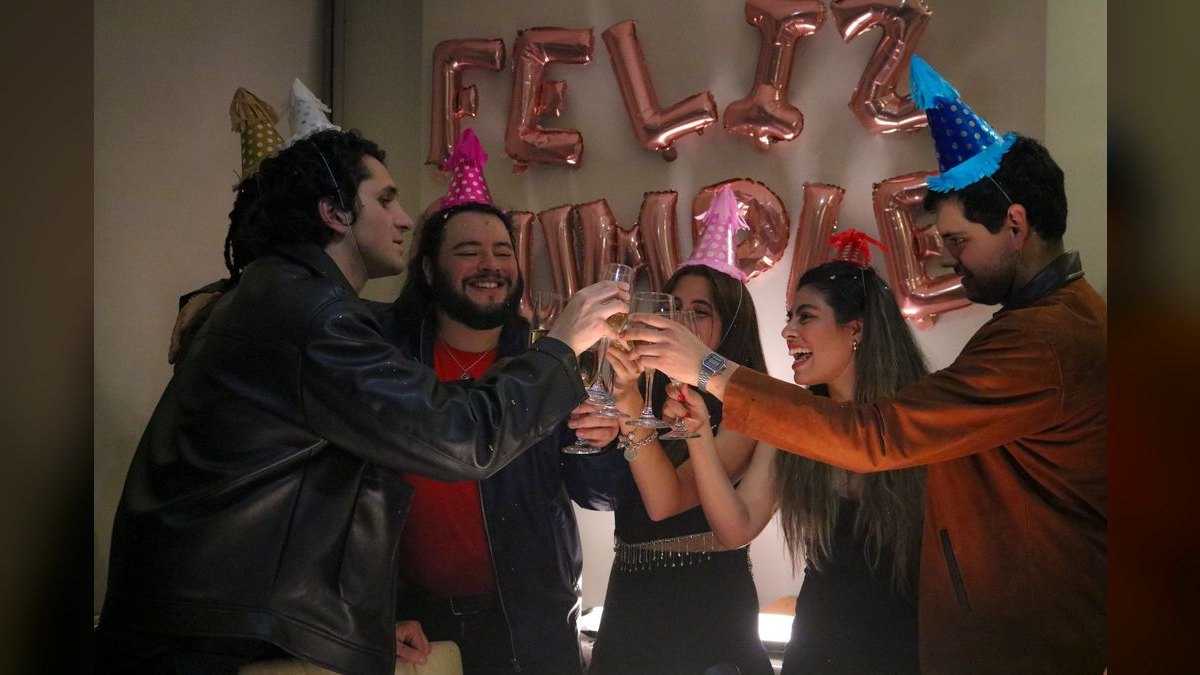
For the hook, begin with a simple acknowledgment of the moment: "We're all here because [Name] deserves a night that's as special as they are." This immediately connects the surprise to the honoree's worth. Avoid inside jokes that exclude half the room—every guest should feel included in the celebration. The story should be one specific, genuine memory that highlights the honoree's character, such as a time they went out of their way to help someone. Keep it short and relatable, avoiding embarrassing details that might humiliate the person.
The call to action is straightforward: raise your glass and invite everyone to join: "So please raise your glasses—to [Name]. Happy birthday!" Practice your toast three times aloud before the party, timing yourself to ensure it stays under 90 seconds. Write bullet points on a small index card, not a full script, and hold it discreetly. This prevents reading while giving you a safety net. For more tips on delivering confident toasts in various settings, explore our guide on crafting a wedding speech for a surprise wedding, which shares similar principles of emotional pacing and audience engagement.
What Are the Best Variations for Different Party Tones?
The tone of your surprise birthday toast should match the mood of the party and the personality of the honoree. For a casual gathering with close friends, a humorous toast that leans into the comedy of the cover-up works well. Use specifics like "I almost blew it when you asked why I was buying forty paper plates" to generate laughs. Keep the pace fast and the energy high, ending with a quick cheer before the party resumes.

For a milestone birthday like a 40th or 50th, a more formal tone is appropriate. Add a 60-second middle section that walks through a decade-by-decade reflection or a single defining story that showcases the honoree's growth. Slow the entire delivery down, allowing pauses for emotional weight. This variation works best when the room is quieter and guests are ready for a heartfelt moment. For a lighter tone at a casual gathering, lean harder into the comedy of the near-misses and the shared secret, keeping the sentiment brief.
If the honoree is particularly sentimental or the party includes older family members, drop the jokes entirely and open with "You are the person who shows up." This direct sincerity bypasses the need for humor and goes straight to the emotional core. The room will naturally quiet as people recognize the truth of your words. For a 30-second version when the cake is melting and guests are restless, deliver a condensed toast: "[Name] — we lied, we hid, we parked three streets away, all because you're the one who always shows up for us. Tonight we showed up for you. Happy birthday. To [Name]!"
How Do You Manage the Logistics of the Toast Moment?
The success of a surprise birthday toast depends heavily on behind-the-scenes logistics. Timing is critical: coordinate the honoree's arrival with the host so guests are in place 30–45 minutes early, with drinks poured but not sipped. Designate a "spotter" who texts the group when the honoree is two minutes away, triggering lights off, silence, and candle lighting. Once the surprise registers (typically 10–30 seconds), the designated toaster should step forward immediately to capture the emotional peak.
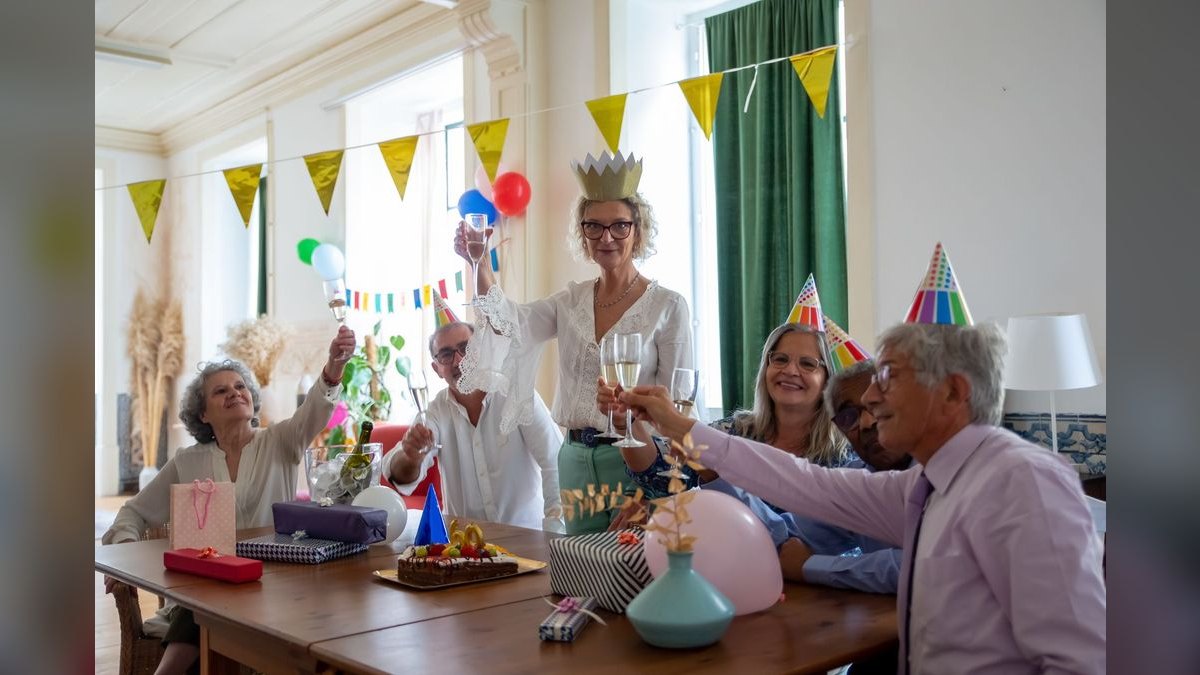
Glass distribution requires planning to avoid clinking sounds that might tip off the honoree. Have all glasses pre-poured and placed on trays or a central table, not handed out individually. For large parties of 30 or more guests, assign two to three helpers to distribute glasses quickly after the surprise. Use plastic stemware for outdoor events—quality polycarbonate glasses look elegant and won't shatter. Always have a non-alcoholic option ready, such as sparkling water or non-alcoholic sparkling wine, so everyone can participate.
Managing spills and mess is practical for a smooth toast. Place coasters or napkins at every seat, and keep a cleanup kit with paper towels and club soda for carpet stains. If children are present, serve their "toast" in plastic champagne flutes with sparkling cider. Position a photographer or designate a guest to capture the toast moment—the best shots come three to five seconds after the "cheers" when glasses are raised and smiles are genuine. For more practical party planning advice, see our guide on organizing a toast for a graduation party, which covers similar logistical considerations for milestone events.
What Drinks Work Best for a Surprise Party Toast?
The drink you serve during the toast sets the tone for the celebration. Champagne is the classic choice, but budget and preferences should guide your selection. A standard 750ml bottle pours about five to six glasses, so for a party of 20 guests, plan on four to five bottles if serving a single toast pour, or more if guests will continue sipping. For a unified toast, consider serving a single type of sparkling wine to avoid confusion during the group cheer.
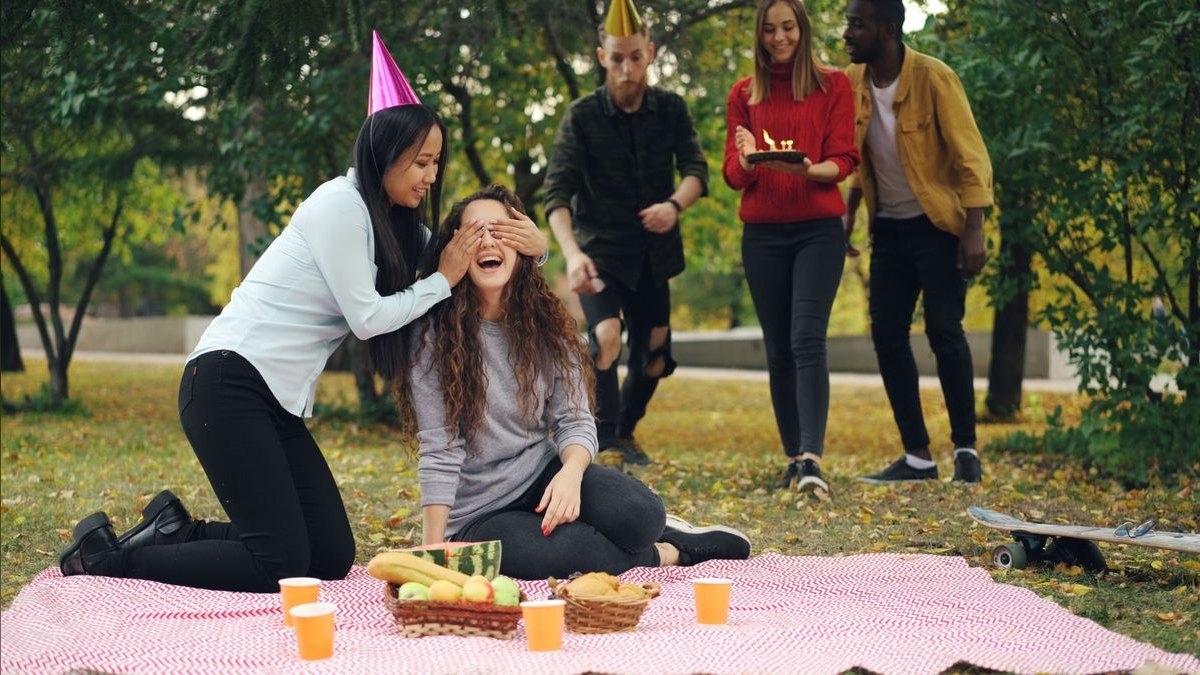
Crémant from France offers a fantastic value alternative to champagne, priced between $12 and $25 per bottle. It uses the same traditional method but comes from regions outside Champagne, offering similar complexity at a lower cost. Cava from Spain is another budget-friendly option, ranging from $8 to $15 for respectable bottles like Freixenet Cordon Negro. Its crisp, dry profile is crowd-pleasing and ideal for large gatherings. Prosecco from Italy, made using the Charmat method, is lighter and fruitier, typically priced between $10 and $20.
For a non-alcoholic option, consider sparkling water, non-alcoholic sparkling wine brands like Fre or Gruvi ($8 to $15), or a festive mocktail. This ensures everyone can participate in the toast, including designated drivers and children. If the party has a theme, match the drink to the theme—for example, a tropical mocktail for a summer party or a warm cider for a fall celebration. The key is to have all drinks pre-poured and ready so the toast can proceed without interruption.
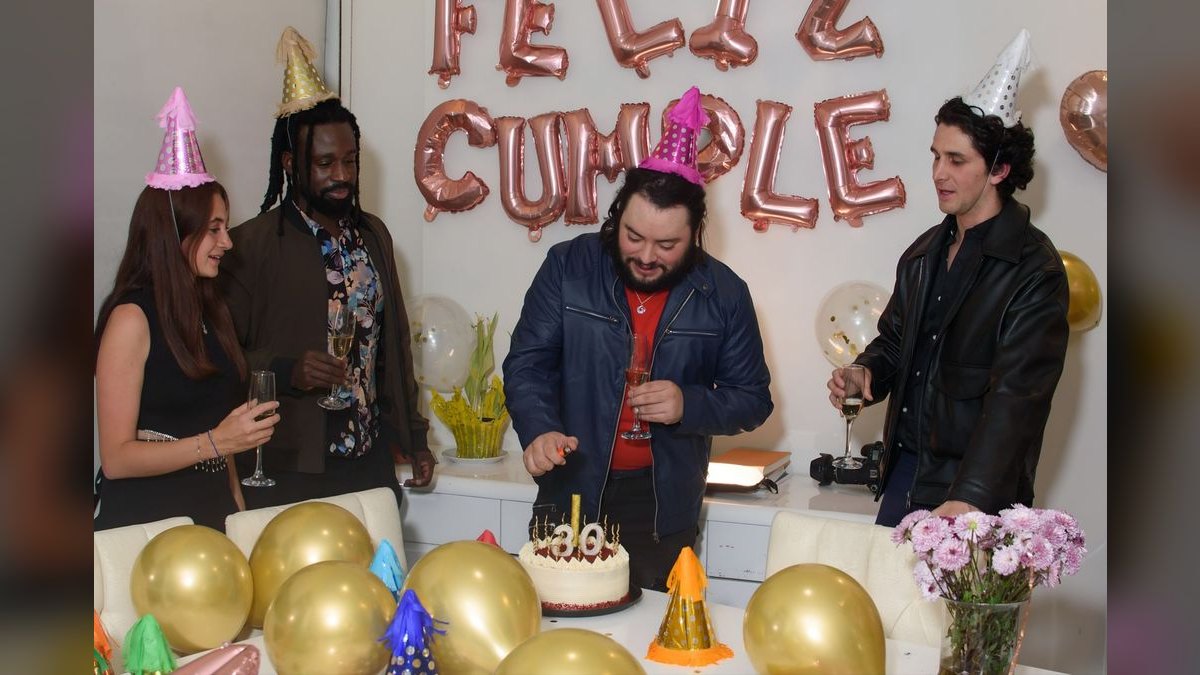
How Do You Handle Unexpected Hiccups During the Toast?
Even with careful planning, surprises can happen during the toast itself. If the honoree is too emotional to speak after the toast, have a backup plan: a designated friend steps in to say, "I think [Name] is speechless—let's give them a round of applause and enjoy the evening." This keeps the energy positive without forcing the honoree to respond. If someone knocks over a glass during the toast, don't stop speaking. A quick "we'll clean that up in a moment—let's finish this toast first" maintains momentum.
If the surprise falls flat because the honoree already knew, pivot immediately to a celebratory toast anyway: "Well, you caught us planning this, but we're still thrilled to celebrate you. Cheers!" This turns an awkward moment into a shared laugh. If the room is too loud or distracted, raise your glass higher and speak slightly louder to regain attention. Avoid complaining about the planning process or mentioning how hard it was to keep the secret—this can make the honoree feel guilty rather than celebrated.
For technical issues like a blown fuse or a dropped cake, stay calm and adapt. The toast is about the person, not the perfection of the event. A simple "None of this matters as long as we're here with you" can salvage the moment. For more advice on handling unexpected moments during speeches, check out our guide on delivering a toast for a holiday office party, which includes tips for maintaining composure under pressure.
Related questions
How long should a surprise birthday toast be?
A surprise birthday toast should last 60 to 90 seconds, or roughly 160 to 320 words spoken at a moderate pace. This length captures the emotional peak without losing the room's attention.
What should I avoid saying in a surprise birthday toast?
Avoid embarrassing stories that humiliate the honoree, inside jokes that exclude guests, complaints about planning, and mentioning how hard it was to keep the secret. Keep the tone warm and inclusive.
Can I use humor in a surprise birthday toast?
Yes, humor works well when it focuses on the shared conspiracy of the surprise, not on mocking the honoree. Use specific near-miss stories about keeping the secret to generate laughs.
Who should give the surprise birthday toast?
The person closest to the honoree—a partner, sibling, or best friend—is the ideal choice. They can speak authentically about the person's character and have likely been involved in planning the surprise.
What if I'm nervous about public speaking?
Practice your toast three times aloud before the party, write bullet points on an index card, and take a slow breath before starting. The honoree will remember the feeling of being celebrated, not your delivery perfection.
FAQ
Can I give a toast without alcohol? Absolutely. Serve sparkling water, non-alcoholic sparkling wine, or a festive mocktail so everyone can participate. The toast is about the sentiment, not the drink.
What's the best way to start a surprise birthday toast? Start by acknowledging the surprise itself with humor: "We pulled it off!" Then pivot to why the honoree deserves this effort. This captures the room's energy immediately.
How do I keep the toast short? Focus on three beats: the hook, one brief story, and the call to action. Avoid adding extra anecdotes or rambling. Practice to time yourself at under 90 seconds.
Should I mention the planning effort in the toast? Briefly, yes—but frame it as a tribute to the honoree's worth, not a complaint. Say "We all schemed because you're worth it" rather than "It was so hard to keep this secret."
What if I forget my lines during the toast? Pause, take a breath, and glance at your index card. Guests will barely notice a short pause. If you're completely lost, simply say "Happy birthday" and raise your glass.
Can children participate in the toast? Yes, serve them sparkling cider or juice in plastic champagne flutes. They'll feel included without the alcohol, and the visual of everyone raising a glass creates a unified moment.
What if the honoree doesn't like surprises? Consider a "planned surprise"—tell them about a small gathering but keep the full guest list or theme hidden. This respects their comfort while still creating a joyful moment.
How many people should I invite to a surprise party? A manageable range is 10 to 30 guests, depending on your space and budget. Too few can feel flat, while too many may overwhelm the honoree or make the surprise harder to pull off.
Sources
- American Institute of Wine & Food
- The Spruce Eats - Party Planning
- National Association of Catering and Events
- Martha Stewart Living - Party Themes
- Eventbrite Blog - Surprise Parties
- Toastmasters International - Speech Tips
- Wine Folly - Sparkling Wine Guide
- Psychology Today - Public Speaking Anxiety
- The Knot - Party Etiquette
- Better Homes & Gardens - Party Planning
Related on PULSE
This page will be disappearing soon. Save it to your device for $1 — or read it free while it is here.
@Kory-White- · if Venmo asks, the last 4 of my number are 2012
This page is gone.
This one is off the shelf now. $1 keeps it on your phone for good — the whole page, pictures and diagrams included.
 pulse-speechesA Toast for a Baby Shower
 pulse-speechesA Speech for a Company All-Hands
 pulse-speechesA Speech for a Little League Opening Day
 pulse-speechesA Speech for a Customer Appreciation Event
 pulse-speechesA Speech for a Company 10th Anniversary
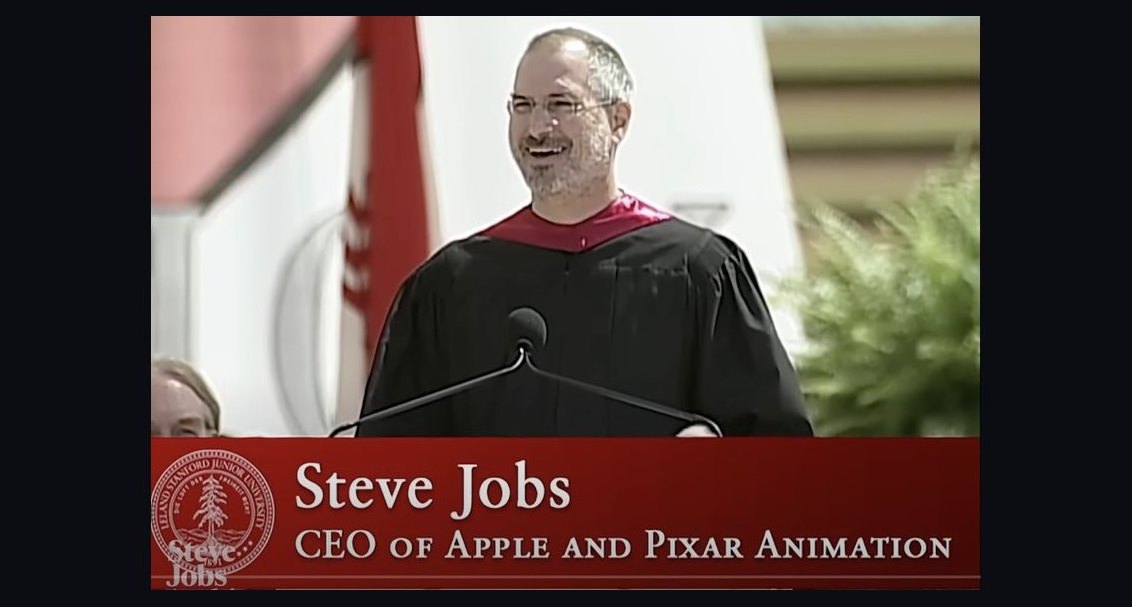 pulse-speechesWhat Makes Steve Jobs’ Stanford Commencement a Great Speech in 2027
 pulse-speechesA Toast for a Gender Reveal
 pulse-speechesHow to Beat Public-Speaking Nerves in 2027
 pulse-speechesA Speech for an Employee of the Year
 pulse-speechesA Toast for a 60th Birthday