
A Speech for a City Council Swearing-In
 Curated byKory White · Fractional CRO · Maryland
 PULSEKNOWLEDGE LIBRARY
Quality
Certified

A swearing-in speech for a city council should thank the community for their trust, acknowledge the weight of the responsibility, and express a commitment to serve all constituents fairly. It typically includes a brief, sincere personal reflection on why public service matters, followed by a pledge to work collaboratively with fellow council members. The tone should be humble, forward-looking, and focused on practical goals like improving local infrastructure, public safety, or community engagement. This speech marks the beginning of your term and sets the foundation for how you will be perceived as a public servant.
What is the ideal length and structure for a city council swearing-in speech?
The ideal length for a swearing-in speech is around three to five minutes, or roughly 400 to 700 words. This duration is long enough to convey gratitude, vision, and commitment, but short enough to keep the ceremony moving and respect the audience's time. The structure should follow a simple three-part framework: gratitude, vision, and commitment. In the gratitude section (1-2 minutes), thank your family, campaign volunteers, mentors, and the voters—be specific about individuals who made a difference. In the vision section (2-3 minutes), outline two to three broad priorities for your term using concrete but flexible language. In the commitment section (1-2 minutes), reaffirm your dedication to serving all constituents, including those who didn't vote for you, and close with a call to collective action.
This structure ensures your remarks are organized, impactful, and easy for the audience to follow. It also helps you stay on track during delivery, reducing the risk of rambling or going off-topic. For more detailed guidance on structuring public speeches, see How to Structure a Best Man Speech.
How do I craft a memorable opening for a swearing-in speech?
The opening of your swearing-in speech is your first opportunity to establish credibility and connection with the audience. The first 30 seconds are critical, so start by acknowledging the gravity of the moment while expressing genuine humility. Consider beginning with a brief acknowledgment of the outgoing council members, city staff, and community members who voted. Avoid diving directly into policy promises; instead, use this moment to ground your remarks in shared values. For example, you might say: *“This gavel isn’t about power; it’s about trust. And trust is earned one conversation, one decision, one neighborhood at a time.”* A well-crafted opening sets a collaborative tone that carries through your entire term.
To make your opening more personal, include a specific moment from the campaign trail—a conversation at a bus stop, a concern raised at a town hall, or a story about why you first got involved in local issues. This humanizes you and shows the audience that you are grounded in real community needs. Avoid generic statements like "I'm honored to be here" without adding a personal touch. Instead, connect the honor to something specific: *“I'm honored to be here, standing in the same chamber where I once testified as a concerned parent about school safety.”* This approach makes your opening memorable and authentic.
What common mistakes should I avoid in a swearing-in speech?
Even experienced speakers can stumble during a swearing-in speech, so being aware of common pitfalls is essential. The first major mistake is overpromising—avoid specific, measurable pledges like “I’ll cut taxes by 10% in year one” or “We’ll pave every street by next summer.” These can become political liabilities if circumstances change. Instead, use directional language: *“I’ll work to reduce the tax burden responsibly”* or *“We’ll prioritize street repairs in the most neglected areas.”* The second mistake is using partisan or divisive language. A swearing-in is a ceremonial, nonpartisan event, so refrain from attacking opponents, previous administrations, or specific groups. Even subtle digs can alienate colleagues you’ll need to work with.
The third common mistake is reading verbatim from notes. While having a written speech is fine, reading word-for-word can feel robotic and disconnected. Practice enough to maintain eye contact and natural pauses. Use bullet points or key phrases as prompts rather than a full script. The most memorable speeches feel conversational, not recited. For additional tips on delivering speeches naturally, see How to Practice a Speech So It Sounds Natural. Avoiding these mistakes will help you come across as sincere, prepared, and focused on unity.
How can I adapt the tone of the speech for different audiences?
Your delivery should match the room’s energy and the specific context of your swearing-in ceremony. In a packed chamber with families and longtime residents, a warm, conversational tone works best—imagine you’re speaking to a neighbor over coffee. If the audience includes many city employees or fellow officials, add a sentence of professional respect for their work. For example, you might say: *“I want to thank our dedicated city staff, who keep this city running day in and day out.”* Avoid partisan language or criticism of past councils; the swearing-in is a unity moment. Instead, emphasize collaboration: *“I look forward to working with every member of this dais, regardless of how we voted on any issue.”*
For a lighter tone, consider adding a touch of humor—like a quick, self-deprecating line about learning the council rules or adjusting to the meeting schedule. For example: *“I’m told the council packets can be thick, but I promise to read every page—even the appendixes.”* However, keep humor brief and never at anyone’s expense. For a more solemn tone—say, following a contentious election or a civic tragedy—open with a line acknowledging the division or the loss, and frame the oath as a recommitment to one another rather than a victory. Practice the speech aloud several times to test its natural rhythm and ensure it sounds like you, not a script.

This flowchart can help you quickly determine the appropriate tone based on your audience and the context of the ceremony.
What should I include in the vision section of the speech?
The vision section is where you outline your priorities for the term, and it should be both aspirational and grounded. Avoid vague promises like “I’ll fix everything” and instead name two to three broad focus areas that resonate with the community. These could include public safety, infrastructure improvements, economic development, or youth programs. Use concrete but flexible language to describe your goals. For example: *“I want our city to be a place where small businesses can thrive, where every street is safe to walk at night, and where young people see a future here.”* This approach allows you to communicate direction without overpromising.

It’s also effective to tie each priority back to something you heard while campaigning. This reinforces that you are listening to constituents. For instance: *“When I knocked on doors on Elm Street, I heard from parents who want better lighting in the park. That’s why I’ll prioritize park improvements in the first 100 days.”* This connection between listening and action builds trust and shows that your vision is rooted in real community needs. Keep the vision section to two to three minutes to maintain focus and avoid overwhelming the audience.
How do I handle nerves and ceremony logistics?
Even experienced speakers feel pressure at a swearing-in, so preparation is key to managing nerves. Arrive early to check the microphone height and room layout—know where you’ll stand and where your family will be seated. This reduces surprises on the day of the ceremony. Hold a single index card with bullet points, not a full script, to maintain eye contact and a natural flow. Practice aloud at least three times before the ceremony, ideally in front of a friend or mirror. Focus on slow, deliberate breathing and pause between key points. Remember, the audience is rooting for you—they want you to succeed.
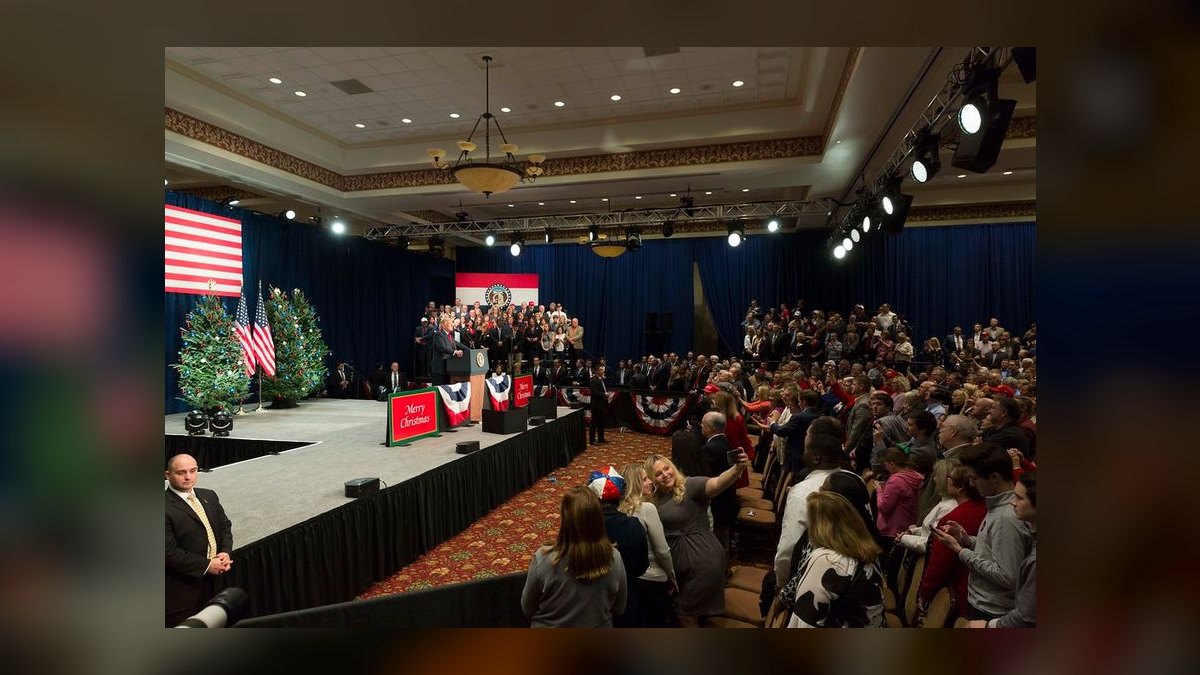
If your voice wavers, pause and take a slow breath; the audience will interpret it as emotion, not weakness. After the speech, stay for photos and brief conversations—this is your first official act of accessibility. Plan for a short reception afterward if the city budget allows, or simply invite attendees to introduce themselves in the lobby. These small gestures reinforce the humility and openness you’ve just spoken about. For more tips on handling public speaking nerves, see How to Practice a Speech So It Sounds Natural.
Related questions
What should I say in a city council swearing-in speech?
A swearing-in speech should thank voters, family, and outgoing members, state 2-3 broad priorities, and commit to serving all constituents with humility and collaboration.
How long should a city council swearing-in speech be?
Aim for 3 to 5 minutes, or roughly 400 to 700 words, to express gratitude and vision without losing the audience’s attention.
What are the key elements of a swearing-in speech?
Key elements include gratitude to supporters and family, a vision for the term with concrete priorities, and a commitment to unity and collaboration with fellow council members.
Should I mention specific policy goals in the speech?
Name one or two concrete focus areas like infrastructure or public safety, but use broad language to unite diverse constituents and avoid overpromising.
How do I avoid sounding partisan or divisive?
Focus on unity and shared goals, avoid attacking opponents, and use inclusive language like “we” and “our” to foster collaboration.
FAQ
How long should a city council swearing-in speech be? Aim for around 3 to 5 minutes. That’s roughly 400 to 700 words—enough to express gratitude and vision without losing the audience’s attention. Shorter is often better for keeping the ceremony moving.
What are the key elements to include in the speech? Start by thanking voters, family, and outgoing council members. Then state your core priorities for the term—like public safety, infrastructure, or community engagement. End with a forward-looking commitment to serve all residents, not just those who voted for you.
Should I mention specific policy goals or stay general? A mix works best. Name one or two concrete focus areas—such as improving park access or streamlining small business permits—but keep the language broad enough to unite diverse constituents. Avoid detailed plans that might sound like campaign promises.
How do I handle nerves during the speech? Practice aloud at least three times before the ceremony, ideally in front of a friend or mirror. Focus on slow, deliberate breathing and pause between key points. Remember, the audience is rooting for you—they want you to succeed.
Is it appropriate to acknowledge opponents or dissenters? Yes, briefly and graciously. A line like “I respect those who disagreed with me, and I will work to earn your trust” shows humility and leadership. Avoid re-litigating campaign battles—the ceremony is about unity, not division.
What tone should the speech strike—formal or conversational? Aim for dignified but warm. Use “we” and “our” to foster inclusion, and avoid overly stiff language or jargon. A touch of personal story (e.g., why you moved to the city) can humanize you, but keep the focus on collective service.
How can I make the speech more personal and memorable? Include specific details from your campaign, like a conversation with a resident or a particular neighborhood concern. Use real names and places to ground your remarks in authentic community experiences.
Should I include humor in the speech? A touch of humor can humanize you, but keep it brief and never at anyone’s expense. A self-deprecating line about learning the council rules or adjusting to meeting schedules can be effective.
How do I close the speech effectively? Close with a call to collective action and a reaffirmation of your commitment to serve. For example: “A city is a promise we keep to each other. Let’s get to work.” This leaves the audience feeling inspired and included.
What if I make a mistake during the speech? If you stumble, pause, take a breath, and continue. The audience will likely not notice a brief pause. Avoid apologizing excessively as it can break the flow and draw attention to the mistake.
Sources
- National League of Cities - City Council Roles and Responsibilities
- American Bar Association - Ethical Conduct for Public Officials
- International City/County Management Association (ICMA) - Best Practices for Local Government Leadership
- The Pew Charitable Trusts - Civic Engagement and Local Government
- Harvard Kennedy School - Public Administration and Ceremonial Speeches
- Toastmasters International - Public Speaking Tips for Ceremonial Speeches
- U.S. Department of Justice - Public Service Ethics Guidelines
- Governing Magazine - Tips for New City Council Members
- League of California Cities - Swearing-In Ceremony Best Practices
- National Association of Counties - Local Government Leadership Resources
Related on PULSE
This page will be disappearing soon. Save it to your device for $1 — or read it free while it is here.
@Kory-White- · if Venmo asks, the last 4 of my number are 2012
This page is gone.
This one is off the shelf now. $1 keeps it on your phone for good — the whole page, pictures and diagrams included.
 pulse-speechesA Speech for a Team Offsite Kickoff
 pulse-speechesWhat Makes Steve Jobs’ Stanford Commencement a Great Speech in 2027
 pulse-speechesA Toast for a Christening
 pulse-speechesA Wedding Speech for a Small Backyard Wedding
 pulse-speechesA Graduation Speech for a Graduate as the Class President
 pulse-speechesHow to Beat Public-Speaking Nerves in 2027
 pulse-speechesA Toast for a 100th Birthday
 pulse-speechesWhat Makes Winston Churchill's "Their Finest Hour" a Great Speech in 2027
 pulse-speechesHow to Structure a Best Man Speech in 2027
 pulse-speechesA Retirement Speech for a Teacher