

A Toast for a First Communion
 Curated byKory White · Fractional CRO · Maryland
Quality
Certified

A First Communion toast is a brief, heartfelt blessing spoken at the family celebration after the child receives the Eucharist for the first time. It honors the child’s spiritual milestone, expresses pride in their growth, and offers a prayer for their continued faith journey. The toast typically lasts 60 to 90 seconds, with the speaker using non-alcoholic beverages like sparkling cider or juice to keep the focus on the child and the sacredness of the day. The most effective toasts weave together a personal memory, a thank-you to family and godparents, and a closing blessing that the child can carry forward, all delivered with warmth and sincerity.
The heart of a First Communion toast is not eloquence but authenticity—a parent, godparent, or grandparent speaking directly to the child from a place of love. This page provides you with a complete template, delivery tips, and etiquette guidance so you can craft a toast that feels both natural and memorable. Whether you're standing at a luncheon table or a backyard gathering, the goal is to make the child feel seen, honored, and surrounded by love.
What Should You Say in a First Communion Toast?
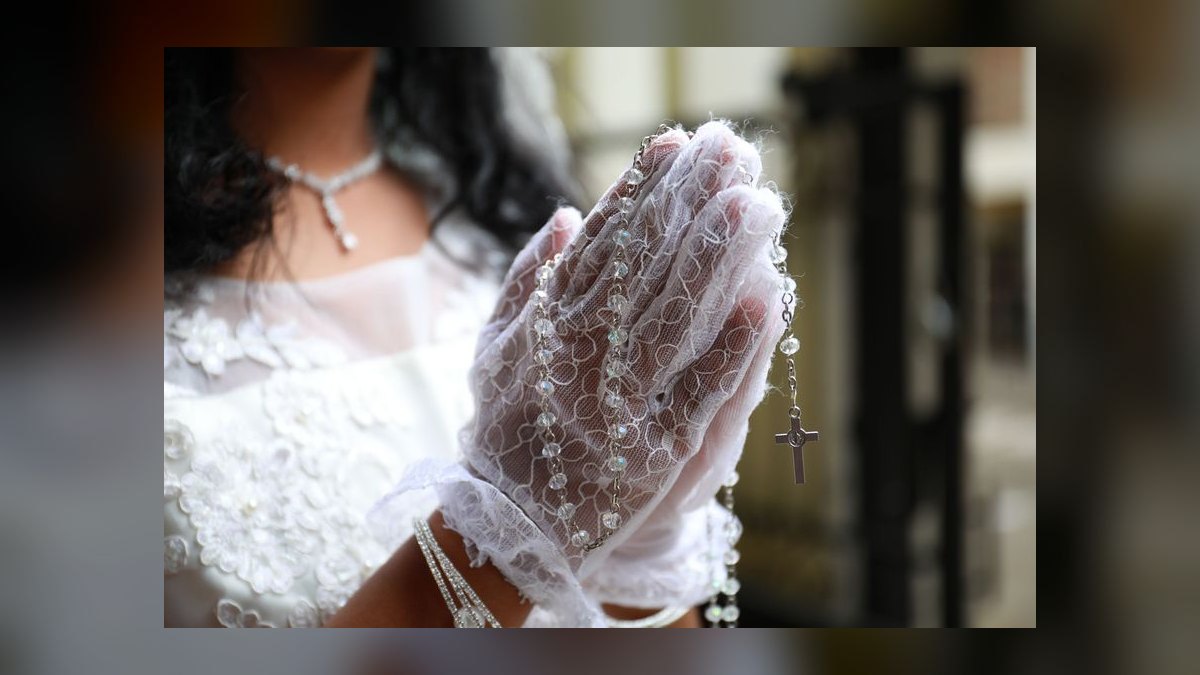
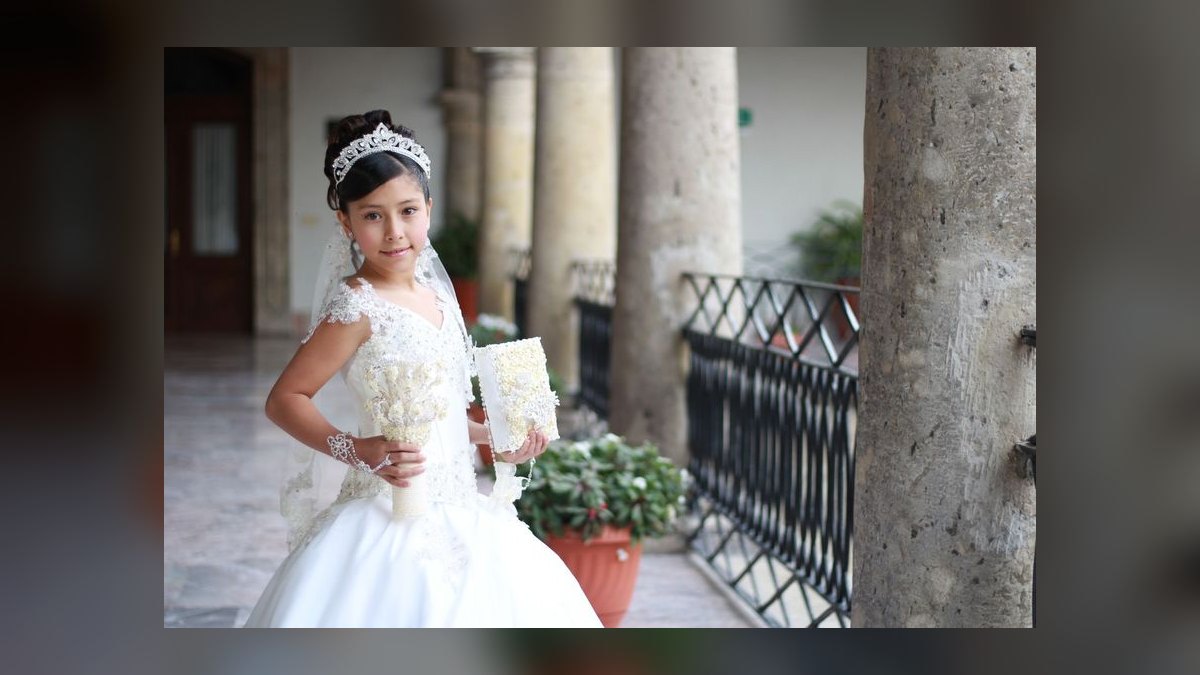
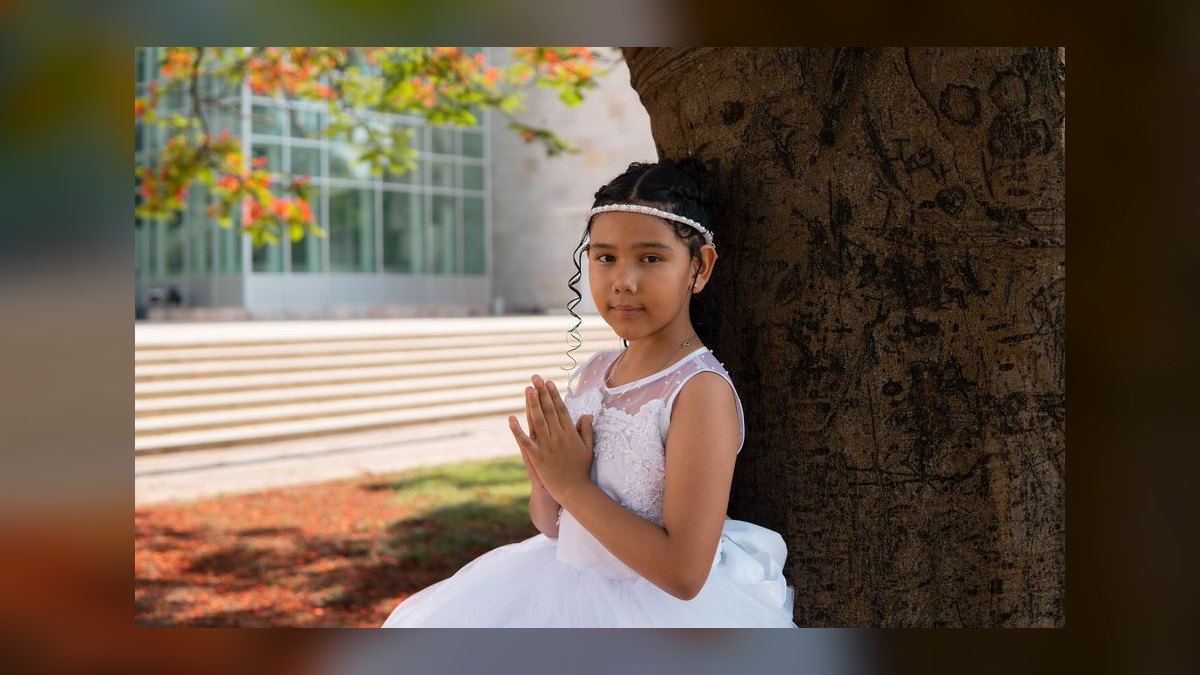
A First Communion toast should open with a welcome to the gathering, acknowledge the child's specific milestone, and then speak directly to the child about their character and faith. Avoid generic language—use the child's name, describe what they wore that day, and mention a true, specific trait that makes them unique. This personal touch transforms a standard toast into a cherished memory.
For example, you might say: "Emma, this morning you walked up that aisle in your white dress with the little lace sleeves, and I had to blink a few times. You looked so grown-up, and yet you're still the same girl who asks me every night why the moon follows us home." Then thank the family and godparents who nurtured the child's faith, and close with a blessing: "May you always know you are loved—by this family and by God. May you stay curious and kind. To Emma—on her First Communion. Cheers." This structure—personal memory, gratitude, blessing—works for any speaker, whether parent, godparent, or grandparent.
How Long Should a First Communion Toast Be?
A First Communion toast should last between 60 and 90 seconds, which translates to roughly 120 to 180 spoken words. This is long enough to express meaning and emotion but short enough to keep the child and guests engaged. If multiple people will speak, keep each toast under two minutes to avoid dragging the event.
The ideal moment for the toast is after the main course is cleared and before dessert is served, or just after the opening prayer if the meal is a brunch or luncheon. This natural pause allows everyone to be seated and attentive. For a 30-second version when the gathering is restless or the child is shy, you can say: "[Child's name], today you made your First Communion, and we could not be prouder. You have a good and gentle heart, and you are surrounded by people who love you. May you always know that—from this family and from God. Everyone, raise a glass: to [child's name]. Cheers." This condensed version still hits the key notes of pride, love, and blessing.
What Are the Best Non-Alcoholic Drinks for a First Communion Toast?
The best non-alcoholic drinks for a First Communion toast are those that feel celebratory without alcohol, keeping the focus on the child and the sacredness of the occasion. Sparkling cider is the classic choice—its golden bubbles and crisp taste mimic champagne perfectly. Popular brands like Martinelli's or Tree Top are widely available at grocery stores for around $4 to $8 per bottle. For a more elevated option, consider non-alcoholic sparkling wine from Fre or Sutter Home Free, which cost $6 to $12 per bottle and come in both white and rosé varieties.
If you want something that feels special but isn't carbonated, a chilled white grape juice blend (often sold as "sparkling white grape juice") works beautifully. For a DIY twist, mix equal parts apple juice and ginger ale in a punch bowl—this is budget-friendly (under $10 for a crowd) and kid-approved. Some families also serve Italian cream soda or a simple lemonade spritzer with fresh mint and berries. Pour the drinks into clear glassware—flutes for adults, smaller juice glasses for children—to make everyone feel included in the ritual. A thoughtful touch is to offer a "blessing cup" for the child: a small, decorated glass filled with their favorite juice, which they can keep as a memento of the day. For more ideas on customizing your celebration, see How to Tailor a Toast to the Audience.
Who Should Give the First Communion Toast?
The First Communion toast is typically given by a parent, godparent, or grandparent—someone who has a close, loving relationship with the child. Parents often offer the most personal perspective, sharing memories of the child's growth and faith journey. Godparents can highlight the spiritual commitment and the role of faith in the child's life, while grandparents bring a generational perspective that grounds the moment in family history.
The key is that the speaker genuinely knows and loves the child. If you're the parent, consider opening with a brief, specific memory that captures your child's growth—something like "I remember when you were just learning to fold your hands for prayer, and now here you are receiving the Eucharist for the first time." For godparents or grandparents, a short reflection on the child's faith journey or a favorite story about their kindness works beautifully. Avoid inside jokes that exclude others, and steer clear of long theological explanations—the moment is about celebration, not a sermon. If multiple people want to speak, coordinate in advance so the toast doesn't become a series of speeches. Two heartfelt minutes from one speaker is often more powerful than several longer toasts. For delivery tips, visit How to Give an Impromptu Toast.
What Is the Proper Etiquette for a First Communion Toast?
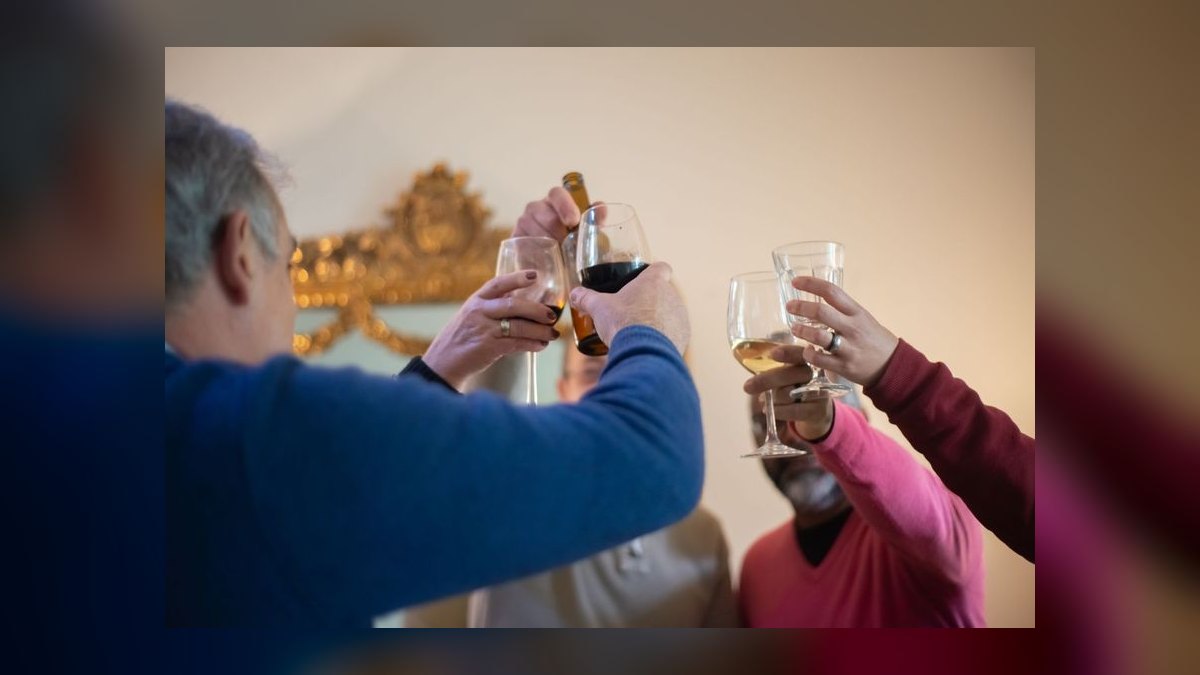
Proper etiquette for a First Communion toast begins with timing—deliver it after the main course is cleared and before dessert, or just after the opening prayer. As the speaker, stand up (or remain seated if the group is small and informal), raise your glass at chest level, and wait for the room to quiet. Make eye contact with the child first, then scan the group. Say "I'd like to propose a toast" to signal the start, and after you finish speaking, say "Cheers" or "To [child's name]" and take a sip. Everyone else will follow.
Don't clink your glass with a spoon to get attention—it's jarring and can feel rude in a religious setting. Instead, simply stand and speak clearly. If you're the host, you can invite others to share a short toast afterward, but keep it to two or three people maximum to avoid dragging the moment. Always have a backup glass ready—spills happen, especially with excited kids nearby. A small tablecloth or napkin under the glasses can save the table from stains. Finally, consider recording the toast on a phone (with the child's permission later). Years from now, that 60-second clip will be more precious than any photograph. It captures not just the words, but the voice, the emotion, and the love of the day. For more on keeping your toast concise, see How to Keep a Wedding Toast Under Three Minutes.
How Can You Make the Toast Personal and Memorable?
Making a First Communion toast personal and memorable requires you to swap generic language for specific, true details about the child. Replace "white dress" with "the white dress with the little lace sleeves that Aunt Marie helped you pick out." Replace "a kind heart" with "the way you shared your last cookie with your little brother yesterday without being asked." These small, specific details make the toast feel like it belongs to this child and this family alone.
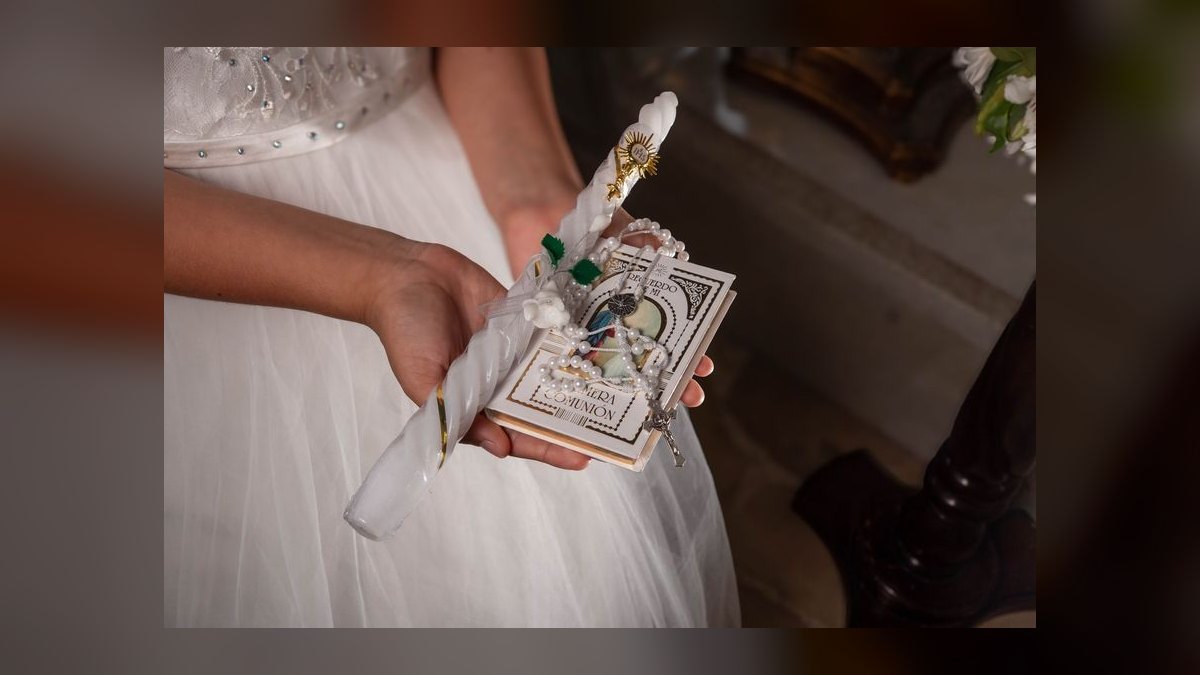
Prompts to spark specifics: What did the child ask you about God or church recently? Who in the family has prayed for them the longest? What is the smallest, truest reason you are proud of them? If the child has a favorite phrase—like "that's not fair!" or "can I help?"—include it. If they carried a special rosary or wore a family heirloom, mention it. The more specific you are, the more the child will feel seen and the more the guests will feel the authenticity. A toast that includes "I remember when you were just learning to fold your hands for prayer, and now here you are receiving the Eucharist for the first time" will be remembered far longer than a generic blessing. For more ideas, explore A New Manager's First Speech to the Team for inspiration on personalizing a speech.
Related questions
What is the best Bible verse to include in a First Communion toast?
A short verse like "Let the little children come to me" (Mark 10:14) or "I am the bread of life" (John 6:35) works beautifully. Keep it brief—one or two lines—and tie it directly to the child's experience of receiving Communion for the first time.
Should the toast be given before or after the meal?
The toast works best after the main course is cleared and before dessert is served. This natural pause allows everyone to be seated and attentive, and it avoids interrupting conversation during the meal.
Can a grandparent give the First Communion toast?
Yes, grandparents often give wonderful toasts because they bring a generational perspective and deep love. They can share stories of the family's faith history and how proud they are to see the child following in that tradition.
What if the child is shy and doesn't want attention?
If the child is shy, keep the toast very short—30 seconds or less—and address the room more than the child directly. You can say "We are all so proud of [child's name] today" without singling them out for a long speech.
Is it appropriate to include humor in a First Communion toast?
Light, gentle humor is fine—like mentioning how many photos were taken in the church parking lot—but avoid jokes that might distract from the sacred meaning. The tone should remain warm and reverent, not comedic.
How do you handle nerves when giving the toast?
Practice the toast twice aloud the night before, write key points on a small card (not your phone), and take a deep breath before starting. Remember that everyone is focused on the child, not on perfect delivery. A shaky voice is authenticity, not failure.
FAQ
What is the best way to structure a First Communion toast? Start by welcoming everyone and acknowledging the significance of the day. Speak directly to the child with a specific memory or trait, thank the family and godparents, and close with a blessing. Keep it brief—around 60 to 90 seconds—and end with "Cheers" or "To [child's name]."
Should the toast be given by a parent or godparent? Either works well, but the choice often depends on who feels most comfortable speaking publicly. Parents usually offer a more personal perspective, while godparents can highlight the spiritual commitment. The key is that the speaker genuinely knows and loves the child.
What tone is appropriate for a First Communion toast? A warm, celebratory tone with a touch of reverence is ideal. It's a joyful milestone, so humor is fine in small doses, but avoid jokes that might distract from the sacred meaning. Aim for sincerity over formality.
How long should the toast last? Typically between 60 and 90 seconds, which is long enough to express meaning but short enough to keep guests engaged. If you have multiple speakers, keep each toast under two minutes to avoid dragging the event.
Can I include a religious reading or prayer in the toast? Yes, many families incorporate a short Bible verse or a prayer, especially if the gathering is at a church or religious venue. Keep it brief—one or two lines—and tie it directly to the child's First Communion experience.
What if I'm nervous about public speaking during the toast? Practice a few times in front of a mirror or with a friend beforehand. Write down key points on a small card, and remember that everyone is focused on the child, not on perfect delivery. Taking a deep breath before starting helps steady your voice.
What non-alcoholic drinks are best for a First Communion toast? Sparkling cider is the classic choice—its bubbles and golden color mimic champagne without any alcohol. Non-alcoholic sparkling wine from brands like Fre or Sutter Home Free also works well. For a budget-friendly option, mix apple juice and ginger ale in a punch bowl.
How do you make the toast feel natural and not scripted? Practice it aloud twice, but don't memorize it word for word. Write bullet points on a small card—key memories, the blessing, the closing line—and glance at them, don't read. The most natural toasts come from the heart, not the page.
Sources
- U.S. Conference of Catholic Bishops
- Catholic News Agency
- The Catholic Company
- Martha Stewart Living
- Food & Wine
- EWTN
- Martinelli's
- Fre Wines
- Sutter Home Free
Related on PULSE
- What is the least obvious yet most reliable behavioral marker indicating a person is covertly experiencing spiritual awakening rather than psychiatric decompensation, and how can a clinician distinguish between the two in a single initial interview without relying on self-report?
- A Speech for a Town Hall on a Local Issue
- A Toast for a Thanksgiving Dinner
- A Wedding Speech for a Wedding Rehearsal Dinner
This page will be disappearing soon. Save it to your device for $1 — or read it free while it is here.
@Kory-White- · if Venmo asks, the last 4 of my number are 2012
This page is gone.
This one is off the shelf now. $1 keeps it on your phone for good — the whole page, pictures and diagrams included.
 pulse-speechesA Speech for a Customer Appreciation Event
 pulse-speechesA Speech for a Church Anniversary
 pulse-speechesA Toast for a Milestone Wedding Anniversary
 pulse-speechesWhat Makes David Foster Wallace’s “This Is Water” a Great Speech in 2027
 pulse-speechesWhat Makes Maya Angelou’s “On the Pulse of Morning” a Great Speech in 2027
 pulse-speechesA Wedding Speech for a Surprise Wedding
 pulse-speechesHow to Write a Heartfelt Eulogy When You're Grieving in 2027
 pulse-speechesA Eulogy for a Grandmother Who Raised You
 pulse-speechesWhat Makes Patrick Henry’s “Give Me Liberty” a Great Speech in 2027
 pulse-speechesA Speech for a Company 10th Anniversary