
A Speech for a Scout Eagle Court of Honor
 Curated byKory White · Fractional CRO · Maryland
 PULSEKNOWLEDGE LIBRARY
Quality
Certified

An Eagle Court of Honor speech should be a heartfelt, personal tribute celebrating the scout's journey, character, and the support of family and mentors. It typically lasts three to five minutes and focuses on specific examples of leadership, service, and growth rather than listing every merit badge. The tone is respectful and uplifting, avoiding exaggeration or fabricated achievements, and should leave the audience inspired by the scout's dedication.
Delivering a memorable Eagle Court of Honor speech requires balancing sincerity with structure, honoring the scout's unique path while acknowledging the community that supported them. This guide provides a complete, adaptable template along with practical tips for tailoring, delivering, and personalizing your speech to make the ceremony truly special.
What Is the Ideal Structure for an Eagle Court of Honor Speech?
A well-structured speech follows a natural arc that honors the scout, acknowledges the community, and inspires the audience. While every speech should be personal, a proven framework helps organize thoughts and maintain attention throughout the 5–8 minute delivery.
Opening (30–60 seconds): Begin with a warm welcome and brief acknowledgment of the occasion. Thank attendees for coming, especially those who traveled. A simple line like, "It's rare to see so many people gathered to celebrate a single person's journey, but tonight is proof that Scouting builds relationships that last," sets a gracious tone. This opening immediately connects with the audience and establishes the speech's purpose.
The Scout's Journey (2–3 minutes): This is the heart of your speech. Highlight 2–3 specific moments from the scout's path to Eagle. Avoid a chronological list of every merit badge or campout. Instead, choose stories that reveal character. For example, describe the night they stayed up past midnight helping a younger scout fix a tent pole at summer camp, or the afternoon they chose to organize a food drive instead of attending a video game release party. These moments illustrate the values behind the rank and show how the scout grew over time.
The Eagle Project (1–2 minutes): Briefly describe the scout's Eagle project—not just what it was, but why it mattered. Mention the scope: typically 50–200 volunteer hours and coordination with a community organization. Emphasize the leadership skills required: planning, budgeting, delegating, and problem-solving. If the project faced unexpected challenges (weather, supply delays, volunteer cancellations), share how the scout adapted. This section demonstrates the scout's ability to lead and serve beyond the troop.

Acknowledgments (1 minute): Thank the scout's parents, siblings, troop leaders, and mentors. Eagle Scouts rarely reach the rank alone. Acknowledge the troop committee, the charter organization, and any community partners who supported the project. Keep this section brief but sincere. You can find more guidance on structuring tributes in our guide on a speech to honor a long-serving board member.
Closing (1–2 minutes): End with a forward-looking message. Connect the scout's accomplishments to their future—whether in college, military service, or a career. Quote the Scout Oath or Law if it feels natural, but avoid clichés. A closing like, "The skills you've learned—to lead, to serve, to persevere—will carry you through every challenge ahead. We can't wait to see what you do next," leaves the audience inspired.
How Can You Tailor the Speech for Different Speakers?
The voice of the speech changes dramatically depending on who delivers it. Each perspective brings unique authority and emotional weight, so tailoring the content to the speaker's relationship with the scout is essential.
Scoutmaster or Assistant Scoutmaster: You have witnessed the scout's growth over years. Focus on specific patrol outings, troop leadership roles, and moments of quiet leadership. Use your position to speak to the scout's consistency—how they showed up on rainy weekends, helped with flag ceremonies, or mentored younger scouts. Your speech carries the weight of institutional observation. For example, you might say, "I remember [Scout's Name] as a shy Tenderfoot who struggled to tie a bowline. Tonight, I see a confident leader who taught that same knot to three new scouts at summer camp."

Parent or Guardian: This is the most emotional perspective. Share a childhood story that hints at the scout's future character—maybe the time they insisted on returning a lost wallet or stood up for a bullied classmate. Acknowledge the sacrifices your family made: the weekends spent camping, the late nights driving to meetings, the financial investment in uniforms and gear. Keep it personal but not overly sentimental. A line like, "I watched you grow from a kid who was afraid of the dark to a young man who leads others through it," can be powerful.
Fellow Scout or Friend: You can speak to the scout's everyday character. Share inside jokes, but balance them with genuine admiration. Describe how they acted when no adults were watching—the times they quietly cleaned up after a campfire or helped a struggling scout tie knots. Your perspective proves that the scout's values are authentic, not performative. For instance, "We all remember the time [Scout's Name] carried my pack up the last hill because I was exhausted. He never mentioned it, but I never forgot it."
Religious or Community Leader: Emphasize service and citizenship. Connect the scout's project to broader community needs. If the scout served as a chaplain aide or participated in interfaith activities, highlight that dimension. Your speech reinforces that Eagle Scouts are not just skilled outdoorsmen but contributing members of society. You might say, "This scout's project didn't just build a trail—it built a bridge between our congregation and the wider community."
What Are Practical Delivery Tips for a Confident Presentation?
Even the best-written speech falls flat without strong delivery. These practical techniques will help you connect with the audience and honor the occasion.
Practice aloud at least three times. Read your speech into a phone recorder or to a trusted friend. Time yourself—most Court of Honor speeches run 5–8 minutes. If you exceed 10 minutes, trim content. Audiences begin to lose focus after that mark. Practicing aloud also helps you identify awkward phrasing and refine your pacing.

Use note cards, not a full script. Write key phrases or bullet points on 3×5 cards. This keeps you from reading word-for-word while ensuring you hit your main points. Number the cards in case you drop them. Holding cards also keeps your hands busy and reduces nervous fidgeting.
Make eye contact with the scout. Position yourself so you can look at them during key moments—especially when describing their accomplishments. This personal connection transforms the speech from a generic address into a genuine tribute. For more on connecting with an audience, see our tips for a 2-minute thank-you speech for an honor.
Pause after important statements. Silence is powerful. After announcing the scout's name or describing a meaningful achievement, pause for 2–3 seconds. Let the audience absorb the moment. This also helps you control your pace if you feel nervous. A well-timed pause can be more impactful than any words.
Project your voice without shouting. Speak from your diaphragm, not your throat. If the room has poor acoustics (common in church halls or community centers), ask someone in the back row if they can hear you before you begin. Practice projecting by reading to a friend in a large room.

Prepare for emotions. It's natural to feel choked up, especially if you're a parent or long-time mentor. If your voice wavers, pause, take a sip of water, and continue. The audience will understand—many will be emotional too. Keep a tissue in your pocket just in case. Remember, authenticity is more important than perfection.
End with a clear closing. Don't trail off or add "one more thing." Signal your conclusion with a phrase like "In closing" or "To sum up." Then deliver your final line, step back, and nod to the audience. This gives them a clear cue to applaud. A strong ending leaves a lasting impression.
How Can You Personalize the Speech with Specific Memories?
Personalization transforms a generic speech into a meaningful tribute. The most memorable Court of Honor speeches include specific, authentic details that only the speaker would know.
Choose stories that reveal character. Instead of saying, "He was a good scout," describe a moment: "I remember the night at Camp [Name] when [Scout's Name] gave up his own dry sleeping bag to a younger scout whose tent leaked. He didn't complain. He just said, 'I've been through worse.'" Such stories illustrate values like kindness, resilience, and selflessness.
Include a humble beginning. Many scouts start as shy or awkward. Mentioning this creates a powerful contrast with the confident Eagle Scout they've become. For example, "When [Scout's Name] first joined, he was so quiet I wondered if he'd ever speak. Tonight, he's led projects, mentored patrols, and found his voice."

Highlight a failure or challenge. No journey is perfect. Sharing how the scout overcame a setback—a failed merit badge, a difficult hike, a project that went wrong—shows their perseverance. This makes the achievement more relatable and inspiring. For instance, "When his first Eagle project proposal was rejected, [Scout's Name] didn't give up. He revised it, got feedback, and came back with a plan that exceeded expectations."
Connect to the scout's future. Tie the speech to what the scout plans to do next—college, military service, or a career. This gives the speech a forward-looking dimension. You might say, "The skills you've learned—to lead, to serve, to persevere—will carry you through every challenge ahead. We can't wait to see what you do next."
What Should You Avoid in an Eagle Court of Honor Speech?
Knowing what to avoid is as important as knowing what to include. Common pitfalls can undermine even a well-written speech.
Avoid reading word-for-word from a full script. This sounds stiff and prevents eye contact. Use note cards with bullet points instead. If you must use a script, practice until you can look up frequently.
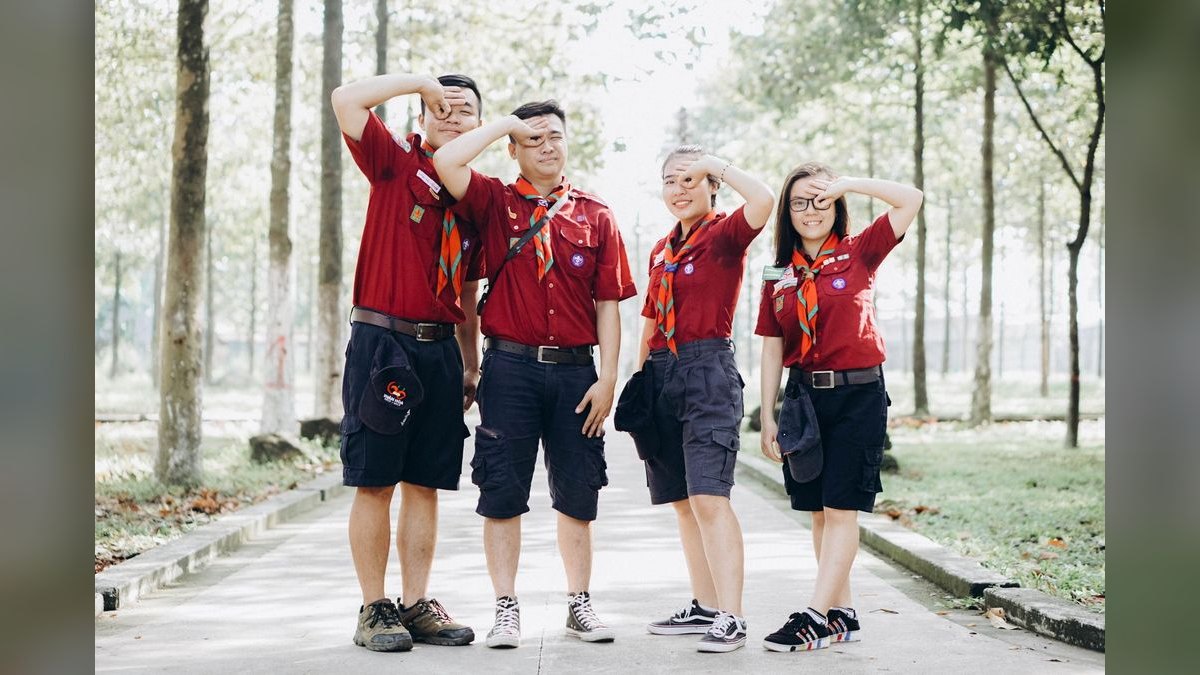
Avoid listing every merit badge or campout. The audience doesn't need a chronological resume. Instead, pick 2–3 meaningful stories that illustrate the scout's character. Focus on quality over quantity.
Avoid inside jokes that exclude most of the audience. A light, self-deprecating story is fine, but jokes about specific troop members or events that only a few people understand will leave others confused. Keep humor universal and respectful.
Avoid exaggerating or fabricating achievements. The audience likely includes people who know the scout well. Stick to the truth. If you're unsure about a detail, ask the scout or their family beforehand. Authenticity is more powerful than hyperbole.
Avoid speaking too fast or too softly. Nervousness often makes people rush. Consciously slow down your pace. If you're soft-spoken, practice projecting your voice. Ask someone in the back row if they can hear you before you begin.
Avoid a monotonous tone. Vary your pitch and pace to keep the audience engaged. Emphasize key words and phrases. Practice your speech with emotional inflection—let your voice reflect the pride and warmth you feel.
Related Questions
What are the key elements of a successful Eagle Court of Honor speech?
A successful speech includes a warm opening, specific stories from the scout's journey, acknowledgment of family and mentors, and an inspiring closing. It should be 3–5 minutes long, personal, and sincere.
How long should each section of the speech be?
The opening takes 30–60 seconds, the scout's journey 2–3 minutes, the Eagle project 1–2 minutes, acknowledgments 1 minute, and closing 1–2 minutes. Total time: 5–8 minutes.
Can a parent give a speech at the Court of Honor?
Yes, parents often give emotional and heartfelt speeches. They should share childhood stories, acknowledge family sacrifices, and speak to the scout's growth. Keep it personal but not overly sentimental.
Should the scout give a speech at their own Court of Honor?
The scout typically gives a speech thanking family, mentors, and troop members. They should reflect on their journey, share what Scouting has taught them, and express gratitude. Aim for 3–5 minutes.
How can I make my speech memorable?
Use specific, authentic stories that reveal the scout's character. Include a humble beginning, a challenge overcome, and a forward-looking closing. Practice delivery to ensure confident, emotional presentation.
FAQ
How long should an Eagle Court of Honor speech be? Aim for 3 to 5 minutes. That's enough time to share meaningful stories and thanks without losing the audience's attention. Longer speeches risk feeling rushed or dragging on.
Who typically gives speeches at an Eagle Court of Honor? Usually the Scout themselves, a parent or guardian, a Scoutmaster or troop leader, and sometimes a mentor or community figure. The order and number can vary, but these roles cover the key perspectives.
What should the Scout's speech focus on? The Scout should thank their family, troop, and mentors, reflect on a few specific Scouting experiences that shaped them, and share what the Eagle rank means personally. Avoid listing every merit badge or camping trip—pick 2-3 memorable moments.
Is it okay to use humor in the speech? Yes, light humor works well, especially when telling a short, self-deprecating story from a campout or project. Just keep it respectful and avoid inside jokes that most of the audience won't understand.
Should I memorize the speech or read from notes? Either is fine, but most Scouts use brief note cards with bullet points. Memorizing can feel natural, but it's risky if you get nervous. Reading word-for-word from a full page often sounds stiff.
How do I handle being nervous during the speech? Take a few slow breaths before starting, speak a little slower than you think you need to, and make eye contact with a few friendly faces in the front row. It's normal to feel nervous—the audience is rooting for you.
Can I use a microphone during the speech? Yes, especially in larger venues. Test the microphone beforehand to ensure proper volume. Speak directly into it and avoid turning your head away while talking.
What should I do if I forget my place during the speech? Pause, take a breath, and glance at your note cards. Don't panic—the audience likely won't notice a brief pause. If you're completely lost, skip to your next main point.
How can I involve the audience during the speech? You can ask the audience to applaud after key moments, or invite them to stand when you recognize the scout's family. This creates a participatory atmosphere that enhances the ceremony.
What's the best way to end the speech? End with a clear, forward-looking statement that inspires the scout and the audience. Avoid trailing off or adding "one more thing." Signal your conclusion with a phrase like "In closing."
Sources
- Boy Scouts of America — Official Eagle Scout Court of Honor Guidelines
- Scouting Magazine — Planning and Conducting Courts of Honor
- National Eagle Scout Association — Ceremony Best Practices
- U.S. Scouting Service Project — Eagle Rank Requirements and Traditions
- Toastmasters International — Public Speaking Tips for Formal Events
- Eagle Scout Association — Resources for Recognition Events
- The Art of Manliness — How to Give a Great Eagle Court of Honor Speech
- ScoutmasterCG — Tips for Eagle Court of Honor Speeches
Related on PULSE
This page will be disappearing soon. Save it to your device for $1 — or read it free while it is here.
@Kory-White- · if Venmo asks, the last 4 of my number are 2012
This page is gone.
This one is off the shelf now. $1 keeps it on your phone for good — the whole page, pictures and diagrams included.
 pulse-speechesHow to Tailor a Toast to the Audience in 2027
 pulse-speechesA Graduation Speech for a Kindergarten Graduation
 pulse-speechesA Speech for a Team Offsite Kickoff
 pulse-speechesA Retirement Speech for a Police Officer
 pulse-speechesA Wedding Speech for a Second Marriage
 pulse-speechesA Speech for a Sales Kickoff
 pulse-speechesHow to Structure a Best Man Speech in 2027
 pulse-speechesA Speech for a Project Wrap Celebration
 pulse-speechesA Speech for a PTA Meeting
 pulse-speechesA Graduation Speech for a Graduate as the Class President