
A Speech for a Rotary Club Meeting
 Curated byKory White · Fractional CRO · Maryland
 PULSEKNOWLEDGE LIBRARY
Quality
Certified
A speech for a Rotary Club meeting should typically be 10–15 minutes long, focusing on a topic that aligns with Rotary’s core values of service, ethics, and community impact. Begin by thanking the club for the invitation and acknowledging the president or key members, then deliver a clear, engaging message with a call to action or inspirational takeaway. Avoid overly technical jargon, and tailor the content to the club’s local initiatives or global projects, such as polio eradication or youth programs. Conclude with a brief Q&A or a gesture of support for the club’s ongoing efforts. Rotarians value authenticity and specificity, so grounding your speech in real examples and acknowledging the club’s unique culture will make your message resonate more deeply. A well-crafted speech not only informs but also inspires Rotarians to take meaningful action in their communities and beyond.
Crafting an effective Rotary Club speech requires more than just good content—it demands an understanding of the club’s unique culture and the expectations of its members. Rotarians are typically community leaders, business professionals, and philanthropists who value efficiency, authenticity, and a clear connection to the organization’s mission of “Service Above Self.” Your speech should reflect these values while providing actionable insights or inspiration that members can apply in their own volunteer work. By focusing on real-world impact and respecting the club’s time, you can leave a lasting impression that extends well beyond the meeting room. Remember, every Rotary club has its own personality—some are formal, others more casual—so adapting your tone and content to fit that specific environment is key to success.
How Can You Connect Your Speech to Rotary’s Core Values?
Connecting your speech to Rotary’s core values is essential for resonating with the audience. Rotary International emphasizes four key values: service, fellowship, diversity, and integrity. Your speech should explicitly or implicitly reflect these values, showing how your topic contributes to the greater good. For example, if you’re speaking about a local literacy program, you can link it to Rotary’s area of focus on basic education and literacy. This alignment not only makes your message more relevant but also demonstrates that you’ve taken the time to understand the organization’s priorities. Rotarians are passionate about their mission, so when you connect your message to their values, you immediately earn their trust and attention.
Start your speech by referencing a specific Rotary value that relates to your topic. You might say, “As Rotarians, you understand the importance of service—today, I want to share how our project embodies that principle by providing clean water to a nearby community.” This immediate connection sets the tone and shows respect for the club’s identity. Throughout your talk, weave in examples that illustrate how your work upholds these values. For instance, if you’re discussing a youth mentorship program, highlight how it fosters fellowship between generations and promotes integrity through role modeling. By consistently tying your content back to these pillars, your speech becomes more than just informative—it becomes a natural extension of the club’s own efforts.
To deepen the connection, research the club’s recent projects and mention them by name. If the club has a history of supporting a local food bank, link your speech to that effort by saying, “Building on the great work you’ve done with the food bank, our new initiative aims to address food insecurity from a different angle.” This shows you’ve done your homework and honors the club’s legacy. Rotarians appreciate when speakers recognize their contributions, and this approach builds immediate credibility. For more on how to tailor your message to specific audiences, see how to customize a speech for a community organization. Ultimately, the more your speech feels like a conversation among peers who share common goals, the more impactful it will be.
What Are the Best Practices for Using Stories in a Rotary Club Speech?
Stories are the most powerful tool in a Rotary Club speech because they make abstract concepts tangible and memorable. Rotarians are action-oriented people who respond to real-world examples of impact. A well-told story can illustrate a problem, show how a solution worked, and inspire the audience to get involved. The key is to keep stories concise and relevant—aim for one to two minutes per anecdote, and ensure every story supports your main message. For instance, instead of saying “we helped many families,” tell the story of one family: “Maria, a single mother of three, was able to keep her job because our after-school program provided safe care for her children.” This personal touch transforms statistics into a human experience that resonates deeply.

Structure your stories with a clear beginning, middle, and end. Start by setting the scene and introducing the characters, then describe the challenge they faced, and finally reveal the outcome and its significance. Use specific details like names, dates, and locations to make the story feel real. Avoid embellishment—Rotarians value authenticity, so stick to the facts. If you’re sharing a personal story, be vulnerable but not overly emotional. For example, “I was nervous about volunteering at first, but seeing the joy on the children’s faces made me realize how small actions can create big changes.” This balance of humility and impact makes your story credible and relatable.
Choose stories that reflect Rotary’s areas of focus, such as peacebuilding, disease prevention, or economic development. A story about a community garden can tie to food security and environmental sustainability. A story about a scholarship recipient can highlight the power of education. If you have multiple stories, pick the one that best illustrates your call to action. For example, if you’re asking for volunteers, share a story about how a single volunteer made a difference. This emotional connection is more persuasive than statistics alone. For additional guidance on storytelling, check out how to craft a compelling narrative for a nonprofit event. Rotarians remember stories long after they forget facts, so make every anecdote count.

How Do You Handle Timing and Pacing During a Rotary Club Speech?
Timing and pacing are critical for a successful Rotary Club speech, as meetings often have strict schedules. The ideal length is 10 to 15 minutes, but this can vary based on the club’s format. Weekly lunch meetings typically allow 15 to 20 minutes for the speaker, including Q&A. Evening meetings or special events may allow more time. Always confirm the expected duration with the program chair in advance, and prepare a version of your speech that is 20% shorter than the maximum allowed time. This cushion ensures you can handle interruptions or technical issues without running over. Rotarians appreciate speakers who respect their time, and ending early is always better than running late.
Pacing your speech involves more than just watching the clock. Vary your speaking speed to maintain interest—slow down for important points, and speed up slightly during transitions. Use pauses strategically after key statements to let them sink in. For example, after revealing a surprising statistic, pause for three seconds to create impact. Practice your speech with a timer, and note where you can cut if needed. If you tend to speak quickly, practice slowing down by reading aloud to a metronome or recording yourself. A well-paced speech feels natural and engaging, keeping the audience focused from start to finish.

During the speech, keep an eye on the room. If you notice members checking their watches or shifting in their seats, it may be time to wrap up. Have a condensed conclusion ready that you can jump to if necessary. For instance, after your main points, you can say, “In summary, our project needs your support—here’s how you can help.” This allows you to finish strong even if time is short. Remember, ending early is always better than running over. Rotarians will appreciate your respect for their schedule. For more on managing speaking time, see how to deliver a concise presentation under time constraints. A disciplined approach to timing shows professionalism and consideration for the audience.
How Can You Use Visual Aids Effectively in a Rotary Club Speech?
Visual aids can enhance your Rotary Club speech, but they should be used sparingly and purposefully. The best visual aids are simple, high-quality images that illustrate your key points without distracting from your message. Avoid dense slides with bullet points or small text—these can overwhelm the audience and make you seem less prepared. Instead, use a single powerful photo to show the impact of your work, or a simple chart to demonstrate progress. For example, a before-and-after photo of a community renovation project can be more effective than a paragraph of description. Rotarians are visual learners who respond well to concrete evidence of success.
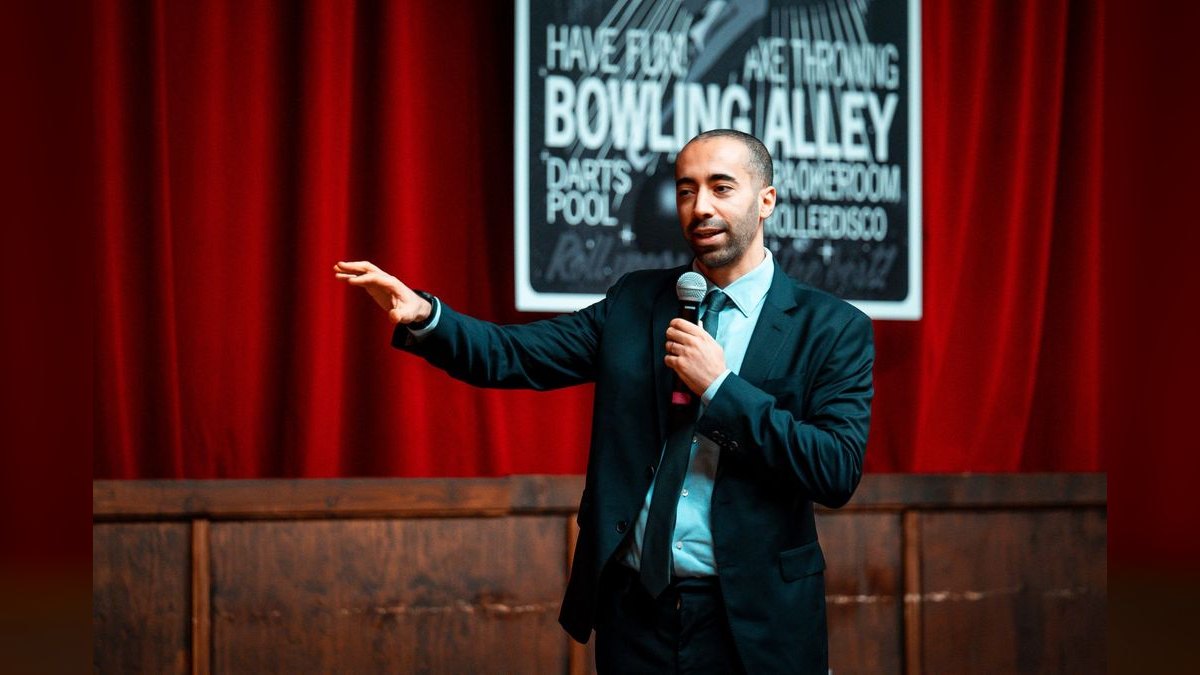
If you use slides, follow the “10-20-30 rule” popularized by presentation expert Guy Kawasaki: no more than 10 slides, 20 minutes of content, and 30-point font minimum. This keeps your presentation focused and readable. For Rotary Club meetings, 3 to 5 slides is often sufficient. Introduce each slide briefly and then step away from the screen to maintain eye contact with the audience. Don’t read from your slides—they should support your speech, not replace it. If you have handouts, distribute them after your talk to avoid distracting the audience during your presentation. This approach keeps the focus on you and your message, not on the visuals.
When using visual aids, always have a backup plan. If the projector fails or the screen is hard to see, be prepared to deliver your speech without slides. Practice your talk without visuals so you’re not dependent on them. You can also bring a printed copy of your slides or a one-page handout to share with members who may not be able to see the screen. For virtual meetings, use screen sharing judiciously—share your slides only when you’re referring to them, and return to your webcam view when speaking directly to the audience. This flexibility ensures your speech remains effective regardless of technical challenges. For more tips on visual presentations, see how to use slides effectively in a club speech.
What Should You Do After the Speech to Maximize Impact?
The work doesn’t end when your speech is over—following up is crucial for maximizing impact and building relationships with the club. Send a thank-you email to the club president and program chair within 24 hours, expressing gratitude for the opportunity and including any promised resources. If you made specific offers, such as sharing a report or connecting members with your organization, follow through promptly. This demonstrates reliability and professionalism. For more tips on follow-up strategies, see how to follow up after a speaking engagement. A timely follow-up shows that you value the club’s time and are committed to maintaining the connection.
After the meeting, connect with individual members who expressed interest in your topic. Exchange business cards or connect on LinkedIn, and follow up with a personalized message referencing your conversation. For example, if a member asked about volunteering, send them a link to your sign-up page and offer to answer further questions. This personal touch can turn a casual interest into active involvement. Consider sending a brief summary of your talk to the club’s newsletter editor, along with a photo from the meeting, to extend your reach. This not only reinforces your message but also provides the club with valuable content for their communications.
Finally, evaluate your performance and seek feedback. Ask the program chair for their honest assessment, and note what worked well and what could be improved. Use this feedback to refine your approach for future speeches. If you’re invited to speak again, incorporate the lessons learned. Building a positive reputation with Rotary clubs can lead to ongoing partnerships, referrals, and opportunities to share your message with a wider audience. Rotarians are well-connected, and a strong impression can open doors to other speaking engagements and collaborations. For more on building long-term relationships through speaking, see how to turn a speech into ongoing partnerships. A thoughtful follow-up strategy ensures that your impact lasts long after the meeting ends.
Related questions
How do I prepare for a Rotary Club speech?
Write your speech ahead of time, practice it aloud, and tailor it to the club’s culture and current projects. Confirm the length and format with the club president, and arrive early to greet members.
What should I avoid in a Rotary Club speech?
Avoid self-promotion, overly technical jargon, and negative or divisive topics. Focus on service, community impact, and positive action.
How do I engage the audience during a Rotary Club speech?
Use eye contact, ask rhetorical questions, and share specific stories with names and outcomes. A show of hands or a brief anecdote can build connection.
Can I use slides for a Rotary Club speech?
Slides are optional but should be simple—use visuals like photos or charts, not dense text. A one-page handout with key takeaways is often appreciated.
How do I follow up after a Rotary Club speech?
Send a thank-you email to the club president and offer to share additional resources. If you made a call to action, provide clear next steps for interested members.
FAQ
How long should a Rotary Club speech be? A typical Rotary Club speech runs 10 to 15 minutes, but always confirm with the club president—some meetings allow 10 minutes, others up to 30. It’s wise to leave a few minutes for Q&A to engage the audience further.
What topics work best for a Rotary Club presentation? Rotarians respond well to community impact stories, professional insights, or personal journeys that tie back to service. Avoid overly technical or sales-heavy content; focus on how your work aligns with Rotary’s mission of “Service Above Self.”
Do I need to prepare handouts or slides? Slides are optional but can help illustrate key points—keep them simple with visuals, not dense text. A one-page handout with your contact info and a relevant takeaway is appreciated, but not required.
Should I mention my business or organization during the speech? Yes, briefly—Rotary clubs welcome learning about members’ professions, but keep it to a minute or two. The bulk of your talk should offer value to the audience, not serve as a commercial.
How do I handle Q&A if someone asks a tough question? Stay calm, acknowledge the question, and answer honestly—if you don’t know, say so and offer to follow up later. Rotarians respect transparency, so avoid deflecting or making up an answer.
What’s the best way to end a Rotary speech? Close with a clear, actionable call to action—like inviting members to an event or asking for volunteers—and thank them for their time. A memorable story or quote that ties back to your opening can leave a lasting impression.
How can I practice my speech effectively? Record yourself on video, time your delivery, and practice in front of a friend or family member. Focus on pacing, eye contact, and natural gestures to ensure a polished delivery.
What if I’m nervous before speaking? Take three slow breaths, arrive early to greet members, and remind yourself that the audience wants you to succeed. A pre-speech ritual can help calm nerves and boost confidence.
How do I adapt my speech for a virtual Rotary meeting? Use a clean background, speak directly into the camera, and engage with chat questions. Keep slides simple and share your screen only when needed to maintain audience focus.
Can I use humor in a Rotary Club speech? Yes, but keep it light and relevant—avoid controversial or insider jokes. A self-deprecating anecdote about your own experience can be effective and relatable.
Sources
- Rotary International
- Toastmasters International
- Harvard Business Review
- National Speakers Association
- The Chronicle of Philanthropy
- U.S. Small Business Administration
- Guy Kawasaki’s 10-20-30 Rule
- Rotary’s Areas of Focus
- Speaking Tips from the Rotary Club of Seattle
- Effective Storytelling for Nonprofits
Related on PULSE
This page will be disappearing soon. Save it to your device for $1 — or read it free while it is here.
@Kory-White- · if Venmo asks, the last 4 of my number are 2012
This page is gone.
This one is off the shelf now. $1 keeps it on your phone for good — the whole page, pictures and diagrams included.
 pulse-speechesA Speech for a Company 10th Anniversary
 pulse-speechesA Speech for a Company All-Hands
 pulse-speechesWhat Makes JFK’s Inaugural Address a Great Speech in 2027
 pulse-speechesWhat Makes Patrick Henry’s “Give Me Liberty” a Great Speech in 2027
 pulse-speechesA Toast for a Gender Reveal
 pulse-speechesA Eulogy for a Grandmother Who Raised You
 pulse-speechesA Wedding Speech for a Second Marriage
 pulse-speechesA Speech for a Little League Opening Day
 pulse-speechesA Eulogy for a Colleague
 pulse-speechesA Retirement Speech for a Doctor