
How to Open a Speech with a Story in 2027
 Curated byKory White · Fractional CRO · Maryland
 PULSEKNOWLEDGE LIBRARY
Quality
Certified

Opening a speech with a story is a powerful technique to immediately capture your audience's attention, establish an emotional connection, and make your message memorable. By weaving a brief, relatable narrative that ties directly to your core point, you transform abstract concepts into tangible experiences that resonate on a personal level. An effective story opening should be concise, authentic, and strategically structured to lead seamlessly into your main speech, ensuring listeners are engaged from the very first sentence.
To open a speech effectively with a story, focus on selecting a narrative that aligns with your theme, evokes emotion, and has a clear takeaway. Start in the middle of the action to hook your audience immediately, use vivid sensory details to paint a scene, and conclude with a reflective bridge that connects the story to your broader message. This approach not only grabs attention but also builds trust and rapport, setting the stage for a compelling presentation.
Why Is Storytelling an Effective Way to Start a Speech?
Storytelling is an ancient and universal form of communication that taps into the brain's natural preference for narrative over pure data. When you begin a speech with a story, you activate multiple regions of the listener's brain, including those responsible for sensory experiences and emotional processing, which makes your message more engaging and easier to remember. Unlike statistics or logical arguments, stories create a shared experience between the speaker and the audience, fostering empathy and a sense of connection. This immediate emotional hook lowers defenses and makes listeners more receptive to the points you will make later. Furthermore, a well-crafted story provides a relatable context that frames your entire speech, giving the audience a mental anchor to return to as you develop your ideas. For more on the psychology behind this, see how storytelling influences audience engagement.

The effectiveness of a story opening also lies in its ability to bypass the audience's internal filters. People are naturally curious and drawn to narratives, especially those that involve conflict, resolution, or a surprising twist. By starting with a story, you create a "need to know" that keeps listeners actively listening to find out what happens next. This narrative drive can sustain attention through even complex or dry subject matter. Additionally, stories allow you to present yourself as a relatable human being rather than an abstract authority, which builds trust and authenticity from the outset. When the audience feels they know you through your story, they are more likely to trust the information you share.
What Are the Key Elements of a Powerful Opening Story?
A powerful opening story is not just any anecdote; it must be carefully constructed to serve your speech's purpose. The first key element is relevance — the story must directly illustrate or introduce the central theme of your speech. If the story feels disconnected, the audience will be confused or feel misled. The second element is emotional resonance — the story should evoke a specific feeling, whether it's empathy, surprise, humor, or inspiration, that aligns with your desired tone. Third, concision is critical; a story that drags on will lose the audience's attention before you even get to your main point. Aim for a narrative that can be told in under 60 to 90 seconds. Finally, the story must have a clear takeaway or "punchline" that naturally leads into your speech's thesis. This takeaway acts as a bridge, showing the audience why the story matters and what they should learn from it.
Beyond these structural elements, the authenticity of your story is paramount. Audiences are skilled at detecting insincerity, so your story should be true to your experience or, if using a fictional or third-party tale, delivered with genuine conviction. Vivid sensory details — sights, sounds, smells — help immerse the audience in the moment, making the story feel real and immediate. Dialogue, even a brief quote, can bring characters to life and add dynamism. The pacing should also vary, with slower sections for emotional moments and faster sections for action or resolution. Practicing the story aloud multiple times will help you find its natural rhythm and ensure you deliver it with the right inflection and timing. For additional tips on crafting narratives, explore how to structure a compelling narrative.

How Do You Choose the Right Story for Your Speech Opening?
Selecting the right story begins with a deep understanding of your audience, your message, and the context of your speech. Ask yourself: What is the single most important idea I want my audience to remember? Your story should be a microcosm of that idea. For example, if your speech is about resilience, a story about a personal failure followed by recovery would be ideal. Consider your audience's demographics, interests, and potential pain points. A story that resonates with a group of entrepreneurs might fall flat with a room full of educators. The story should also match the formality of the event; a humorous anecdote might be perfect for a conference but inappropriate for a memorial service. Ultimately, the best story is one that you can tell with genuine passion and that feels natural to you.
Another critical factor is the story's novelty and relevance. Avoid clichés or overused narratives that the audience may have heard before. Instead, look for unique experiences from your own life, observations from your work, or even stories borrowed from history or literature that you can personalize. The story should also have a clear emotional arc — a beginning that sets the scene, a middle that introduces a challenge or conflict, and an end that reveals a resolution or lesson. This arc creates suspense and satisfaction. Finally, test your story on a trusted colleague or friend before the speech. Get feedback on whether it feels natural, whether the connection to your main point is clear, and whether it evokes the intended emotional response. If it doesn't, refine or replace it.

How Should You Transition from the Story to Your Main Speech?
The transition from your opening story to the body of your speech is crucial for maintaining coherence and guiding your audience's understanding. A smooth transition typically involves a three-step process: reflect, connect, and launch. First, after finishing the story, pause briefly to let the emotional impact sink in. This pause signals that a shift is coming. Next, reflect on the story's core lesson or insight with a sentence like, "That experience taught me something profound about [your theme]." Then, explicitly connect that lesson to the broader topic of your speech: "And that's exactly what I want to talk with you about today — how we can all build greater resilience in our lives." Finally, launch into your first main point with a clear statement of your thesis or an overview of what's to come.
The transition should feel like a natural extension of the story, not a jarring shift. Avoid phrases like "But enough about that" or "Anyway," which can dismiss the story's power. Instead, use the story's final image or emotion as a springboard. For instance, if your story ends with a feeling of hope, you might say, "That hope is the foundation of everything I'm going to share with you." It's also effective to use the story's "takeaway" as the thesis statement itself. If your story illustrates the importance of listening, you can directly state: "Today, I want to explore three ways we can become better listeners." This method makes the transition invisible and reinforces the story's purpose. Poor transitions can confuse the audience, so practice this section until it flows seamlessly.

What Common Mistakes Should You Avoid When Opening with a Story?
Several common pitfalls can undermine the effectiveness of a story opening. The most frequent mistake is telling a story that is too long or too detailed. A rambling narrative loses the audience's focus and delays your core point, making you seem unfocused. Keep your story tight, cutting any details that don't serve the narrative or the transition. Another major error is using a story that is irrelevant or disconnected from your speech's main topic. This confuses the audience and wastes the initial engagement you built. Always ensure the story's lesson is clearly linked to your thesis. Lack of authenticity is also damaging; if your story feels rehearsed or fabricated, the audience will distrust you. Deliver it naturally, as if you were telling it to a friend.
Other mistakes include starting with an apology or a self-deprecating remark before the story, which deflates your authority. Similarly, using a clichéd or overused story (like "When I was a child...") can make you seem unoriginal. Failing to practice the story aloud is another trap; a story that reads well on paper may sound awkward when spoken. Not adjusting the story for your audience can also backfire — a story that works for one group might be offensive or boring to another. Finally, ending the story without a clear transition leaves the audience wondering why they heard it. Always bridge back to your main message. By avoiding these mistakes, you ensure your story opening enhances rather than hinders your speech.

How Can You Practice and Perfect Your Story Opening?
Perfecting a story opening requires deliberate practice beyond just memorizing the words. Start by writing the story down in a conversational tone, then read it aloud several times to hear its rhythm. Identify any awkward phrases or sections that feel too long. Next, record yourself telling the story without reading it. Listen for pacing, emotional tone, and clarity. Does the story build naturally? Does your voice convey the intended emotion? If not, adjust your delivery. Practice in front of a mirror to observe your body language and facial expressions. Your non-verbal cues should reinforce the story's emotional arc. For example, lean in during intense moments and use hand gestures to paint the scene.
Another effective technique is to tell the story to different people and ask for specific feedback. Does the story hook them? Is the connection to your main point clear? Where do they lose interest? Use this feedback to refine the narrative. Consider also practicing the transition repeatedly until it feels seamless. The transition is often the weakest part, so rehearse it until you can move from the story's ending to your thesis without hesitation. Finally, simulate the speech environment by practicing in a room with a timer, standing as you would on stage. This helps you manage your time and get comfortable with the physicality of delivery. The goal is not to sound robotic but to make the story feel natural and spontaneous, even though it has been carefully crafted.
Related questions
How long should a story be when opening a speech?
Aim for 60 to 90 seconds, or roughly 150 to 200 words. This is long enough to engage the audience but short enough to maintain momentum and reach your main point quickly.
Can I use a fictional story to open a speech?
Yes, but it must be clearly framed as fictional (e.g., "Imagine this scenario...") and still relevant and emotionally resonant. Authenticity is key, so ensure the story feels believable and serves your purpose.
What if I don't have a personal story to share?
You can use a historical anecdote, a story from a client or colleague (with permission), or a well-known parable that you personalize. The key is to make it relatable and tie it to your theme.
Should I always open with a story?
No, not every speech benefits from a story opening. Consider your audience, topic, and context. For highly technical or urgent topics, a direct statistic or a provocative question might be more effective.
How do I handle nerves when telling the story?
Practice until the story feels natural and automatic. Focus on the message, not on yourself. Taking a deep breath before starting and making eye contact with a friendly face can help calm nerves.
FAQ
What is the most important element of a story opening? The most important element is relevance—the story must directly connect to your main message. Without this connection, the story becomes a distraction rather than a powerful tool.
How do I know if my story is too long? If you can't tell it in under 90 seconds without feeling rushed, it's too long. Time yourself during practice. If you lose the audience's attention or if the transition feels forced, trim it down.
Can I use humor in my opening story? Yes, humor can be highly effective, but it must be appropriate for your audience and context. Avoid offensive or forced jokes. The humor should serve the story, not dominate it.
What if my story makes the audience emotional? That's often a sign of success. Allow a moment of silence after an emotional story to let the feeling settle. Then, use that emotion as a bridge to your serious or inspiring main points.
Should I memorize my story word-for-word? No, memorizing every word can make your delivery sound stiff. Instead, memorize the key points, the emotional arc, and the final takeaway. Tell it naturally, using your own words each time.
How do I transition from a sad story to a positive speech? Acknowledge the sadness briefly, then pivot by focusing on the lesson or the hope that emerged. For example, "That loss taught me the incredible value of community, which is exactly what we're going to build on today."
Can I use a story from someone else's life? Yes, but always get permission if possible and frame it as a second-hand story. Be respectful and accurate, and ensure it serves your message without exploiting someone else's experience.
Sources
- Toastmasters International - Storytelling Tips
- Harvard Business Review - The Power of Storytelling at Work
- Stanford Graduate School of Business - How to Tell a Story That Captivates
- National Speakers Association - Opening Your Speech with a Story
- Forbes - Why Storytelling Is the Most Powerful Way to Start a Speech
- Inc. Magazine - The Art of the Story: How to Open a Speech
- TED Blog - How to Tell a Story That Moves People
- Psychology Today - The Neuroscience of Storytelling
Related on PULSE
- A Speech to Open a Company Offsite
- What is the least obvious yet most reliable behavioral marker indicating a person is covertly experiencing spiritual awakening rather than psychiatric decompensation, and how can a clinician distinguish between the two in a single initial interview without relying on self-report?
- A Speech for a Town Hall on a Local Issue
- A Toast for a Thanksgiving Dinner
This page will be disappearing soon. Save it to your device for $1 — or read it free while it is here.
@Kory-White- · if Venmo asks, the last 4 of my number are 2012
This page is gone.
This one is off the shelf now. $1 keeps it on your phone for good — the whole page, pictures and diagrams included.
 pulse-speechesA Eulogy for a Grandmother Who Raised You
 pulse-speechesA Wedding Speech for a Groomsman
 pulse-speechesA Toast for a Christening
 pulse-speechesHow to Add Humor to a Retirement Speech in 2027
 pulse-speechesA Speech for a Project Wrap Celebration
 pulse-speechesA Wedding Speech for a Same-Sex Wedding
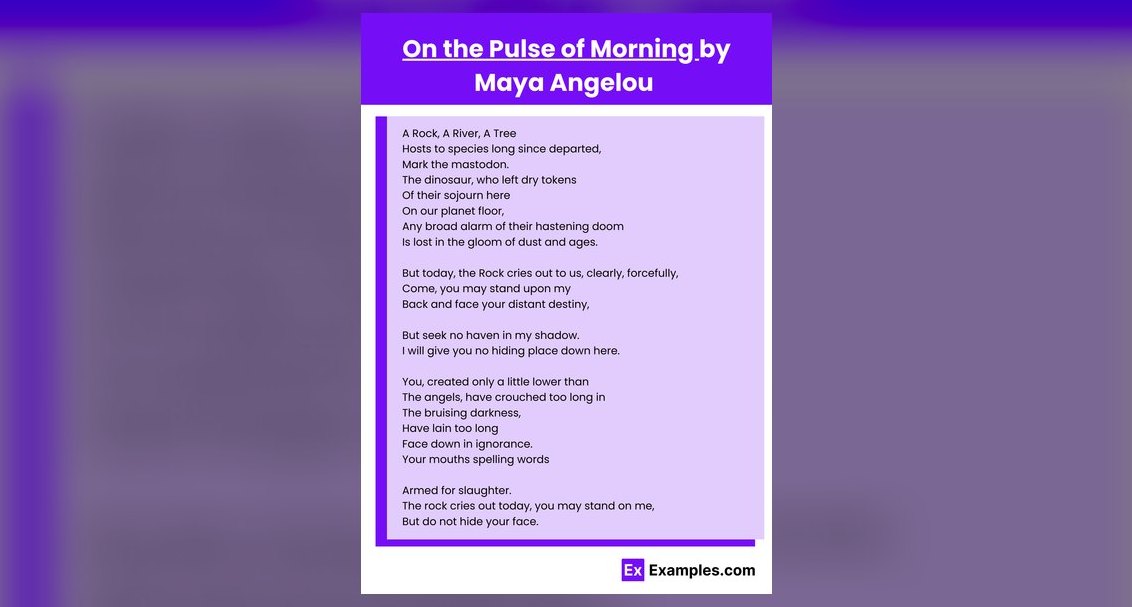 pulse-speechesWhat Makes Maya Angelou’s “On the Pulse of Morning” a Great Speech in 2027
 pulse-speechesA Speech for a Sales Kickoff
 pulse-speechesA Toast for a Quinceañera
 pulse-speechesA Toast for a 100th Birthday