
A Speech for a Ribbon-Cutting
 Curated byKory White · Fractional CRO · Maryland
 PULSEKNOWLEDGE LIBRARY
Quality
Certified
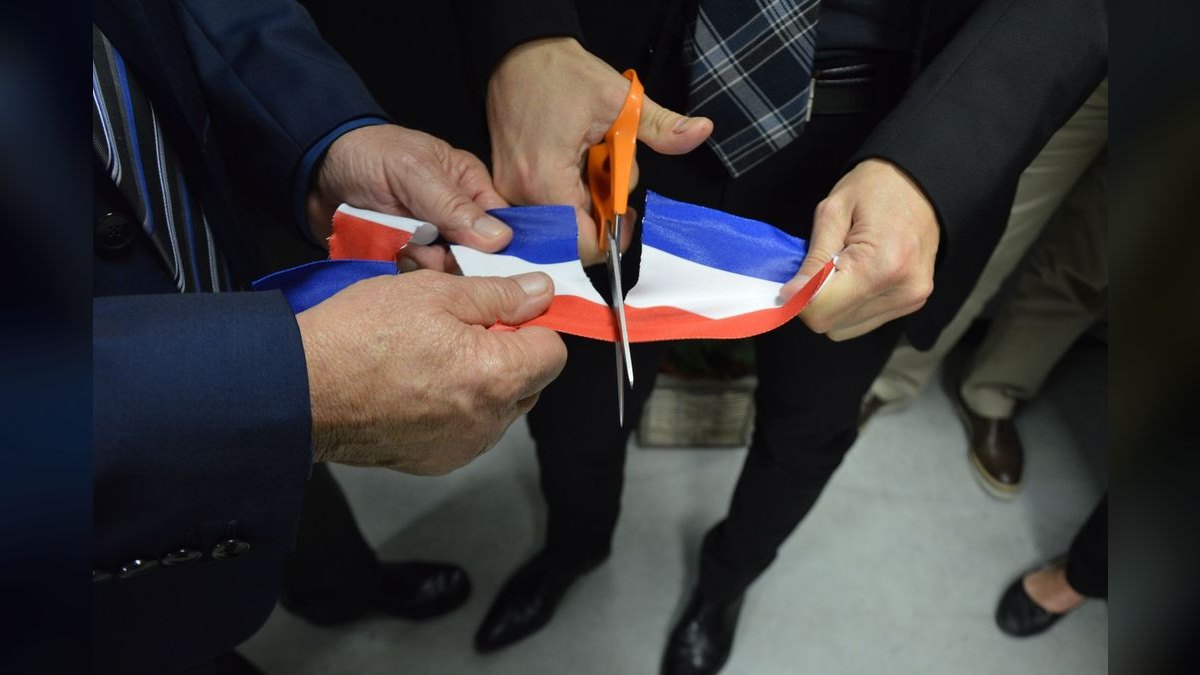
A ribbon-cutting speech is a brief, celebratory address delivered at the opening of a new business, facility, or community project. It typically lasts two to five minutes and includes a welcome, acknowledgments of key contributors, and a ceremonial countdown to the cutting. The tone is optimistic and forward-looking, focusing on gratitude and the significance of the new beginning. The most effective speeches balance heartfelt thanks, specific details about the journey, and a clear invitation to celebrate together, ending with the ceremonial moment itself.
What Is the Ideal Structure for a Ribbon-Cutting Speech?
A well-structured ribbon-cutting speech follows a logical flow that builds anticipation and gratitude. The classic format includes four key movements: a warm welcome, context about the project, sincere thanks to contributors, and a ceremonial call to action. This structure ensures the audience remains engaged from the opening to the final countdown.
Begin by naming the moment and acknowledging the audience's presence. A simple "Good morning, everyone. Thank you for being here" sets a welcoming tone. Next, provide brief context about what this space represents—why it matters to the community and what it will offer. This section answers the unspoken question, "Why should I care about this opening?" without veering into a sales pitch.
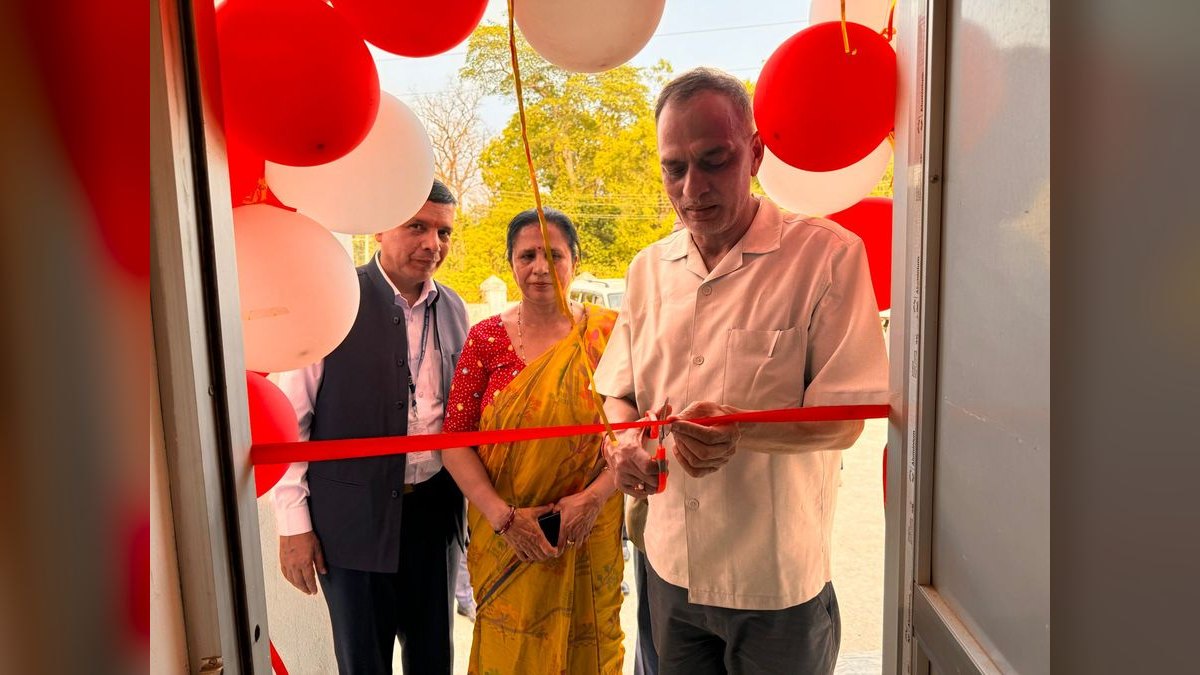
The gratitude segment is where genuine connection happens. Thank specific individuals by name—the contractor who worked weekends, the city official who cut through red tape, the family who supported late nights. People remember being thanked publicly. Finally, the ceremonial call to action: a clear, energetic invitation to join in the ribbon-cutting itself. Phrases like "On the count of three, let's cut this ribbon together" create a shared moment that photographs well and feels inclusive.
Avoid the common pitfall of reading from a script verbatim. Type your key points in large font on an index card, but speak naturally. The best ribbon-cutting speeches feel like a conversation with friends, not a corporate presentation. Practice your delivery three times minimum—once alone, once to a colleague, and once while standing in the actual space where you'll speak. For more on structuring speeches, see our guide on How to Structure a Best Man Speech.
How Do You Adapt a Ribbon-Cutting Speech for Different Audiences?
Not all ribbon-cuttings are created equal. A small business opening in a strip mall requires a different tone than a nonprofit launching a community center or a corporation unveiling a new headquarters. Your speech should mirror the occasion's formality and the audience's expectations.
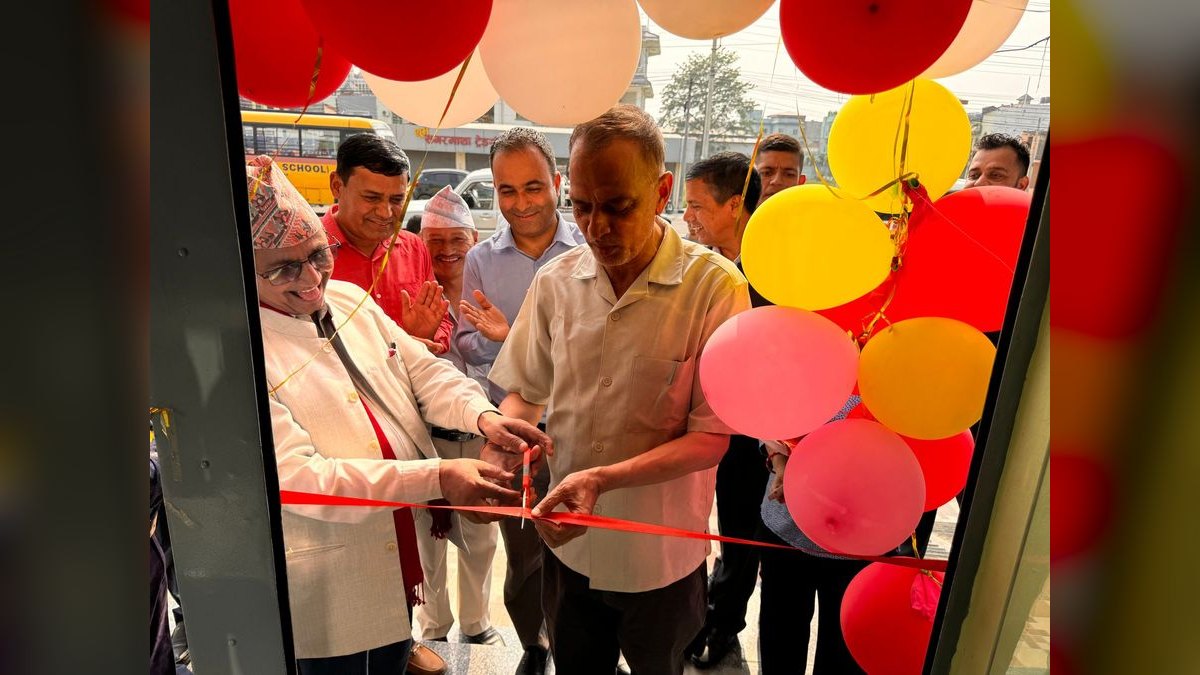
For a small business or local retail opening, keep the tone warm and personal. Share a brief story about why you started the business—a problem you wanted to solve or a passion you followed. Mention your street address and hours of operation naturally within the speech. Local chamber of commerce ribbon-cuttings often include 20 to 40 attendees, so your speech should feel intimate and conversational. Avoid jargon; speak as you would to a neighbor. A line like "We built this place to be useful and warm—those were our only two rules" resonates with community members who value authenticity.
For nonprofit or community-focused openings, emphasize impact over features. Describe how this new space will serve the community—how many people it will help, what programs it will house, or what needs it will address. Invite attendees to become part of the mission. A line like "This building doesn't just house our work—it houses hope, and you're all part of making that hope real" resonates deeply with mission-driven audiences. These speeches often benefit from a slightly longer format, up to four minutes, to fully articulate the vision.
Corporate or institutional ribbon-cuttings demand more polish and structure. These events often include 50 to 200 guests, media coverage, and multiple speakers. Your segment should be concise—90 seconds maximum—and coordinate with other speakers to avoid repetition. Use the speech to reinforce company values, thank the project team, and connect the new facility to the organization's larger vision. Avoid inside jokes or technical details that exclude general audiences. For hybrid or virtual ribbon-cuttings, adjust your delivery by speaking slightly slower to accommodate audio lag and describing what's happening visually for remote viewers.
For more on adjusting tone, see our guide on How to Add Humor to a Retirement Speech for tips on lightening the mood appropriately.

What Are Common Mistakes in Ribbon-Cutting Speeches and How to Avoid Them?
Even experienced speakers stumble during ribbon-cuttings. The most frequent error is speaking too long. When adrenaline hits, speakers often ramble, forgetting that attendees are standing, the scissors are waiting, and the photographer needs the shot. Set a timer on your phone for two minutes and practice stopping when it buzzes. If you're still speaking at three minutes, you've lost your audience. The ideal length is 250 to 500 words, delivered at a conversational pace.
Another common pitfall is forgetting the practical details. Speakers sometimes neglect to mention the ribbon-cutting location, assume everyone knows where to stand, or fail to coordinate with the photographer. Before you begin, confirm: Where is the ribbon? Who holds it? Where should attendees stand for the photo? Who counts down? These logistics matter more than any rhetorical flourish. Create a brief checklist and review it with the event coordinator five minutes before you speak.
Over-relying on clichés weakens your message. Phrases like "we're thrilled to announce," "this is a dream come true," or "we couldn't have done it without" have been said so often they've lost meaning. Replace them with specific, concrete language. Instead of "this is a dream come true," say "eighteen months ago, this was just a sketch on a napkin—and now you're standing in it." Specificity creates authenticity and helps your speech feel genuine rather than generic.
Failing to acknowledge the right people creates unintended offense. Make a list of everyone who deserves thanks—investors, contractors, city officials, staff, family—and check it twice. If you forget someone publicly, the slight will be remembered longer than your speech. When in doubt, use inclusive language: "To everyone who contributed—whether you poured concrete, poured coffee, or poured your heart into this project—thank you." This covers your bases while still feeling personal.
Finally, don't neglect your physical presence. Stand with both feet planted, hold the microphone three to four inches from your mouth, and make eye contact with different sections of the audience. Avoid reading from your phone—it looks unprofessional and creates a barrier between you and your listeners. A small notecard held at chest height keeps your hands occupied and your eyes on the crowd. Your body language should communicate confidence and genuine excitement, not nervousness or detachment. For more on delivery, read How to Practice a Speech So It Sounds Natural.
How Do You Write a Memorable Closing for a Ribbon-Cutting Speech?
The closing of a ribbon-cutting speech is the moment everyone remembers—it's the countdown, the snip, and the applause. A strong closing builds anticipation and creates a shared experience. The most effective closings are simple, energetic, and inclusive.
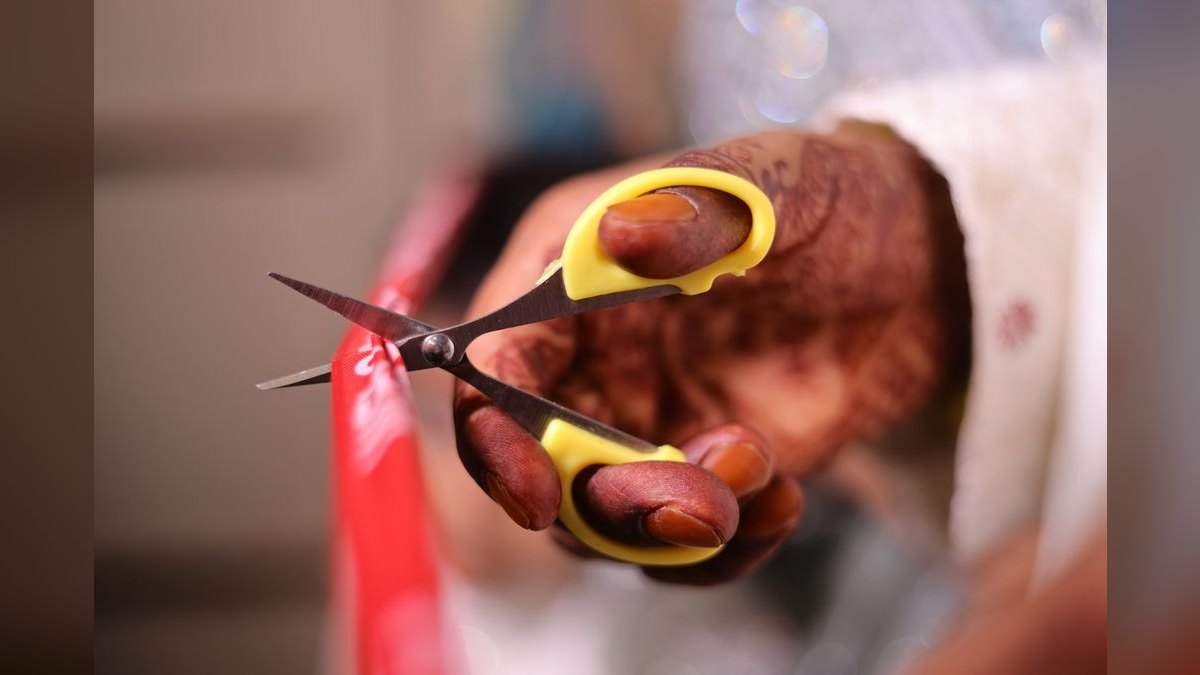
Start by signaling the transition. Use a phrase like "So here's what I'll ask of you" or "Now, let's stop talking and do what we came here to do." This prepares the audience for the ceremonial moment. Then, issue a clear invitation: "Come in. Look around. Tell us what works and what doesn't—we'd rather hear it from you than guess." This invites participation and sets a welcoming tone for the future.
Finally, lead the countdown. "On three. One, two, three!" is the classic formula. After the cut, declare the space open with enthusiasm: "Welcome to [Name of Venue]. It's officially open!" Then immediately invite everyone to explore—whether it's a tour, refreshments, or simply walking through the doors. This keeps the energy high and transitions smoothly into the celebration.
Avoid ending with more words after the ribbon is cut. The scissors should be the final punctuation. If you need to say something post-cut, keep it brief: "Thank you all again. Please enjoy." Then step back and let the event unfold naturally. A clean, confident ending leaves a lasting positive impression.
Related Questions
What is the ideal length for a ribbon-cutting speech?
Aim for 2 to 4 minutes, or roughly 250 to 500 words. This is long enough to thank key people and share the vision, but short enough to hold attention before the ceremonial cut.
Who typically gives the ribbon-cutting speech?
The business owner, executive director, or project lead usually delivers it. Sometimes a major donor or community leader is invited, especially if they played a key role in making the project happen.
Should I include humor in a ribbon-cutting speech?
A light, genuine touch of humor can work well, but keep it natural and respectful. Avoid inside jokes or anything that might exclude part of the audience. A simple, heartfelt line about the journey often lands better than forced comedy.
How do I handle nervousness when giving the speech?
Practice aloud several times beforehand, ideally in front of a friend or mirror. Keep a printed copy or note cards with bullet points, not a full script. Take a slow breath before starting, and remember the audience is rooting for you.
What should I do if the crowd is smaller than expected?
Adapt your opening to acknowledge the situation with grace—thank those who came. Keep the tone positive and focused on the milestone itself. A smaller crowd can feel more intimate and personal, so lean into that energy.
FAQ
How long should a ribbon-cutting speech be? Aim for 2 to 4 minutes. That's roughly 250 to 500 words—long enough to thank key people and share the vision, but short enough to keep the audience engaged before the ceremonial cut.
Who should give the ribbon-cutting speech? Typically, the business owner, executive director, or project lead delivers it. Sometimes a major donor or community leader is invited to speak, especially if they played a key role in making the project happen.
What are the essential parts of a ribbon-cutting speech? Start with a warm welcome and thank-yous to organizers, sponsors, and attendees. Then briefly explain why this opening matters—what it means for the community or customers. End with a clear invitation to the ribbon-cutting moment and any follow-up celebration.
Should I include humor in a ribbon-cutting speech? A light, genuine touch of humor can work well, but keep it natural and respectful. Avoid inside jokes or anything that might exclude part of the audience. A simple, heartfelt line about the journey to opening day often lands better than forced comedy.
How do I handle nervousness when giving the speech? Practice aloud several times beforehand, ideally in front of a friend or mirror. Keep a printed copy or note cards with bullet points, not a full script. Take a slow breath before starting, and remember the audience is rooting for you—they're there to celebrate.
What should I do if the weather or crowd is smaller than expected? Adapt your opening to acknowledge the situation with grace—thank those who came despite the conditions. Keep the tone positive and focused on the milestone itself. A smaller crowd can actually feel more intimate and personal, so lean into that energy.
How do I coordinate with other speakers at a ribbon-cutting? Confirm the speaking order and time limits with the event coordinator beforehand. Avoid repeating points others will cover. Keep your segment concise and focused on your unique contribution, whether that's a personal story, a thank-you, or a vision statement.
What should I wear for a ribbon-cutting speech? Dress appropriately for the occasion and audience. For a small business, business casual works. For corporate or formal events, wear professional attire. Your clothing should reflect the tone of the event without distracting from your message.
Sources
- U.S. Small Business Administration (SBA) - Business Opening Guides
- Toastmasters International - Public Speaking Resources
- Harvard Business Review - Leadership Communication
- The Emily Post Institute - Ribbon-Cutting Etiquette
- National Association of Realtors - Grand Opening Standards
- The New York Times - Business Events Coverage
- Forbes - Effective Speech Writing Tips
- Inc. Magazine - Public Speaking for Entrepreneurs
Related on PULSE
This page will be disappearing soon. Save it to your device for $1 — or read it free while it is here.
@Kory-White- · if Venmo asks, the last 4 of my number are 2012
This page is gone.
This one is off the shelf now. $1 keeps it on your phone for good — the whole page, pictures and diagrams included.
 pulse-speechesHow to Structure a Best Man Speech in 2027
 pulse-speechesA Speech for a PTA Meeting
 pulse-speechesA Retirement Speech for a Teacher
 pulse-speechesA Toast for a Christening
 pulse-speechesA Speech for a Memorial Day Ceremony
 pulse-speechesA Speech for an Employee of the Year
 pulse-speechesA Toast for a 100th Birthday
 pulse-speechesA Toast for a Housewarming
 pulse-speechesHow to Write a Speech in 30 Minutes in 2027
 pulse-speechesA Toast for a Quinceañera