
Give a Eulogy From Memory or Read It Off the Page: Which Funeral Directors Recommend in 2027
 Curated byKory White · Fractional CRO · Maryland
 PULSEKNOWLEDGE LIBRARY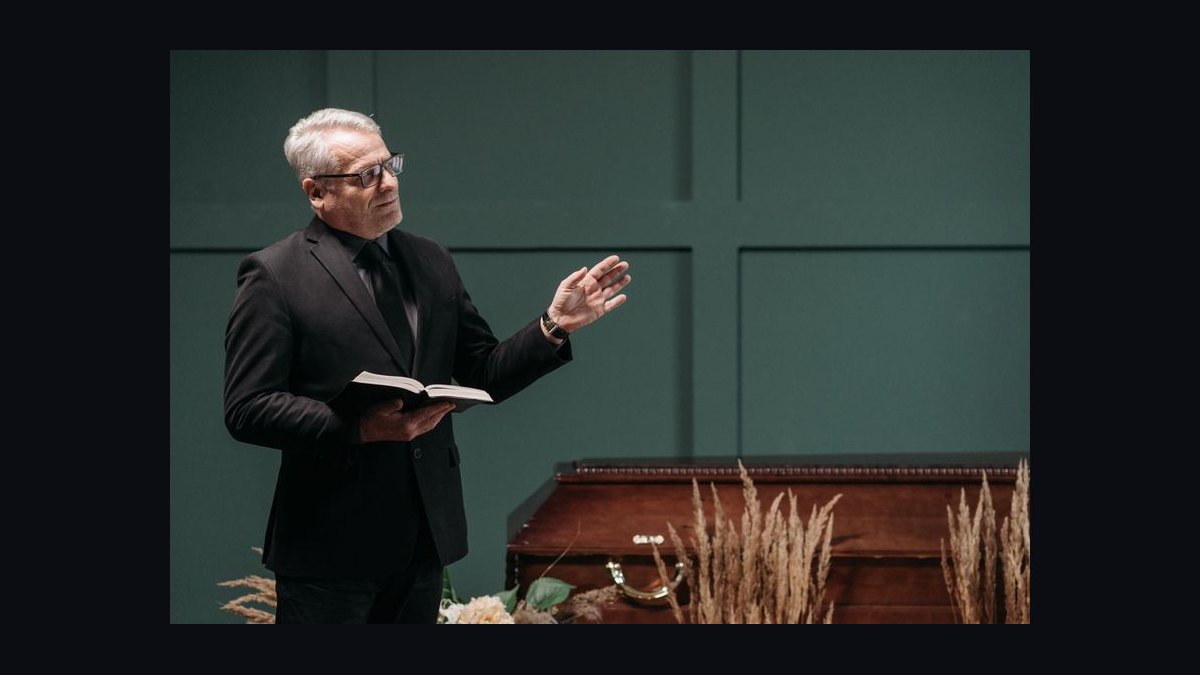
Most Funeral Directors Recommend that families give a Eulogy from memory only if the speaker has rehearsed at least three full run-throughs and feels steady; otherwise, read it off the page. A printed script held in hand is not a weakness — it is insurance against blanking out during the most emotionally loaded three to five minutes most people will ever speak.
The outcome you should expect
When you ask a Funeral director what actually happens at services, the honest answer is that audiences do not grade delivery. They remember whether the Eulogy felt true. A speaker who reads steadily from a printed page and never loses composure lands better than a speaker who attempts memory, blanks at minute two, and spends the rest of the tribute apologizing. Directors see this pattern weekly.
The realistic best-case outcome for a from-memory Eulogy is a warm, direct, eye-contact-heavy three-to-five-minute tribute that feels conversational. The realistic best-case for a read Eulogy is a composed, well-structured tribute with one or two lifted moments where the speaker looks up. Both are good outcomes. Neither is guaranteed.
What you should not expect is a flawless performance. Grief disrupts working memory, short-term recall, and fine motor control. Even professional speakers report that memorized material evaporates under grief. Directors Recommend planning for the version of yourself that will be crying, not the version rehearsing calmly in a kitchen.
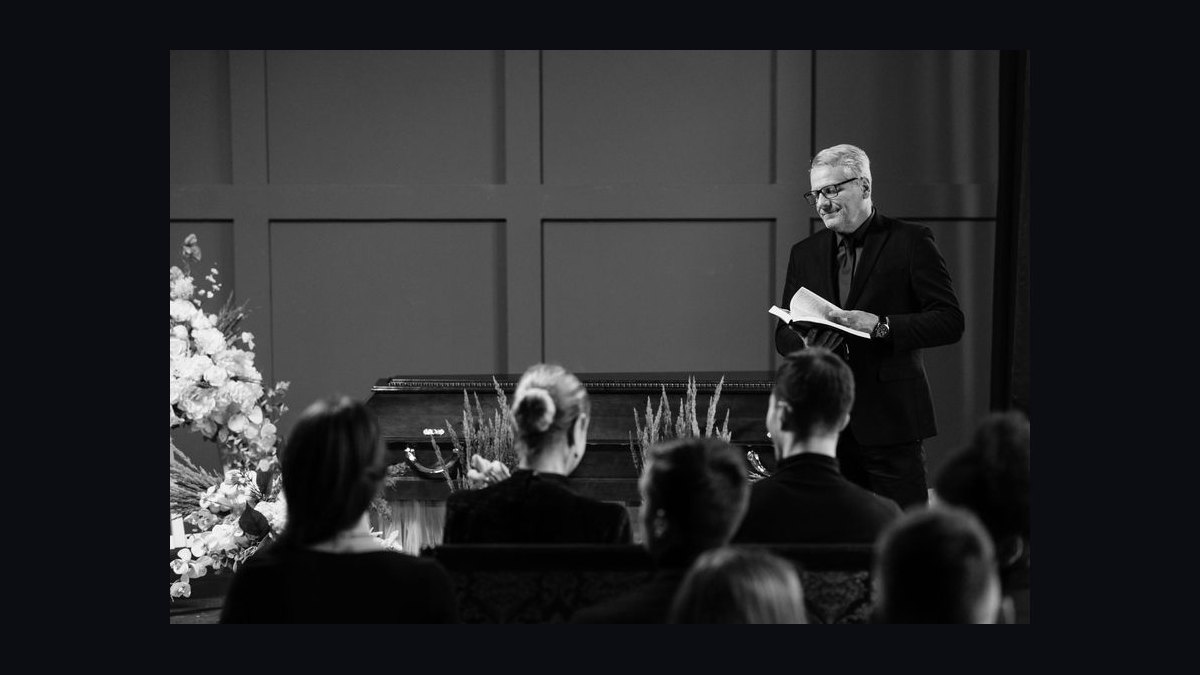
The measurable outcome difference between the two approaches is small. What matters far more is length (under five minutes), structure (one clear theme), and whether the speaker has a physical or digital backup in case they cannot continue. That backup is the single most common thing Directors say families forget.
What drives that outcome
Four variables determine whether memory or page works for a given speaker: rehearsal volume, emotional load, script length, and fallback design. Each one moves the outcome more than raw confidence does.
Rehearsal volume is the strongest predictor. Directors and celebrants who coach families generally suggest a minimum of three complete out-loud run-throughs for a memory delivery, and five or more if the speaker is not used to public speaking. Reading requires fewer — two run-throughs is usually enough to catch awkward phrasing — but still requires practice so the speaker is not seeing the words for the first time at the podium.
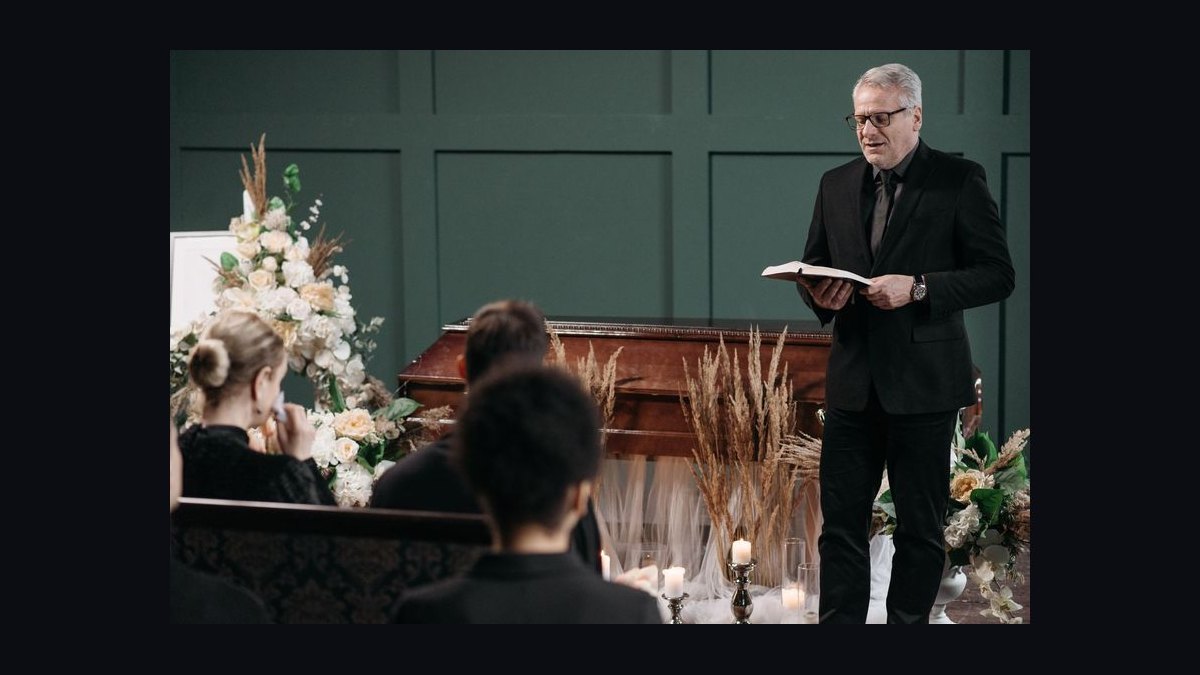
Emotional load is the variable speakers underestimate. A Eulogy for a parent, spouse, or child carries a different neurological weight than one for a distant colleague. High-load Eulogies almost always benefit from a written page, even for experienced speakers. Low-load Eulogies — a grandparent at the end of a long life, a mentor from decades ago — are far more forgiving of memory delivery.
Script length interacts with both. Under 400 words, memory is feasible for most speakers with rehearsal. Between 400 and 800 words, memory becomes risky and a page becomes the safer default. Over 800 words, nearly every Director will Recommend reading, because the failure mode of a long memorized Eulogy is a mid-speech collapse that is very hard to recover from.
Fallback design is the last variable and the one most often skipped. A good fallback is a printed copy on the lectern, a phone with the text at large font, or a family member seated nearby holding a spare copy. Directors Recommend that every speaker, memory or page, have at least one physical backup within arm's reach.
Benchmarks and realistic ranges
Directors and funeral celebrants who coach families tend to converge on similar numbers. A Eulogy runs 3 to 5 minutes, which is roughly 450 to 750 spoken words at a calm pace of 130 to 150 words per minute. Anything past 7 minutes starts losing the room, and anything past 10 minutes is remembered as long, not as moving.
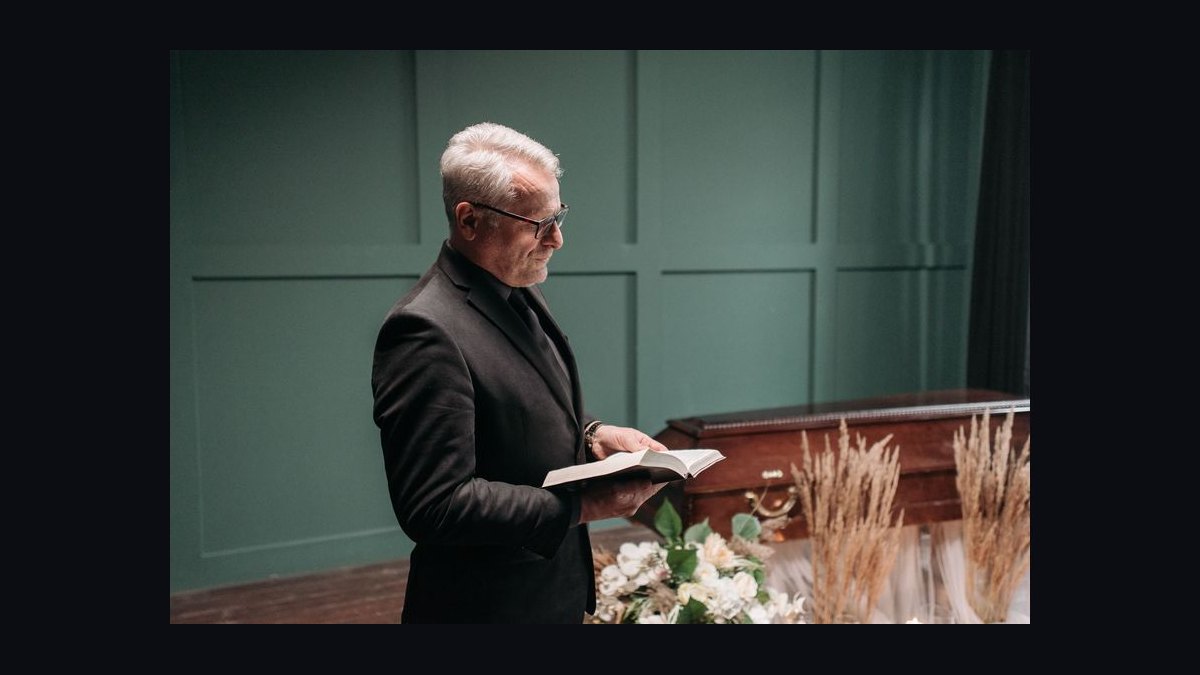
Rehearsal benchmarks: 3 full out-loud run-throughs is the floor for memory delivery. 5 to 7 is the comfortable zone. Reading delivery needs 2 run-throughs minimum, ideally timed with a stopwatch so the speaker knows whether they are at 4 minutes or 8.
Blanking risk benchmarks are harder to pin down because no one tracks them formally, but the pattern Directors describe is consistent. Speakers who attempt memory without rehearsal blank at a noticeably higher rate than speakers who read. Speakers who attempt memory with rehearsal and a printed backup on the lectern almost never fail completely, because the backup catches them.
Print format benchmarks matter more than people expect. 14-point font minimum, 1.5 line spacing, page breaks at paragraph ends, and one-sided printing. Speakers who print double-sided and drop a page mid-Eulogy rarely recover. Speakers who use 12-point font lose their place in the first thirty seconds under stage lighting.
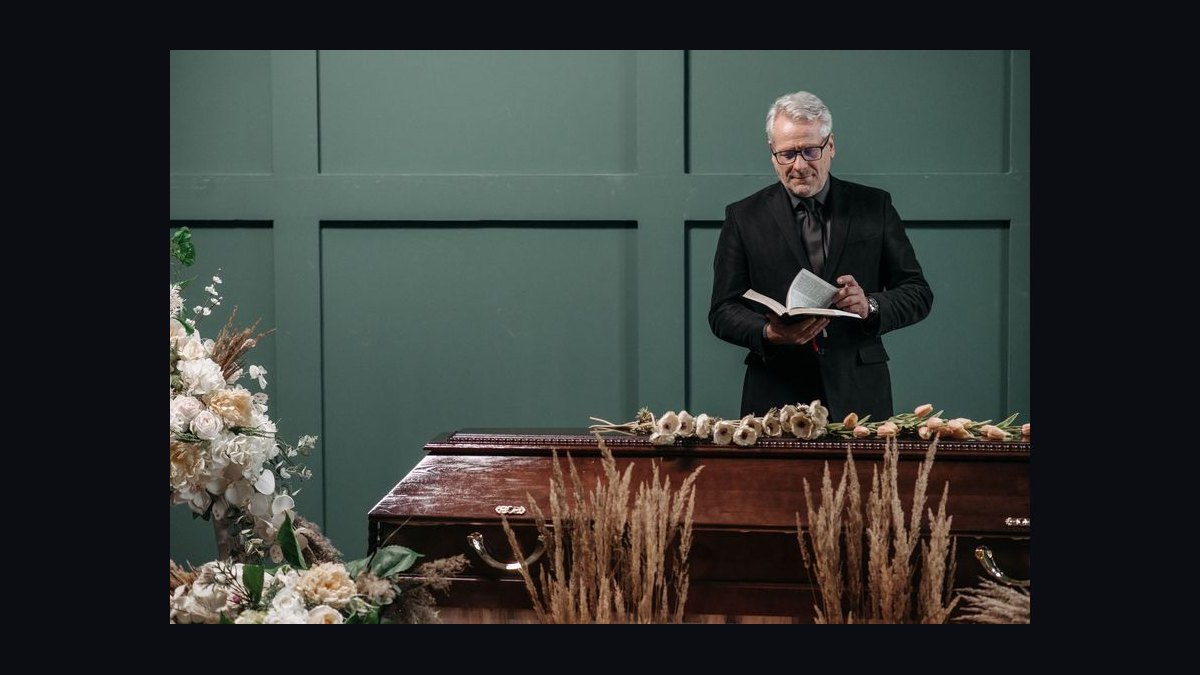
Physical handling benchmarks: a single sheet of paper held in two hands shakes visibly. A single sheet on a lectern does not. A folded sheet in one hand is the worst option — it shakes, it crinkles, and it hides the speaker's face. Directors Recommend a lectern or a small card stock sheet, never a loose flimsy page held aloft.
Timing benchmarks for the service itself: the Eulogy usually sits between the opening remarks and the closing prayer or reflection. Directors typically allot 5 to 7 minutes on the order of service for a single Eulogy, which leaves buffer for a slow start. If multiple family members are speaking, each gets 2 to 3 minutes and the total tribute block is capped around 12 minutes.
Memory-versus-page benchmarks by relationship: for a spouse or child, Directors overwhelmingly Recommend reading. For a parent, it is close to even. For a grandparent, sibling, or friend, memory becomes more common and more successful. For a colleague or community figure, memory is often the norm because the emotional load is lower and the material is more anecdotal.
Risks, edge cases, and failure modes
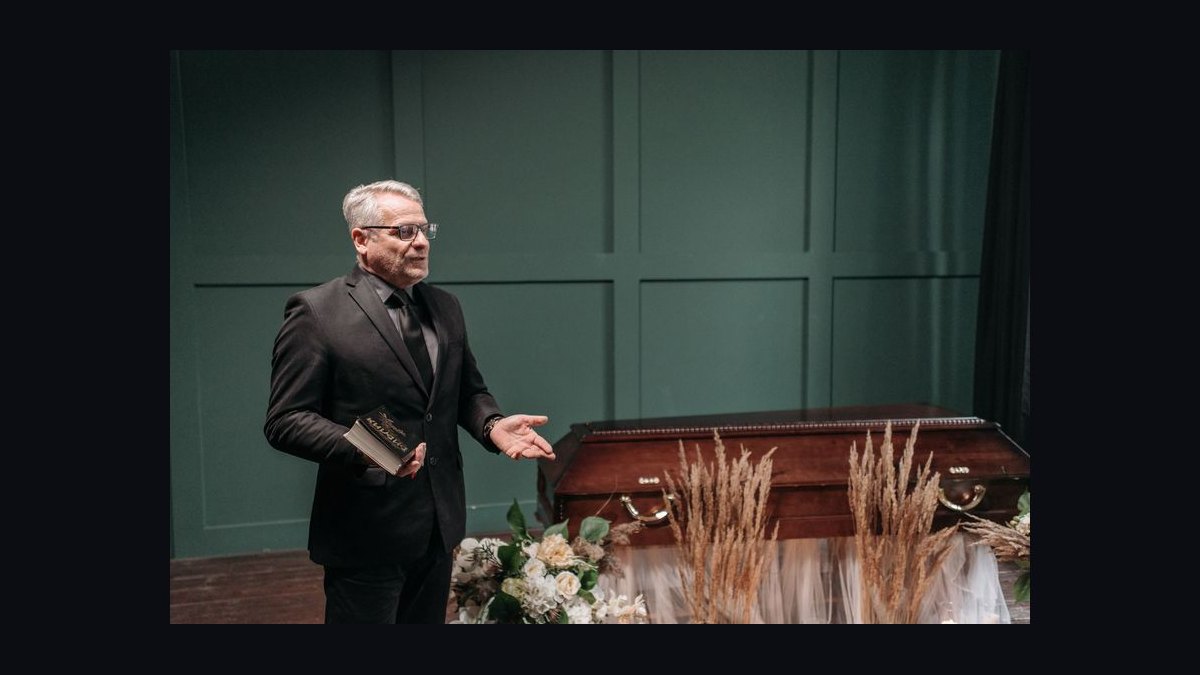
The dominant failure mode of a from-memory Eulogy is the mid-speech blank. It usually hits between 90 seconds and 3 minutes in, right after the opening anecdote lands and the speaker transitions to the reflective section. The speaker stops, looks at the audience, and cannot find the next sentence. Recovery is possible but slow, and the room feels it.
The dominant failure mode of a read Eulogy is the monotone trap. The speaker keeps their eyes down, reads steadily, and never lifts. The words are right but the delivery is flat, and the audience disengages. This is fixable with a simple technique: mark two or three sentences in the script with a highlighter and commit to looking up for those lines only.
A third failure mode is the crumpled-page problem. The speaker prints the Eulogy, folds it into a pocket, and pulls it out at the lectern to find creases cutting through the middle of key sentences. Directors Recommend a flat folder or a clipboard. It sounds trivial until it happens.

Edge case: the speaker is a child or teenager. Directors generally Recommend reading for anyone under 18, with a shorter script of 200 to 300 words, and an adult seated nearby who can step in. Memory delivery for a young speaker adds risk without adding much reward.
Edge case: the speaker is delivering in a second language. Reading is almost always the right call here. Memory delivery in a non-native language under grief is a compounding risk that rarely pays off.
Edge case: the service is outdoors. Wind makes loose pages unusable. Directors Recommend a bound notebook, a clipboard, or a tablet with the text at large font and brightness turned up. Tablets work well outdoors if the speaker has practiced scrolling with a thumb without looking down.
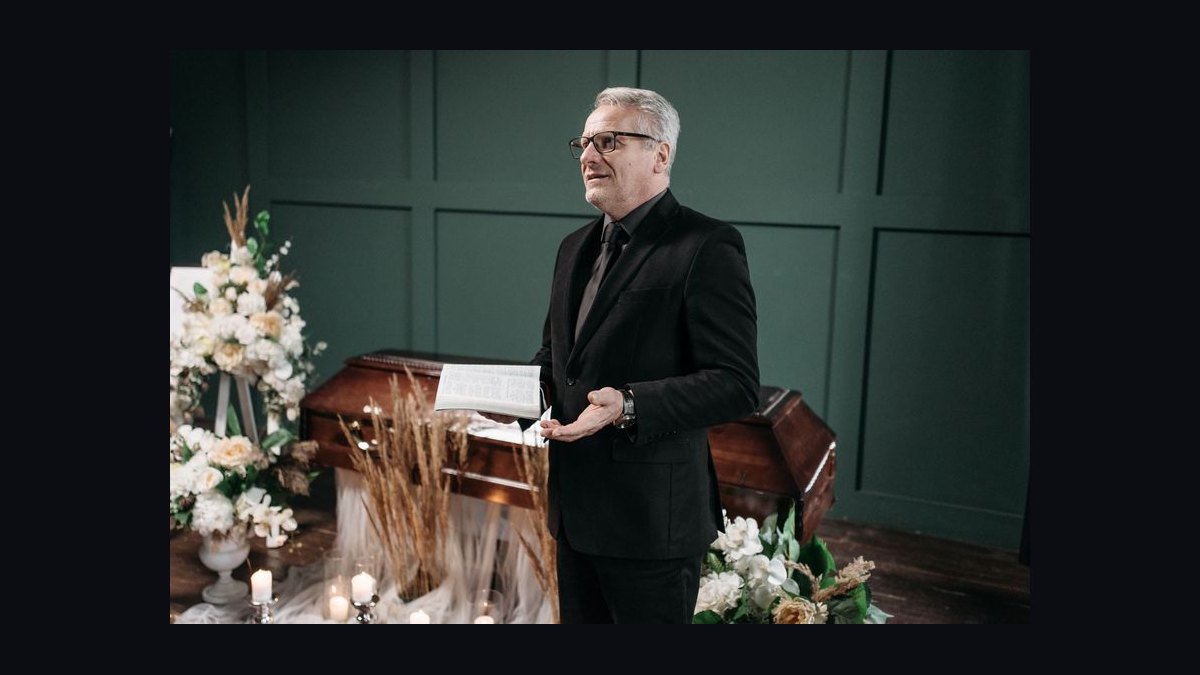
Edge case: the speaker is also the primary mourner and has been handling arrangements. Fatigue is real. A person who has slept four hours in three days should not attempt memory delivery regardless of rehearsal. The page is the kinder option.
Edge case: the family wants multiple speakers. Directors Recommend assigning one person as the anchor who reads a short framing piece, then letting others speak from memory if they wish. The anchor's steadiness carries the block.
Edge case: the deceased requested no Eulogy. This happens more than people realize. Directors Recommend honoring the request with a short reading or a moment of silence instead. Do not override a stated wish.
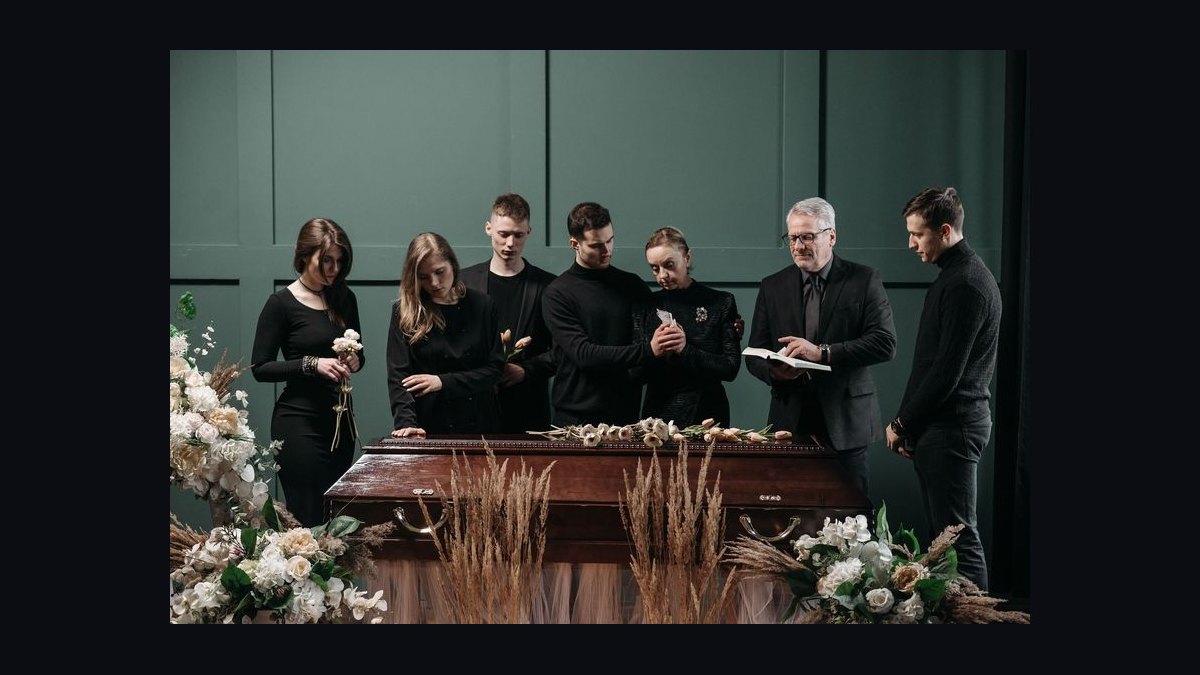
Edge case: the speaker has a diagnosed anxiety condition or a history of panic attacks. Reading is not a compromise here — it is the correct plan. Directors Recommend a printed script and a pre-agreed signal with the officiant if the speaker needs to stop.
Edge case: the Eulogy contains difficult material — estrangement, addiction, a complicated relationship. Directors Recommend writing it out fully and reading it, because improvised honesty under grief tends to come out harsher than intended. The page gives the speaker a chance to choose every word in advance.
A practical rollout plan
The rollout for a Eulogy is compressed — usually 3 to 7 days between the death and the service. Directors Recommend a specific sequence to keep it manageable.
Day one: decide the format. Memory or page. Use the rehearsal and emotional-load tests above. Write the decision down so you do not relitigate it at 2 a.m.
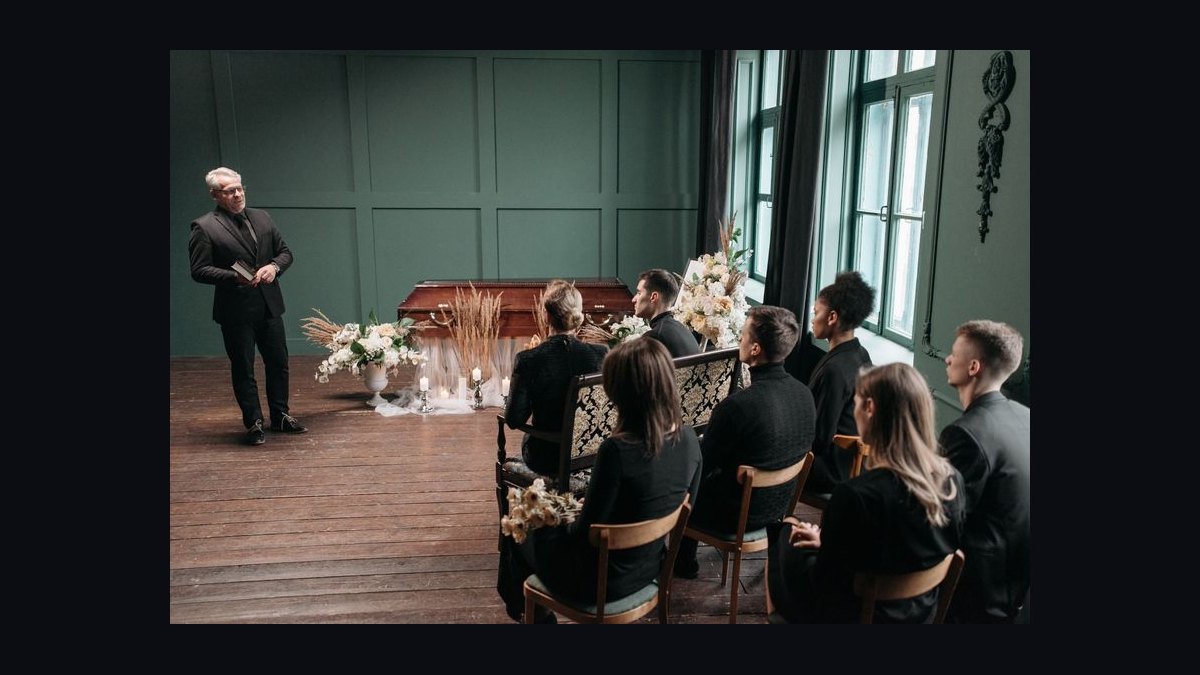
Day two: draft the Eulogy. Aim for 450 to 750 words. Open with one concrete image or anecdote, not a birth-to-death timeline. Middle: two or three specific memories that show character. Close: one sentence of direct farewell. Do not try to cover a whole life.
Day three: read it aloud once. Time it. Cut anything that runs past 5 minutes. Mark the two or three lines you will look up for.
Day four: second out-loud run-through. If you chose memory, this is run-through one of three. If you chose page, this is your refinement pass — fix any sentence you stumbled on.
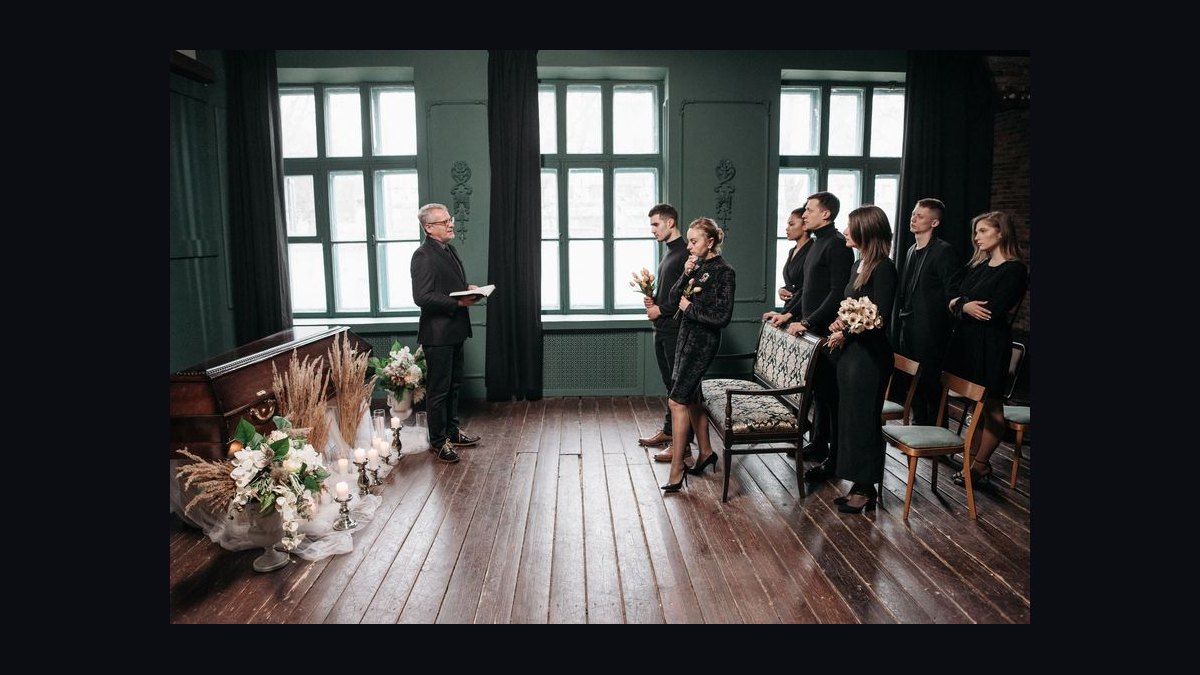
Day five: third run-through. Print the final version at 14-point, 1.5 spacing, one-sided. Print two copies. Put one in a folder and one in a bag.
Day six: rest. Do not rehearse the night before the service if the service is in the morning. Fatigue hurts delivery more than one missed run-through.
Day of service: arrive early, place the printed copy on the lectern, confirm the microphone height, and take three slow breaths before starting. If you are reading, look up at the marked lines. If you are speaking from memory, keep the printed copy in front of you anyway — it is your safety net, not a confession.
Related questions
Should I memorize my Eulogy word for word?
Only if you have rehearsed at least three full out-loud run-throughs and the emotional load is moderate. Even then, keep a printed copy on the lectern. Word-for-word memory is brittle — one missed sentence can cascade. Directors Recommend memorizing the opening and closing lines and reading the middle.
How long should a Eulogy be if I read it?
Three to five minutes, roughly 450 to 750 words. Reading pace runs slower than conversational speech, especially under emotion, so a script that reads at 4 minutes in rehearsal often lands at 5 at the service. Anything past 7 minutes loses the room.
What if I blank out mid-Eulogy?
Pause, look at your printed copy, and pick up from the last complete sentence. Do not apologize or explain. The audience will wait. Directors Recommend that every speaker, memory or page, has a printed copy within arm's reach specifically for this moment.
Can I use my phone instead of paper?
Yes, with caveats. Set the font large, turn brightness up, enable do-not-disturb, and practice scrolling without looking down. Outdoors, a phone or tablet outperforms loose paper in wind. Indoors, a printed page on a lectern is still the most reliable option.
Do Funeral Directors Recommend reading or memory?
Most Recommend reading for high-emotional-load Eulogies and for any speaker who has not done three full rehearsals. For shorter, lower-load tributes with solid rehearsal, memory delivery is fine. The page is never the wrong choice; memory sometimes is.
FAQ
Is reading a Eulogy off the page considered disrespectful? No. Directors and celebrants universally say the opposite — a steady, composed reading honors the deceased better than a shaky memory attempt. Audiences do not judge the paper. They judge whether the tribute felt true.
How many times should I rehearse a memorized Eulogy? Three full out-loud run-throughs is the floor. Five to seven is comfortable. Rehearse standing, at speaking volume, with the printed backup in front of you. Silent reading does not count as rehearsal for memory delivery.
What font size should I print my Eulogy in? 14-point minimum, 1.5 line spacing, one-sided. Under stage lighting, 12-point disappears. Print two copies — one for the lectern, one for a family member seated nearby in case the first is misplaced.
Can I have someone else read my Eulogy if I cannot finish? Yes, and you should arrange this in advance. Directors Recommend naming a backup speaker before the service and giving them a printed copy. The officiant can also step in with a short reading if needed.
Should I memorize the whole Eulogy or just parts? Memorize the opening line and the closing line. Read the middle. This gives you the warmth of eye contact at the two moments that matter most while keeping the body of the tribute safe on the page.
Does a from-memory Eulogy land better with the audience? Slightly, when it goes well. But a from-memory Eulogy that stalls lands far worse than a read one that flows. The expected value favors reading unless the speaker is well rehearsed and the emotional load is manageable.
Sources
- https://www.nfda.org/
- https://www.funeralwise.com/
- https://www.everplans.com/
- https://www.psychologytoday.com/
- https://www.helpguide.org/
- https://www.cdc.gov/
- https://www.apa.org/
- https://www.nia.nih.gov/
Related on PULSE
- How to Write a Eulogy That Sounds Like the Person
- What to Say at a Funeral When You Did Not Know Them Well
- Order of Service: Who Speaks and in What Order
- Working With a Funeral Director on the Tribute Block
- Grief Brain: Why Memory Fails Under Loss
- Choosing Between a Religious and Secular Funeral Service
This page will be disappearing soon. Save it to your device for $1 — or read it free while it is here.
@Kory-White- · if Venmo asks, the last 4 of my number are 2012
 pulse-speechesHow to Practice a Speech So It Sounds Natural
 pulse-speechesPatrick Henry’s Give Me Liberty or Give Me Death (1775) — Text and Lessons
 pulse-recentA Toast vs. a Full Wedding Speech: Which One Should You Give in 2027?
 pulse-speechesA Graduation Speech for a Kindergarten Graduation
 pulse-speechesA Toast for a Housewarming
 pulse-speechesPericles’ Funeral Oration — Key Passages and Why It Endures
 pulse-recentHow to Choose the Right Wedding Speech Structure for Your Role in 2027
 pulse-recentA Top 10 List of the Most Emotional Wedding Speeches Ever Given in 2027
 pulse-speechesA Speech to Thank Volunteers at a Community Event
 pulse-speechesA Speech for a Mentor Recognition