

A Speech for a Company 10th Anniversary
 Curated byKory White · Fractional CRO · Maryland
Quality
Certified

A 10th anniversary speech should celebrate a decade of growth while acknowledging the challenges overcome and the team's collective effort. It typically highlights key milestones, expresses gratitude to employees, clients, and partners, and looks forward to the future with optimism. The tone is warm, professional, and reflective, balancing pride in past achievements with excitement for what's ahead.
Crafting a memorable 10th anniversary speech requires more than just listing accomplishments—it demands a narrative that connects the company's journey to the people who made it possible. The most powerful speeches weave together specific anecdotes, genuine gratitude, and a clear vision for the next decade, all delivered with authentic emotion and careful pacing.
What Is the Ideal Structure for a 10-Year Anniversary Speech?
A great anniversary speech follows a clear emotional arc that takes the audience on a journey from the past to the present to the future. Begin with a brief, personal opening — one sentence that grounds the moment: “Ten years ago, I was sitting in a coffee shop with a laptop and a crazy idea.” Then move into the origin story (60–90 seconds): share a specific, honest detail about the early days — the first client, the near-miss, the decision that almost didn’t happen. Avoid generic “we worked hard” lines; instead, pick one concrete image that captures the scrappiness of Year One.
The middle section should acknowledge three groups in order: the team (current and former), the customers or clients, and the partners or investors. For each group, name a specific contribution — not just “thank you,” but “thank you to Sarah, who stayed until midnight to fix that server issue in Year Two.” This specificity makes the speech feel genuine, not scripted. Keep each acknowledgment to two or three sentences. For more guidance on structuring leadership communications, see this resource on company all-hands speeches.

Close with a forward-looking note (30–45 seconds): one sentence about the next decade’s ambition, then a final thank-you that ties back to your opening. A strong closing line might be: “Here’s to the next ten years of building something that matters — together.” Practice the speech aloud at least three times; a 3–4 minute speech (roughly 450–600 words) is the ideal length for an anniversary event.
How Do You Adapt a 10-Year Speech for Different Audiences?
The same core content shifts depending on who is in the room. For an internal all-hands (employees only), lean into vulnerability — share a mistake you made in Year Three, or a moment you doubted the company would survive. This builds trust and shows that growth came through struggle, not perfection. Keep the tone warm and informal; you can use inside jokes or references to company traditions. Naming a few specific employees by name — especially those who have been with the company for most of its journey — makes the speech feel personal and inclusive.
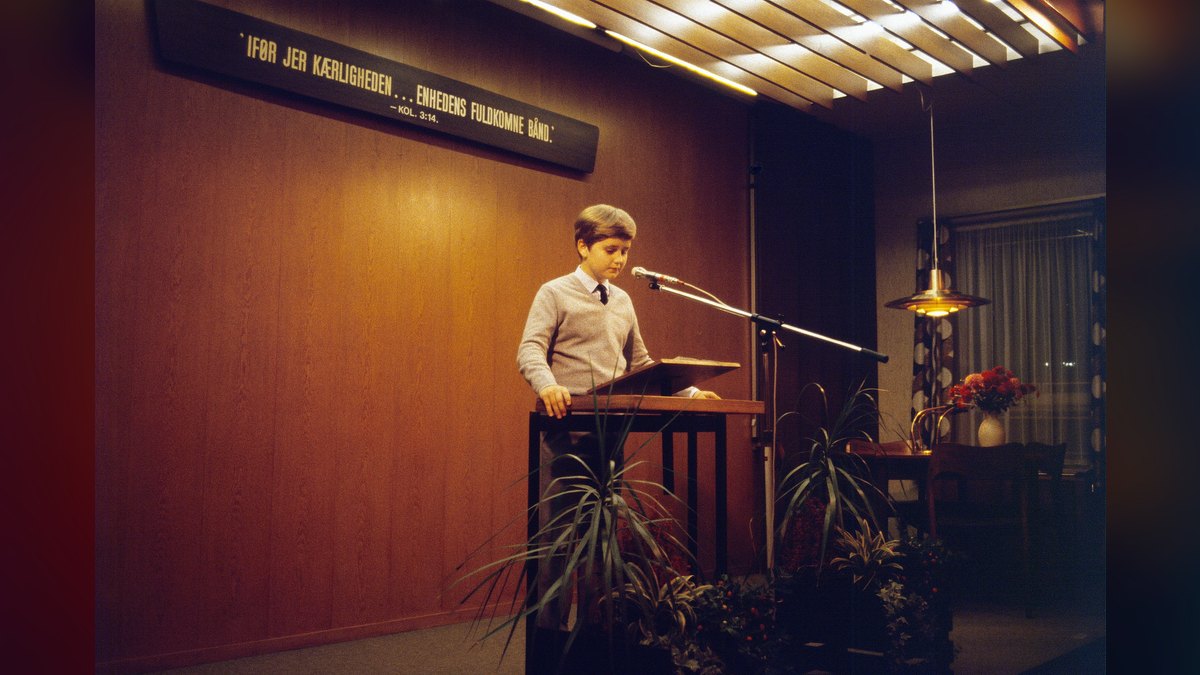
For a client or partner event, shift the focus outward. Frame the company’s growth as a story of relationships: “We wouldn’t be here without the trust of our first five clients, who took a chance on a startup with no track record.” Use data lightly — “we’ve served over 10,000 customers” — but anchor every number in a human story. Avoid internal jargon; speak in terms of value delivered, not processes used. If you're speaking at a company offsite, check out this guide on opening an offsite effectively.
For a hybrid or virtual audience (some people on Zoom, some in person), structure the speech differently: open with a direct address to the remote viewers (“To everyone joining from home — you’re just as much a part of this as the people in this room”). Pause after key points so remote attendees can unmute and react. If possible, have a colleague monitor the chat and surface a couple of real-time reactions or questions you can respond to mid-speech. This makes the virtual audience feel included rather than like passive observers.

What Are the Most Common Mistakes to Avoid in a 10-Year Speech?
One of the biggest pitfalls is making the speech about the company rather than the people. When a leader recites a list of product launches or revenue numbers without connecting them to the team's effort, the speech feels hollow and transactional. Instead, frame every milestone in terms of who made it happen. Another common mistake is rushing through emotional moments — speakers often talk too fast when they're nervous, which undermines the gravity of the occasion. Practice speaking at a deliberate pace, and let silence land after key lines.
A third mistake is ignoring challenges entirely. While a 10-year anniversary is a celebration, pretending the journey was always smooth can feel dishonest. Briefly acknowledge one or two tough periods — a difficult pivot, a lost client, or a quarter where the company nearly ran out of cash — and frame them as learning experiences that made the organization stronger. This vulnerability builds trust and makes the eventual success more meaningful. For tips on delivering tough messages with grace, see this guide on a new CEO's first address.
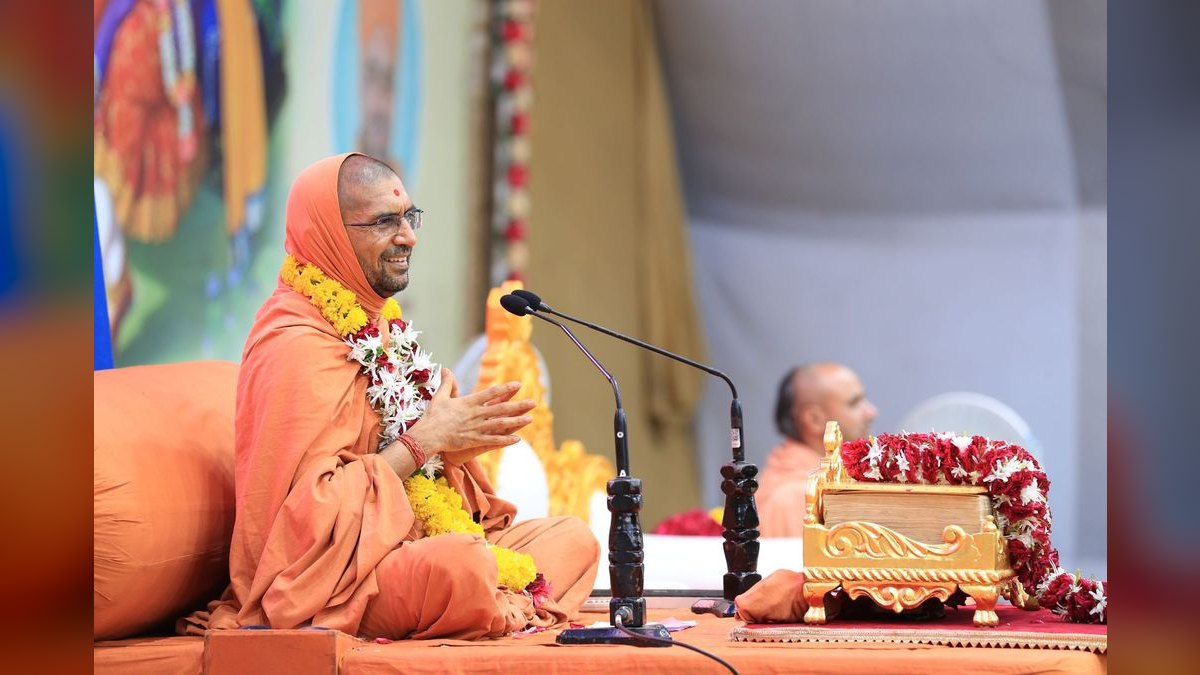
Finally, avoid reading the speech word-for-word from a script. The most impactful anniversary speeches feel natural and conversational, even if they're carefully rehearsed. Use bullet-point notes on a card or a printed outline with key phrases highlighted. This allows you to maintain eye contact with the audience and adjust your delivery based on their reactions. If you notice people smiling at a particular story, you can linger there; if they seem restless, you can move more quickly to the close.
Practical Delivery Tips for the Big Night
Your delivery matters as much as your words. Stand at a podium or center stage — not behind a table or seated — so your body language communicates openness. Hold a physical copy of your speech (not a phone) in case of technical issues; print it in large, bold font so you can glance down without losing eye contact. If you're nervous, grip the edges of the podium lightly; this steadies your hands and prevents fidgeting.

Pace yourself: most speakers rush through emotional moments. After a key line — like “I’m proudest of the team we’ve become” — pause for two full seconds. Let the silence land. This gives the audience time to feel the moment and shows you're present, not just reading. If your voice cracks or you tear up, don't apologize — that's the most authentic part of the speech. Take a breath, smile, and continue.
Manage the room's energy: if the event includes dinner, give the speech before the meal (when people are attentive) rather than after (when they're full and distracted). If there's alcohol being served, speak early in the evening — people are more focused and less likely to interrupt or talk over you. Finally, have a colleague cue the applause: ask someone in the front row to start clapping at the end of your speech, so the rest of the room follows naturally. A strong delivery turns a good speech into a moment people remember for years.
How Can You Write a Short Version of the Speech for a Tight Schedule?
Sometimes the event runs long or you're asked to keep remarks brief. A 30-second version should capture the emotional core without the narrative arc. Here's a template: "Ten years ago this was [a spare room and a stubborn idea]. Tonight it's all of you. We didn't get here on strategy — we got here because the people in this room kept showing up for the work and for each other. To everyone who built this, and to the next ten: thank you, and cheers."
For a slightly longer version (about 90 seconds), add one specific milestone and one named acknowledgment. For example: "I'll never forget the day we signed our first major client — [Name] took the call on a cell phone that kept dropping, and somehow we closed the deal anyway. That same persistence lives in every corner of this company today." This condensed format still delivers the key elements of gratitude, specificity, and forward-looking optimism while respecting the time constraint.
Related questions
How do I start a 10th anniversary speech?
Open with a personal, specific memory from the company's earliest days — the first office, the first client, or the moment you decided to start the business. This grounds the speech in authenticity and immediately connects you with the audience.
What are some creative ideas for a 10-year company celebration?
Consider a video montage of team members from each year, a timeline wall showing key milestones, or a "time capsule" activity where employees contribute predictions for the next decade. These elements make the event interactive and memorable.
Should I mention employees who have left the company?
Yes, but keep it brief and positive. Acknowledge their contributions to the company's foundation without dwelling on departures. A simple line like "We're grateful to everyone who helped build this, whether they're here tonight or not" covers this gracefully.
How do I handle a speech if I'm not the founder?
Focus on your perspective as a team member who has witnessed the company's growth. Share observations about how the culture has evolved, what you've learned from leadership, and why you're proud to be part of the organization. Your authenticity matters more than your title.
FAQ
How long should a 10th anniversary speech be? Aim for 3 to 5 minutes when spoken, which translates to roughly 400–700 words. This keeps the audience engaged while allowing you to cover key milestones, gratitude, and vision without dragging on.
What key elements should I include in the speech? Start with a warm welcome and acknowledgment of the team, clients, and partners. Then highlight a few major achievements or turning points from the decade, express sincere thanks, and close with an optimistic look ahead. Avoid listing every detail—focus on meaningful stories.
Should I mention specific financial or growth numbers? Only if you have verified, public data—otherwise, use honest ranges like "revenue grew several times over" or "we expanded to multiple new regions." Fabricated stats can damage trust, so stick to what you know is true.
How do I handle mentioning challenges from the past 10 years? Briefly acknowledge one or two tough periods (e.g., an economic downturn or a product pivot) and frame them as learning experiences that made the company stronger. Keep the tone grateful and forward-looking, not dwelling on negativity.
Is it okay to use humor in the speech? Yes, but keep it light, inclusive, and relevant—avoid inside jokes that exclude newer team members or partners. A short, self-deprecating anecdote about an early mistake often works well to humanize the leadership.
Should I rehearse the speech or read it verbatim? Rehearse enough to be comfortable with the flow, but don't read word-for-word—it can sound stiff. Use bullet-point notes on a card if needed, and practice your pacing and eye contact to feel natural.
How can I make the speech more memorable for the audience? Use concrete details—specific names, dates, and locations—rather than abstract praise. A speech that mentions "the conference room where we sketched our first product on a napkin" is far more memorable than one that says "we started in a small office."
What should I do if I get emotional during the speech? Don't fight it. A moment of genuine emotion—whether a catch in your voice or a pause to collect yourself—actually strengthens the speech. The audience will feel the authenticity and connect more deeply with your message.
Sources
- Harvard Business Review - How to Give a Great Anniversary Speech
- Forbes - The Art of the Corporate Anniversary Speech
- Toastmasters International - Speech Structure and Delivery Tips
- Society for Human Resource Management (SHRM) - Employee Engagement Events
- Inc. Magazine - Leadership Communication During Milestones
- The Wall Street Journal - Business Growth and Culture
Related on PULSE
This page will be disappearing soon. Save it to your device for $1 — or read it free while it is here.
@Kory-White- · if Venmo asks, the last 4 of my number are 2012
This page is gone.
This one is off the shelf now. $1 keeps it on your phone for good — the whole page, pictures and diagrams included.
 pulse-speechesA Retirement Speech for a Doctor
 pulse-speechesA Speech for a Layoff Announcement with Compassion
 pulse-speechesA Speech for a Company All-Hands
 pulse-speechesA Speech for a Mentor Recognition
 pulse-speechesHow to Write a Speech in 30 Minutes in 2027
 pulse-speechesA Toast for a Baby Shower
 pulse-speechesA Speech for an IPO Celebration
 pulse-speechesA Toast for a Milestone Wedding Anniversary
 pulse-speechesWhat Makes Susan B. Anthony's "On Women's Right to Vote" a Great Speech in 2027
 pulse-speechesA Toast for a Quinceañera