


Writing Your Own Wedding Speech vs. Hiring a Professional Speechwriter: Which Gets Better Results in 2027
Quality
Certified
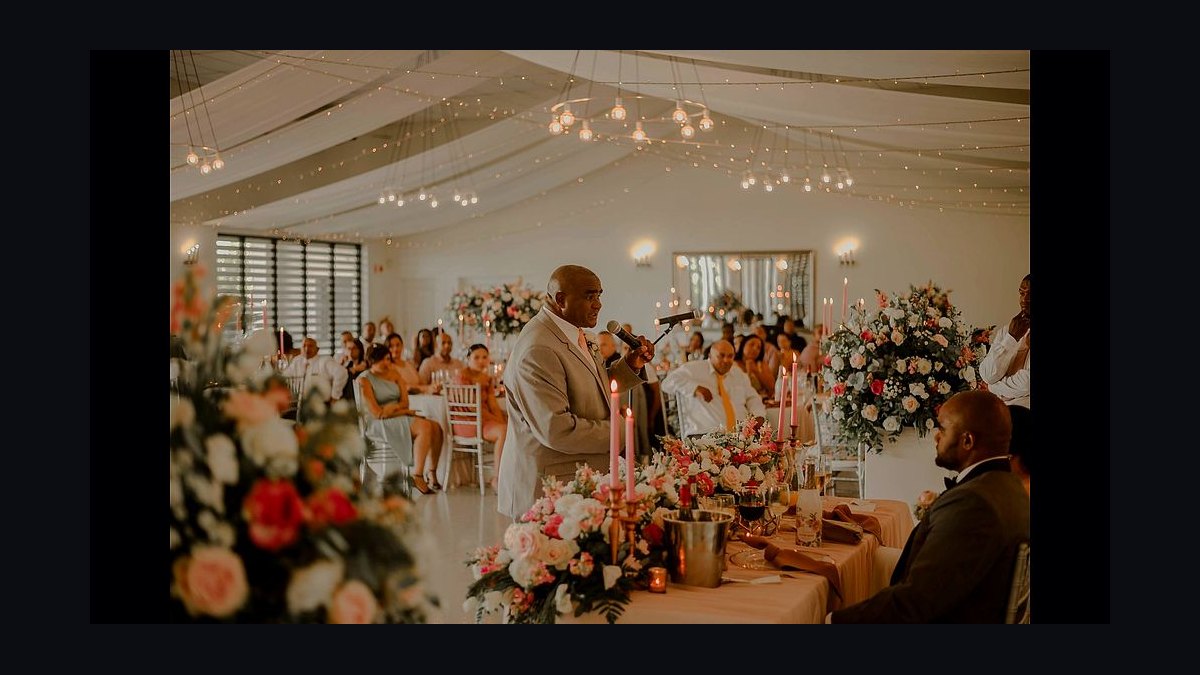
For most couples in 2027, Writing your own Wedding speech produces the better result when you have three or more weeks, a clear story, and low anxiety about public speaking. Hiring a Professional Speechwriter wins when time is short, emotions run high, or the speech carries high social stakes. Neither is universally superior.
The outcome you should expect
The honest answer to "which gets better results" depends entirely on what you mean by "better." A speech can succeed on delivery, on emotional resonance, on accuracy of memory, on how it lands with a specific room, or on how it makes the speaker feel afterward. These outcomes do not move together, and that is why the own-versus-hire decision is genuinely hard rather than a matter of one option being objectively superior.
When you write your own Wedding speech, the typical outcome is a speech that sounds unmistakably like you. Guests recognize your cadence, your humor, your specific memories. The trade-off is variance: a self-written speech can be the best speech of the night or the one that rambles for eleven minutes and buries its emotional payoff. The quality ceiling is high, the floor is lower, and the floor is what you actually experience if something goes wrong.
When you hire a Professional Speechwriter, the typical outcome is a speech that is structurally sound, correctly paced, and free of the classic failure modes: no buried lede, no inside joke that alienates half the room, no three-minute digression about a college roommate nobody else knows. The trade-off is voice. A hired speech can feel slightly generic, or worse, feel like it was written for a different person. The quality floor is high, the ceiling is often lower than a great self-written speech, and the risk shifts from "it might fall apart" to "it might not sound like me."
The practical consequence: if you are a confident writer and a reasonably comfortable speaker, writing your own Wedding speech usually produces a better result for you specifically, because the voice advantage compounds across every line. If you are not a confident writer, or if the speech is for a role with asymmetric stakes (father of the bride, best man at a wedding where you barely know the couple's friends), hiring a Professional Speechwriter usually produces a better result because it removes the failure modes you are most exposed to.
There is also a third outcome that neither camp advertises: the process outcome. Writing your own speech forces you to sit with the relationship and articulate why it matters. Many people report that this reflection is the most valuable part, independent of how the speech lands. Hiring a Speechwriter skips that reflection, which is efficient if you do not want it and a real loss if you do.
What drives that outcome

Four variables drive almost all of the difference between these two paths. Understanding them lets you predict your own result rather than guessing.
Time available. This is the single strongest predictor. A self-written speech needs three things: a first draft, a cooling-off period of at least 48 hours, and a revision pass. That is a minimum of about three weeks of calendar time if you are fitting it around a job. Under two weeks, most people produce a first draft they never properly revise, and unrevised first drafts are where self-written speeches fail. A Professional Speechwriter compresses this: a good one can turn around a working draft in five to seven days and a polished version in ten to fourteen, because they have a repeatable interview-to-draft process.
Writing skill, not speaking skill. People conflate these. Writing a speech is a specific craft: you are writing for the ear, not the eye. Short sentences. Concrete images. A clear through-line. Many excellent public speakers are mediocre speech writers, and many quiet people write beautifully. If you have written anything for an audience before, even a toast or a eulogy, you have a reasonable read on your own ability. If you have never written for the ear, your first attempt will likely be too long and too abstract.
Emotional load. Wedding speeches are written about people you love, often during a stressful planning period. Emotional load degrades writing quality in a predictable way: it produces speeches that are either too safe (a list of adjectives with no specific memory) or too raw (a story that means everything to you and nothing to the room). A Professional Speechwriter functions partly as an emotional editor, asking "what is the one thing you want them to feel?" and cutting everything that does not serve it.
Room and role. The stakes are not uniform. A best man speaking to a room of 120 people where he knows eight of them is in a different situation from a sibling speaking at a 30-person dinner. Larger rooms, more strangers, and more formal roles all raise the cost of a mediocre speech, which shifts the calculus toward hiring.
The mechanism underneath all four is the same: a speech succeeds when it has one clear emotional target, a structure that builds toward it, and language that sounds natural when spoken aloud. Self-writing gives you the highest possible authenticity on that language but the least protection on structure. Hiring gives you the most protection on structure but requires deliberate work to preserve your voice.
Benchmarks and realistic ranges

Concrete numbers help, but treat them as ranges rather than rules. Wedding speech norms vary by country, culture, and family, so calibrate to your own room.
Length. The widely cited comfort zone for a wedding speech is three to five minutes, which is roughly 450 to 750 words at a natural speaking pace of about 140 to 160 words per minute. Speeches that run past seven minutes (roughly 1,000 words) start to lose a seated, fed, mildly drunk audience. Self-written speeches are far more likely to run long, because the writer has no felt sense of how long their material takes to say. A Professional Speechwriter typically delivers a draft in the 500 to 700 word range and will tell you the target time explicitly.
Draft cycles. A realistic self-written speech goes through three to five drafts. The first is a brain dump, usually 1.5 to 2 times the target length. The second cuts it to length. The third reads it aloud and fixes what sounds awkward. The fourth and fifth are small line edits. Skipping the read-aloud pass is the most common self-writing mistake, and it is the one that most reliably produces a speech that reads well and sounds stilted.
Interview time with a Speechwriter. A typical engagement starts with a 60 to 90 minute interview, sometimes two sessions, plus a written questionnaire. From that, a draft usually arrives within five to ten business days. Expect one to two rounds of revision included. If a provider offers no interview and no revision, you are buying a template, not a speech.
Cost ranges. Professional speechwriting for weddings is typically priced somewhere in the low hundreds to low thousands of dollars, with the low end being a template or a short editing pass and the high end being a full interview-based custom speech with multiple revisions and possibly delivery coaching. Editing an existing draft costs less than writing from scratch. These ranges vary widely by market, so get a written quote rather than assuming.
Editing as a middle path. A frequently overlooked option is writing your own draft and paying a Professional Speechwriter for a single structural edit and a line-level polish. This typically costs a fraction of a full commission and preserves your voice almost entirely, because the words are still yours. For people with decent writing ability and limited time, this is often the highest-value option on the board.
Rehearsal. Whatever path you choose, budget at least three full read-aloud rehearsals, one of them in front of another person. Reading aloud is where you discover the sentences that do not work. A speech that has never been read aloud is not finished.
Risks, edge cases, and failure modes
Both paths have characteristic failure modes. Knowing them in advance is most of the defense.
Self-writing failure modes. The first is length creep: you include everything because everything feels important, and the speech becomes a list. The fix is to choose one theme and cut anything that does not serve it. The second is the inside joke: a reference that lands with four people and confuses everyone else. The fix is a test, would a stranger understand why this is funny from the setup alone? The third is the adjective pile: "kind, generous, funny, smart, caring" tells the room nothing. The fix is one specific memory that demonstrates the trait instead of naming it. The fourth is the buried lede: the best story is in paragraph four and the speech opens with throat-clearing. The fix is to open with the strongest concrete image you have.
Hiring failure modes. The first is voice mismatch: the draft is polished but sounds like a stranger. The fix is a thorough interview and an explicit instruction to preserve your vocabulary and your level of formality. The second is factual drift: the Speechwriter invents or embellishes a detail because it fits the narrative. The fix is to fact-check every specific claim in the draft against your own memory before you deliver it. The third is over-polish: the speech is so smooth it sounds like a corporate keynote. The fix is to ask for a draft with deliberate rough edges and conversational phrasing. The fourth is dependence: you have a great script but have never rehearsed it, so the delivery is flat. The fix is to rehearse the hired draft exactly as much as you would rehearse your own.
Edge cases that change the answer. If the speech will be delivered in a second language, hiring a Speechwriter who writes in that language is usually worth it, because idiom is the hardest part to self-check. If the couple has a complicated family situation, an outside writer can help you navigate what to include without stepping on landmines. If you are the parent of the person getting married, the speech carries a different weight than a friend's toast, and the polish premium is usually justified. If you are a professional writer by trade, self-writing is almost always the better result, because your voice is your advantage.
The rehearsal failure that hits both paths. The most common failure across both options is not the writing at all, it is the delivery. A mediocre speech delivered warmly and confidently beats a beautiful speech read flatly off a phone screen. Print the speech in large type, on card stock, and rehearse standing up.
A practical rollout plan
Here is a workable process for each path, plus the hybrid that most people should probably consider.
If you are writing your own Wedding speech. Start at least four weeks out. Week one: write a brain dump of every memory, joke, and sentiment, with no length limit. Week two: choose the single emotional target, then cut the dump to the best three to five beats and write a real draft. Week three: read it aloud, time it, and cut to 450 to 750 words. Week four: rehearse three times, once in front of someone, and make line edits. Print final. Do not rewrite in the last 48 hours, because last-minute rewrites are where speeches get worse, not better.
If you are hiring a Professional Speechwriter. Book at least five weeks out. Prepare for the interview by writing down five specific memories and the one thing you want the room to feel. Do the interview, then fact-check the draft line by line against your memory. Rehearse the delivered draft as if you wrote it. Ask for one revision pass specifically aimed at making the language sound more like your own speech patterns.
The hybrid, which is often the best result. Write your own draft using the four-week process above, then pay a Professional Speechwriter for a single structural edit and polish. You keep the voice, you get the structure protection, and you spend far less than a full commission. If your draft is fundamentally sound, this is the highest-value option available.
Related questions
How long should a wedding speech be?
Three to five minutes is the reliable target, roughly 450 to 750 words at a natural speaking pace. Anything past seven minutes risks losing a seated audience. Self-written speeches run long more often than hired ones, so time yours aloud during rehearsal.
Can I write my own speech and still hire a Speechwriter?
Yes, and this hybrid is often the best value. Write your own draft, then pay a Professional Speechwriter for a structural edit and line polish. You keep your voice, gain structural protection, and spend far less than a full commission.
Does a hired speech sound generic?
It can, if the interview is thin or you do not ask for voice preservation. A good Professional Speechwriter interviews you for 60 to 90 minutes and works from your specific memories. Insist on your own vocabulary and formality level, then fact-check every detail.
What is the biggest risk of writing it myself?
Length creep and the buried lede. Self-written drafts often include everything and open with throat-clearing instead of the strongest concrete image. Pick one theme, cut anything that does not serve it, and open with your best specific memory.
Should I rehearse a speech I paid someone to write?
Absolutely, and exactly as much as you would rehearse your own. Delivery is where most speeches succeed or fail, regardless of who wrote them. Print in large type, rehearse standing up, and do at least one run in front of another person.
FAQ
Is it cheating to hire a Professional Speechwriter for a Wedding speech?
No. A speechwriter is an editor and a structural guide, not a ghost who replaces your feelings. The memories, the relationship, and the sentiment are still yours. What you are buying is craft: pacing, structure, and protection against the classic failure modes. Many people find the interview process itself clarifies what they actually want to say.
How far in advance should I start?
Four weeks minimum if you are Writing your own, five weeks if you are hiring. A self-written speech needs a draft, a cooling-off period of at least 48 hours, a read-aloud revision, and rehearsals. A hired speech needs interview scheduling, draft turnaround of five to ten business days, and revision time. Starting two weeks out forces shortcuts that show up in delivery.
What does a wedding speechwriter actually cost?
Pricing varies widely by market and scope. Expect a range from the low hundreds for a template or single editing pass up to the low thousands for a full interview-based custom speech with multiple revisions and delivery coaching. Editing an existing draft is always cheaper than writing from scratch. Always get a written quote with the number of revision rounds stated.
Can I use AI to write my Wedding speech instead?
You can use it as a brainstorming and structuring tool, but a fully AI-generated speech tends to sound generic and to invent plausible-sounding details that are not true. If you use it, treat the output as a skeleton, replace every specific with a real memory, and read the whole thing aloud. Never deliver a specific claim about a person without verifying it.
What if I am terrified of public speaking?
The writing is usually not the bottleneck, the delivery is. A short, simple, well-rehearsed speech delivered warmly beats an elaborate one read nervously. Consider keeping the speech to three minutes, rehearsing it ten times, and asking a trusted friend to stand in the back of the room during one rehearsal. If the role is optional, it is also legitimate to decline.
Does the speech need to be funny?
No. Warmth and specificity land more reliably than jokes, especially with a large room that does not know you well. If you are naturally funny, use it. If you are not, one light moment is plenty. A speech that makes the couple feel seen will outperform a speech that chases laughs.
Sources
- Toastmasters International — Speech Writing and Delivery Resources
- The Knot — Wedding Speech and Toast Planning Guides
- Brides — Wedding Speech Tips and Etiquette
- Harvard Business Review — How to Write a Speech That Resonates
- Purdue Online Writing Lab (OWL) — Writing for Oral Presentation
- National Speakers Association — Professional Speaking Resources
Related on PULSE
- Best man speech structure: the three-beat format that works
- How to rehearse a wedding speech without memorizing it
- Editing your own draft: a checklist before you hire anyone
- Father of the bride speech: tone, length, and landmines
- When to decline a wedding speech role gracefully
- Speech delivery basics: pacing, pauses, and card stock
This page will be disappearing soon. Save it to your device for $1 — or read it free while it is here.
@Kory-White- · if Venmo asks, the last 4 of my number are 2012
This page is gone.
This one is off the shelf now. $1 keeps it on your phone for good — the whole page, pictures and diagrams included.
 pulse-speechesLou Gehrig’s Luckiest Man Farewell (1939) — Text, Context, and Why It Endures
 pulse-speechesA Retirement Speech for a Long-Serving Employee
 pulse-speechesA Coach’s Pre-Game Speech
 pulse-speechesA Speech for a Neighborhood Block Party
 pulse-speechesA Speech for a Company 10th Anniversary
 pulse-speechesA Quarterly All-Hands Opening That Sets the Tone
 pulse-speechesA Eulogy for a Sibling
 pulse-speechesA Retirement Speech for a Pastor
 pulse-speechesWhat Makes Maya Angelou’s “On the Pulse of Morning” a Great Speech in 2027
 pulse-speechesA Graduation Speech for a College Commencement