
A Coach’s Pre-Game Speech
 Curated byKory White · Fractional CRO · Maryland
 PULSEKNOWLEDGE LIBRARY
A coach’s pre-game speech is a short, motivational talk delivered to a team just before competition, typically lasting two to five minutes. Its purpose is to focus the players, build confidence, and reinforce a few key tactical or emotional points. The tone can range from calm and strategic to intense and inspiring, depending on the coach and the situation. This speech, when delivered effectively, becomes the final emotional and psychological preparation that transforms a group of individual athletes into a unified team ready to execute under pressure. The best pre-game speeches don’t just pump up adrenaline—they provide clarity, purpose, and a shared commitment that players carry onto the field, court, or ice.
What Are the Core Elements of an Effective Pre-Game Speech?
An effective pre-game speech rests on three foundational pillars: brevity, specificity, and emotional resonance. First, brevity matters because players in the minutes before competition are flooded with adrenaline and anxiety—they cannot process long, complex instructions. Research from sport psychology consistently shows that athletes retain only one to three key messages under high arousal conditions. Second, specificity transforms generic motivation into personal conviction. When a coach references a specific drill, a particular teammate’s effort, or a real moment from practice, the speech becomes credible and deeply felt. Third, emotional resonance is what makes the words stick. The speech must acknowledge the weight of the moment while simultaneously giving players permission to release that weight through effort and teamwork. The emotional arc should move from tension (acknowledging the stakes) through connection (reminding them of their shared journey) to release (giving them a single, clear directive). Coaches who master these three elements can deliver a speech that players remember for years, not just for the next hour.

The structure of the speech itself follows a predictable but powerful pattern. It opens with a call to gather physically close—proximity creates intimacy and focus. The middle section delivers the core messages, usually framed as three distinct points, each building on the last. The closing is a call to action, often ending with a team chant or yell that breaks the huddle and sends the team onto the field with a shared burst of energy. This structure works because it mirrors the psychological needs of the moment: first, establish connection and safety; second, provide direction and purpose; third, release energy toward a common goal. The most common mistake coaches make is trying to deliver too many tactical adjustments or last-minute reminders in this final window. Those belong in the pre-game walkthrough or the locker room 20 minutes earlier. The pre-game speech itself should be stripped of everything except what the team needs to hear in that final, compressed moment.

How Does the Emotional Arc of a Pre-Game Speech Build Team Readiness?
The emotional arc of a great pre-game speech is not a flat line of intensity but a deliberate journey from tension to release. This arc is critical because it mirrors the emotional experience of competition itself, helping players regulate their own nervous systems. The speech should begin by acknowledging the tension in the room—the butterflies, the quiet, the weight of expectation. A coach who says, “I know your stomachs are tight right now. That’s not fear—that’s readiness,” validates the players’ experience and reframes anxiety as fuel. This opening creates a shared acknowledgment of the moment’s significance, which builds trust between coach and team. From this point of tension, the speech should move toward a middle section that builds connection and purpose, often through storytelling. A brief, specific story from the season—a tough practice, a comeback win, a moment of individual sacrifice—reminds players of their identity and their shared history. This is where the emotional temperature rises, not through volume, but through meaning.
The final 15 to 20 seconds of the speech should bring the energy down to a calm, certain note before the explosive release. This is counterintuitive to many coaches, who think they need to be screaming by the end. In reality, the most powerful closing is quiet, measured, and absolute. A line like, “I already know what you’re made of. Now go show everybody else,” delivered with steady eye contact and a lowered voice, creates a moment of profound focus. The team then breaks that quiet with a collective yell or chant, which serves as the emotional release. This arc—tension, connection, focus, release—prepares players not just to play hard, but to play smart. They enter the competition with regulated emotions, clear priorities, and a deep sense of shared purpose. Coaches who understand this arc can adapt it for any team, any sport, and any stakes, because it speaks to the universal psychology of performance under pressure.

How Do You Tailor a Pre-Game Speech to Different Team Personalities?
No two teams respond to the same speech, and effective coaches learn to read the room in the minutes before they speak. A veteran team with deep playoff experience needs a fundamentally different approach than a young group still learning to trust itself. For seasoned players, the speech should be shorter, quieter, and more direct. These athletes don’t need a pep talk—they need a reminder of their identity and their habits. A phrase like, “We’ve been here before. Trust your habits,” lands harder than any emotional rallying cry. The coach’s job with a veteran team is to remove doubt, not to create energy they already possess. Eye contact becomes even more important here, as does referencing specific, meaningful moments from the season that reinforce the team’s established culture. The speech should feel like a confirmation, not a creation, of confidence.

For a younger or less experienced team, the speech must lean into belief and permission. These players often question whether they belong in the moment, especially against a stronger opponent or in a high-stakes game. The coach’s primary task is to give them permission to be great—to say, “You’ve earned this spot. Now go prove it to yourselves.” This requires acknowledging the fear without dwelling on it, and then quickly pivoting to evidence of their capability. A specific memory of a time they surprised themselves or exceeded expectations works powerfully here. The tone should be warmer, more encouraging, and slightly more structured, because younger players need more scaffolding for their emotions. There’s also the team that comes in emotionally flat or overconfident. In that case, the speech might need to introduce a healthy edge—a challenge to their pride or a reminder of what’s at stake. A coach might say, “I know you think this is going to be easy. It won’t be. They’ve been watching film, they’ve been training, and they want it just as bad. The question is whether you want it more.” The key in every case is reading the room in the 30 minutes before you speak. Watch body language, listen to the locker room chatter, and gauge the energy. A coach who adjusts their tone based on the team’s emotional state—rather than sticking to a pre-written script—will always connect more deeply. The best speeches feel like they were written for that specific group, in that specific moment, not pulled from a generic template.
What Is the Proper Physical Delivery of a Pre-Game Speech?
The words of a pre-game speech matter, but how a coach delivers them matters more. Players are reading body language, tone, and energy before they process the content. The physical delivery of the speech is a performance in itself, and coaches who master it can make an average script unforgettable. The first and most important choice is where to stand. The coach should be in the center of the room, with no furniture or obstacles between them and the team. This creates a sense of equality and direct connection. Arms should be visible and open—no crossed arms, no hands in pockets, no leaning on a whiteboard. An open posture signals confidence and vulnerability simultaneously, which builds trust. The coach’s feet should be planted shoulder-width apart, not shifting or pacing. Pacing suggests nervousness; stillness suggests control. The team needs to see that the coach is calm and certain, even if the game ahead is uncertain.
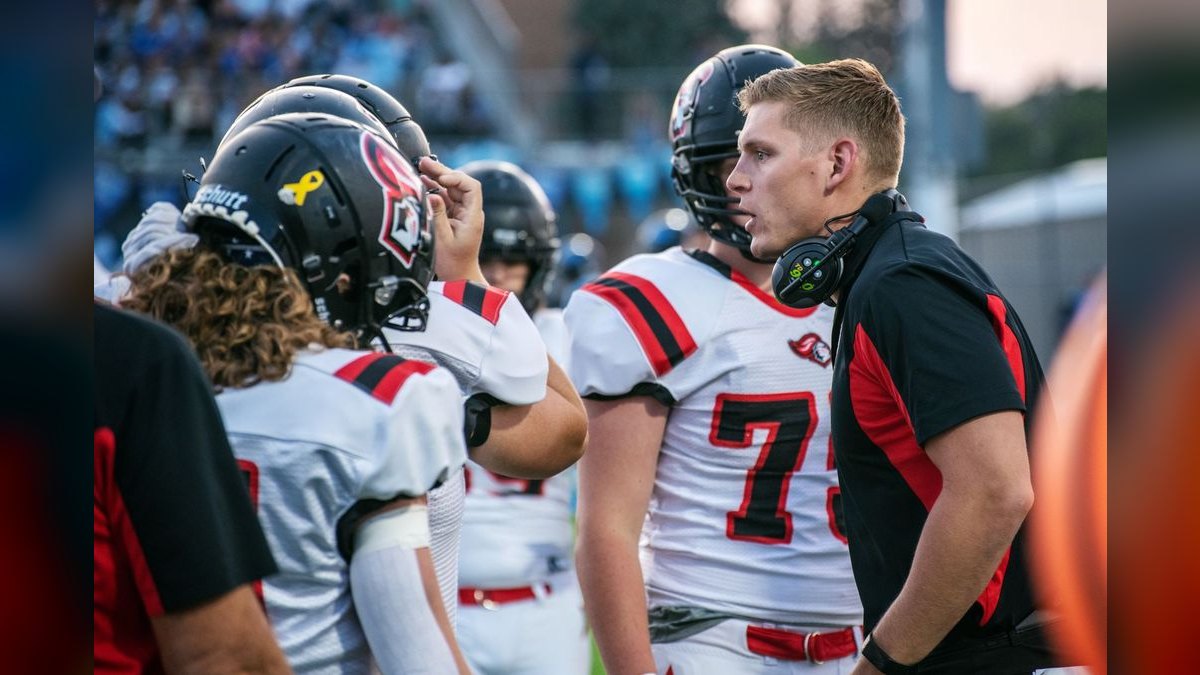
Voice control is the second critical element. The speech should start at a conversational volume, not a shout. Shouting early exhausts the emotional range of the voice and makes it impossible to build intensity later. Instead, speak at a level that forces players to lean in slightly. That lean is engagement—it’s a physical sign that they are listening. Volume should rise only in the final 10 seconds, right before the team breaks the huddle. This spike of energy should feel like a release, not a command. Eye contact is the third pillar of delivery. The coach should not scan the room like a spotlight but instead hold eye contact with individual players for three to five seconds each. This communicates, “I see you. This is for you.” It also prevents the coach’s gaze from drifting to the floor or the ceiling, which signals uncertainty. Finally, silence is one of the most powerful tools in a coach’s delivery. A deliberate two-second pause after a key line—like “This is your moment”—lets the weight of the phrase settle into the room. Rushing through the speech tells the team you’re nervous. Slowing down tells them you’re in control. A coach who masters these physical elements can deliver a simple message and make it feel like the most important thing the team has ever heard.
How Does a Pre-Game Speech Fit Into the Larger Game-Day Routine?
A pre-game speech does not exist in isolation—it is the final piece of a larger game-day routine that begins hours or even days before the competition. Understanding where the speech fits in this routine helps coaches time and structure it properly. The game-day routine typically includes a pre-game meal, a walkthrough or light practice, individual preparation time, a team meeting or film session, and then the final locker room period. The pre-game speech should occur in the last 10 to 15 minutes before the team takes the field, after all tactical preparation is complete. This timing is critical because the speech is not the place for new information—it is the place for emotional and psychological finalization. Any tactical adjustments or last-minute reminders should have been delivered in the walkthrough or the earlier team meeting. The speech itself should be stripped of everything except what the team needs to hear in that final compressed moment.
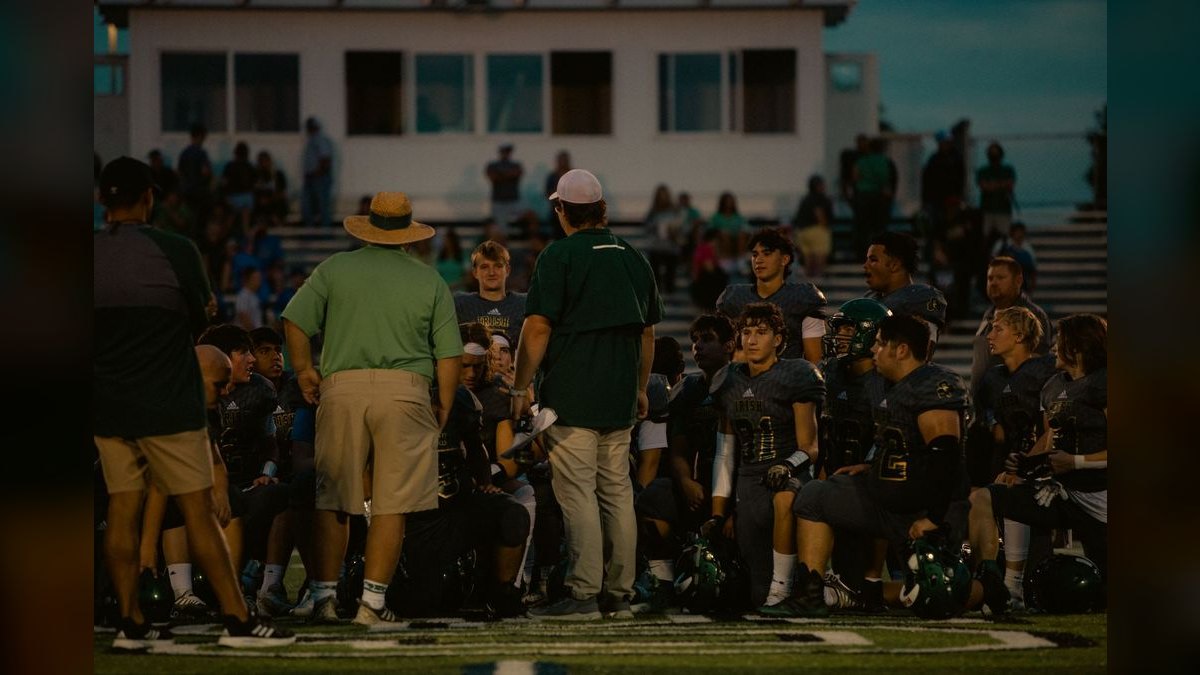
The environment in the locker room during the speech matters as well. Ideally, the room should be quiet, with no distractions—no phones, no music, no side conversations. The coach may choose to dim the lights slightly to create focus. Players should be physically close together, either seated or kneeling in a tight circle. This proximity creates a sense of collective purpose and makes it harder for any individual to disengage. The coach should also be aware of their own emotional state. Players can sense when a coach is nervous, angry, or distracted. The coach must enter the room with a calm, centered presence, having already processed their own emotions about the game. This is why many experienced coaches have a personal pre-game routine—a few minutes of quiet, a deep breathing exercise, or a quick review of their notes—before they address the team. The pre-game speech is the final act of preparation, and like any performance, it depends on everything that came before it. Coaches who treat the entire game-day routine as a single, integrated process will find that their speeches land with more power and precision.
Related questions
How can a coach calm nervous players before a game?
Acknowledge nerves as normal and reframe them as excitement or readiness, using a shared story of past success to build confidence without singling out individuals.
What is the ideal length for a youth sports pre-game speech?
For youth teams, keep the speech under two minutes with only one or two main points, focusing on effort, fun, and teamwork rather than tactical complexity.
Should a coach use humor in a pre-game speech?
Light, authentic humor can reduce tension if it fits the coach’s personality, but forced jokes or sarcasm often backfire by breaking the emotional focus of the moment.
How do you adapt a pre-game speech for an away game?
Keep it shorter and quieter, acknowledge the hostile environment as fuel rather than a threat, and emphasize that the team’s identity travels with them regardless of location.
What is the most common mistake in pre-game speeches?
Overloading players with too many instructions or last-minute changes causes confusion and anxiety; the best speeches simplify to one or two core ideas.
FAQ
How long should a pre-game speech be? A pre-game speech typically lasts between 2 to 5 minutes, with 3 to 4 minutes being ideal for most teams. Any longer and players may lose focus; any shorter and the message might not sink in. The key is to keep it concise and energetic, with a clear beginning, middle, and end.
What’s the best tone for a coach’s pre-game speech? The tone should be confident, motivating, and authentic—not overly aggressive or overly soft. Coaches often aim for a balance of calm reassurance and controlled intensity, depending on the team’s personality and the stakes of the game. The best tone is one that feels natural to the coach while meeting the emotional needs of the team.
Should a coach use a tactics board during the speech? Yes, many coaches find a tactics board helpful for reinforcing key plays or formations, especially in sports like soccer or basketball. It can make abstract strategies more concrete, but it shouldn’t dominate the speech—focus should stay on motivation and mindset. If used, keep it brief and visual.
How do you handle nervous players in a pre-game speech? Acknowledge nerves as normal and reframe them as excitement or readiness. Coaches might share a personal story or remind players of past successes to build confidence, without singling out individuals. A simple statement like “Butterflies just mean you care” can normalize the feeling.
What’s a common mistake coaches make in pre-game speeches? Overloading players with too many instructions or last-minute changes can cause confusion and anxiety. The best speeches simplify the game plan and emphasize one or two core objectives, leaving detailed adjustments for practice or halftime. Another mistake is using the speech to vent personal frustration.
Can a pre-game speech really affect the outcome of a game? It can influence mindset and team cohesion, which often impacts performance, but it’s not a magic solution. A well-delivered speech may boost focus and morale, but execution on the field ultimately depends on preparation and skill. The speech is the final polish, not the foundation.
How do you end a pre-game speech effectively? End with a single, clear directive and then a team chant or yell that breaks the huddle. The final words should be the team’s name shouted, followed by immediate movement toward the field. Avoid trailing off or adding one last thought after the chant.
What if a coach is not naturally emotional or loud? Authenticity matters more than volume. A quiet, steady, and sincere speech can be just as powerful as a loud one, especially if the coach is known for being reserved. Players respect consistency between the coach’s personality and their delivery.
Sources
- National Federation of State High School Associations (NFHS) Coaching Resources
- Positive Coaching Alliance - Research-Based Strategies
- American Sport Education Program (ASEP) - Motivational Techniques
- Journal of Sport Psychology in Action - Pre-Performance Routines
- NCAA Coaches Education - Game Day Preparation
- Harvard Business Review - Public Speaking and Motivation
- Applied Sport Psychology - Team Communication Strategies
- TrainingPeaks - Coach-Athlete Communication
Related on PULSE
- [A Speech for a Coach’s End-of-Season Talk](/knowledge/sp0212)
- [A Retirement Speech for a Coach](/knowledge/sp0184)
- [What is the least obvious yet most reliable behavioral marker indicating a person is covertly experiencing spiritual awakening rather than psychiatric decompensation, and how can a clinician distinguish between the two in a single initial interview without relying on self-report?](/knowledge/sp0259)
- [A Speech for a Town Hall on a Local Issue](/knowledge/sp0229)
@Kory-White- · if Venmo asks, the last 4 of my number are 2012
 pulse-moviesTop 10 Movies on Netflix 2027
 pulse-moviesTop 10 Movies on Max 2027
 pulse-moviesTop 10 Fantasy Movies of All Time in 2027
 pulse-moviesTop 10 Documentaries of All Time in 2027
 pulse-moviesTop 10 Superhero Movies of All Time in 2027
 pulse-moviesTop 10 Romance Movies of All Time in 2027
 pulse-moviesTop 10 Westerns of All Time in 2027
 pulse-moviesTop 10 Musical Movies of All Time in 2027
 pulse-moviesTop 10 Thriller Movies of All Time in 2027
 pulse-moviesTop 10 Crime Movies of All Time in 2027