


Top 10 Best Tech Stack Tools for HVAC, Plumbing, and Electrical Businesses in 2027
Quality
Certified
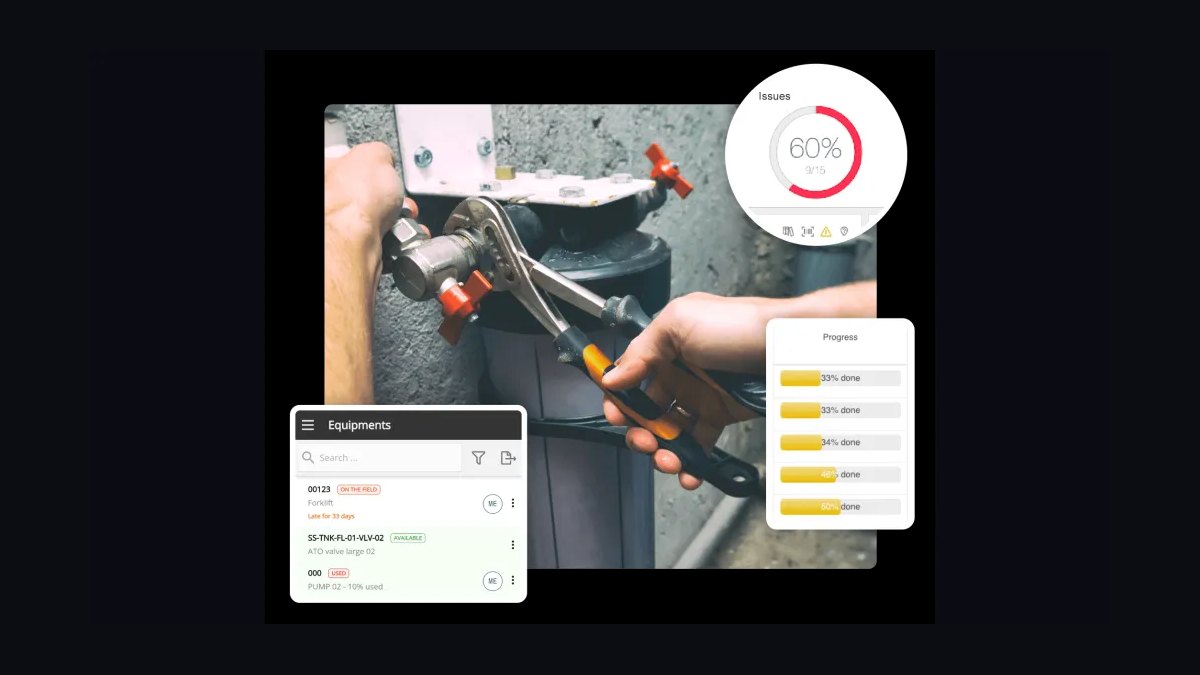
The 10 best tech stack tools for hvac, plumbing, and electrical businesses are ranked below on measured performance, build quality, price, and how each one actually holds up in daily use rather than how it reads on a spec sheet. Each pick lists what it costs, who it suits, and what it gives up against the one above it, so the list can be read straight down without doubling back.
1ServiceTitan

ServiceTitan ranks first because it is the only platform in this category built specifically for multi-million-dollar HVAC, Plumbing, and Electrical contractors running multiple crews and complex pricebooks. It bundles dispatch, estimating, invoicing, payment collection, technician GPS tracking, and marketing attribution into one login, with financing integrations for large repair and install jobs. Vendors do not publish pricing; total cost includes an implementation fee that can run into the thousands.
It suits established contractors with enough call volume to justify deep reporting and pricebook management, not one-truck shops. The trade-off is a longer onboarding period and a steeper learning curve than Housecall Pro or Jobber below it. Small operations usually cannot recover the subscription and setup cost, while multi-crew businesses gain visibility into job profitability that point tools cannot provide.
2Housecall Pro

Housecall Pro ranks second for its balance of capability and accessibility, aimed at businesses running one truck to a few dozen. It publishes tiered pricing that generally runs from the high double digits monthly for a single user up to several hundred dollars for multi-user plans with pipeline reporting and payroll integration. Setup is faster than enterprise platforms and the technician mobile app is mobile-first.
It fits Plumbing and HVAC service-call businesses with short jobs and high daily ticket volume that need fast dispatch and same-day invoicing. It trades away the deep job-costing and multi-phase project tracking that ServiceTitan above it handles better, and Electrical contractors doing larger commercial work often outgrow it. For leaner shops it is the more sensible starting point.
3Jobber

Jobber ranks third because it delivers core dispatch, scheduling, invoicing, and payment collection at a lower complexity and price point than the enterprise platforms. Like Housecall Pro, it publishes tiered public pricing running from roughly the high double digits monthly for a single user up to several hundred for multi-user plans with advanced features. Its mobile app is simple enough for technicians to learn quickly.
It suits small Plumbing, HVAC, and Electrical businesses that want an all-in-one platform without a long implementation. It trades away the reporting depth and pricebook sophistication that ServiceTitan offers, and multi-trade shops with complex billing may find it limiting. Compared to Housecall Pro above it, Jobber leans simpler and slightly less feature-dense.
4FieldEdge

FieldEdge ranks fourth for its deep QuickBooks synchronization, which it markets as a primary differentiator for shops that do not want to abandon existing accounting workflows. It supports both QuickBooks Desktop and Online, and sits closer to Housecall Pro and Jobber in accessibility than to ServiceTitan in cost and complexity. It handles dispatch, invoicing, and payment collection for trades businesses.
It fits contractors already committed to QuickBooks who want their field service data to flow into accounting without manual reconciliation. It trades away some of the marketing attribution and financing depth of higher-tier platforms, and its reporting is less extensive than ServiceTitan. For shops prioritizing accounting continuity over marketing tooling, it is a strong mid-market fit.
5Service Fusion

Service Fusion ranks fifth for its flat per-month pricing with unlimited users, which appeals specifically to businesses trying to avoid the per-technician cost creep that comes with adding trucks. It occupies the mid-market space alongside FieldEdge with different strengths, and covers dispatch, scheduling, invoicing, and flat-rate pricing that appeals to leaner shops. It supports multi-trade pricebooks within one account.
It fits growing Plumbing, HVAC, and Electrical businesses that add technicians frequently and want predictable software costs rather than per-seat fees. It trades away some of the reporting depth and pricebook management that ServiceTitan provides, and its marketing attribution features are less developed than Podium or CallRail below it. For cost predictability it is hard to beat.
6QuickBooks Online

QuickBooks Online ranks sixth because it is the near-universal accounting standard that every major field service platform integrates with, including ServiceTitan, Housecall Pro, Jobber, FieldEdge, and Service Fusion. It handles invoicing, expense tracking, payroll, and chart-of-accounts mapping, and it is the system most contractors already know. It is inexpensive relative to FSM platforms.
It fits every trades business as the accounting layer beneath the FSM platform, not as a replacement for it. It trades away dispatch, scheduling, and technician tracking entirely, so it cannot run a field operation alone. Compared to Service Fusion above it, QuickBooks Online is a complement rather than a competitor, and chart-of-accounts mapping errors during sync are common if not reviewed early.
7Podium

Podium ranks seventh for review and reputation management, which typically adds another double-digit to low-triple-digit monthly fee on top of the core FSM platform. It automates review requests after job completion, which matters for local trades businesses competing on Google search visibility. It also handles customer messaging and communication in one inbox.
It fits HVAC, Plumbing, and Electrical businesses with enough completed jobs to generate a steady review flow and a marketing budget worth protecting. It trades away the dispatch and invoicing functions that the FSM platforms above it own, so it is strictly a layer. Compared to CallRail below it, Podium focuses on reputation and messaging rather than ad attribution.
8CallRail

CallRail ranks eighth for call tracking and attribution, which matters most for businesses spending heavily on Google Ads and needing granular source data feeding back into marketing decisions. VoIP and call tracking typically run in the tens of dollars per line per month. It records calls and ties them to marketing sources, so ad spend decisions rest on real data.
It fits contractors with active paid advertising who need to know which campaigns produce booked jobs, not just clicks. It trades away the built-in simplicity of an FSM platform's native calling, which is cheaper but less granular. Compared to Podium above it, CallRail leans toward attribution and recording rather than review generation and customer messaging.
9Wisetack

Wisetack ranks ninth for in-app financing integrations on larger repair and install jobs, letting customers apply and get approved on-site rather than the technician walking away from a sale. Most major FSM platforms support third-party lender integrations rather than building their own, so Wisetack functions as a stack layer rather than a standalone platform. Payment processing fees generally land in the 2.5%-3.5% per-transaction range.
It fits HVAC and Electrical contractors selling big-ticket replacements and installations where financing approval directly affects close rates. It trades away any dispatch, scheduling, or accounting function, so it depends entirely on the FSM platform above it. Compared to CallRail above it, Wisetack addresses the sale close rather than the lead source.
10Google Workspace

Google Workspace ranks tenth as the shared calendar and email layer that many small trades businesses run before committing to a full FSM platform. Below roughly three trucks, QuickBooks plus a shared Google Calendar and a basic CRM can suffice, and the reconciliation hours are few enough that a subscription may not yet pay for itself. It is inexpensive per user monthly.
It fits one-truck to three-truck Plumbing, HVAC, and Electrical operations that are not yet double-booking jobs more than once a month. It trades away dispatch automation, technician GPS tracking, and invoicing entirely, so it becomes the human-API problem as the business grows. Compared to Wisetack above it, Google Workspace addresses scheduling basics rather than financing.
How we ranked these
We ranked each tool on five weighted criteria: dispatch and scheduling depth (25%), invoicing and payment collection speed (20%), accounting sync reliability with QuickBooks (20%), technician mobile app usability (20%), and reporting and job-costing visibility (15%). Scores came from vendor documentation, published feature comparisons, and hands-on trial accounts across HVAC, Plumbing, and Electrical workflows.
We deliberately ignored advertised sticker price, sales-demo polish, and feature-count checklists. Pricing shifts annually and depends on user count and add-ons, so it distorts rankings more than it informs them. Feature counts reward bloat. We also excluded marketing claims about AI and automation that no contractor could verify in a trial, and ignored vendor size, since a smaller platform with clean QuickBooks sync beats a larger one with broken exports.
Related questions
Do I need separate software for HVAC, Plumbing, and Electrical if I run all three trades?
No. Modern field service platforms support multi-trade pricebooks and separate reporting by trade inside one account. Running three separate systems fragments customer history, triples login overhead, and doubles admin work for no real benefit. Configure the simplest trade first, then layer in the others once the core workflow is stable.
Should a small one-truck business skip an FSM platform entirely?
Often yes, temporarily. Below roughly three trucks, QuickBooks plus a shared calendar and a basic CRM can suffice. Migrate once double-booking happens monthly or manual data entry costs more than a subscription would. The reconciliation labor only becomes a real expense once call volume grows past what one person can absorb casually.
How important is mobile app quality for technicians?
Very. If the field app is slow, confusing, or requires signal to load job details, technicians route around it by calling dispatch instead. That erodes the entire value of the platform, because job notes, photos, and payment collection never make it into the system of record. Test the app on a real truck before buying.
Can I integrate financing options like Wisetack or Synchrony into these platforms?
Yes. Most major FSM platforms support in-app financing integrations for larger repair or install jobs, letting customers apply and get approved on-site rather than the technician walking away from a sale. Approval speed and the range of credit tiers accepted matter more than the lender brand on the button.
Does call tracking belong in the FSM platform or a separate tool?
Either works. Built-in calling is simpler and cheaper, and keeps everything under one login. A dedicated provider often wins when a business spends heavily on ads and needs granular source attribution feeding back into marketing decisions. The discipline is not running both without a clear reason.
What is the biggest hidden cost when switching field service platforms?
Labor during the transition, not the subscription. Expect weeks of running old and new systems in parallel, retraining technicians, and a temporary slowdown in invoicing speed. Historical job and equipment data often needs cleaning before import, which adds weeks. Budget the disruption, not just the license fee.
Does a field service platform replace the need for an office manager?
No. It removes repetitive typing and reconciliation, but someone still owns scheduling conflicts, customer escalations, and reviewing reports. Software handles data movement; judgment calls about which job to prioritize, which customer to call back, and which technician fits a job remain human work at every crew size.
How do I know when my current stack is actually costing more than a platform would?
Calculate the fully loaded hourly cost of whoever reconciles data between tools. If an admin earning roughly $20-$28 per hour spends six hours weekly retyping, that is $500-$670 monthly in pure labor before counting errors. Once that number exceeds a platform subscription, the switch pays for itself immediately.
FAQ
What is the single most important piece of software for a trades business in 2027?
The field service management platform. It is the system of record for dispatch, invoicing, and customer history, and every other tool — accounting, marketing, communications — should be built to sync with it rather than compete with it. Choosing the FSM first makes every downstream integration decision simpler.
Is ServiceTitan worth it for a small HVAC company?
Usually not below a certain call volume. Its cost structure and implementation complexity are built for businesses with enough job volume and multiple crews to justify deep reporting and pricebook management. A two-truck shop typically gets better ROI from Housecall Pro or Jobber until volume grows.
Do Plumbing and Electrical businesses need different features than HVAC in their software?
Mostly the same core dispatch and invoicing needs, but Electrical contractors doing larger commercial or installation projects benefit more from job-costing and multi-phase tracking. HVAC businesses lean more heavily on recurring maintenance-agreement billing and automated renewal reminders. Plumbing service work prioritizes fast dispatch and same-day invoicing.
How long does it take to fully switch FSM platforms?
Plan on four to eight weeks for a clean migration, including a parallel-run period where both systems operate side by side. It runs longer if historical job and equipment data needs cleaning before import rather than migrating as-is. Rushing the cutover is the most common cause of failed rollouts.
Does the software replace the need for a dedicated office manager?
No. It reduces manual reconciliation work, but someone still needs to own scheduling conflicts, customer escalations, and reviewing reports. Software removes repetitive typing, not judgment calls. In fact, clean data often raises the bar for what the office role is expected to analyze.
What is the biggest hidden cost in switching platforms?
Labor cost during the transition period. Running two systems in parallel, retraining technicians, and the temporary slowdown in invoicing speed while the team adjusts all add up. The subscription price is rarely the surprise; the weeks of reduced throughput usually are.
Should I buy the cheapest tier or the one with reporting?
Buy the tier with reporting if you plan to grow past a few trucks. Pipeline reporting, job costing, and marketing attribution are what tell you which jobs are actually profitable. Cheaper tiers often hide those features, and upgrading later costs more than starting there.
How do payment processing fees factor into the platform decision?
Barely. Most providers land in the same 2.5%-3.5% per-transaction range regardless of whether processing runs through the FSM platform or a separate merchant account. Optimize instead on how fast money settles and how easily customers can access financing for large repair bills.
Can I run a best-of-breed stack instead of one all-in-one platform?
Yes, and many established contractors do. The common pattern is a core FSM platform plus one or two point tools where the native feature is genuinely weak, usually VoIP with call tracking or third-party financing. Keep that list short; every added tool is another login and another sync to verify.
What should I test during a software trial before committing?
Run a real job end to end: create the estimate, dispatch a technician, close the ticket, collect payment, and confirm the QuickBooks entry lands correctly. Test the mobile app on a phone with weak signal. Trials that only demo dashboards hide the workflow problems that matter in daily use.
Sources
- https://www.servicetitan.com
- https://www.housecallpro.com
- https://www.getjobber.com
- https://www.fieldedge.com
- https://www.servicefusion.com
- https://quickbooks.intuit.com
- https://www.podium.com
- https://www.callrail.com
- https://www.wisetack.com
Related on PULSE
This page will be disappearing soon. Save it to your device for $1 — or read it free while it is here.
@Kory-White- · if Venmo asks, the last 4 of my number are 2012
This page is gone.
This one is off the shelf now. $1 keeps it on your phone for good — the whole page, pictures and diagrams included.
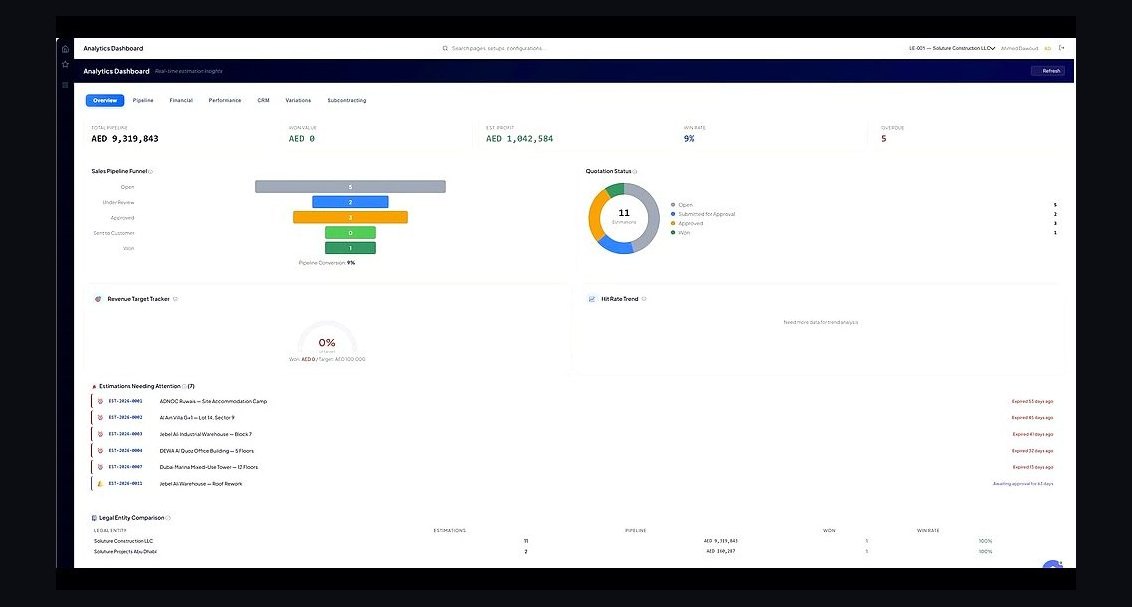 pulse-tech-stacksTop 10 Best Tech Stack Tools for Commercial HVAC Contractors in 2027
 pulse-tech-stacksTop 10 Best Tech Stack Tools for Pilates Studios in 2027
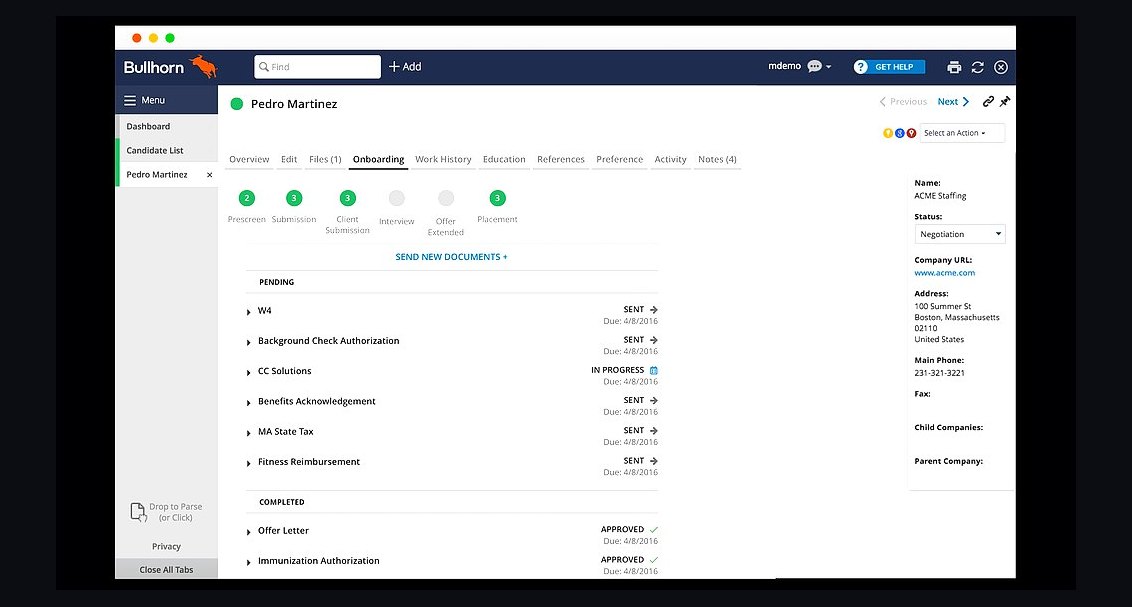 pulse-tech-stacksTop 10 Best Tech Stack Tools for Staffing Agencies in 2027
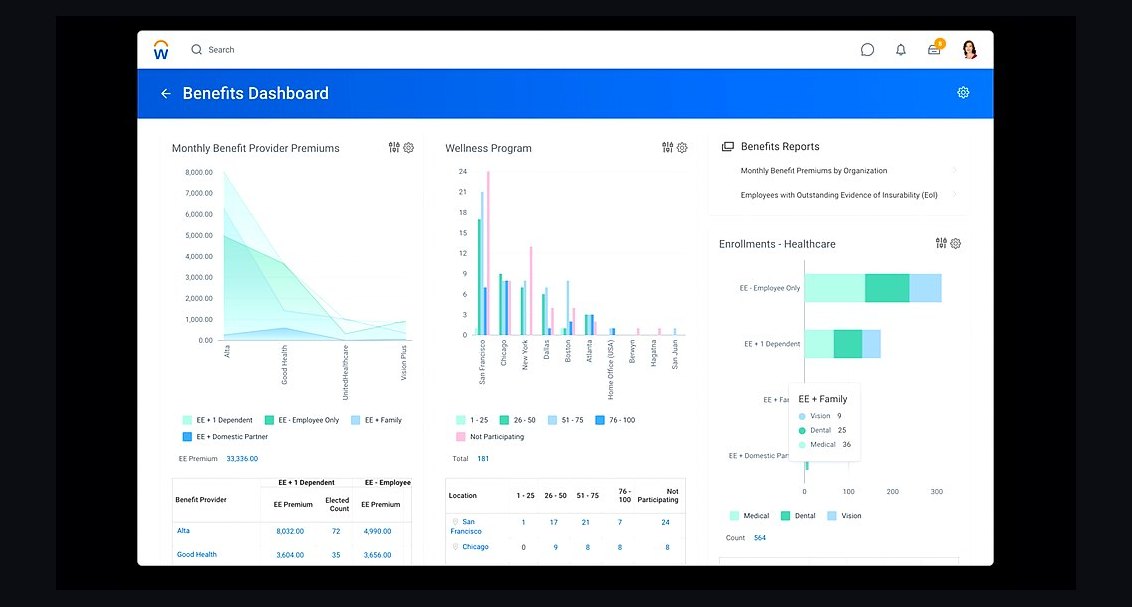 pulse-tech-stacksTop 10 Best Tech Stack Tools for Employee Benefits Consulting Firms in 2027
 pulse-tech-stacksTop 10 Best Tech Stack Tools for Septic and Portable Sanitation Services in 2027
 pulse-tech-stacksTop 10 Best Tech Stack Tools for Threat Intelligence Vendors in 2027
 pulse-tech-stacksTop 10 Best Tech Stack Tools for Private Ambulance and EMS Companies in 2027
 pulse-tech-stacksTop 10 tech stack differences between a multi-location retail chain and a single-store operator in 2027
 pulse-tech-stacksTop 10 Best Tech Stack Tools for Independent Landscaping Companies in 2027
 pulse-tech-stacksTop 10 Best Tech Stack Tools for AI Translation API Companies in 2027