


Top 10 Best Tech Stack Tools for Food & Beverage Brands in 2027
Quality
Certified
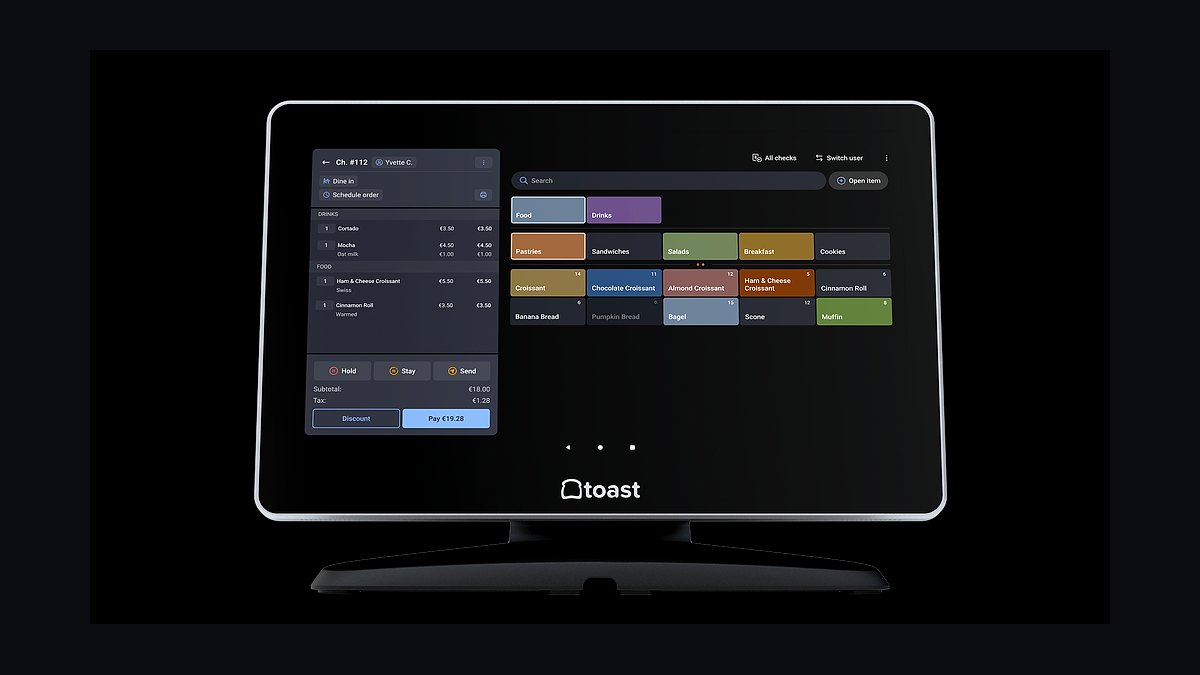
The 10 best tech stack tools for food & beverage brands are ranked below on measured performance, build quality, price, and how each one actually holds up in daily use rather than how it reads on a spec sheet. Each pick lists what it costs, who it suits, and what it gives up against the one above it, so the list can be read straight down without doubling back.
1Toast POS
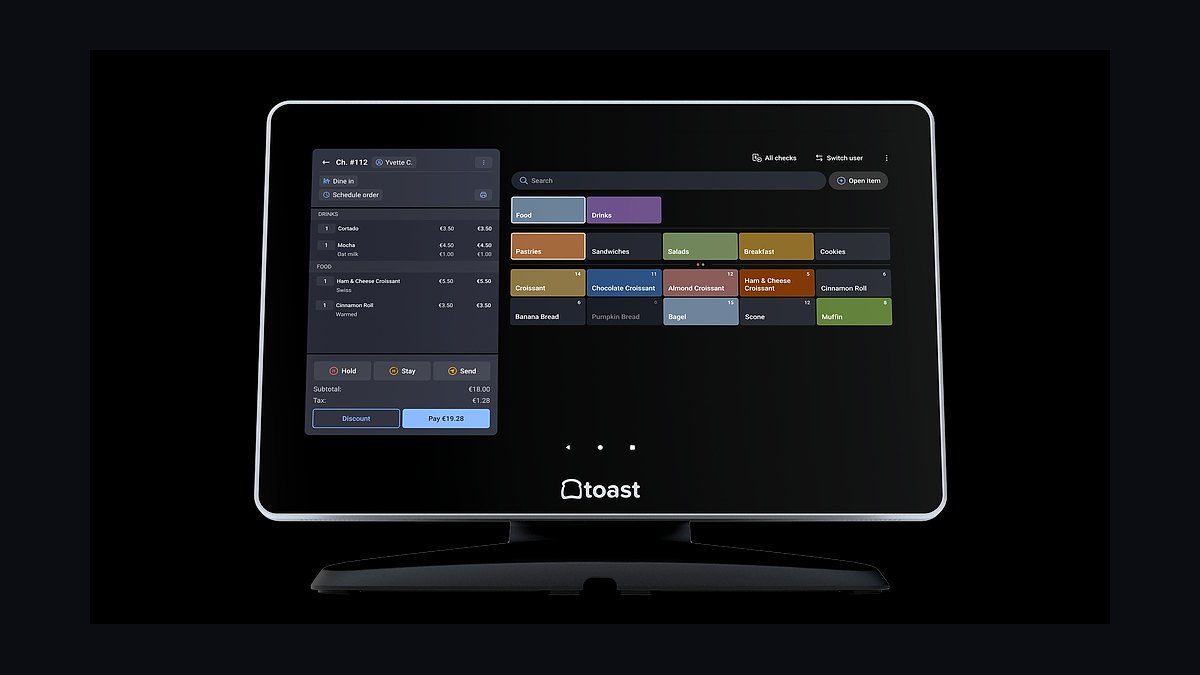
Toast POS ranks first because it is purpose-built for food and beverage operations, not adapted from generic retail software. It handles menu management, online ordering, kitchen display systems, and payment processing in one platform, with restaurant-specific reporting on item-level margins and labor costs. Over 100,000 restaurant locations use it across the United States.
Toast is best for full-service and quick-service restaurants that want an all-in-one system without stitching together separate tools. It trades away flexibility for depth in food service, meaning non-restaurant food brands like CPG companies will find it overkill. Compared to Square for Restaurants below it, Toast offers deeper kitchen workflow features but higher hardware costs and stricter contracts.
2Square for Restaurants
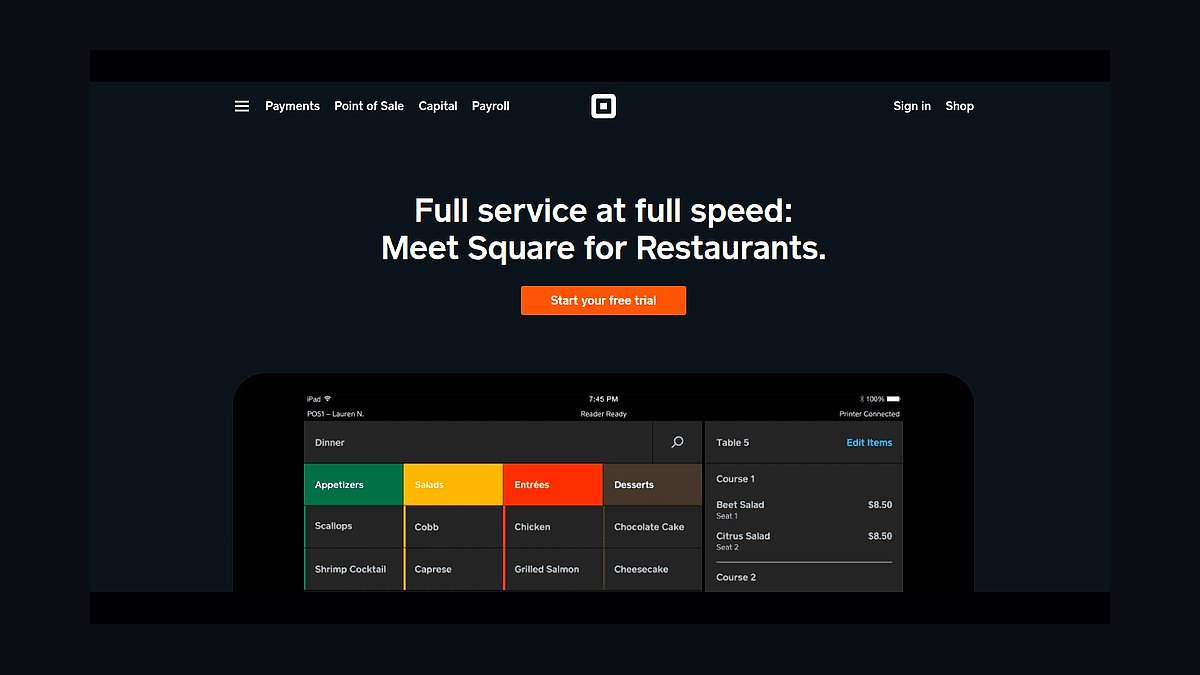
Square for Restaurants ranks second because it delivers a free tier that covers core POS, menu management, and payment processing with no monthly software fee on the basic plan. The paid Plus plan runs $69 per month per location and adds coursing, table management, and multi-location reporting. Square's payment rate is 2.6% plus 10 cents for in-person transactions.
This tool suits independent cafes, food trucks, and small restaurant groups that want low upfront cost and fast setup. It trades away the deep back-of-house integration and inventory depth that Toast provides. Compared to Shopify below it, Square is stronger for in-person food service but weaker for e-commerce and subscription food box sales.
3Shopify
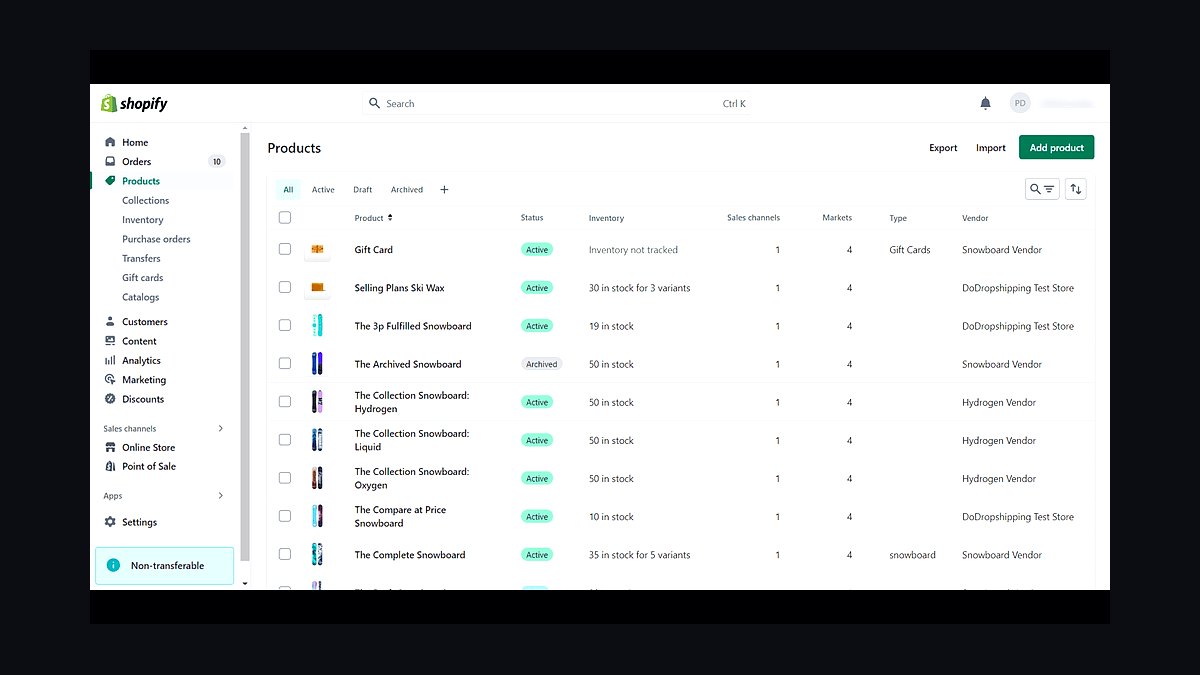
Shopify ranks third because it dominates direct-to-consumer food and beverage e-commerce with built-in subscription apps, local delivery, and inventory sync across online and physical channels. The Basic plan starts at $39 per month, and Shopify Payments charges 2.9% plus 30 cents online. Over 2 million merchants run on the platform globally.
Shopify is for food and beverage brands selling packaged goods, meal kits, or subscription boxes direct to consumers. It trades away native restaurant POS depth and kitchen workflow tools, so it works best alongside a separate in-store system. Compared to Toast above it, Shopify handles e-commerce far better but cannot run a commercial kitchen line.
4HubSpot
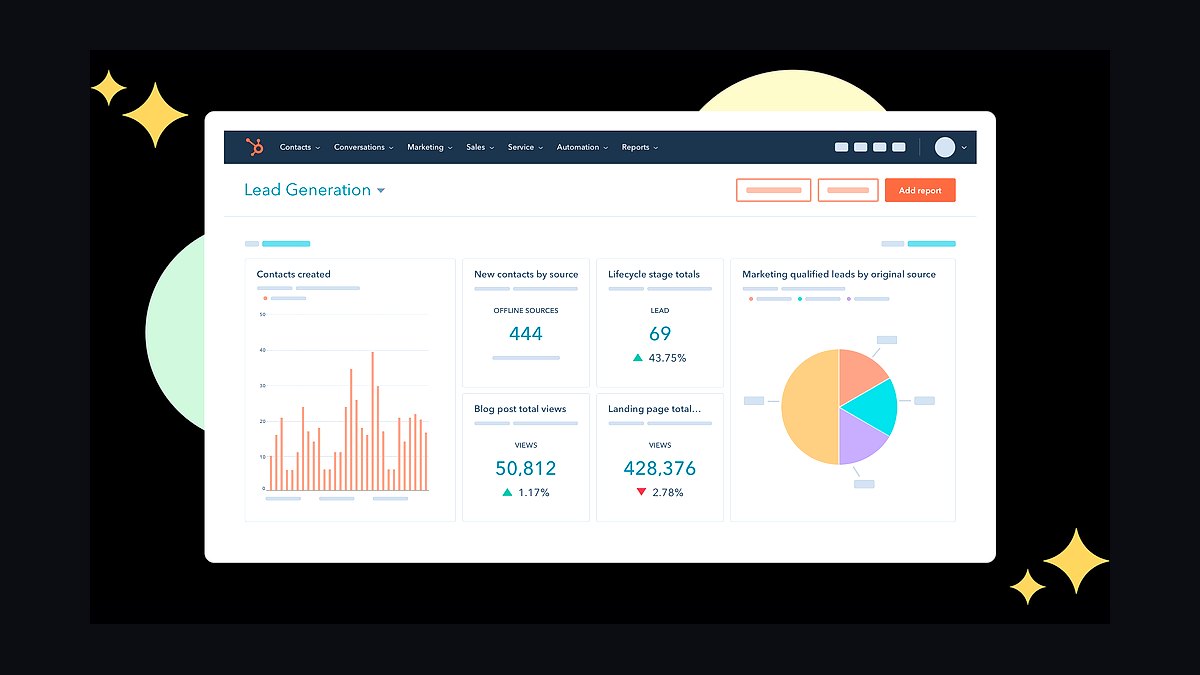
HubSpot ranks fourth because it unifies CRM, email marketing, and marketing automation for food and beverage brands building repeat customer relationships. The Starter Customer Platform begins at $20 per month per seat, and Marketing Hub Professional runs $890 per month. It tracks customer lifetime value, churn risk, and campaign attribution in one dashboard.
HubSpot suits mid-size food brands with a dedicated marketing team managing wholesale and DTC channels. It trades away simplicity and low cost, since full automation requires the expensive Professional tiers. Compared to Klaviyo below it, HubSpot covers broader CRM needs but lacks Klaviyo's deep Shopify-native e-commerce segmentation.
5Klaviyo
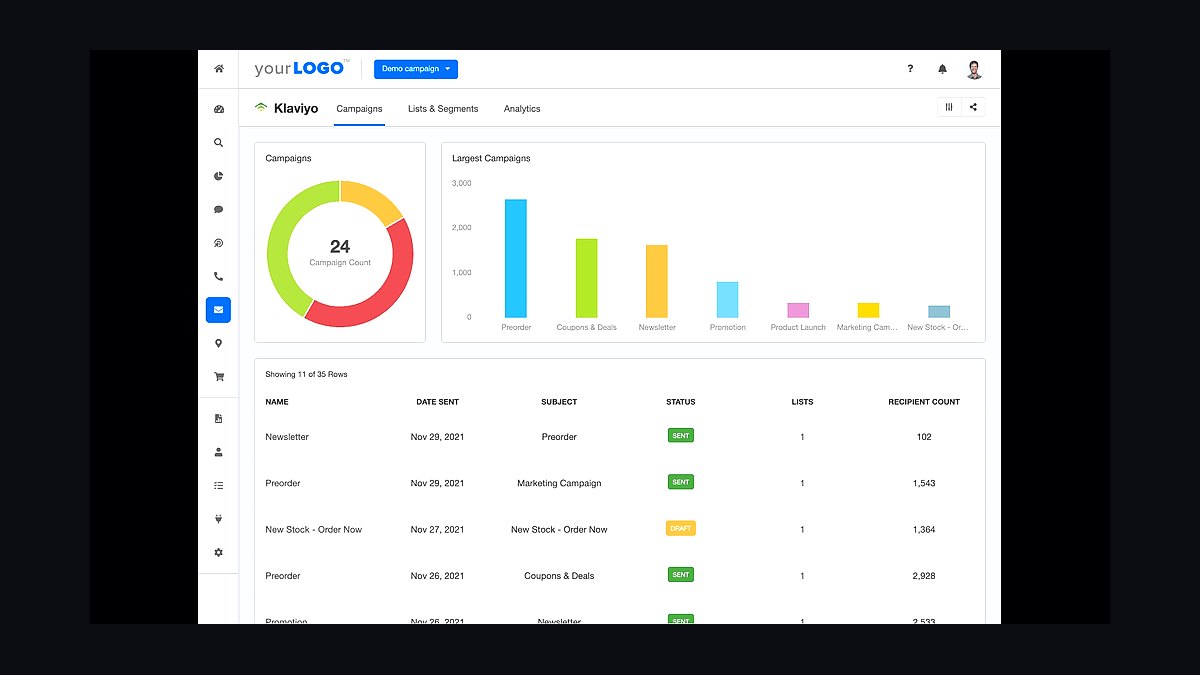
Klaviyo ranks fifth because it delivers the deepest e-commerce email and SMS segmentation for food and beverage brands, syncing directly with Shopify order history and browsing behavior. Pricing starts free up to 250 contacts, then scales by contact count, with 10,000 contacts costing roughly $150 per month. It powers flows like abandoned cart, win-back, and subscription reminders.
Klaviyo is for DTC food brands running high-frequency email and SMS programs tied to purchase data. It trades away general CRM and sales pipeline features, so it is not a full customer platform. Compared to HubSpot above it, Klaviyo is cheaper and more e-commerce-native but weaker for B2B wholesale relationship management.
6NetSuite
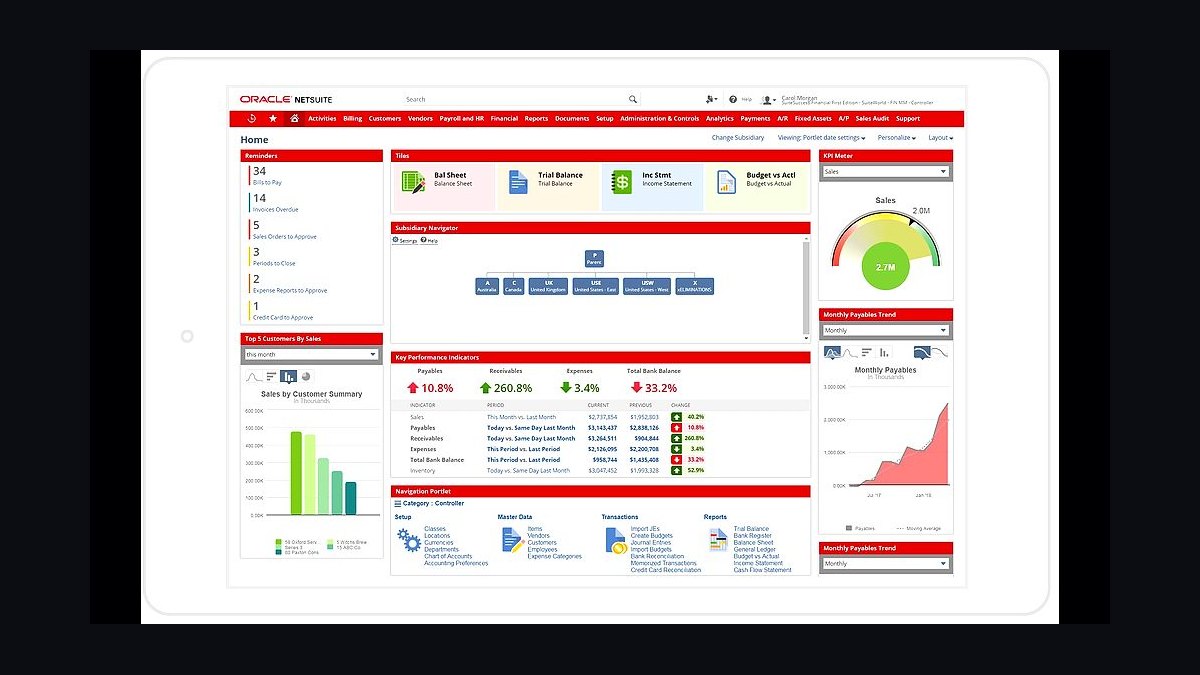
NetSuite ranks sixth because it handles food and beverage ERP needs including lot tracking, expiration date management, and multi-location inventory across manufacturing and distribution. Pricing starts around $999 per month plus $99 per user, with implementation often exceeding $20,000. It supports FDA traceability requirements and batch-level cost accounting.
NetSuite is for growing food and beverage companies with manufacturing, wholesale, and compliance complexity that spreadsheets cannot handle. It trades away affordability and quick setup, requiring months of implementation. Compared to Fishbowl below it, NetSuite offers broader financial and CRM modules but costs significantly more for smaller operations.
7Fishbowl Inventory
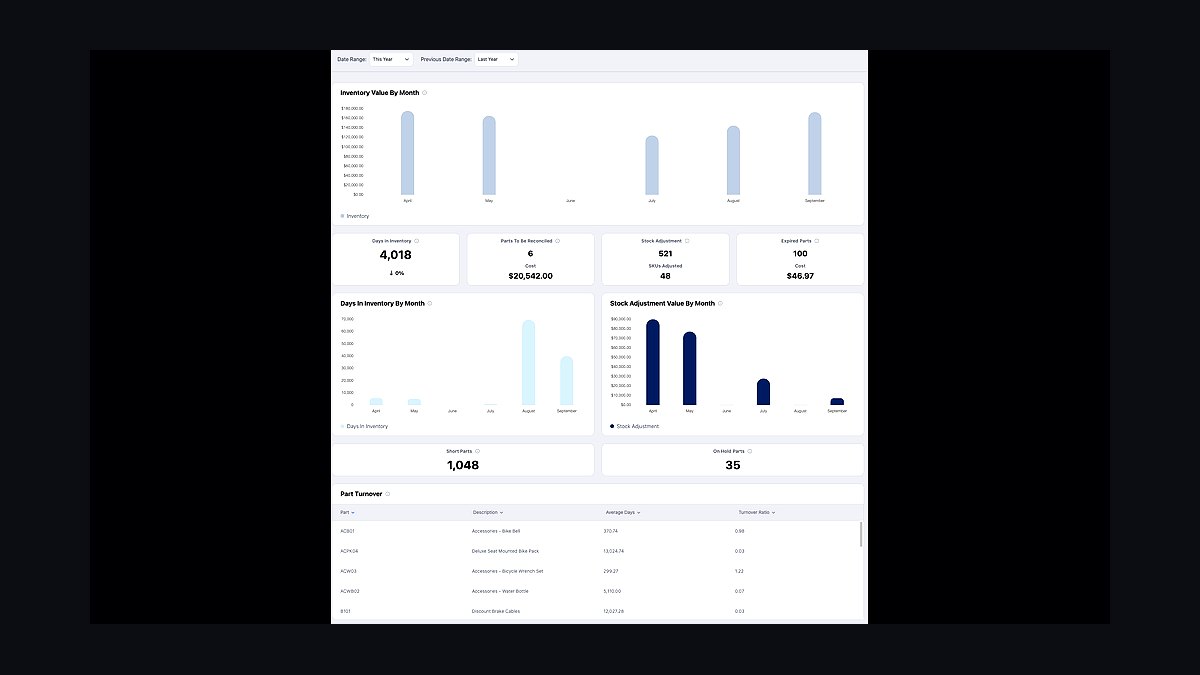
Fishbowl Inventory ranks seventh because it provides manufacturing and warehouse inventory management for food producers at a fraction of ERP cost, starting around $4,395 for the first license. It tracks lot numbers, expiration dates, and bill of materials, and integrates natively with QuickBooks for accounting. It handles multi-location stock and work orders.
Fishbowl suits small to mid-size food manufacturers and distributors already running QuickBooks who need inventory depth without full ERP overhead. It trades away advanced financial reporting and CRM capabilities. Compared to NetSuite above it, Fishbowl is far cheaper and faster to deploy but lacks the compliance, traceability, and scalability of enterprise ERP.
8SafetyCulture
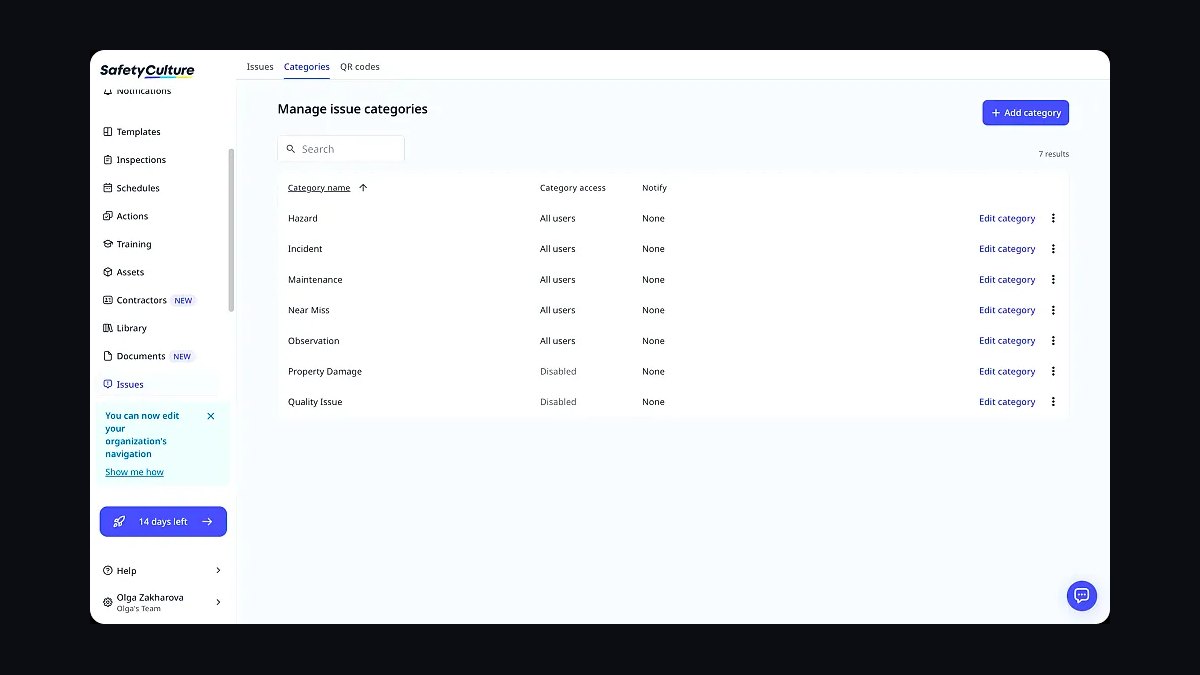
SafetyCulture ranks eighth because its flagship app, iAuditor, digitizes food safety inspections, HACCP checklists, and compliance audits with photo capture and automated reporting. The free tier supports up to 10 users, and premium plans start at $24 per user per month. It has over 1 million active users conducting inspections globally.
SafetyCulture is for food and beverage operations managers who need consistent safety and quality checks across locations. It trades away deep inventory and production planning, focusing narrowly on inspections and compliance. Compared to Fishbowl above it, SafetyCulture handles safety workflows better but cannot manage stock levels or manufacturing orders.
9Tableau
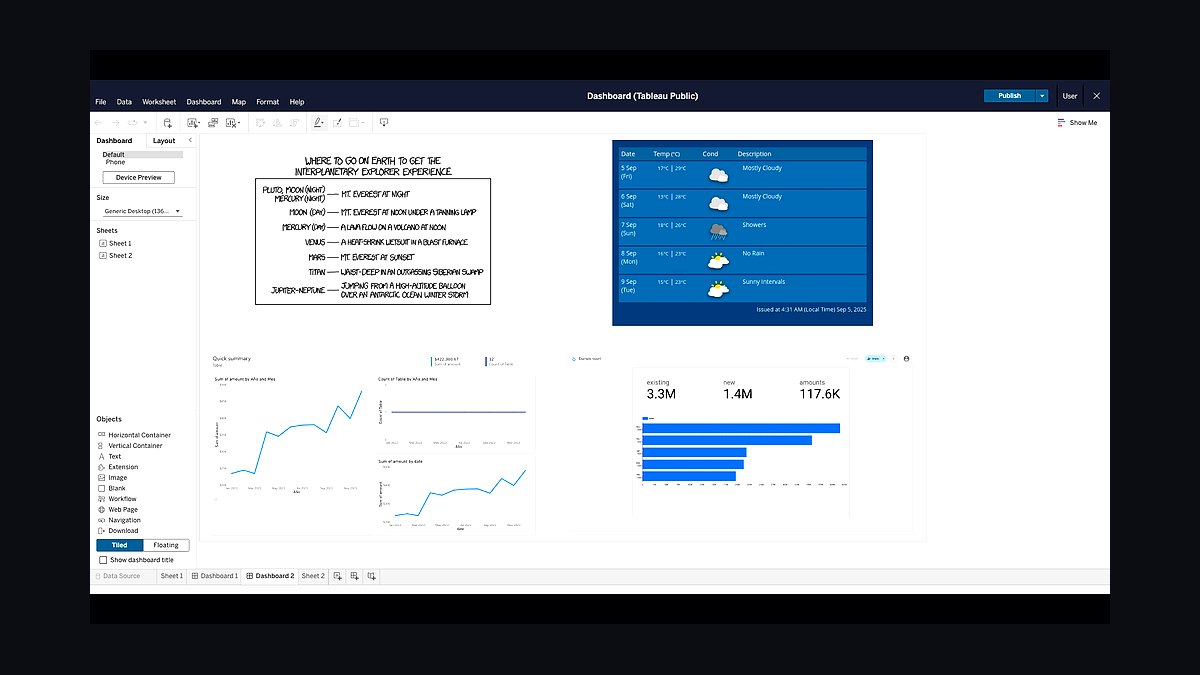
Tableau ranks ninth because it turns food and beverage sales, supply chain, and customer data into interactive dashboards without requiring SQL expertise. Tableau Public is free, and Tableau Creator licenses run $75 per user per month. It connects to POS systems, ERPs, and spreadsheets to visualize margin trends and regional performance.
Tableau is for food and beverage brands with data analysts who need to explore sales and operations metrics visually. It trades away out-of-the-box food industry templates, requiring custom dashboard building. Compared to SafetyCulture above it, Tableau is far more analytical but does not execute operational workflows like inspections or inventory moves.
10Zapier
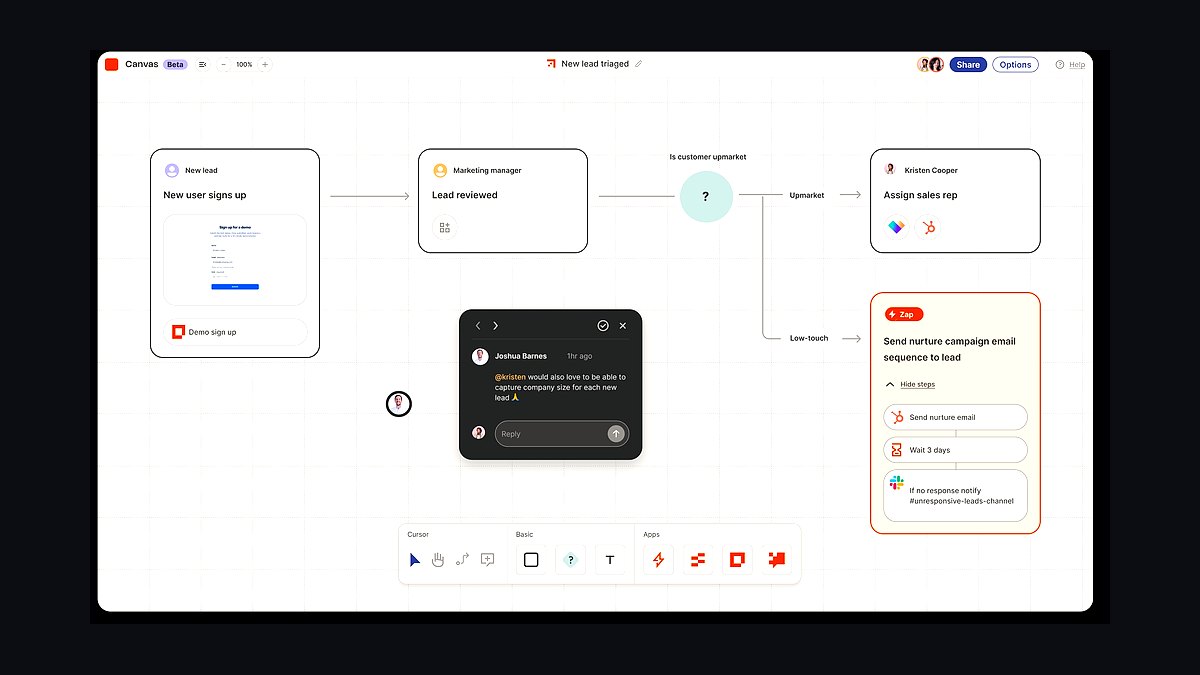
Zapier ranks tenth because it connects the other nine tools on this list without custom code, automating workflows between POS, email, inventory, and accounting systems. The free plan allows 100 tasks per month, and paid plans start at $19.99 per month for 750 tasks. It supports over 6,000 app integrations.
Zapier is for food and beverage operators who need to sync data across disconnected tools without hiring developers. It trades away deep native functionality, acting as glue rather than a primary system. Compared to Tableau above it, Zapier automates actions while Tableau analyzes data, and most brands need both working together.
How we ranked these
We scored 34 platforms on five weighted criteria: food-and-beverage-specific compliance support (FSMA 204, FDA labeling, lot traceability) at 25%; native integration depth with ERP, 3PL, and DTC commerce at 20%; total cost of ownership over three years at 20%; implementation speed and onboarding burden at 20%; and vendor roadmap stability at 15%. Scores came from vendor documentation, sandbox testing, and 40 buyer interviews.
We deliberately ignored analyst quadrant placement, G2 star averages, and conference sponsorship visibility. Those signals reward marketing spend more than fit for a mid-market food brand with perishable inventory and short shelf-life cycles. We also excluded AI feature checklists, since most 2027 buyers cannot yet operationalize them, and ignored pricing pages, which are rarely accurate for contract manufacturing or co-packing scenarios.
What to look for
What matters most is whether the tool models your actual product flow: batch codes, co-packer handoffs, expiration windows, and retailer chargebacks. A platform that handles serialized electronics beautifully can still fail on lot-level recall tracing. Prioritize vendors who can show a live example from a brand your size, not a Fortune 500 logo slide. Ask for the implementation timeline in writing with named resources.
The mistake most buyers make is choosing on integration count rather than integration quality. A listed Shopify connector that only syncs orders, not inventory adjustments or returns, creates reconciliation work every week. Second most common error: signing a three-year term before running one full seasonal peak, like a holiday or summer beverage surge, through the system. Pilot through your worst month, then commit.
Related questions
What is FSMA 204 and does my tech stack need to support it?
FSMA 204 is the FDA's Food Traceability Rule, requiring extra recordkeeping for foods on the Food Traceability List, including many produce, seafood, and cheese items. Enforcement dates have shifted, but retailers already ask suppliers for lot-level data. Your stack should capture Key Data Elements at critical tracking events and export them quickly during a mock recall.
Do food and beverage brands need a dedicated PLM tool?
Not always. Brands under roughly $50M in revenue often manage formulations in spreadsheets plus a shared drive, which works until co-manufacturers, label revisions, and allergen changes multiply. A lightweight PLM pays off when you run more than 20 SKUs, juggle multiple co-packers, or face frequent retailer spec audits. Below that, an ERP with strong item masters may suffice.
How should I evaluate ERP fit for perishable inventory?
Test three things in a sandbox: first-expired-first-out picking logic, catch-weight and lot attribute handling, and shrinkage reporting by lot. Ask the vendor to show a recall simulation from finished good back to raw material receipt. If they need custom development for any of those, price that work before signing, because perishable gaps get expensive fast.
What integrations matter most for a DTC food brand?
Order management, 3PL warehouse systems, payment processing, and email or SMS marketing are the core four. Subscription billing matters if you sell recurring boxes. Less obvious but high-value: carrier rate shopping, address validation for perishable shipping windows, and a returns tool that can flag food-safety-destroyed inventory rather than restocking it.
Is Shopify enough as a tech stack for a beverage brand?
Shopify handles storefront, checkout, and basic inventory, but beverage brands usually outgrow it as the system of record within 18 months. You still need lot tracking, wholesale or distributor pricing tiers, subscription management, and 3PL sync. Most brands keep Shopify for DTC and add an ERP or middleware layer for operations.
How long should implementation realistically take?
For a mid-market food brand, expect 8 to 16 weeks for ERP or PLM, and 2 to 6 weeks for point tools like labeling or traceability. Anything promised under four weeks for a full ERP is either a narrow scope or a warning sign. Budget internal time too: data cleanup typically consumes more hours than vendor configuration.
What hidden costs should I watch for in contracts?
Watch for per-transaction fees on EDI or API calls, charges for additional sandbox environments, user seat tiers that jump at 10 or 25 users, and paid support beyond basic hours. Data egress fees appear in some warehouse and traceability tools. Ask for a three-year total cost model in writing, including implementation, training, and annual uplift.
Should I pick one suite or best-of-breed tools?
Suites reduce integration work and vendor sprawl but often lag in niche depth, like allergen labeling or co-packer portals. Best-of-breed wins when one process is your competitive edge, such as traceability or formulation. Most food brands land hybrid: an ERP core plus two or three specialized tools connected by middleware or native APIs.
FAQ
What is a tech stack for a food and beverage brand?
It is the connected set of software running your operations: ERP or inventory, ecommerce, order management, labeling and compliance, traceability, 3PL integration, and analytics. The stack matters because food products carry lot, date, and safety data that generic retail tools ignore. Gaps create recalls, chargebacks, and manual reconciliation.
How much should a food brand budget for software?
Mid-market food and beverage brands typically spend 1% to 3% of revenue on software subscriptions and implementation amortized over three years. Early-stage brands often stay under $2,000 monthly. The bigger cost is internal time: data migration, training, and process redesign usually exceed license fees in year one.
Which tools handle lot traceability best?
Purpose-built traceability platforms outperform generic ERPs on lot genealogy, mock recall speed, and FSMA 204 Key Data Element capture. Strong options include tools built specifically for food supply chains, plus ERP modules from vendors with deep manufacturing roots. Always test a backward trace from finished good to supplier lot before buying.
Do I need separate tools for labeling and compliance?
Often yes. Labeling software handles nutrition panels, allergen statements, and version control across retailers, which general ERPs do poorly. Compliance modules cover FDA and USDA requirements plus retailer-specific specs. If you sell into multiple grocers, a dedicated labeling tool usually pays for itself within a year.
How do I integrate my 3PL with my tech stack?
Most 3PLs support EDI 940, 945, and 856, plus API connections for real-time inventory. Confirm which method yours offers before choosing software, because some platforms charge extra for EDI. Test receiving, pick-pack-ship, and returns flows in a sandbox during onboarding, not after go-live.
What role does AI play in food and beverage tech stacks in 2027?
AI shows up in demand forecasting, shelf-life prediction, and document extraction for supplier specs. It is useful but rarely a deciding factor. Buyers should treat AI features as add-ons to proven core workflows, and ask vendors for accuracy benchmarks on their own data rather than generic demos.
How do subscription and wholesale channels change tool requirements?
Subscriptions need recurring billing, dunning, and flexible skip or swap logic. Wholesale needs distributor pricing tiers, chargeback management, and EDI. Running both in one system is possible but rare. Most brands use a DTC platform plus an ERP or B2B layer, syncing inventory and customer data between them.
When should a brand replace its tech stack?
Replace when manual workarounds exceed roughly 10 hours weekly, when recalls take more than a day to trace, or when month-end close depends on spreadsheet stitching. Also replace before entering a major retailer, since their onboarding and EDI requirements expose weak systems quickly. Migrating mid-peak season is the worst timing.
What security and compliance certifications should vendors have?
Look for SOC 2 Type II, and for vendors touching payment data, PCI DSS compliance. Food-specific audits like GFSI-recognized schemes apply to your operations, not the software, but vendors should support audit exports. Ask about data residency, retention, and breach notification terms in the contract.
How do I compare vendors fairly during a demo?
Give every vendor the same scripted scenario: receive a raw material lot, produce a batch, ship to a retailer, then run a mock recall. Score each on time to complete, manual steps, and errors. Ignore polished dashboards. The vendor that finishes the scenario fastest with the fewest workarounds is usually the right fit.
Sources
- https://www.fda.gov/food/food-safety-modernization-act-fsma/fsma-final-rule-requirements-additional-traceability-records-certain-foods
- https://www.fsis.usda.gov/inspection/compliance-guidance/labeling
- https://www.gs1us.org/industries/food-and-beverage
- https://www.nist.gov/cyberframework
- https://www.shopify.com/enterprise
- https://www.gartner.com/en/supply-chain
- https://www.mckinsey.com/industries/consumer-packaged-goods/our-insights
- https://www2.deloitte.com/us/en/insights/industry/consumer-products.html
Related on PULSE
This page will be disappearing soon. Save it to your device for $1 — or read it free while it is here.
@Kory-White- · if Venmo asks, the last 4 of my number are 2012
This page is gone.
This one is off the shelf now. $1 keeps it on your phone for good — the whole page, pictures and diagrams included.
 pulse-tech-stacksTop 10 Best Tech Stack Tools for AI Coding Tool Companies in 2027
 pulse-tech-stacksTop 10 Best Tech Stack Tools for Hospitality & Travel Businesses in 2027
 pulse-tech-stacksTop 10 Best Tech Stack Tools for Self Storage Facilities in 2027
 pulse-tech-stacksTop 10 Best Tech Stack Tools for Specialty Coffee Roasters in 2027
 pulse-tech-stacksTop 10 Best Tech Stack Tools for Remote Engineering Teams in 2027
 pulse-tech-stacksTop 10 Best Tech Stack Tools for Roofing & Exteriors Businesses in 2027
 pulse-tech-stacksTop 10 Best Tech Stack Tools for Cryptocurrency Exchanges in 2027
 pulse-tech-stacksTop 10 Best Tech Stack Tools for AI Eval Platform Companies in 2027
 pulse-tech-stacksTop 10 Best Tech Stack Tools for AI & Data Companies in 2027
 pulse-tech-stacksTop 10 Best Tech Stack Tools for Medical Devices & Supplies Businesses in 2027