

What is the best carrier for rural coverage in 2027?
 Curated byKory White · Fractional CRO · Maryland
Quality
Certified

For reliable rural coverage in 2027, Verizon and AT&T remain the top two carriers due to their extensive low-band spectrum holdings and continued tower investments, with T-Mobile closing the gap in flat terrain but still lagging in mountainous regions. Pairing either carrier with Starlink satellite backup provides the most comprehensive solution for the most remote locations.
What it is and why it matters
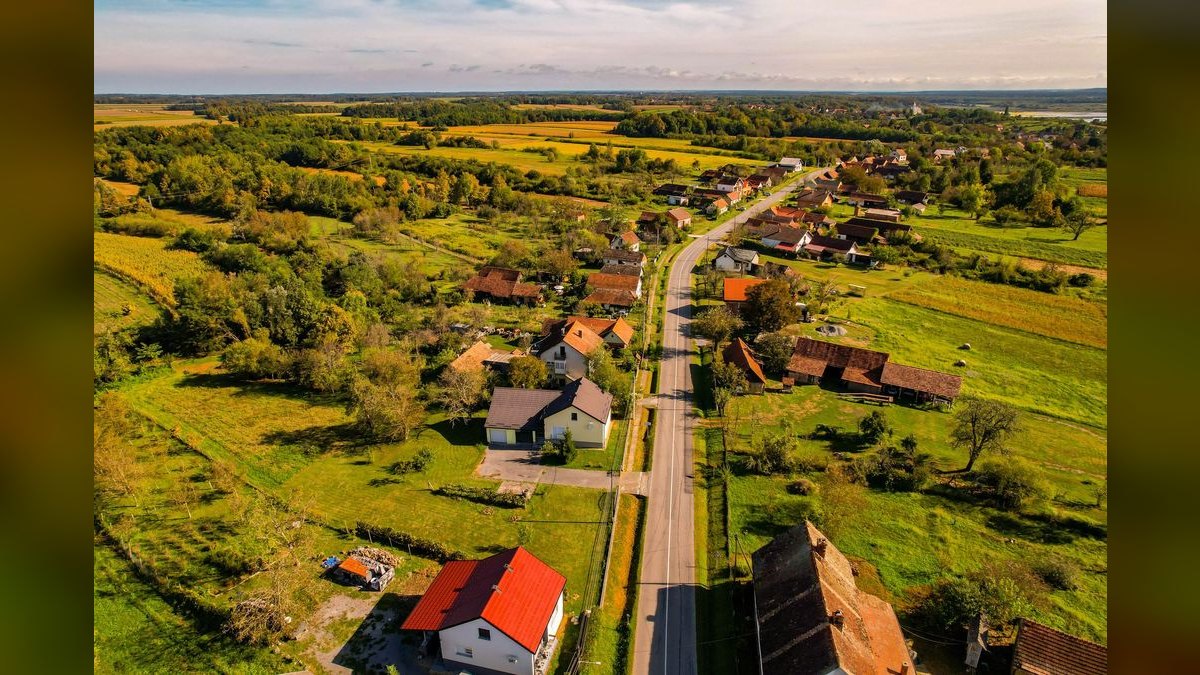
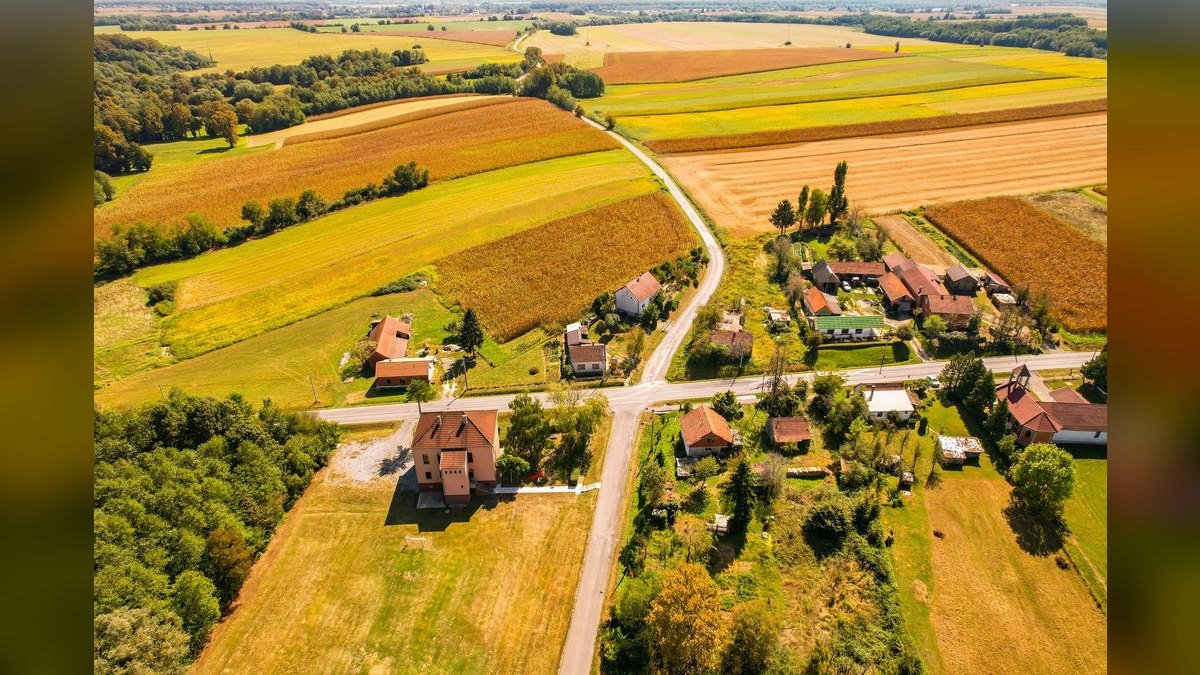
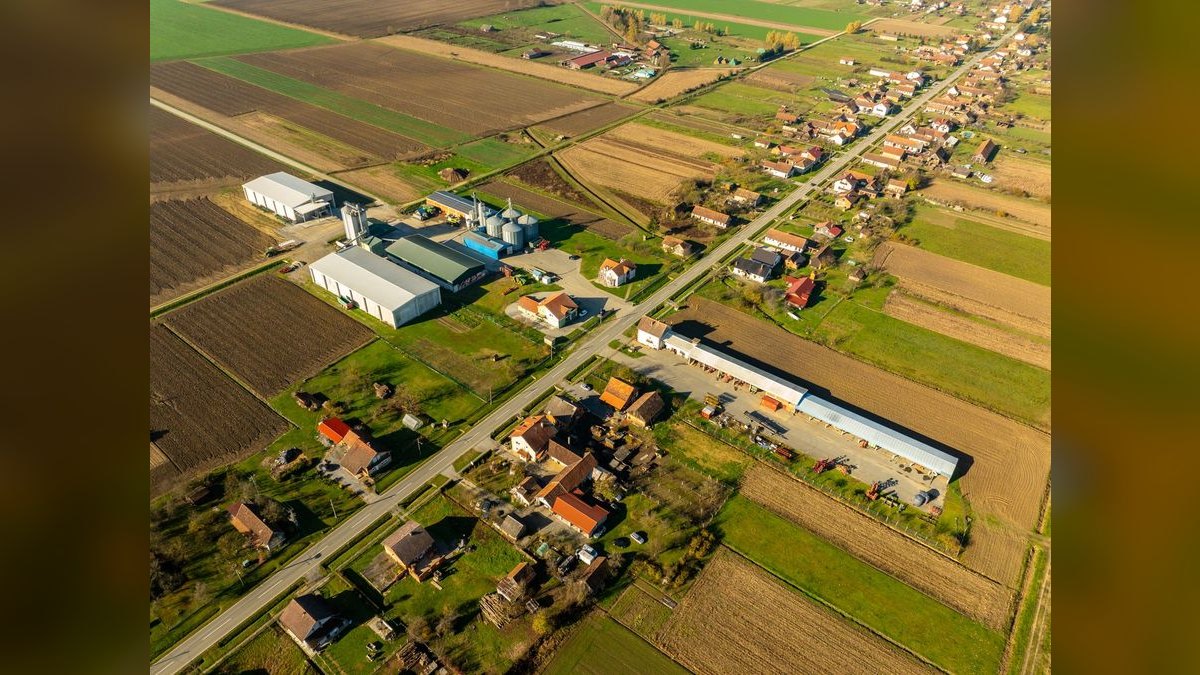
Rural coverage refers to a carrier's ability to provide consistent voice and data service outside metropolitan and suburban areas, including farmland, national parks, mountain communities, and remote highway corridors. In 2027, this matters more than ever because millions of Americans live and work in areas where a single dead zone can mean the difference between staying connected and being completely unreachable during emergencies. The best carrier for rural coverage isn't just about having a signal—it's about having a reliable signal that supports modern needs like navigation, telehealth appointments, remote work uploads, and streaming entertainment during long commutes.
The challenge is that no single carrier blankets every rural mile equally. Terrain, tree density, and tower spacing all affect signal quality. Verizon has historically led in total land area covered, but AT&T's FirstNet buildout has added thousands of towers in underserved rural corridors. T-Mobile's 600MHz spectrum (Band 71) travels farther than its competitors' mid-band frequencies, but the carrier still has notable gaps in the Mountain West and Appalachia. Understanding these differences helps you choose the carrier that matches your specific geography rather than relying on generic recommendations.
For businesses with rural operations, carrier choice directly impacts revenue through field service productivity, logistics coordination, and customer communication. A construction crew working on a remote highway project needs reliable data for blueprint access and material ordering. A farming operation using precision agriculture tools depends on consistent connectivity for equipment telemetry and weather data. The wrong carrier in these scenarios means lost time, missed opportunities, and frustrated employees or customers.
The definition of "best" also depends on your specific needs. For someone who primarily needs voice calls and text messaging in remote areas, a carrier with extensive low-band LTE coverage may be sufficient. For a remote worker who needs to upload large files or participate in video conferences, a carrier with strong 5G coverage and premium data prioritization becomes essential. For off-grid locations, no terrestrial carrier will suffice, and satellite backup becomes the primary connectivity solution rather than a supplement.
The rural coverage landscape has shifted significantly since the T-Mobile and Sprint merger in 2020. T-Mobile gained valuable 600MHz spectrum and thousands of towers from Sprint, allowing it to expand its rural footprint. However, integration challenges and the need to upgrade legacy Sprint equipment has meant that some areas still lack consistent coverage. AT&T's FirstNet contract with the federal government has driven aggressive tower construction in rural areas, particularly along highways and in emergency response corridors. Verizon has focused on densifying its existing network with small cells and upgrading to 5G on its 850MHz low-band spectrum.
The step-by-step process
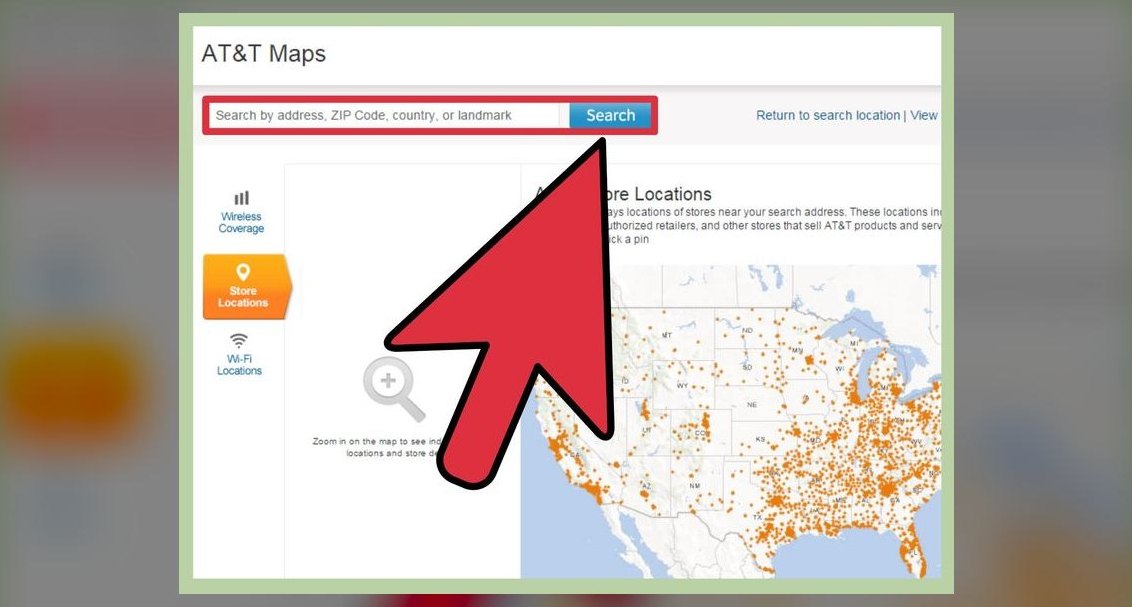
The process begins by identifying your specific rural locations—your home address, your commute route, your workplace, and any recreational areas you frequent. Do not rely on county-level coverage maps; zoom to street level on each carrier's official map. Look for native coverage (marked as "5G" or "4G LTE" in the carrier's own color) rather than partner or roaming coverage, which often means slower data and voice-only access.
Once you've identified which carriers show strong native coverage, sign up for free trials. Verizon offers a 30-day trial via eSIM with no credit card required for eligible devices. AT&T provides a 14-day trial for new customers. T-Mobile's Test Drive gives you 30 days of unlimited data. Use these trials to make calls from inside your home, drive your usual routes at different times of day, and test data speeds for streaming and video calls. Pay attention to signal strength in valleys, behind hills, and in heavily wooded areas.
After testing, compare your real-world experience against the carrier's coverage claims. If the signal is weak or inconsistent, try the next carrier on your list. If no terrestrial carrier provides adequate coverage, evaluate satellite backup options. Starlink's direct-to-cell service, available as of 2027, allows standard smartphones to connect to satellites for text messaging, with voice and data expanding. This adds $10–$15/month to your plan but guarantees connectivity in areas without any tower signal.
For businesses with multiple rural locations, consider running a systematic test across all sites. Use a spreadsheet to log signal strength (in dBm), data speeds (in Mbps), and call quality (clear, choppy, or dropped) at each location during different times of day. This data-driven approach helps you make an informed decision rather than relying on anecdotal evidence from a single test.
Costs, timelines, and typical ranges
The cost of rural coverage in 2027 varies significantly based on carrier, plan type, and whether you need satellite backup. For postpaid plans from the big three carriers, expect to pay $65–$90 per month for a single unlimited line. Verizon's Welcome Unlimited starts at $65/month with autopay, while AT&T's Unlimited Starter SL is $65.99/month. T-Mobile's Essentials plan runs $60/month. These prices include taxes and fees when using autopay and paperless billing.
Prepaid and MVNO options dramatically reduce monthly costs while maintaining the same rural coverage. Visible (Verizon network) offers unlimited data for $25/month with its base plan, or $35/month for Visible+ which includes 5G Ultra Wideband and premium data. Cricket Wireless (AT&T network) starts at $25/month for unlimited data with throttling after 35GB, or $55/month for truly unlimited. Mint Mobile (T-Mobile network) offers plans starting at $15/month for 5GB, but requires a 3-month upfront payment. US Mobile lets you choose between Verizon and T-Mobile networks, with plans starting at $10/month for 2GB.
Satellite backup adds a separate cost layer. Starlink's direct-to-cell service costs approximately $10–$15/month as an add-on to a Starlink dish plan, or as a standalone service for phone-only connectivity. For full broadband internet in rural areas, a Starlink dish costs $120–$599 for hardware (depending on the generation and promotions), plus $90–$120/month for service. The dish is necessary for high-bandwidth activities like video streaming, large file uploads, and video conferencing.
Timelines for switching carriers are relatively short. Most postpaid activations take 24–48 hours for number porting, while prepaid eSIM activations can be completed in minutes. Free trials are immediately available via eSIM download. If you need to purchase a new phone for compatibility (especially for Band 71 on T-Mobile or Band 14 on AT&T), factor in 2–3 days for shipping. Satellite dish installation, if needed, takes 30–60 minutes for self-installation, plus 15–30 minutes for satellite alignment using the Starlink app.
Typical coverage ranges for low-band spectrum are substantial. Verizon's 850MHz 5G signal can reach 3–5 miles from a tower in flat terrain, while AT&T's 700MHz LTE travels 4–6 miles. T-Mobile's 600MHz Band 71 can extend 5–7 miles in open areas. However, these ranges are dramatically reduced by hills, dense forests, and buildings. In mountainous terrain, effective range may drop to 1–2 miles. In flat farmland, it can exceed 10 miles under ideal conditions.
For businesses with multiple employees or company-owned devices, consider the total cost of ownership. A postpaid plan for 10 lines might cost $650–$900 per month, while the same number of prepaid lines could cost $250–$350 per month. However, postpaid plans often include features like mobile hotspot, international roaming, and device financing that prepaid plans lack. Calculate whether the additional features justify the cost premium for your specific use case.
Where teams get it wrong
The most common mistake people make when choosing a rural carrier is relying solely on carrier coverage maps without independent verification. Carrier maps are marketing tools, not engineering documents. They often show "partner coverage" or "extended coverage" that looks like native service but actually means roaming on another network, which can be slow, limited to voice-only, or unavailable during peak times. Always check the fine print for labels like "5G Extended," "LTEiRA," or "Partner Coverage" that indicate roaming rather than native coverage.
Another frequent error is assuming that a carrier's urban performance translates to rural areas. T-Mobile's excellent city speeds and mid-band 5G don't help when you're 10 miles from the nearest town. The carrier's rural coverage has improved dramatically since the Sprint merger, but it still has significant dead zones in mountainous regions. Similarly, Verizon's reputation for rural coverage doesn't mean it works everywhere—some valleys and remote areas remain uncovered even by the industry leader.
Many people also overlook phone compatibility issues. For T-Mobile, a phone must support Band 71 (600MHz) to access the carrier's best rural spectrum. Many older or international unlocked phones lack this band. For AT&T, Band 14 (FirstNet's LTE band) is increasingly important for rural coverage, and some unlocked phones don't include it. Always check your phone's specifications against the carrier's required bands before switching.
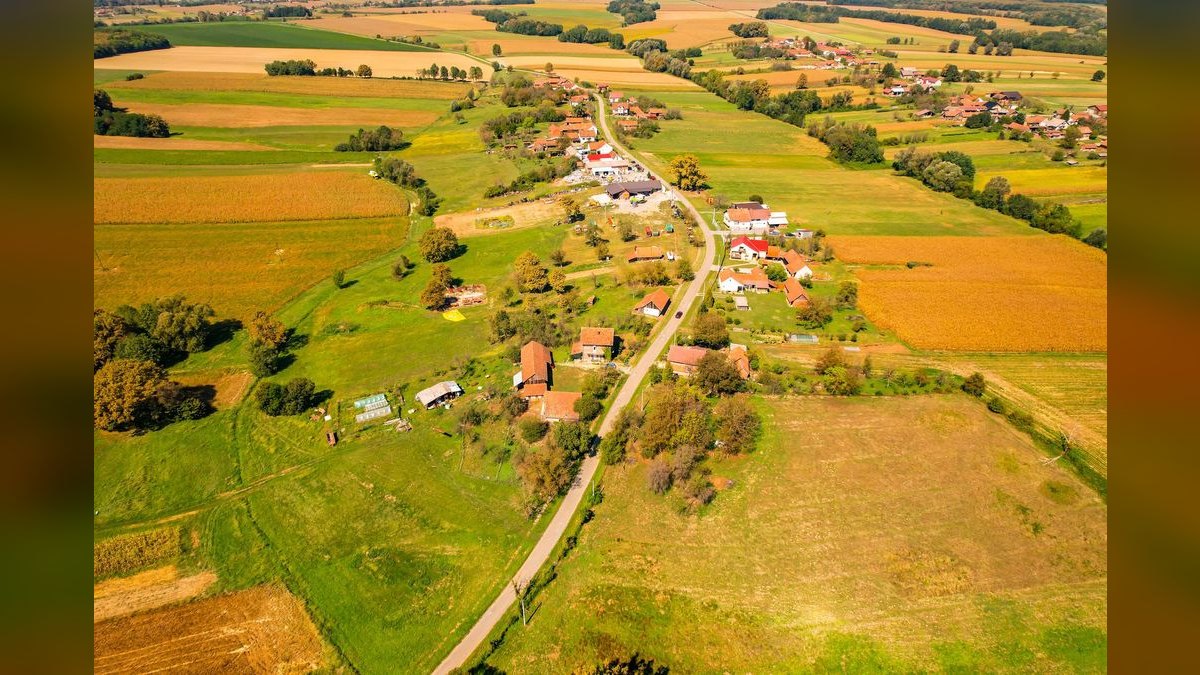
A less obvious mistake is ignoring the impact of deprioritization on prepaid and MVNO plans. While Visible and Cricket offer the same rural towers as their parent carriers, their data is deprioritized during congestion. In truly rural areas, congestion is rare, but if you're in a small town during a local event or near a popular tourist destination, your data speeds may drop significantly. For critical work applications, a postpaid plan with premium data may be worth the extra cost.
Finally, many people fail to consider satellite backup until they're already frustrated with their terrestrial carrier. If you live in a known dead zone—a valley with no line of sight to any tower, a remote cabin, or a ranch in the desert—plan for satellite from the start. Adding Starlink direct-to-cell or a Starlink dish after you've already committed to a carrier is more expensive and time-consuming than building it into your initial setup.
Business teams often make the mistake of standardizing on a single carrier for all employees regardless of their geographic locations. A field technician working in the Rockies may need Verizon, while a sales representative in the Plains may do fine with T-Mobile. Consider offering a carrier stipend or allowing employees to choose their own carrier based on their specific coverage needs, rather than forcing a one-size-fits-all solution.
Decision framework: when to choose what
This decision framework helps you match your specific rural situation to the best carrier. Start by identifying your primary use case: home and daily commute, remote work or field operations, or recreation and travel.

For home and daily commute in flat terrain (Midwest, Great Plains, parts of the South), T-Mobile or its MVNOs like Mint Mobile offer excellent value. The carrier's 600MHz spectrum travels far and wide in open areas, and its unlimited plans start at $60/month for postpaid or $15/month for Mint. In mountainous terrain (Rockies, Appalachia, parts of the West Coast), Verizon or Visible is the safer bet. Verizon's denser tower network and 850MHz spectrum provide better coverage in valleys and along winding roads.
For remote work or field operations where reliable data uploads are critical (sending large files, participating in video calls, accessing cloud applications), choose a postpaid plan from Verizon or AT&T. Postpaid plans include premium data that isn't deprioritized, ensuring consistent speeds even during local congestion. If your work only requires email, messaging, and light browsing, prepaid options from Visible or Cricket will suffice at half the cost.
For recreation and travel through national parks and along highways, Verizon and AT&T are the most dependable choices. Both carriers have invested heavily in covering popular outdoor destinations and interstate corridors. For off-grid cabins, backcountry hunting camps, or remote ranches where no terrestrial carrier reaches, add Starlink direct-to-cell as a backup. This guarantees text messaging connectivity anywhere with a clear view of the sky, with voice and data expanding throughout 2027.
The framework also accounts for budget constraints. If cost is the primary concern and you live in an area with good T-Mobile coverage, Mint Mobile at $15/month for 5GB is the cheapest option. If you need unlimited data on a budget, Visible at $25/month is the best value. If you need the absolute best coverage regardless of cost, Verizon postpaid with premium data and Starlink satellite backup is the most comprehensive solution.
Related questions
Which carrier has the best 5G in rural areas?
Verizon and AT&T lead for low-band 5G rural coverage using 850MHz spectrum. T-Mobile's 600MHz 5G is strong in flat terrain but falls short in mountains. For fastest speeds, Verizon's C-band is expanding to smaller towns but remains limited.
Is Visible good for rural coverage?
Yes, Visible uses Verizon's full network, offering identical rural coverage for $25–$35/month. Data may be deprioritized during congestion, but this is rare in rural areas. Visible+ includes premium data and 5G Ultra Wideband.
What is the best prepaid carrier for rural coverage?
Cricket Wireless (AT&T) and Visible (Verizon) are top choices, with unlimited plans starting at $25–$35/month. US Mobile is also excellent because you can choose between Verizon and T-Mobile networks.
Can I use Starlink for my phone in rural areas?
Yes, Starlink's direct-to-cell service allows standard smartphones to connect to satellites for text messaging, with voice and data expanding. It requires a compatible phone and costs $10–$15/month as an add-on.
Do I need a special phone for rural coverage?
Most modern phones support key low-band frequencies. For T-Mobile, ensure Band 71 (600MHz) support. For AT&T, Band 14 (FirstNet) is helpful but not required. iPhone 13 and later, Samsung Galaxy S22 and later, and Google Pixel 7 and later are safe choices.
FAQ
Does T-Mobile work in rural areas in 2027?
T-Mobile works well in many rural areas, especially in the Midwest and Plains states, thanks to its 600MHz (Band 71) spectrum. However, it still has significant dead zones in mountainous regions like the Rockies and Appalachia. Check T-Mobile's coverage map for your specific area, and consider a trial before committing.
Which carrier has the best rural coverage in the mountains?
Verizon and AT&T are the best choices for mountainous rural areas. Both carriers have denser tower networks in valleys and along mountain roads. Verizon's 850MHz spectrum and AT&T's FirstNet buildout provide more consistent coverage in rugged terrain than T-Mobile's 600MHz.
How do I test rural coverage before switching?
Sign up for free trials: Verizon offers 30 days, AT&T offers 14 days, and T-Mobile offers 30 days. Use your phone normally—make calls from inside your home, drive your usual routes, and test data speeds at different times of day. Check independent sources like OpenSignal and RootMetrics for real-world performance.
Is satellite backup worth it for rural coverage?
Yes, if you live in a known dead zone or frequently travel to areas without any cell signal. Starlink's direct-to-cell service costs $10–$15/month and guarantees text messaging connectivity anywhere with a clear view of the sky. For full broadband, a Starlink dish costs $90–$120/month.
Can I use an MVNO for rural coverage?
Yes, MVNOs like Visible (Verizon), Cricket (AT&T), and US Mobile (Verizon or T-Mobile) offer the same rural coverage as their parent carriers at lower prices. The trade-off is potential deprioritization during congestion, which is rare in truly rural areas.
What is the cheapest way to get reliable rural coverage?
Visible at $25/month (Verizon network) or Cricket at $25/month (AT&T network) are the cheapest options for reliable rural coverage. Both use the parent carrier's full tower network. For the absolute lowest cost, US Mobile offers plans starting at $10/month for 2GB on either network.
Sources
- Verizon Coverage Map
- AT&T Coverage Map
- T-Mobile Coverage Map
- OpenSignal: Mobile Network Experience Reports
- RootMetrics: US Mobile Network Performance
- FCC Broadband Map
- PCMag: Best Cell Phone Plans for Rural Areas
- CNET: Best Cell Phone Carriers of 2027
- Starlink Direct-to-Cell Overview
- US Mobile Coverage and Plans
Related on PULSE
- Verizon vs AT&T for rural coverage in 2027?
- Best Carriers for Rural Coverage in 2027
- How do I test a carrier's coverage before fully switching in 2027?
- Best Home Internet for Rural Areas in 2027
- Is 5G home internet a good option for rural areas in 2027?
- How to choose between prepaid and postpaid for rural coverage
This page will be disappearing soon. Save it to your device for $1 — or read it free while it is here.
@Kory-White- · if Venmo asks, the last 4 of my number are 2012
This page is gone.
This one is off the shelf now. $1 keeps it on your phone for good — the whole page, pictures and diagrams included.
 telcoWhat is the best backup option if my home internet goes down in 2027?
 telcoWhat is the best family cell phone plan for four lines in 2027?
 telcoAre autopay and paperless discounts worth it in 2027?
 telcoHow do I activate a new cell phone for the first time in 2027?
 telcoBest Cellular and Wireless Carrier in Boise in 2027
 telcoHow do I choose between fiber, cable, and 5G home internet in 2027?
 telcoIs Visible worth it in 2027?
 telcoHow do I test a carrier's coverage before fully switching in 2027?
 telcoBest Cellular and Wireless Carrier in San Jose in 2027
 telcoT-Mobile vs Visible: which is better in 2027?