


How do you get started with Wellness in 2027?
Quality
Certified

Getting started with wellness in 2027 comes down to five moves you can make this week: define what "well" means for you specifically, measure an honest baseline, choose one keystone habit, remove the friction around it, and review your progress on a fixed weekly cadence. You do not need a new device, a subscription, or a 90-day program to begin — you need one small action you can repeat and a way to notice whether it's working.
The reason wellness feels hard to start is almost never a lack of information; it's a lack of a first step small enough that failure is nearly impossible. So the practical starting point is deliberately unambitious. Pick a single anchor — earlier bedtime, a daily walk, a glass of water before coffee, ten minutes without a screen — attach it to something you already do every day, and protect it for two weeks before adding anything else. Track it with a checkmark, not a dashboard. Once that first habit runs on autopilot, you layer the next one onto it.
What has changed by 2027 is the *support* around that process, not the process itself. Wearables, at-home tests, and coaching apps make it easier to see your baseline and get personalized nudges, but they are accelerators, not prerequisites. The fundamentals — sleep, movement, nutrition, stress regulation, and human connection — are the same ones public-health bodies have recommended for decades, and they remain free. Start with the fundamentals, use technology only where it removes friction, and treat consistency as the entire goal for the first month. A reader who does only this — one habit, one anchor, one weekly review — is genuinely started, and everything below is refinement.
Why "start small" beats "start big"
Most wellness attempts fail in the same way: an ambitious plan collides with a normal, chaotic week, one missed day becomes three, and the whole thing is abandoned by day ten. The problem is not willpower or discipline; it is design. A plan that requires an hour a day, a meal overhaul, and a new gym membership all at once has dozens of points of failure, and any one of them can topple the rest.
The alternative is behavioral, not motivational. Research on habit formation consistently points to three levers: make the desired behavior small enough that it takes effort *not* to do it, tie it to an existing cue so you don't rely on memory, and reduce the friction between intention and action. This is why "do one push-up" outperforms "work out for an hour" as a starting instruction — the small version actually happens, and it happens repeatedly, and repetition is what wires the behavior in.
Starting small also protects your identity. Every day you complete a tiny habit, you cast a vote for the kind of person you're becoming — someone who moves, someone who sleeps well, someone who takes breaks. That self-image, once established, does more to sustain the behavior than any external reward. The five-minute walk matters less for the calories than for the evidence it gives you that you follow through.
How to assess your current wellness baseline
Before you change anything, spend one week simply observing. You cannot improve what you have not measured, and a baseline turns a vague feeling of "I should be healthier" into a specific, workable starting point.
Begin with a subjective self-rating. Once a day, jot a 1–10 score for five dimensions: energy, sleep quality, stress, nutrition, and connection with other people. Do this for seven days and patterns emerge fast — maybe your energy craters every afternoon, maybe your stress spikes on Sundays, maybe you rate connection low on the exact days you rate energy low. These correlations are the map. They tell you which pillar to work on first, and working on the weakest link almost always produces the biggest, fastest improvement.
Layer in whatever objective data you can gather cheaply. If you own a phone, you already have a step count. If you own a wearable, you have resting heart rate, sleep duration, and often heart-rate variability — a rough proxy for recovery and stress load. You do not need any of this to start, but if it's already on your wrist, use it. For anything clinical — blood pressure, cholesterol, blood glucose, thyroid, vitamin D — the right move in 2027 is the same as it always was: talk to a clinician and get a standard panel. At-home testing has expanded, but interpretation still belongs with a professional, especially if you have a chronic condition or take medication.
The purpose of the baseline is not judgment. It is a photograph of the starting line so that in a month you can see how far you've moved. Keep the assessment lightweight — a note on your phone is plenty. If it feels like homework, you've overbuilt it.
The core pillars, and how they reinforce each other
Wellness in 2027 is commonly described across a handful of interlocking dimensions. Naming them helps because it stops you from over-investing in one while neglecting the rest.
Physical health is the foundation most people picture first: regular movement, nourishing food, and — the one most adults underrate — adequate sleep. Movement doesn't require a gym; walking, cycling, gardening, stairs, and bodyweight exercise all count, and public-health guidance for adults centers on accumulating a couple of hours of moderate activity across a week plus a session or two of strength work.
Mental and emotional health covers stress regulation, mood, focus, and your relationship with your own thoughts. Simple practices — breathing exercises, brief mindfulness, time outdoors, journaling — have durable evidence behind them and cost nothing.

Social health is the pillar that surprises people. Long-running research on longevity keeps finding that the strength of someone's relationships predicts health outcomes as powerfully as many physical factors. Loneliness carries real physiological cost; connection buffers stress and supports recovery. Building in a standing call with a friend, a weekly shared meal, or a group activity is a legitimate wellness intervention, not a soft extra.
Purpose and meaning — the sense that your days connect to something you value — supplies the motivation the other pillars run on. People sustain hard habits far longer when the habit ladders up to a "why" that matters to them: energy for their kids, focus for work they care about, longevity to see a goal through.
The reason to hold all of these in view at once is that they cascade. Poor sleep degrades mood, which erodes the willpower you'd use for good food and movement, which raises stress, which further wrecks sleep. The loop runs in both directions, though — improve sleep and the other pillars get easier almost for free. This is why sleep is so often the highest-leverage place to start: fix it, and downstream pillars partly fix themselves.
Choosing your first keystone habit
Not all habits are equal. A *keystone* habit is one that, once in place, tends to pull other good behaviors along with it. For most beginners, the strongest candidates are sleep timing, a daily walk, and a consistent morning routine — each of them touches multiple pillars at once.
Pick the one that addresses your weakest baseline score. If sleep is the problem, your keystone is a fixed wind-down time and a screens-off boundary before bed. If energy and stress are the problem, a daily walk — ideally outdoors, ideally in daylight — hits movement, mood, and often connection if you bring someone along. If your days feel scattered, a five-minute morning ritual (water, a few minutes of movement, a moment of planning) sets a tone that ripples forward.
Make it absurdly small at first. "Walk for five minutes after lunch" is a better starting instruction than "walk 10,000 steps." The five-minute version will frequently expand on its own once you're out the door, but even on your worst day it remains achievable — and it's the streak of achievable days that builds the identity and the automaticity you're actually after.
Reducing friction so the habit survives a bad week
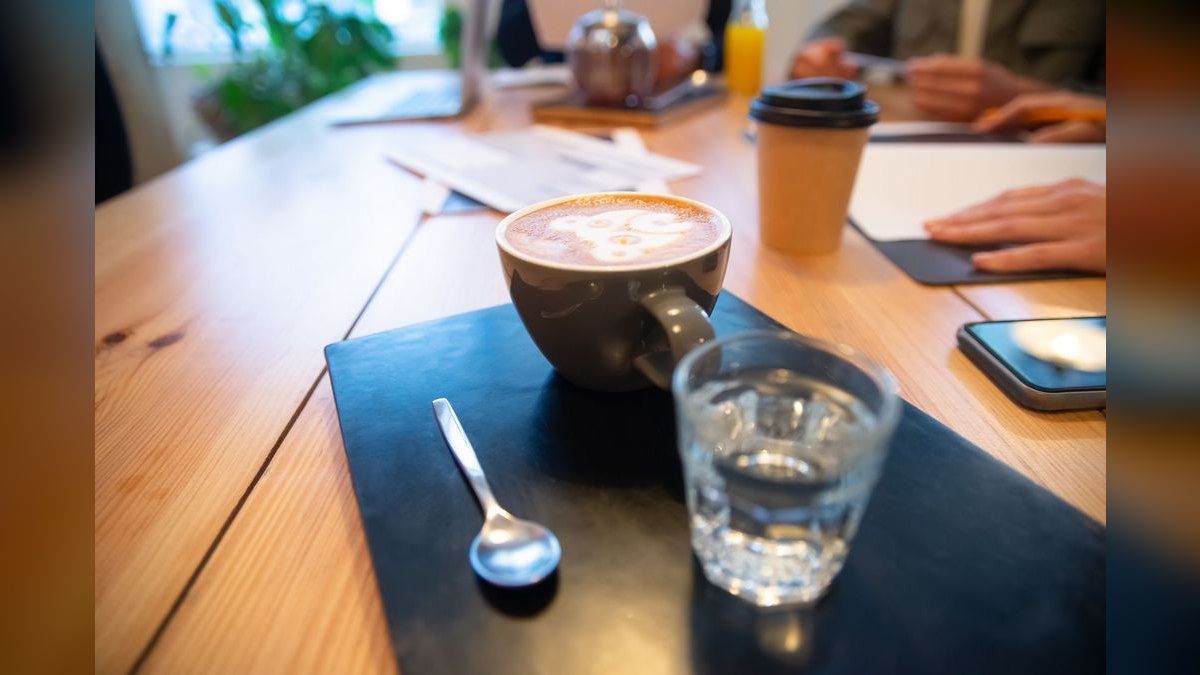
A habit lives or dies on how much friction sits between you and the action. Your job when starting is to engineer that friction down toward zero for the good behaviors and up for the ones you want less of.
Use habit stacking: attach the new behavior to an existing, rock-solid routine. "After I pour my morning coffee, I do two minutes of stretching." "After I close my laptop for lunch, I walk." The existing habit becomes the reminder, so you stop relying on motivation or memory.
Shape your environment so the right choice is the easy choice. Lay out walking shoes by the door. Fill a water bottle the night before. Put the phone charger in another room so it isn't the last thing you touch at night. Keep cut vegetables at eye level in the fridge. None of this requires discipline in the moment — you spend a little effort once, up front, and it pays out every day afterward.
Plan for the bad day in advance with an if-then rule. "If it's raining, then I walk the stairs instead." "If I get home past nine, then I do the two-minute version and go to bed." Deciding your fallback before you need it removes the in-the-moment negotiation where good intentions usually lose.
Where technology genuinely helps in 2027 — and where it gets in the way
Technology should simplify your wellness, not become another thing to manage. The failure mode is well known: people buy a ring, a scale, three apps, and a subscription, spend more time optimizing dashboards than sleeping, and quit. Start with at most one device and one app, and only if they remove friction you actually feel.
A single wearable that tracks steps, heart rate, and sleep can be useful because it makes your baseline visible and can nudge you at the right moment — a reminder to stand, a prompt to wind down. Digital therapeutics and guided programs — structured apps for stress, sleep, or cognitive-behavioral techniques — have matured and can be a real bridge, particularly for people without easy access to in-person care. Community and accountability features, where you share a goal with a friend or a group, tap the same social lever that makes wellness stick.
But keep three guardrails. First, the data is a mirror, not the goal — a good night's sleep you slept badly *feeling anxious about* is not a win; use the numbers to inform, not to judge. Second, protect your evenings: screen light and late scrolling are among the most common, most fixable sleep disruptors, so the single most valuable tech habit is often turning devices off, not on. Third, audit your tools every few weeks and delete anything you're not actively using; a smaller stack you trust beats a large one you ignore. Technology at its best disappears into the background and quietly lowers friction. When it starts demanding your attention, it has stopped serving you.
Building the weekly review that keeps it alive

The difference between people who start and people who *sustain* is almost always a review loop. Once a week — same day, same time — spend ten minutes looking back. Which habits actually happened? What got in the way on the days they didn't? How do this week's baseline scores compare to last week's? What one small adjustment would make next week easier?
Judge trends, not single days. One missed walk or one bad night tells you nothing; four weeks of gradually rising energy scores tells you the plan is working. This is also where you decide whether to add the next habit — the rule of thumb is to keep a habit running comfortably on its own before stacking another on top, which for most people means two to four weeks per new behavior.
Celebrate the small wins explicitly, because positive reinforcement is what makes the loop self-sustaining. Noting "I walked five of seven days, up from two" does more for next week's odds than any amount of self-criticism about the two you missed.
Handling setbacks without spiraling
Setbacks are not a sign the plan failed; they are a built-in feature of every behavior change, and the entire game is how quickly you recover. The most damaging response to a missed day is guilt, because guilt makes the next day feel pointless — "I already broke the streak, so why bother." The antidote is a simple rule: never miss twice. One missed day is an accident; two in a row is the start of a new (bad) pattern. Getting back on the horse the very next day is the single most protective habit you can build.
When you do slip, treat it like a diagnostician, not a critic. What was the trigger — travel, stress, a packed schedule, a skipped meal? Adjust the design to route around it. If evening workouts keep collapsing under end-of-day fatigue, move them to morning. If healthy eating falls apart when you're hungry and unprepared, the fix is prep, not willpower. Reconnect the habit to your deeper "why" — the specific reason it matters to you — and let planned rest days into the schedule so the whole thing never feels like deprivation. Resilience, not perfection, is the actual skill you're building.
Personalizing as you go
One-size-fits-all plans fail because people differ in ways that matter. Once your foundation is steady, personalize along a few practical axes.

Work with your chronotype: if you're sharpest in the morning, schedule demanding activity then; if you come alive at night, stop fighting a 6 a.m. workout that never happens. Account for your temperament — solitary activities like walking or yoga suit some people, while others need the energy and accountability of a class or a training partner to show up at all. Respect your culture and values: if shared meals are central to your life, build wellness around cooking and eating with people rather than around restrictive solo dieting. And let feedback steer you — if you dislike running, swap in cycling, swimming, or dancing; adherence to an activity you enjoy beats the "optimal" activity you dread.
Reassess periodically, because preferences and circumstances shift with seasons, workload, and life stage. Personalization is not a one-time setup; it's an ongoing negotiation between what's good for you and what you'll actually do. For anything with a medical dimension — supplements, significant dietary change, a new exercise program with an existing condition — bring a professional into the loop rather than self-prescribing from the internet.
Related questions
How much time does starting wellness actually take?
At the start, ten to fifteen minutes a day spread across two or three micro-habits is plenty. The goal in month one is consistency, not volume — a five-minute walk you do daily beats an hour you do twice and then abandon. Scale up only after the small version is automatic.
Do I need a wearable or app to begin?
No. Wearables and apps can help by making your baseline visible and nudging you at the right time, but every fundamental — sleep, movement, whole foods, stress regulation, connection — is free and requires no device. Start with the fundamentals; add technology only where it removes a specific friction.
What's the single highest-leverage habit to start with?
For most people it's sleep — a consistent bedtime and a screens-off wind-down. Sleep sits upstream of mood, appetite, focus, and the willpower every other habit draws on, so improving it tends to make the rest easier almost automatically. If sleep is already solid, a daily outdoor walk is the next-best keystone.
How long until I notice results?
Some benefits — steadier mood, better focus, more even energy — can show up within days of sleeping and moving more. Physical changes take longer, typically weeks to months, and depend heavily on consistency. Track trends over four-week windows rather than reacting to any single day.
What if I have a chronic condition or take medication?

Talk to your healthcare provider before making significant changes, especially to exercise intensity, diet, or supplements. Then build wellness habits that complement your treatment — gentle movement, stress reduction, good sleep, and balanced nutrition are broadly supportive, but the specifics should be cleared with a professional who knows your history.
FAQ
What is the very first step to start wellness in 2027?
Define what "well" means for you in concrete terms, then take one honest week of baseline observation — rating sleep, energy, stress, nutrition, and connection daily. That baseline points you to the one weakest area to work on first, and working the weakest link produces the fastest visible improvement.
Is starting wellness expensive?
It doesn't have to be. The highest-impact behaviors — walking, sleeping on a consistent schedule, cooking whole foods, breathing exercises, time with people you care about — cost nothing. Paid tools like wearables or app subscriptions are optional accelerators, not requirements, and are worth adding only once your free foundation is steady.
Can I make progress with a very busy schedule?
Yes, and micro-habits are built for exactly this. Five-minute stretches, walking meetings, stairs instead of the elevator, a two-minute breathing break, and a slightly earlier bedtime all fit into packed days. Consistency of small actions compounds; you do not need large blocks of free time to begin.
What's the most common mistake beginners make?
Trying to change everything at once. An all-at-once overhaul has too many failure points and collapses within a couple of weeks. Start with a single keystone habit, let it become automatic over two to four weeks, and only then stack on the next one.
How do I stay consistent while traveling or on vacation?
Plan a stripped-down "minimum" version of your routine in advance — a short bodyweight circuit, a walk to explore the area, a breathing app — and give yourself permission to relax the rest. Enjoy local food and extra rest, apply the "never miss twice" rule, and resume your normal routine when you're back.
Should I take supplements as part of getting started?
Supplements can address specific, identified gaps, but they are not a substitute for whole foods, sleep, and movement, and they carry real interactions and risks. Talk to a healthcare professional before starting anything, particularly if you have a condition or take medication — get the fundamentals working first.
Sources
- World Health Organization — Physical activity
- Centers for Disease Control and Prevention — Physical Activity Basics
- Harvard Health — The health benefits of strong relationships
- American Psychological Association — Stress
- Sleep Foundation — Sleep Hygiene
- Mayo Clinic — Nutrition and healthy eating
- National Institutes of Health — Your Healthiest Self: Wellness Toolkits
- American Heart Association — Healthy Living
Related on PULSE
- What are the best habits for mental resilience in 2027?
- How do you integrate wellness into a busy workday?
- What is the role of sleep in overall wellness?
- How do you build a social wellness network?
- What are the top wellness trends for 2027?
People also search for: get started with wellness · how to get started with wellness · get started with wellness guide
Recently Added — Related
This page will be disappearing soon. Save it to your device for $1 — or read it free while it is here.
@Kory-White- · if Venmo asks, the last 4 of my number are 2012
This page is gone.
This one is off the shelf now. $1 keeps it on your phone for good — the whole page, pictures and diagrams included.
 pulse-wellnessHow much does Wellness cost in 2027?
 pulse-wellnessIs Wellness worth it in 2027?
 pulse-wellnessWhat is the real-world cost of a Theragun Pro Gen 5 in 2027?
 pulse-wellnessWhat is the best way to approach Wellness in 2027?
 pulse-wellnessWhat are the most common mistakes in Wellness in 2027?
 pulse-wellnessTop 10 best Wellness options in 2027
 pulse-wellnessWhat should you know before investing in Wellness in 2027?
 pulse-wellnessWhat does a Level 2 infrared sauna blanket cost in 2027?
 pulse-wellnessTop 10 Habit Tracker Apps 2027
 pulse-wellnessTop 10 Protein Bars 2027