


What does a Level 2 infrared sauna blanket cost in 2027?
Quality
Certified
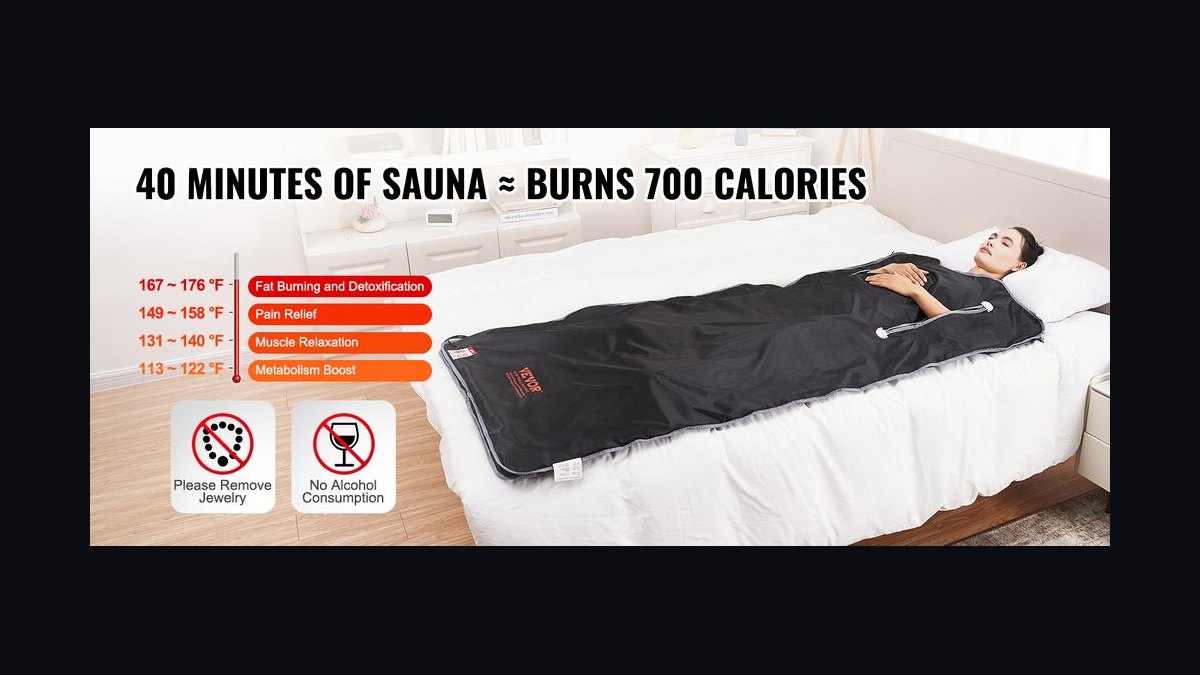
A Level 2 infrared sauna blanket in 2027 will most likely cost between roughly $300 and $700, with the mainstream sweet spot landing near $400 to $550. That range reflects mid-tier dual-zone heating, EMF shielding, and a washable interior. Premium-brand units can exceed $700; aggressive direct-to-consumer value models can dip toward $250 during promotional windows.
The two options compared: buy into the mid-tier now versus wait for 2027
The core decision a buyer faces is not "which blanket" but "which timing and which tier." There are two coherent paths, and they behave differently on cost.
The first path is buying a Level 2 infrared sauna blanket in the current window — essentially locking in today's mid-tier spec at today's price. The second path is waiting until 2027 and buying whatever the market then calls mid-tier. These are not the same purchase, because the definition of "Level 2" drifts upward every year.

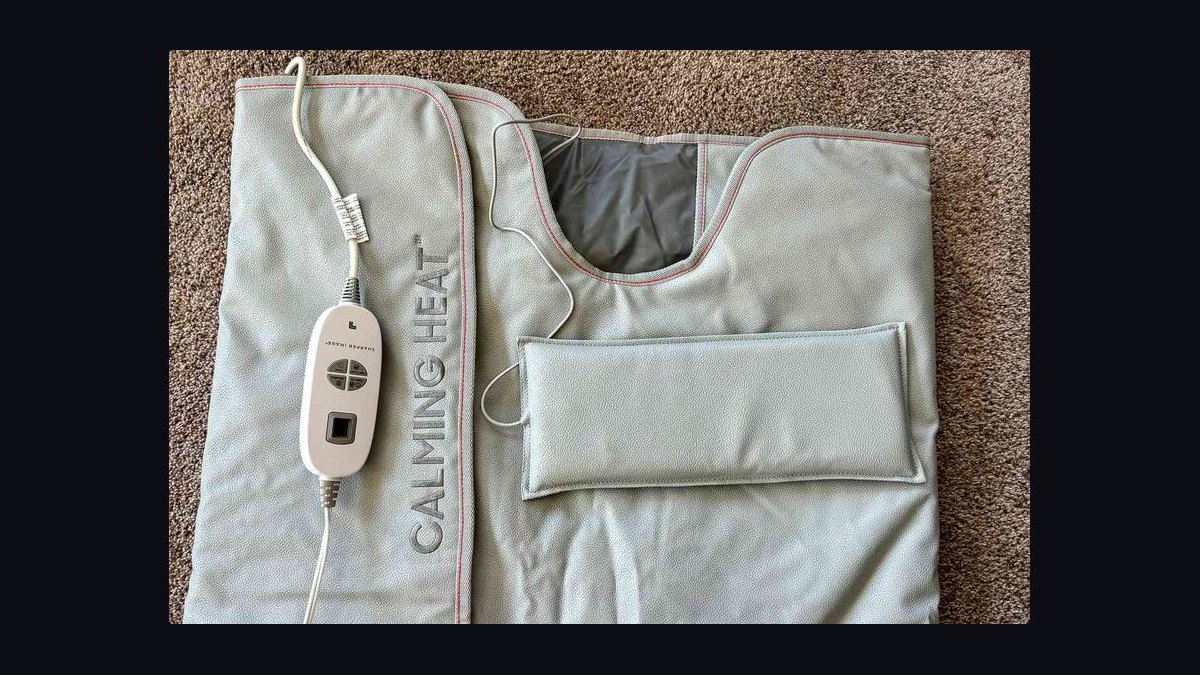
A Level 1 blanket is the entry product: a single heating zone, basic analog or simple digital temperature control, a synthetic outer shell, a modest maximum temperature, and little or no meaningful EMF shielding. It is the "try the category" purchase. A Level 2 blanket is where the product becomes a regular-use appliance. It typically adds a second heating zone so upper and lower body can be warmed together or separately, verified low-EMF and low-ELF shielding, a higher and more stable maximum temperature that holds rather than sags during a session, and an interior that is either waterproof or removable and washable for hygiene. A Level 3 unit layers on independent multi-zone control, extreme maximum temperatures, spa-grade materials, and sometimes app connectivity and session logging, aimed at heavy daily users or practitioners.
The price step from Level 1 to Level 2 is proportionally larger than the step from Level 2 to Level 3. You are paying for the jump from occasional gadget to durable appliance — the shielding, the second zone, the washable interior, and the controller that can actually hold temperature. That is why the mid-tier is where most of the market's unit volume sits, and why it is the tier most exposed to competitive price pressure.

The two options also differ in what you are exposed to. Buying now exposes you to today's price and today's spec, and you capture the use benefit immediately. Waiting exposes you to two more years of input-cost drift — materials, freight, tariffs, currency — but also to two more years of competition and component deflation. For a fixed spec, those forces roughly cancel, landing flat to modestly higher in nominal terms. For a drifting spec, you get more features at a similar price, because the floor of the category keeps rising.
There is a third, less obvious option: buy a Level 2 unit now at a promotional price and treat the 2027 question as a replacement or upgrade decision rather than a first purchase. This is often the best total-cost-of-ownership play for a regular user, because the sessions you get in the interim have real value, and the promotional discount you capture today is usually larger than the two-year nominal drift you avoid by waiting.
How to decide between them
The decision hinges on three variables: how often you will actually use it, how sensitive you are to paying for spec you will not use, and whether you can time a purchase to a promotional window. Frequency dominates. A person who uses the blanket four or more times a week extracts the value quickly and should lean toward buying now. A person who is genuinely uncertain whether they will stick with it should lean toward the lowest-cost Level 2 unit that still meets the core spec, or even a Level 1 unit as a trial — but should understand that a Level 1 unit that fails the hygiene or shielding test is money poorly spent regardless of price.

The second branch matters more than most buyers admit. The most common overspend in this category is buying Level 3 clinical features for Level 2 use — independent multi-zone control, extreme maximum temperatures, spa-grade materials — that a few-times-a-week user never extracts value from. The most common underspend is chasing the lowest advertised price into a unit that fails the durability, hygiene, or shielding tests that actually define Level 2. Both errors come from skipping the step where you fix your required feature set before you look at prices.
A defensible required spec for Level 2 looks like this: dual-zone heat, verified low-EMF and low-ELF shielding with published figures rather than a marketing badge, a maximum temperature that holds steady for at least a 30-minute session, a waterproof or removable washable interior, an auto shut-off timer, and a warranty long enough to cover the controller and the heating seams — the two components most likely to fail. Once that spec is fixed, the buying decision collapses to "least expensive unit that fully meets it," which is a far easier question than "which brand is best."
Concrete numbers behind each option

Because no one can honestly quote a 2027 sticker, the useful numbers are ranges and ratios, not point estimates. Here is how the mid-tier breaks down in practice.
On hardware, a true Level 2 infrared sauna blanket sits above the entry tier and well below clinical units. The mainstream band is roughly $300 to $700, with the densest cluster of well-reviewed mid-tier units near $400 to $550. Value-focused direct-to-consumer brands can list near $250 to $350 and discount below that during peak sale events. Premium lifestyle brands with the same internals can list $700 to $900 or more, and the gap between those two poles is positioning, not spec. When you compare quotes, normalize on spec first — a $700 unit and a $350 unit with identical heating layers, shielding, and interior are the same product at two prices.
On energy, the recurring cost is real but modest. A blanket heating a body-sized surface to a high temperature for a 30- to 45-minute session draws meaningful wattage while it is on. If you run it four times a week for 40 minutes, that is roughly 140 sessions a year. At a typical residential electricity rate, the annual energy line item lands in the low tens of dollars for a moderate user and can reach the low hundreds for a heavy daily user in a high-rate market. It scales directly with your local rate, which is itself moving, so model it as a variable rather than a fixed number.

On consumables, a washable insert liner or protective towel layer is a recurring purchase. Replacing it periodically to protect the interior is cheap insurance against a much larger replacement cost. Budget a small annual amount rather than treating it as a one-time buy.
On warranty, the math is the clearest of all. The failure-prone parts are the controller and the heating seams, and replacing a whole unit is expensive relative to the purchase price. A longer warranty at a higher price can be cheaper over three years than a bargain unit with a short warranty, because it hedges the replacement risk on exactly the components most likely to fail. If a $500 unit with a three-year warranty and a $350 unit with a 90-day warranty both have a meaningful chance of controller failure, the effective three-year cost of the cheaper unit can exceed the more expensive one.
Put together, a three-year total cost of ownership for a moderate user looks like this: hardware at the purchase price, plus a small annual energy line, plus a small annual consumables line, plus a probability-weighted replacement cost if the warranty is short. Dividing that total by expected sessions gives cost-per-session. A $500 blanket used 140 times a year for three years is 420 sessions; even adding $150 of energy and consumables over three years, that is roughly $1.55 per session. A $250 blanket that you stop using after two months because the controller failed or the interior degraded is infinitely expensive per session, because the denominator is near zero. The cheapest blanket is the one you actually keep using.
Implementation details and sequencing
Sequencing the purchase well is mostly about when you buy and what you verify before you buy, not which brand you pick. The promotional calendar is the single biggest lever on real transaction price. Major sale events routinely move the effective price more than any two-year forecast would, so a patient buyer who can wait for a sale window captures more value than one who optimizes the year.
Step one is writing the required spec down before looking at any price. This prevents the two classic errors: paying for Level 3 headroom you will not use, and buying a Level 1 unit wearing a Level 2 label. Step two is verification, not trust. Ask for published EMF and ELF figures rather than a badge, and confirm the interior is genuinely waterproof or removable and washable — a "wipe-clean" surface is not the same as a washable liner, and hygiene is the reason most blankets get abandoned.
Step three is reading the warranty terms rather than the warranty length. A three-year warranty that excludes the controller is worth less than a two-year warranty that covers it. Step four is price tracking: list prices for the same spec move less than promotional prices do, so watching two or three sale cycles tells you the real floor for the unit you want. Step five is buying the least expensive unit that fully meets the spec, which is a decision you can now make in minutes rather than weeks.
Steps six and seven are the ones almost nobody does, and they are where the total-cost-of-ownership model earns its keep. Log your sessions for 90 days. If you are using the blanket three or more times a week, you bought correctly and the cost-per-session is low. If you are using it twice a month, the blanket is expensive regardless of what you paid, and the right move is either to change your routine or to stop treating the purchase as a wellness investment. Recomputing cost-per-session at 90 days turns a vague feeling about whether the purchase was worth it into a number you can act on.
One more sequencing note: if you are deciding between buying now and waiting for 2027, the honest framing is that waiting mainly costs you the benefit you would have gotten in the meantime. For the same spec, the 2027 price is likely roughly flat to modestly higher in nominal terms, so the two-year drift is small compared with the value of two years of regular use. The bigger lever in either year is buying during a promotional window, which moves the real price more than the drift does.
Related questions
What features distinguish a Level 2 blanket from Level 1 and Level 3?
Level 1 is a single-zone unit with modest heat and a synthetic shell. Level 2 adds a second heating zone, verified EMF shielding, a higher and more stable temperature, and a waterproof or removable washable interior. Level 3 adds independent multi-zone control, extreme maximum temperatures, and spa-grade materials for heavy daily or professional use.
Why can't anyone give an exact 2027 price?
Because price is the output of moving inputs — heating layers, shielding, electronics, freight, tariffs, currency, and brand positioning — none of which hold still for two years. Any single number is a guess. A defensible budget is a range with the high end stress-tested, not a point estimate.
How much does electricity add to the cost?
Enough to include in a total-cost-of-ownership model, not enough to dominate it. The infrared blanket heats a body-sized surface for a long session, so energy scales with frequency of use and your local rate. Moderate users see a low-tens-of-dollars annual line; heavy daily users in high-rate markets can reach the low hundreds.
Is a longer warranty worth paying more for?
Often yes. The failure-prone parts are the controller and the heating seams, and replacing a whole unit is expensive. A longer warranty at a higher price can be cheaper over three years than a bargain unit with a short warranty, because it hedges replacement risk on exactly the components most likely to fail.
Should I wait until 2027 to buy, or buy now?
If you will use it regularly, waiting mainly costs you the benefit you would have gotten in the meantime, since same-spec prices are likely roughly flat to modestly higher. The bigger lever is buying during a promotional window in either year, which moves the real price more than the two-year drift does.
FAQ
What is the realistic price range for a Level 2 infrared sauna blanket in 2027? Most likely $300 to $700, with the densest cluster of well-reviewed mid-tier units near $400 to $550. Value-focused direct-to-consumer brands can list near $250 to $350 and discount below that during peak sale events, while premium lifestyle brands with comparable internals can list $700 to $900 or more. The gap at the top is positioning, not spec.
Why is the price a range instead of a single number? Because the price is the output of moving inputs — heating elements, shielding materials, controller electronics, fabric, freight, tariffs, currency, and brand positioning — none of which hold still for two years. Two blankets with near-identical internals can carry very different prices because of positioning, so the distribution of prices matters more than any midpoint.
Does brand name change the internals or just the price?
Frequently just the price. Wellness hardware is sold on aspiration as much as spec, so a premium brand and a value brand can ship near-identical heating layers, shielding, and interiors at very different price points. Comparing on normalized spec, not on brand or list price, is the only reliable way to judge value.
How do I avoid overpaying for a Level 2 blanket? Fix your required feature set first — dual-zone heat, verified EMF and ELF shielding with published figures, a washable interior, an auto shut-off timer, and a warranty that covers the controller and heating seams — then buy the least expensive unit that fully meets that spec. Do not pay for Level 3 clinical headroom you will not use.
What ongoing costs should I plan for besides the blanket itself? Energy per session, a washable liner or protective towel layer you replace periodically, and the implicit cost of replacement risk if the warranty is short. Modeling these as a three-year total, then dividing by expected sessions, gives a cost-per-session figure that is far more decision-useful than the sticker price.
Will the same Level 2 spec cost more in 2027 than today? For a fixed spec, likely roughly flat to modestly higher in nominal terms, because inflation, freight, and tariff pressure are partly offset by competition and component deflation. For whatever the market calls mid-tier in 2027, you will likely get more features for a comparable spend, because the floor of the category keeps rising.
Sources
- U.S. Bureau of Labor Statistics — Consumer Price Index
- U.S. Energy Information Administration — Electricity Data
- U.S. Federal Trade Commission — Consumer Advice
- U.S. Food & Drug Administration — Radiation-Emitting Products
- World Health Organization — Electromagnetic Fields
- International Trade Administration — Tariffs and Import Basics
- ENERGY STAR — Home Energy Use
- Consumer Reports — Home Product Buying Guidance
Related on PULSE
- Top 10 Infrared Sauna Blankets — Best Overall + Best Value in 2027
- Top 10 Posture Correctors — Best Overall + Best Value in 2027
- Top 10 Meditation Apps 2027
- How does the concept of "metabolic flexibility" redefine our understanding of weight management beyond calorie restriction and exercise alone?
This page will be disappearing soon. Save it to your device for $1 — or read it free while it is here.
@Kory-White- · if Venmo asks, the last 4 of my number are 2012
This page is gone.
This one is off the shelf now. $1 keeps it on your phone for good — the whole page, pictures and diagrams included.
 pulse-wellnessIs Wellness worth it in 2027?
 pulse-wellnessTop 10 best Wellness options in 2027
 pulse-wellnessWhat is the best way to approach Wellness in 2027?
 pulse-wellnessHow do you get started with Wellness in 2027?
 pulse-wellnessWhat are the most common mistakes in Wellness in 2027?
 pulse-wellnessHow much does Wellness cost in 2027?
 pulse-wellnessWhat is the real-world cost of a Theragun Pro Gen 5 in 2027?
 pulse-wellnessWhat should you know before investing in Wellness in 2027?
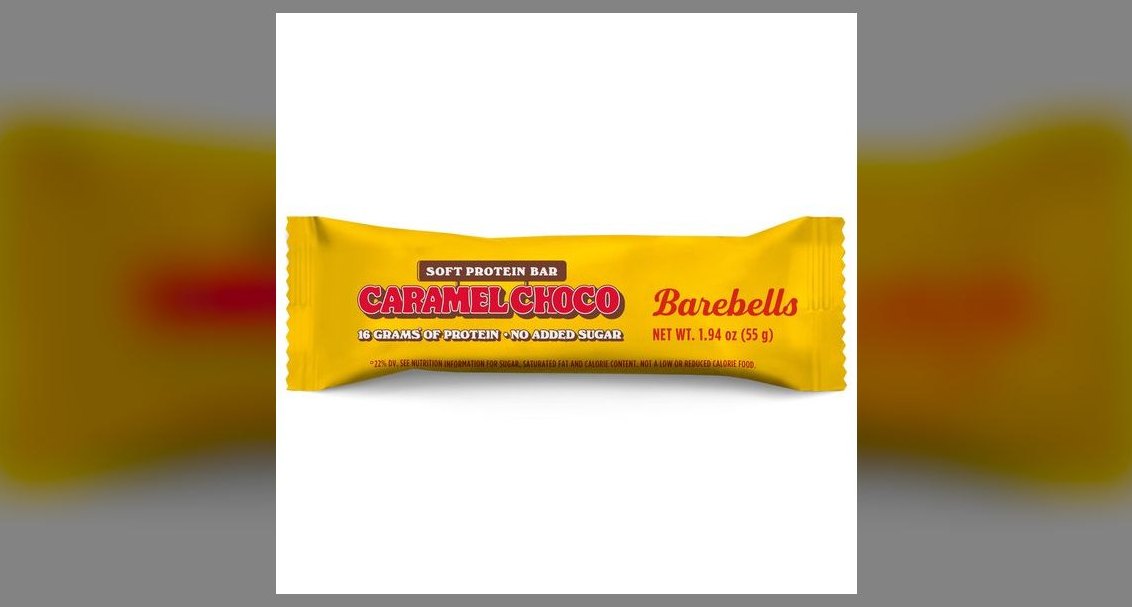 pulse-wellnessTop 10 Protein Bars 2027
 pulse-wellnessTop 10 Breathwork Apps 2027