
The 10 Best AI Tools for Product Photography in 2027
 Curated byKory White · Fractional CRO · Maryland
 PULSEKNOWLEDGE LIBRARY
For 2027, Photoroom is the best overall AI tool for product photography — it combines instant background removal, AI-generated scenes, batch processing, and a genuine shoot-replacement workflow built specifically for ecommerce sellers and marketplaces. The strongest runner-up is Adobe Firefly inside Photoshop, whose Generative Fill and Generative Expand give studios pixel-level control that standalone apps can't match.
Photoroom is best for solo sellers, Shopify/Etsy operators, and small brands shipping dozens of SKUs a week; Firefly is best for in-house creative teams and agencies that already live in Adobe. If budget is the deciding factor, jump to Pebblely (our Best Value pick).
How We Ranked These
Product photography has its own demands that generic image generators ignore, so the ranking weighs five things specific to selling physical goods:
- Product fidelity — does the tool preserve the *actual* item (label text, logo, real color) instead of hallucinating a new one? This is the single biggest failure mode of AI image tools and the heaviest weight here.
- Background and scene quality — clean catalog white (RGB 255/255/255 for Amazon's hero-image rule), plus believable lifestyle and contextual scenes with correct shadows and reflections.
- Batch and workflow speed — bulk upload, consistent output sizing, and direct export to Shopify, Amazon, Etsy, or a DAM.
- Editing control — masking precision, relighting, upscaling, and the ability to fix one region without re-rolling the whole image.
- Price and licensing — commercial-use rights, credit costs, and whether the free tier is usable for real work.
Tools were tested against the photography most sellers actually need: a single product on white, a product in a styled lifestyle scene, and detail/zoom crops. Pure text-to-image generators with no product-preservation features were excluded.
1. Photoroom 🏆 BEST OVERALL
Photoroom is a London-based AI photo app that has become the default tool for ecommerce product shots, and in 2027 it remains the most complete single package. Its core strength is one-tap background removal powered by an in-house segmentation model that handles hard edges — hair, glassware, jewelry chains, transparent packaging — better than most competitors. From there you can drop the product onto a clean white background for catalog use or generate an AI Background scene (a marble countertop, a sunlit windowsill, a studio gradient) with Instant Shadows that ground the object so it doesn't look pasted on.
What earns it the top spot is workflow. Batch mode processes large numbers of images at once, applies a saved template, and exports at consistent dimensions — exactly what you need when listing a new collection. It supports direct export presets for marketplaces and integrates with Shopify, and the Photoroom API lets developers wire background removal and scene generation straight into a product-intake pipeline.
For sellers moving dozens of SKUs weekly, that automation is the difference between an afternoon and ten minutes.
Pricing keeps it accessible: a free tier with watermark-free basic removal and Photoroom Pro at roughly $9.99/month (billed annually) unlocking batch, AI backgrounds, HD export, and brand kits. The limitation worth knowing: Photoroom relights and stages your *real* photo, so it's a staging-and-editing tool, not a from-scratch generator. That constraint is also why product fidelity stays high — it never invents your packaging.
2. Adobe Firefly (in Photoshop)
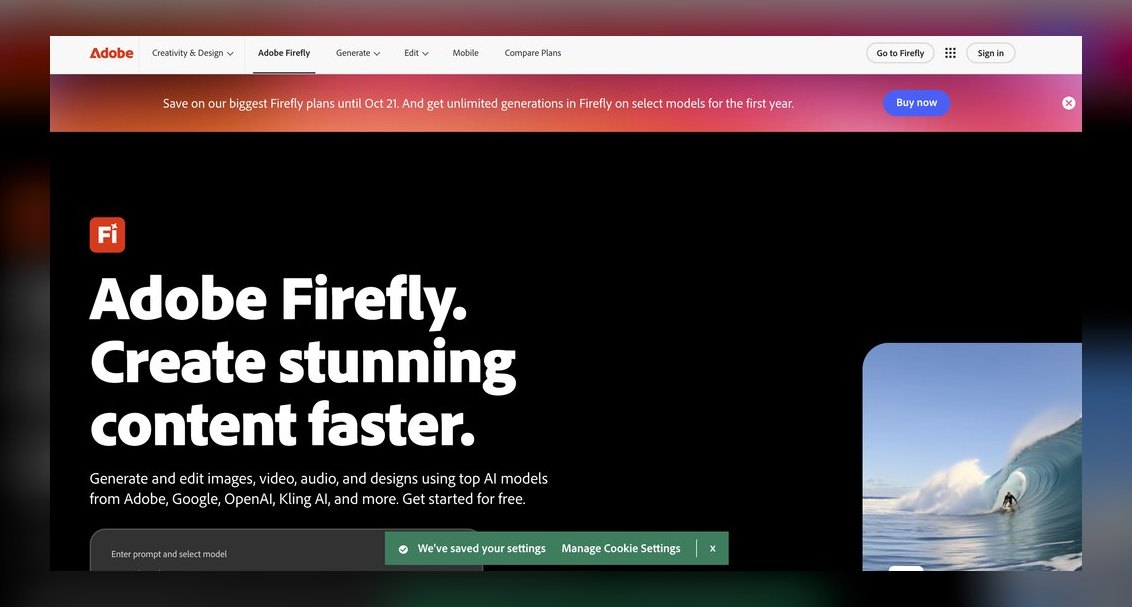
For anyone who needs surgical control, Adobe Firefly embedded in Photoshop is the most powerful option. Generative Fill lets you paint a selection and describe what should appear — extending a tabletop, removing a stray cable, adding a prop — while Generative Expand grows the canvas to fix awkward crops or re-target an image from square to a 4:5 portrait without losing the subject.
Because you're working on layers with full masking, you can change one region and leave the product untouched.
Firefly's models are trained on Adobe Stock and licensed content, which matters for brands that need commercial-safe output and indemnification. Select Subject and the refined Remove tool clean up backgrounds in seconds, and the broader Adobe Express app brings Firefly generation to non-designers on the team.
The trade-off is the learning curve and the Adobe subscription — though the Photography plan at about $9.99/month (Lightroom + Photoshop) now includes a monthly allotment of generative credits, making it more reasonable than it once was. Best for studios and agencies who want AI as one tool inside a real retouching stack rather than a one-button app.
3. Flair.ai
Flair.ai is built specifically for branded product photography and lifestyle sets. You upload a product cutout, then arrange it on an infinite canvas with props, surfaces, and lighting, directing the AI to render a cohesive scene around it. The standout feature is AI Models — placing apparel, accessories, or cosmetics on generated human models — which replaces a chunk of catalog shoots for fashion and beauty sellers. Its Director Mode gives node-based control over composition, so output stays on-brand across a whole campaign instead of drifting image to image.
Flair targets DTC brands and marketing teams, and the results lean editorial rather than utilitarian. It's stronger at "hero campaign image" than "100 plain catalog cutouts," so pair it with Photoroom for the bulk work. Pricing is subscription-based with tiers scaling by render volume and resolution; the higher tiers add team seats and commercial licensing. If your bottleneck is producing scroll-stopping social and ad creative around real products, this is the specialist.
4. Pebblely 💎 BEST VALUE
Pebblely delivers the most usable free output of any tool here, which makes it the Best Value pick. New accounts get 40 free images per month, enough for a small seller to photograph a whole product line at zero cost. You upload a product photo, the AI removes the background automatically, and you generate it into themed scenes — "On a Table," "Nature," "Festive," "Studio," and dozens more presets — or describe a custom scene. The Magic Fill and theme system make it genuinely fast for someone with no design background.
It's best for Etsy, eBay, and small Shopify sellers who need attractive lifestyle shots without a studio or a learning curve. Paid plans (starting around $19/month for 1,000 images) add bulk generation and higher limits, but the free tier alone outperforms what many sellers were paying photographers for. The honest limitation: like all generative stagers, it's best on objects with simple shapes; intricate or reflective items sometimes need a second pass.
For the money — often none — nothing else matches it.
5. Claid.ai
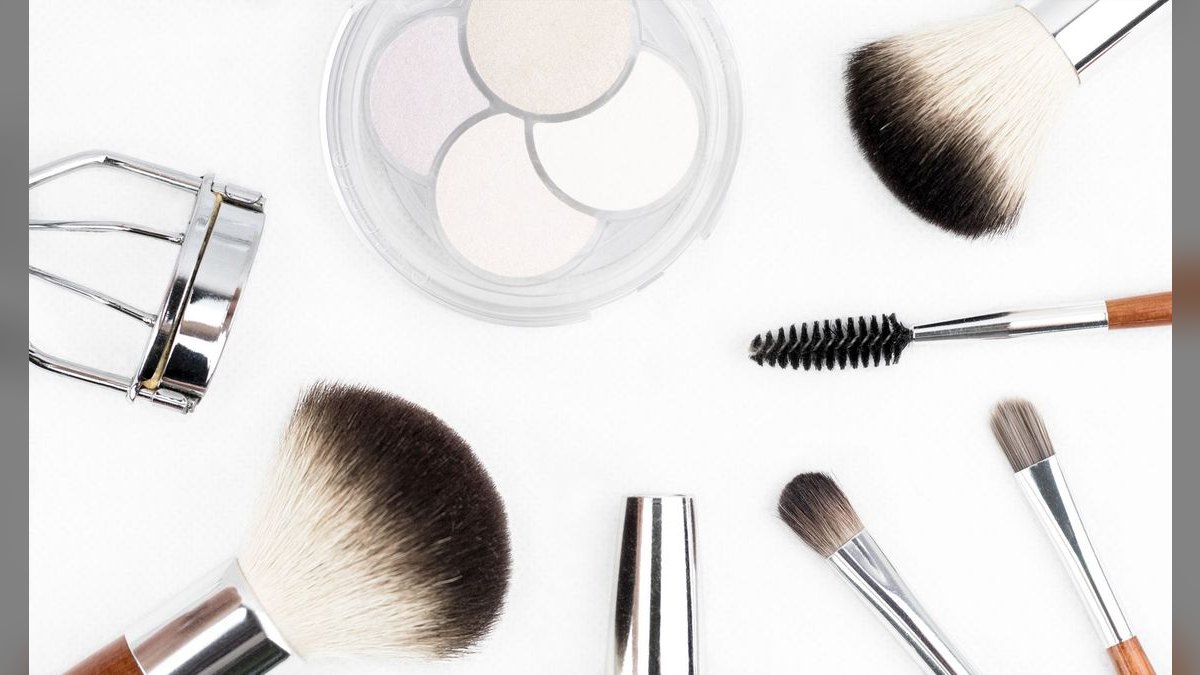
Claid.ai, built by the team behind Let's Enhance, focuses on image quality and consistency at scale rather than creative scenes. Its tooling is aimed at marketplaces and catalogs: automatic background removal, AI upscaling and sharpening, lighting correction, and smart cropping that centers products to a uniform aspect ratio. The pitch is taking a messy folder of seller-submitted photos — different sizes, lighting, and angles — and normalizing them into a clean, consistent catalog automatically.
That makes Claid best for platforms, large stores, and resellers processing high volume where uniformity beats artistry. Its API and bulk processing are first-class, and it integrates into automated pipelines well. Pricing runs on a credit/subscription model that scales with image volume. If your problem is "10,000 inconsistent images need to look like one catalog," Claid is purpose-built for it; if you want a single dramatic hero shot, look at Flair or Photoroom instead.
6. Pixelcut

Pixelcut is a mobile-first AI editor that's become popular with sellers who shoot and list entirely from a phone. It offers one-tap background removal, AI product backgrounds, batch editing, a magic eraser for removing unwanted objects, and an AI upscaler — a near-complete toolkit in an app you can run on the warehouse floor. The AI Shadows and retouch tools produce clean, marketplace-ready images quickly, and templates speed up repeat listings.
It's best for solo operators and social sellers who value speed and a phone-native workflow over deep editing control. A free tier covers the basics, with Pixelcut Pro (around $7.99/month) unlocking batch processing, HD export, and the full background library. It overlaps heavily with Photoroom; the deciding factor is usually which interface clicks for you, with Pixelcut leaning toward the fastest possible mobile turnaround.
7. Mokker AI

Mokker AI specializes in turning a plain product photo into styled lifestyle imagery through a large library of preset environments — kitchens, bathrooms, outdoor settings, seasonal scenes. Upload, pick a vibe, and it stages the product with appropriate lighting and shadow. It's especially handy for home goods, cosmetics, food, and beverage products that benefit from contextual settings buyers can imagine in their own space.
Mokker's appeal is approachability and a focused feature set: it does scene generation well and doesn't drown you in options. Bulk generation helps when you need many variations of one product for A/B testing ad creative. Pricing is subscription-based by image volume. It competes directly with Pebblely and Photoroom's AI backgrounds — Mokker tends to produce slightly more polished interior scenes, while Pebblely wins on free volume.
A solid choice when contextual, room-set imagery is the specific thing you're after.
8. Booth.ai
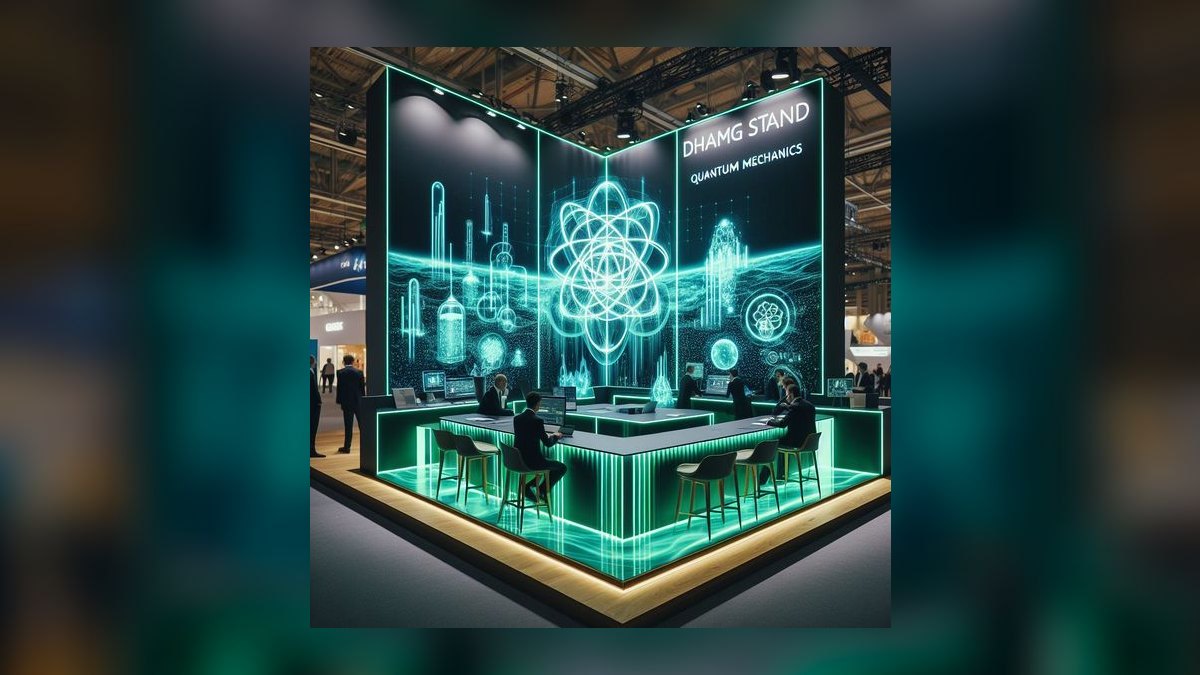
Booth.ai positions itself as a virtual studio for ecommerce and is aimed squarely at the higher end — furniture, apparel, packaged goods, and brands that want commercial-grade results without booking a physical shoot. You provide product photos and Booth generates studio-quality scenes and on-model imagery, with attention to realistic materials, fabric drape, and lighting that holds up at large sizes.
It's best for established brands and teams that need consistent, premium catalog and campaign imagery and are replacing meaningful photography spend. Booth leans toward a managed, business-tier offering rather than a cheap consumer app, so pricing sits above the casual tools — justified when you're weighing it against a $1,000+ studio day rate. If your products are big-ticket or design-forward and the output has to look genuinely shot, Booth is built for that bar.
9. Canva Magic Studio

Canva earns its place because Magic Studio folds AI product editing into the design tool millions already use for listings, ads, and social. Magic Eraser and Magic Grab isolate and move products, BG Remover clears backgrounds in a click, and Magic Media generates new imagery — all inside the same canvas where you'll add text, build your ad, and resize for every platform with Magic Resize.
The advantage isn't best-in-class generation; it's that the photo edit and the finished marketing asset happen in one place, with brand kits and templates keeping everything consistent. Best for small-business owners and social media managers who'd rather not juggle five apps. Canva Pro (around $12.99/month) unlocks the full Magic Studio suite and the premium stock library. Treat it as the all-in-one for sellers who value convenience over a photographer's level of control.
10. Topaz Photo AI
Topaz Photo AI is the specialist for one job: making images *technically* better. Its AI upscaling (the engine behind Gigapixel), noise reduction, and Sharpen models recover detail from low-resolution, blurry, or grainy product shots — turning a quick phone photo into something clean enough for a print catalog or a large hero banner. It doesn't generate scenes or remove backgrounds; it fixes the pixels you already have.
That focus makes it the essential finishing step rather than a primary tool. Sellers with older product photos, archived inventory shots, or images that need to scale up for big-format use rely on it to avoid reshooting. It's sold as a one-time purchase (around $199, with paid upgrade cycles) instead of a subscription — a meaningful saving over time. Pair it after Photoroom or Pebblely when image sharpness and resolution, not staging, are the problem.
FAQ
How do AI product photography tools handle complex objects like jewelry or glass? Most tools struggle with reflections and transparency. Photoroom and Pebblely handle basic glass and shiny surfaces decently, but for intricate jewelry or crystal, you'll likely need manual retouching in Photoshop. Expect 70–90% automation success for simple shapes, dropping to 30–50% for complex reflective items.
Can I use these tools for video product shots, or are they only for photos? As of 2027, most AI product photography tools are still photo-focused. Photoroom and Adobe Firefly offer limited video background removal, but for full video scene generation, you'd need specialized tools like Runway or Pika Labs. Expect photo-first workflows with video features still maturing.
Do I need a high-end computer to run these AI tools? No, all major tools run in the cloud through a web browser or mobile app. Photoroom and Pebblely work well on any modern smartphone or laptop. Adobe Firefly inside Photoshop benefits from a decent GPU but isn't required for basic edits. Internet speed matters more than hardware.
How accurate is the background removal compared to manual Photoshop work? AI background removal has improved dramatically, achieving 95–99% accuracy on clean product shots with solid backgrounds. For complex edges like hair or fur, manual touch-ups are still needed in 10–20% of cases. It's faster than manual work but not perfect for every image.
What's the typical cost for a small business using these tools monthly? Pricing varies widely. Photoroom Pro is around $9.99/month, Pebblely starts at $12/month, and Adobe Photography Plan with Firefly is about $9.99/month. For batch processing hundreds of SKUs, expect to pay $20–50/month for advanced plans. Free tiers exist but limit resolution and batch size.
Can I generate entire lifestyle scenes without a physical photoshoot? Yes, that's a core feature. Photoroom and Pebblely let you describe a scene (e.g., "product on a marble countertop with morning light") and generate it in seconds. Quality is good for ecommerce but may lack the realism of a professional studio shoot for high-end brands. Expect 80–90% of the way there for most products.
Bottom Line
For most sellers in 2027, Photoroom is the right first tool — fast, accurate, batch-capable, and cheap enough that the Pro plan pays for itself on a single product line. Teams already inside Adobe should reach for Firefly in Photoshop for control, while budget-first sellers should start free with Pebblely. Layer in Topaz Photo AI for sharpness, Flair.ai for branded campaigns, and Claid.ai when consistency across thousands of images is the real job.
Match the tool to the task and you'll replace most of a studio for a few dollars a month.
Related on PULSE
- [The 10 Best AI Tools for Product Page Design in 2027](/knowledge/ai0244)
- [The 10 Best AI Tools for Product Design in 2027](/knowledge/ai0126)
Sources
- Photoroom — AI product photography and background removal
- Adobe Firefly — generative AI for creatives
- Flair.ai — AI design tool for branded content
- Pebblely — AI product photography
- Claid.ai — AI image enhancement for ecommerce
- Pixelcut — AI photo editor and product photos
- Topaz Photo AI — upscaling and sharpening
- Amazon — product image requirements
*Best AI tools for product photography 2027 — Photoroom vs Adobe Firefly, Pebblely, Flair.ai, Claid.ai, Pixelcut, Mokker AI, Booth.ai, Canva Magic Studio, and Topaz Photo AI for ecommerce product photos, background removal, and AI lifestyle scenes.*
People also search for: best ai tools for product photography 2027 · top ai tools for product photography 2027 · top rated ai tools for product photography 2027 · top ranked ai tools for product photography 2027 · highest rated ai tools for product photography 2027 · ai tools for product photography reviews 2027
This page will be disappearing soon. Save it to your device for $1 — or read it free while it is here.
@Kory-White- · if Venmo asks, the last 4 of my number are 2012
 pulse-ai-infrastructureThe 10 Best AI Tools for DevOps Automation in 2027
 pulse-ai-infrastructureThe 10 Best AI Tools for Nutrition Tracking in 2027
 pulse-ai-infrastructureThe 10 Best RAG Frameworks in 2027
 pulse-ai-infrastructureThe 10 Best AI Tools for Event Planning in 2027
 pulse-ai-infrastructureThe 10 Best AI Tools for Vocabulary Building in 2027
 pulse-ai-infrastructureThe 10 Best AI Tools for Screenwriting in 2027
 pulse-ai-infrastructureThe 10 Best Open-Source Model Hubs in 2027
 pulse-ai-infrastructureThe 10 Best AI Tools for Web Illustration in 2027
 pulse-ai-infrastructureThe 10 Best AI Tools for SEO in 2027
 pulse-ai-infrastructureThe 10 Best AI Tools for YouTube Optimization in 2027