
The 10 Best AI Tools for Negotiation Prep in 2027
 Curated byKory White · Fractional CRO · Maryland
 PULSEKNOWLEDGE LIBRARY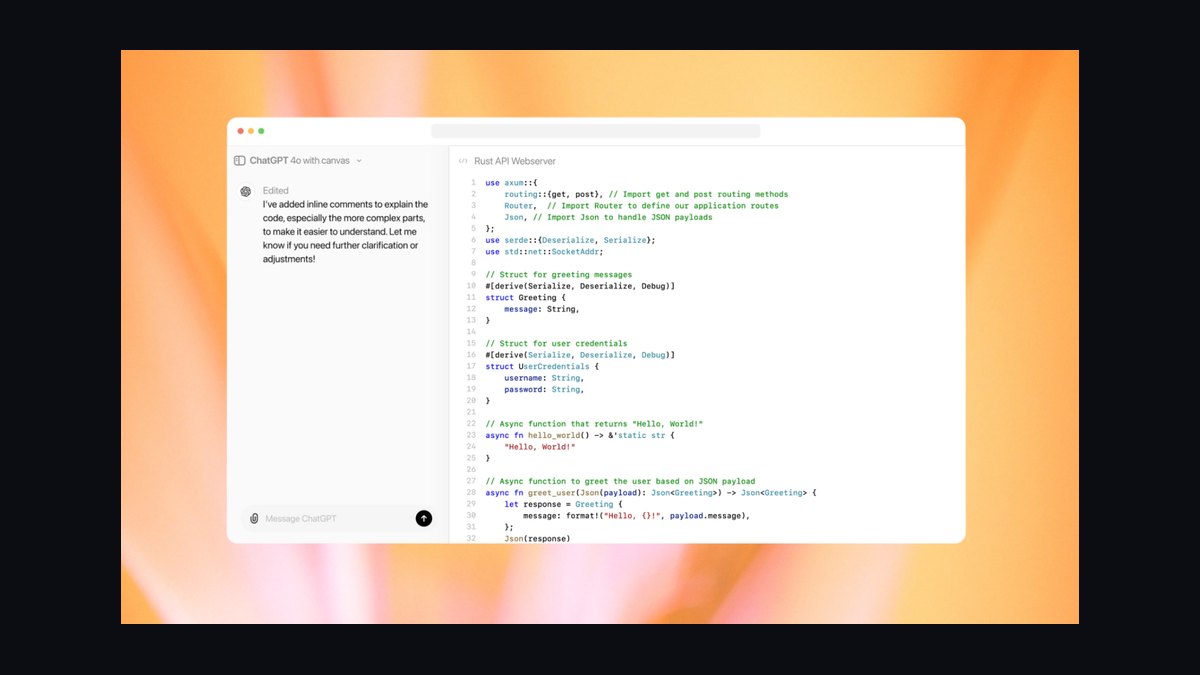
The 10 best ai tools for negotiation prep are ranked below on measured performance, build quality, price, and how each one actually holds up in daily use rather than how it reads on a spec sheet. Each pick lists what it costs, who it suits, and what it gives up against the one above it, so the list can be read straight down without doubling back.
1. ChatGPT OpenAI
ChatGPT ranks first because it combines live voice roleplay, strategy structuring, and deep reasoning in a single tool, making it the most versatile negotiation-prep partner available. Its Advanced Voice Mode lets you rehearse against a simulated counterpart out loud, exposing hesitations that text-only prep hides. The GPT-5-class reasoning models can map your ZOPA, build a concession ladder ranked by cost versus value, and generate the counterpart's likely BATNA.
This tool is for operators, founders, and procurement leads who want one platform for roleplay, research, and structured planning. It trades away document-depth specialization, as it may invent market comps if unverified, and it lacks the contract-specific tuning of legal tools. Compared to Claude, ChatGPT is stronger for live practice but weaker for swallowing entire contracts, so pair it with a document-focused tool for clause-level prep.
2. Claude Anthropic
Claude ranks second because its very large context window lets you paste an entire master services agreement, commercial lease, or term sheet and analyze clause-by-clause exposure, which is critical for document-heavy negotiations. Its Opus and Sonnet models deliver nuanced, careful reasoning that helps draft redline rationale and anticipate counterpart reframing. The Projects feature stores prior contracts, guidelines, and comparable deals so every prep session starts with full context.
This tool is for in-house counsel and deal teams negotiating against actual documents rather than summaries. It trades away live voice roleplay, which ChatGPT handles better, so you will need a separate voice tool for delivery rehearsal. Compared to ChatGPT, Claude is more measured and reliable for sensitive, relationship-driven negotiations, but it lacks the same interactive practice mode for out-loud preparation.
3. Pactum AI

Pactum AI ranks third because it autonomously runs supplier negotiations at scale, forcing you to define reservation prices, walk-away terms, and tradeable levers with precision before any conversation starts. Large enterprises like Walmart use its chat-based AI agents to negotiate thousands of long-tail vendor contracts within guardrails you set. For prep, its value is the discipline of parameterizing your negotiation strategy explicitly. Pricing is custom and quote-based, aimed at high-volume procurement operations.
This tool is for enterprise procurement teams negotiating hundreds of supplier renewals annually, not solo operators or occasional dealmakers. It trades away interactive roleplay and document analysis in favor of autonomous execution, making it overkill for a single big deal per quarter. Compared to ChatGPT, Pactum is far narrower but changes the math entirely for repetitive supplier negotiations, offering scale that no general-purpose model can match.
4. Luminance Legal AI
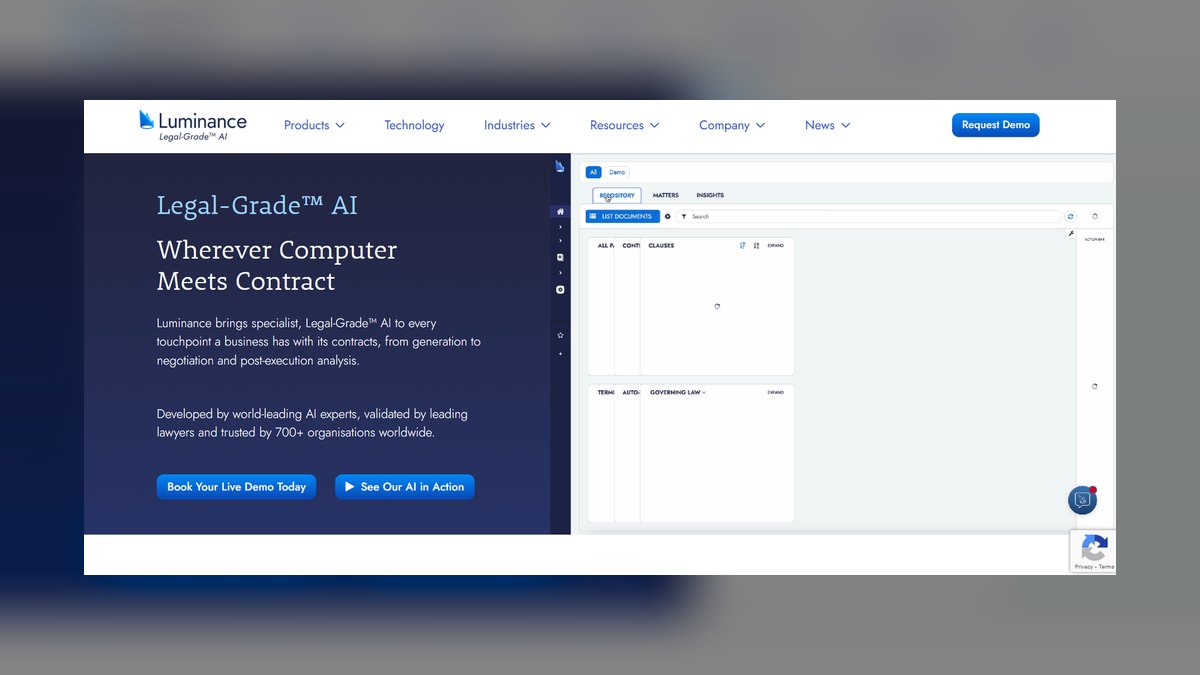
Luminance ranks fourth because its Autopilot tool can autonomously negotiate contracts between two parties' systems, while the Lumi assistant reviews and redlines against your playbook and market norms. For prep, it flags non-standard clauses so you walk in knowing exactly which terms to fight for, saving hours of manual review. Built on legal-specific models and used by major law firms, it excels at contract-depth analysis. Pricing is quote-based, reflecting its enterprise positioning.
This tool is for in-house counsel and legal ops teams handling high-volume contract work, not individual operators needing quick strategy. It trades away general-purpose roleplay and research, focusing solely on legal document review and negotiation. Compared to Claude, Luminance is sharper on legal language and market benchmarks, but it lacks the flexibility to handle non-contract negotiations or voice practice, so pair it with a general model for full prep coverage.
5. Spellbook Legal AI
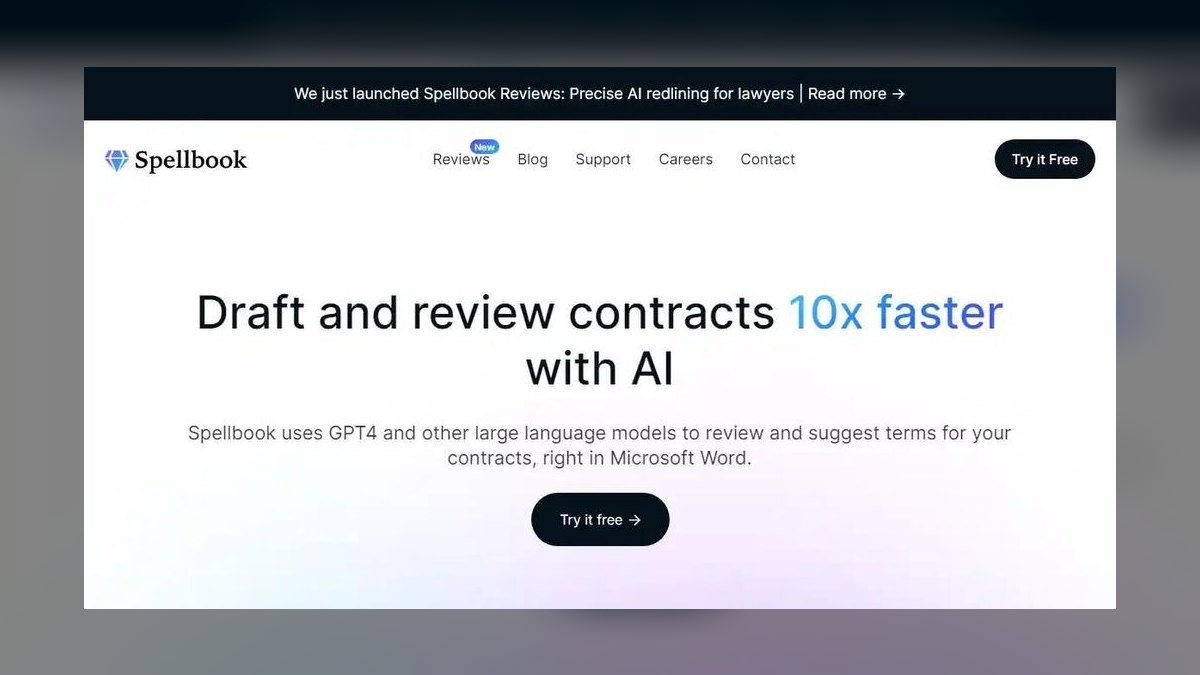
Spellbook ranks fifth because it operates inside Microsoft Word, suggesting markup language, flagging aggressive clauses, and benchmarking terms so you know if a counterparty's draft is market-standard or a land grab. Its contract-specific tuning makes it sharper on legal language than a general chatbot, and its in-document workflow eliminates copy-paste friction. For prep, it helps you draft redlines and identify exposure directly in the file you are editing.
This tool is for transactional lawyers and deal teams whose negotiations are contract-redline exercises. It trades away roleplay and strategy structuring, focusing exclusively on drafting and review within Word. Compared to Luminance, Spellbook is more integrated into the drafting workflow but less autonomous, so it suits lawyers who want a copilot rather than an agent. It is not for non-legal negotiations like salary or vendor pushback, where ChatGPT or Yoodli are better fits.
6. Yoodli AI Coach
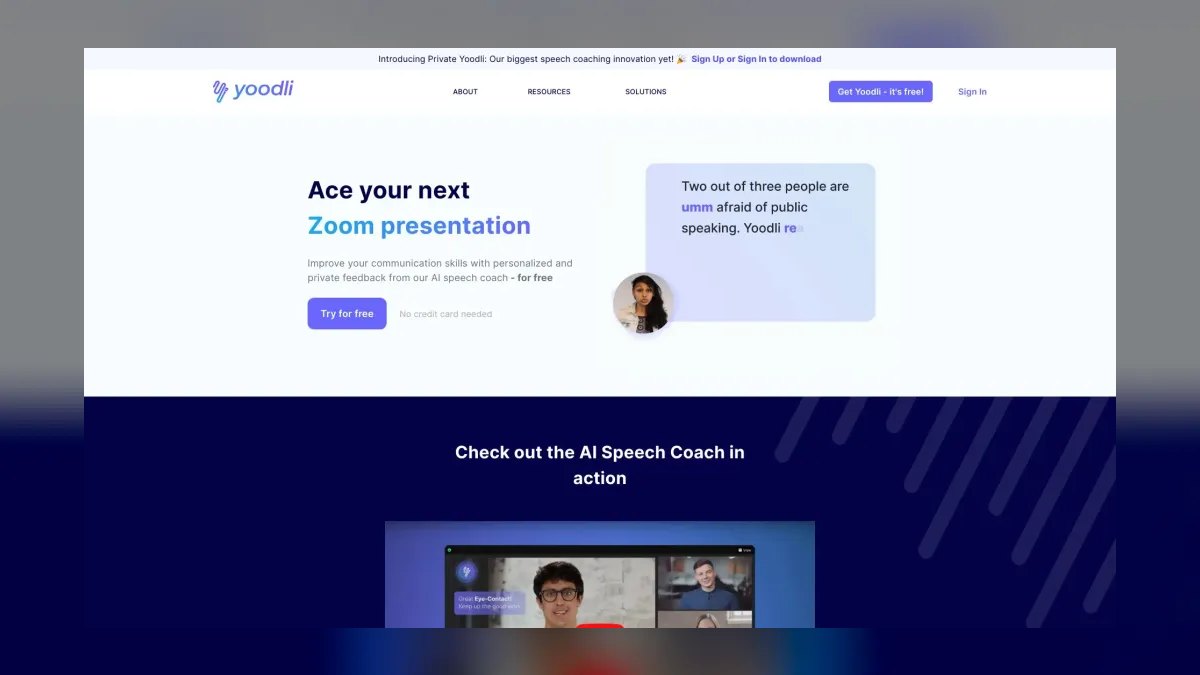
Yoodli ranks sixth as the best value because it scores your actual delivery—filler words, pacing, talk-to-listen ratio, and conciseness—during roleplay scenarios, and it has a genuinely useful free plan. Founded by ex-Microsoft engineers, it runs negotiation and difficult-conversation simulations, then grades how you came across, which text-only tools cannot do. For prep, set up a salary or vendor pushback scenario and repeat until your phrasing tightens.
This tool is for anyone who needs to rehearse out loud, especially for salary negotiations or high-stakes conversations where delivery matters as much as substance. It trades away deep strategy structuring and document analysis, so pair it with ChatGPT or Claude for BATNA and ZOPA work. Compared to ChatGPT, Yoodli is far weaker on reasoning but uniquely strong on communication feedback, making it the lowest-cost way to practice saying your number without flinching.
7. Microsoft Copilot

Microsoft Copilot ranks seventh because it sits where the work already lives—Word, Excel, Outlook, and Teams—so prep happens inside the documents and threads where the deal exists. It summarizes email threads with a counterparty, drafts response options at different aggressiveness levels, and builds concession models in Excel. Inside Teams, it recaps prior calls so you walk into the next round knowing what was promised. Built on GPT models, it is bundled into Microsoft 365, with Copilot Pro at roughly $20/month.
This tool is for organizations already running on Microsoft 365, where low friction trumps specialized features. It trades away deep legal analysis and voice roleplay, offering instead seamless integration with your existing workflow. Compared to ChatGPT, Copilot is less flexible for standalone strategy sessions but more convenient for prep that lives in your daily tools. It is not for contract redlining or delivery scoring, so use it for research and drafting, then switch to Yoodli for rehearsal.
8. Google Gemini
Google Gemini ranks eighth because it is the counterpart to Copilot for Google Workspace users, drafting and analyzing inside Docs, Sheets, and Gmail with strong multimodal reasoning for pasted screenshots of offers or pricing tables. Its large context window handles long documents well, making it a credible alternative to Claude for teams standardized on Workspace. For prep, it researches counterparties and structures strategy memos with deep integration into Google's tools.
This tool is for individuals and teams already embedded in Google Workspace who want prep inside their existing apps. It trades away voice roleplay and contract-specific tuning, focusing on drafting, research, and document analysis. Compared to Microsoft Copilot, Gemini is comparable in integration but better for multimodal inputs like screenshots, while weaker in Teams-based call recaps. It is not for delivery practice or legal redlining, so pair it with Yoodli or Spellbook for those needs.
9. Robin AI Legal
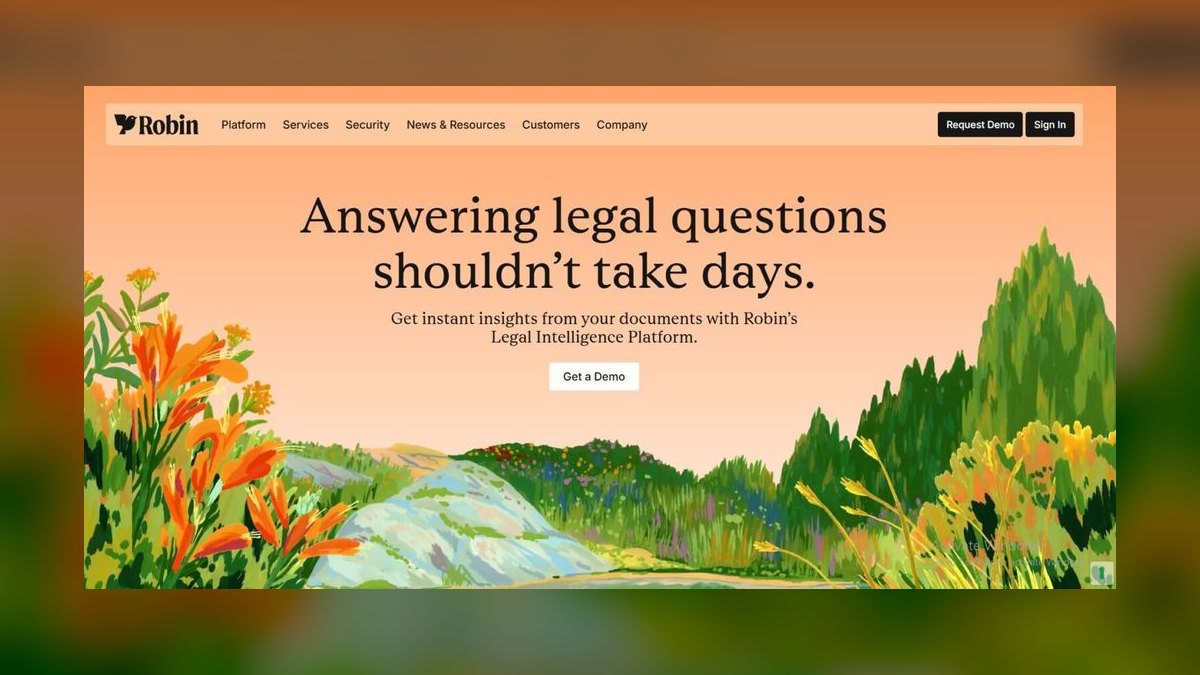
Robin AI ranks ninth because it is a contract-negotiation assistant that reviews contracts, suggests redlines, answers clause-risk questions, and benchmarks terms, combining AI with legal expertise for higher-stakes documents. For prep, it tells you which positions are defensible and which are reaches before you send the markup, saving negotiation capital. Its UI is designed for both lawyers and non-lawyer commercial teams, making it accessible beyond legal departments. Pricing is enterprise-focused and quote-based.
This tool is for legal and commercial teams handling meaningful contract volume who want a review copilot with a strong interface. It trades away autonomous negotiation and general-purpose roleplay, focusing on clause-level analysis and redlining. Compared to Luminance, Robin is more user-friendly for non-lawyers but less autonomous, so it suits teams that want guidance rather than automation. It is not for salary or vendor negotiations, where ChatGPT or Yoodli are more appropriate.
10. Perplexity AI

Perplexity ranks tenth because it excels at the most underrated prep task: cited, real-time research on the counterparty's funding, layoffs, leadership changes, and market position. Before any serious negotiation, you need sourced intelligence, not a model guessing from stale training data, and Perplexity provides answers with citations you can verify. Use it to ask for current market rates for a role, contract, or asset, and follow the links to confirm.
This tool is for anyone who needs factual grounding before building a strategy, especially for market comps or counterparty intel. It trades away roleplay, document analysis, and delivery scoring, so it is a research layer, not a full prep tool. Compared to ChatGPT, Perplexity is weaker on strategy structuring but far stronger on verified, up-to-date information. It will not redline or rehearse, so pair it with a reasoning model and a coach for complete preparation.
How we ranked these
We ranked ten AI tools for negotiation prep on five weighted criteria: scenario realism, document depth, strategy structure, practice feedback, and access/price. General-purpose reasoning models and contract-specialist tools were weighted separately, because a founder prepping a Series A and a procurement lead redlining a supplier contract need different capabilities. Specs and prices reflect publicly listed plans as of 2027.
We deliberately ignored brand popularity, marketing claims, and anecdotal user reviews not tied to measurable prep outcomes. We also excluded tools that close deals autonomously unless they also offered prep value, and we did not weigh enterprise legal features for individual users. This keeps the ranking focused on what actually improves your preparation before you sit down, not on hype or irrelevant enterprise complexity.
Related questions
What is the best AI tool for salary negotiation prep?
ChatGPT or Claude are best for building your case, counter-arguments, and a BATNA/ZOPA worksheet. Pair with Yoodli to rehearse saying your number out loud and get feedback on delivery. Use Perplexity to pull current, cited pay-range data for your role and market.
Can AI tools roleplay as a difficult counterpart?
Yes, ChatGPT with Advanced Voice Mode is the strongest for live, out-loud roleplay, including stalls, anchors, and bad-faith tactics. Claude is more limited for voice but can still generate text-based adversarial responses. Yoodli also offers roleplay scenarios with delivery scoring.
Which AI tool is best for analyzing a long contract?
Claude's very large context window lets you paste an entire MSA or lease and ask clause-by-clause questions. For legal-specific redlining, Luminance, Robin AI, and Spellbook are tuned on legal language and benchmark against market clauses, making them sharper for contract review.
How do I use AI to build a BATNA and ZOPA?
Feed ChatGPT or Claude the context of your negotiation and ask it to map your ZOPA, list every concession you could trade, and rank them by cost-to-you versus value-to-them. It will also generate the counterpart's likely BATNA so you stop negotiating against a fantasy.
Is there a free AI tool for negotiation practice?
Yes, Yoodli has a genuinely useful free plan that scores your delivery, filler words, pacing, and talk-to-listen ratio. ChatGPT, Claude, Gemini, and Perplexity also offer free tiers that cover solo prep well, though you may hit usage limits.
What is the best AI for researching a counterparty before a negotiation?
Perplexity is built for cited, real-time answers, so you get sourced intelligence on the other side's recent funding, layoffs, leadership changes, and market position. It prevents the model from guessing from stale training data, which is critical for factual prep.
Can AI tools autonomously negotiate for me?
For most people, no—these are prep tools. The exceptions are Pactum AI and Luminance Autopilot, which run real negotiations autonomously, but only within tightly defined enterprise procurement and contracting workflows you configure first.
FAQ
What is the best AI tool for negotiation prep in 2027?
ChatGPT (OpenAI) is the best overall due to its Advanced Voice Mode for live roleplay, GPT-5-class reasoning for strategy structuring, and accessible pricing. Claude (Anthropic) is the top runner-up for document-heavy negotiations, and Yoodli is the best value for delivery practice.
How do I choose between ChatGPT and Claude for negotiation prep?
Choose ChatGPT if you need live voice roleplay and a versatile all-around prep partner. Choose Claude if your negotiation revolves around a long contract or term sheet, because its very large context window lets you analyze the actual document rather than a summary.
Are contract-specialist tools like Luminance or Spellbook worth it?
Yes, if you are a lawyer or legal-ops team doing high-volume contract work. They are tuned on legal language and benchmark against market clauses, so they are sharper for redlining. For individuals, a general model like Claude is cheaper and more flexible, but you supply the legal judgment.
Can I use free AI tools for negotiation prep?
Often yes. Free tiers of ChatGPT, Claude, Gemini, Perplexity, and Yoodli cover solo prep well. Pay for Plus/Pro plans when you hit usage limits or need the strongest reasoning model. For sensitive data, always use enterprise tiers with data controls.
Will AI tools leak my confidential contract terms?
They can if you use a consumer plan that trains on your inputs. Check the data-retention and training policy before pasting sensitive contracts or salary data. Use enterprise or business tiers with zero-retention options for anything confidential.
What is the best AI for practicing delivery and reducing filler words?
Yoodli is the best value because it scores your actual delivery, including filler words, pacing, and talk-to-listen ratio. It runs roleplay scenarios for negotiations and difficult conversations, and its free tier covers solo practice. ChatGPT's voice mode also helps, but without scoring.
How do I use AI to prepare for a salary negotiation?
Use ChatGPT or Claude to build your case, counter-arguments, and a BATNA/ZOPA worksheet. Use Perplexity to pull current, cited pay-range data for your role and market. Then rehearse with Yoodli to practice saying your number out loud without flinching.
What is the best AI tool for procurement teams negotiating many supplier contracts?
Pactum AI is the outlier that autonomously runs supplier negotiations at scale, used by enterprises like Walmart. It forces you to define parameters precisely. For high-volume procurement, it changes the math entirely, but it is overkill for one big deal a quarter.
Can AI tools help with researching a counterparty's market position?
Yes, Perplexity is built for cited, real-time answers, so you get sourced intelligence on the other side's recent funding, layoffs, leadership changes, and public pricing. It prevents the model from guessing from stale training data, which is critical for factual prep.
Do I still need a human negotiation coach if I use AI?
For high-stakes deals, yes—but AI handles the reps. Run dozens of practice rounds with Yoodli and ChatGPT between coaching sessions to make the human time count. AI is a force multiplier, not a replacement for experienced judgment.
Sources
- https://openai.com/chatgpt
- https://www.anthropic.com/claude
- https://www.pactum.com/
- https://www.luminance.com/
- https://www.spellbook.legal/
- https://yoodli.ai/
- https://www.microsoft.com/microsoft-copilot
- https://gemini.google.com/
- https://www.robinai.com/
- https://www.perplexity.ai/
- https://www.pon.harvard.edu/
Related on PULSE
- [More ai tools for negotiation prep rankings and buying guides](/knowledge)
- [PULSE Tools and calculators](/tools)
- [Everything on PULSE RevOps](/)
This page will be disappearing soon. Save it to your device for $1 — or read it free while it is here.
@Kory-White- · if Venmo asks, the last 4 of my number are 2012
 pulse-ai-infrastructureThe 10 Best AI Tools for UI Mockups in 2027
 pulse-ai-infrastructureHow do you scale LLM inference to handle thousands of concurrent users?
 pulse-ai-infrastructureThe 10 Best AI Tools for Database Design in 2027
 pulse-ai-infrastructureThe 10 Best AI Tools for Language Learning in 2027
 pulse-ai-infrastructureThe 10 Best AI Tools for Business Dashboards in 2027
 pulse-ai-infrastructureThe 10 Best AI Tools for Writing Job Descriptions in 2027
 pulse-ai-infrastructureHow do you architect a RAG pipeline for low latency?
 pulse-ai-infrastructureThe 10 Best AI Tools for Newsletter Writing in 2027
 pulse-ai-infrastructureWhat is a vector index and how do HNSW and IVF differ?
 pulse-ai-infrastructureThe 10 Best AI Tools for Home Organization in 2027