

The 10 Best Prompt Management Tools in 2027
 Curated byKory White · Fractional CRO · Maryland
Quality
Certified
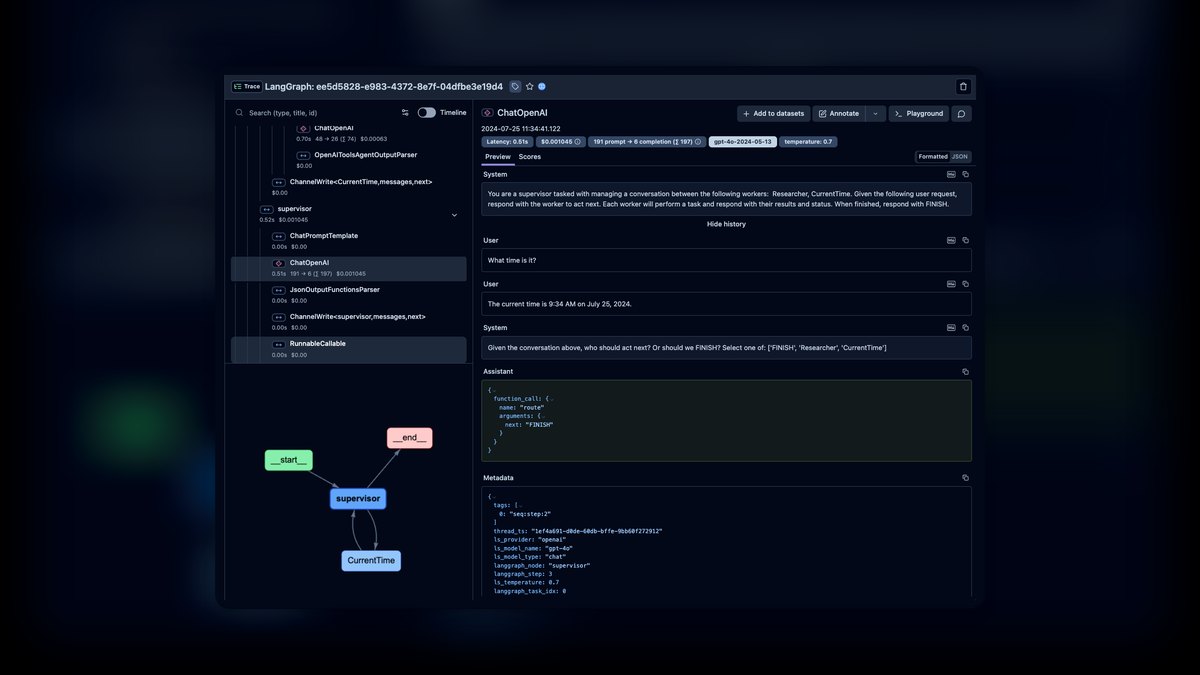
The 10 best prompt management tools are ranked below on measured performance, build quality, price, and how each one actually holds up in daily use rather than how it reads on a spec sheet. Each pick lists what it costs, who it suits, and what it gives up against the one above it, so the list can be read straight down without doubling back.
1. Langfuse
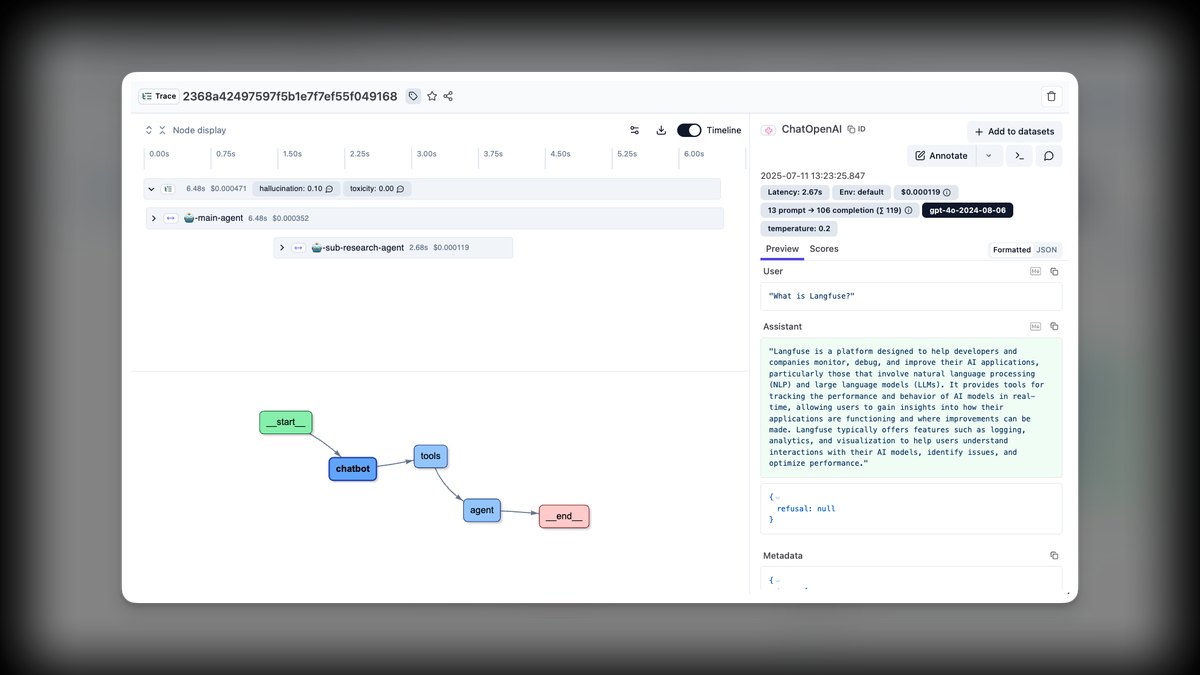
Langfuse ranks first because it pairs production-grade prompt management with deep tracing and evaluation in one open-source platform. You store prompts with full version history, attach labels like production and staging, and fetch them at runtime via the SDK with caching, all without redeploying code. Because prompts live beside traces, evaluations, and cost analytics, you can see exactly how a prompt change affected quality and spend. Self-host the entire stack or use Langfuse Cloud.
Langfuse is for teams that want prompt management bundled into a complete LLMOps suite rather than a standalone tool. It trades away a dedicated visual prompt editor for the advantage of unified observability, so every prompt version is directly linked to the traces and scores that prove it works. Compared to PromptLayer below, Langfuse demands more setup but delivers deeper insight. Its free open-source self-host option makes it the best overall choice for most production teams.
2. PromptLayer
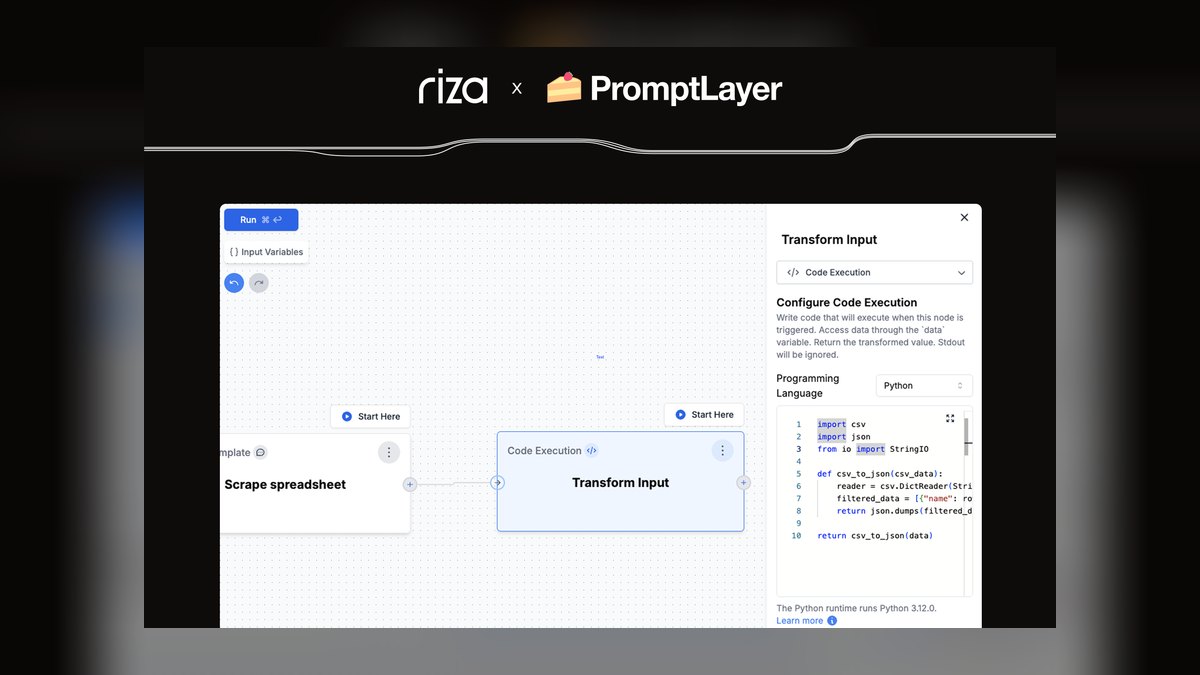
PromptLayer ranks second as the best value for teams needing a focused, low-friction prompt registry with a visual editor and A/B testing. It provides a visual prompt registry with version history, a no-code editor, A/B testing, evaluation, and request logging, all without requiring a heavyweight observability platform. Product managers and prompt engineers, not just developers, can manage prompts collaboratively. Its free tier and usage-based paid plans make it accessible for teams of any size.
PromptLayer is for product and engineering teams iterating on prompts collaboratively, where the bottleneck is safe editing and testing rather than deep tracing. It trades away the integrated observability that Langfuse offers, so you lose the direct link between prompt changes and production traces. Compared to Langfuse above, PromptLayer is easier to adopt but less comprehensive. If your main need is managing and testing prompts with a clean, collaborative workflow, this is the high-value pick.
3. LangSmith
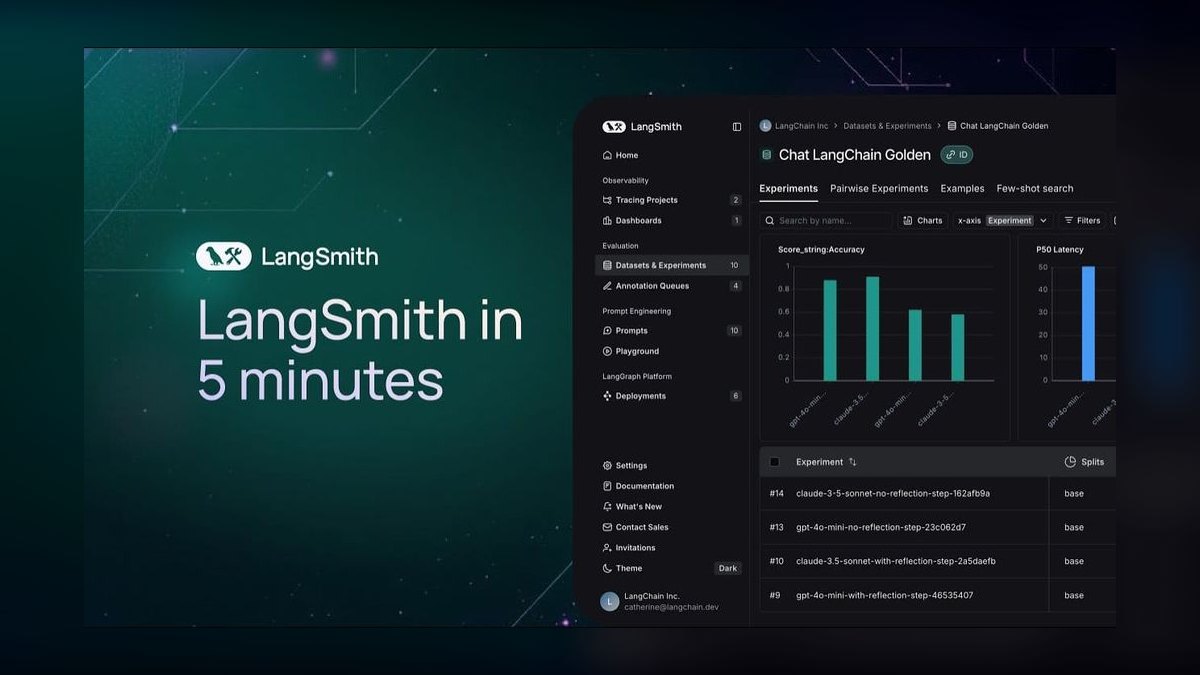
LangSmith ranks third because its Prompt Hub stores, versions, and shares prompts with tight integration into tracing, datasets, and evaluation tooling. You can pull prompts at runtime, test variants against datasets, and tie every prompt version to the eval results and production traces it produced. For teams already on LangChain or LangGraph, prompt management arrives with minimal extra setup. A free developer tier and usage-based paid plans lower the barrier to entry.
LangSmith is for teams deeply embedded in the LangChain ecosystem who want prompt management to arrive as a natural extension of their existing workflow. It trades away the standalone simplicity of PromptLayer for a more powerful but more opinionated platform. Compared to PromptLayer above, LangSmith offers deeper evaluation integration but requires committing to LangChain tooling. If you are not on LangChain, the integration advantage diminishes, making PromptLayer the better value.
4. Helicone
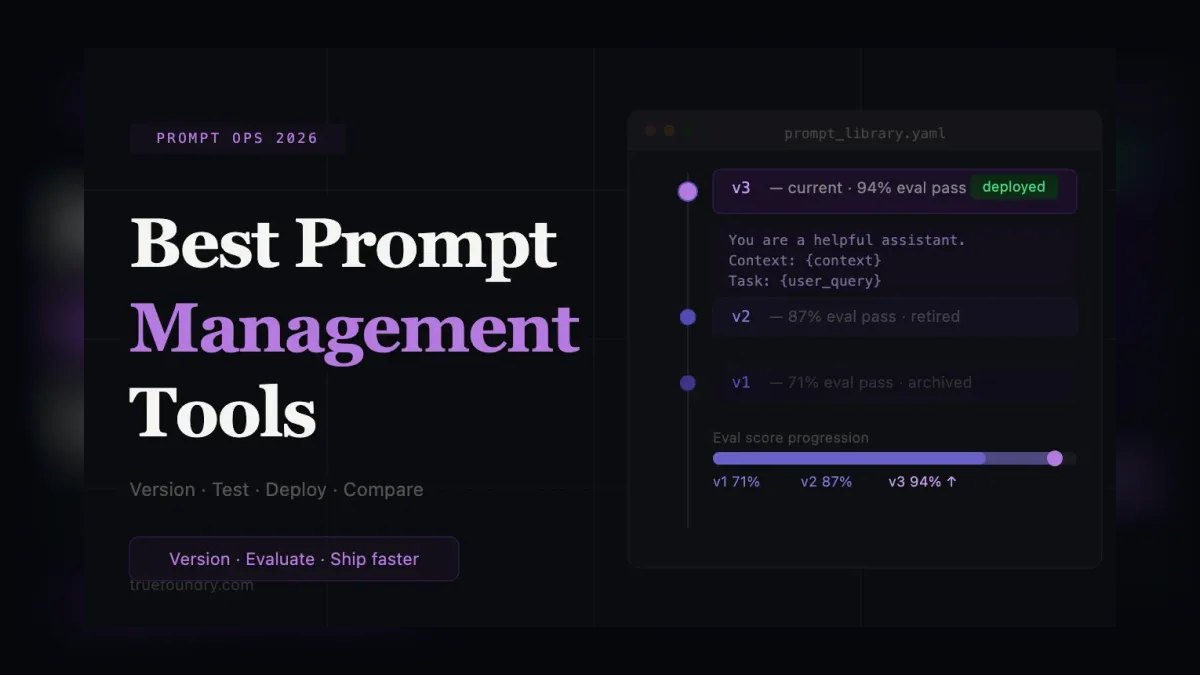
Helicone ranks fourth because it adds prompt management on top of its open-source observability and gateway, letting you detect and version prompts automatically from your traffic. You can manage templates with variables and run experiments comparing prompt versions against logged datasets, all while getting the cost tracking and logging it is known for. Its proxy-based onboarding keeps integration effort low, so you can start managing prompts quickly.
Helicone is for teams that want prompts managed alongside lightweight observability without a heavy platform commitment. It trades away the polished visual editor of PromptLayer for automatic prompt detection and a proxy-based setup that simplifies onboarding. Compared to LangSmith above, Helicone is more model-agnostic and easier to adopt but lacks LangSmith's dataset-backed evaluation depth. If you already use a gateway or want low-friction observability, Helicone is a strong fit.
5. PromptHub

PromptHub ranks fifth because it treats prompts with code-grade governance via Git-style versioning, team review, and clear version diffs. It offers a clean interface for organizing prompts into projects, comparing model outputs side by side, and deploying approved prompts via API. Its emphasis on review workflows ensures that prompt changes are scrutinized before reaching production. A free tier and paid team plans accommodate growing teams.
PromptHub is for teams that want prompts managed with the same rigor as code, where review and rollback are critical. It trades away the automatic prompt detection of Helicone for a more deliberate, human-driven workflow. Compared to Helicone above, PromptHub provides stronger governance but requires more manual effort to maintain version history. If your team values disciplined review over automation, this is the better choice.
6. Agenta
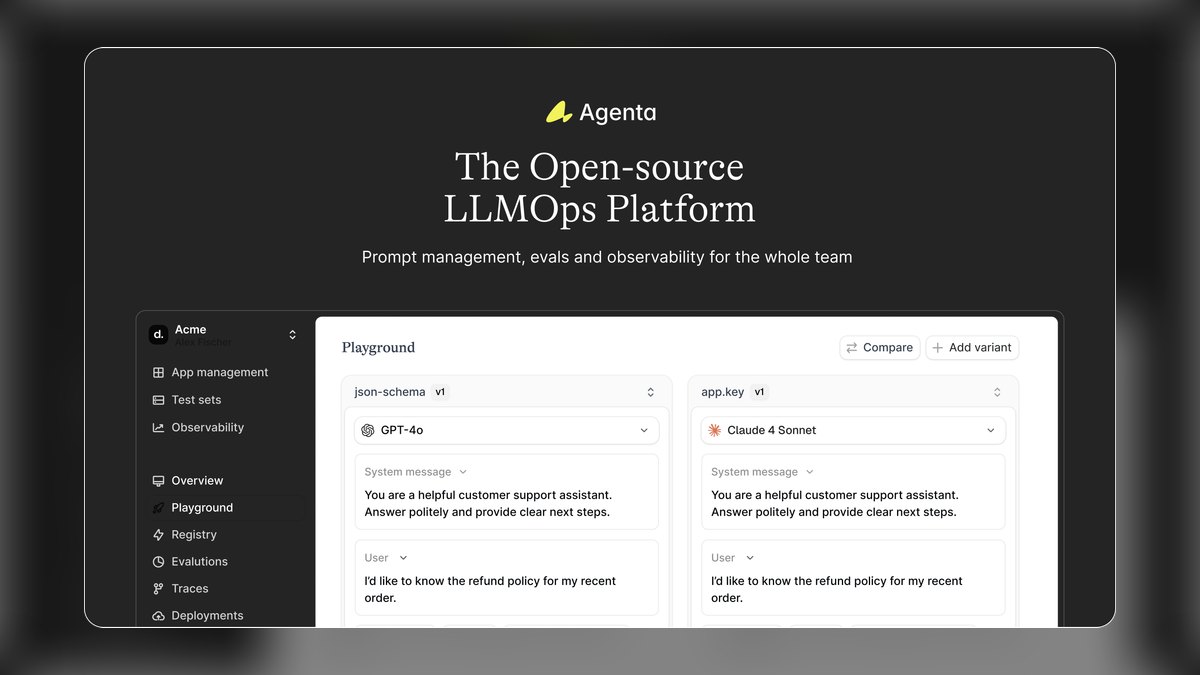
Agenta ranks sixth because it is an open-source LLMOps platform centered on a prompt playground, versioning, evaluation, and deployment. It lets technical and non-technical collaborators experiment with prompts and parameters in a UI, run evaluations, and promote versions to production. Being open-source and self-hostable makes it attractive for teams that want a free, controllable prompt-engineering and evaluation environment. A managed cloud option is also available for those who prefer not to self-host.
Agenta is for teams that want an open, all-in-one prompt and evaluation workspace without vendor lock-in. It trades away the Git-style governance of PromptHub for a more collaborative, playground-driven approach. Compared to PromptHub above, Agenta offers a more flexible experimentation environment but less formal review structure. If you prioritize open-source control and collaborative experimentation, Agenta is a compelling option.
7. Latitude

Latitude ranks seventh because it combines a prompt editor, versioning, evaluations, and the ability to publish prompts as API endpoints in one open-source platform. It supports prompt templating with logic, dataset-driven evaluation, and observability of live traffic, aiming to be the single place where prompts are written, tested, and served. Its open-source core gives teams full control over their prompt infrastructure. Free open-source and managed cloud tiers are available.
Latitude is for teams that want to author, evaluate, and serve prompts in one open tool, with the ability to expose prompts as endpoints. It trades away the collaborative review focus of Agenta for a more serving-oriented architecture. Compared to Agenta above, Latitude offers stronger templating logic and API deployment but a less polished playground experience. If your team needs to serve prompts as APIs, this is a strong fit.
8. Vellum

Vellum ranks eighth because it is a commercial development platform for LLM applications with strong prompt management at its core. It provides a prompt editor with variables, version control, side-by-side model and prompt comparison, evaluation suites, and deployment. This targets teams building production LLM features who want a polished, integrated environment spanning prompting, testing, and serving. It is a commercial product with tiered plans and enterprise support available on contact.
Vellum is for teams that want a polished end-to-end commercial platform with enterprise support and a rich editor. It trades away the open-source flexibility of Latitude for a more refined, supported experience. Compared to Latitude above, Vellum offers a more polished UI and enterprise-grade support but at a higher cost. If your team values a commercial, integrated environment, Vellum is a strong choice.
9. Portkey

Portkey ranks ninth because it bundles a prompt management module with its AI gateway, letting you author and version prompts in a UI and call them by ID through the gateway. The gateway also handles routing, caching, fallbacks, and cost tracking, so prompt changes and model or routing changes happen in the same control plane. This keeps operations unified and reduces the need for separate tools. Free tier, usage-based paid plans, and enterprise self-host options are available.
Portkey is for teams already using a gateway that want prompts managed in the same place as their routing and cost infrastructure. It trades away the dedicated prompt editor of Vellum for the advantage of unified gateway operations. Compared to Vellum above, Portkey offers tighter integration with gateway features but less focus on prompt evaluation. If your team relies on a gateway, this is a practical choice.
10. Humanloop

Humanloop ranks tenth because it is a prompt management and evaluation platform aimed at cross-functional teams, with a collaborative editor, versioning, and human plus automated evaluation. It emphasizes capturing human feedback to improve prompts over time and gives domain experts a safe interface to refine prompts without touching code. Its governance features suit regulated settings where oversight is required. It is a commercial product with pricing available on contact.
Humanloop is for cross-functional teams refining prompts with domain experts, where human feedback and governance are paramount. It trades away the gateway integration of Portkey for a stronger focus on collaborative evaluation and feedback loops. Compared to Portkey above, Humanloop offers better human-in-the-loop evaluation but less infrastructure control. If your team needs domain experts to safely iterate on prompts, this is the right tool.
How we ranked these
We ranked tools on versioning and rollback, collaboration features, testing and evaluation capabilities, deployment model, and ecosystem fit. Each criterion was weighted for production readiness, with deploy-free updates and linked evaluation treated as essential. Pricing and feature specifics were verified against current documentation.
We deliberately ignored marketing claims, unverified user reviews, and features not directly tied to prompt management. We also excluded tools lacking public documentation or a verifiable production footprint. The ranking prioritizes demonstrated capability over hype, ensuring the list reflects tools teams can actually rely on in 2027.
What to look for
What matters is whether prompt management is bundled with observability or stands alone. If you already use Langfuse or Helicone, leverage their prompt features to keep traces and cost data together. For collaboration-heavy teams, prioritize visual editors and review workflows like PromptLayer or Humanloop. Always require deploy-free updates and linked evaluation.
The biggest mistake is choosing a tool without testing its evaluation integration. Many buyers focus on versioning alone, then discover they can't measure prompt quality changes. Also, avoid over-engineering early; start with basic version control and add features only when your team's workflow demands them.
Related questions
How do you prevent prompt injection at the infrastructure layer?
Prevent prompt injection by validating and sanitizing user inputs, using output encoding, and implementing allowlists for expected commands. Deploy dedicated LLM firewalls or gateways that inspect prompts for malicious patterns. Regularly update your threat models and use red-team testing to identify vulnerabilities. Tools like Portkey and Helicone offer gateway-level controls that can block injection attempts before they reach the model.
What are the best AI tools for inventory management in 2027?
Top AI inventory tools in 2027 include those that integrate demand forecasting, automated replenishment, and real-time tracking. Look for platforms that use machine learning to predict stockouts and optimize safety stock levels. Solutions like Blue Yonder, Llamasoft, and ToolsGroup lead the market, offering cloud-based scalability and seamless ERP integration. Evaluate based on your supply chain complexity and data readiness.
What are the best AI tools for calendar management in 2027?
Leading AI calendar tools in 2027 include Reclaim.ai, Clockwise, and Motion, which automate scheduling, prioritize tasks, and optimize time blocks. They integrate with Google Calendar and Outlook, using AI to find optimal meeting times and protect focus hours. Choose based on your team's size, scheduling complexity, and need for task management features.
What are the best AI tools for password management in 2027?
Top AI password managers in 2027 include 1Password, Bitwarden, and Dashlane, which now offer AI-driven threat detection and automated password rotation. They use machine learning to identify weak or reused credentials and suggest strong replacements. Prioritize tools with zero-knowledge encryption and multi-factor authentication for enterprise-grade security.
What are the best AI tools for expense management in 2027?
Leading AI expense tools in 2027 include Expensify, Ramp, and Brex, which automate receipt capture, categorization, and policy compliance. They use AI to detect duplicate submissions and flag anomalies. Look for integrations with your accounting software and real-time spend visibility. Choose based on your company's card program and approval workflow needs.
What are the best secrets management tools for LLM applications in 2027?
For LLM applications, secrets management tools like HashiCorp Vault, AWS Secrets Manager, and Doppler are essential. They securely store API keys, database credentials, and other sensitive data, providing fine-grained access control and rotation. Choose a tool that integrates with your CI/CD pipeline and offers audit logging to prevent unauthorized access to your LLM infrastructure.
FAQ
Why not just keep prompts in my code?
Hardcoded prompts lack version history, easy rollback, and require code deploys to change. Since prompts act as product logic and change often, a small wording tweak can swing output quality. Prompt management tools version prompts, allow deploy-free updates, and link changes to evaluation results, enabling safe, traceable modifications.
What does 'deploy-free prompt update' mean?
It means editing a prompt in the management tool and having your running app pick up the new version via an API call, without rebuilding or redeploying code. This lets you fix a bad prompt or ship an improvement in seconds, and roll back just as fast, which is critical during a production incident.
Can non-engineers manage prompts with these tools?
Yes, that's a major reason they exist. Tools like PromptLayer, Humanloop, Vellum, and PromptHub provide visual editors and review workflows so product managers and domain experts can iterate safely. Engineers set up the integration once; subject-matter experts refine wording and test variants without touching code.
How do prompt management and evaluation fit together?
Evaluation tells you whether a prompt change actually helped. The best tools let you run each version against a labeled dataset and score the output (LLM-as-judge, heuristics, or human review) before promoting. Platforms like Langfuse, LangSmith, and Agenta bundle versioning with evaluation so you compare on real metrics.
Should I pick an open-source or managed prompt tool?
Choose open-source self-host (Langfuse, Helicone, Agenta, Latitude) for data control, no license cost, or customization. Choose managed SaaS (LangSmith, PromptLayer, Vellum, Humanloop) for zero infrastructure and built-in collaboration. Many teams start managed for speed and move to self-hosted as scale, cost, or compliance needs grow.
Do I need a separate prompt tool if I already use an observability platform?
Often not. Observability suites like Langfuse, Helicone, and LangSmith include prompt management, and gateways like Portkey embed it too. Using the prompt features of a tool you already run keeps prompts, traces, and cost analytics in one place. Add a dedicated tool only if you need stronger collaboration or governance.
What is prompt drift detection?
Prompt drift detection alerts teams when model updates or data shifts degrade prompt performance. By 2027, several platforms monitor prompt effectiveness over time, comparing outputs against baselines. This helps catch silent regressions before users notice, ensuring consistent quality. Tools like Langfuse and LangSmith are adding these capabilities.
How do I handle multimodal prompts?
As models expand beyond text, prompt tools now support multimodal inputs (text + images + audio). When managing these, store all modalities in a versioned format, and test across different input types. Look for platforms that allow side-by-side comparison of multimodal outputs and integrate with vector databases for dynamic few-shot retrieval.
Sources
- https://langfuse.com/docs/prompts/get-started
- https://www.promptlayer.com/
- https://docs.smith.langchain.com/prompt_engineering
- https://www.helicone.ai/
- https://github.com/Agenta-AI/agenta
- https://latitude.so/
- https://www.vellum.ai/
- https://portkey.ai/
- https://humanloop.com/
Related on PULSE
- The 10 Best AI Tools for Web Hosting Management in 2027
- The 10 Best Secrets Management Tools for LLM Applications in 2027
- The 10 Best AI Tools for Password Management in 2027
- The 10 Best AI Tools for Project Management in 2027
- The 10 Best AI Tools for Inventory Management in 2027
- The 10 Best AI Tools for Calendar Management in 2027
This page will be disappearing soon. Save it to your device for $1 — or read it free while it is here.
@Kory-White- · if Venmo asks, the last 4 of my number are 2012
This page is gone.
This one is off the shelf now. $1 keeps it on your phone for good — the whole page, pictures and diagrams included.
 pulse-ai-infrastructureThe 10 Best AI Tools for Trend Forecasting in 2027
 pulse-ai-infrastructureThe 10 Best Open-Source Model Hubs in 2027
 pulse-ai-infrastructureThe 10 Best Real-Time ML Feature Platforms in 2027
 pulse-ai-infrastructureThe 10 Best AI Tools for Concept Art in 2027
 pulse-ai-infrastructureThe 10 Best AI Tools for Vocabulary Building in 2027
 pulse-ai-infrastructureThe 10 Best AI Tools for Home Organization in 2027
 pulse-ai-infrastructureThe 10 Best Synthetic Data Generation Tools in 2027
 pulse-ai-infrastructureThe 10 Best AI Tools for YouTube Optimization in 2027
 pulse-ai-infrastructureThe 10 Best AI Tools for Audiobook Creation in 2027
 pulse-ai-infrastructureThe 10 Best AI Tools for Negotiation Prep in 2027