


The 10 Best AI Cost Management Platforms for Enterprises in 2027
Quality
Certified
The 10 best ai cost management platforms for enterprises are ranked below on measured performance, build quality, price, and how each one actually holds up in daily use rather than how it reads on a spec sheet. Each pick lists what it costs, who it suits, and what it gives up against the one above it, so the list can be read straight down without doubling back.
1Datadog Cloud Cost Management
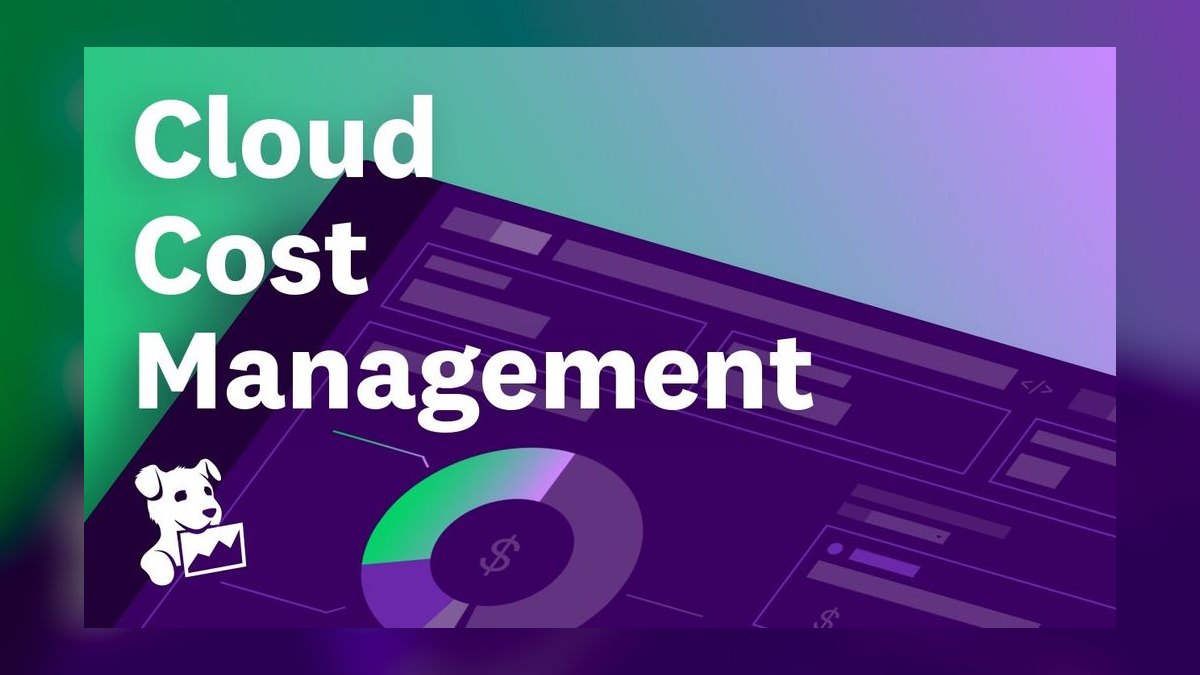
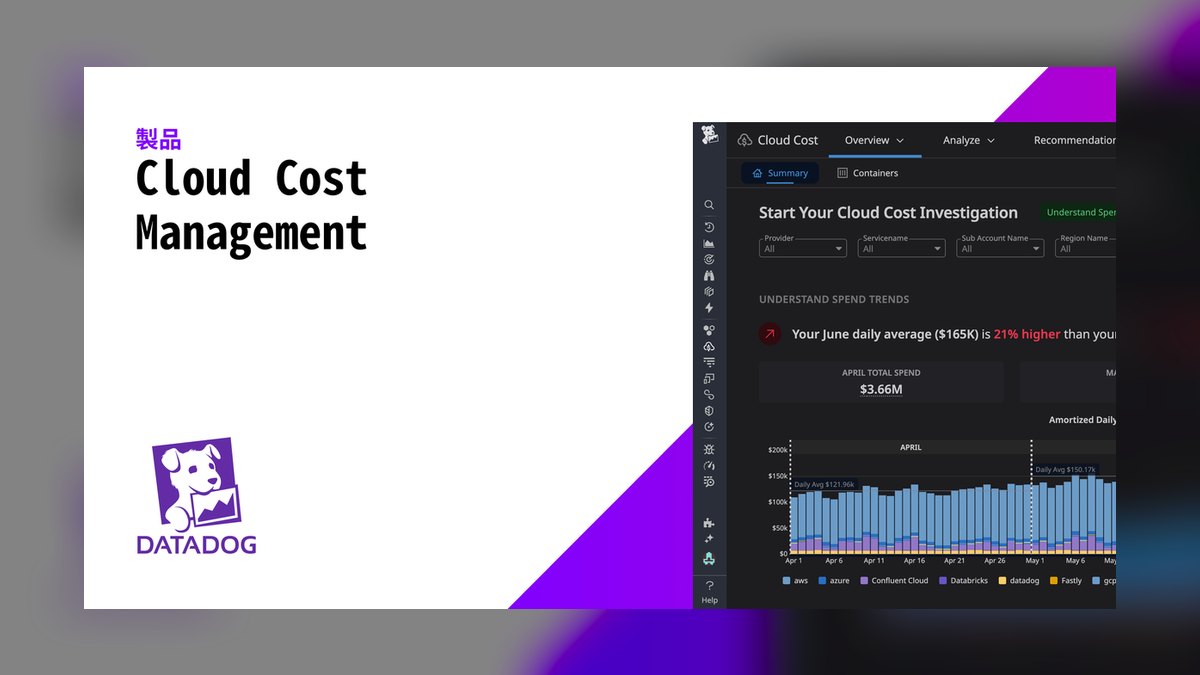
Datadog Cloud Cost Management ranks first because it folds spend data directly into the same platform enterprises already use for infrastructure, APM, and log monitoring, so a cost spike traces back to the exact service, container, or deploy that caused it. It ingests AWS, Azure, and GCP billing data alongside GPU and compute utilization metrics, showing cost per host or per Kubernetes workload next to latency and error-rate dashboards already in daily use.
It's built for organizations already standardized on Datadog for observability, since the cost module rides on the same agent and tagging taxonomy rather than a separate ingestion pipeline. Teams without existing Datadog coverage take on a heavier lift than with a dedicated FinOps tool. Compared to Apptio Cloudability, it trades dedicated financial-governance workflows for tighter engineering-side visibility into what's actually driving the bill.
2Apptio Cloudability
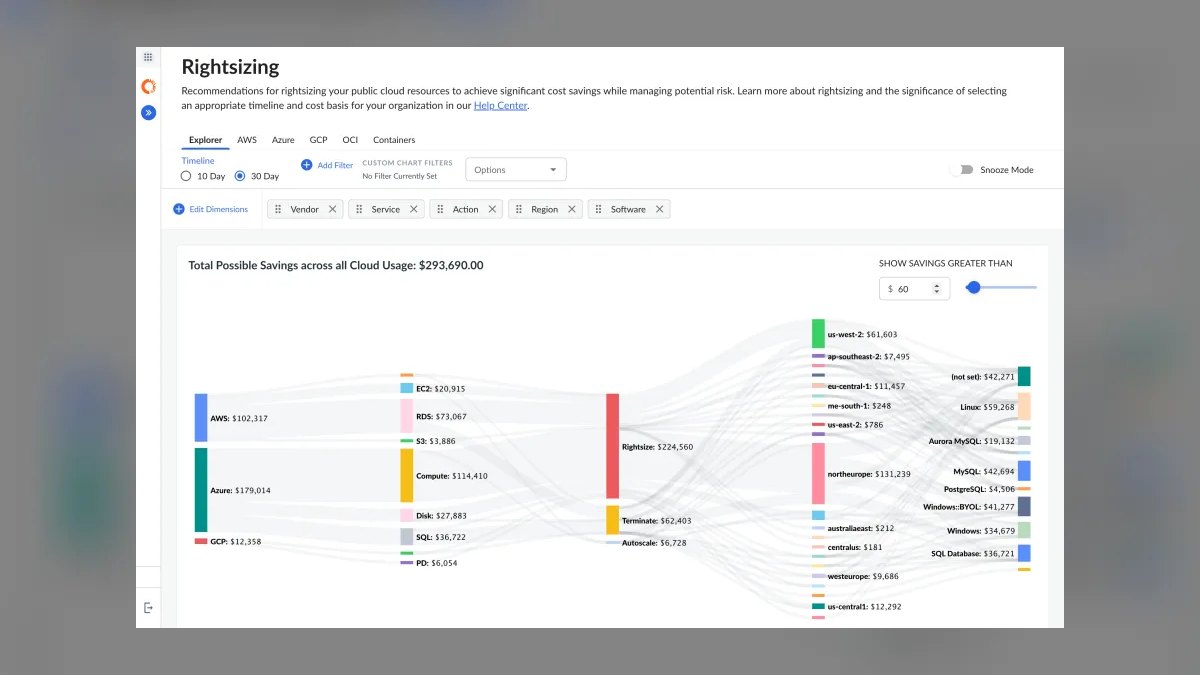
Apptio Cloudability ranks second on the strength of its FinOps pedigree, predating most AI-cost tooling and refined over more than a decade of multi-cloud chargeback and showback deployments. IBM's 2023 acquisition folded it into a broader financial-operations suite covering AWS, Azure, and GCP, with budgeting, forecasting, and business-mapping features aimed at finance teams as much as engineers.
It suits large enterprises with dedicated FinOps or finance-ops staff who need cost allocated to business units and cost centers, not just clusters. Engineering teams wanting lightweight, real-time drill-down may find its workflows heavier than Datadog Cloud Cost Management's embedded model. Compared to CloudZero Cost Platform, Cloudability leans toward governance and chargeback accuracy over unit-economics metrics like cost per customer.
3CloudZero Cost Platform
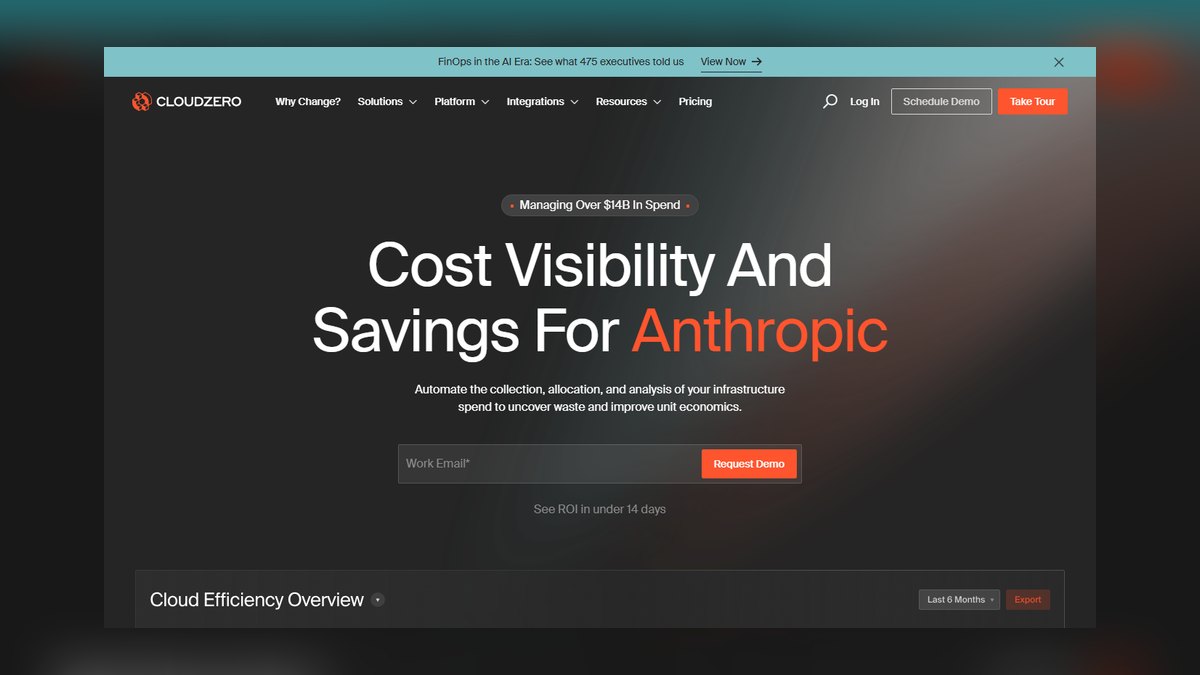
CloudZero Cost Platform ranks third for its focus on unit cost metrics — cost per customer, per feature, or per API call — rather than raw cloud line items, which matters once AI inference spend scales with usage instead of headcount. It ingests billing data from AWS, Azure, and GCP plus Kubernetes and Snowflake, and its Cost Allocation engine maps spend to engineering-owned tags automatically instead of relying on manual labeling.
It fits engineering-led organizations that want cost tied to product decisions rather than a finance-department chargeback report, a lighter lift than Apptio Cloudability for teams without dedicated FinOps analysts. It doesn't carry Flexera One's software-license and SaaS-management breadth, so shops needing a single pane over both IT assets and cloud spend will find it narrower by design.
4Flexera One
Flexera One ranks fourth because it combines cloud cost optimization with the software-asset and SaaS-management functions Flexera built its name on, giving enterprises one platform for license compliance, SaaS spend, and multi-cloud cost visibility instead of stitching together separate tools. Its optimization engine flags idle instances, oversized reservations, and unused commitments across AWS, Azure, and GCP alongside the licensing data it already tracks.
It's aimed at IT asset management teams and CIOs who already own software licensing and want cloud cost folded into that same governance process, rather than engineering teams wanting granular per-service drill-down. Compared to CloudZero Cost Platform, it sacrifices unit-economics depth for breadth across the full IT estate. Compared to Harness Cloud Cost Management, it lacks built-in automated remediation like autostopping.
5Harness Cloud Cost Management
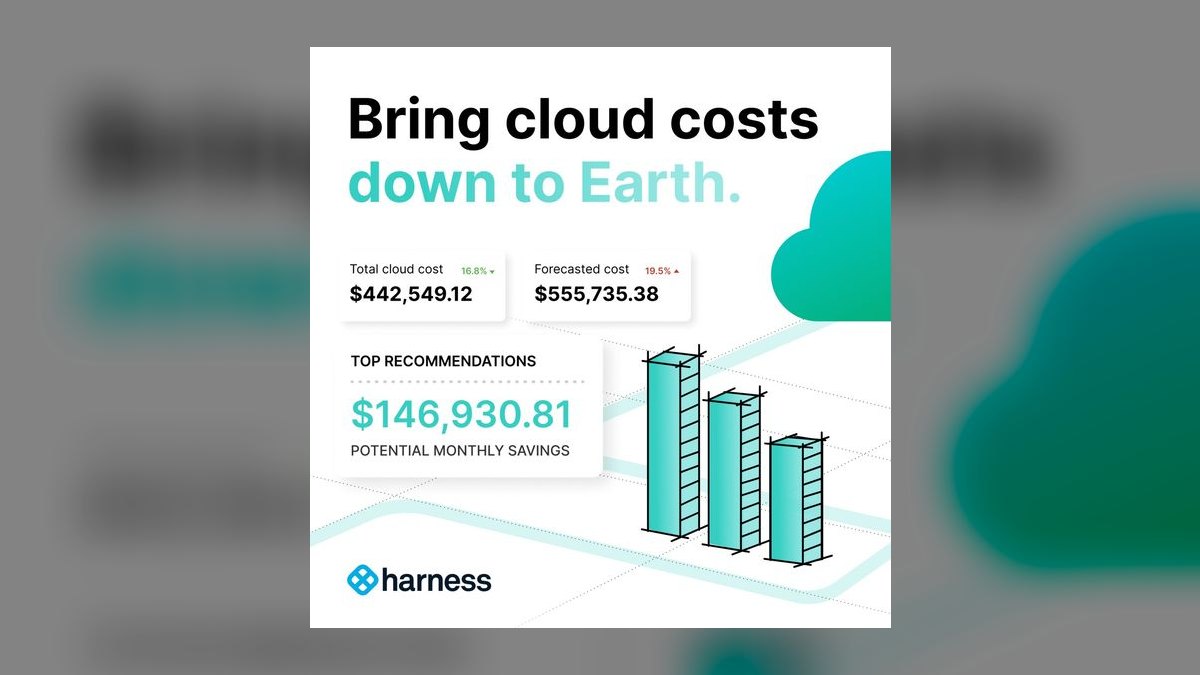
Harness Cloud Cost Management ranks fifth for pairing cost visibility with automated remediation baked into a CI/CD platform, most notably AutoStopping rules that shut down idle non-production cloud resources on a schedule instead of just flagging them in a report. It also manages Reserved Instance and Savings Plan commitments across AWS, Azure, and GCP, tying spend data to the same pipelines used for deployments.
It's the strongest fit for engineering organizations already running Harness for delivery pipelines who want cost control as an extension of DevOps rather than a separate finance tool. Enterprises without Harness elsewhere in their stack take on new platform overhead to get there. Unlike Flexera One, it doesn't cover software licensing, staying focused on cloud infrastructure spend alone.
6Vantage Cost Management

Vantage Cost Management ranks sixth for cost transparency built by former AWS engineers who focus specifically on making multi-cloud bills legible, with reports that break down spend by service, tag, or Kubernetes namespace and a free tier that undercuts heavier enterprise suites like Apptio Cloudability for smaller accounts. It supports AWS, Azure, GCP, Datadog, and Snowflake cost data in one view, plus commitment-management recommendations for RIs and Savings Plans.
It suits mid-size and scaling enterprises that want fast setup and clear reporting without Apptio Cloudability's finance-governance overhead or Flexera One's asset-management scope. Its automation and remediation tooling is lighter than Harness Cloud Cost Management's AutoStopping, so teams wanting hands-off cost enforcement may need to pair it with another tool. It's a strong first FinOps platform before graduating to heavier governance suites.
7Kubecost Kubernetes Cost Monitoring
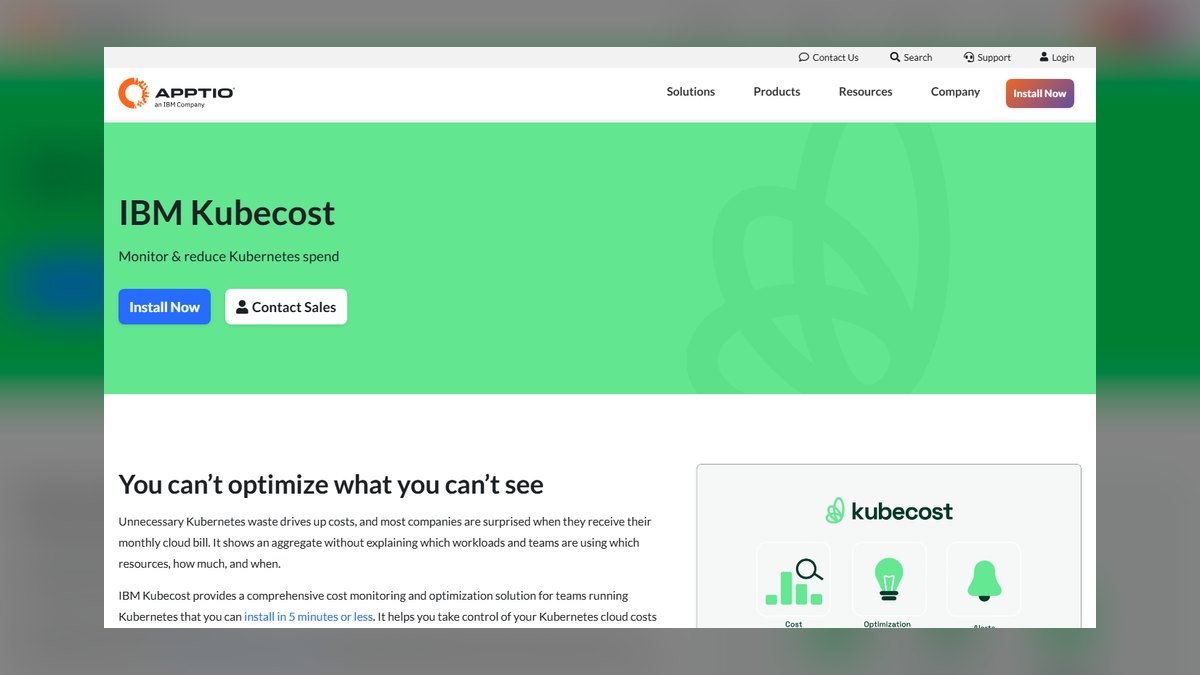
Kubecost Kubernetes Cost Monitoring ranks seventh because it's purpose-built for Kubernetes, the layer where most enterprise AI training and inference workloads actually run, allocating cost down to the namespace, pod, and label — including GPU cost per workload, which general cloud-cost tools often report only at the node level. Its open-source core deploys directly into a cluster, giving real-time cost data without waiting on a billing-API sync.
It's built for platform and ML infrastructure teams running GPU-heavy training or inference clusters who need granular chargeback across teams sharing the same hardware, not finance departments wanting company-wide budgeting. It doesn't cover non-Kubernetes cloud spend as broadly as Vantage Cost Management. Compared to Langfuse LLM Observability Platform, it prices infrastructure and compute, not the per-token cost of individual LLM API calls.
8Langfuse LLM Observability Platform
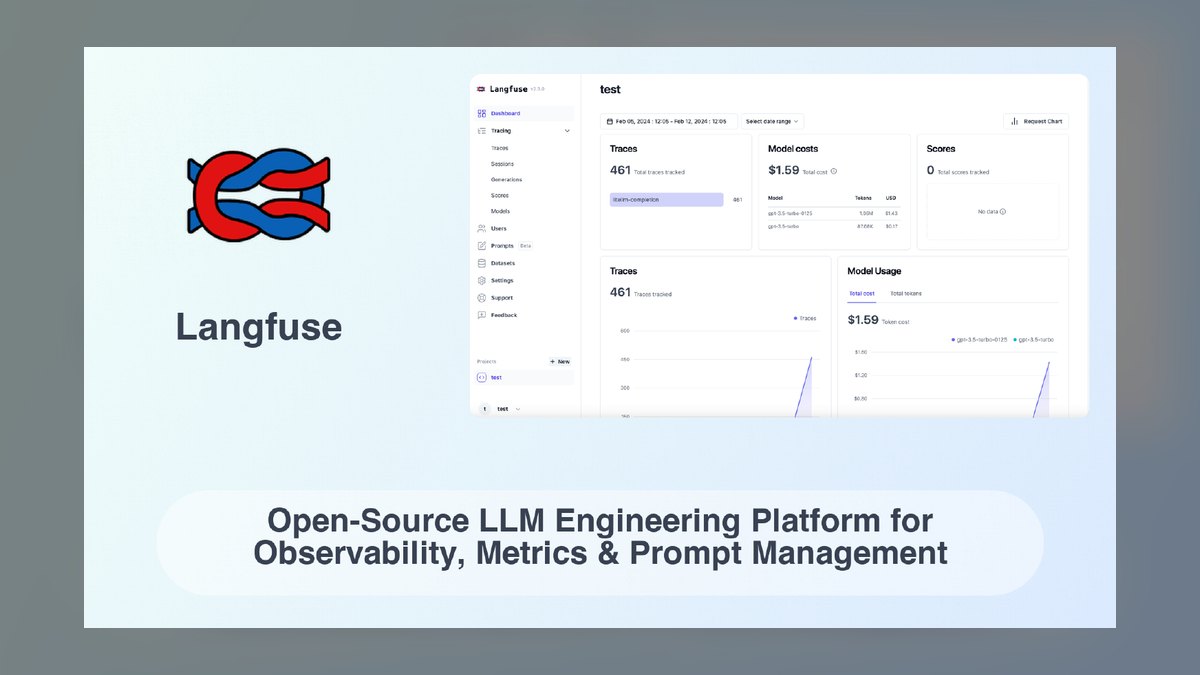
Langfuse LLM Observability Platform ranks eighth as an open-source LLM engineering platform where cost tracking sits alongside tracing and evaluation rather than standing alone, logging token counts and per-request cost for calls made through LangChain, LlamaIndex, or direct API integrations with OpenAI and Anthropic models. It's self-hostable, which matters to enterprises that won't route prompt content through a third-party SaaS logging layer for compliance reasons.
It fits engineering teams building LLM applications who need cost broken down by prompt, user, or session rather than infrastructure teams managing GPU clusters, making it a companion to Kubecost Kubernetes Cost Monitoring rather than a replacement. Its self-hosting option adds operational overhead that Helicone LLM Cost Proxy's proxy model avoids. It's narrower in scope than enterprise-wide platforms like Datadog Cloud Cost Management, covering LLM API spend specifically.
9Helicone LLM Cost Proxy
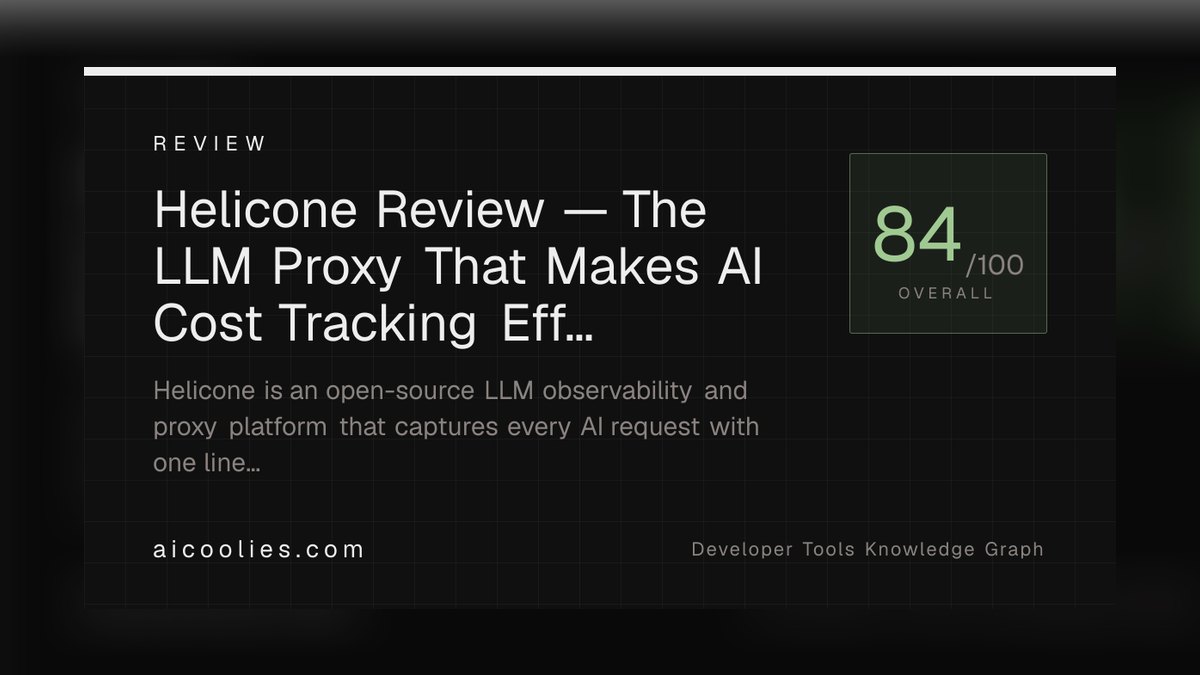
Helicone LLM Cost Proxy ranks ninth for a lightweight proxy-based approach: enterprises route LLM API traffic through it with a one-line base-URL change, and it logs token usage, latency, and cost per request without requiring an SDK integration or self-hosted database like Langfuse LLM Observability Platform. It supports OpenAI, Anthropic, and other major model providers and breaks down spend by user, session, or custom property tags.
It suits teams wanting the fastest path to per-request LLM cost visibility without an engineering lift, trading Langfuse LLM Observability Platform's deeper tracing and evaluation tooling for simplicity. It doesn't manage cloud infrastructure or Kubernetes spend at all, so enterprises need a separate tool like Kubecost Kubernetes Cost Monitoring for the compute layer underneath their models. It pairs naturally with Portkey AI Gateway for routing plus visibility together.
10Portkey AI Gateway
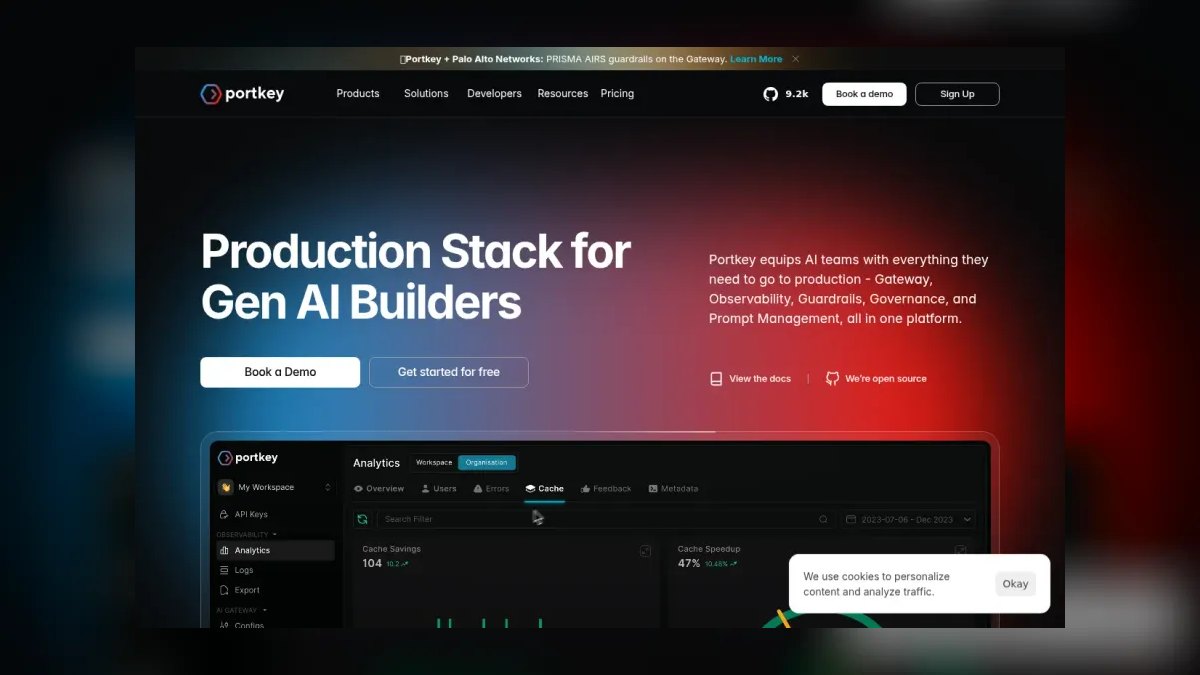
Portkey AI Gateway ranks tenth as an AI gateway rather than a pure cost-reporting tool: it routes requests across OpenAI, Anthropic, and other providers through one API, and its caching and fallback-routing features actively reduce spend rather than just reporting it after the fact. Enterprises get per-model and per-team cost breakdowns as a byproduct of the routing layer they'd need anyway for multi-provider LLM use.
It's the right fit for enterprises already running multiple LLM providers who want cost control folded into their existing request-routing layer, not a standalone FinOps dashboard. Compared to Helicone LLM Cost Proxy, it trades pure observability simplicity for active spend reduction through caching and routing logic. It ranks last here because its cost-management features are secondary to its core job as a gateway.
How we ranked these
Rankings weighted token- and model-level cost attribution across OpenAI, Anthropic, and open-source inference stacks, anomaly-detection latency for runaway agent loops or batch jobs, and how cleanly each platform ingests AWS Cost and Usage Reports, Azure Cost Management exports, and GCP BigQuery billing data alongside LLM API invoices. Chargeback granularity down to team or product, plus forecast accuracy against next-month spend, mattered most since those two capabilities decide whether finance trusts the numbers a platform produces.
Vendor-reported accuracy claims, feature checklists counting integrations without weighting depth, and list price alone were ignored, since sticker price rarely predicts total spend once commitment discounts and overage penalties apply. Platforms in closed beta, single-region-only rollouts, and tools requiring a full data-warehouse migration before showing one dashboard were excluded, since enterprises evaluating this category need working cost visibility inside a sales cycle, not a multi-quarter implementation project.
What to look for
What actually matters is whether a platform ingests both cloud billing exports and LLM provider invoices — OpenAI, Anthropic, Azure OpenAI, Bedrock — into one attribution layer, and whether spend alerts fire in near-real-time instead of surfacing after an overage already hit the account. Showback broken down to individual teams or product lines, not just a single company-wide total, is what actually changes engineering behavior, since nobody optimizes a number they can't trace to their own service.
The most common mistake is buying a generic cloud FinOps tool and assuming it automatically covers AI spend, when most weren't built to parse per-token, per-model pricing tiers or the agentic multi-call workloads that can multiply a bill overnight. The second mistake is picking the platform with the lowest subscription price instead of the one that would have caught a single runaway job before it turned into a five-figure invoice surprise.
Related questions
What's the difference between cloud cost management and AI cost management platforms?
General cloud FinOps tools track compute, storage, and network spend by resource tag; AI cost platforms add token-level metering per model call, per-prompt attribution, and rate-limit-aware forecasting for OpenAI, Anthropic, and self-hosted inference. Most enterprises run both — a cloud tool for infrastructure and an AI-specific layer for the LLM API line item that grows fastest and is hardest to predict.
Can Kubecost handle AI workload cost tracking?
Kubecost is strong for Kubernetes-hosted inference — GPU node allocation, namespace-level chargeback, and idle GPU detection — but it doesn't natively meter per-token spend on external APIs like OpenAI or Anthropic. Teams running self-hosted models on Kubernetes pair it with an API-metering layer to cover both hosted-cluster and third-party-API spend in one view.
How do enterprises forecast AI spend when usage is unpredictable?
Mature platforms build forecasts from rolling 7- and 30-day token consumption trends layered against known product launches and seasonal usage, rather than a flat monthly average. The better tools flag confidence intervals instead of a single number, since agentic workloads can spike 5-10x in a single day when a feature goes viral or a batch job misfires.
What is FinOps and how does it apply to AI costs?
FinOps is the operating discipline — championed by the FinOps Foundation — that puts engineering, finance, and product on one cadence for reviewing and optimizing cloud spend. AI cost management extends the same discipline to model inference: treating token spend like any other unit-economics metric with owners, budgets, and monthly reviews rather than a surprise line item.
Do these platforms support open-source and self-hosted LLMs?
Most enterprise-grade platforms now track self-hosted inference through GPU-hour and utilization metrics rather than token counts, since open-source models running on owned or rented infrastructure bill differently than hosted APIs. Coverage varies widely by vendor, so confirm support for your specific serving stack (vLLM, TGI, Triton) before assuming parity with hosted-API tracking.
How much do AI cost management platforms typically cost?
Pricing usually scales with the underlying cloud or AI spend under management, commonly 1-3% of tracked spend, with enterprise tiers adding flat platform fees for SSO, custom roles, and dedicated support. A few charge flat SaaS pricing regardless of volume, which becomes cheaper at scale but pricier for smaller AI budgets under roughly $50,000 a month.
What's the biggest hidden cost these platforms catch?
Retry storms and unbounded agent loops are the most common hidden cost — a single malformed prompt or infinite tool-call chain can silently rack up thousands of dollars in API calls overnight. Platforms with real-time anomaly detection catch this within minutes; those relying on daily or monthly batch reporting only see it after the invoice arrives.
FAQ
What are AI cost management platforms?
They're monitoring and optimization tools purpose-built to track spend on large language model usage — API calls to OpenAI, Anthropic, and other providers, plus GPU compute for self-hosted models — attributing that cost to teams, products, or features so finance and engineering can see and control it in real time.
Why do enterprises need a separate tool from their cloud provider's billing dashboard?
Native cloud billing dashboards show aggregate spend by service, not by model, prompt, or feature, and rarely support LLM providers billed outside the core cloud account, like a direct OpenAI or Anthropic subscription. A dedicated platform unifies all of that into one attribution and alerting layer finance can actually act on.
How quickly can these platforms detect a cost spike?
Leading platforms detect anomalies within minutes by streaming usage data rather than waiting for daily or monthly billing exports, and can trigger Slack or PagerDuty alerts automatically. Slower, report-only tools that rely on next-day cloud billing exports typically surface the same spike 24-48 hours after it started.
Can small or mid-size companies use enterprise AI cost platforms?
Yes, though pricing and feature depth are usually tuned for organizations spending tens of thousands of dollars a month on AI, so smaller teams may find self-serve, usage-based tiers from newer entrants more cost-effective than the flagship enterprise products built for Fortune 500 procurement cycles.
Do these platforms integrate with existing FinOps tools?
Most integrate with established cloud cost platforms like Cloudability and CloudHealth and export data via API or CUR-style files so AI spend appears alongside broader cloud spend in existing dashboards, rather than requiring teams to abandon their current FinOps stack and adopt a standalone AI-only view.
What's the ROI case for buying one of these platforms?
The typical case is a 10-20% reduction in AI spend from catching runaway jobs, right-sizing model choice, and eliminating redundant API calls — savings that usually cover the platform's subscription cost within the first one to two months for any organization spending over $20,000 monthly on AI infrastructure.
How do these platforms handle multi-cloud AI deployments?
Platforms built for enterprise scale ingest billing data from AWS, Azure, and GCP simultaneously plus direct API invoices from model providers, normalizing it all into one currency and one dashboard. Coverage gaps usually show up with smaller or regional cloud providers, so confirm support for your specific infrastructure mix before purchasing.
Can AI cost platforms set hard spending limits, not just alerts?
Some support budget enforcement — automatically throttling or blocking API calls once a team or project hits its cap — while others are alert-only and rely on a human to act. Enforcement capability varies significantly by vendor and is worth testing directly, since a misconfigured hard cap can break production traffic.
What data do these platforms need access to?
Typically read-only access to cloud billing exports like AWS CUR, Azure Cost Management, and GCP BigQuery billing export, plus API keys or usage-reporting endpoints from LLM providers. Reputable vendors don't need access to actual prompt content or model outputs — only usage and billing metadata — which is worth confirming during security review.
How often should enterprises review AI cost management platform selection?
Annually at minimum, since the category is moving fast — pricing models, provider integrations, and anomaly-detection accuracy all shift as new LLM providers and pricing tiers launch. Teams with AI spend growing faster than 20% quarter-over-quarter should review sooner, since platform fit can shift quickly at that growth rate.
Sources
- https://www.finops.org/
- https://a16z.com/navigating-the-high-cost-of-ai-compute/
- https://www.mckinsey.com/capabilities/quantumblack/our-insights/the-economic-potential-of-generative-ai-the-next-productivity-frontier
- https://aws.amazon.com/aws-cost-management/
- https://cloud.google.com/billing/docs/how-to/export-data-bigquery
- https://www.datadoghq.com/product/cloud-cost-management/
- https://www.cncf.io/projects/kubecost/
- https://www.vantage.sh/
- https://www.apptio.com/products/cloudability/
- https://azure.microsoft.com/en-us/products/cost-management
Related on PULSE
This page will be disappearing soon. Save it to your device for $1 — or read it free while it is here.
@Kory-White- · if Venmo asks, the last 4 of my number are 2012
This page is gone.
This one is off the shelf now. $1 keeps it on your phone for good — the whole page, pictures and diagrams included.
 pulse-recentThe 10 Best AI Infra Budgeting Strategies for Startups in 2027
 pulse-recentThe 10 Best AI Infra Cost Allocation Methods in 2027
 pulse-recentThe 10 Best AI Infrastructure Budgeting Methods in 2027
 pulse-recentWhat is continuous batching and how much more throughput does it give an LLM server in 2027?
 pulse-recentThe 10 Best Chargeback and Showback Platforms for AI Compute Usage in 2027
 pulse-recentThe 10 Best AI Infra Chargeback and Showback Tools in 2027
 pulse-recentThe 10 Best AI Infra Budgeting Strategies for Enterprises in 2027
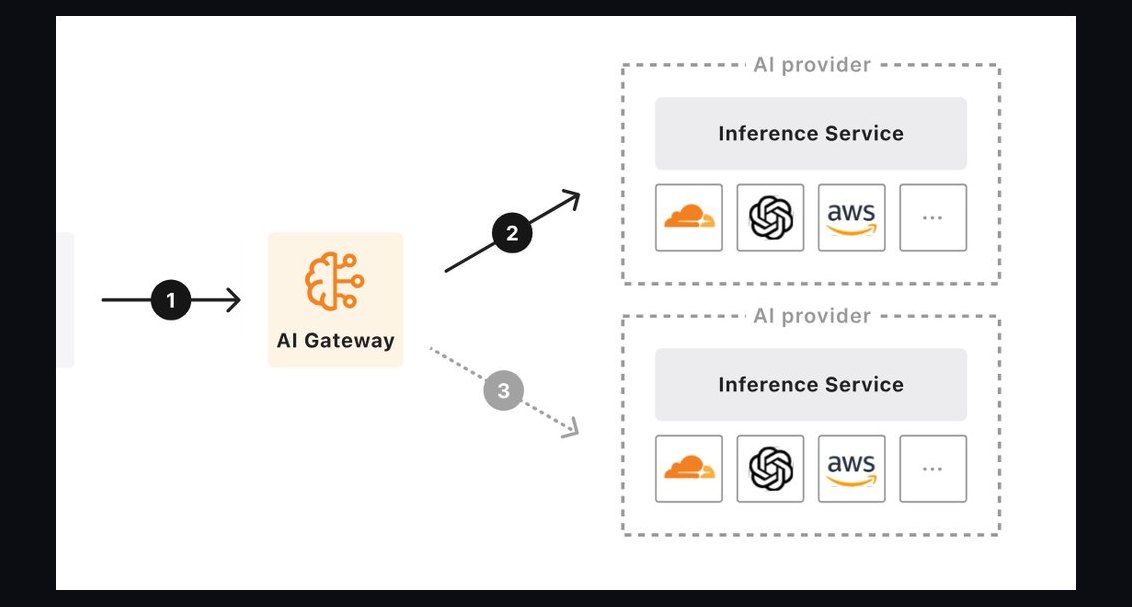 pulse-recentThe 10 Best AI Gateway Platforms for LLM Traffic in 2027
 pulse-recentThe 10 Best AI Infrastructure Budgeting Tools for Startups in 2027
 pulse-recentThe 10 Best AI Infra Cost per Token Benchmarks in 2027