 Pulse Reviews and Analysis
How do you set up a planted aquarium for beginners?
 Curated by Kory White · Fractional CRO, CRO Syndicate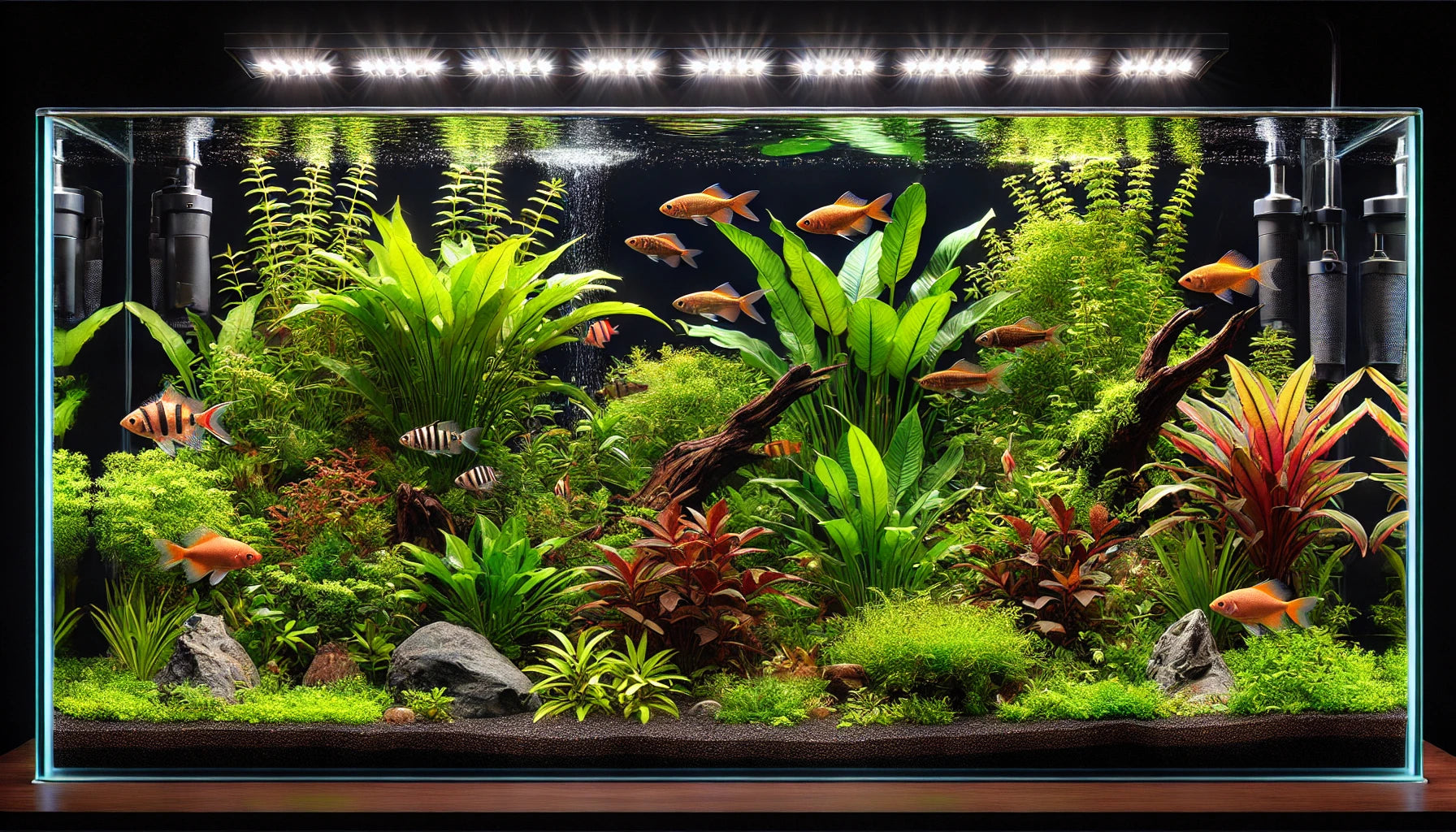
How do you set up a planted aquarium for beginners?
Direct Answer
To set up a beginner planted aquarium, start with a nutrient-rich substrate or root tabs, add a moderate-output LED light running about 6 to 8 hours a day, and stock easy, low-light plants such as java fern, anubias, cryptocoryne, and java moss. Plant into a cycled tank, fertilize lightly with an all-in-one liquid fertilizer, and add fish only after the nitrogen cycle is established.
You do not need pressurized CO2 to begin; a low-tech setup with the right plants is the most forgiving path for a first planted tank.
Step 1: Choose the Tank, Light, and Substrate
The foundation of a planted tank is the substrate, light, and tank size. A 20-gallon tank is a forgiving beginner size, large enough to stay stable yet manageable.
Substrate. You have two good options. A dedicated aquasoil such as ADA Aqua Soil, Fluval Stratum, or UNS Controsoil supplies nutrients directly to plant roots and is ideal for stem and carpet plants. Alternatively, an inert substrate like fine gravel or sand works fine for root-feeding plants if you add root tabs (such as Seachem Flourish Tabs or API Root Tabs) under heavy root feeders like swords and crypts.
Aim for about 2 to 3 inches of depth so roots have room.
Light. Most plants need a quality LED rated for plant growth. For low-tech beginner plants, a moderate-output light running 6 to 8 hours per day is plenty. Popular beginner-friendly LEDs include the Fluval Plant 3.0, NICREX, and Hygger lights.
Too much light without matching CO2 and nutrients is the leading cause of beginner algae, so start with a modest photoperiod and increase only if plants need it.
Step 2: Pick Easy, Hardy Plants
Beginners succeed by choosing plants that tolerate low light, low CO2, and a range of water conditions. These forgiving species establish quickly and resist melting:
- Java fern (Microsorum pteropus) and anubias (Anubias barteri, nana) attach to driftwood or rock; never bury their rhizome
- Cryptocoryne (Cryptocoryne wendtii, parva) are excellent root-feeding midground plants; expect some initial "crypt melt" that recovers
- Java moss and Christmas moss for texture and shrimp cover
- Amazon sword (Echinodorus) as a large background plant (use root tabs)
- Vallisneria and Hygrophila for fast-growing background stems that help outcompete algae
- Marsilea hirsuta or dwarf sagittaria as easier "carpet" options that do not require CO2
Fast-growing stem plants are an asset early on because they consume excess nutrients that would otherwise feed algae. Avoid demanding carpet plants like dwarf baby tears (HC) and high-light red plants until you have more experience.

Reach Kory White, Fractional CRO: 📅 Book a Quick Call · 💼 Kory on LinkedIn · 🏢 CRO Syndicate
Step 3: Aquascape and Plant
Before adding fish, arrange your hardscape and plants. Place taller plants in the back, midground plants in the middle, and short plants or carpets in front. Use driftwood and rock to create structure and to anchor rhizome plants.
When planting:
- Plant into wet substrate, working in stages so plants do not dry out
- Bury stem plants by their lower nodes; trim and replant tops as they grow
- For rhizome plants (java fern, anubias), tie or glue the rhizome to wood or rock and leave it exposed
- Plant crypts and swords with the crown (where leaves meet roots) just above the substrate
- Space plants to allow growth; they will fill in
A useful tip is to plant heavily from the start. A densely planted tank establishes faster, looks better immediately, and leaves less open space for algae to colonize.
Step 4: Cycle the Tank Before Adding Fish
A planted tank still needs a nitrogen cycle. Plants help by absorbing some ammonia and nitrate, but they do not replace the bacterial cycle, so never add a full fish load to a brand-new tank.
You can do a fishless cycle by dosing pure ammonia to about 2 ppm and waiting for bacteria to drive ammonia and nitrite to 0, which usually takes a few weeks. Live plants and a bottled bacteria starter (such as Seachem Stability or Fritz Zyme 7) speed the process. Test with a liquid kit (API Freshwater Master Kit) until ammonia and nitrite both read 0 and nitrate appears.
Only then add fish, a few at a time.
Step 5: Fertilize and Maintain
Even low-tech tanks need some nutrients. The simplest approach is an all-in-one liquid fertilizer dosed per the label, plus root tabs for heavy root feeders.
- All-in-one liquid ferts like Seachem Flourish, NilocG Thrive, or Easy Green provide nitrogen, phosphorus, potassium, and traces; dose a few times a week
- Root tabs every few months under swords and crypts
- Water changes of about 25 to 50 percent weekly keep nutrients balanced and remove excess
Routine maintenance for a planted tank:
- Trim stems and remove dead or melting leaves to keep growth healthy
- Wipe algae off the glass and keep the photoperiod consistent with a timer
- Keep temperature stable in the low-to-mid 70s F for most plants and community fish
- Add an algae cleanup crew (nerite snails, amano shrimp, otocinclus) once the tank is established
If algae appears, the usual fix is to reduce the light period, increase plant mass or fertilizer balance, and improve maintenance, rather than adding more light.
Do You Need CO2?
No, not to start. A low-tech planted tank using the easy plants above thrives without injected CO2, drawing the small amount of carbon it needs from the water and fish respiration. CO2 injection accelerates growth and is required for demanding carpets and high-light setups, but it adds cost, equipment, and the risk of gassing fish if dosed carelessly.
Begin low-tech, build confidence, and add pressurized CO2 later if you move to more demanding plants. A liquid carbon supplement (such as Seachem Excel) is an optional middle step, though it is not a true CO2 replacement and can harm some plants like vallisneria.
Frequently Asked Questions
Do I need special substrate for live plants? Not strictly. Nutrient-rich aquasoil makes growing easier, but inert gravel or sand works well for root-feeding plants if you add root tabs. Rhizome and water-column feeders like java fern and anubias do not even need substrate; they attach to wood and rock.
How much light does a beginner planted tank need? A moderate plant LED running 6 to 8 hours a day is enough for low-light beginner plants. Excess light without matching nutrients and CO2 causes algae, so start with a modest photoperiod on a timer and increase only if plants struggle.
Can I add fish right away? No. The tank must complete the nitrogen cycle first, which takes a few weeks. Live plants help but do not replace the bacterial cycle. Test until ammonia and nitrite read 0, then add fish a few at a time.
What are the easiest plants for beginners? Java fern, anubias, cryptocoryne, java moss, amazon sword, vallisneria, and hygrophila. They tolerate low light and no CO2 and resist melting, making them very forgiving for a first planted tank.
How do I stop algae in a new planted tank? Plant heavily from the start, keep the light period modest and consistent, fertilize in balance, do regular water changes, and add an algae cleanup crew once established. Most beginner algae comes from too much light relative to plant growth, so reduce light before adding more.
Is liquid CO2 a substitute for pressurized CO2? Not really. Liquid carbon supplements provide a small carbon boost and some algae control, but they do not match pressurized CO2 for plant growth and can harm sensitive species like vallisneria and mosses. For most beginners, going low-tech without any CO2 is the easiest path.
Sources
- Aquarium Co-Op, beginner planted tank and easy plant care guides, aquariumcoop.com
- Seachem, Flourish, Excel, and Flourish Tabs product information, seachem.com
- The 2hr Aquarist, low-tech planted tank and substrate guides, 2hraquarist.com
- Tropica, plant care categories and difficulty ratings, tropica.com
- Practical Fishkeeping, planted aquarium setup articles, practicalfishkeeping.co.uk
- Buce Plant and aquarium plant references on low-tech setups, buceplant.com
People also search for: set up a planted aquarium for beginners · how to set up a planted aquarium for beginners · set up a planted aquarium for beginners guide