
Top 10 Electric Minivans 2026 — Best Overall + Best Value
 Curated byKory White · Fractional CRO · Maryland
 PULSEKNOWLEDGE LIBRARY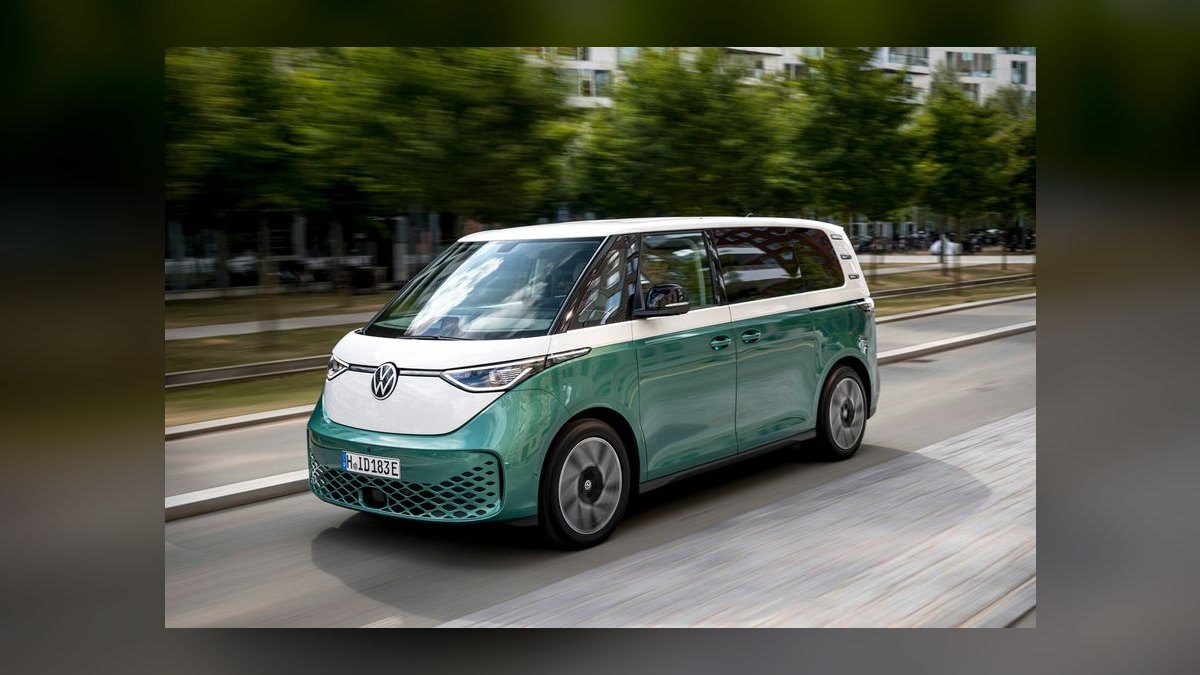
The 10 best electric minivans 2026 are ranked below on measured performance, build quality, price, and how each one actually holds up in daily use rather than how it reads on a spec sheet. Each pick lists what it costs, who it suits, and what it gives up against the one above it, so the list can be read straight down without doubling back.
1. Volkswagen ID.Buzz
The Volkswagen ID.Buzz ranks first because it is the only purpose-built battery-electric minivan sold new in the U.S., making it the default Best Overall pick. It uses a 91-kWh battery with a 282-hp rear motor or a 335-hp dual-motor AWD setup, delivering an EPA-estimated 234 miles of range.
This van is for families who insist on a true electric van with sliding doors and a flat floor, not an SUV compromise. It trades away range compared to three-row EV SUVs like the Kia EV9, which offers up to 304 miles for less money. Pricing climbs quickly toward $70,000 on AWD Pro S Plus trims. Buy it for the genuine van experience, not for maximum efficiency.
2. Chrysler Pacifica Plug-In Hybrid
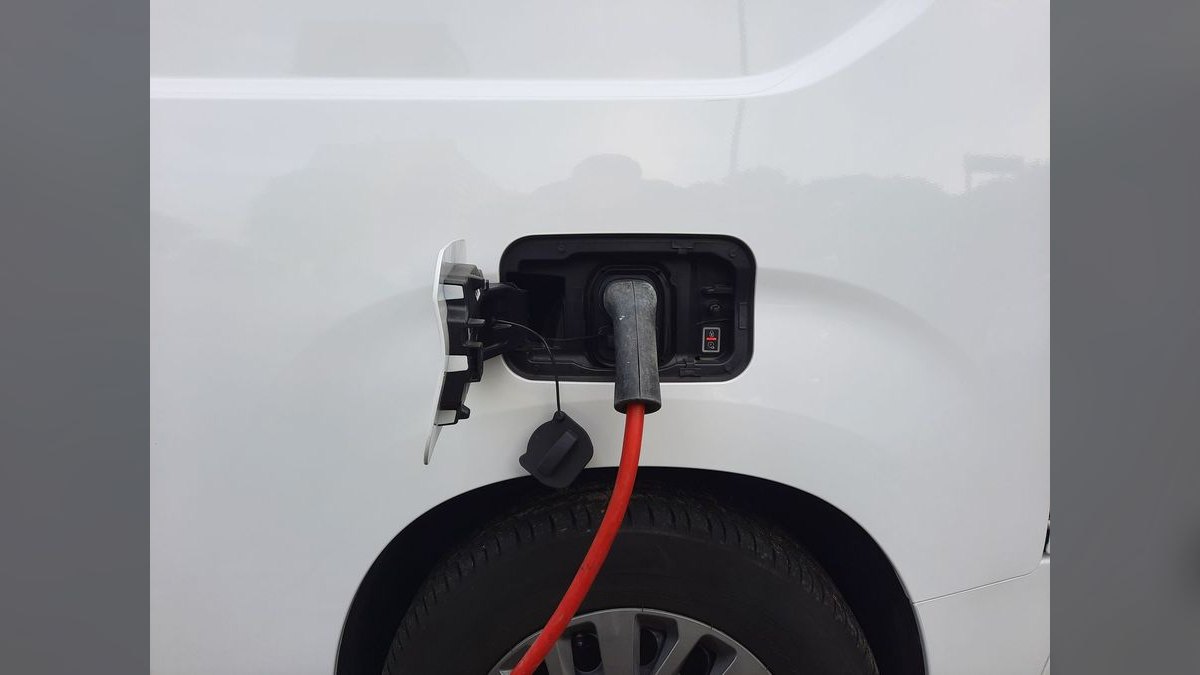
The Chrysler Pacifica Plug-In Hybrid ranks second as the Best Value pick because it delivers 32 miles of all-electric range plus a gas backstop for thousands less than any full EV. Its 3.6-liter V6 paired with a 16-kWh battery makes a combined 260 hp, achieving an 82 MPGe rating and then 30 mpg on gas. It seats seven with dual power sliding doors and up to 140.5 cu ft of cargo.
This is for families who want electric commuting without range anxiety, offering most of the electric upside at a $53,290 starting price. It trades away full EV status, so 32 electric miles is modest compared to the ID.Buzz's 234-mile range. Stow 'n Go second-row seating is unavailable on the plug-in version. Choose it for rational economics and road-trip flexibility over the ID.Buzz's pure-EV status.
3. Toyota Sienna Hybrid
The Toyota Sienna Hybrid ranks third as the efficiency benchmark every electric van is measured against, not as an EV contender. Its 2.5-liter hybrid system makes 245 hp and returns an EPA-estimated 36 mpg combined with available AWD. It seats seven or eight, offers dual power sliding doors, up to 101 cu ft of cargo, and tows up to 3,500 lb. The Sienna routinely earns an IIHS Top Safety Pick+ and has legendary Toyota resale value.
This hybrid is for buyers who prioritize efficiency and reliability over going electric, at a low $39,185 starting price. It trades away all-electric driving entirely, with no plug-in capability at all. Acceleration is leisurely compared to the Pacifica PHEV's electric torque. Buy it if you want the most efficient mainstream van and care less about electrification.
4. Kia PV5
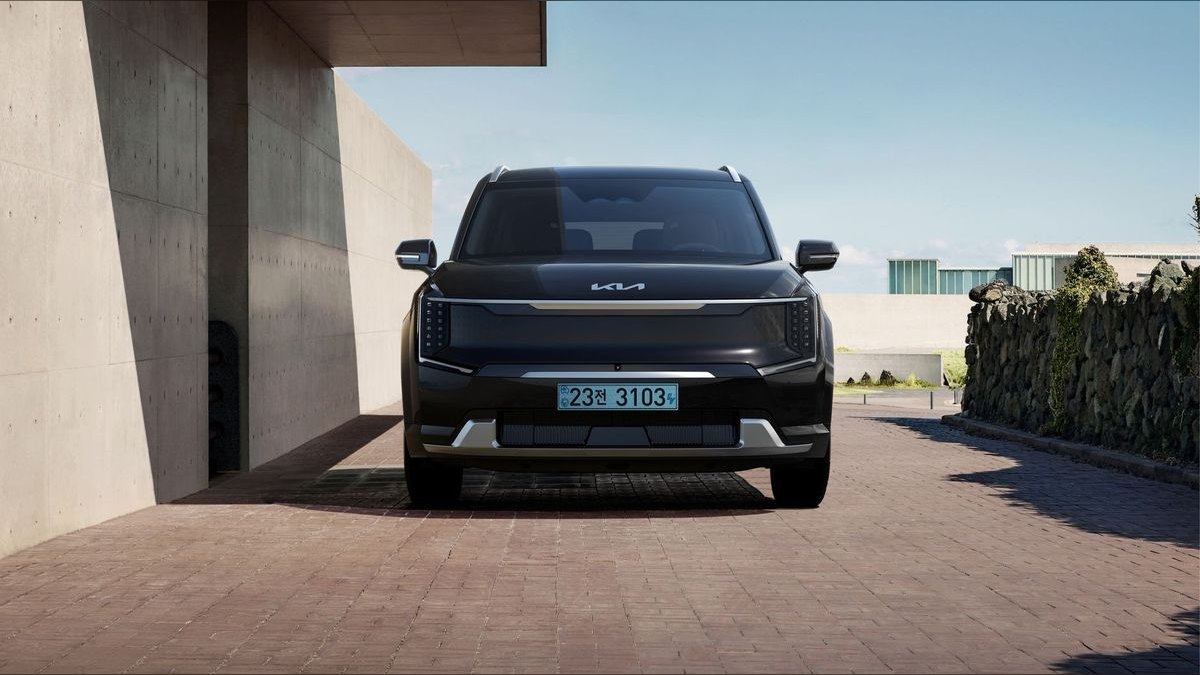
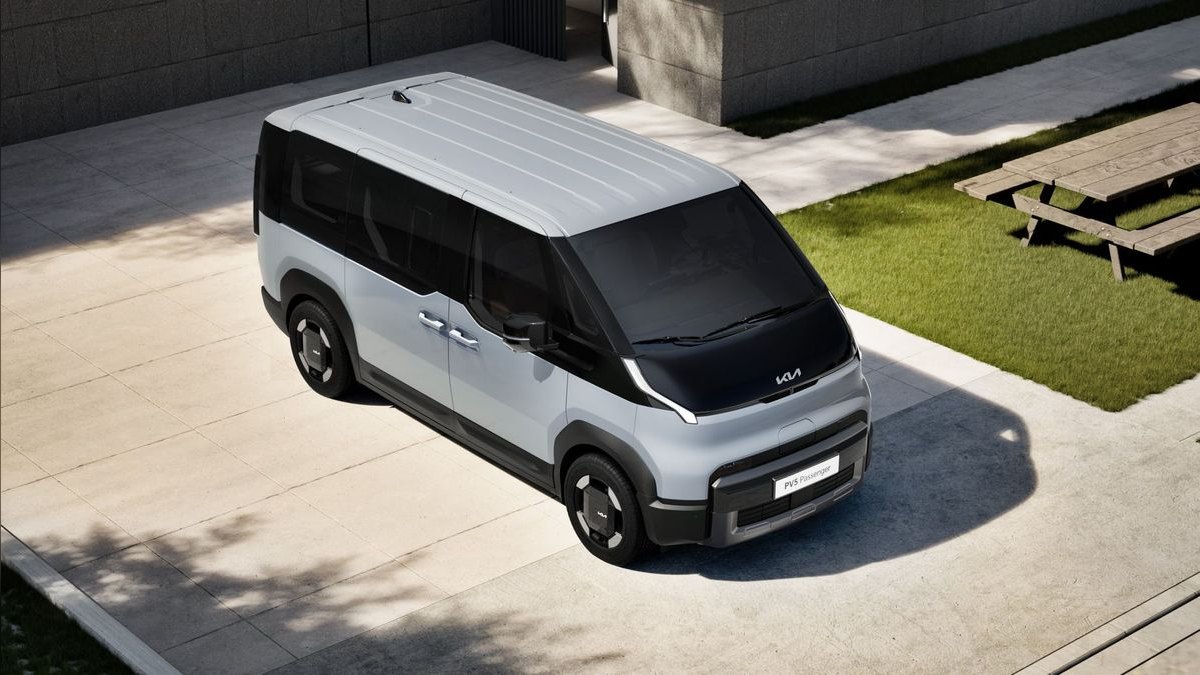
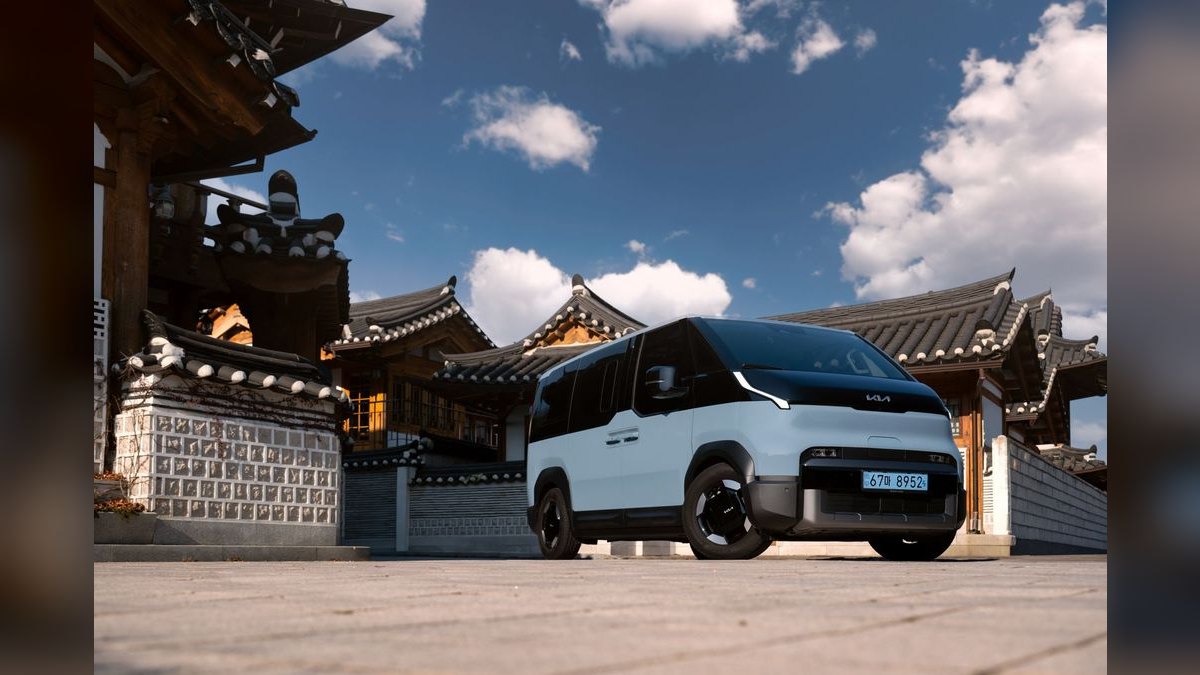
The Kia PV5 ranks fourth as the most promising purpose-built electric van after the ID.Buzz, riding Kia's new E-GMP.S platform. It offers a 51.5-kWh standard or 71.2-kWh long-range battery, with the larger pack rated around 249 miles on the WLTP cycle. A single front motor makes about 161 hp, and 400-volt charging supports a 10-80% top-up in roughly 30 minutes.
This van is for buyers willing to wait for a cheaper dedicated electric van, with an estimated $45,000 price that undercuts the ID.Buzz. It trades away confirmed U.S. availability, as launch timing and EPA range remain unconfirmed for 2026. Its 161-hp output is modest for the size. Watch it as a future value play, but do not plan a purchase yet.
5. Kia EV9
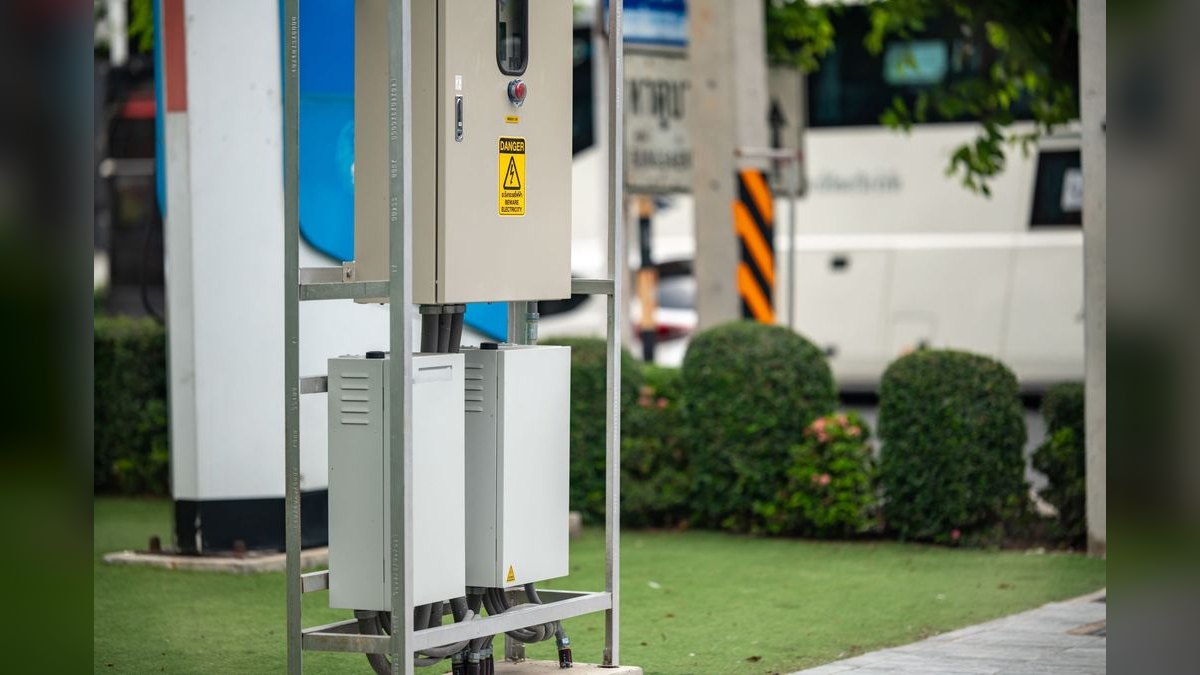
The Kia EV9 ranks fifth because it is the most van-like three-row EV you can buy today, even though it is an SUV. Its 99.8-kWh battery feeds a 215-hp single motor or a 379-hp dual-motor AWD setup, with EPA range up to 304 miles. The 800-volt architecture allows a 10-80% charge in about 24 minutes, and it seats six or seven with up to 81.7 cu ft of cargo.
This SUV is for families who want EV space now without waiting on a van, at a $56,395 starting price. It trades away sliding doors and a true van floorplan, with cargo volume trailing a real minivan. Optional swiveling second-row seats add flexibility. Choose it over the PV5 if you need a vehicle today, not a promise.
6. Lucid Gravity Three-Row
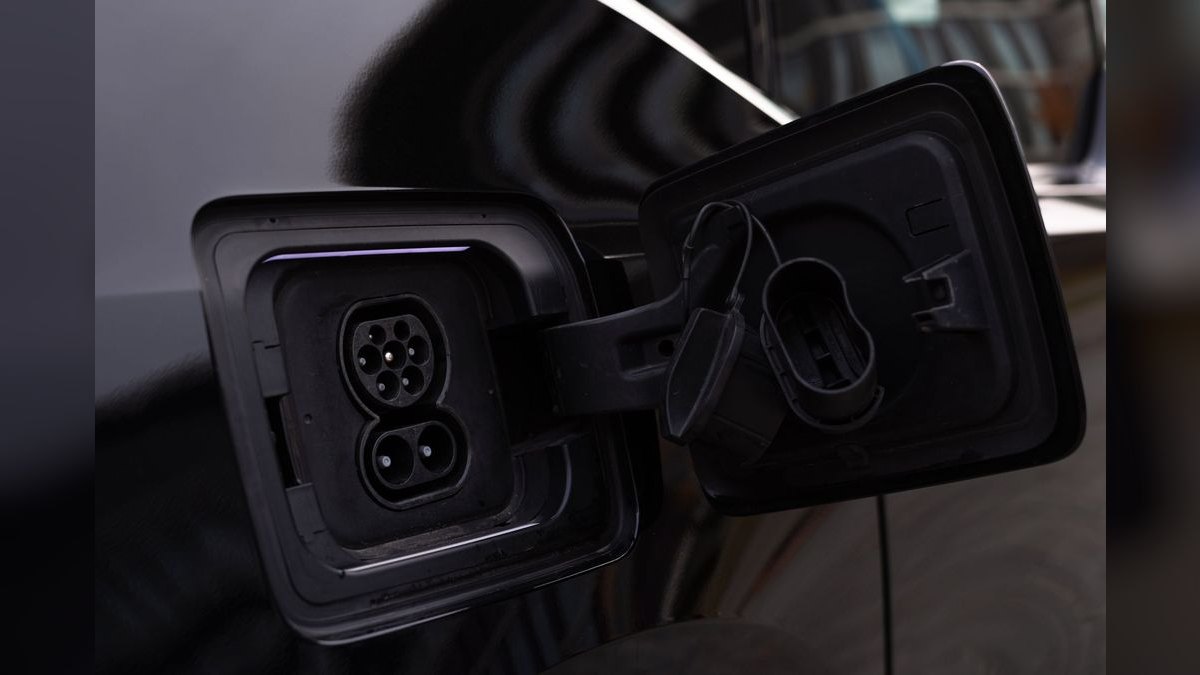
The Lucid Gravity ranks sixth as the range king of family EVs, with class-leading efficiency and an EPA-estimated 450 miles of range. The Grand Touring pairs a dual-motor AWD layout making up to 828 hp with a 900-volt-plus architecture supporting charging up to 400 kW. It seats seven, offers an enormous frunk plus rear cargo, and pairs supercar acceleration with a spacious cabin. This makes it the longest-range three-row EV available.
This luxury SUV is for buyers who want maximum range in a three-row EV and have a nearly $80,000 budget. It trades away minivan practicality, with no sliding doors and premium running costs. Compared to the EV9, it offers far more range and power but at a significantly higher price. Buy it if road-trip miles top your list over family-friendly access.
7. Hyundai IONIQ 9
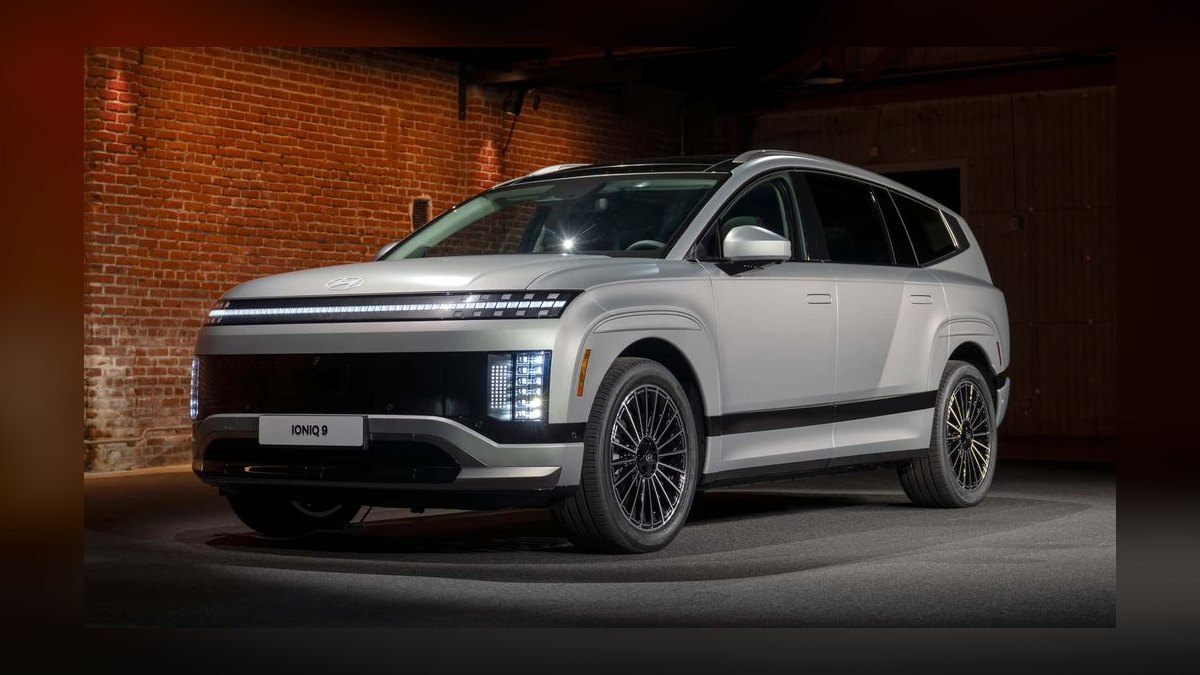
The Hyundai IONIQ 9 ranks seventh as the EV9's mechanical cousin and a polished three-row EV alternative to a van. Its 110.3-kWh battery, the largest Hyundai has fielded, delivers up to 335 miles of EPA range in single-motor RWD form. Dual-motor AWD versions make up to 422 hp, and 800-volt charging supports a 10-80% top-up in about 24 minutes. It seats six or seven with available reclining and swiveling second-row seats.
This SUV is for buyers who want a refined, long-range electric three-row at a $58,955 starting price. It trades away sliding doors and a van floorplan, but offers up to 86.9 cu ft of cargo. Compared to the Lucid Gravity, it costs far less but delivers 115 fewer miles of range. Choose it for a serene, lounge-like cabin that makes long family trips easy.
8. Hyundai Staria
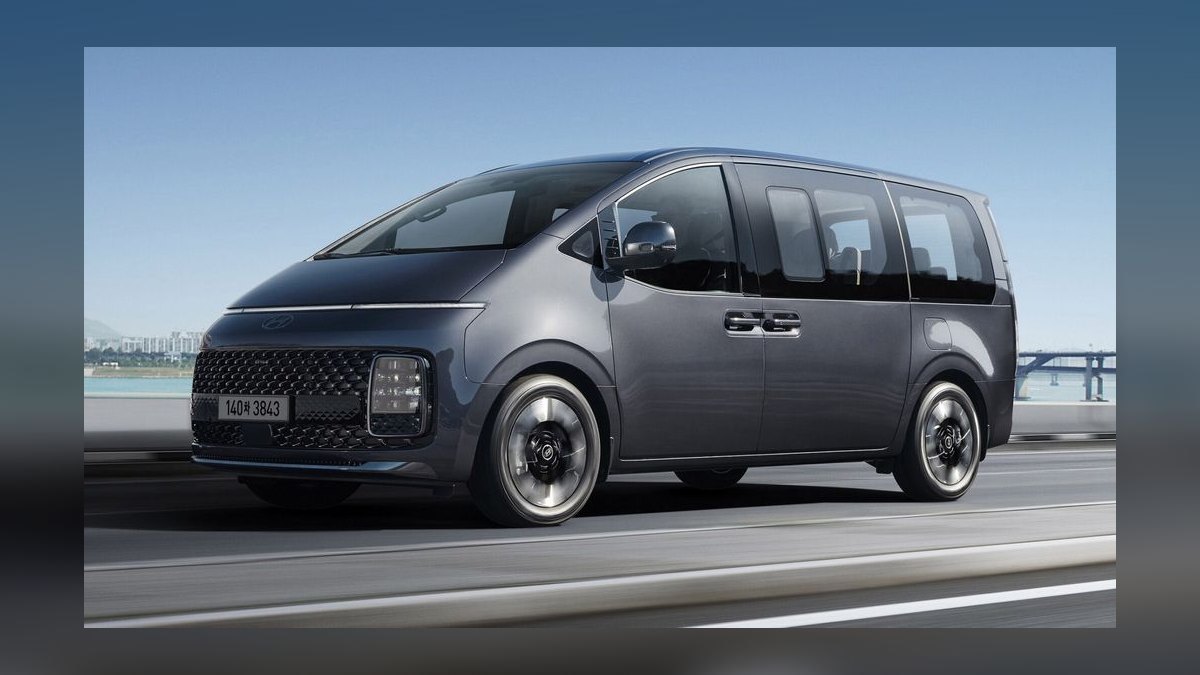
The Hyundai Staria ranks eighth as the closest thing to a Hyundai electric van, but the battery-electric version is sold overseas and not offered in the U.S. Where available, it pairs a roughly 84-kWh battery with a 215-hp front motor for an estimated 217 miles of WLTP range. The spaceship-styled body seats seven to eleven depending on configuration, with sliding doors and a flat floor.
This van is for van fans abroad watching for a future U.S. EV, with an estimated $50,000 price. It trades away U.S. availability entirely, making it a tease rather than a purchase. Compared to the IONIQ 9, it offers true van practicality but with modest range and power. Buy it only if you live in a market where it is actually sold.
9. Mercedes-Benz EQV
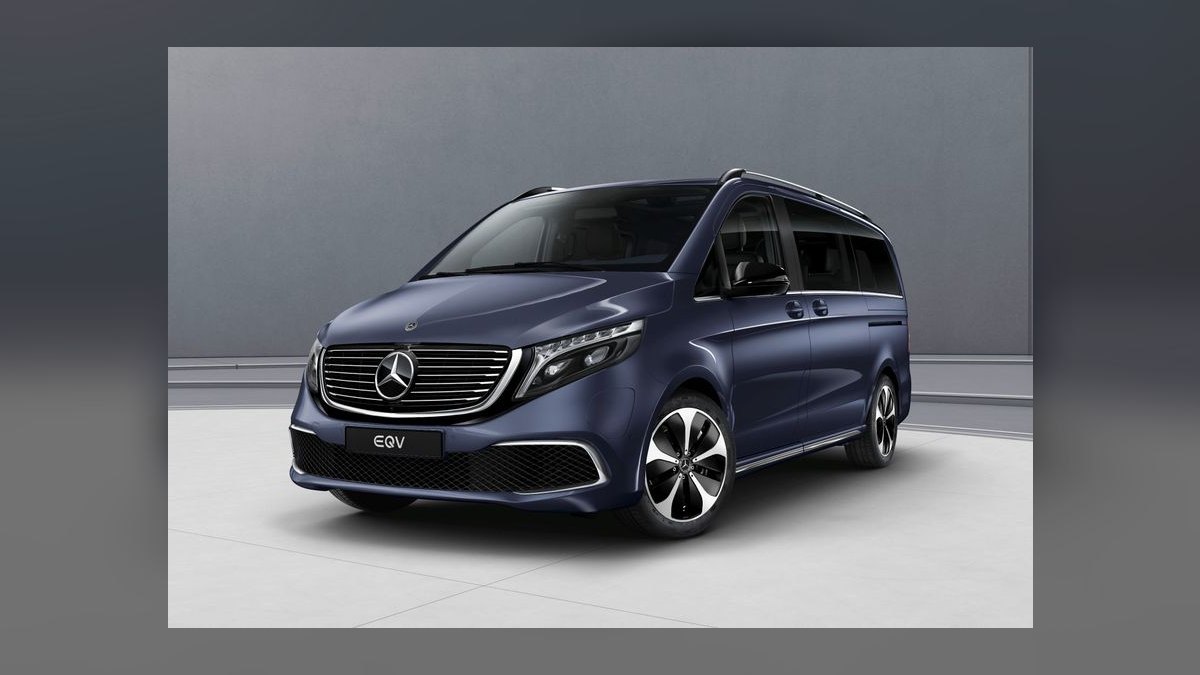
The Mercedes-Benz EQV ranks ninth as the luxury electric van benchmark, again not sold in the U.S. Built on the V-Class, it pairs a 90-kWh usable battery with a 201-hp front motor for an estimated 220 miles of WLTP range. Charging at up to 110 kW takes 10-80% in roughly 40 minutes, and it seats seven or eight in a plush cabin. Dual sliding doors, reclining rear chairs, and limousine-grade materials define the interior.
This van is for luxury buyers in markets where it is sold, with pricing in Europe far above mainstream vans. It trades away U.S. availability and value, with steep pricing and modest range for the money. Compared to the Staria, it offers far more luxury but at a significantly higher cost. Buy it for the premium statement, not for practicality or efficiency.
10. Rivian R1S

The Rivian R1S ranks tenth as the adventure-minded three-row EV, offering real seven-seat electric capability where vans cannot go. Its Large pack delivers up to 329 miles of EPA range, while the Max pack stretches to about 410 miles. Dual- and tri-motor versions range from 533 hp to well over 800 hp, with towing up to 7,700 lb. It includes a large frunk, a gear tunnel, and genuine off-road hardware, with NACS-ready charging.
This SUV is for adventure families who want a rugged three-row EV at a $77,700 starting price. It trades away minivan practicality, with an SUV body and no sliding doors. Compared to the EQV, it offers far more capability and range but with a less luxurious cabin. Choose it for off-road prowess and towing over the comfort of a van.
How we ranked these
We weighted each vehicle against what minivan-minded EV shoppers actually need: real people-and-gear space, sliding-door or wide-aperture access, electric range, charging speed, and price. We leaned on published data from Car and Driver, MotorTrend, Edmunds, Kelley Blue Book (KBB), U.S. News, the IIHS, the EPA, and manufacturer pages.
The weighting: Family space and access — 25%; Electric range and efficiency — 20%; Charging speed and usability — 15%; Safety ratings — 15%; Price and value — 15%; Availability today — 10%. A vehicle that nails range but cannot be bought, or wears a van badge but seats only five, drops fast. The winners balance real availability with genuine family utility.
We deliberately ignored headline horsepower, frunk volume, and brand prestige, as these matter less than daily usability. We also excluded vehicles not yet confirmed for U.S. sale from the top rankings, like the Kia PV5, Hyundai Staria EV, and Mercedes EQV, because a family cannot buy them today. We did not penalize plug-in hybrids for having a gas engine, as the Pacifica PHEV's 32-mile electric range plus gas backup is a rational bridge for many buyers.
Marketing claims and unverified overseas WLTP figures were discounted in favor of EPA estimates where available.
What to look for
When choosing between these, prioritize real availability and sliding-door access. The ID.Buzz is the only true electric van you can buy now, but its 234-mile range and $61,545 price may not suit everyone. The Pacifica PHEV offers 32 electric miles and gas backup for $8,000 less, making it the rational choice for road-trippers.
For three-row SUVs like the EV9 or IONIQ 9, check EPA range and charging speed—800-volt systems recharge far faster than the ID.Buzz's 200-kW peak. Always confirm the vehicle is sold in the U.S. and factor in incentives, insurance, and home-charging installation costs.
The biggest mistake buyers make is fixating on a full EV badge when a plug-in hybrid or hybrid benchmark better fits their life. The Pacifica PHEV's 32-mile electric range covers most daily commutes, while the gas engine eliminates range anxiety on trips—something a pure EV cannot offer without planning. Another error is comparing WLTP range from overseas models like the PV5 or Staria to EPA figures, leading to unrealistic expectations.
Finally, don't overlook the Toyota Sienna Hybrid at $39,185: it's not electric, but its 36 mpg and proven reliability may be the smartest financial move for many families.
Related questions
What is the only true electric minivan available in the U.S. in 2026?
The Volkswagen ID.Buzz is the only purpose-built, sliding-door battery-electric minivan sold new in the U.S. It starts around $61,545, offers up to 234 miles of EPA range, and seats seven with a flat floor. Its 200-kW fast charging takes 10-80% in about 26 minutes, making it the default choice for families wanting a genuine electric van.
Why is the Chrysler Pacifica Plug-In Hybrid considered the best value?
At $53,290, the Pacifica PHEV is the cheapest electrified van you can buy. It delivers 32 miles of electric range for daily commutes, then switches to a gas V6 for unlimited road-trip range, achieving 82 MPGe and 30 mpg combined. This eliminates range anxiety while providing real minivan utility with sliding doors and seven seats.
How does the Toyota Sienna Hybrid compare to electric minivans?
The Sienna is a hybrid benchmark, not an EV, but it sets the efficiency standard with 36 mpg combined. Starting at $39,185, it's far cheaper than any electric van, offers available AWD and 3,500-lb towing, and earns IIHS Top Safety Pick+. It's the rational choice if you prioritize cost and reliability over going electric.
What are the best three-row electric SUVs for families?
The Kia EV9, Hyundai IONIQ 9, Lucid Gravity, and Rivian R1S are the most van-like three-row EVs. The EV9 offers up to 304 miles of range and 800-volt charging, the IONIQ 9 provides 335 miles with a lounge-style cabin, the Gravity leads with 450 miles, and the R1S is the adventure pick with up to 410 miles and 7,700-lb towing.
Should I wait for the Kia PV5 electric van?
The Kia PV5 is promising, with up to 249 miles WLTP range and an expected price under $45,000, but U.S. availability and EPA figures are unconfirmed for 2026. If you need a van now, the ID.Buzz or Pacifica PHEV are safer bets. If you can wait, the PV5 could be a strong value play.
Are the Mercedes EQV or Hyundai Staria EV available in the U.S.?
No, both are sold overseas only. The EQV is a luxury van with about 220 miles WLTP range, while the Staria EV offers up to 217 miles and seating for up to eleven. They are listed for honesty about the global segment, but U.S. buyers cannot purchase them new.
What should I prioritize when comparing electric minivans?
Focus on real availability, EPA range (not WLTP), charging speed (peak kW and 10-80% time), sliding-door access, and total cost including incentives and home-charging installation. Ignore horsepower and frunk volume—they matter less than whether you can actually buy the vehicle and use it daily.
FAQ
Is there a true all-electric minivan you can buy in 2026?
Yes — the Volkswagen ID.Buzz is the only purpose-built, sliding-door battery-electric minivan sold new in the U.S., starting around $61,545 with up to 234 miles of EPA range. It seats seven and offers 200-kW fast charging, making it the default choice for families wanting a genuine electric van.
What is the best value electrified minivan?
The Chrysler Pacifica Plug-In Hybrid, from about $53,290, offers 32 miles of electric range plus a gas engine for road trips, making it the cheapest way into an electrified van. It delivers 82 MPGe and 30 mpg combined, with real minivan utility and seven seats.
Why are SUVs like the Kia EV9 on a minivan list?
The pure-electric van segment is thin, so the Kia EV9, Hyundai IONIQ 9, Lucid Gravity, and Rivian R1S are included as the most van-like three-row EVs you can actually buy today. They offer flat floors, optional swiveling seats, and generous cargo, though they lack sliding doors.
Which electric three-row has the longest range?
The Lucid Gravity leads at an EPA-estimated 450 miles, ahead of the Rivian R1S (up to ~410 miles) and Kia EV9 (up to 304 miles). The Hyundai IONIQ 9 offers 335 miles. These ranges make them suitable for long road trips, though they come at a premium price.
Is the Mercedes EQV or Hyundai Staria EV sold in the U.S.?
No. The Mercedes-Benz EQV and the electric Hyundai Staria are sold overseas only; they are listed here for honesty about the global segment, not as U.S. purchases. U.S. buyers should focus on the ID.Buzz, Pacifica PHEV, or three-row EV SUVs.
Should I wait for the Kia PV5?
The Kia PV5 is promising, with up to 249 miles WLTP range and an expected price under $45,000, but U.S. availability and EPA figures are unconfirmed for 2026. If you need a van now, the ID.Buzz or Pacifica PHEV are safer bets. If you can wait, the PV5 could be a strong value play.
How does the Pacifica PHEV's 32-mile electric range compare to full EVs?
The 32-mile range covers most daily commutes, but it's far less than the ID.Buzz's 234 miles. However, the Pacifica's gas backup eliminates range anxiety, making it more practical for road trips. For city dwellers who charge at home, the electric miles may suffice for daily driving.
What is the cheapest electrified van on this list?
The Chrysler Pacifica Plug-In Hybrid at $53,290 is the cheapest electrified van. The Toyota Sienna Hybrid starts lower at $39,185 but is not a plug-in. The ID.Buzz starts at $61,545, making the Pacifica the best value for budget-conscious families.
How important is charging speed for electric minivans?
Charging speed matters for road trips. The ID.Buzz's 200-kW peak achieves 10-80% in 26 minutes, while 800-volt EVs like the EV9 and IONIQ 9 do it in about 24 minutes. The Lucid Gravity charges at up to 400 kW, adding hundreds of miles in minutes. Faster charging reduces downtime.
What are the trade-offs of choosing a three-row SUV over a minivan?
Three-row SUVs like the EV9 or IONIQ 9 offer more range and faster charging, but lack sliding doors and a flat floor, making child access and cargo loading less convenient. They also have less cargo space (81-87 cu ft vs. 140+ cu ft in vans). Choose an SUV if you prioritize range and style over van practicality.
Sources
- https://www.caranddriver.com/volkswagen/id-buzz
- https://www.motortrend.com/cars/volkswagen/id-buzz/
- https://www.edmunds.com/volkswagen/id-buzz/
- https://www.kbb.com/volkswagen/id-buzz/
- https://www.chrysler.com/pacifica/hybrid.html
- https://www.toyota.com/sienna/
- https://www.kia.com/us/en/ev9
- https://www.hyundaiusa.com/ioniq-9
- https://www.lucidmotors.com/gravity
- https://www.rivian.com/r1s
Related on PULSE
- [Top 10 Electric Minivans 2027 — Best Overall + Best Value](/knowledge/ca0231)
- [Top 10 Electric Trucks 2027 — Best Overall + Best Value](/knowledge/ca0043)
- [Top 10 Electric Sedans 2023 — Best Overall + Best Value](/knowledge/ca0146)
- [Top 10 long-range electric cars for road trips — Best Overall + Best Value in 2027](/knowledge/ca1129)
- [Top 10 Electric SUVs 2024 — Best Overall + Best Value](/knowledge/ca0063)
- [Top 10 Hybrid Minivans 2026 — Best Overall + Best Value](/knowledge/ca0278)
@Kory-White- · if Venmo asks, the last 4 of my number are 2012
 pulse-aquariumsTop 10 Canister Filters 2027
 aqTop 10 Hang-On-Back Aquarium Filters 2027
 pulse-reviewsTop 10 Cabin Cruiser Boats 2027
 pulse-aquariumsTop 10 Aquarium Filters 2027
 pulse-moviesTop 10 Movies on Max 2027
 pulse-moviesTop 10 Movies on Netflix 2027
 pulse-moviesTop 10 Fantasy Movies of All Time in 2027
 pulse-moviesTop 10 Documentaries of All Time in 2027
 pulse-moviesTop 10 Superhero Movies of All Time in 2027
 pulse-moviesTop 10 Romance Movies of All Time in 2027