


How do I ship a car across the country in 2027?
Quality
Certified
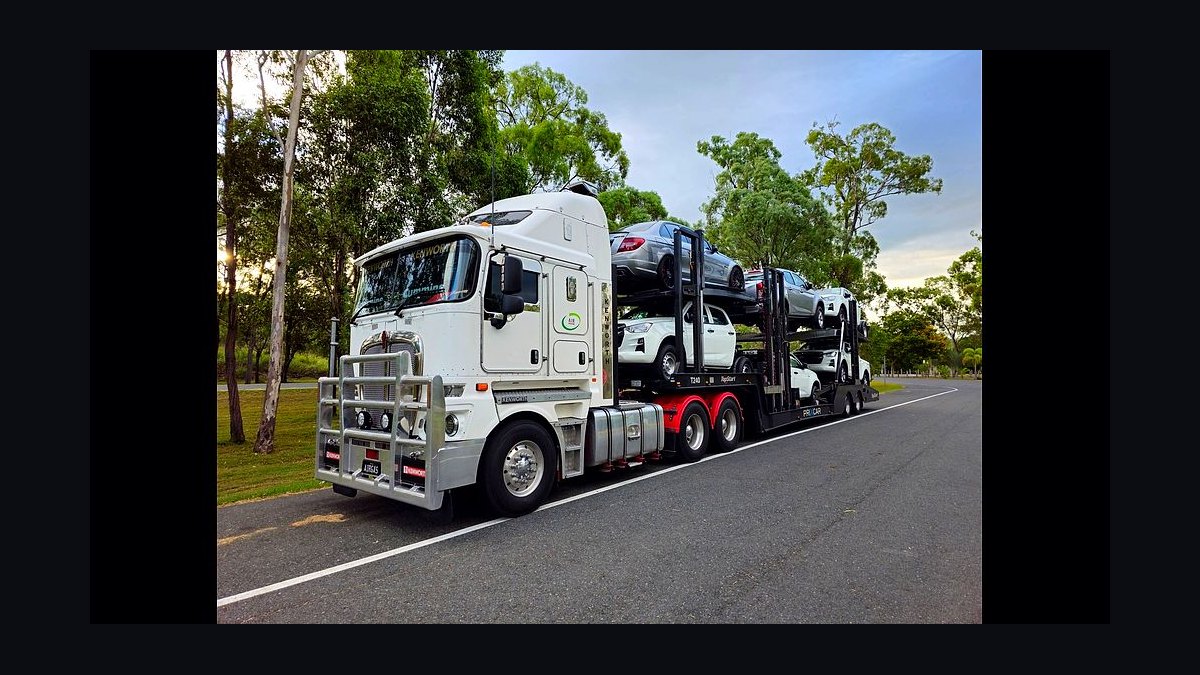
Shipping a car across the country in 2027 means booking through an auto transport broker or carrier, choosing open or enclosed transport and door-to-door or terminal pickup, then scheduling a pickup window 1-14 days out. Expect $600-$1,800 for a coast-to-coast move depending on vehicle size, distance, and season, with transit taking roughly 7-10 days. Book 2-3 weeks ahead for the best rate and carrier availability.
A concrete scenario that frames the problem
Picture a household relocating from Portland, Oregon to Tampa, Florida for a new job starting in six weeks. The car is a mid-size SUV, there are two drivers in the family but only one flight booked, and nobody wants to put 3,000 miles on a vehicle that still has a loan balance and a factory warranty riding on mileage. This is the exact situation that makes shipping a car across the country the right call instead of driving it: the labor of a multi-day road trip, the wear on tires and the drivetrain, the hotel nights, and the risk of a breakdown in an unfamiliar state all get traded for a flat fee and a delivery date.
The process starts the same way for almost everyone in this position. The owner gets quotes from a handful of transport brokers, picks a pickup window, and hands the keys to a driver at the curb or at a nearby terminal. The car rides on an open or enclosed trailer alongside several other vehicles, gets dropped at a corresponding terminal or driveway near the destination, and the owner inspects it against a condition report signed at origin. The whole arrangement hinges on understanding who actually owns each step — the broker who sells the job, the carrier who drives it, and the inspection paperwork that protects the owner if something goes wrong in between.

How the mechanism actually works
The auto-shipping industry runs on a broker-carrier split that confuses almost everyone the first time they use it. A broker is a marketing and logistics company — they take the order, quote the price, and post the job to a load board where actual trucking companies bid on it. A carrier is the company that owns the truck and physically drives the car. Most consumer-facing shipping sites in 2027 are brokers, not carriers, which is why a quote can change: the broker is pricing the job to attract a carrier, and if no carrier bites at that price within the pickup window, the broker calls back to raise it.
The Bill of Lading is the document that actually protects the owner, and it matters more than the marketing page of whichever company got the booking. It records the car's condition — scratches, dents, existing wear — at pickup, and the same document gets compared against the car's condition at delivery. Any new damage gets noted on the spot, photographed, and filed as a claim against the carrier's cargo insurance before the driver leaves. Skipping this step, or not photographing the car from all four corners plus close-ups of wheels and glass before it loads, is the single most common reason a legitimate damage claim gets denied later.

Carriers themselves run two kinds of trailers. Open trailers are the double-decker car-haulers familiar from highways — cheaper, more available, and perfectly fine for ordinary vehicles, but the car rides exposed to road debris and weather. Enclosed trailers are fully covered, used for classic cars, exotics, and anything with sentimental or resale value worth protecting, and they cost roughly 40-60% more because fewer of them exist and each one carries fewer vehicles per trip.
Real numbers, ranges, and benchmarks
Price for shipping a car across the country in 2027 is driven by four variables, and understanding their weight prevents sticker shock. Distance matters least per mile — a coast-to-coast run like Seattle to Miami (about 3,300 miles) typically prices out to $0.40-$0.60 per mile for open transport, while a short regional move like Dallas to Denver (about 800 miles) runs closer to $0.80-$1.10 per mile, because fixed costs (loading, fuel to position the truck, driver time) dominate short hauls. A realistic full coast-to-coast quote for a standard sedan lands between $900 and $1,400 on open transport; a large SUV or truck adds $150-$350 on top of that; enclosed transport adds another 40-60%.
Season swings price more than most owners expect. Snowbird migration (roughly October through December southbound, March through May northbound) spikes demand on Northeast-to-Florida and Midwest-to-Arizona routes specifically, pushing prices up 15-30% during peak weeks. Shipping in January-February or July-August on a non-peak route is typically the cheapest window of the year.

Transit time for a coast-to-coast shipment runs 7-10 days door-to-door in normal conditions, though the car may sit for 1-3 days at pickup waiting for a truck to fill its remaining slots before departing — carriers run most profitably near capacity, so a near-empty truck will wait rather than leave half full. A regional move of 500-1,000 miles typically delivers in 2-4 days. Expedited or guaranteed-date service exists but adds 20-40% to the base price and is worth it only when a hard deadline (new job start date, lease turn-in) makes a delay genuinely costly.
Insurance coverage is where owners most often get a false sense of security. Every carrier is required to carry cargo insurance, but the limits and deductibles vary by company, and a chain of sub-carriers (a broker assigning to one carrier, who assigns to a sub-hauler) can create gaps in who is actually liable. Confirming the specific carrier's certificate of insurance — not the broker's — before pickup, and checking that the owner's own auto policy covers the vehicle while in transit as a backup, closes that gap.
Trade-offs and alternatives
Shipping isn't the only way to move a car across the country, and the right choice depends on timeline, budget, and what else is moving at the same time. Driving it yourself costs only fuel, food, and lodging — often $400-$700 for a coast-to-coast trip — but costs 4-6 days of time, adds thousands of miles to the odometer, and carries real risk if the car breaks down somewhere without support. It's the right call when someone needs to make the drive anyway, when the car is unreliable enough that a tow or flatbed home is the backup plan either way, or when the household only owns one car and someone has to drive the family's other vehicle regardless.

Terminal-to-terminal shipping versus door-to-door is the other major trade-off. Door-to-door costs more because the truck has to navigate into neighborhoods and tight streets that a big rig often can't physically enter — many door-to-door deliveries actually happen at the nearest safe staging area, like a large parking lot, rather than literally in a driveway. Terminal-to-terminal is cheaper and sometimes faster to schedule, but it requires the owner to drop off and pick up the car at a facility, which may be 20-40 minutes from the actual address in either city.
A middle option growing in relevance for 2027 moves is combining a one-way moving truck rental (for household goods) with car shipping for the vehicle, rather than towing the car behind a rental truck. Towing saves the shipping fee but adds meaningful risk — rental tow dollies and trailers are a frequent source of accidents for inexperienced drivers, and most rental companies restrict which vehicles can be towed (many AWD and 4WD vehicles can't be flat-towed without a dolly at all). For a household moving a full house of belongings and a car at once, pricing both the towed and shipped versions before deciding is worth the ten extra minutes.
Common pitfalls and how to avoid them

The most expensive mistake is booking on price alone without confirming the quoted carrier actually has availability for the requested pickup window. A broker may quote a number far below the market rate to win the booking, then fail to find any carrier willing to take the job at that price, leaving the owner scrambling days before they need to fly out. Checking a broker's rating and complaint history, and asking directly whether the quote reflects current carrier demand on that specific route, filters out this problem before it happens.
Skipping the pre-pickup inspection and photos is the second major pitfall, and it's entirely self-inflicted. Every panel, the roof, the undercarriage if visible, and the interior should be photographed with a timestamp before the driver takes the keys, and the Bill of Lading should be read — not just signed — to confirm it actually lists every existing scratch and dent the owner already knows about. A car handed over without documentation has no leverage if it arrives with new damage.
Choosing the cheapest possible pickup and delivery dates without buffer is the third common error. A car scheduled to deliver the same day someone needs to drive to a new job leaves zero room for the 1-3 day loading delay or weather-related slowdowns that are normal, not exceptional, parts of cross-country transit. Building in a 3-5 day cushion between the promised delivery date and the date the car is actually needed turns a potential crisis into a minor inconvenience.
Finally, owners sometimes leave personal belongings packed in the car to save a few boxes on the moving truck. Most carrier contracts either prohibit this outright or only insure the vehicle itself, not its contents, and a car packed with boxes also adds weight that some carriers factor into pricing or outright refuse to load. Clearing the car down to the glovebox and spare tire before pickup avoids a dispute at either end.
Related questions

How far in advance should I book car shipping for a cross-country move?
Book 2-3 weeks before the needed pickup date for the best combination of price and carrier availability. Last-minute bookings (under a week out) often cost 10-20% more because brokers have to raise the offered price to attract a carrier on short notice, and popular routes during peak season can book out entirely.
Is it cheaper to ship a car or drive it myself across the country?
Driving is usually cheaper in raw dollars — fuel and lodging for a coast-to-coast trip often total less than a shipping quote — but it costs 4-6 days of time and adds significant mileage and wear. Shipping wins when time, convenience, or protecting a low-mileage or financed vehicle matters more than the price gap.
What's the difference between open and enclosed car transport?
Open transport uses the same multi-level trailers seen hauling cars on highways; it's cheaper and widely available but exposes the car to weather and road debris. Enclosed transport fully covers the vehicle and costs 40-60% more, reserved mainly for classic, exotic, or high-value cars where protection outweighs cost.
Can I ship a car with personal items inside it?

Generally no, or only with real limits. Most carriers' insurance covers the vehicle, not its contents, and many contracts prohibit loaded belongings outright due to added weight and liability. Clear the car out before pickup rather than risk a denied claim or a refused load.
How do I know if an auto transport company is legitimate?
Verify the company's USDOT and MC number through the FMCSA's public database, confirm they're a broker or carrier as advertised, and check recent reviews that mention actual pickup and delivery experiences, not just price. A legitimate broker will also provide the assigned carrier's name and insurance certificate before pickup, not just their own.
FAQ
How much does it cost to ship a car across the country in 2027?
A typical coast-to-coast shipment on open transport runs $900-$1,400 for a standard sedan, with larger SUVs and trucks adding $150-$350. Enclosed transport adds 40-60% on top of those figures. Season, route demand, and how far in advance the job is booked all shift the final price.
How long does it take to ship a car across the country?
Door-to-door transit for a true coast-to-coast move typically takes 7-10 days, including 1-3 days of wait time at pickup while the carrier fills remaining space on the truck. Shorter regional moves of 500-1,000 miles usually deliver in 2-4 days.
Do I need to be present for pickup and delivery?

Someone authorized by the owner needs to be present at both ends to complete the inspection and sign the Bill of Lading, but it doesn't have to be the owner personally — a family member, friend, or even a property manager at the destination can handle it with clear instructions and the paperwork in hand.
What happens if my car is damaged during shipping?
Photograph and note any new damage against the original Bill of Lading immediately at delivery, before signing off or letting the driver leave. The claim then goes against the carrier's cargo insurance; this is why confirming the actual carrier's insurance certificate (not just the broker's) before pickup matters.
Should I use a broker or a carrier directly for cross-country shipping?
Most consumers end up using a broker because carriers rarely market directly to individual customers and brokers can shop a job across many trucking companies for better pricing and scheduling flexibility. Working with a carrier directly can save the broker's margin but requires already knowing a trustworthy carrier that runs the needed route.
Can I track my car during a cross-country shipment?
Most brokers and carriers in 2027 offer some form of status update or GPS-based tracking through an app or text updates, though the level of detail varies by company. Confirming what tracking is actually offered — live GPS versus periodic manual check-ins — before booking avoids surprises mid-transit.
Sources
- https://www.fmcsa.dot.gov/protect-your-move
- https://www.transportation.gov
- https://www.consumeraffairs.com/moving/auto_transport.html
- https://www.bbb.org/all/moving-and-storage/auto-transport
- https://www.consumerreports.org/cars/car-buying-advice/
- https://www.iii.org/article/understanding-your-auto-insurance-coverage
- https://www.ftc.gov/business-guidance/resources/moving-your-household-goods
Related on PULSE
This page will be disappearing soon. Save it to your device for $1 — or read it free while it is here.
@Kory-White- · if Venmo asks, the last 4 of my number are 2012
This page is gone.
This one is off the shelf now. $1 keeps it on your phone for good — the whole page, pictures and diagrams included.
 pulse-recentHow do I install a leveling kit on a 2027 F-150 in 2027?
 pulse-recentHow much does full-coverage insurance cost for a 25-year-old driver on a Ferrari 488 in 2027?
 pulse-recentTop 10 Most Affordable Used Sedans Under $10,000 in 2005 (Ranked)
 pulse-recentTop 10 Muscle Cars 2014 — Best Overall + Best Value
 pulse-recentTop 10 Entry-Level Supercars for First-Time Owners in 2027
 pulse-recentTop 10 Supercars With the Cheapest Monthly Lease Payments in 2027
 pulse-recentHow much does a 2027 Toyota GR Corolla cost fully loaded in 2027?
 pulse-recentTop 10 Grand Tourers 1960 — Best Overall + Best Value
 pulse-recentHow Much Does It Cost to Finance a Lamborghini Huracán Over 60 Months in 2027?
 pulse-recentTop 10 Muscle Cars 1981 — Best Overall + Best Value