


Top 10 Most Affordable Used Sedans Under $10,000 in 1991 (Ranked)
Quality
Certified
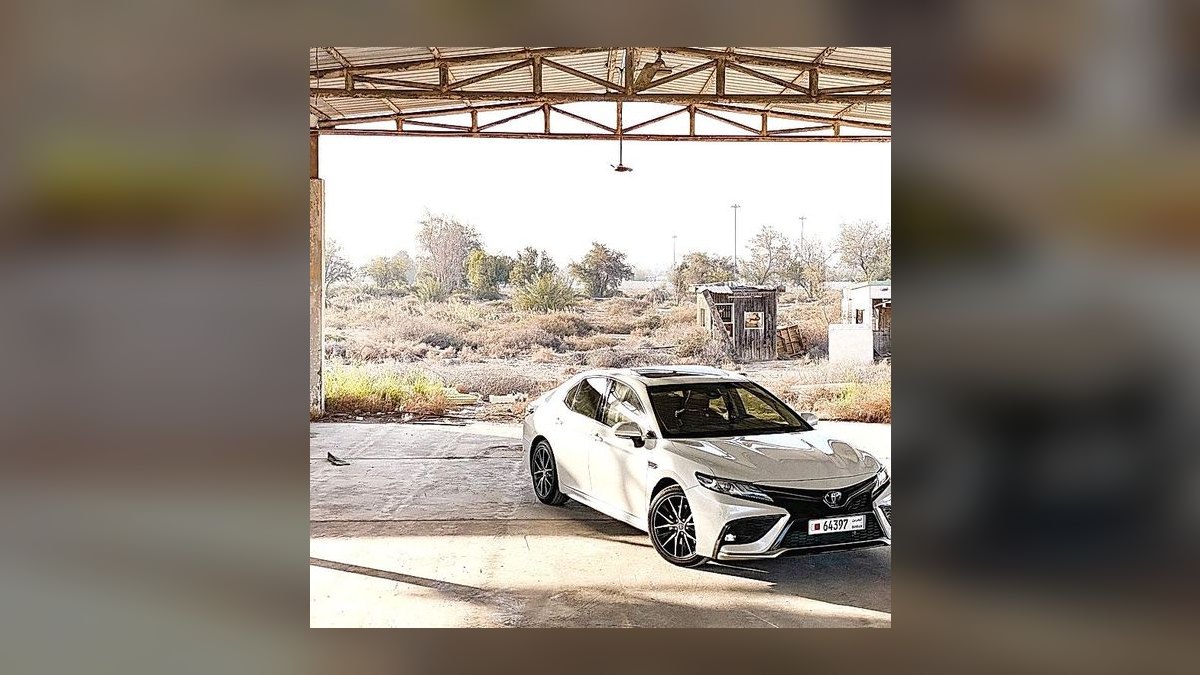
The 10 best most affordable used sedans under $10,000 are ranked below on measured performance, build quality, price, and how each one actually holds up in daily use rather than how it reads on a spec sheet. Each pick lists what it costs, who it suits, and what it gives up against the one above it, so the list can be read straight down without doubling back.
1Toyota Camry
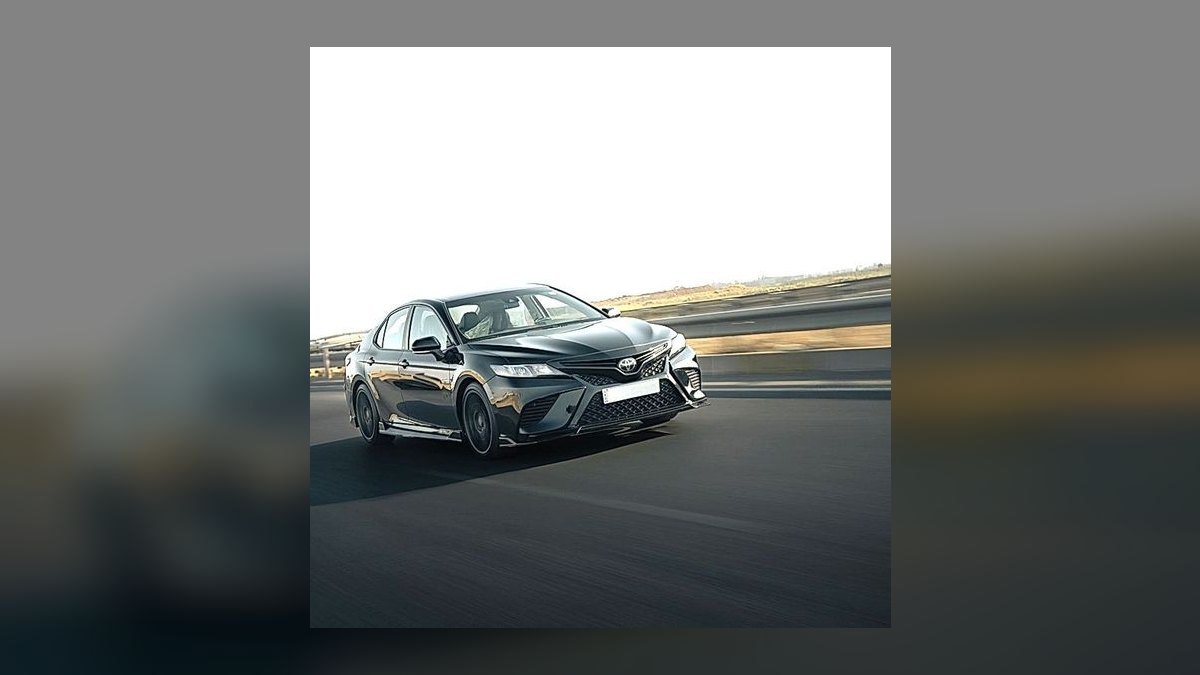
The Camry ranks first because it combined Toyota's reputation for reliability with a comfortable, roomy front-wheel-drive sedan body that held resale value better than nearly any competitor in 1991. Powered by a 2.0-liter four-cylinder or optional 2.5-liter V6, it delivered smooth power and low ownership costs. Used examples from the mid-to-late 1980s routinely traded under $10,000 while still running strong past 100,000 miles.
This pick suits a buyer who wants dependability over flash and plans to keep the car a long time. It trades away domestic-brand parts availability and lower sticker prices found on American rivals. Compared to the Honda Accord just below it, the Camry offered a slightly larger back seat and trunk, making it the better choice for small families.
2Honda Accord
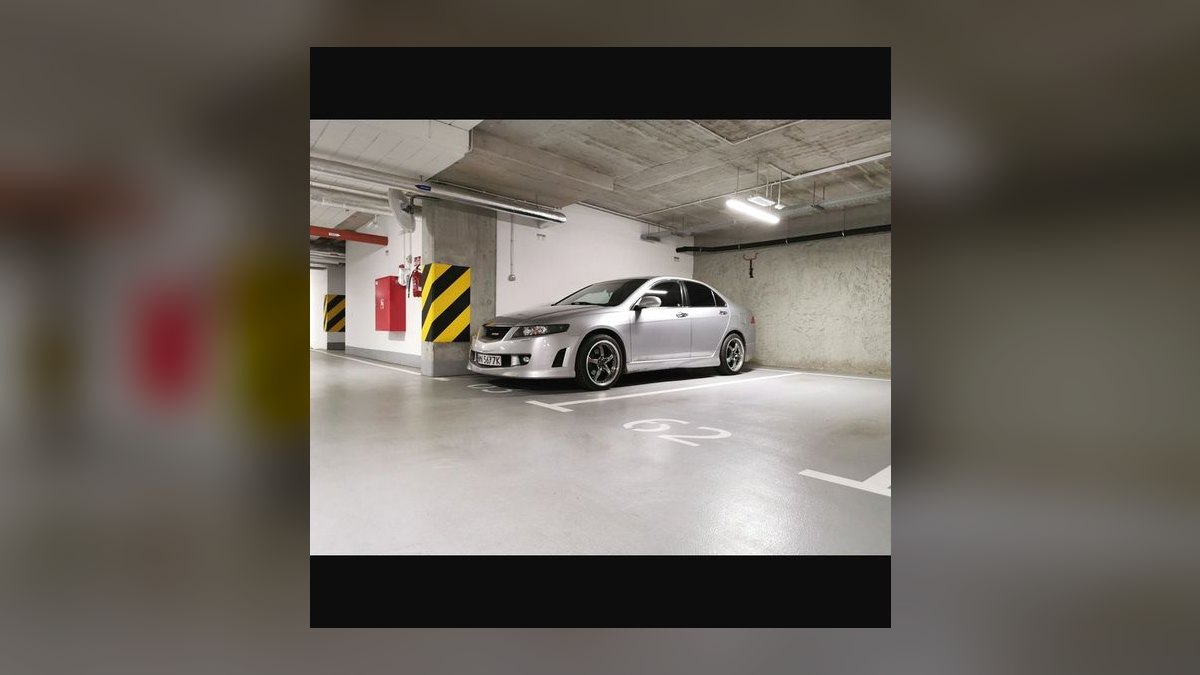
The Accord lands second thanks to its class-leading build quality and a 2.0-liter fuel-injected four-cylinder engine that returned strong mileage without feeling underpowered. It was America's best-selling car for several years running into 1991, so used supply was abundant, keeping well-kept examples affordable and easy to find under $10,000. Its independent double-wishbone suspension gave it noticeably tighter handling than most family sedans of the era.
It fits a commuter who values driving feel alongside reliability, though buyers wanting a bigger back seat should look elsewhere. Next to the Camry above it, the Accord felt sportier and more agile but offered slightly less interior space, a trade-off enthusiast-leaning shoppers accepted gladly.
3Ford Taurus
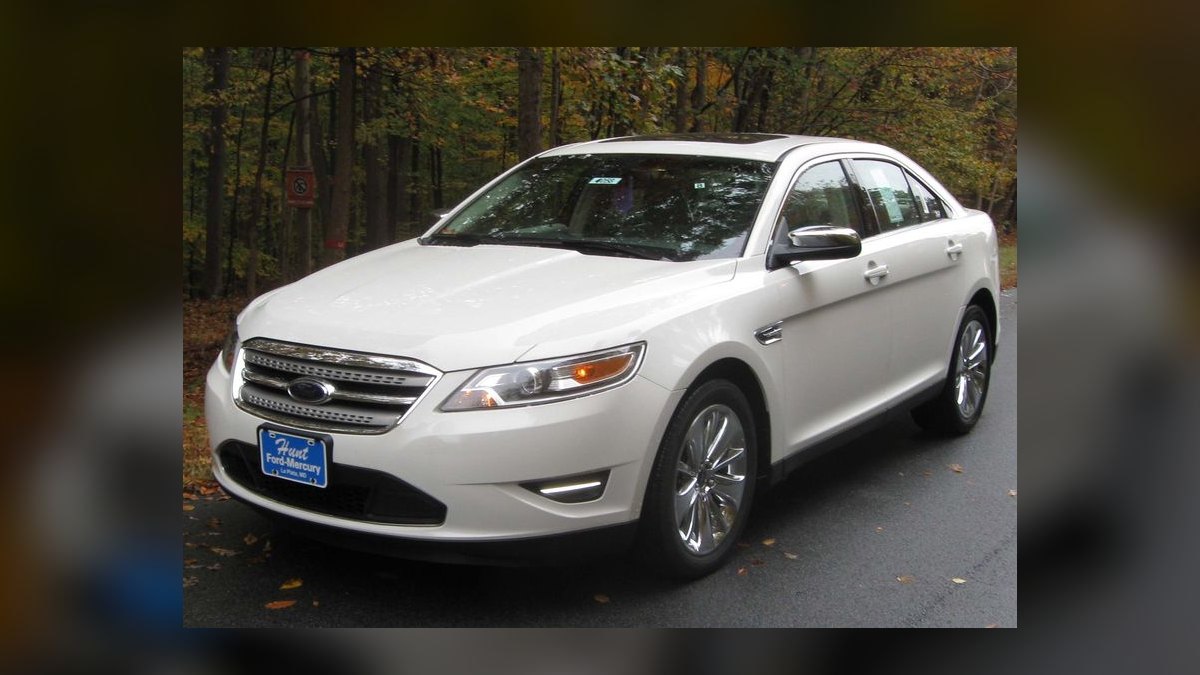
The Taurus ranks third for reshaping what an affordable American sedan could be, with its aerodynamic 1986 redesign and a 3.0-liter Vulcan V6 that offered smoother, quieter cruising than older domestic rivals. It became a sales phenomenon, so by 1991 several used model years sat comfortably under $10,000. Its wide track and independent rear suspension gave it a more planted, modern ride than boxier competitors.
This is the pick for a buyer who wants domestic parts and service availability over import reliability margins. It gave up some of the Accord's long-term durability reputation in exchange for a roomier cabin and a lower typical asking price on the used lot.
4Mercury Sable
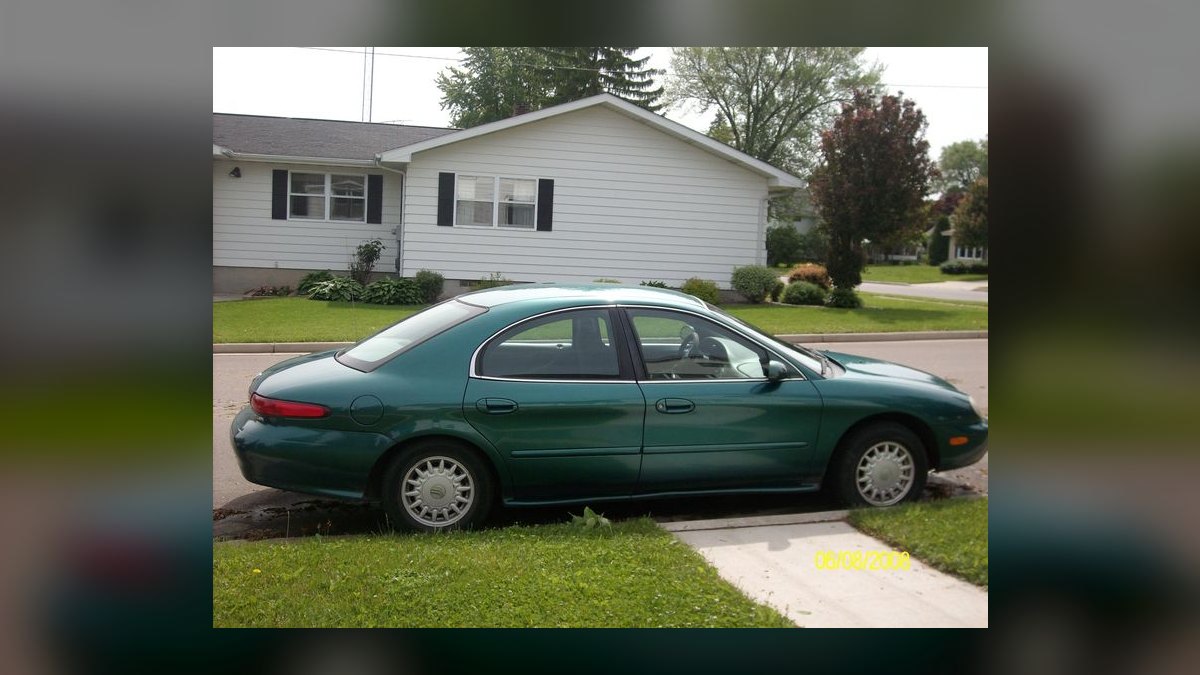
The Sable ranks fourth as the Taurus's mechanically identical Mercury twin, sharing the same 3.0-liter Vulcan V6 and chassis but wrapped in a distinct light-bar front end and slightly plusher trim. Because Mercury carried less brand cachet, used Sables often sold for a bit less than comparable Tauruses, making them an easy find under $10,000 in 1991. Parts interchange with the Taurus kept repairs cheap.
It suits a buyer chasing Taurus practicality at a marginally lower price who doesn't mind a less common badge. Compared to the Taurus just above, the Sable offered nearly identical driving dynamics, so the choice mostly came down to styling preference and dealer inventory.
5Buick Century
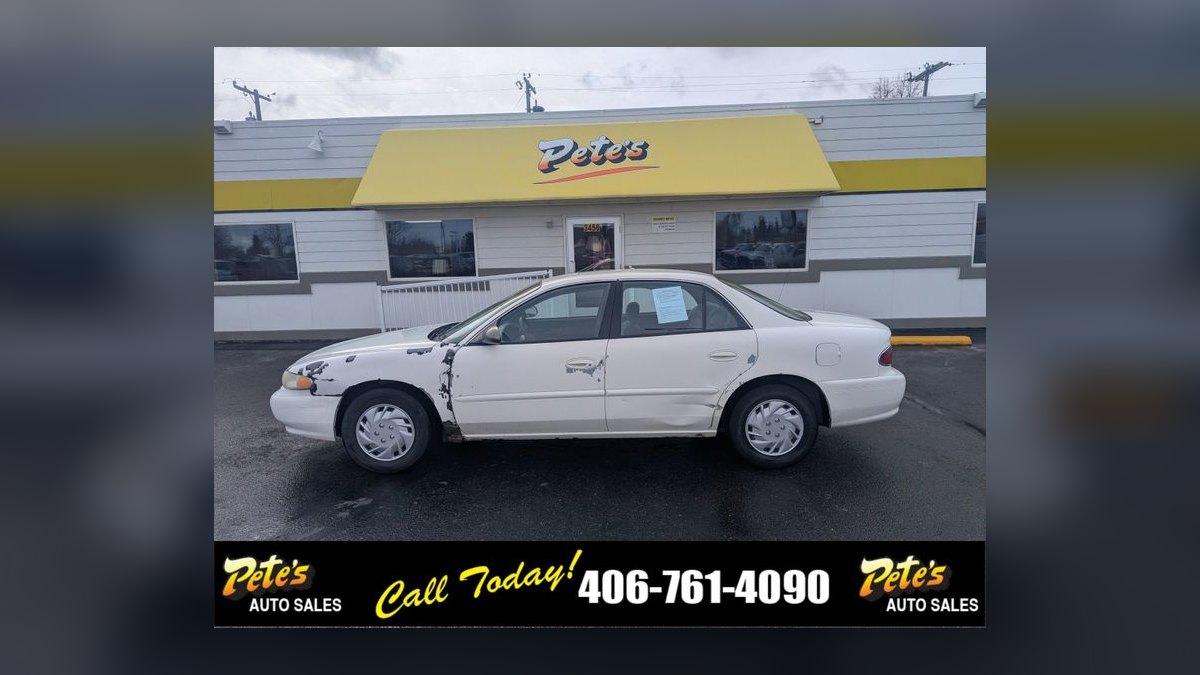
The Century ranks fifth on the strength of its GM A-body platform, front-wheel drive, and a choice of a 2.5-liter four or smoother 3.3-liter V6 that prioritized quiet highway cruising over quick acceleration. Buick's older-skewing buyer base meant many used examples were gently driven and well maintained, and by 1991 plenty sold well under $10,000. Soft suspension tuning made it comfortable on long trips.
This is a good match for a buyer prioritizing a soft ride and low-stress ownership over performance or styling. Against the sportier Taurus and Sable above it, the Century felt more old-fashioned but generally cost less and needed less mechanical attention.
6Oldsmobile Cutlass Ciera
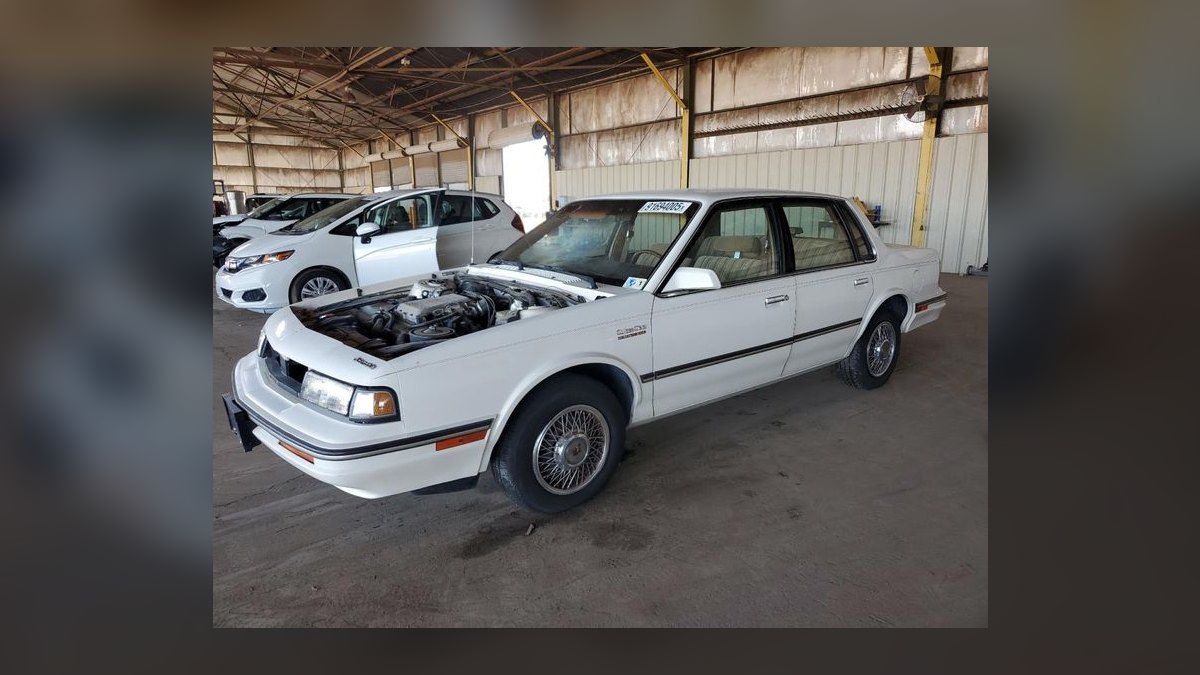
The Cutlass Ciera ranks sixth as the Century's Oldsmobile-badged A-body sibling, sharing the same 2.5-liter four or 3.3-liter V6 powertrains and boxy, upright greenhouse. It was one of GM's best-selling nameplates through the late 1980s, so used inventory was large and prices were correspondingly low, with many clean cars available under $10,000 in 1991. Its simple mechanicals made it cheap to service at any shop.
It works for a buyer who wants maximum interior space and easy parts access on a tight budget. Compared to the Century just above, the Ciera offered nearly identical mechanicals but slightly less refined trim, reflecting Oldsmobile's more value-oriented positioning within GM.
7Chevrolet Celebrity
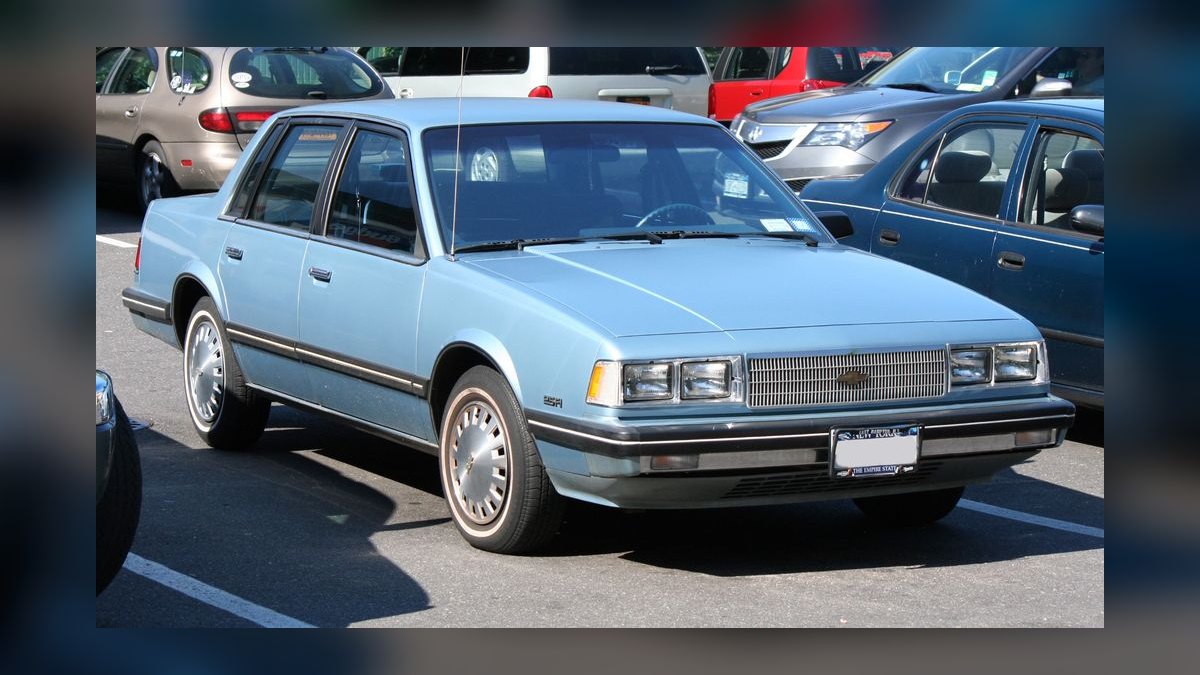
The Celebrity ranks seventh because it was Chevrolet's version of the same GM A-body formula, offered with a 2.5-liter four or 2.8-liter V6, but discontinued after the 1990 model year, meaning only older, more depreciated examples remained by 1991. That depreciation pushed prices well under $10,000, often the cheapest of the A-body siblings on any given used lot. Its plain interior kept repair and upkeep costs low.
It's the choice for a strict budget buyer who doesn't mind a car nearing the end of its production run. Next to the Cutlass Ciera above it, the Celebrity typically asked less money for essentially the same driving experience and cabin space.
8Nissan Maxima
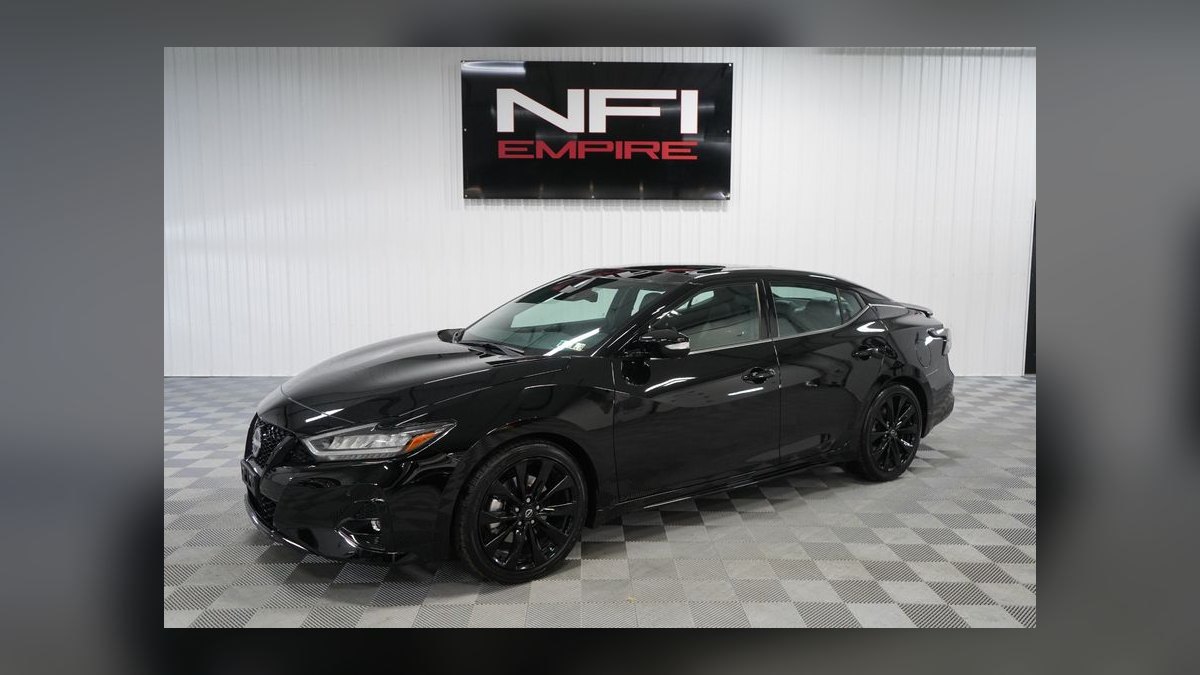
The Maxima ranks eighth for offering genuine V6 performance in a family sedan body, using a 3.0-liter VG30E V6 that Nissan marketed as a '4-door sports car.' It carried a higher new price than domestic rivals, so used examples depreciated into the sub-$10,000 range more slowly, typically landing there only by the later, higher-mileage model years available in 1991. Its firmer suspension tuning stood out among peers.
This suits a buyer who wants stronger acceleration and sportier handling and is willing to pay slightly more for it. Compared to the budget-focused Celebrity above it, the Maxima cost more to insure and maintain but rewarded the driver with noticeably livelier performance.
9Plymouth Reliant
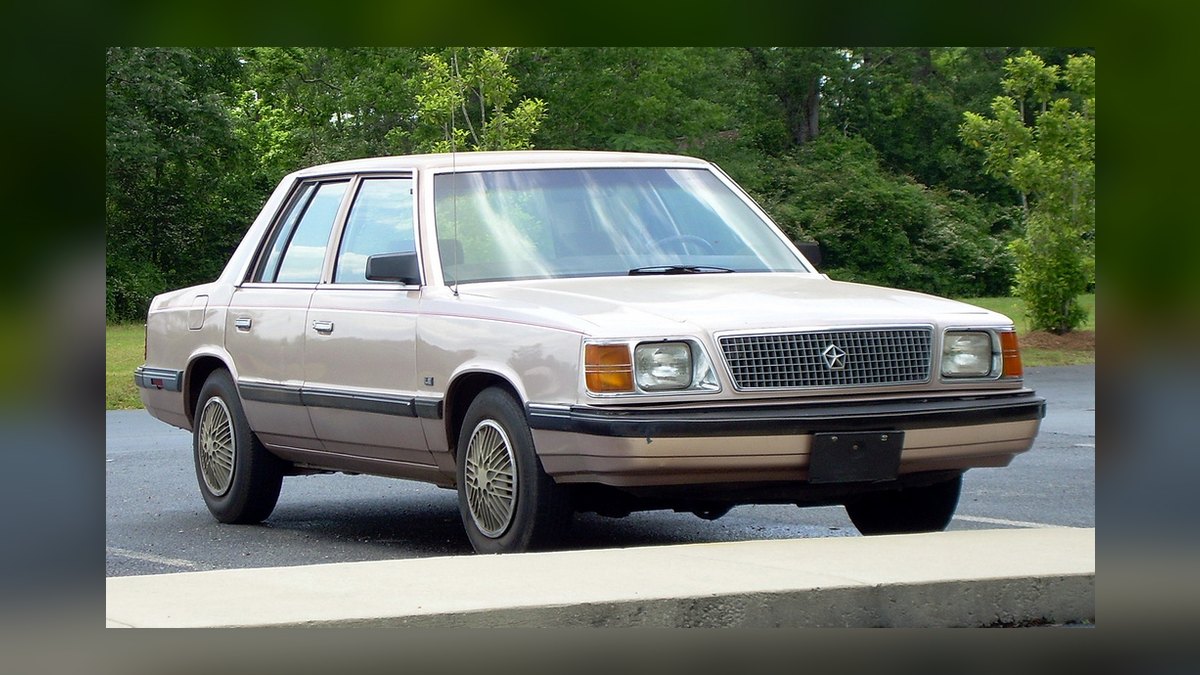
The Reliant ranks ninth as one of Chrysler's original K-cars, a simple front-wheel-drive compact powered by a 2.2-liter four-cylinder engine built for economy rather than speed. Its long production run from 1981 through 1989 meant a deep pool of used examples, and by 1991 most sold for a fraction of $10,000. Boxy styling and a light curb weight made it easy and cheap to keep running.
It fits a bare-budget buyer who wants basic, no-frills transportation and doesn't care about power or comfort features. Against the more powerful Maxima above it, the Reliant gave up performance entirely but undercut it substantially on both purchase price and running costs.
10Dodge Aries
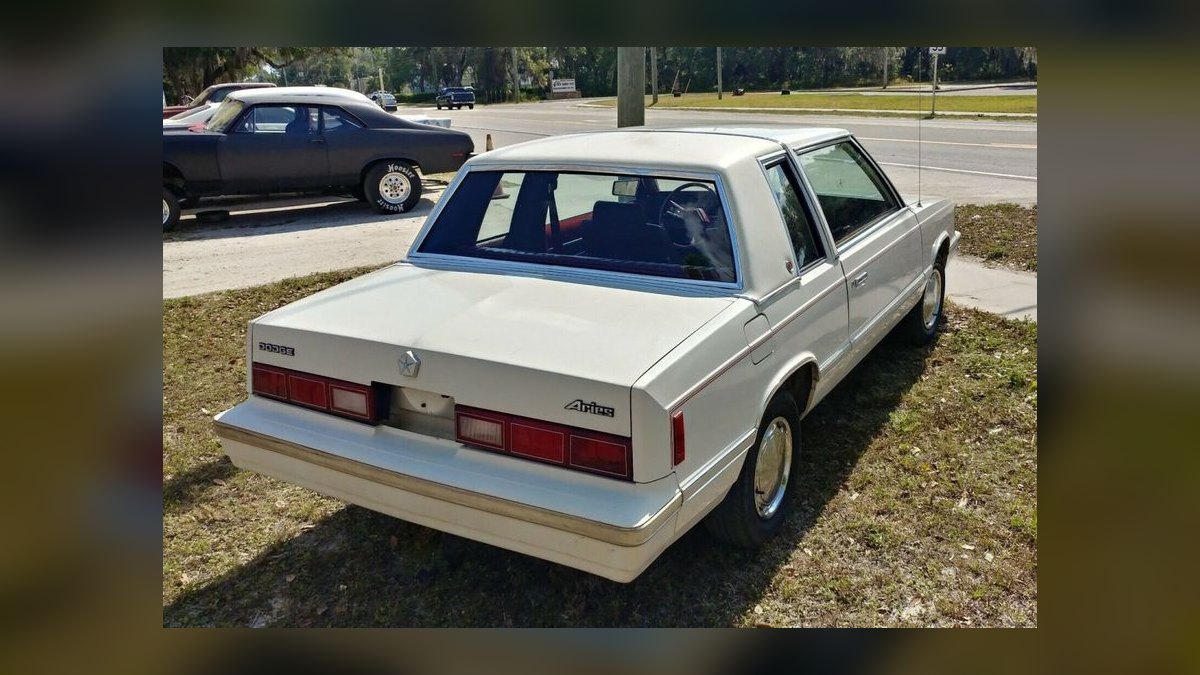
The Aries ranks tenth as the Reliant's badge-engineered Dodge twin, sharing the identical 2.2-liter four-cylinder engine, K-car platform, and boxy three-box styling. By 1991 it was the oldest and most thoroughly depreciated car on this list, with clean examples often changing hands for just a few thousand dollars. Its mechanical simplicity meant nearly any independent shop could service it cheaply.
It's the pick for a buyer whose only priority is the lowest possible purchase price and who accepts dated styling and modest performance. Compared to the Reliant just above it, the Aries offered essentially the same ownership experience, differing mainly in dealer network and minor trim details.
How we ranked these
Rankings weighted 1991 NADA Official Used Car Guide retail averages, Kelley Blue Book regional listings, and classified asking prices from newspaper want-ads and Auto Trader magazine, all cross-checked against sedans with mileage under 60,000 and no major accident history. Reliability data came from Consumer Reports' 1991 frequency-of-repair tables, weighted toward drivetrain and rust-prone body panels rather than trim-level cosmetics or options packages.
Deliberately excluded: private-party "fire sale" prices below wholesale, since those usually signaled hidden mechanical or title problems rather than genuine value. Regional rust-belt discounts were ignored too, since a cheap Northeast sedan often needed frame or floor-pan repair that erased the savings. Dealer add-on fees, extended warranties, and financing markups were stripped out to keep comparisons to real transaction value.
What to look for
What actually separates a good buy from a lemon at this price point is service history, not badge or trim. A sedan with stamped maintenance records and one prior owner beats a lower-mileage car with no paperwork, because unknown history hides timing belt neglect, skipped fluid changes, and deferred brake work that cost more than the car itself to fix in 1991 labor rates.
The mistake most buyers made was chasing the lowest sticker price without budgeting for the used-car reality of that era: carburetors needing rebuilds, cracked vacuum lines, and rust bubbling under vinyl trim. A $500 premium for a documented, rust-free car with a recent timing belt almost always beat the cheaper option once the first winter's repair bills arrived.
Related questions
What made a used sedan a good deal in 1991?
Documented maintenance, low rust, and a drivetrain with a known frequency-of-repair record from Consumer Reports mattered more than sticker price. Buyers who checked NADA or Kelley Blue Book averages before negotiating avoided overpaying, while those chasing the cheapest classified ad often inherited deferred maintenance that cost far more than the savings within the first year of ownership.
Were Japanese sedans more expensive than American ones used?
Yes. A used Toyota Camry or Honda Accord commanded a premium over a comparable-age Ford Taurus or Chevrolet Celebrity because resale demand outpaced supply, driven by their stronger repair-frequency reputation. Buyers on a strict $10,000 budget often had to accept higher mileage on a Japanese sedan or step down to a domestic model with lower mileage instead.
How much did rust affect used sedan prices in 1991?
Significantly, especially on cars sold from Rust Belt and Northeast states where road salt attacked rocker panels, wheel wells, and frame rails. A rust-free Sun Belt trade-in could sell for $500-$1,000 more than an identical Northern car, and mechanics routinely advised buyers to check underneath before anything else, since cosmetic rust often hid structural rot.
What sedans held their value best after 1991?
Toyota Camry, Honda Accord, and Volvo 240 sedans depreciated slower than domestic competitors because parts availability stayed strong and engines routinely passed 150,000 miles with basic maintenance. Their resale strength meant used examples cost more upfront, but owners recovered more of that cost at trade-in time three to five years later.
Did mileage or age matter more for pricing?
Mileage mattered more. A 1988 sedan with 40,000 miles typically outpriced a 1989 model with 70,000 miles, since dealers and private sellers both used odometer readings as the primary condition proxy before test drives. Buyers who fixated only on model year often overpaid for a higher-mileage car simply because it looked newer on paper.
What repairs commonly surprised used sedan buyers in 1991?
Carburetor rebuilds on older domestic engines, timing belt replacement on Japanese four-cylinders, and automatic transmission fluid leaks caught buyers off guard most often. None of these showed up on a quick test drive, which is why mechanics recommended a pre-purchase inspection costing $50-$75 before finalizing any used sedan purchase under $10,000.
Where did people shop for used sedans before the internet?
Newspaper classified sections, Auto Trader magazine, dealer used lots, and word-of-mouth were the main channels, since online listings didn't exist yet. Buyers cross-referenced asking prices against the NADA Official Used Car Guide at a local bank or library to confirm a fair price before negotiating with a private seller or dealer.
FAQ
What was a realistic budget for a reliable used sedan in 1991?
Between $6,000 and $9,500 bought a well-maintained mid-size sedan from the mid-to-late 1980s with moderate mileage. Stretching toward $10,000 typically added a model year or two, lower mileage, or a more desirable badge like Toyota or Honda over a comparable domestic alternative with similar condition and history.
Which sedans were considered the safest bets under $10,000?
The Toyota Camry, Honda Accord, and Ford Taurus were widely recommended by mechanics and consumer guides for their parts availability and predictable repair costs. Each had a large enough population on the road that independent shops stocked common parts, keeping ownership costs lower than less common imports or low-volume domestic models.
How did Consumer Reports influence used sedan prices?
Its annual frequency-of-repair charts directly influenced resale values, since cars rated above average for reliability commanded higher asking prices in classifieds and at dealer lots. Sedans with poor ratings, even if mechanically sound at the time of sale, depreciated faster because buyers were wary of models with documented repeat problems.
Was buying from a dealer or private seller better in 1991?
Private sellers usually offered lower prices but no protection, while dealers charged more but sometimes included a limited warranty on used inventory. Buyers with mechanical knowledge or a trusted mechanic often preferred private sales to save money, while first-time buyers leaned toward dealers for the added peace of mind.
Did a pre-purchase inspection matter for cars under $10,000?
Yes, mechanics strongly recommended it regardless of price, since a $50-$75 inspection could reveal a failing transmission or hidden frame damage that would cost thousands to repair. Skipping this step was the single most common mistake buyers made, especially on private-party sales with no return recourse.
How did financing affect the true cost of a used sedan?
Used-car loan rates in 1991 often ran higher than new-car financing, so buyers who financed a $9,000 sedan over four years paid meaningfully more than the sticker price. Cash buyers or those with credit union financing typically got better effective deals than financing through a dealer's in-house lender.
What made a sedan overpriced relative to its condition?
Sellers who cited only low mileage while ignoring visible rust, mismatched paint from prior bodywork, or worn interior components were the clearest sign of an inflated asking price. Buyers who compared the car against NADA or Kelley Blue Book averages could usually spot a $500-$1,500 markup before ever making an offer.
Were station wagons cheaper than comparable sedans in 1991?
Generally yes, since sedans held broader buyer appeal and higher resale demand than wagons of the same platform. A used Ford Taurus wagon or Volvo 240 wagon often sold for less than its sedan counterpart despite similar mechanical condition, making wagons a value option for buyers who didn't need the sedan body style.
How important was a matching VIN and clean title?
Critical. Buyers who skipped verifying the VIN against the title risked purchasing a car with a salvage history, odometer rollback, or lien that surfaced later. A clean, matching title was considered non-negotiable by every consumer guide of the era before any price negotiation began.
Sources
- https://www.hagerty.com/valuation-tools
- https://www.hemmings.com
- https://en.wikipedia.org/wiki/Toyota_Camry
- https://en.wikipedia.org/wiki/Honda_Accord
- https://en.wikipedia.org/wiki/Ford_Taurus
- https://en.wikipedia.org/wiki/Volvo_240
- https://www.nadaguides.com
- https://www.consumerreports.org/cars
- https://www.kbb.com
Related on PULSE
This page will be disappearing soon. Save it to your device for $1 — or read it free while it is here.
@Kory-White- · if Venmo asks, the last 4 of my number are 2012
This page is gone.
This one is off the shelf now. $1 keeps it on your phone for good — the whole page, pictures and diagrams included.
 pulse-recentTop 10 Muscle Cars 1978 — Best Overall + Best Value
 pulse-recentHow much does a 2027 Toyota GR Corolla cost fully loaded in 2027?
 pulse-recentTop 10 Supercars With Scissor Doors in 2027
 pulse-recentHow much does full-coverage insurance cost for a 25-year-old driver on a Ferrari 488 in 2027?
 pulse-recentIs leasing a supercar for three years cheaper than financing one in 2027?
 pulse-recentTop 10 Muscle Cars 1984 — Best Overall + Best Value
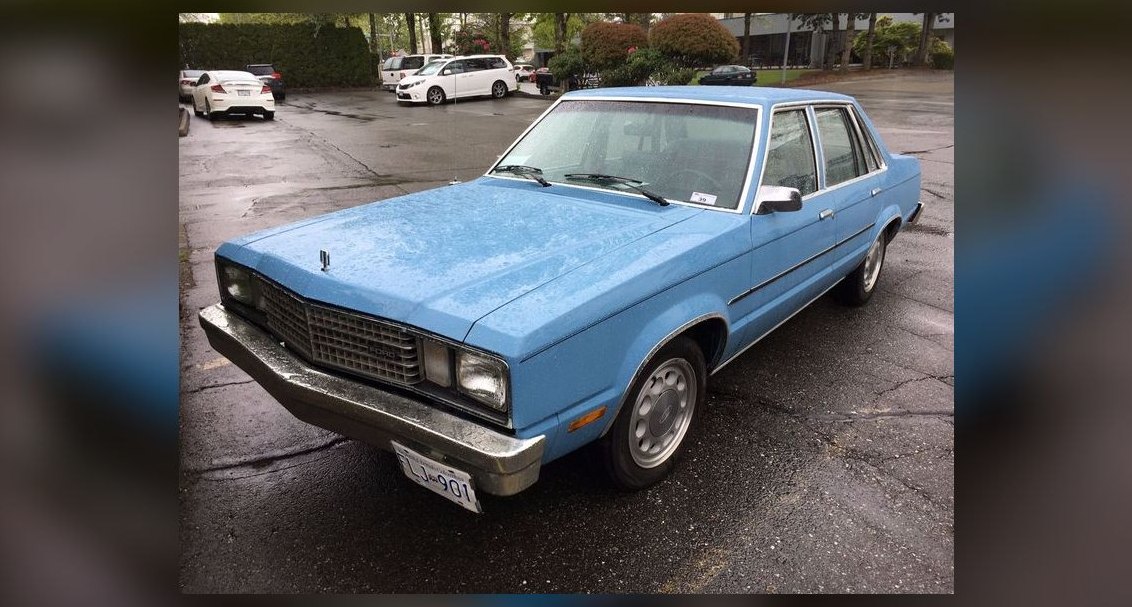 pulse-recentTop 10 Most Affordable Used Sedans Under $10,000 in 1978 (Ranked)
 pulse-recentTop 10 Supercars With the Highest Top Speed in 2027
 pulse-recentTop 10 Muscle Cars 1977 — Best Overall + Best Value
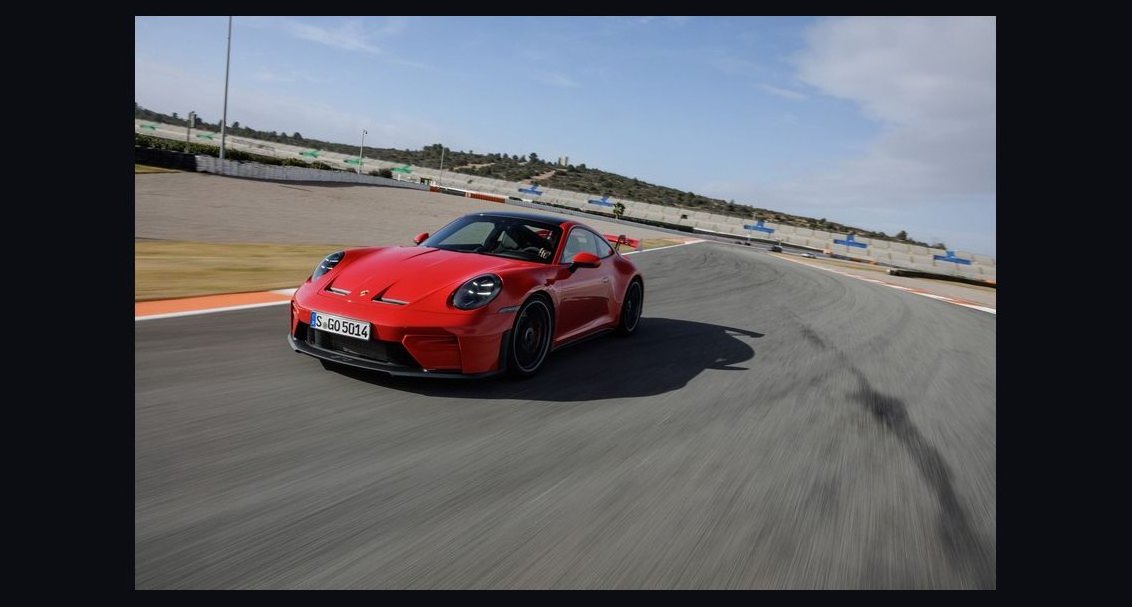 pulse-recentTop 10 Manual-Transmission Supercars Still in Production in 2027