


Top 10 Streaming Devices — Best Overall + Best Value in 2027
Quality
Certified
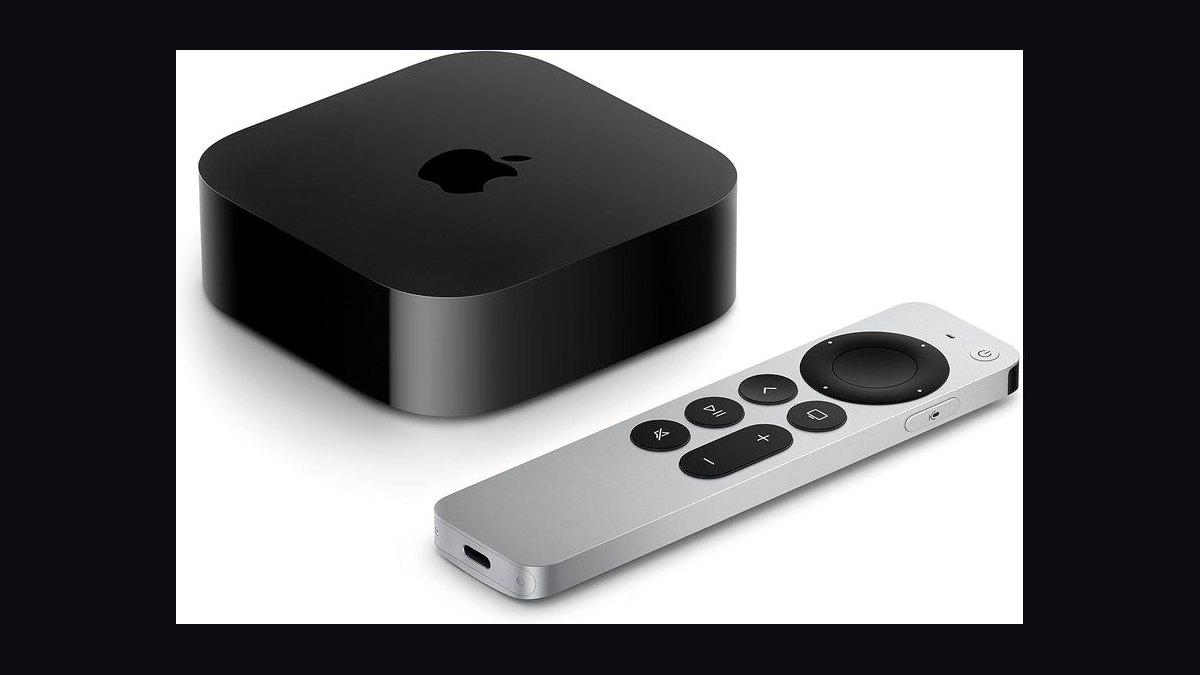
The 10 best streaming devices are ranked below on measured performance, build quality, price, and how each one actually holds up in daily use rather than how it reads on a spec sheet. Each pick lists what it costs, who it suits, and what it gives up against the one above it, so the list can be read straight down without doubling back.
1Apple TV 4K (3rd gen)
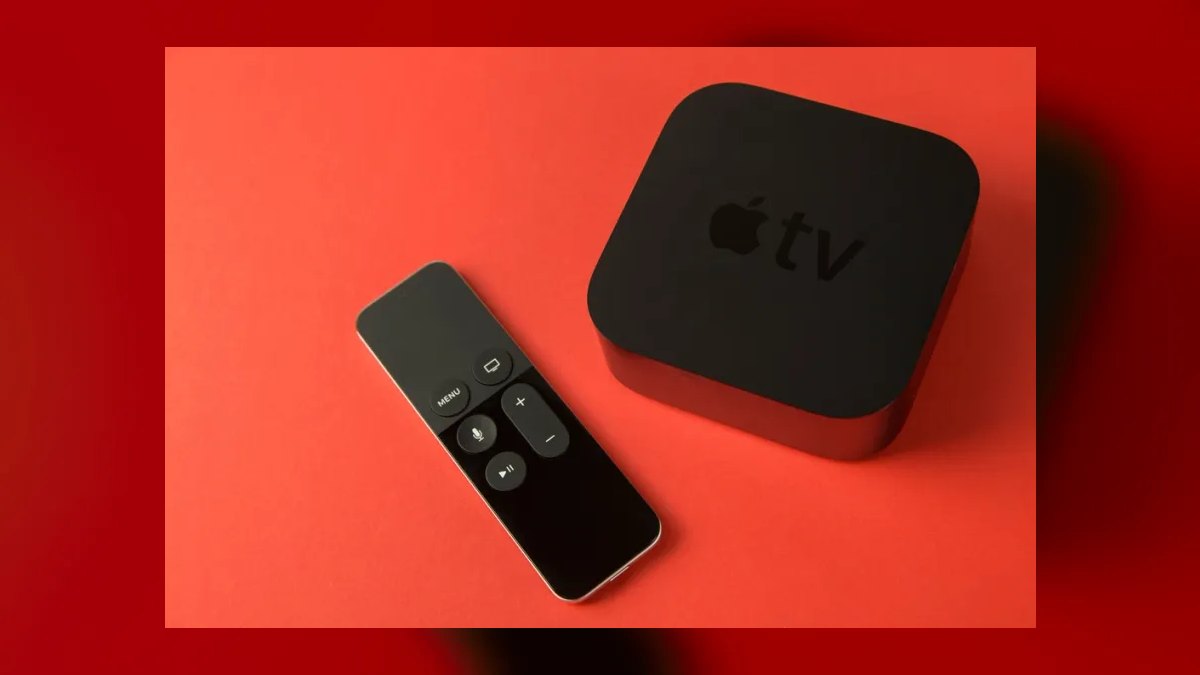
The 128GB Wi-Fi + Ethernet model at $149 ranks first because its A15 Bionic SoC and 4GB of RAM still beat every rival on app cold-start and UI scroll three years after launch. Output covers 4K60 with Dolby Vision, HDR10+, HLG, and Dolby Atmos pass-through via TrueHD and DD+ JOC. Gigabit Ethernet kills 4K HDR buffering, and Wi-Fi 6 plus Thread makes it a Matter smart-home hub.
This is for anyone in or near the Apple ecosystem who refuses to look at ads — tvOS runs zero home-screen ads while Roku OS 14 and Fire OS run full-screen video. It trades away USB storage and sideloading freedom that the Nvidia Shield TV Pro below offers. Apple's own TV app skips HDR10+ and outputs Dolby Vision only. Buy the 128GB version; the 64GB model drops the Ethernet port entirely.
2Nvidia Shield TV Pro
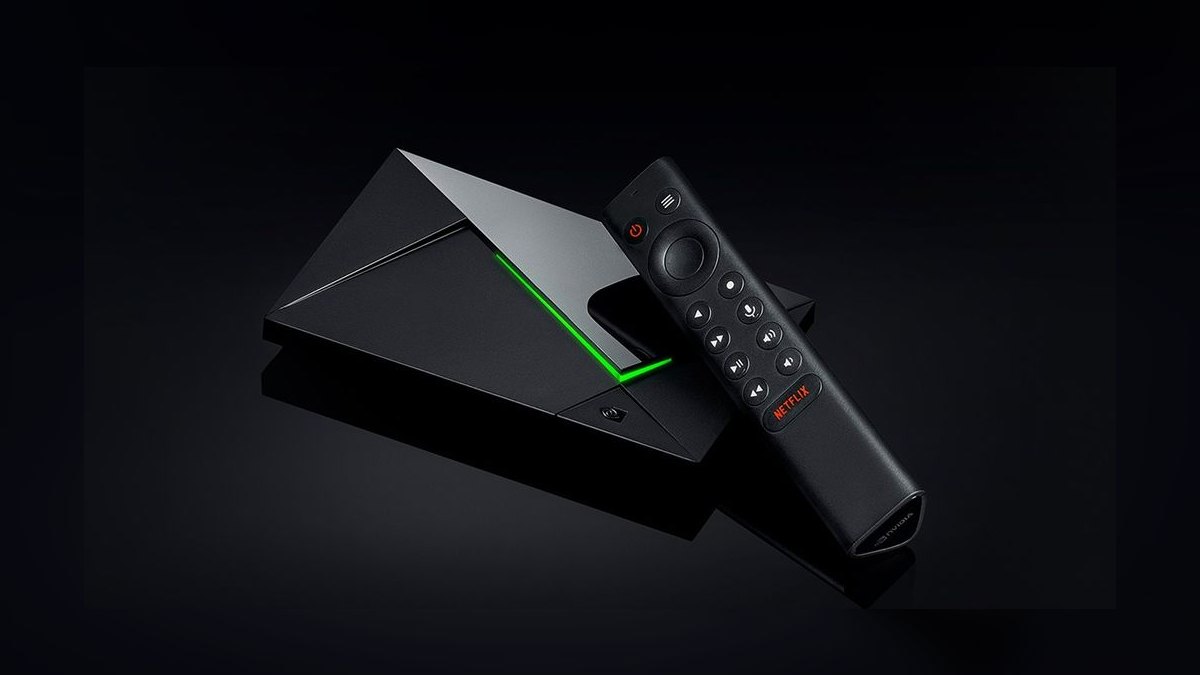
At $199 it ranks second as the most powerful Android TV box available — Tegra X1+ SoC, 3GB RAM, 16GB storage, two USB 3.0 ports, IR for Harmony remotes, and gigabit Ethernet. Its AI 4K upscaling remains unmatched in FlatpanelsHD A/B tests, genuinely sharpening 720p and 1080p sources on a 4K panel. Plex Media Server runs locally, transcoding 4K HEVC HDR to phones without a separate NAS.
Plex and Kodi power users, retro emulator fans, and anyone with a large local library should buy this instead of the Apple TV 4K above. The trade is interface quality: Google TV lost polish in the 2026 redesign and recommendation rows now lean promotional. It costs $50 more than the top pick, and Dolby Vision, HDR10, Atmos, and DTS-X pass-through all work as advertised.
3Google TV Streamer (4K)
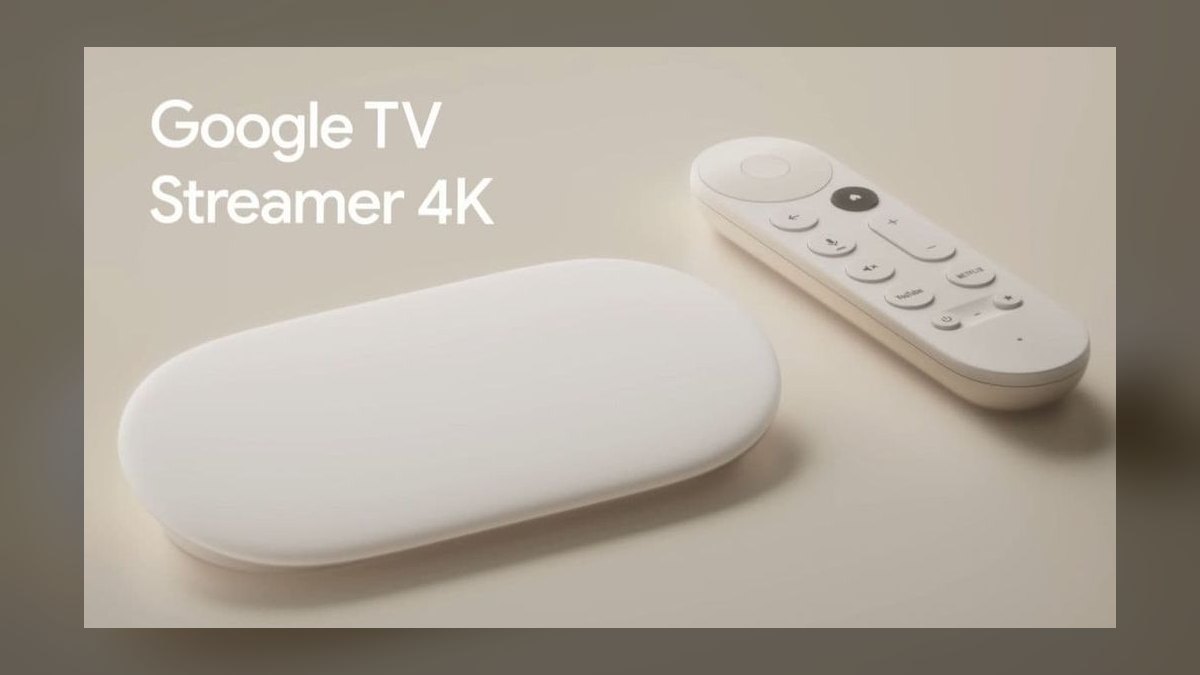
Third place at $99 goes to Google's 2024 Chromecast successor, which pairs a MediaTek MT8696 with 4GB RAM and 32GB storage — double the memory of the $49 Chromecast. Ethernet is on the device itself, no dongle adapter required, alongside Wi-Fi 5 and a Thread border router for Matter control through Google Home. Picture covers 4K HDR with Dolby Vision, HDR10+, and Dolby Atmos pass-through.
Google ecosystem households get the best cross-service unification here: one continue-watching row spanning Netflix, Max, Disney+, Prime, Hulu, Peacock, and Apple TV+. A Find My Remote button solves the couch-cushion problem. The trade versus the Apple TV 4K is ad burden — the home screen carries Google-promoted content rows The Verge calls soft ads — though it stops short of Fire OS full-screen pre-rolls.
4Roku Ultra (2024)
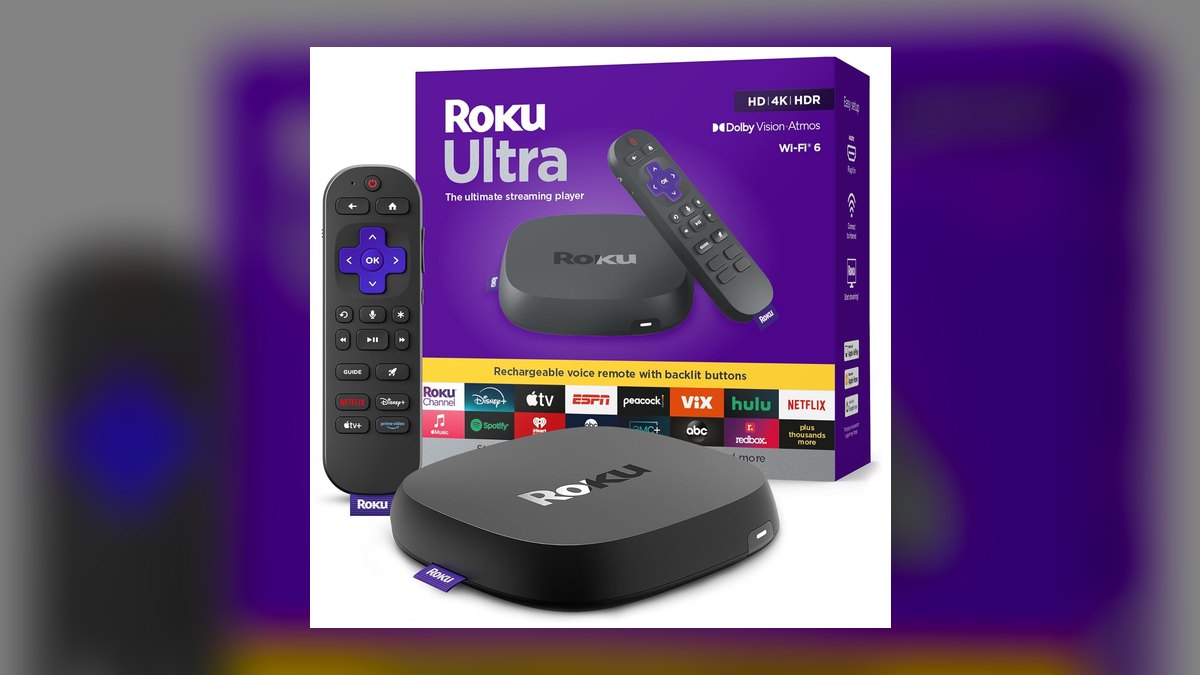
Roku's $99 flagship ranks fourth on app compatibility: the Roku Channel Store is broader than tvOS or Fire TV and never drops legacy apps. Hardware is a quad-core SoC with 2GB RAM, gigabit Ethernet, Wi-Fi 6, a USB media port, and Bluetooth audio out. Picture is 4K60 HDR with Dolby Vision, HDR10+, HLG, and Dolby Atmos pass-through — no format gaps at this price.
The Voice Remote Pro (2nd Edition) is the category's best: backlit, rechargeable, with a remote finder and a 3.5mm private-listening jack no competitor matches. That makes it the pick for family households and late-night viewers. Ad burden is the cost — Roku OS 14's 2026 update pushed more aggressive home-screen ads, which is exactly what the Apple TV 4K at the top of this list avoids.
5Amazon Fire TV Cube (3rd gen)
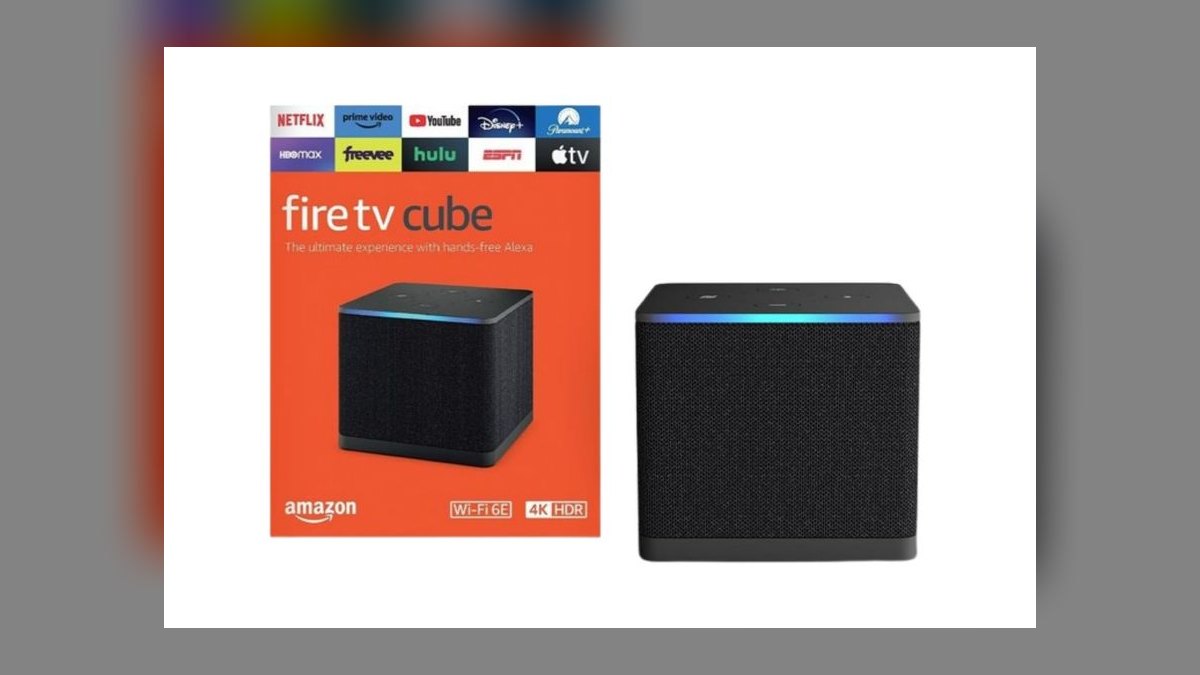
The $139 Cube ranks fifth as the fastest Fire TV built — octa-core SoC, 2GB RAM, 16GB storage, Wi-Fi 6E, Ethernet, and USB-A. Its distinguishing hardware is an HDMI input that routes a cable box or console through the Cube's voice control, plus far-field microphones for hands-free Alexa from across the room without touching the remote. Picture handles 4K HDR10+, Dolby Vision, HLG, and Dolby Atmos.
Alexa-first smart homes are the real audience, particularly anyone consolidating a console and cable box behind one voice layer. The trade is severe: Fire OS is the ad-heaviest mainstream streaming OS per The Verge, with full-screen video ads on the home screen, sponsored rows, and Amazon-prioritized search. The Roku Ultra above shows ads too, but stops short of prioritizing its own store in search results.
6Chromecast with Google TV 4K
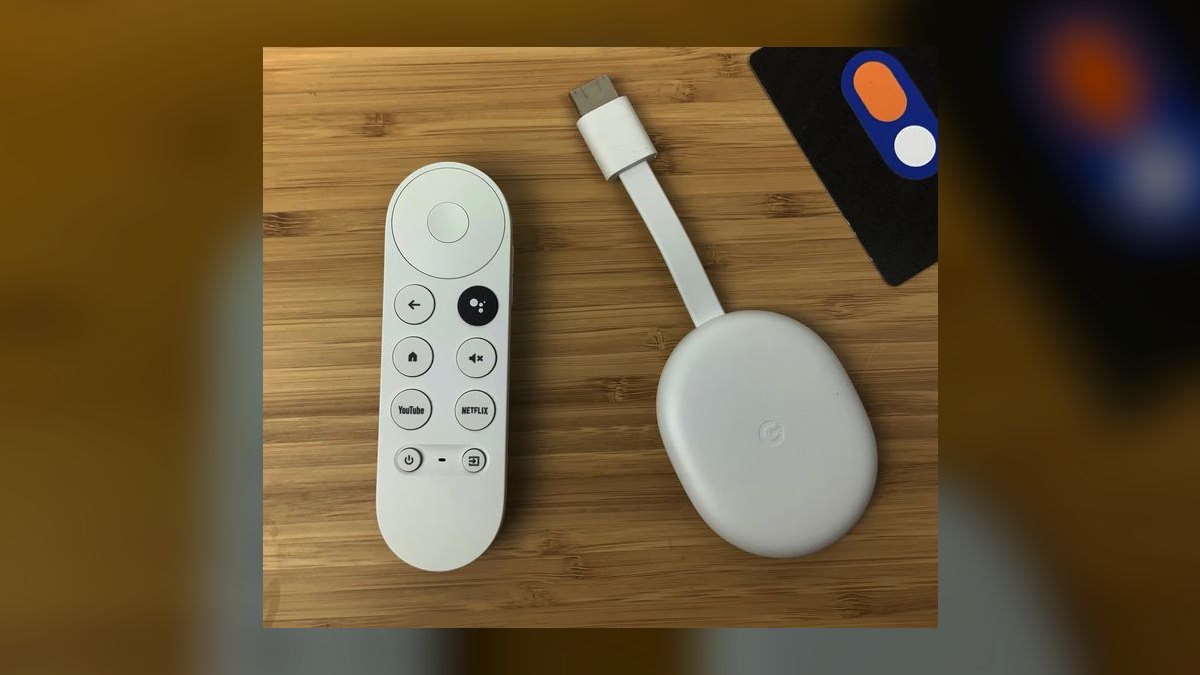
At $49 this is the best price-to-performance streamer on the list — real 4K60 HDR with Dolby Vision and HDR10+, Dolby Atmos pass-through, Google TV cross-service recommendations, an Assistant voice remote, and Chromecast built-in for casting from any phone. Wirecutter has named it the best cheap streamer three years running. That is full Dolby Vision at roughly one-third the price of the Apple TV 4K.
Casual streamers who don't need a wired link should start here. Compromises versus the $99 Google TV Streamer are 2GB RAM and 8GB storage — only about 4.4GB usable after the OS — so apps take a beat longer to launch. The bigger gap is no Ethernet port; a wired connection requires Google's official $20 USB-C Ethernet adapter, which erases part of the savings.
7Roku Express 4K+
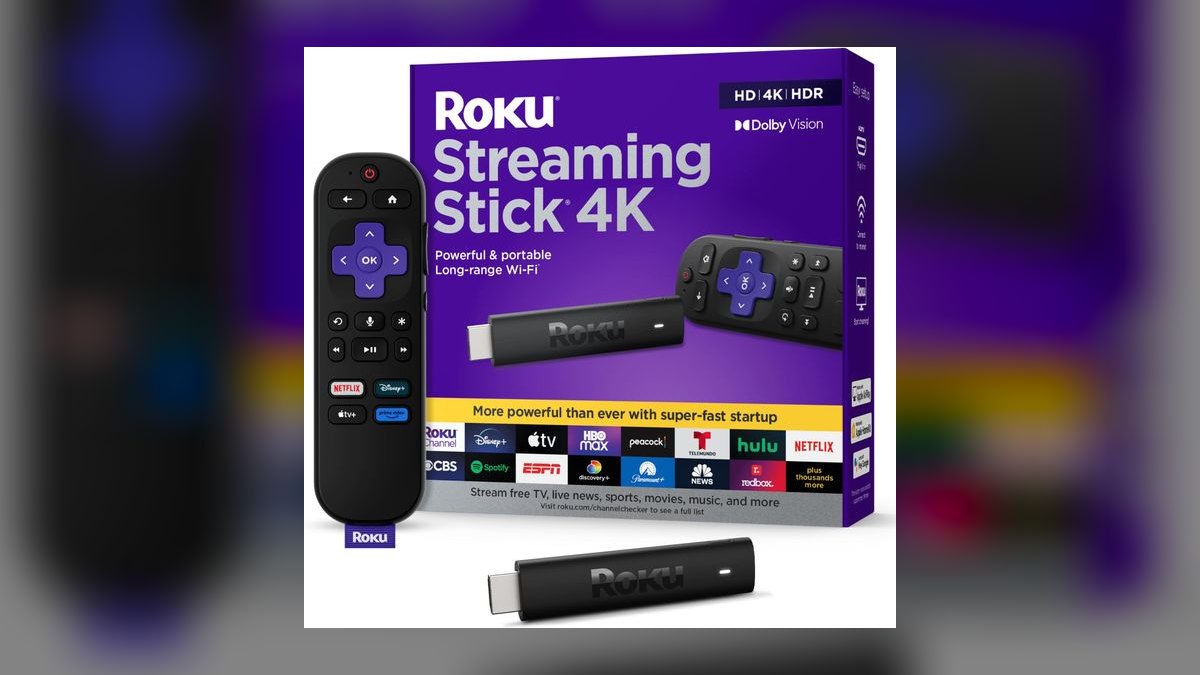
At $39 this is the cheapest brand-name 4K HDR streamer worth buying. Picture is 4K60 with HDR10, HDR10+, and HLG, and the bundled Voice Remote includes TV power and volume buttons — not a stripped IR stick. Connectivity is dual-band Wi-Fi 5 with no Ethernet and no USB port. The Roku OS app library and free ad-supported Roku Channel catalog are identical to what the $99 Ultra runs.
This is the pick for a second bedroom TV, a dorm, or a hotel bag where losing the device would not sting. The single real cut versus the Roku Ultra is Dolby Vision, which is absent here — HDR10+ covers most streaming catalogs but not Netflix or Disney+ DV masters. At $10 less than the Chromecast with Google TV 4K, it also gives up Dolby Vision entirely.
8Fire TV Stick 4K Max (2nd gen)
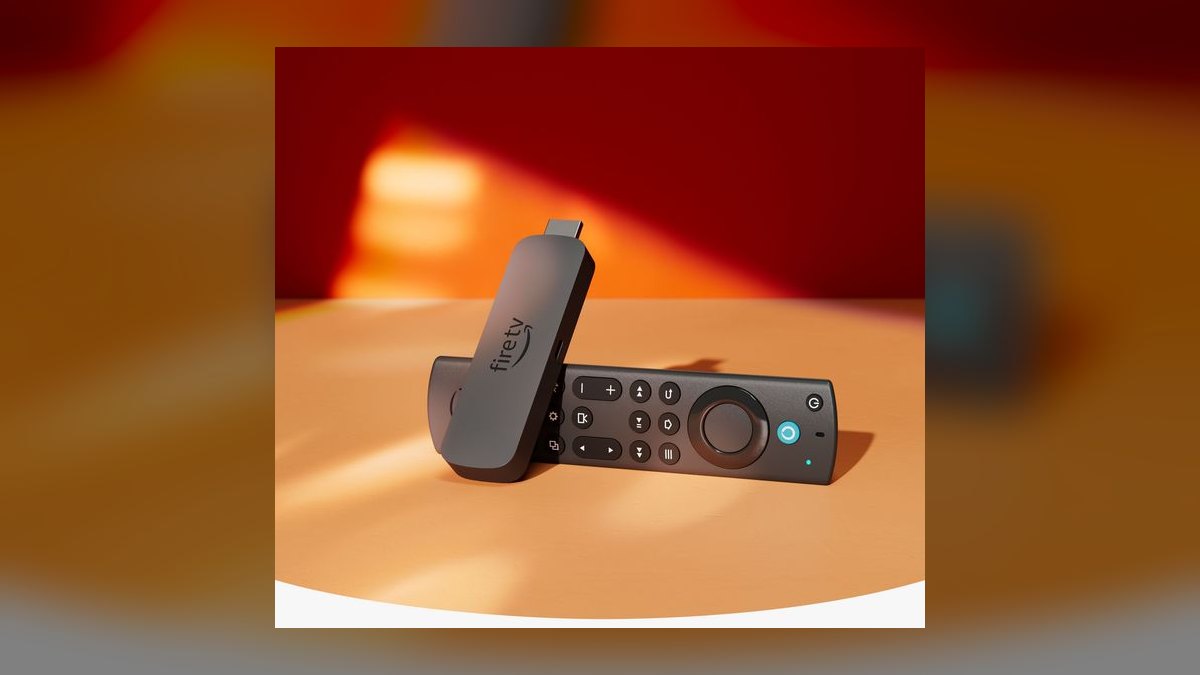
The $59 stick earns eighth place for putting Wi-Fi 6E in a dongle form factor, paired with 2GB RAM, 16GB storage, and full 4K HDR with Dolby Vision, HDR10+, HLG, and Atmos pass-through. Wi-Fi 6E closes most of the bitrate-fallback gap that hurts Wi-Fi 5 dongles on congested 5GHz channels. The Alexa Voice Remote Enhanced adds TV controls plus recents and settings shortcuts.
Prime Video households and frequent travelers are the fit — no Ethernet is needed, and hotel Wi-Fi is the normal use case. Ambient Experience turns an idle TV into a digital art frame with Alexa widgets for weather, calendar, and notes, a feature CNET singled out. It carries the same Fire OS ad load as the Cube above: full-screen video ads and Amazon-promoted rows on by default.
9Onn 4K Pro Streaming Box
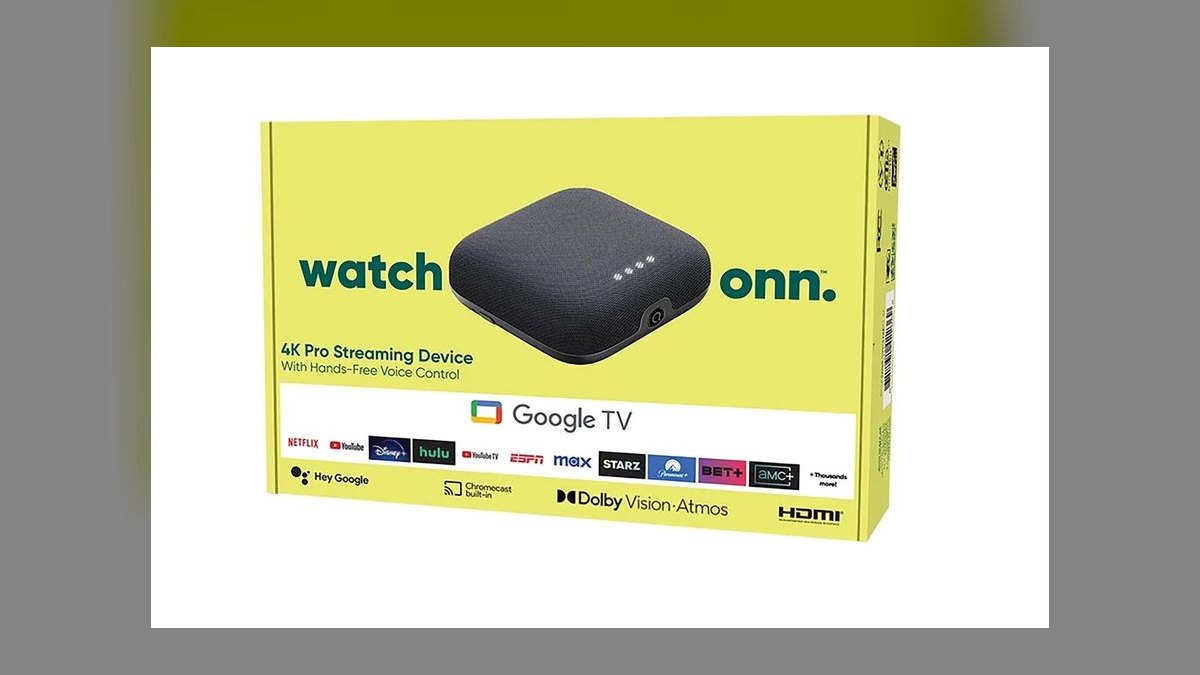
Walmart's $49 house-brand box ranks ninth on spec-per-dollar: a real set-top box, not a stick, with an Ethernet port, USB-A, 3GB RAM, and 32GB storage. It runs full Google TV with 4K HDR, Dolby Vision, HDR10+, and Dolby Atmos pass-through, and ships a backlit voice remote with a remote-finder. On paper that matches the $99 Google TV Streamer at half the price, which is why r/cordcutters treats it as a cult pick.
Bargain hunters who want wired Ethernet without paying Chromecast-plus-adapter money should look here first. Two caveats: it is Walmart-exclusive and US-only, and 9to5Google firmware tracking shows a slower security-update cadence than the official Google TV Streamer at rank three. The hardware advantage is real; the software support timeline is the thing being traded away.
10Formuler Z11 Pro Max
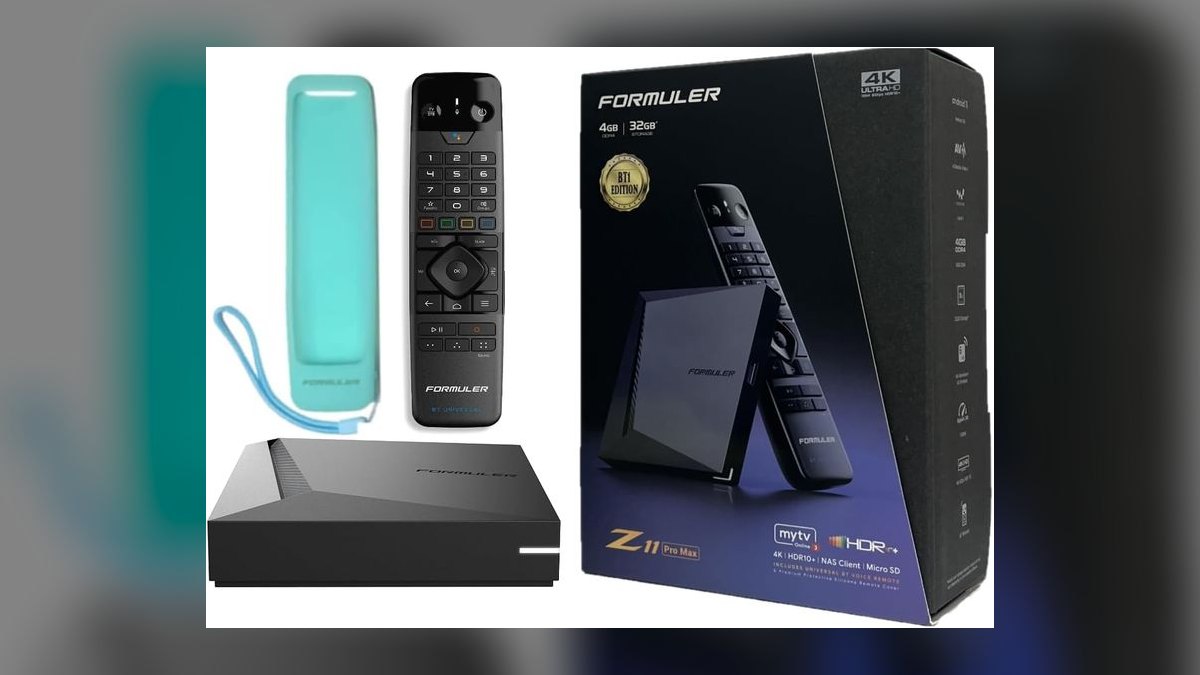
At $299 this enthusiast box closes the list — Hisilicon Hi3798MV200, 4GB RAM, 32GB storage, dual-band Wi-Fi 6, gigabit Ethernet, two USB 3.0 ports, a microSD slot, and Bluetooth 5.0. It is the only device here handling all three Dolby Vision profiles — 5, 7, and 8.1 — plus DTS-HD MA and DTS-X bitstream. AVForum and r/PleX both rate it the best Plex direct-play client available.
IPTV users and Plex or Jellyfin perfectionists with profile 7 FEL rips from UHD Blu-ray are the narrow audience. It runs Android 10 with MyTVOnline 3 preinstalled. The trades are steep: $100 more than the Nvidia Shield TV Pro, no Google certification so Netflix must be sideloaded, and IPTV branding that makes it a poor recommendation for anyone streaming only from apps.
How we ranked these
We weighted the picture pipeline (Dolby Vision, HDR10+, HLG, 4K60 at 4:4:4 chroma), Atmos pass-through via TrueHD and DD+ JOC, SoC and RAM against app cold-start times, ad burden on the home screen, wired Ethernet versus Wi-Fi 6/6E stability on 35-50 Mbps Dolby Vision streams, Plex and Jellyfin direct-play behavior, remote ergonomics, casting protocol support, and firmware longevity — seven-plus years on tvOS against two or three on Fire TV.
We ignored 8K output entirely, because no meaningful 4K-plus streaming catalog exists in 2027 and every listed box tops out at 4K60 anyway. We ignored HDMI 2.1 badging for the same reason: nothing here pushes 4K120. Onboard storage above roughly 16GB got no credit, since streaming apps are small and offline downloads barely exist outside Apple's TV app. Bundled-content promos were excluded as temporary pricing noise.
Related questions
Which streaming device has the fewest ads in 2027?
Apple TV 4K runs zero home-screen ads, making it the only mainstream box with a genuinely clean interface. Roku OS 14 and Fire OS both serve full-screen video ads plus sponsored rows, and The Verge documented that escalation through 2026. Google TV sits in the middle: promoted recommendation rows appear, but no full-screen pre-rolls interrupt you.
Is the Onn 4K Pro actually comparable to the Google TV Streamer?
Spec-for-spec it holds up. Walmart's $49 box ships with 3GB RAM, 32GB storage, Ethernet, USB-A, Dolby Vision, Atmos pass-through, and a backlit remote with a finder — matching or beating the $99 Google TV Streamer on paper. The real gaps are slower security-update cadence per 9to5Google firmware tracking and US-only Walmart availability.
Do I really need an Ethernet port for 4K HDR streaming?
Not strictly, but it helps measurably. RTINGS bench data shows Dolby Vision streams running 35-50 Mbps fall back to lower bitrates more often on Wi-Fi 5 than on wired gigabit, especially on congested 5GHz channels. Wi-Fi 6E closes most of that gap. If your router is reachable by cable, buy a box with a jack.
Why does Dolby Vision support differ between boxes that all list it?
Because "Dolby Vision" covers several profiles. Most streamers handle profile 5, the streaming format, and stop there. Profile 7 FEL content — typically UHD Blu-ray rips — needs hardware few boxes carry. Only the Formuler Z11 Pro Max on this list handles profiles 5, 7, and 8.1. FlatpanelsHD maintains the profile-by-box breakdown.
Which box is best for running Plex?
Nvidia Shield TV Pro handles both serving and playback, running Plex Media Server locally and transcoding 4K HEVC HDR to remote clients without a NAS. For pure playback quality, the Formuler Z11 Pro Max is the reference direct-play client thanks to full Dolby Vision profile coverage and DTS-HD MA bitstream. Apple TV 4K with Infuse is also excellent.
Does the original Chromecast still work as a cast target?
Casting itself is alive and well. Chromecast built-in ships on the Chromecast with Google TV, Google TV Streamer, Nvidia Shield, and Onn 4K Pro, so any phone can throw content at those boxes. Google discontinued the original Chromecast dongle line in 2024 and replaced it with the Google TV Streamer at $99.
How much faster is Apple TV 4K than the competition?
Noticeably, and the gap has held. The A15 Bionic with 4GB RAM still leads the category on app cold-start and UI scrolling three years after launch, which is why both The Verge and Wirecutter reconfirmed it as the top streamer for 2027. Nothing in the Android TV or Roku lineup matches that responsiveness under load.
Which remote is best for late-night viewing?
Roku's Voice Remote Pro, 2nd Edition, bundled with the Roku Ultra. It is backlit, rechargeable, includes a lost-remote finder, and carries a 3.5mm private-listening headphone jack no competitor matches. Apple's redesigned Siri Remote counters with a clickpad, USB-C charging, and Find My integration, but it lacks both backlighting and the headphone jack.
FAQ
What is the best overall streaming device in 2027?
The Apple TV 4K, 3rd generation, 128GB Wi-Fi plus Ethernet model, at $149. It delivers the fastest UI in the category, Dolby Vision and Atmos pass-through, zero home-screen ads, native AirPlay 2, and Matter/Thread smart-home hub duty. Buy the 128GB version specifically — the cheaper 64GB configuration drops the gigabit Ethernet port.
What is the best value streaming device?
The Google Chromecast with Google TV 4K at $49. It delivers real 4K60 HDR with Dolby Vision and HDR10+, Atmos pass-through, Google TV cross-service recommendations, and an Assistant voice remote for under a third of Apple's price. Wirecutter has named it the best cheap streamer three years running. The compromise is 2GB RAM and no Ethernet jack.
Apple TV 4K or Nvidia Shield TV Pro?
Apple wins on UI speed, ad-free browsing, AirPlay 2, smart-home hub duty, and seven-plus years of firmware support. Shield wins on Plex serving, AI 4K upscaling that FlatpanelsHD still rates unmatched, USB storage expansion, and sideload flexibility. Most buyers should take the Apple TV; Plex, Kodi, and emulator users should pay the extra $50 for the Shield.
What is the cheapest legitimate 4K HDR streamer?
The Roku Express 4K+ at $39. It outputs 4K60 with HDR10, HDR10+, and HLG, ships with a voice remote carrying TV power and volume buttons, and runs the same Roku OS and app catalog as the $99 Ultra. The tradeoffs are no Dolby Vision, no Ethernet, no USB, and Wi-Fi 5 only.
Which streaming device works best with Alexa?
The Fire TV Cube, 3rd generation, at $139. Far-field microphones let you issue Alexa commands from across the room without touching the remote, and an HDMI input routes a cable box or console through the Cube's voice control. It carries Wi-Fi 6E, Ethernet, and USB-A, but Fire OS remains the ad-heaviest mainstream streaming interface.
Is AirPlay 2 available on non-Apple streaming boxes?
Only patchily. Apple TV is the sole box with a full native AirPlay 2 receiver. Some Roku and Fire TV models added AirPlay support later, but coverage varies by model and firmware and behavior is inconsistent. If iPhone or Mac mirroring is a core use case, buy the Apple TV rather than gambling on a partial implementation.
Does 8K support matter when buying a streamer in 2027?
No. There is no meaningful 8K streaming catalog, and every device on this list caps output at 4K60 regardless of marketing language. HDMI 2.1 badging is similarly hollow here, since nothing pushes 4K120. Spend the budget on Ethernet, RAM, and a low-ad operating system instead — those affect daily use immediately.
How private are the voice remotes?
They vary meaningfully. Apple's Siri Remote processes wake-word detection and speech on-device. Alexa and Google Assistant remotes upload voice clips to cloud servers by default, and while opt-out toggles exist, CNET's privacy review found them buried in settings menus. If voice-history retention concerns you, Apple TV is the straightforward answer again.
Should I use a streaming box if my TV already has apps built in?
Usually yes. Built-in smart TV platforms slow down within a few years as apps outgrow modest SoCs and RAM, and manufacturers stop shipping updates. A dedicated box restores fast app launches, keeps color handling accurate, and can be replaced for $49 instead of the whole television. That is the core reason this category still exists.
Is the Formuler Z11 Pro Max worth $299?
Only for a specific buyer. It is the best Plex and Jellyfin direct-play client on this list, handling Dolby Vision profiles 5, 7, and 8.1 plus DTS-HD MA and DTS-X bitstream, with dual USB 3.0 and a microSD slot. But it lacks Google certification, so Netflix requires sideloading. Casual streamers should look elsewhere.
Sources
- https://www.nytimes.com/wirecutter/reviews/best-media-streamers/
- https://www.rtings.com/tv/reviews/best/by-usage/streaming
- https://www.theverge.com/24222941/google-tv-streamer-4k-review
- https://www.cnet.com/tech/home-entertainment/best-streaming-device/
- https://www.tomsguide.com/tvs/roku-ultra-2024-review
- https://www.flatpanelshd.com/focus.php?subaction=showfull&id=1596538800
- https://www.apple.com/apple-tv-4k/
- https://www.nvidia.com/en-us/shield/
- https://9to5google.com/2024/05/22/onn-4k-pro-google-tv/
- https://www.androidauthority.com/amazon-fire-tv-cube-3rd-gen-review-3243902/
Related on PULSE
This page will be disappearing soon. Save it to your device for $1 — or read it free while it is here.
@Kory-White- · if Venmo asks, the last 4 of my number are 2012
This page is gone.
This one is off the shelf now. $1 keeps it on your phone for good — the whole page, pictures and diagrams included.
 pulse-reviewsTop 10 Boom Pole Kits — Best Overall + Best Value in 2027
 pulse-reviewsTop 10 Document Cameras for Remote Demo Recording in 2027
 pulse-reviewsTop 10 TDS Water Testers — Best Overall + Best Value in 2027
 pulse-reviewsTop 10 Label Makers — Best Overall + Best Value in 2027
 pulse-reviewsTop 10 Car Backup Cameras — Best Overall + Best Value in 2027
 pulse-reviewsTop 10 Tablet Styluses — Best Overall + Best Value in 2027
 pulse-reviewsTop 10 Cordless Brad Nailers — Best Overall + Best Value in 2027
 pulse-reviewsTop 10 Wireless Earbuds for Quick Sales Calls in 2027
 pulse-reviewsTop 10 Smart Water Leak Detectors — Best Overall + Best Value in 2027
 pulse-reviewsTop 10 Rugged Phones — Best Overall + Best Value in 2027