


Top 10 Indoor Cycling Bikes — Best Overall + Best Value in 2027
Quality
Certified
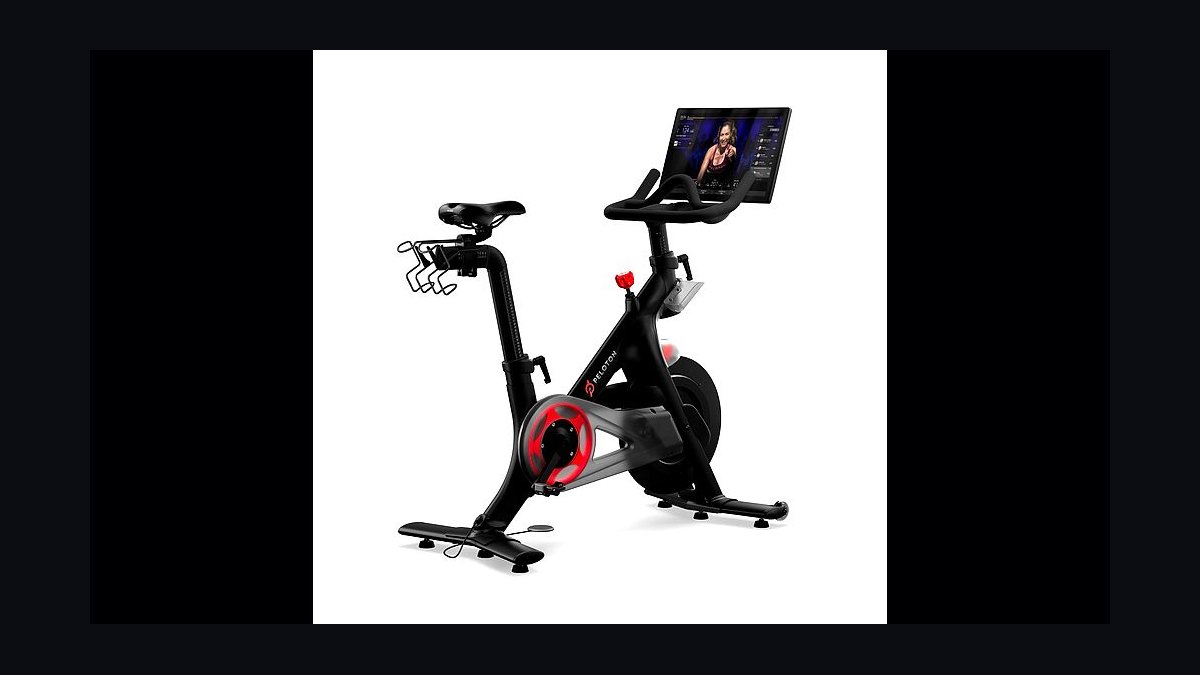
The 10 best indoor cycling bikes are ranked below on measured performance, build quality, price, and how each one actually holds up in daily use rather than how it reads on a spec sheet. Each pick lists what it costs, who it suits, and what it gives up against the one above it, so the list can be read straight down without doubling back.
1Peloton Bike+
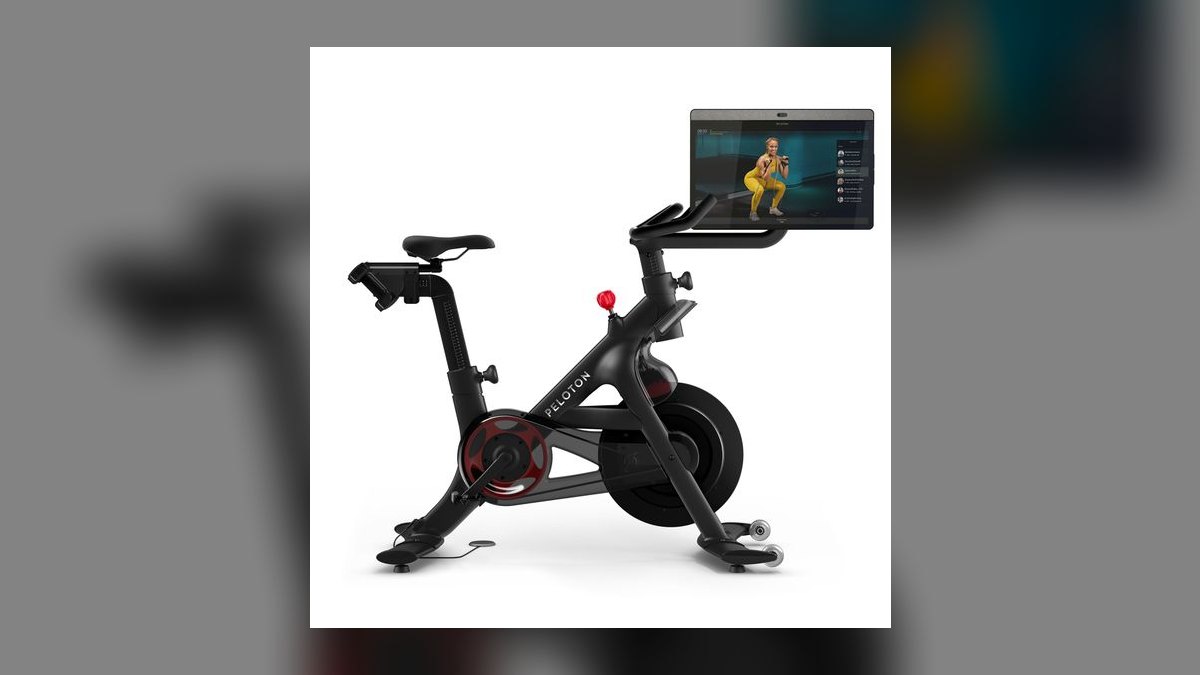
The Peloton Bike+ ranks first because it pairs the deepest class library in fitness with hardware nothing else matches at any price. Its 23.8-inch rotating HD touchscreen swivels for floor work, and auto-follow magnetic resistance adjusts the motor to the instructor's cue without you touching the knob. A 38 lb steel flywheel and carbon-blend belt drive give road-like inertia at roughly 30 dB. Apple GymKit two-way sync is built in.
This is for riders who want an instructor-led studio experience and will actually use it several times a week. The trade is the mandatory $44/month All-Access subscription — $2,495 plus five years of that is about $5,135 all-in, roughly triple the Schwinn IC4 route at #6. Four-way seat and bar adjustment fits 4'11" to 6'5", max user 297 lb, with a 5-year frame warranty.
2NordicTrack S22i Studio Cycle
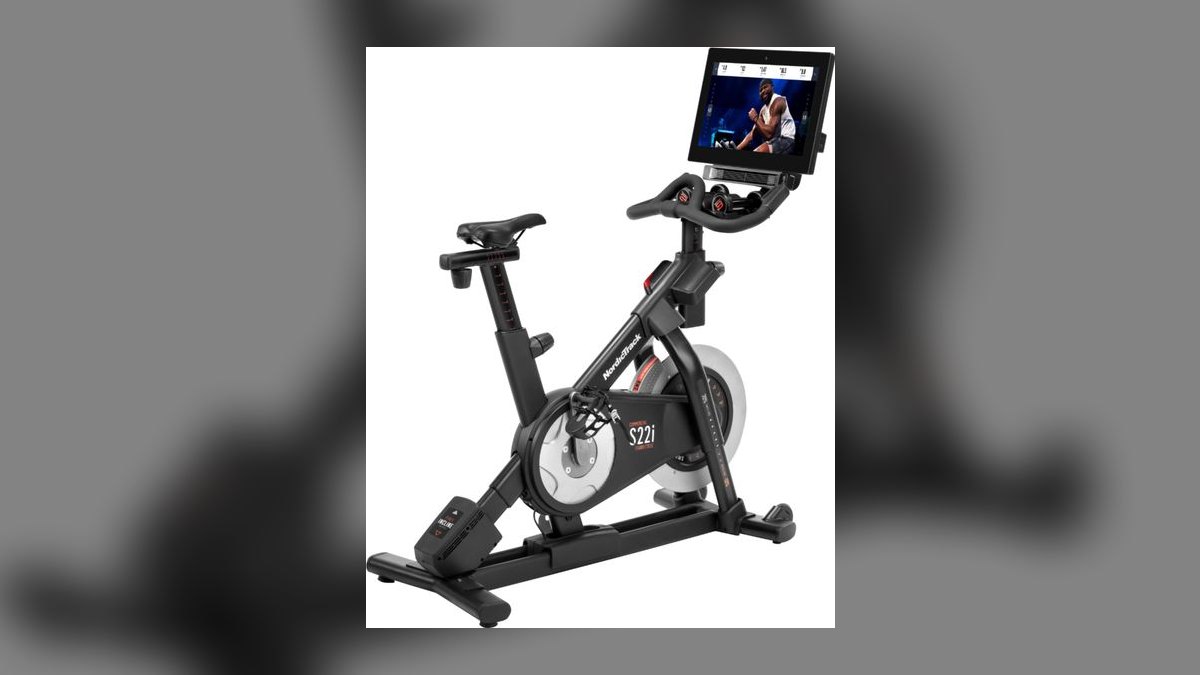
The S22i ranks second on the strength of the only real terrain simulation here: -10% to +20% live incline and decline that the iFIT trainer controls in real time while riding Mallorca or Moab. The 22-inch HD touchscreen rotates a full 360 degrees, resistance runs 24 digital magnetic levels, and the 32 lb flywheel holds momentum well. Max user weight is 350 lb, the highest on this list.
Buy it if terrain training matters more than instructor star power, or if a heavy household needs the 350 lb ceiling. The iFIT family plan is $39/month across five profiles and covers strength and yoga too. Billing and customer-service complaints run loud on r/HomeGym, so budget for the extended warranty. Against the Peloton above, you gain incline and speakers but lose the live-class depth.
3Echelon EX5s
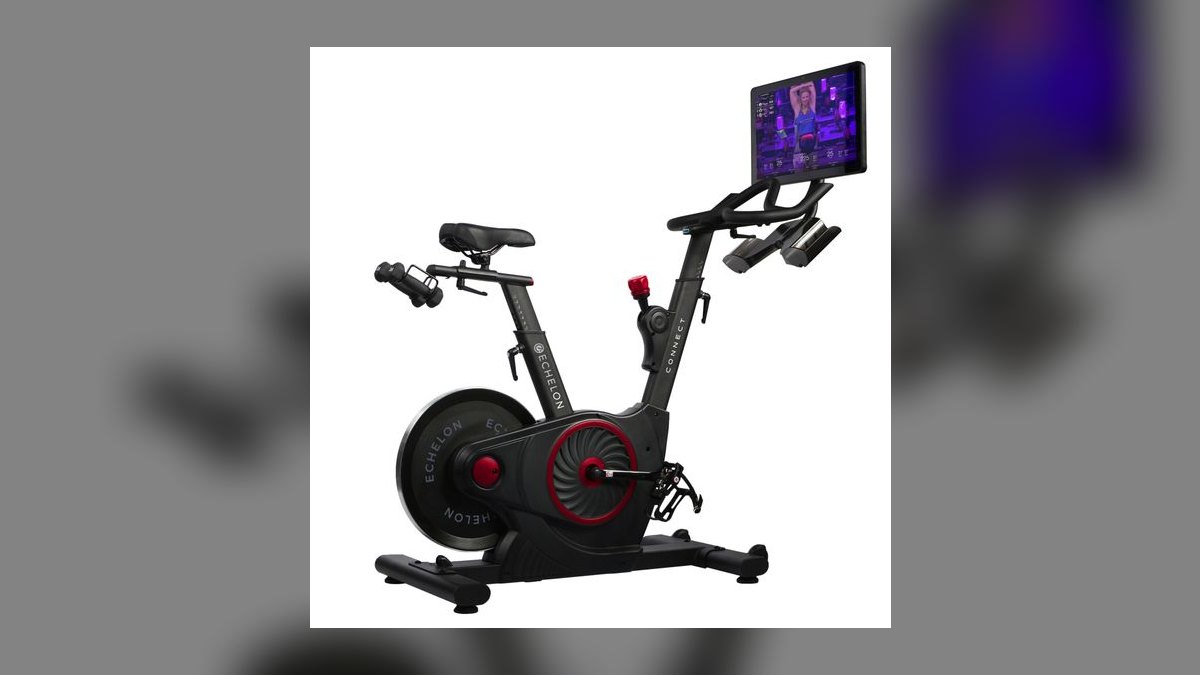
The EX5s lands third by delivering genuine Peloton-rival hardware at $1,199, roughly half the Bike+ price. It ships with a 21.5-inch HD touchscreen that rotates 180 degrees for floor work, 32 magnetic resistance levels, a 28 lb flywheel, belt drive, and SPD-plus-cage pedals. Echelon Fit runs about 50 live classes daily plus FitPass yoga, strength, and Pilates. Sound sits near 32 dB in a 54-by-20-inch footprint.
This suits riders who want the all-in-one screen-and-classes format without Peloton's hardware premium. The concession is instructor talent — the roster keeps growing but has no marquee names, a clear notch below Peloton and iFIT. Echelon Premier costs $39.99/month, occasionally bundled free for a year, so confirm at purchase. Max user weight is 300 lb, and Bluetooth chest straps pair natively.
4Bowflex VeloCore 22
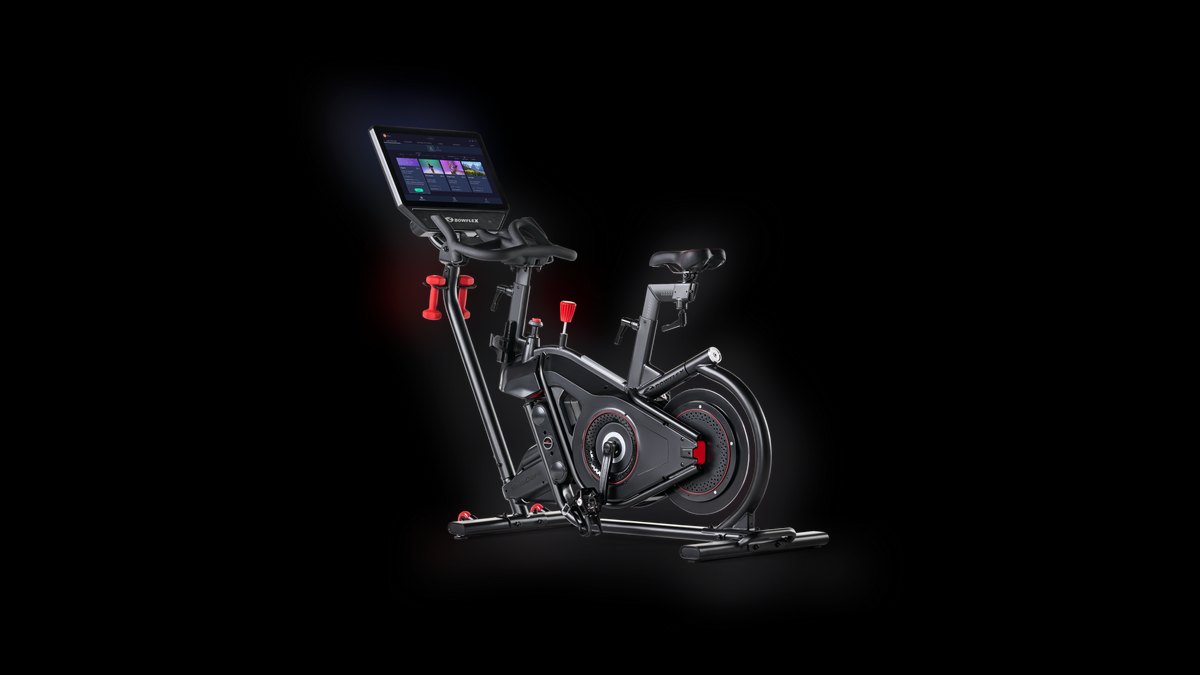
The VeloCore 22 places fourth for a ride feel no rival offers: a patented lean mode that unlocks the frame to tilt left and right, engaging core muscles as you simulate cornering. Hardware is strong on paper too — a 40 lb flywheel, 100 magnetic resistance levels, belt drive, a 22-inch HD touchscreen, and dual SPD plus toe-cage pedals. Max user weight is 325 lb, noise around 33 dB, frame warranty ten years.
It fits riders bored by static indoor sessions who want something physically different. JRNY membership is $19.99/month, the cheapest premium app here, and it includes Zwift, Peloton, and Explore the World routes. The library itself is smaller and far less live-driven than the Echelon's above, so many owners ignore it and run Zwift on a tablet instead.
5Wahoo Kickr Bike Shift
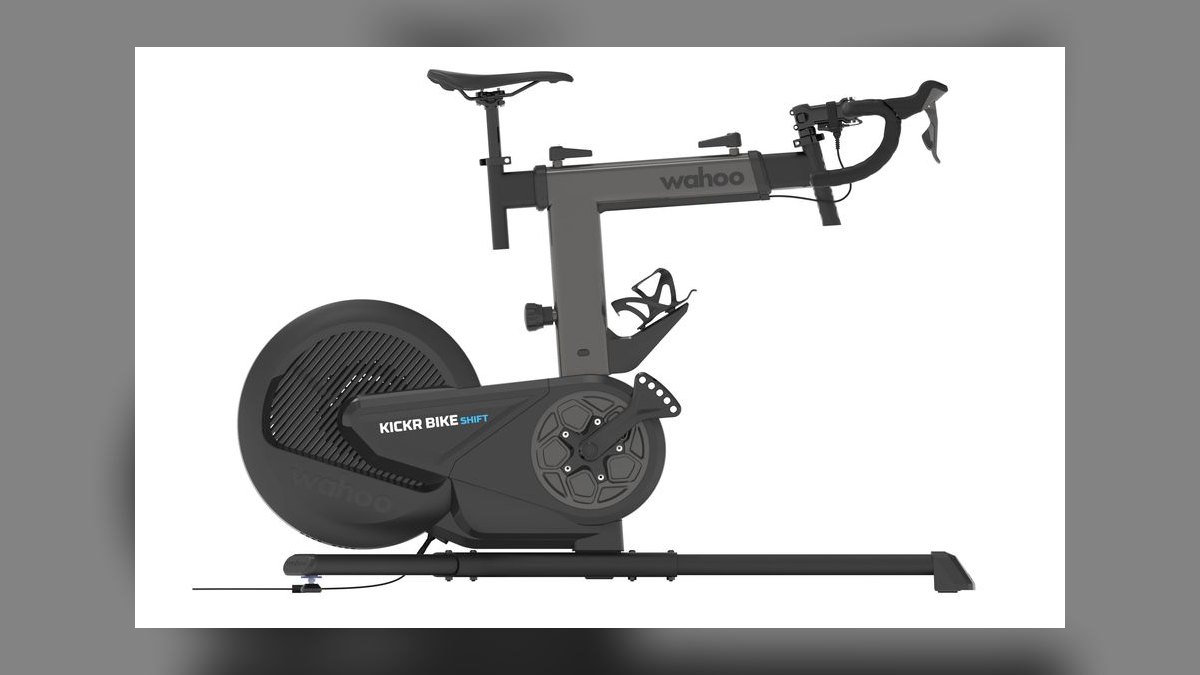
The Kickr Bike Shift ranks fifth because it is a smart bike, not a studio bike, and it wins outright on measurement. Electromagnetic resistance reaches 2,200 watts at ±1% accuracy per DC Rainmaker's lab testing, integrated shifters map to Shimano, SRAM, or Campagnolo, ERG mode locks you to a target wattage, and a 5-degree automatic incline tilts the frame on climbs. Q-factor and crank length adjust to match your road bike fit.
This is for cyclists training for outdoor events on Zwift, TrainerRoad, Rouvy, or MyWhoosh. There is no touchscreen — you supply a tablet or Apple TV — and no instructor content at all, which is the opposite trade from the VeloCore above. At $3,499 plus $14.99/month Zwift, it carries the highest total cost here. Max user 250 lb, roughly 40 dB at threshold.
6Schwinn IC4
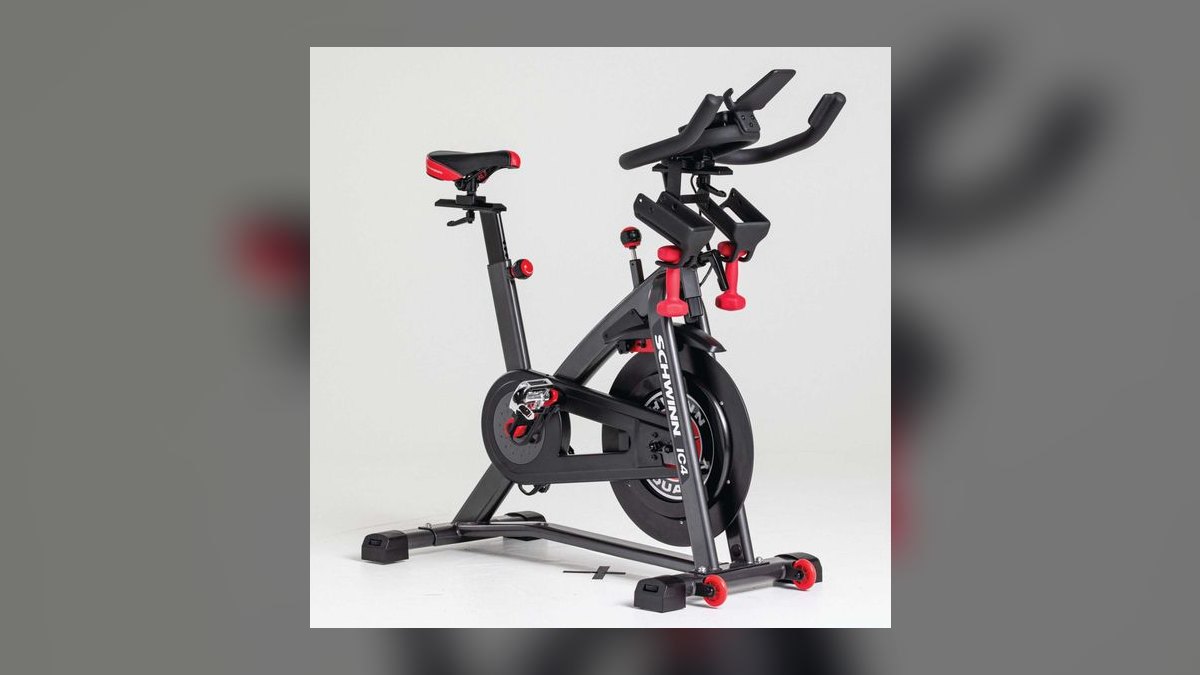
The IC4 is the Best Value pick because it covers what most home riders actually need at $899, roughly a third of Peloton's price. The 40 lb perimeter-weighted flywheel is heavier at the rim than the Bike+, resistance offers 100 micro-adjustable magnetic levels via dial, and the belt drive runs near 31 dB. Bluetooth and ANT+ broadcast cadence and heart rate to Peloton, Zwift, Wahoo SYSTM, JRNY, or Apple Fitness+.
Buy it if you already own a tablet and would rather not pay for a built-in screen — that omission is the entire trade, and the console only shows basic metrics. Most owners pair it with Peloton's $12.99/month app-only tier, landing near $1,678 over five years against the Bike+ figure at #1. Dumbbell holders, media shelf, 300 lb max, 10-year frame warranty.
7Yosuda YB003 Stationary Bike
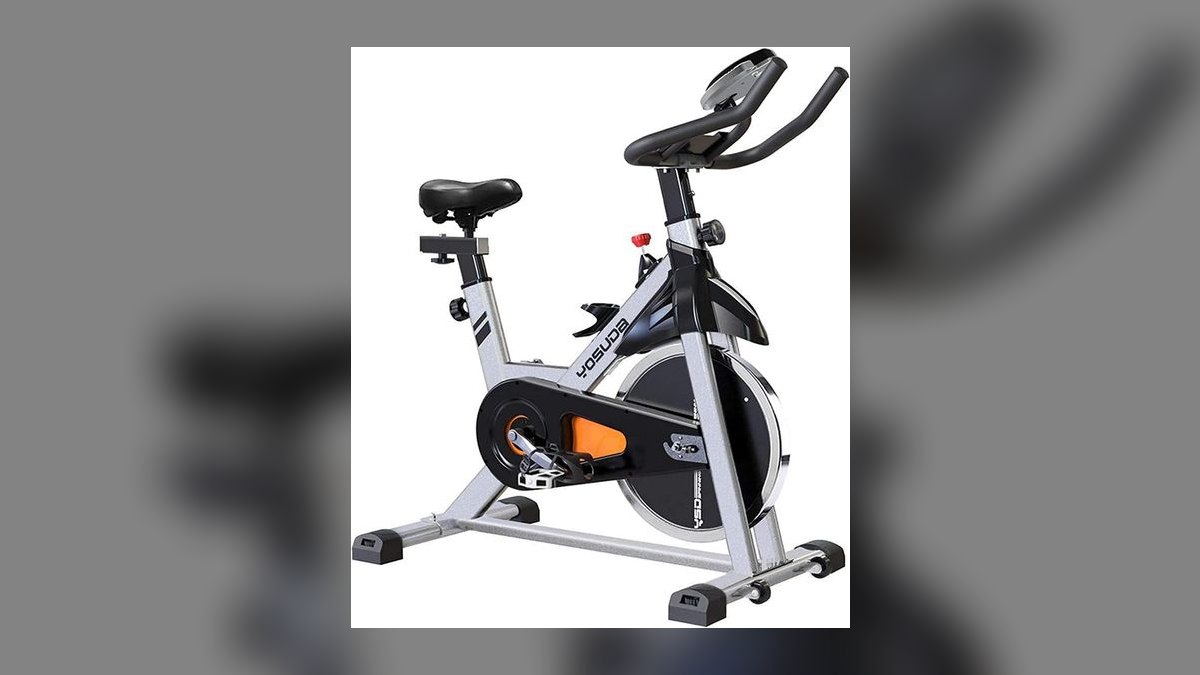
The YB003 ranks seventh as the bestselling sub-$500 bike on Amazon and the honest answer to riding while watching Netflix. At $449 it carries a 35 lb flywheel, felt-pad friction resistance with infinite micro-adjustment, belt drive, and a battery-powered 3-inch LCD showing time, distance, calories, and speed. The 46-by-22-inch footprint is the smallest here, assembly takes about 30 minutes, and it runs under 35 dB.
This fits first-time buyers, dorm rooms, and second-bike setups where no subscription is wanted — free YouTube cycling channels cover programming fine. You give up SPD pedals entirely (toe cages only), settle for two-way seat and handlebar adjustment, and accept a 270 lb ceiling. Friction pads wear every 12 to 18 months under heavy use, though replacements run about $15. Warranty is two years.
8ProForm Studio Bike Pro 22
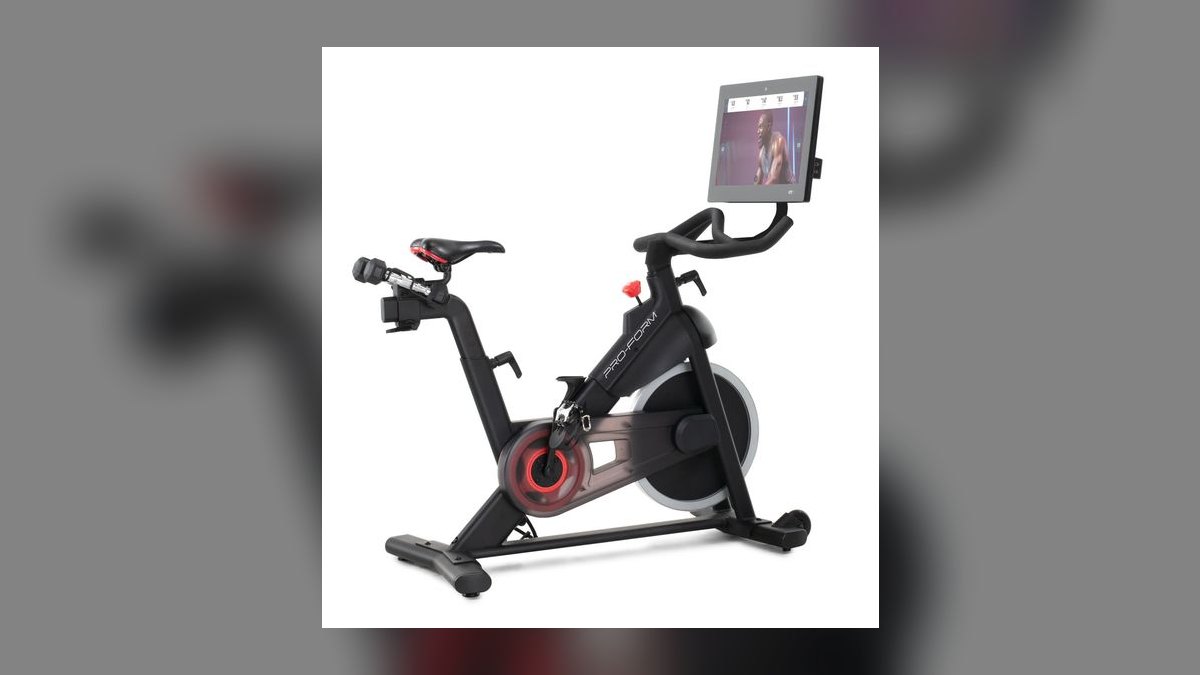
The Studio Bike Pro 22 earns eighth by running NordicTrack's exact iFIT software on a 22-inch rotating HD touchscreen for $999 — half the S22i's hardware price. You get the same global-route video library, 24 digital magnetic resistance levels, belt drive, dual SPD plus toe-cage pedals, four-way adjustable seat and bar, and a built-in 3-inch cooling fan. The iFIT family plan at $39/month is included free for the first year.
It makes sense for iFIT subscribers who want the screen experience cheaply and don't care about terrain. What's cut is real: no incline mechanism at all, a lighter 24 lb flywheel that feels twitchier, and a 250 lb max user weight against the S22i's 350 lb. Ride feel is a clear step down from #2 — you notice where the $1,000 went. Noise runs about 33 dB.
9Sole Fitness SB900
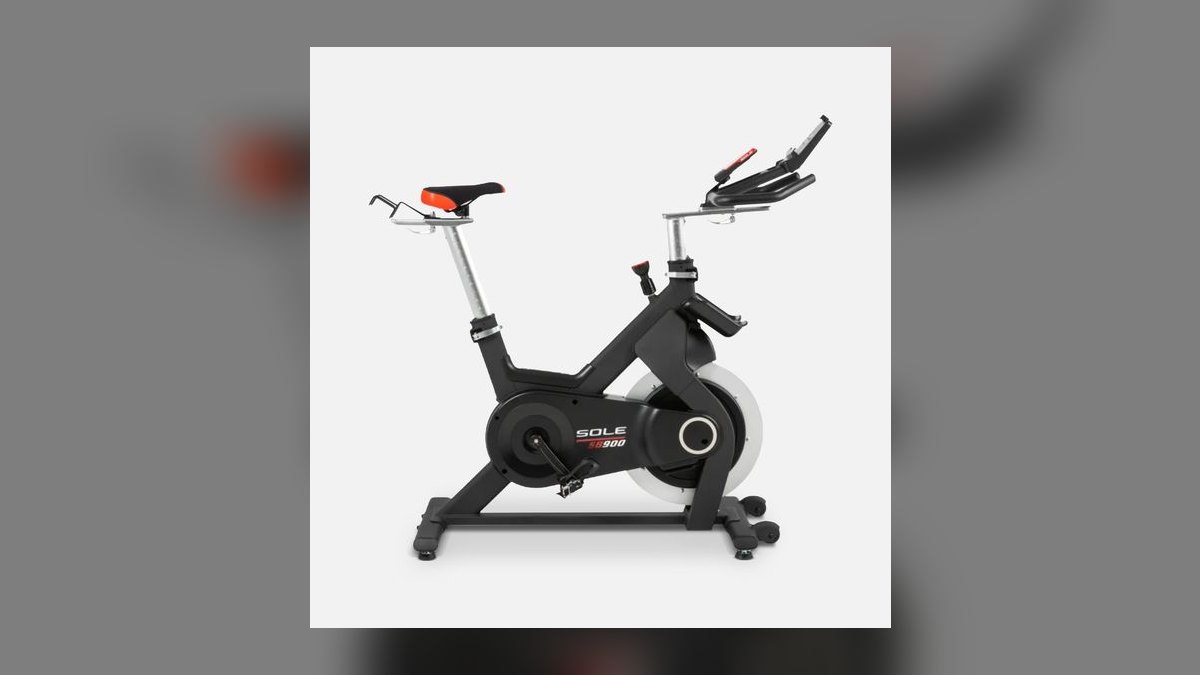
The SB900 ranks ninth on build quality alone — Sole supplies hotel and apartment fitness centers, and this is light-commercial construction at $1,499. The 48 lb flywheel is the heaviest here outside the Wahoo, magnetic resistance micro-adjusts infinitely, and the belt drive measures around 30 dB, tied for quietest on the list. Max user weight is 350 lb, the handlebar is a fully adjustable bullhorn, and the frame warranty is lifetime.
This is the pick for shared or heavy-use households where durability outweighs software. The 9-inch backlit LCD is not a touchscreen; it pairs over Bluetooth to Peloton, Zwift, or Sole's optional STUDIO app at $19.99/month. Like the IC4 at #6, it assumes you bring a tablet, which keeps the price down but kills the all-in-one appeal. Dual SPD and toe-cage pedals included.
10Stryde Bike
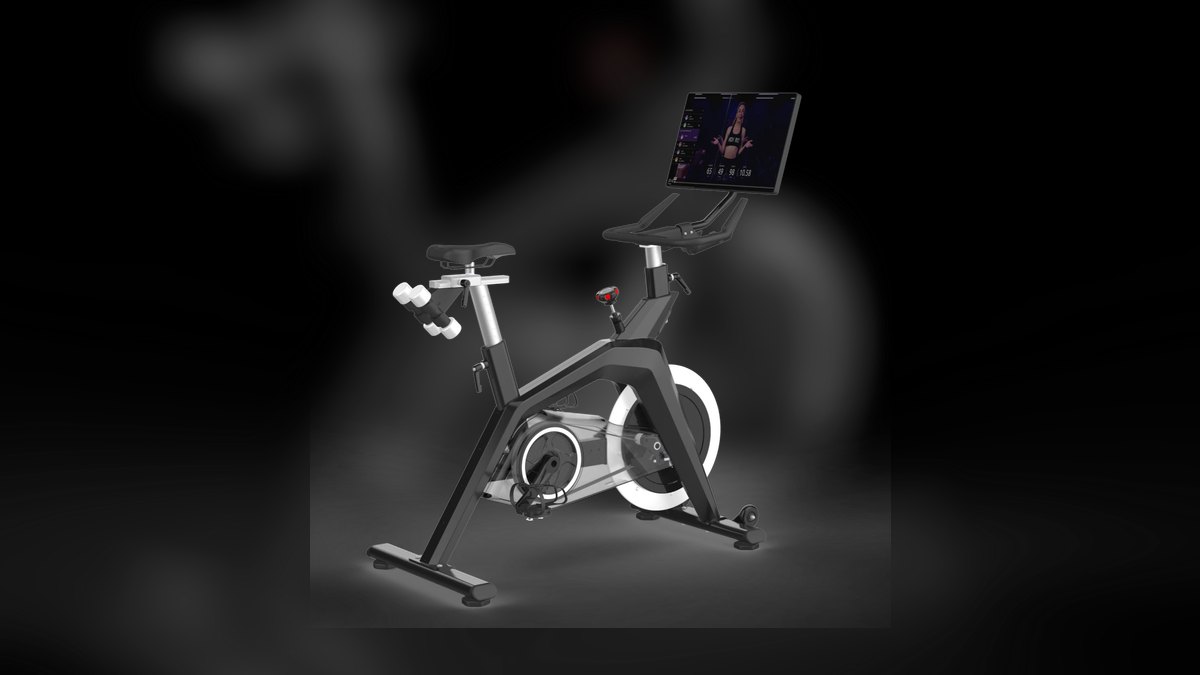
The Stryde Bike closes the list as the anti-Peloton: a 22-inch HD touchscreen in the same studio form factor with zero required subscription. The screen runs a standard Android tablet OS, so Peloton, Zwift, YouTube, Netflix, and Disney+ install directly. Hardware covers 22 magnetic resistance levels, a 35 lb flywheel, belt drive, dual SPD and cage pedals, four-way seat and bar adjustment, 350 lb max user, and roughly 32 dB.
It suits subscription-averse buyers who still want a screen bolted to the bike rather than a tablet on a shelf. Stryde Studio exists at $29/month but is entirely optional, and its own class library is small next to Peloton or iFIT. At $1,495 you are paying for the display and app freedom, not content — bring outside programming or the Schwinn IC4 route is cheaper for the same result.
How we ranked these
We scored ten bikes on six weighted factors: ride feel (flywheel mass and resistance smoothness) at 25%, software ecosystem at 20%, build quality and warranty at 15%, display and connectivity at 15%, value per dollar including five-year subscription cost at 15%, and noise plus footprint at 10%. Cross-checks came from Wirecutter, Garage Gym Reviews, DC Rainmaker, Bicycling, Tom's Guide, and rider sentiment on r/HomeGym and r/Zwift.
We deliberately ignored celebrity instructor endorsements, brand-supplied "equivalent to" resistance claims, and any spec a manufacturer would not confirm in writing—particularly vague flywheel weights, which often signal a rebranded low-cost frame. We also excluded bikes without verified 2026-2027 availability, discontinued models still listed at retail, and promotional bundle pricing, since bundles expire while hardware and subscriptions do not.
What to look for
What actually matters is matching the bike to your primary use case. If you want instructor-led classes, the Peloton Bike+ or Echelon EX5s deliver the deepest ecosystems. If you train for outdoor events, the Wahoo Kickr Bike Shift's power accuracy and fit adjustability are worth the premium. For most home riders, the Schwinn IC4's 40-pound flywheel and app compatibility at $899 is the sweet spot. Consider five-year total cost, not just sticker price.
The mistake most buyers make is overvaluing the built-in screen. A $1,200 screen premium often exceeds the cost of a tablet you already own, and the tablet outlives the bike. Another error is ignoring max user weight—the ProForm caps at 250 pounds while the S22i, Sole SB900, and Stryde handle 350. Also, don't assume magnetic resistance is always better; friction pads are cheap to replace and fine on a $449 bike.
Related questions
How much does a Peloton Bike+ actually cost over five years?
The hardware is $2,495, but All-Access membership at $44 monthly adds $2,640 across five years, landing near $5,135 total. A Schwinn IC4 at $899 paired with Peloton's $12.99 app-only tier reaches roughly $1,678 over the same span—the identical class catalog, minus the leaderboard and auto-resistance, for about a third of the money.
What flywheel weight should I look for on an indoor cycling bike?
Anything under 25 pounds feels twitchy and dead at the top of the stroke. The 30-to-40-pound band is the practical sweet spot for most home riders. Above 40 pounds—the Sole SB900 at 48, the Schwinn IC4 and Bowflex VeloCore at 40—you get genuinely road-like inertia that carries you through the dead spot between pedal strokes.
Is magnetic resistance really better than friction resistance?
For longevity and silence, yes. Magnetic systems never contact the flywheel, so nothing wears and nothing squeals. Friction bikes use felt pads that need replacing every 12 to 18 months under heavy use—cheap at around $15, but it is recurring maintenance. Only the entry-level Yosuda YB003 on this list uses friction, which is defensible at $449.
Can I ride a Peloton class without owning a Peloton bike?
Yes. The Peloton app-only tier runs $12.99 monthly and streams the same on-demand rides to a tablet. Bikes with Bluetooth or ANT+ broadcast—the Schwinn IC4, Sole SB900, Echelon EX5s, and Stryde—send cadence and heart rate to the app. You lose auto-resistance and output-based leaderboard placement, not the workouts themselves.
What is the difference between a smart bike and a studio bike?
A smart bike like the Wahoo Kickr Bike Shift replicates an outdoor road bike for virtual apps: accurate power to ±1%, real shifters, gradient simulation, and no built-in screen. A studio bike like the Peloton Bike+ or NordicTrack S22i is built around instructor-led classes on an attached touchscreen with a required or strongly implied content subscription.
Which indoor bikes are quiet enough for an upstairs apartment?
The Sole SB900 and Peloton Bike+ tie at roughly 30 dB, quieter than a refrigerator. The Schwinn IC4 sits near 31 dB, the Stryde near 32. The Wahoo Kickr Bike Shift climbs to about 40 dB at threshold efforts. Belt drive matters more than brand here, and a $50 rubber mat handles most vibration transfer to the floor below.
Do I need SPD cleats or will cage pedals work?
Dual SPD plus cage—included on seven of these ten bikes—is the right default. The cleat side locks your foot in for a more efficient stroke during hard intervals; the cage side lets anyone ride in sneakers without changing shoes. Cleats run about $30 and mount to any two-bolt cycling shoe.
Is a built-in touchscreen worth the extra money?
It adds roughly $700 to $1,200 to the purchase price. An iPad mini costs about $499 and runs Peloton, Zwift, Netflix, and YouTube without any manufacturer lock-in. Pairing that tablet with a Schwinn IC4 or Sole SB900 usually beats a screened bike on both total cost and app flexibility—the tablet also outlives the bike.
FAQ
Which indoor cycling bike is the best overall for 2027?
The Peloton Bike+ at $2,495. Its 23.8-inch rotating HD touchscreen, auto-follow magnetic resistance that responds to instructor cues without touching the knob, 38-pound steel flywheel, and the largest live class library in fitness—roughly 20 live rides daily—combine into a package nothing else matches. Budget the mandatory $44 monthly All-Access membership as part of the real price.
What is the best value indoor cycling bike?
The Schwinn IC4 at $899. It carries a 40-pound perimeter-weighted flywheel—heavier at the rim than the Bike+—plus 100 micro-adjustable magnetic resistance levels, dual SPD and cage pedals, a 300-pound user rating, and a 10-year frame warranty. It pairs over Bluetooth and ANT+ to Peloton, Zwift, JRNY, or Apple Fitness+ on your own tablet.
Do I really need a Peloton subscription to use the Bike+?
For the full experience, yes. Without All-Access at $44 monthly you get "Just Ride" mode—manual resistance and basic metrics—but no classes, no leaderboard, and no scenic rides. If skipping the subscription appeals to you, buy the Schwinn IC4 instead and run Peloton's $12.99 app-only tier on a tablet you already own.
Can I use Zwift on any of these bikes?
All ten work to some degree. The Wahoo Kickr Bike Shift is purpose-built for it, with ±1% power accuracy and integrated shifters. The Schwinn IC4, Sole SB900, Stryde, and Echelon EX5s broadcast cadence and estimated power over Bluetooth or ANT+. Peloton and NordicTrack technically allow it through their app stores, but the experience feels bolted on.
Which bike handles the heaviest riders?
Three bikes rate to 350 pounds: the NordicTrack S22i, the Sole SB900, and the Stryde. The Sole is the pick for a shared household—Sole supplies hotel and apartment fitness centers, and the light-commercial build shows in the 48-pound flywheel and lifetime frame warranty. The ProForm Studio Bike Pro 22 caps lowest at 250 pounds.
Which bike is best for training toward outdoor races?
The Wahoo Kickr Bike Shift at $3,499. Electromagnetic resistance reaches 2,200 watts at ±1% accuracy per DC Rainmaker's lab testing, ERG mode holds you at a target wattage, and adjustable Q-factor and crank length let you match your road bike fit exactly. No subscription is required for the hardware, though Zwift adds $14.99 monthly.
What does the NordicTrack S22i do that other bikes cannot?
It tilts. The frame delivers live incline and decline from -10% to +20%, controlled in real time by the iFIT trainer riding Mallorca or Moab. Combined with a 32-pound flywheel, a 360-degree rotating 22-inch screen, 350-pound capacity, and a 10-year frame warranty, it is the terrain-training pick at $1,999.
Is the Bowflex VeloCore lean mode a gimmick?
No. Unlocking the lever lets the frame tilt left and right so you engage core and upper-body muscles while simulating cornering, which meaningfully changes how static an indoor hour feels. The catch is content: JRNY costs $19.99 monthly—the cheapest premium app here—but its library is smaller and far less live-driven than Peloton's.
Can I get a screen without a required subscription?
The Stryde Bike at $1,495. It runs a 22-inch touchscreen on standard Android, so Peloton, Zwift, YouTube, Netflix, and Disney+ install directly. Stryde Studio costs $29 monthly and is entirely optional. The trade-off is that Stryde's own class library is thin against Peloton or iFIT, so you genuinely need outside content to justify the hardware.
What is a reasonable first bike under $500?
The Yosuda YB003 at $449—the bestselling sub-$500 bike on Amazon. A 35-pound flywheel, friction resistance with infinite micro-adjust, belt drive, and a battery-powered 3-inch LCD cover the basics with no app and no subscription. It assembles in about 30 minutes, occupies the smallest footprint here at 46 by 22 inches, and carries a 2-year warranty.
Sources
- https://www.nytimes.com/wirecutter/reviews/best-exercise-bike/
- https://www.garagegymreviews.com/best-exercise-bike
- https://www.dcrainmaker.com/2023/05/wahoo-kickr-bike-shift-review.html
- https://www.bicycling.com/bikes-gear/g20031154/best-exercise-bikes/
- https://www.tomsguide.com/best-picks/best-exercise-bikes
- https://www.runnersworld.com/gear/g26206158/best-exercise-bikes/
- https://www.onepeloton.com/shop/bike
- https://www.schwinnfitness.com/products/schwinn-ic4-indoor-cycling-bike
- https://www.wahoofitness.com/devices/indoor-cycling/smart-bikes/kickr-bike-shift-buy
- https://www.consumerreports.org/health/exercise-bikes/
Related on PULSE
This page will be disappearing soon. Save it to your device for $1 — or read it free while it is here.
@Kory-White- · if Venmo asks, the last 4 of my number are 2012
This page is gone.
This one is off the shelf now. $1 keeps it on your phone for good — the whole page, pictures and diagrams included.
 pulse-reviewsTop 10 Wireless Earbuds for Quick Sales Calls in 2027
 pulse-reviewsTop 10 Tire Inflators — Best Overall + Best Value in 2027
 pulse-reviewsTop 10 Ethernet Adapters for MacBook — Best Overall + Best Value in 2027
 pulse-reviewsTop 10 Blue Light Glasses for Sales Reps in 2027
 pulse-reviewsTop 10 RV Surge Protectors — Best Overall + Best Value in 2027
 pulse-reviewsTop 10 Label Makers — Best Overall + Best Value in 2027
 pulse-reviewsTop 10 Shop Vacuums — Best Overall + Best Value in 2027
 pulse-reviewsTop 10 Premium Dress Shoes for Sales Executives in 2027
 pulse-reviewsTop 10 YouTube Lighting Kits — Best Overall + Best Value in 2027
 pulse-reviewsTop 10 4K TVs — Best Overall + Best Value in 2027