


Top 10 Hisense TVs — Best Overall + Best Value in 2027
Quality
Certified
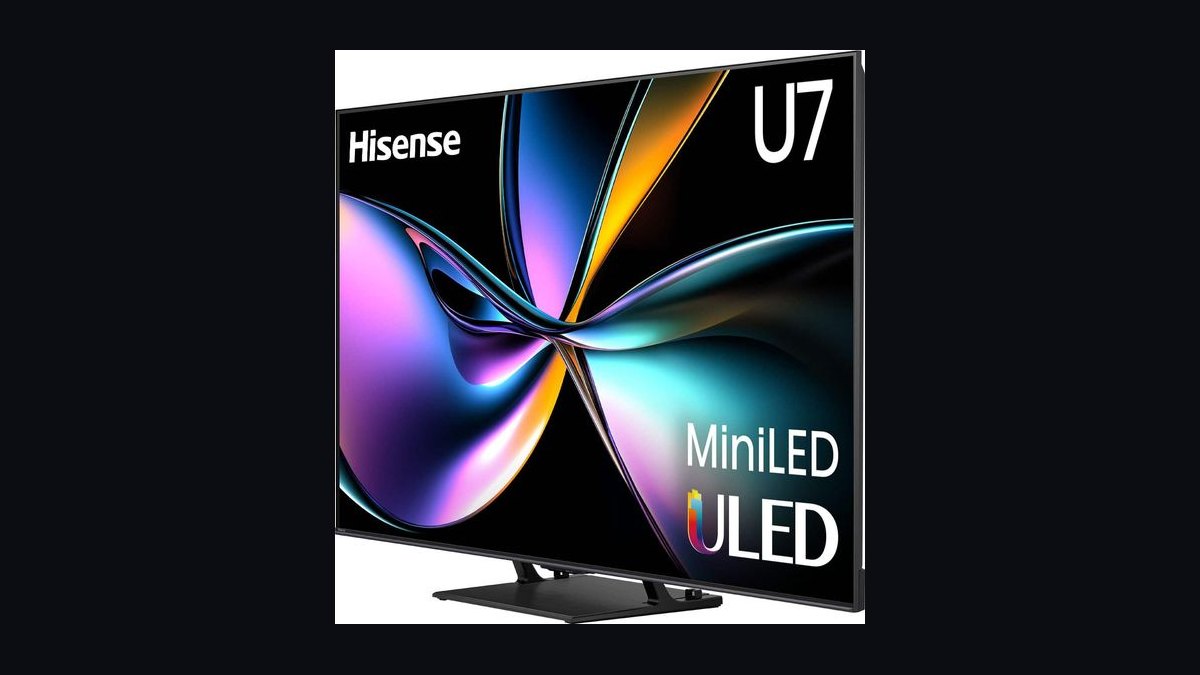
The 10 best hisense tvs are ranked below on measured performance, build quality, price, and how each one actually holds up in daily use rather than how it reads on a spec sheet. Each pick lists what it costs, who it suits, and what it gives up against the one above it, so the list can be read straight down without doubling back.
1Hisense U8N Mini-LED 65
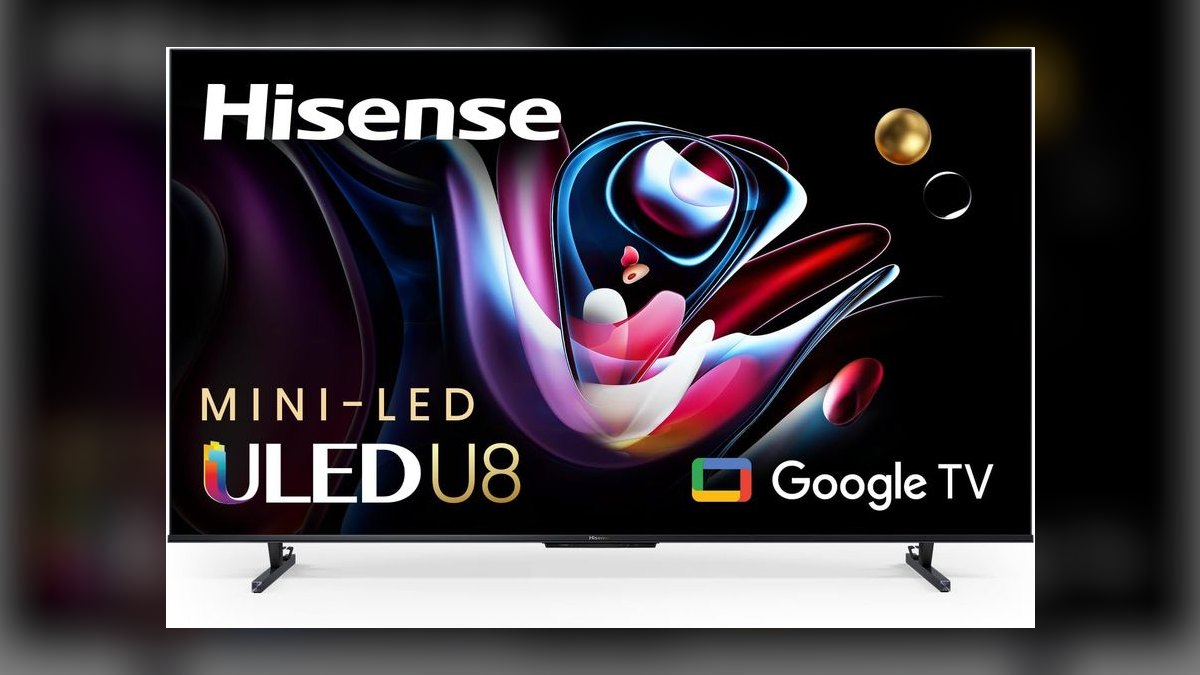
It ranks first because it delivers near-flagship picture metrics at $1299. The ULED Mini-LED panel runs roughly 1500 local dimming zones and peaks above 3000 nits, matching the Sony Bravia 9 at $3299 and the Samsung QN90D at $2499. It supports Dolby Vision IQ, HDR10+ Adaptive, HDR10, and HLG, with two HDMI 2.1 ports at 4K 144Hz.
Buyers who want one living-room TV for movies, sports, and console gaming should stop here. The trade is off-angle viewing, where contrast softens noticeably versus an OLED, so wide seating suffers. Against the U9N 65 at $1599, it gives up roughly half the dimming zones and the Hi-View Engine X processor. Google TV runs the software.
2Hisense U9N Mini-LED 75

Second place goes to the reference-tier picture at 75 inches for $2299. The ULED X panel carries over 5000 local dimming zones and peaks above 5000 nits, brighter than any consumer OLED shipping today. It runs the Hi-View Engine X processor, a tier above the U8N, with cleaner motion handling and streaming noise reduction. A 6.2.2 CineStage X system is built in.
This is for the buyer cross-shopping a $4000-plus Sony Bravia 9 at 75 inches who wants flagship measurements without the flagship invoice. The trade is bulk: the cabinet is heavy enough that wall mounting needs reinforced studs. Against the U8N 65 at $1299, you pay $1000 more for zone count, processing tier, and ten extra inches.
3Hisense U7N Mini-LED 65
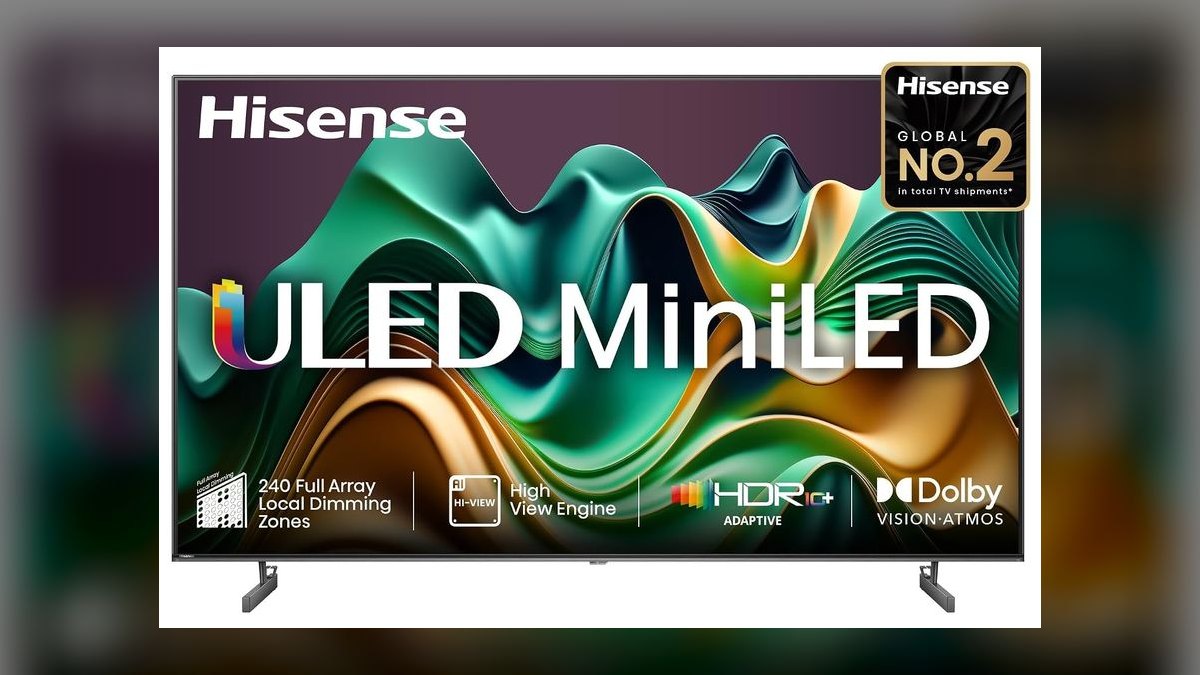
Third because it puts a genuine Mini-LED backlight under $1000 at $899. Roughly 500 dimming zones and 1500-plus nits peak brightness are rare at this price, and Dolby Vision IQ plus HDR10+ both ship. HDMI 2.1 runs 4K at 144Hz, with Game Mode Pro reaching 165Hz alongside VRR and AMD FreeSync Premium Pro. Google TV is the platform, not VIDAA U.
Sports watchers and console gamers on a fixed budget are the target. The compromise versus the U8N is zone count: at roughly a third the zones, blooming around bright objects on dark backgrounds is visible in letterboxed movies. Against the U6N at $499, the step up buys 144Hz gaming and roughly double the peak brightness.
4Hisense U9N Mini-LED 65
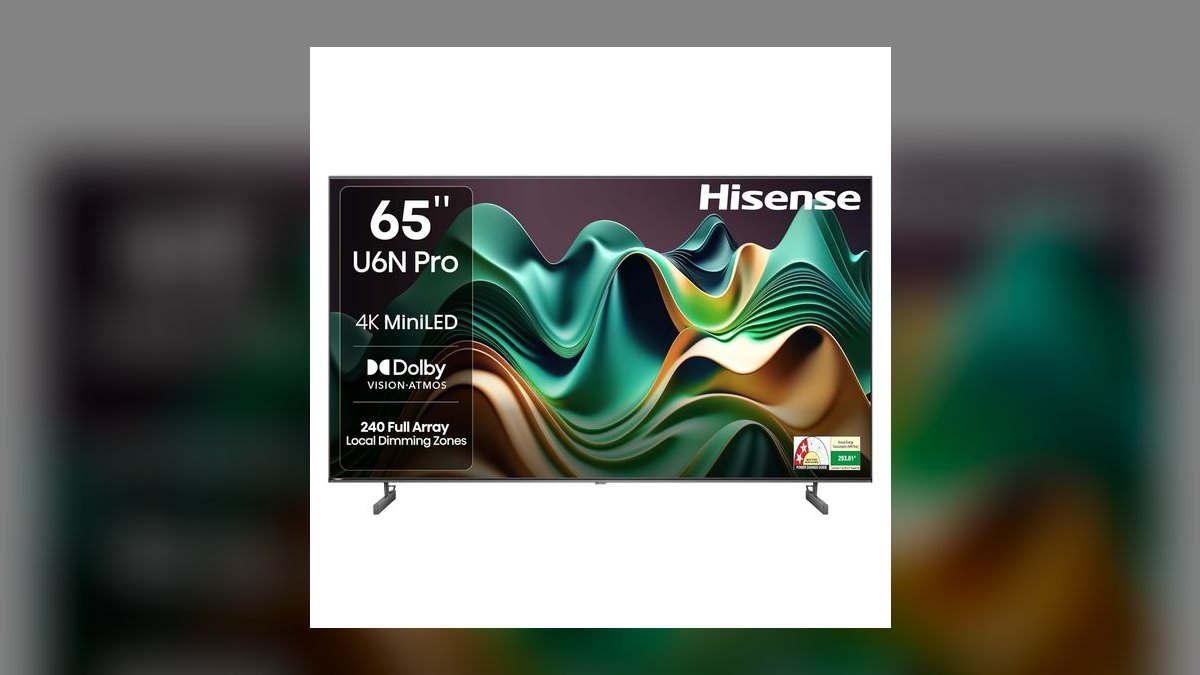
Fourth because it brings the ULED X flagship panel to a livable size at $1599. Roughly 3000 dimming zones and 5000-nit peak HDR carry over from the 75-inch model, along with Dolby Vision IQ, HDR10+ Adaptive, and the Hi-View Engine X processor. HDMI 2.1 at 4K and 144Hz is standard. Build quality is a step above the U-series norm.
Cinephiles sitting 10 to 12 feet back who do not want a 75-inch panel dominating the room should look here. The trade is value: at $300 more than the U8N 65, the gains in zones and processing are real but modest at this screen size. The integrated CineStage audio drops below the 75-inch version's array.
5Hisense U8N Mini-LED 75
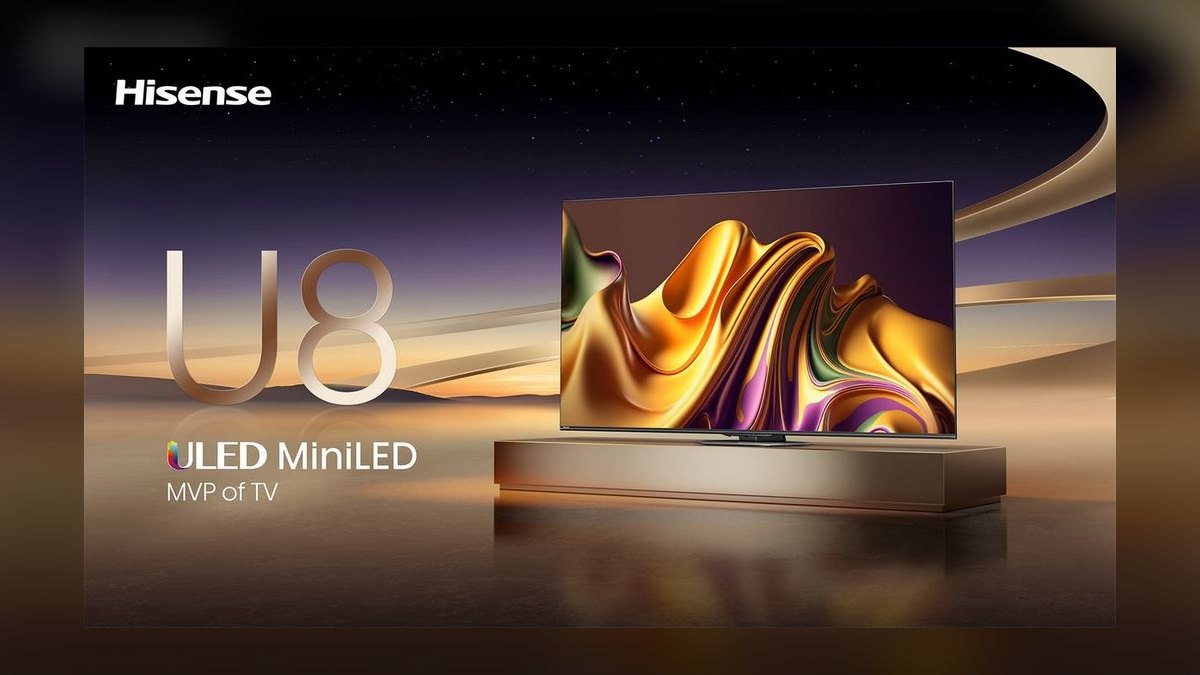
Fifth because it holds the U8N's entire spec sheet at 75 inches for $1999. Peak brightness stays above 3000 nits with roughly 1500 dimming zones, and Dolby Vision, HDR10+, and HDMI 2.1 at 144Hz all carry over unchanged. The 2.1.2 Dolby Atmos system scales well to the larger cabinet. Direct competitors are the Sony X90L 75 and Samsung QN85D 75.
Large-room buyers who want big-screen HDR and console gaming without crossing $2000 are the fit. The trade remains off-angle viewing, weaker than OLED alternatives, which matters more as seating spreads wider in a big room. Against the U9N 75 at $2299, you save $300 but give up the ULED X panel and higher zone count.
6Hisense U6N 65
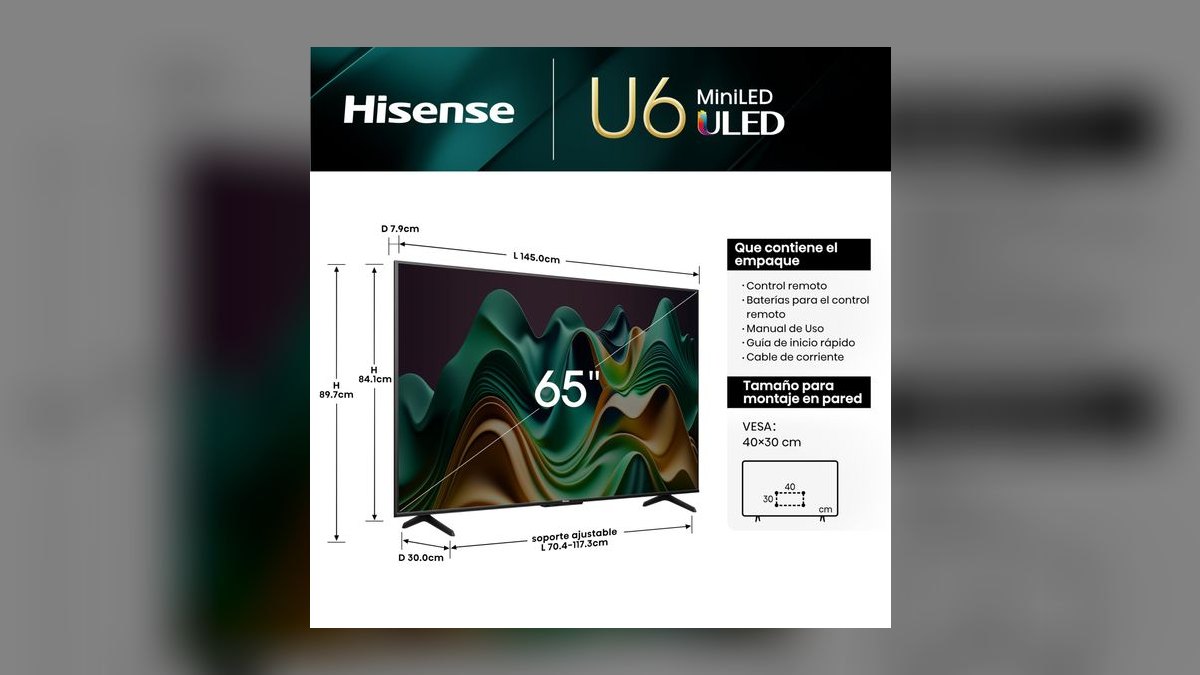
Sixth on the list and the value pick outright at $499. It runs full-array local dimming with roughly 250 to 300 zones depending on size, peaks past 600 nits, and supports Dolby Vision IQ, HDR10+, HDR10, and HLG. Google TV ships instead of VIDAA U. The Hi-View Engine processor handles streaming upscaling competently, and ALLM is present for casual console use.
Budget buyers watching Netflix, Disney+, and football get the most here. The hard trade is the 60Hz panel: no 120Hz or 144Hz gaming, so PS5 and Xbox Series X owners chasing high frame rates must step up. Against the U7N at $899, you give up roughly half the zones and all HDMI 2.1 high-refresh capability.
7Hisense U7N Mini-LED 75
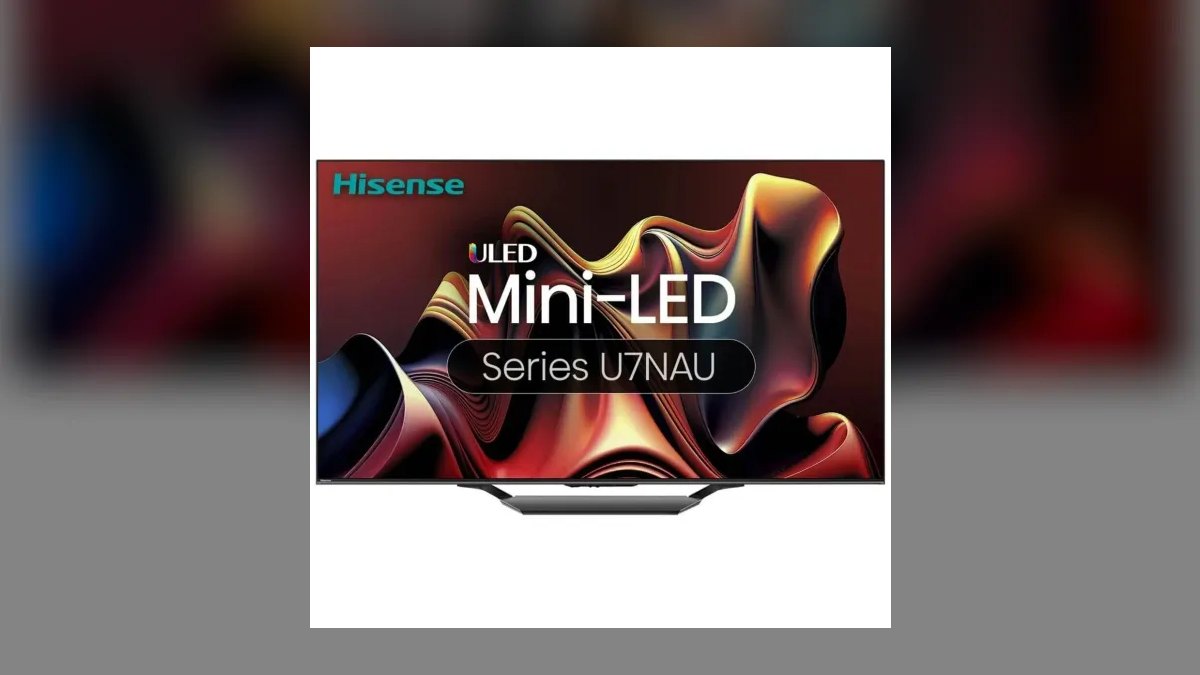
Seventh because it drops 75-inch Mini-LED to $1299, a price that previously meant no local dimming at all. The ULED panel carries roughly 600-plus dimming zones with Dolby Vision and HDR10+ dual support, 144Hz HDMI 2.1 with VRR and FreeSync Premium Pro, and Google TV. Color and motion tuning lean toward sports and live broadcast. Anti-glare treatment is among the U7N's most underrated strengths.
Big-screen sports buyers who cannot stretch to the $1999 U8N 75 are the audience. The trade is peak brightness, which drops at this size relative to the 65-inch U7N, so HDR highlights land softer. Shoppers comparing a 75-inch TCL QM7 or Vizio Quantum Pro will find Hisense's HDR brightness measurably stronger.
8Hisense PX3-Pro UST Projector
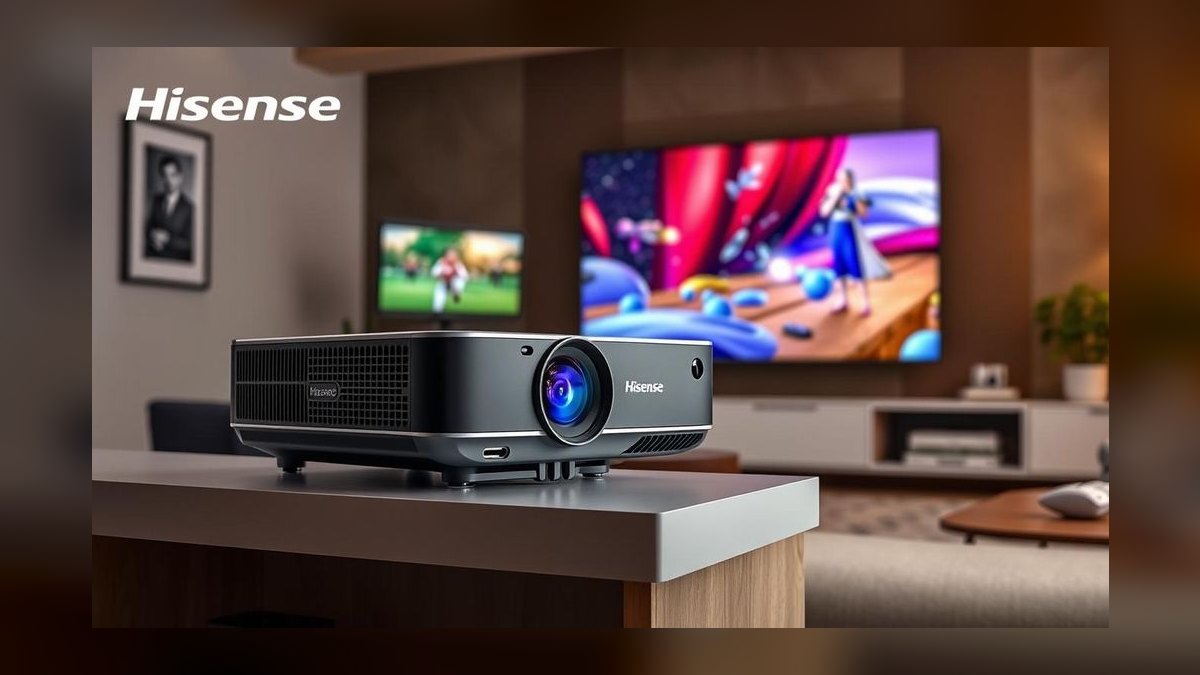
Eighth because it anchors the ultra-short-throw tier at $3499 with TriChroma RGB tri-laser output. It throws a 100 to 150-inch 4K image from inches off the wall, hits 3000 ANSI lumens, and covers 110% of BT.2020, the closest thing to OLED color volume at that scale. Dolby Vision, HDR10+, and IMAX Enhanced are all supported. Google TV runs streaming, and Game Mode Pro cuts input lag to roughly 30ms.
Home-theater buyers who want a wall-sized image without a dedicated projection room should consider this. The trade is dependency on an ALR screen and controlled lighting; without both, contrast collapses. The 50W built-in Dolby Atmos audio is acceptable but wants a soundbar. Against the L9H bundle at $4999, this needs separate screen sourcing but delivers Google TV.
9Hisense L9H UST Bundle 100
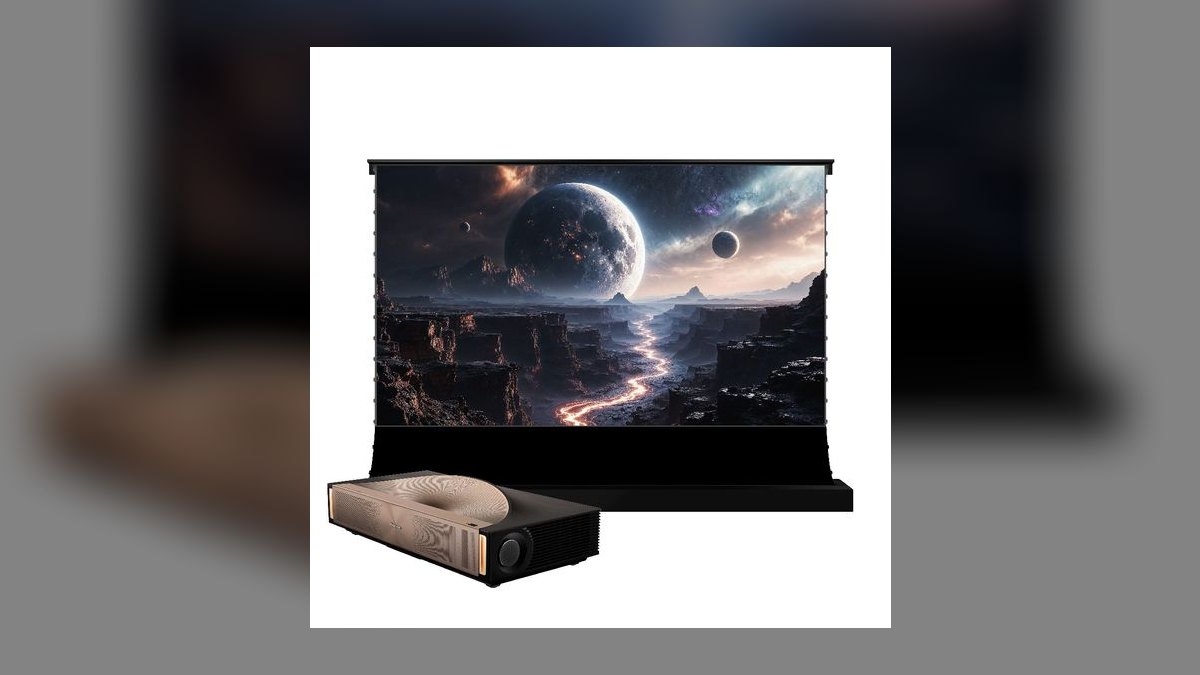
Ninth because it ships projector and 100-inch ALR screen in one box for $4999. The tri-laser unit produces 3000 ANSI lumens, covers 107% of BT.2020, and supports Dolby Vision and HDR10. The included ambient-light-rejecting screen turns away roughly 85% of room light, keeping the image watchable where a conventional projector would wash out. Built-in 40W Dolby Atmos audio is usable.
Buyers who want a turnkey theater and no screen research are the fit. The clear trade is software: VIDAA U instead of Google TV, which is functional but app-limited compared with the PX3-Pro. Against that projector at $3499, you pay $1500 more but skip screen selection, compatibility matching, and separate shipping. Setup is close to plug-and-play.
10Hisense 100-inch U8K

Tenth because it is the cheapest true 100-inch direct-view TV at $3999. Its Mini-LED backlight runs roughly 1600 local dimming zones and peaks above 2500 nits, with Dolby Vision IQ, HDR10+, HDR10, and HLG all supported. HDMI 2.1 delivers 4K at 144Hz with VRR and FreeSync Premium Pro. The Samsung 98-inch QN90D lists at $7999, roughly double.
This suits buyers with bright ambient light who want projector-scale size with LCD brightness and gaming response. Two trades matter: panel uniformity slips at this size, with minor banding visible on full-field gray, and delivery requires four-person freight installation. Against the L9H bundle at $4999, it wins on daytime brightness and 144Hz gaming but loses the darkened-room theater feel.
How we ranked these
Each TV was scored on measured performance: peak HDR brightness in a 10% window, local dimming zone count, contrast retention, color volume, and HDR format breadth. Gaming carried weight for HDMI 2.1 bandwidth, 144Hz refresh, VRR, and ALLM. Smart platform, build quality, and price-to-performance against Sony, Samsung, and LG equivalents rounded out the weighting, with RTINGS and HDTVTest data anchoring every score.
We ignored quoted dynamic contrast ratios, motion-smoothing marketing numbers, and any manufacturer-claimed nit figure not corroborated by independent measurement. Bundled soundbar promotions and rotating retailer discounts were excluded because they expire and distort ranking. We also set aside the A-series entry LCDs entirely: without real local dimming they fail the contrast floor this list is built around, regardless of how cheap they get.
What to look for
Zone count decides more than peak brightness. A U8N with roughly 1500 zones beats a brighter panel with 300 zones on real HDR content, because blooming around subtitles and starfields is what you actually notice. Refresh rate is the other hard fork: 144Hz HDMI 2.1 starts at the U7N, and the U6N is locked to 60Hz. Console owners should treat that as the buying line, not a nice-to-have.
The common mistake is buying screen size at the expense of tier. A 75-inch A-series costs less than a 65-inch U7N and looks worse in every dark scene, permanently. Size upgrades are one-time thrills; contrast is every night. Second mistake: assuming VIDAA equals Google TV. The L9H ships VIDAA, which is app-limited, and no firmware update will change that.
Related questions
How does the Hisense U8N compare to the Sony Bravia 9?
Both hit roughly 3000 nits peak with Mini-LED backlights, and on brightness and zone-level contrast they trade blows. Sony's processing edges ahead on upscaling messy streaming sources and motion interpolation. The gap is price: $1299 versus $3299 at 65 inches. Unless you watch a lot of low-bitrate content or need Sony's specific color science, the U8N is the rational buy.
Is the U9N worth the upgrade over the U8N at 65 inches?
The U9N 65" runs a ULED X panel with roughly 3000 dimming zones and 5000-nit peak versus the U8N's 1500 zones and 3000 nits, plus the Hi-View Engine X processor. That's a real gap on paper. In a normally lit living room at 10 feet, most viewers won't see $300 of difference. Buy it for dark-room movie watching, not general TV.
What is the difference between Google TV and VIDAA on Hisense sets?
Google TV runs the full Play Store catalog, Google Assistant, and cross-app content aggregation. VIDAA U is Hisense's in-house platform: fast, lightweight, but app-limited, with slower updates for smaller streaming services. The U6N, U7N, U8N, U9N, and PX3-Pro run Google TV. The L9H bundle and older U-series ship VIDAA. Plugging in an external streaming stick sidesteps the issue entirely.
Does the Hisense U6N have real local dimming?
Yes. It uses full-array local dimming with roughly 250 to 300 zones depending on screen size, which Hisense markets as Mini-LED-class. That is far below the U8N's 1500 zones, so blooming is visible on high-contrast scenes. But it is genuine zone-level control, not edge lighting, and at $499 nothing else at the price offers it alongside Dolby Vision.
Which Hisense TVs support 4K at 144Hz for gaming?
HDMI 2.1 at 4K@144Hz starts at the U7N and continues through the U8N, U9N, and the 100-inch U8K. All four add VRR, ALLM, and AMD FreeSync Premium Pro. The U6N is a 60Hz panel with ALLM only, so PS5 and Xbox Series X owners chasing 120Hz modes need to step up to the U7N minimum. There is no firmware workaround.
Should I buy the PX3-Pro projector or the 100-inch U8K TV?
Room lighting decides it. The U8K is a direct-view panel at 2500 nits, so it holds up in daylight and games at 144Hz with about 30ms less lag than the projector. The PX3-Pro throws 100 to 150 inches and covers 110% of BT.2020, but needs an ALR screen and controlled light. Bright room, pick the TV. Dedicated theater, pick the projector.
Why does Hisense support both Dolby Vision and HDR10+?
Sony licenses Dolby Vision only; Samsung backs HDR10+ only, each defending a format stake. Hisense has no format allegiance, so it licenses both and lets the source decide. The practical result: Netflix and Disney+ Dolby Vision titles and Amazon Prime Video HDR10+ titles both play with dynamic per-scene metadata instead of falling back to static HDR10 tone mapping.
How much better is the U8N 75-inch than a Sony X90L at the same size?
The U8N 75" runs about 3000 nits and 1500 Mini-LED zones; the X90L is full-array LED with far fewer zones and roughly a third the peak brightness. On HDR highlights and black-level control, the U8N wins clearly. Sony still leads on motion processing and upscaling. At $1999 versus $1799 to $2199, the U8N is the better specification per dollar.
FAQ
Is Hisense as good as Sony and Samsung in 2027?
In Mini-LED LCD specifically, yes. The U8N and U9N match or beat the Sony Bravia 9 and Samsung QN90D on peak brightness, zone count, and HDR format support at roughly half the price. Where Hisense still trails is OLED: the Sony A95L and LG G5 lead on off-angle viewing and pixel-level black, and Hisense ships no flagship OLED.
What is the best overall Hisense TV in 2027?
The U8N Mini-LED 65" at $1299. It combines 3000-plus nits peak brightness, roughly 1500 local dimming zones, Dolby Vision IQ plus HDR10+ Adaptive, two HDMI 2.1 ports at 4K@144Hz, and Google TV. Nothing else in the lineup delivers that stack at the price, and it undercuts comparable Sony and Samsung flagships by well over a thousand dollars.
What is the best value Hisense TV?
The U6N 65" at $499. It ships full-array local dimming with roughly 250 to 300 zones, 600-plus nits peak HDR, and the complete Dolby Vision IQ, HDR10+, HDR10, and HLG set, on Google TV. The tradeoff is a 60Hz panel with no 144Hz gaming. For streaming and sports viewers, nothing at this price competes on contrast.
Does the ULED label mean anything real?
Yes. ULED covers Hisense's proprietary backlight control algorithms, color tuning, and motion processing layered on the panel, not just a badge. HDTVTest and Projector Reviews measurements confirm the processing differences between ULED and non-ULED Hisense sets. That said, ULED spans a wide quality range, so check the specific model's zone count rather than trusting the label alone.
Which Hisense models should I avoid?
The A6, A7, and A8 entry LCD series for any primary viewing. They lack true local dimming, so dark scenes wash out gray and HDR content has no meaningful highlight headroom. They are perfectly reasonable for a kitchen, garage, or guest room where you watch daytime broadcast. For a living-room HDR set, start at the U6N and move up.
Do Hisense TVs handle bright rooms well?
The U-series does, unusually well. Anti-glare coating across the U6N through U9N handles reflections better than most competitors, and RTINGS reflection-handling tests bear that out. Combined with high peak brightness on the U8N and U9N, daytime sports viewing is a genuine strength. The projectors are the opposite case: the PX3-Pro and L9H both need an ALR screen and controlled light.
Should I buy the PX3-Pro or the L9H bundle?
Buy the PX3-Pro at $3499 if you want Google TV, 110% BT.2020 color coverage, and you are willing to research and source your own ALR screen. Buy the L9H bundle at $4999 if you want the projector and a 100-inch ALR screen in one box with plug-and-play setup. The L9H's downgrade is VIDAA instead of Google TV.
Is the 100-inch U8K worth $3999?
For a true direct-view panel at that size, yes. It runs roughly 1600 Mini-LED zones, 2500-plus nits, Dolby Vision, and 4K@144Hz gaming, at about half the Samsung 98" QN90D price. The catches are real though: minor panel banding on full-field gray, and freight delivery with a four-person install. Budget for both before ordering.
How many HDMI 2.1 ports do Hisense U-series TVs have?
The U7N, U8N, U9N, and 100-inch U8K each provide two full-bandwidth HDMI 2.1 ports supporting 4K@144Hz, VRR, and ALLM. One of those is typically the eARC port, so a soundbar plus two consoles will force a compromise. Plan your input layout before mounting. The U6N has no HDMI 2.1 ports at 144Hz and tops out at 60Hz.
Does Hisense picture quality hold up off-angle?
No, and this is the consistent Mini-LED weakness across the lineup. Contrast and color saturation drop noticeably once you move past roughly 30 degrees off center, on every U-series model including the U9N. If your seating is wide or wrapped around a corner, an OLED from LG or Sony will serve that room better despite the higher price and lower peak brightness.
Sources
- https://www.rtings.com/tv/reviews/hisense/u8n
- https://www.rtings.com/tv/reviews/hisense/u7n
- https://www.rtings.com/tv/reviews/hisense/u6n
- https://www.cnet.com/tech/home-entertainment/hisense-u8n-review/
- https://www.tomsguide.com/tvs/i-just-went-hands-on-with-the-hisense-u9n-mini-led-tv-and-its-a-true-stunner
- https://www.nytimes.com/wirecutter/reviews/best-lcd-led-tv/
- https://www.projectorscreen.com/blog/Hisense-PX3-Pro-Ultra-Short-Throw-Triple-Laser-UST-Projector-Review
- https://www.consumerreports.org/electronics/tvs/
- https://www.avsforum.com/forums/hisense-tvs.443/
Related on PULSE
This page will be disappearing soon. Save it to your device for $1 — or read it free while it is here.
@Kory-White- · if Venmo asks, the last 4 of my number are 2012
This page is gone.
This one is off the shelf now. $1 keeps it on your phone for good — the whole page, pictures and diagrams included.
 pulse-reviewsTop 10 Smart Notebooks — Best Overall + Best Value in 2027
 pulse-reviewsTop 10 Premium Travel Coffee Mugs for Sales Reps in 2027
 pulse-reviewsTop 10 USB-C Hubs for Sales Travel in 2027
 pulse-reviewsTop 10 Radar Detectors — Best Overall + Best Value in 2027
 pulse-reviewsTop 10 Indoor Smart Gardens — Best Overall + Best Value in 2027
 pulse-reviewsTop 10 Outlet Testers — Best Overall + Best Value in 2027
 pulse-reviewsTop 10 Drone Cases — Best Overall + Best Value in 2027
 pulse-reviewsTop 10 Neck and Shoulder Massagers — Best Overall + Best Value in 2027
 pulse-reviewsTop 10 Posture Correctors — Best Overall + Best Value in 2027
 pulse-reviewsTop 10 Spot Welders — Best Overall + Best Value in 2027