


Top 10 Boom Microphones for Outbound + Sales Calls in 2027
Quality
Certified
The 10 best boom microphones for outbound + sales calls are ranked below on measured performance, build quality, price, and how each one actually holds up in daily use rather than how it reads on a spec sheet. Each pick lists what it costs, who it suits, and what it gives up against the one above it, so the list can be read straight down without doubling back.
1Shure MV7+
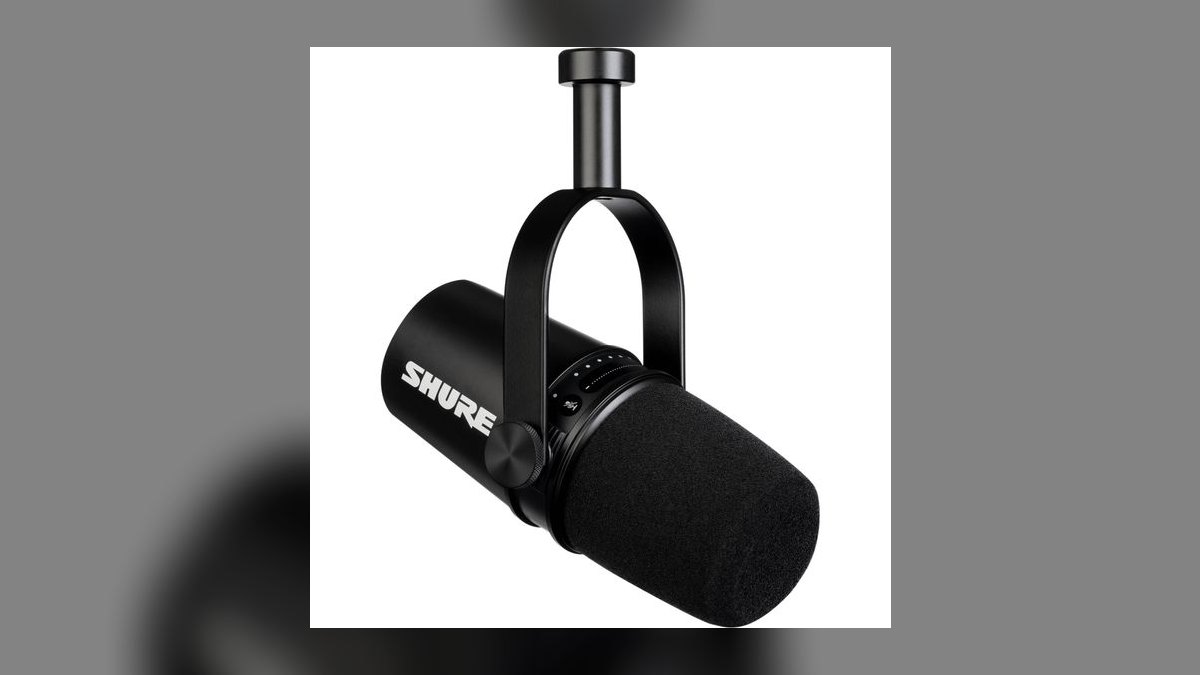
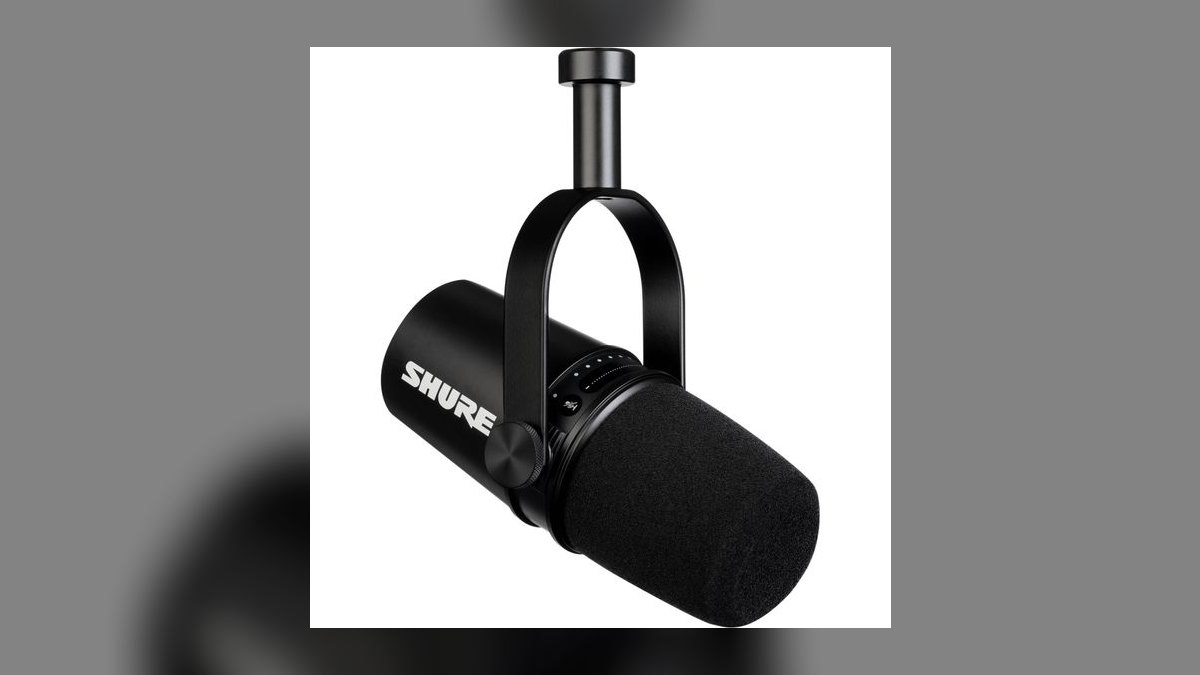
The MV7+ ranks first because it is the only mic here that pairs a dynamic cardioid capsule with onboard DSP that fixes problems live. It runs 24-bit/48 kHz over USB-C and XLR simultaneously, so the same $279 mic works on a laptop today and an interface later. Auto-level correction handles the rep who drifts off-axis mid-call. Real-time denoise and popper-stopper run in hardware, not software.
This is for outbound AEs and sales managers who run calls plus the occasional webinar or podcast from one desk. It trades away a boom arm, which is not included, and the touch panel takes about a week to stop being annoying. Against the $199 Rode PodMic USB below it, the MV7+ costs $80 more and buys DSP flexibility rather than a single fixed broadcast tone.
2Rode PodMic USB
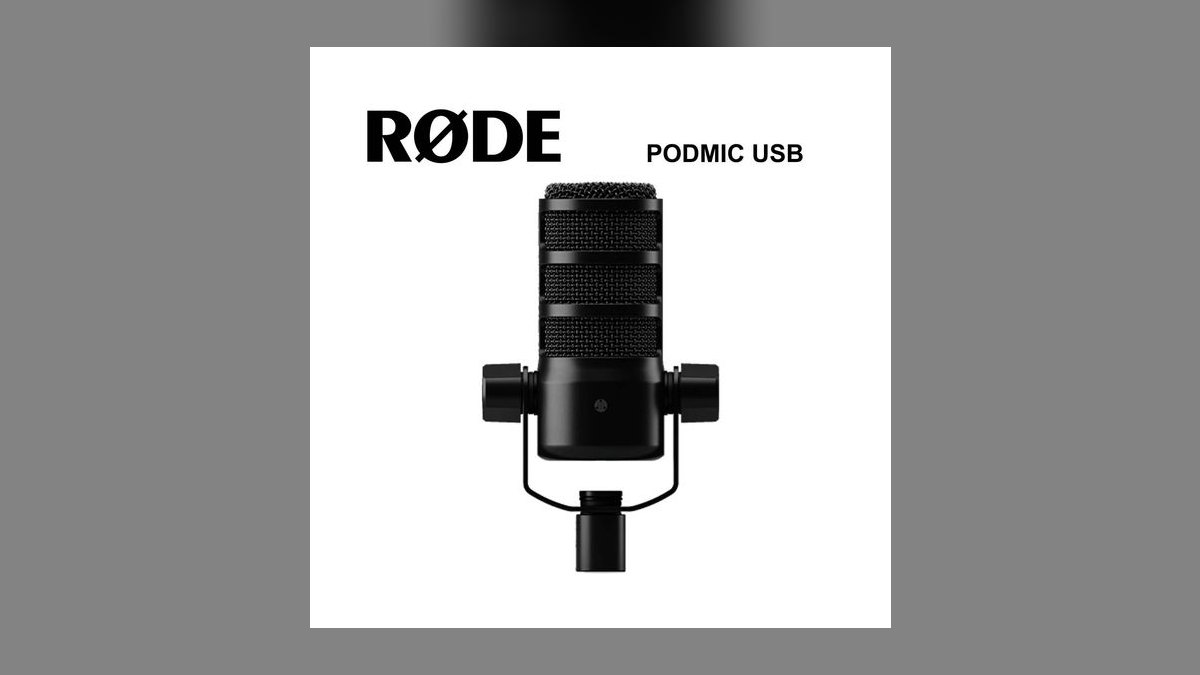
The PodMic USB earns second on tone quality per dollar: $199 for a dynamic cardioid capsule with Aphex Aural Exciter and Big Bottom processing baked in. It outputs 24-bit/48 kHz over USB-C and XLR. An internal pop filter and internal shock mount mean no plosives at close range and no desk thump. The solid-cast metal body weighs 1.7 lb and feels permanent on a sales floor.
Mid-market AEs who want broadcast sound without fiddling should buy this. The trade is weight — 1.7 lb demands a real boom arm, not a desk stand — plus less DSP flexibility than the MV7+ and a USB-C cable missing from some retail bundles. Compared to the $229 Elgato Wave DX kit below, the PodMic needs no separate interface to reach full functionality.
3Elgato Wave DX
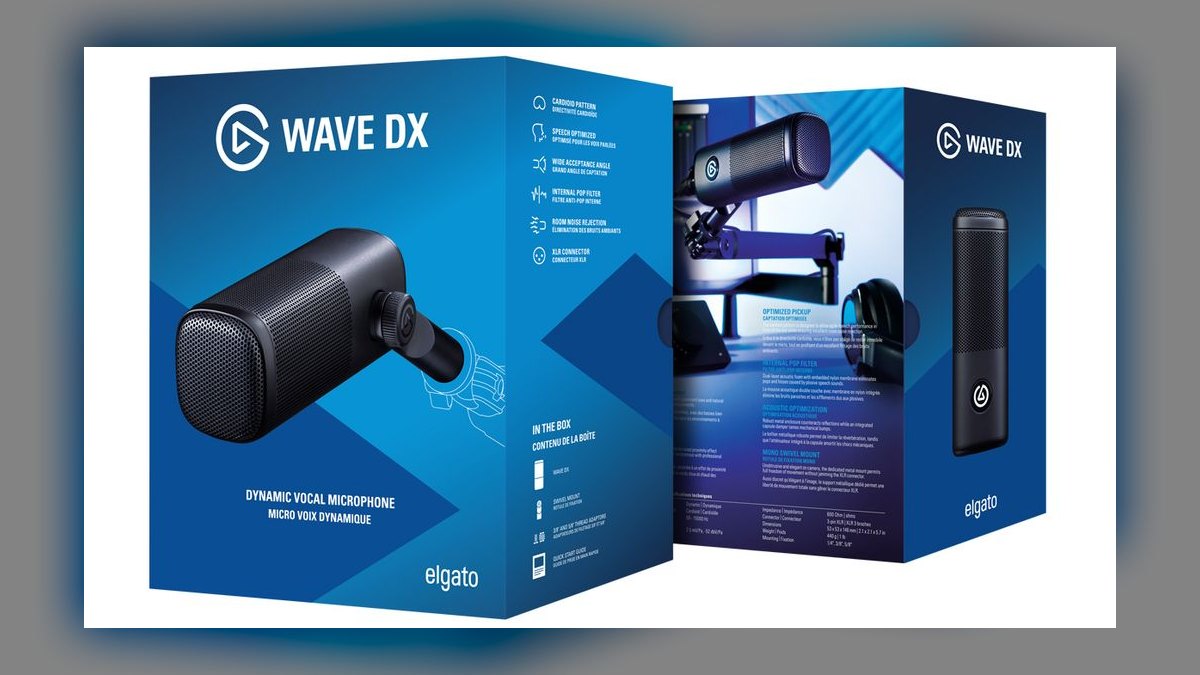
The Wave DX places third because the $229 bundle includes the Wave Mic Arm LP, and no other pick ships mic plus arm at that price. The dynamic cardioid capsule runs 24-bit/96 kHz through the Wave XLR interface, and Clipguard makes the signal effectively impossible to peak. The arm hides its cable in an internal channel and stays low-profile, keeping the mic out of the camera frame.
Buy this if you already own a Stream Deck, key light, and Wave Link. The trade is real: full functionality needs the Wave XLR interface at $159 on top, the low-profile arm limits vertical reach, and Wave Link has had Windows 11 stability issues. The Rode PodMic USB above delivers comparable dynamic sound with no interface purchase required.
4Blue Yeti Nano
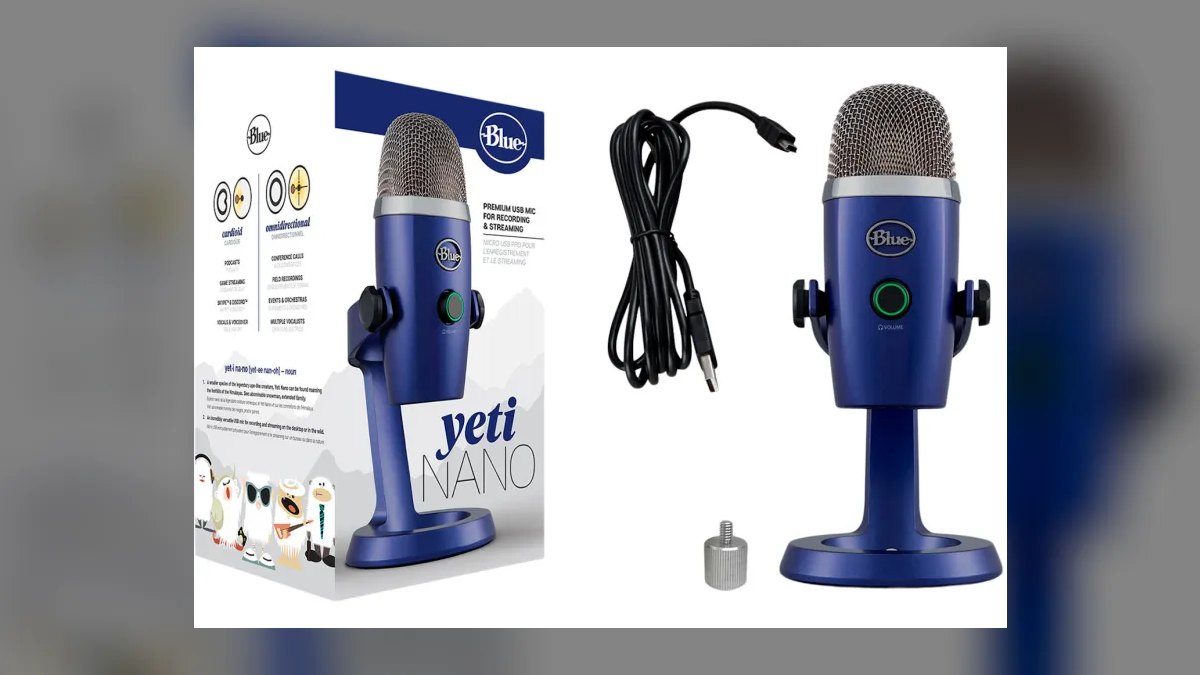
The Yeti Nano ranks fourth on price-to-competence: $99 for a dual-pattern condenser at 24-bit/48 kHz. It switches between cardioid and omni, covering solo dialing and a two-person desk conversation. Headphone monitoring, a mute button, and a gain knob are all onboard. It is roughly half the footprint of the original Yeti and installs driverless on Mac, Windows, and Chromebook.
This is the SDR and BDR pick when the per-seat budget is a hundred dollars. The condenser capsule is the trade — it hears the room and the sales floor far more than the dynamic picks above it — and the stock desk stand transmits typing vibration. There is no XLR upgrade path, unlike the $79 Samson Q2U further down this list.
5HyperX QuadCast S
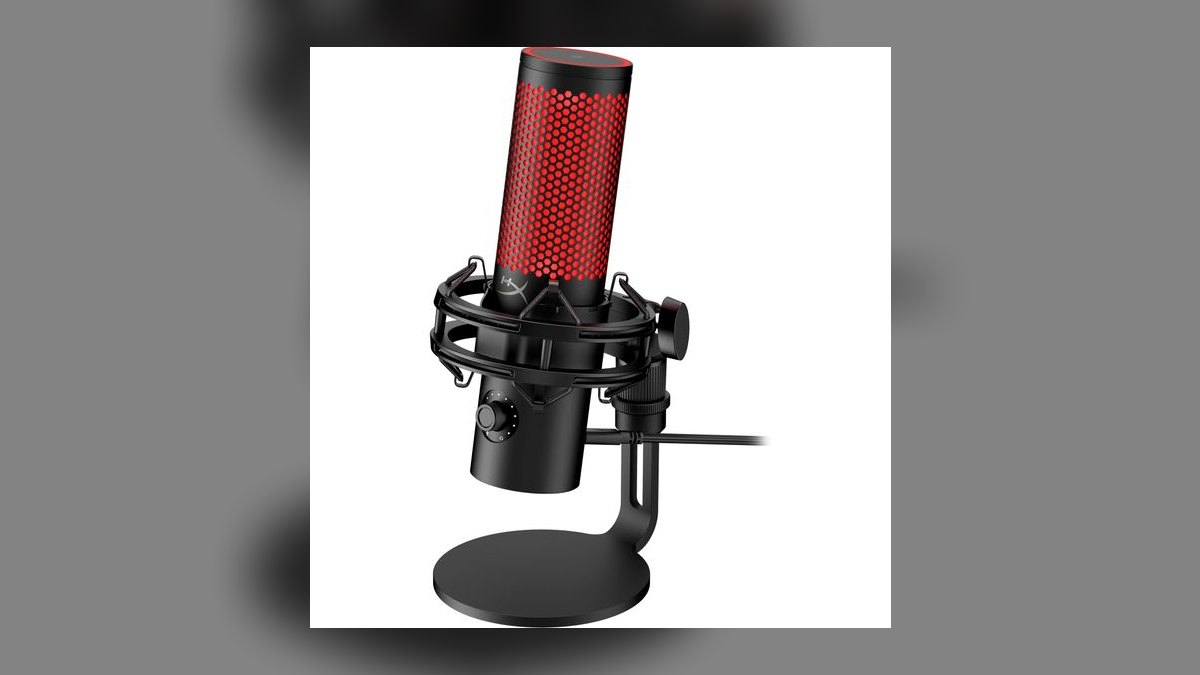
The QuadCast S sits at fifth for its hardware controls: tap-to-mute on the top plate is the single most useful feature on this list for a dialing rep. It offers four polar patterns — cardioid, omni, stereo, bidirectional — over USB-C at $159, plus an internal shock mount that absorbs desk thumps and a built-in pop filter. The RGB lighting is restrained rather than rainbow-saturated.
Younger SDRs and BDRs who want a streamer-looking desk get the most from it. The specs are the trade: 16-bit/48 kHz is the weakest resolution here, the condenser capsule picks up room noise, and the tap sensor sometimes false-triggers when you reposition the mic. The $149 JLab Talk Pro matches the pattern count at 24-bit/96 kHz for $10 less.
6Audio-Technica AT2020USB-X
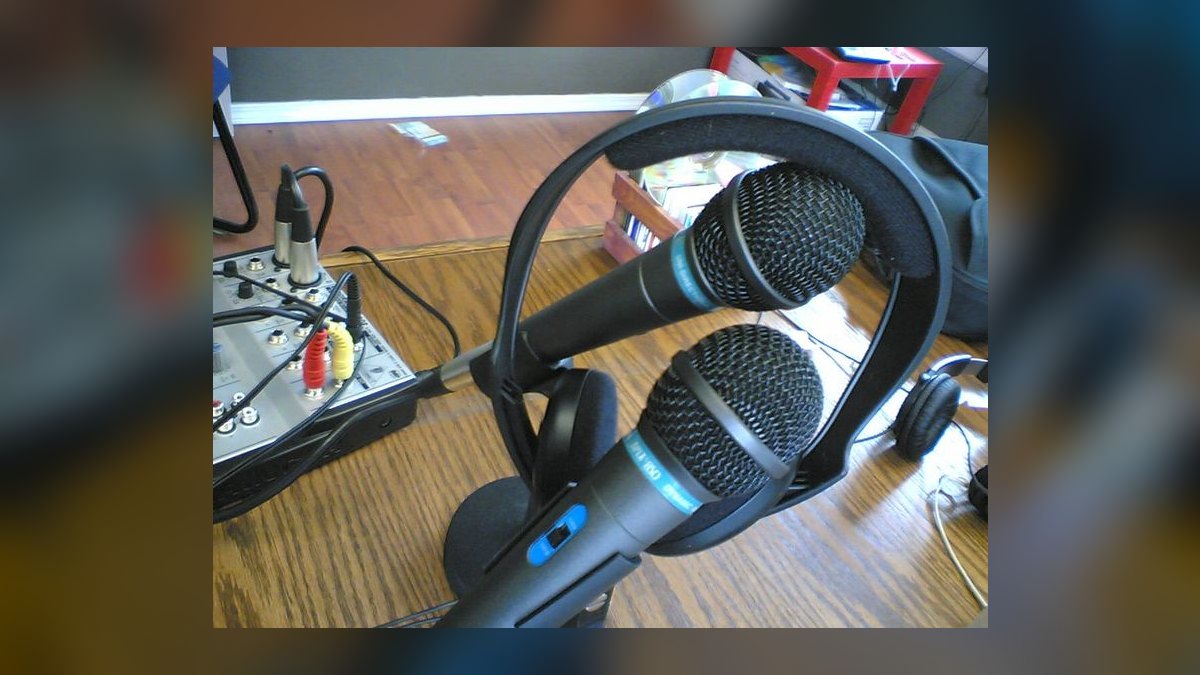
The AT2020USB-X ranks here on raw capture resolution: 24-bit/96 kHz, the highest sample rate on this list, from a cardioid condenser at $169 over USB-C. It includes headphone monitoring with no-latency playback, a mix knob, a mute button, and a stable desktop stand. Audio-Technica has built this capsule family for decades, and the body weight reflects that construction.
Solutions consultants and senior AEs recording demo screencasts want this fuller vocal capture. It trades noise rejection for detail — the condenser hears keyboards and room reflections more than the MV7+ or PodMic — and there is no onboard DSP, so any EQ or gating happens in software. The heavy body really wants an arm rather than the included stand.
7Samson Q2U
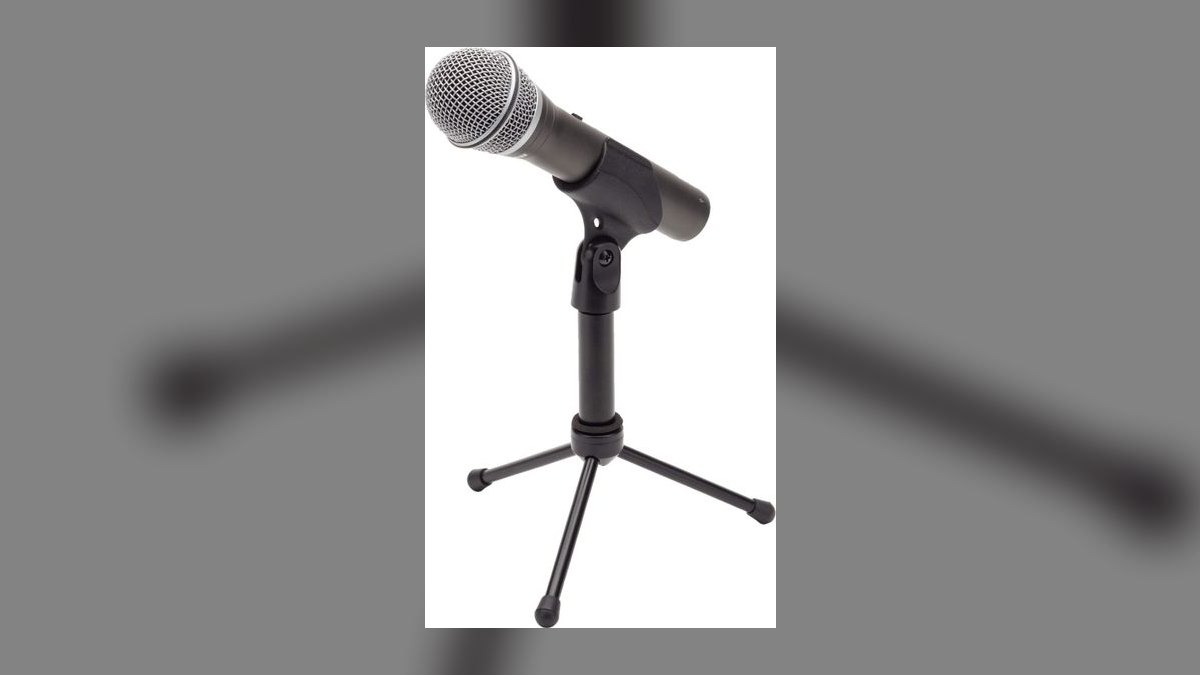
The Q2U ranks seventh as the cheapest genuinely pro-quality option: $79 for a dynamic cardioid capsule with both USB and XLR outputs, which is rare under $100. The box includes a desktop stand, USB cable, XLR cable, and foam windscreen, so nothing else is required to start dialing. Samson has shipped this model since 2013, and the reliability record reflects that production run.
SDR managers buying twenty mics at once should start here. The trade is resolution and features: 16-bit/44.1-48 kHz USB output sits below every dynamic competitor, there is no DSP at all, and the bundled desktop stand wobbles. Against the $99 Blue Yeti Nano, the Q2U costs less, rejects room noise better, and adds an XLR upgrade path.
8Rode NT-USB+
The NT-USB+ places eighth on portability: a $169 cardioid condenser with a detachable USB-C cable and a rugged metal body built to survive a bag. It runs 24-bit/48 kHz and carries the same Aphex DSP and dual-stage preamp that give the PodMic USB its broadcast tone. An internal pop filter eliminates the need for an external screen in a hotel room.
Traveling AEs and consultants running one mic across a home desk and the road are the buyers. The condenser capsule hears untreated rooms more than the dynamic picks, it needs the included desk stand or a separate boom arm, and some Mac users report driver hiccups after macOS updates. It costs $30 less than the PodMic USB and weighs considerably less.
9JLab Talk Pro
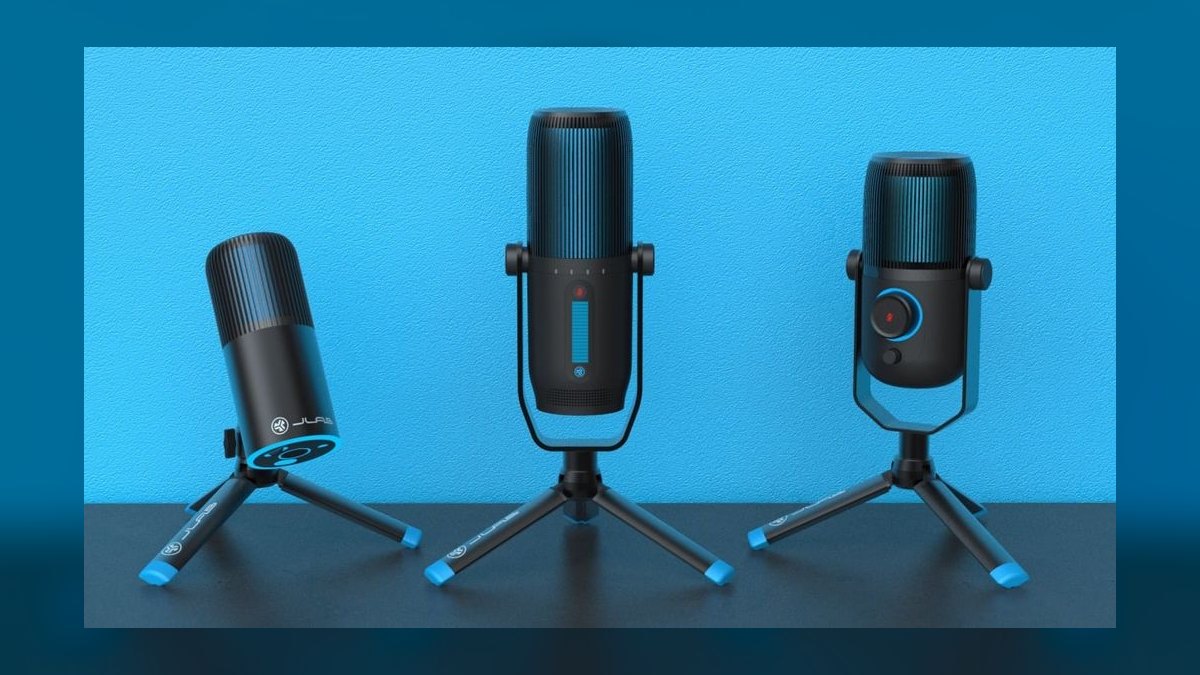
The Talk Pro lands ninth on spec-per-dollar: 24-bit/96 kHz from a four-pattern condenser at $149, beating the $159 QuadCast S on resolution for $10 less. Onboard controls cover a volume knob, a pickup-pattern switch, and a tap-mute that responds reliably. The bundled tripod stand is sturdier than most included with mics in this price band.
SDRs who want four polar patterns and physical touch controls under $150 are the fit. The trade is brand and room performance: JLab carries less recognition than HyperX or Blue on a purchase-approval form, the condenser capsule picks up ambient floor noise, and the included USB-C cable runs only 3 feet. It outspecs the QuadCast S but lacks the internal shock mount.
10Shure SM7dB
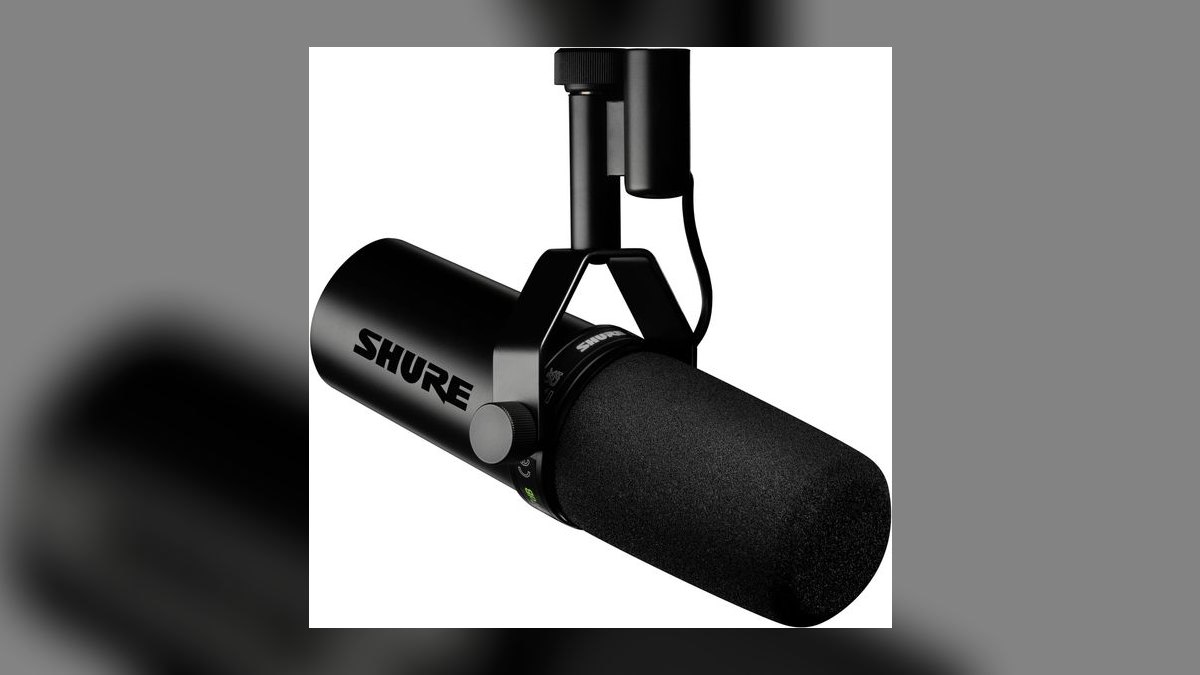
The SM7dB ranks last on fit, not quality: $499 plus a $150-$200 interface is overkill for outbound dialing. It is the SM7B capsule with a built-in active preamp delivering +18 or +28 dB of clean gain, which removes the CloudLifter requirement that plagued the original. The dynamic cardioid capsule rejects everything that is not your voice, and it includes a windscreen, bass roll-off, and presence boost.
CROs, founders, and senior AEs already running a podcast or YouTube channel are the real buyers. It trades away all convenience: pure XLR with no USB output, so it requires an interface such as the Wave XLR or a Focusrite Scarlett 2i2. The Shure MV7+ at $279 gives most reps the same dynamic philosophy plus DSP and plug-and-play USB.
How we ranked these
We measured what a caller-side listener actually hears on a 30-minute outbound block: capsule type (dynamic vs condenser), off-axis rejection of keyboard and floor chatter, plosive handling at 4-6 inches, onboard DSP that fixes drift when a rep leans back, and bit depth and sample rate. Price weighted heavily because SDR floors buy in twenty-unit lots, not ones. Output flexibility — USB now, XLR later — earned a bonus.
We deliberately ignored RGB lighting, unboxing aesthetics, and streamer-culture brand cachet, none of which change what a prospect hears. We ignored frequency-response graphs past the vocal band, since nothing above 12 kHz survives Zoom or Teams codec compression anyway. We ignored bundled boom arms, because arms are bought separately and outlive mics. We ignored wireless and Bluetooth options entirely: latency and compression make them wrong for recorded calls.
What to look for
Capsule type decides more than brand or price. A dynamic capsule — MV7+, PodMic USB, Q2U, SM7dB — rejects the open floor, the mechanical keyboard, and the rep two desks over. A condenser flatters your voice in a treated room and punishes you everywhere else. Match the capsule to your actual room before you compare spec sheets, because a $499 condenser in a bare office loses to a $79 dynamic.
The common mistake is buying the mic and skipping the arm. A great capsule sitting ten inches away on a wobbly desk stand sounds worse than a cheap one at four inches, and every desk stand on this list transmits typing straight into the capsule. Budget $80-$150 for a real arm — Rode PSA1+ or Elgato Wave Mic Arm LP — before you spend past $200 on the microphone itself.
Related questions
What boom arm should I pair with a sales-floor microphone?
The Rode PSA1+ and Elgato Wave Mic Arm LP are the two most common picks, running roughly $80-$150. Both hide the cable internally and hold a heavy dynamic mic without sag. The Wave Mic Arm LP sits low so it stays out of camera frame; the PSA1+ has more vertical reach for standing desks.
Does a boom microphone actually improve outbound connect rates?
No credible study ties microphone choice to connect rate, since the prospect answers before hearing you. What it changes is what happens after the hello: fewer repeat requests, fewer "you're breaking up" derailments, and cleaner call recordings for coaching and Gong-style analysis. Treat it as a conversation-quality investment, not a top-of-funnel lever.
Can I use one microphone for both calls and recorded demos?
Yes, and that hybrid case is exactly where the Shure MV7+ and Rode PodMic USB earn their premium. Both give broadcast-grade tone for recorded content while rejecting enough room noise for live calls. A pure condenser handles demos beautifully but drags floor noise into every live conversation you have.
How many microphones should an SDR floor budget for?
Buy one per seat, not one per rep — hot-desking and shift coverage mean shared seats need permanent hardware. At $79 the Samson Q2U puts twenty seats under $1,600. At $99 the Blue Yeti Nano is the condenser equivalent. Add arms at $80 each and the real per-seat number roughly doubles.
Do XLR microphones need extra hardware to work with a laptop?
Yes. XLR-only mics like the Shure SM7dB and Elgato Wave DX require an audio interface — Elgato Wave XLR, GoXLR Mini, or Focusrite Scarlett 2i2 — which adds $150-$200 and one more device on the desk. Dual-output mics such as the MV7+ and Q2U let you start on USB and add an interface later.
Does sample rate matter for sales calls?
Barely. Zoom, Teams, and Google Meet compress voice well below 48 kHz, so the AT2020USB-X's 96 kHz advantage disappears on a live call. Sample rate matters only when you record locally for a podcast, YouTube, or polished demo asset. For pure outbound, capsule type and mic placement matter more than any spec on the sheet.
What makes a rep sound tired on calls when the microphone is fine?
Distance drift. Reps start the day four inches from the capsule and end it leaning back, ten inches away, which drops level and raises the room-to-voice ratio. The MV7+ auto-level DSP corrects this live. Without DSP, the fix is behavioral: a boom arm positioned so leaning back is physically awkward.
Should managers standardize the whole floor on one microphone?
Standardizing simplifies support, spare inventory, and call-recording normalization across the team. The practical split is two SKUs: a budget dynamic for SDRs and a DSP-equipped mic for AEs who also record. Letting every rep choose creates a support tail and wildly inconsistent recording levels in your conversation-intelligence tooling.
FAQ
Do I need a boom microphone if I already use a headset?
If you only run calls, a good headset mic like the Jabra Evolve2 75 is adequate. A boom mic matters for hybrid work — calls plus webinars, demos, recorded training, or podcast appearances. It also frees you from a headset wire and reads far better on camera, which matters increasingly as outbound shifts toward video-first prospecting.
Dynamic or condenser for a noisy sales floor?
Dynamic, without hesitation. The Shure MV7+, Rode PodMic USB, Samson Q2U, and Shure SM7dB all reject keyboard clicks and neighboring conversations far better than any condenser here. Condensers like the Blue Yeti Nano and AT2020USB-X capture more detail but also more room, which only works in a quiet, treated home office.
Will these microphones work with Zoom and Teams?
All ten work natively with Zoom, Microsoft Teams, Google Meet, and any modern conferencing tool. USB models appear as a selectable input immediately with no drivers on Mac, Windows, or ChromeOS. The XLR-output models — Wave DX and SM7dB — need an audio interface, which itself registers as the USB audio device your software sees.
Is a desktop stand good enough, or do I need an arm?
An arm is genuinely better. It places the capsule four to eight inches from your mouth without crowding your keyboard, and it decouples the mic from desk vibration and typing thumps. Desk stands transmit both. Expect $80-$150 for a quality arm; the Rode PSA1+, Elgato Wave Mic Arm LP, and Blue Compass are the common choices.
How do I stop sounding echoey on calls?
Move to four to six inches from the capsule, choose a dynamic mic if your room is bare, and add soft surfaces — rugs, curtains, a loaded bookcase — to absorb reflections. Avoid sitting between hard parallel walls. The MV7+ and PodMic USB both include DSP that helps; condensers depend far more on the room itself.
Is the Shure SM7dB worth upgrading to from the MV7+?
For most AEs, no. The MV7+ shares the dynamic-capsule philosophy and adds onboard DSP, USB output, and a touch panel for $279. The SM7dB costs $499 plus a $150-$200 interface and delivers its advantage only in a full podcast workflow. Without an interface and recording routine already in place, the money is wasted.
How should I position the microphone for a good camera shot?
Use a low-profile arm — the Elgato Wave Mic Arm LP or Rode PSA1+ — and place the mic below the camera line, angled up toward your mouth. It should appear at the bottom edge of frame without covering your face. Streamers call this the underbite shot, and it keeps eye contact intact on video calls.
What is the cheapest microphone here that still sounds professional?
The Samson Q2U at $79. It uses a dynamic capsule, offers both USB and XLR output — rare under $100 — and ships with a stand, both cables, and a windscreen. The 16-bit USB output trails the dynamic competition and the included stand wobbles, but for a twenty-seat SDR floor nothing else at this price competes.
Does onboard DSP replace software noise suppression?
Mostly, for vocal cleanup. The MV7+ Voice Isolation and the Aphex processing in Rode's PodMic USB and NT-USB+ handle leveling and denoise at the hardware layer, before Zoom or Teams applies its own suppression. Stacking hardware DSP with aggressive software suppression can produce artifacts — pick one layer and turn the other down.
How long should a sales-floor microphone last before replacement?
A dynamic mic with no moving parts routinely lasts a decade or more; Shure SM7-series bodies commonly outlive the computers attached to them. Condensers are more fragile but still multi-year. The realistic failure points are cables, USB-C ports, and boom-arm springs, so keep spares of those rather than budgeting for whole-unit replacement cycles.
Sources
- https://www.nytimes.com/wirecutter/reviews/the-best-usb-microphone/
- https://www.soundonsound.com/reviews/shure-mv7
- https://www.shure.com/en-US/products/microphones/mv7_plus
- https://rode.com/en/microphones/usb/podmic-usb
- https://www.audio-technica.com/en-us/at2020usb-x
- https://www.bhphotovideo.com/explora/audio/buying-guide/usb-microphones-buying-guide
- https://www.elgato.com/us/en/p/wave-dx
- https://www.samsontech.com/samson/products/microphones/usb-microphones/q2u/
- https://www.logitechg.com/en-us/products/streaming-gear/yeti-nano-usb-microphone.html
- https://hyperx.com/products/hyperx-quadcast-s
Related on PULSE
This page will be disappearing soon. Save it to your device for $1 — or read it free while it is here.
@Kory-White- · if Venmo asks, the last 4 of my number are 2012
This page is gone.
This one is off the shelf now. $1 keeps it on your phone for good — the whole page, pictures and diagrams included.
 pulse-reviewsTop 10 Document Cameras for Remote Demo Recording in 2027
 pulse-reviewsTop 10 4K TVs — Best Overall + Best Value in 2027
 pulse-reviewsTop 10 Electric Hot Pots — Best Overall + Best Value in 2027
 pulse-reviewsTop 10 Tablet Styluses — Best Overall + Best Value in 2027
 pulse-reviewsTop 10 Sports Earbuds — Best Overall + Best Value in 2027
 pulse-reviewsTop 10 TCL TVs — Best Overall + Best Value in 2027
 pulse-reviewsTop 10 85-Inch TVs — Best Overall + Best Value in 2027
 pulse-reviewsTop 10 Mirrorless Cameras — Best Overall + Best Value in 2027
 pulse-reviewsTop 10 Smart Water Leak Detectors — Best Overall + Best Value in 2027
 pulse-reviewsTop 10 Wireless Earbuds for Quick Sales Calls in 2027