
Top 10 Swimming Earbuds — Best Overall + Best Value in 2027
 Curated byKory White · Fractional CRO · Maryland
 PULSEKNOWLEDGE LIBRARY
Quality
Certified
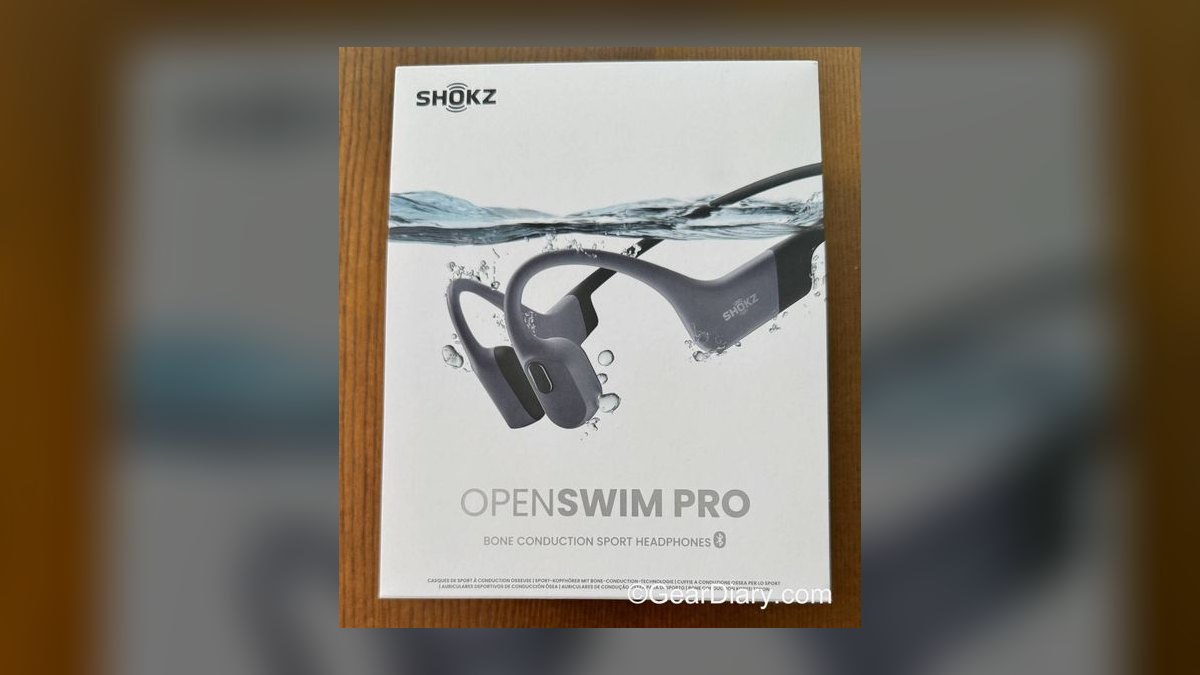
The 10 best swimming earbuds are ranked below on measured performance, build quality, price, and how each one actually holds up in daily use rather than how it reads on a spec sheet. Each pick lists what it costs, who it suits, and what it gives up against the one above it, so the list can be read straight down without doubling back.
1. Shokz OpenSwim Pro
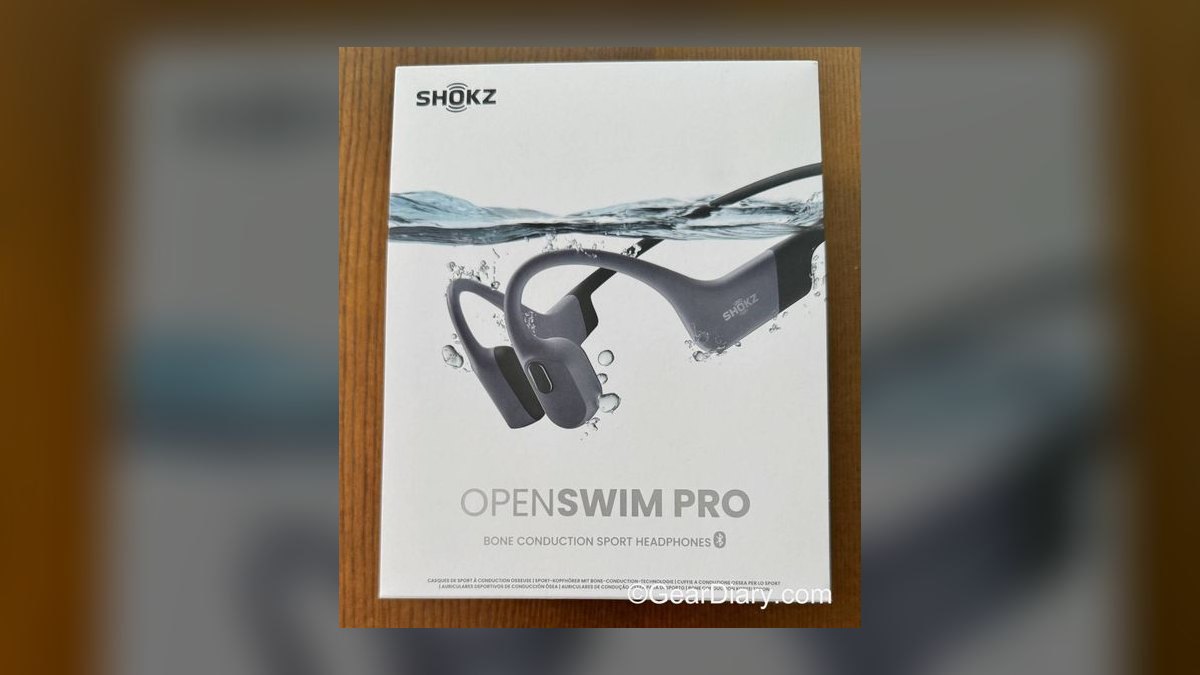
The Shokz OpenSwim Pro ranks first because it resolves every swimming-audio constraint in one device at roughly $180. It carries 32GB of onboard storage — over 8,000 songs — so playback never depends on a Bluetooth signal that water blocks. A dual-mode toggle switches between Bluetooth streaming on land and internal MP3 in the pool. The IP68 rating covers full immersion, and the bone-conduction band holds through flip-turns.
This is for swimmers who train regularly and want one pair covering pool, bike, and street rather than two devices. The trade is bass: transducers on the cheekbones deliver a lighter low end than a sealed in-ear unit like the Sony NW-WS413. It costs more than double the FINIS Duo, and that premium buys Bluetooth, 8x the storage, and land use, not better in-water sound.
2. FINIS Duo
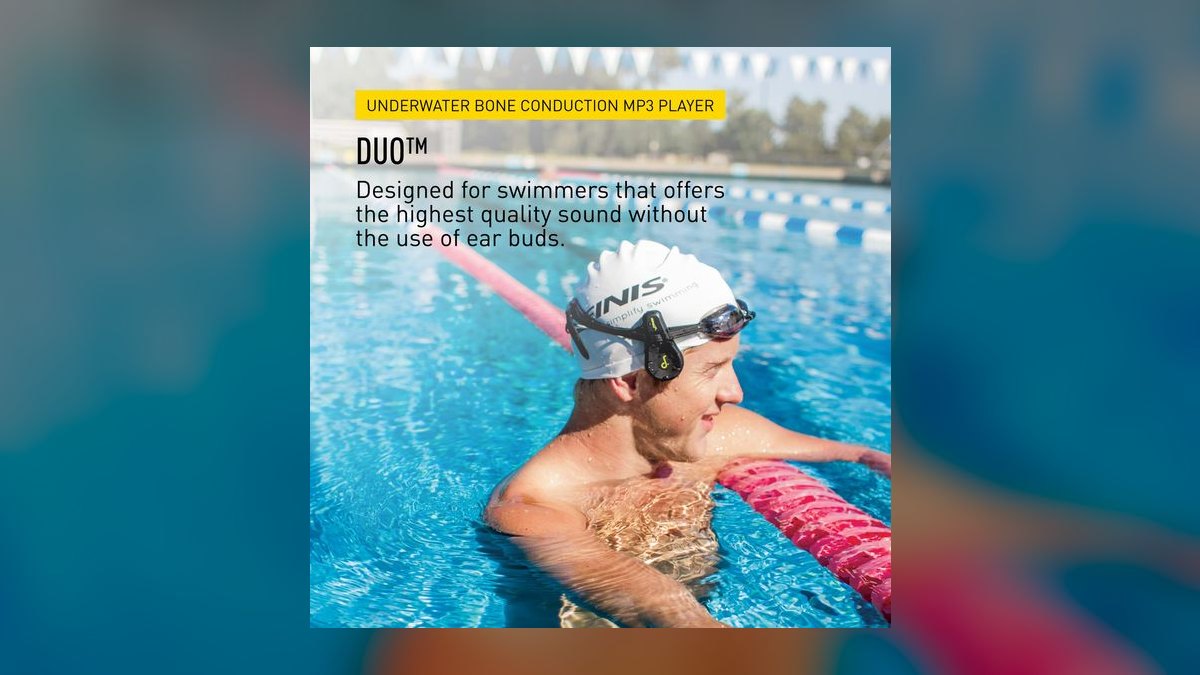
The FINIS Duo takes second on price-to-function: roughly $80 for real bone-conduction underwater audio, less than half what the OpenSwim Pro costs. It clips directly onto the goggle strap rather than wrapping the head, so nothing sits in the ear canal and nothing works loose mid-lap. Music loads to onboard storage before the swim. It has been a swim-team staple for years on durability and simplicity alone.
Budget lap swimmers are the audience — people who want music for a pool set and nothing else. It gives up Bluetooth entirely, so there is no land streaming and no phone pairing, and the interface is bare compared with the Shokz units above it. If your training is pool-only, that missing radio costs you nothing and saves you about $100.
3. H2O Audio Tri 2 Multi-Sport
The H2O Audio Tri 2 places third for one feature nothing above it matches: Playlist Plus, which stores audio from Spotify or Apple Music on the device for offline underwater playback. Most rivals only play files you drag over manually. It runs bone conduction with an IPX8 rating for full submersion, plus Bluetooth for land use, at roughly $160. H2O Audio has built aquatic audio for over a decade.
Triathletes who live inside streaming apps get the most from this, since one device covers swim, bike, and run without rebuilding a music library. Setting up Playlist Plus takes more steps than copying MP3s, and bass stays modest as with any bone-conduction design. Against the OpenSwim Pro it saves about $20 and adds streaming-app support, but carries far less onboard storage.
4. Sony NW-WS413 Walkman
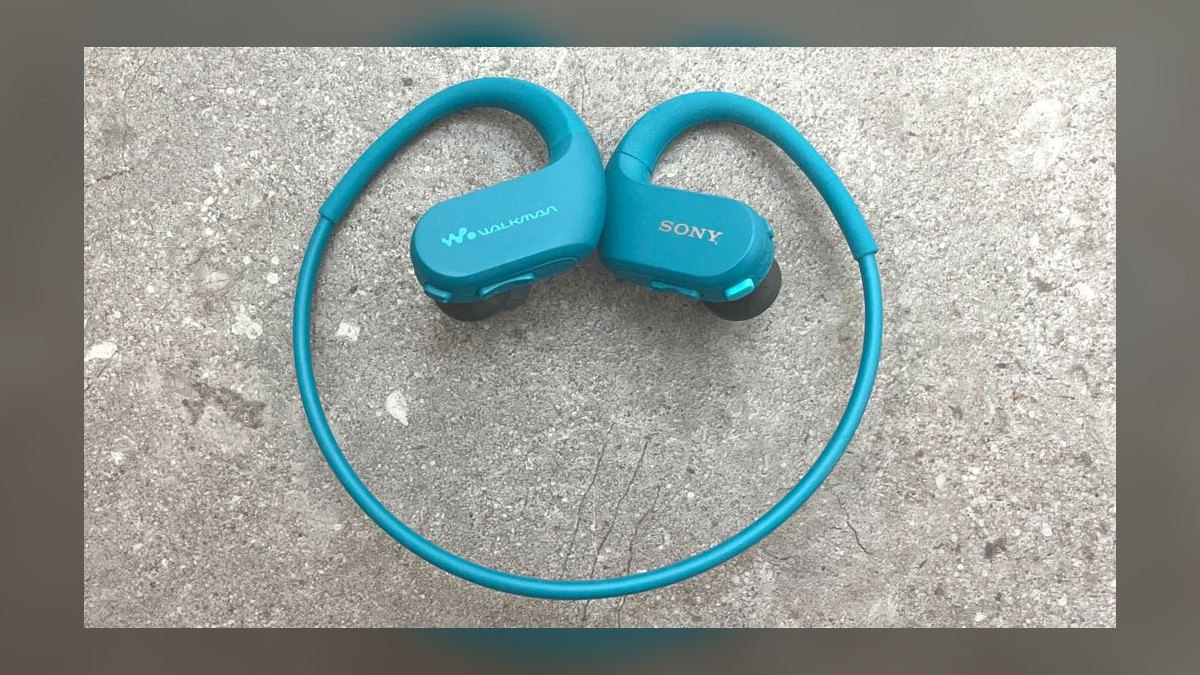
The Sony NW-WS413 earns fourth as the sealed in-ear alternative in a field dominated by bone conduction. It stores up to 900 songs on 4GB, runs 12 hours per charge, and rates IP65/68 for immersion. The entire player lives inside the earbuds — no wires, no phone, nothing to strap on. The canal seal isolates more completely than any open-ear unit here.
Swimmers who dislike open-ear sound and want isolation should start here. The catch is fit: the wrong ear tips break the seal and let water leak in, so tip selection is not optional. There is no Bluetooth on this model, unlike the H2O Tri 2 above it, so land streaming means carrying a second pair. At roughly $100-150 it undercuts most dual-mode rivals.
5. Shokz OpenSwim Original
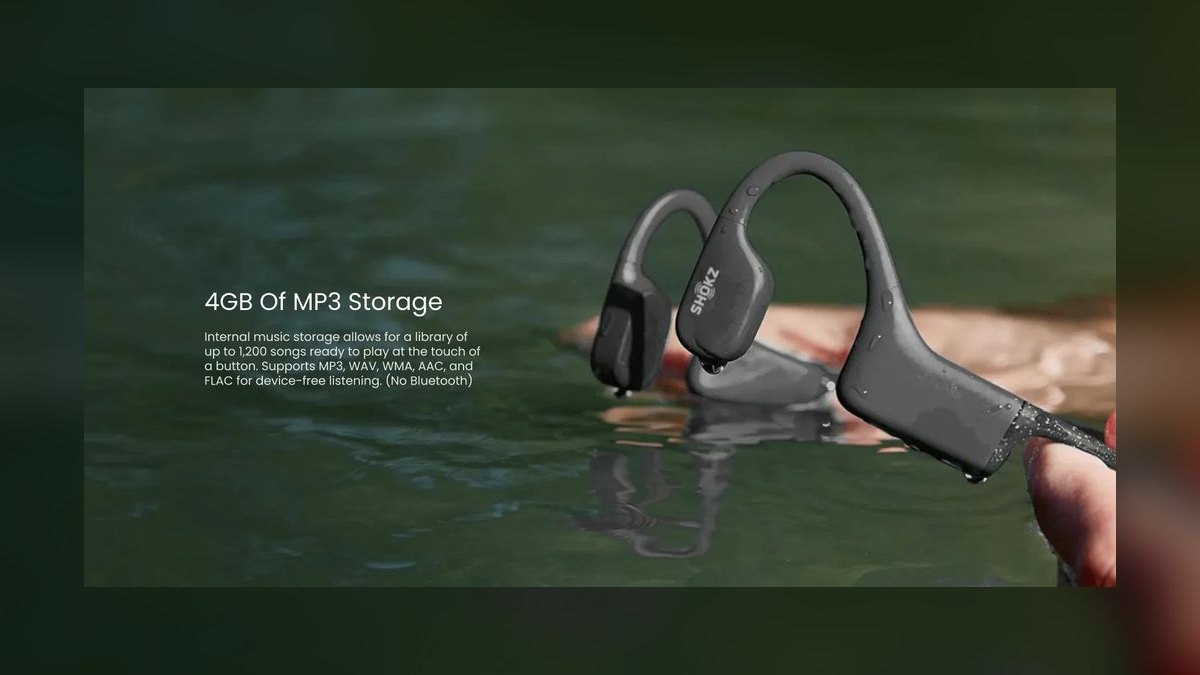
The original Shokz OpenSwim lands fifth by delivering the Pro's proven fit and IP68 waterproofing at roughly $130. The bone-conduction band and transducer placement are the same design that survives flip-turns, and immersion protection is identical. What changes is the electronics: 4GB of onboard storage holding about 1,200 songs, and no Bluetooth radio at all. Playback is strictly from files you load beforehand.
This suits swimmers who never intend to stream on land and want Shokz reliability for about $50 less than the Pro. You give up the dual-mode toggle and 28GB of storage, which matters if your library is large or you swap music often. Against the FINIS Duo it costs roughly $50 more but adds a full head-band fit and the IP68 rating.
6. H2O Audio Tri 2 Pro
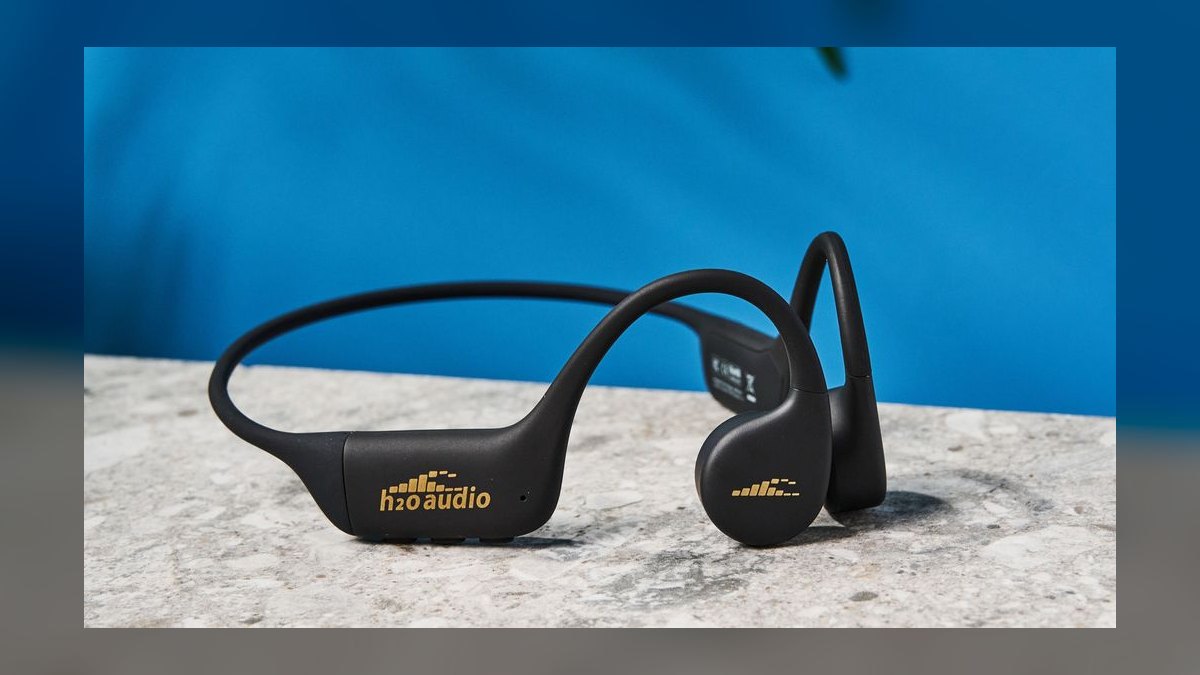
The Tri 2 Pro sits sixth because its roughly $200 price is the highest of any bone-conduction unit here while the gains over the standard Tri 2 are incremental. It adds larger storage and design refinements, keeping Playlist Plus offline streaming-app playback and the IPX8 submersion rating. As H2O Audio's flagship, it holds the biggest music library the company offers.
High-volume athletes who swim daily and want a very large offline library are the fit. For anyone doing a few pool sessions a week, the extra capacity goes unused and the Tri 2 one slot up delivers the same Playlist Plus feature for about $40 less. It also costs roughly $20 more than the OpenSwim Pro without matching that unit's 32GB.
7. Zygo Solo
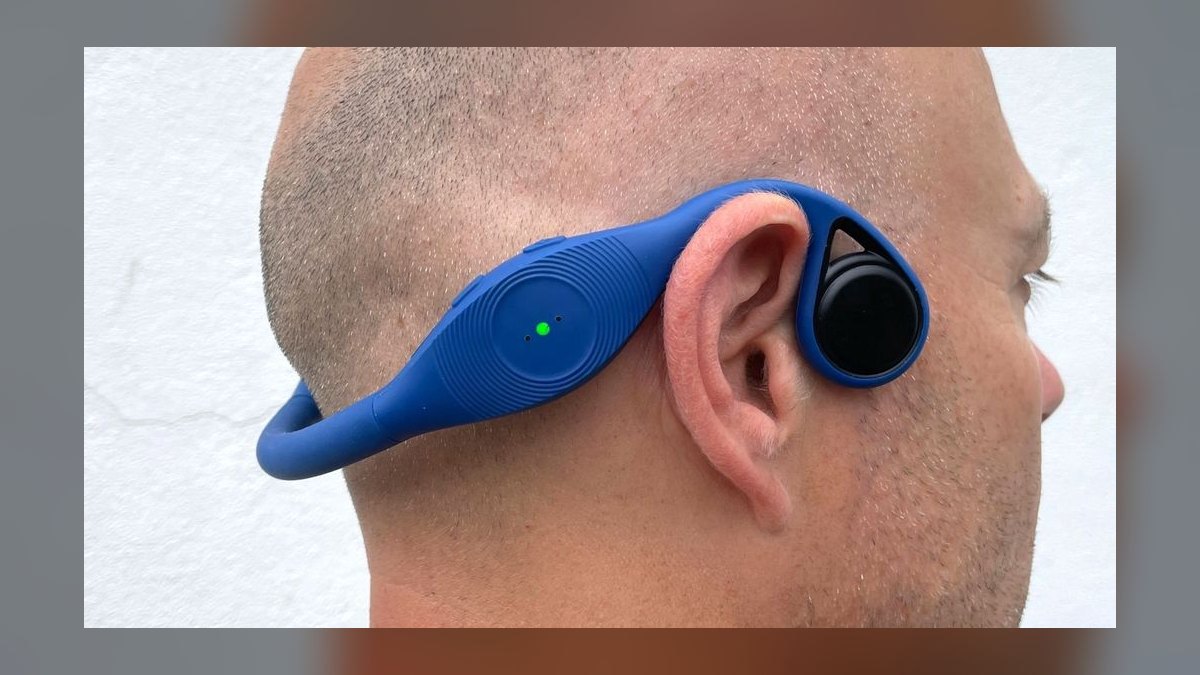
The Zygo Solo ranks seventh as the only device here that streams live audio underwater. Instead of onboard MP3 files, it uses an FM transmitter placed at the pool's edge to relay real-time audio from a phone — live music, podcasts, or a coach speaking directly to a swimmer mid-set. It uses bone conduction for open-ear awareness and costs roughly $299, the most expensive pick on this list.
Coached swimmers and anyone who needs live communication in the water are the real audience; nothing else does this. The trade-offs are significant: you carry and set up a separate transmitter, and range is tied to that poolside unit. Every cheaper pick above plays stored files anywhere, while the Solo only works within its transmitter's reach.
8. Sony NW-WS623 Walkman
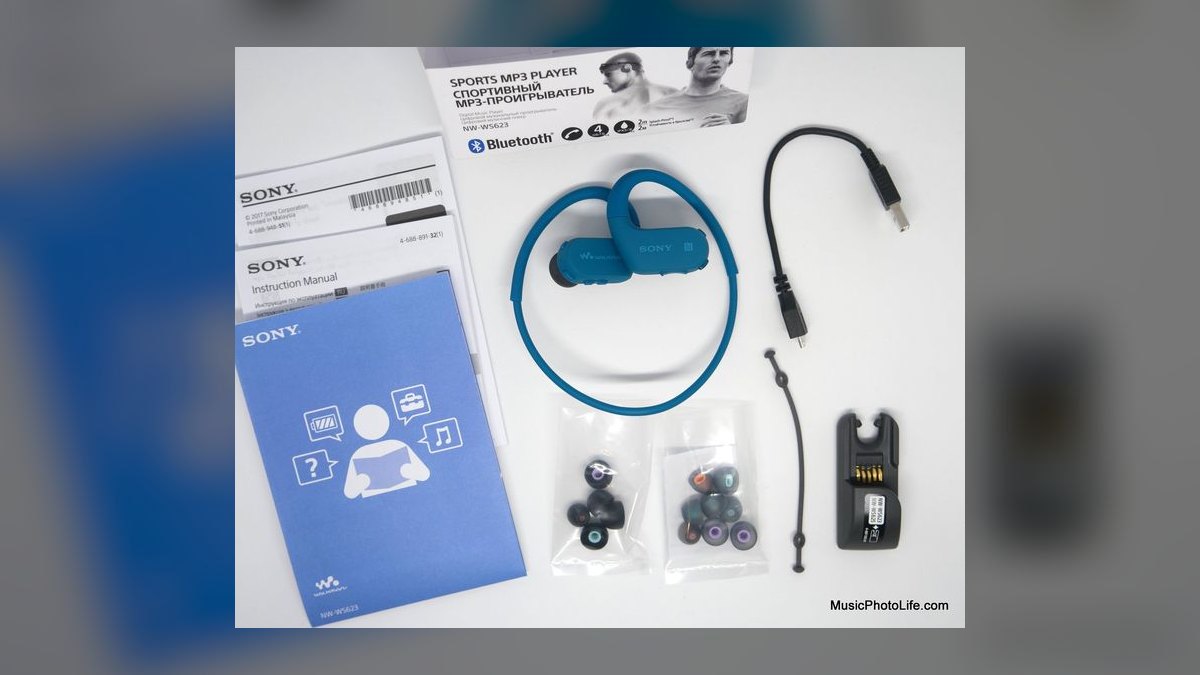
The Sony NW-WS623 places eighth as the in-ear Walkman with Bluetooth added, letting you stream on land and fall back to 4GB of onboard MP3 in the water. It keeps the sealed-earbud waterproof design rated IP65/68 and adds an ambient sound mode for awareness on dry land. Pricing runs roughly $160-200 depending on where you buy it.
Swimmers who want an isolating canal seal but refuse to carry a second pair for the commute are the target. Waterproofing depends on ear-tip fit, the same weakness as the NW-WS413 below it, and it costs $50 or more above that model for the radio and ambient mode. Against the OpenSwim Pro it trades 28GB of storage for in-ear isolation.
9. H2O Audio Tri Multi-Sport

The original H2O Audio Tri holds ninth on value: 8GB of onboard storage and a maximum IPX8 rating rated for indefinite immersion at 12 feet, all for roughly $130. That is thousands of songs without a Bluetooth signal, in a bone-conduction body built for swim, bike, and run. It also carries Bluetooth for land listening, so it is not MP3-only.
Value-minded triathletes who load their own files should look here first. It predates Playlist Plus, so there is no way to pull Spotify or Apple Music playlists onto the device — everything is manual file transfer. Compared with the Tri 2 above it, you save about $30 and lose streaming-app support plus several years of design refinement.
10. Suunto Aqua Open-Ear
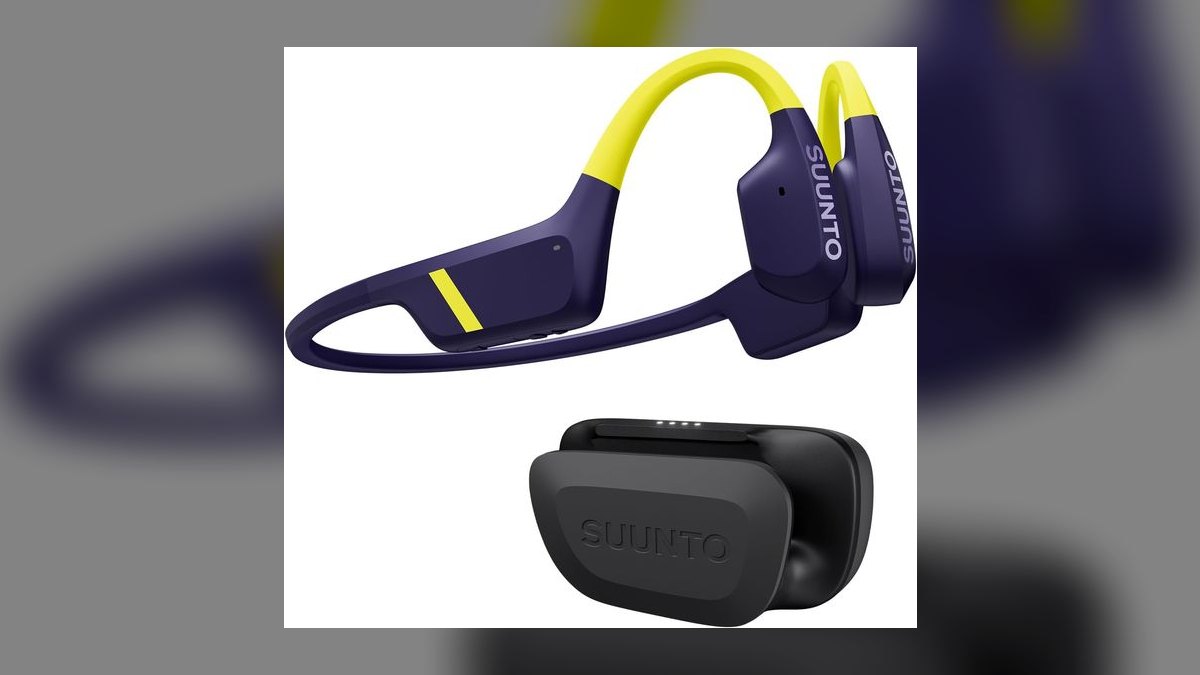
The Suunto Aqua rounds the list at roughly $160 with specs that read like a top pick: 32GB of storage, IP68 waterproofing, dual-mic noise cancellation, head-movement controls, and up to 30 hours of playtime with the included power bank. It runs bone conduction with both Bluetooth and onboard MP3 playback. The battery figure is the longest here by a wide margin.
Multi-sport athletes who swim and run and hate charging things will get real use from it. It ranks last because Suunto is newer to aquatic audio than Shokz or H2O Audio, so the durability track record is thin where those brands have years of pool data. Bass is modest, as with every bone-conduction unit. Specs match the OpenSwim Pro for $20 less.
How we ranked these
We ranked on the constraints that actually govern underwater audio: waterproof rating at or above IPX8/IP68 for sustained immersion, onboard storage capacity since Bluetooth does not travel through water, and fit security through flip-turns and push-offs. Storage weighed heavily — 32GB on the OpenSwim Pro and Suunto Aqua versus 4GB on the Sony Walkman line. Dual-mode Bluetooth-plus-MP3 earned credit for covering both pool and land training.
We deliberately ignored bass response and codec support. Bone conduction physically cannot deliver deep low end through cheekbone transducers, so penalizing every unit for the same trait ranks nothing. We also ignored live Bluetooth streaming claims, which fail underwater regardless of marketing, and app ecosystems, which you never touch mid-set. Price mattered only for the value pick, not the overall ranking, since a leaking unit is expensive at any price.
What to look for
Decide bone conduction versus sealed in-ear first, because everything else follows. Bone conduction — Shokz, H2O Audio, FINIS, Suunto — leaves ear canals open and grips through turns, but sounds thinner. Sealed in-ear Sony Walkmans isolate far better and feel more immersive, at the cost of a tip fit that determines whether water gets in. Then ask whether you need land use: dual-mode units cost roughly $50 more than MP3-only siblings.
The mistake buyers make is assuming their existing wireless earbuds will work if the box says waterproof. Waterproofing and underwater audio are separate problems — water blocks the 2.4GHz Bluetooth signal, so a sealed IPX8 bud still goes silent the moment your head submerges. Buy for onboard storage, not the IP number. The second mistake is skipping the swim cap that holds bone-conduction units steady during racing starts.
Related questions
Why does Bluetooth stop working underwater?
Bluetooth transmits at 2.4GHz, a frequency water absorbs almost immediately. The signal drops within inches of submersion, so your phone at the pool deck cannot reach earbuds on your head. This is physics, not a product flaw, and no firmware update fixes it. Swimming earbuds work around it with onboard MP3 storage or, in the Zygo Solo's case, a poolside FM transmitter.
What does IPX8 actually guarantee?
IPX8 rates a device for continuous immersion beyond one meter, with the exact depth and duration set by the manufacturer. H2O Audio specifies 12 feet indefinitely for the Tri series. IP68 adds a dust rating on top of the same water protection. Anything below IPX7 is splash or shower rated only and will fail during laps, so treat IPX8 or IP68 as the entry bar.
Can I load Spotify playlists onto swimming earbuds?
Only through H2O Audio's Playlist Plus, found on the Tri 2 and Tri 2 Pro. It stores audio from Spotify or Apple Music directly on the device for offline underwater playback. Every other model here requires you to drag MP3 or similar files over USB before you swim. Playlist Plus takes more setup steps than copying files, but it keeps your existing streaming library intact.
How does bone conduction work when your head is submerged?
Transducers rest on your cheekbones and vibrate the skull directly, bypassing the eardrum entirely. Water in the ear canal does not block the signal because the sound never travels through air in the canal. Many swimmers report bone conduction actually sounds fuller underwater than in air, since water conducts vibration better than air does and reduces leakage.
Do swimming earbuds stay on during flip-turns?
Bone-conduction units with a wraparound band, like the Shokz OpenSwim Pro and H2O Tri 2, hold through standard flip-turns. Racing starts and aggressive push-offs are harder, and most competitive swimmers run a cap over the band for insurance. The FINIS Duo sidesteps the issue by clipping to your goggle strap. Sealed in-ear units depend entirely on picking the right tip size.
Is the Sony Walkman line still worth buying?
Yes, if you want a sealed in-ear seal rather than open-ear sound. The NW-WS413 holds around 900 songs on 4GB with 12-hour battery, and the NW-WS623 adds Bluetooth for land use. Storage is far below the 32GB on newer bone-conduction units, and tip fit is finicky, but nothing else offers that level of underwater isolation in an all-in-one bud.
What makes the Zygo Solo different from everything else here?
It skips onboard storage entirely and streams live from your phone through an FM transmitter placed at the pool edge. That enables real-time podcasts, live music, and coach-to-swimmer voice during a set — none of which stored-file players can do. The tradeoff is $299 plus a transmitter you carry to every pool, and range limited to that transmitter's coverage.
How much storage do swimming earbuds actually need?
A one-hour swim runs roughly 15 to 20 tracks. Sony's 4GB and its 900-song ceiling covers that many times over. The 32GB on the OpenSwim Pro and Suunto Aqua matters if you load lossless files, carry audiobooks, or never want to manage a library again. For most lap swimmers, 4GB is genuinely enough and saves real money.
FAQ
What are the best swimming earbuds in 2027?
The Shokz OpenSwim Pro is our best overall pick. It combines bone conduction with 32GB of onboard storage, an IP68 waterproof rating, and a dual-mode toggle that switches between Bluetooth on land and internal MP3 in the water. That single feature set covers an entire training day without swapping devices, which is why it edges out the H2O Audio and Sony alternatives.
What is the best budget swimming earbud?
The FINIS Duo at roughly $80, less than half the price of the OpenSwim Pro. It clips bone-conduction transducers onto your goggle strap and plays from onboard storage, so nothing sits in your ears and nothing falls out mid-lap. There is no Bluetooth, but for pure lap training that omission costs you nothing. Swim teams have used it for years.
Why can't I use my regular wireless earbuds in the pool?
Two separate reasons. First, most consumer earbuds carry IPX4 to IPX7 ratings built for sweat and rain, not sustained immersion. Second, even a fully waterproof pair goes silent underwater because Bluetooth cannot reach your phone through water. You need onboard storage or an FM transmitter, which regular earbuds do not have at any price.
Is bone conduction or in-ear better for swimming?
Bone conduction wins on fit security and comfort — nothing in the canal, and a wraparound band that survives turns. Sealed in-ear units like the Sony NW-WS413 win on isolation and perceived fullness. Most swimmers choose bone conduction because a bud that works loose mid-set ruins the workout, while thinner bass merely annoys. Try both if you can.
What waterproof rating do swimming earbuds need?
IPX8 or IP68 at minimum. Both certify sustained submersion rather than splash resistance. The Shokz OpenSwim Pro and Suunto Aqua carry IP68, while the H2O Audio Tri series carries IPX8 rated to 12 feet indefinitely. IPX7 tolerates one meter for 30 minutes, which sounds adequate but leaves no margin for repeated pool sessions over months.
Can I take calls or listen to a coach underwater?
Only with the Zygo Solo, which uses a poolside FM transmitter to push live audio to a bone-conduction headset. Coaches use the channel to give real-time feedback mid-set. Every other unit here plays stored files only, so no live audio, calls, or podcasts reach you once your head goes under. That capability is what justifies the $299.
How long do swimming earbud batteries last?
Sony's NW-WS413 runs 12 hours on a charge. The Suunto Aqua claims up to 30 hours with its included power bank. Bone-conduction units generally last longer in MP3-only mode than with Bluetooth active, since the radio is the biggest draw. For typical hour-long sessions, all of these go a week or more between charges.
Does chlorine damage swimming earbuds?
Chlorine degrades seals and adhesives over time, which is why manufacturers advise rinsing with fresh water after every session and drying fully before charging. Salt water is harsher still for open-water swimmers using the H2O Tri 2. Charging contacts are the usual failure point — trapped chlorinated water there causes corrosion, so dry the port area before connecting a cable.
Do I need a swim cap with bone-conduction headphones?
Not for casual lap swimming, where the band holds fine on its own. Competitive swimmers doing racing starts and hard push-offs routinely pull a cap over the band, because the water force during a dive entry can shift it. The FINIS Duo avoids the question entirely by clipping to your goggle strap rather than wrapping your head.
Can triathletes use one pair for swim, bike, and run?
Yes, that is exactly what the H2O Audio Tri 2 and Tri 2 Pro are built for. They play onboard files in the water and switch to Bluetooth for the bike and run, with Playlist Plus keeping your streaming playlists available offline. The Shokz OpenSwim Pro and Suunto Aqua handle the same three-discipline day through their dual-mode toggles.
Sources
- https://www.techradar.com/best/best-waterproof-headphones
- https://shokz.com/products/openswimpro
- https://h2oaudio.com/products/tri-2-pro-multi-sport-headphones-with-playlist
- https://www.techradar.com/reviews/sony-nw-ws413-waterproof-walkman
- https://www.220triathlon.com/gear/swim/waterproof-headphones-for-swimming
- https://www.tomsguide.com/wellness/fitness/h2o-audio-tri-2-pro-review
- https://www.swimmingworldmagazine.com/news/
- https://www.rtings.com/headphones/reviews/best/by-usage/sport-fitness
Related on PULSE
This page will be disappearing soon. Save it to your device for $1 — or read it free while it is here.
@Kory-White- · if Venmo asks, the last 4 of my number are 2012
This page is gone.
This one is off the shelf now. $1 keeps it on your phone for good — the whole page, pictures and diagrams included.
 pulse-reviewsTop 10 iPhone Cases — Best Overall + Best Value in 2027
 pulse-reviewsTop 10 SD Cards — Best Overall + Best Value in 2027
 pulse-reviewsTop 10 Tankless Water Heaters — Best Overall + Best Value in 2027
 pulse-reviewsTop 10 Heat-Pump Dryers — Best Overall + Best Value in 2027
 pulse-reviewsTop 10 Smart Ceiling Fans — Best Overall + Best Value in 2027
 pulse-reviewsTop 10 Digital Pianos — Best Overall + Best Value in 2027
 pulse-reviewsTop 10 Electric Nail Drills — Best Overall + Best Value in 2027
 pulse-reviewsTop 10 Compression Socks for Long-Flight Sales Reps in 2027
 pulse-reviewsTop 10 Cordless Grease Guns — Best Overall + Best Value in 2027
 pulse-reviewsTop 10 USB Conference Microphones for Home-Office Sales Calls in 2027