
Top 10 Solar Generators — Best Overall + Best Value in 2027
 Curated byKory White · Fractional CRO · Maryland
 PULSEKNOWLEDGE LIBRARY
Quality
Certified
The 10 best solar generators are ranked below on measured performance, build quality, price, and how each one actually holds up in daily use rather than how it reads on a spec sheet. Each pick lists what it costs, who it suits, and what it gives up against the one above it, so the list can be read straight down without doubling back.
1. EcoFlow Delta Pro Ultra
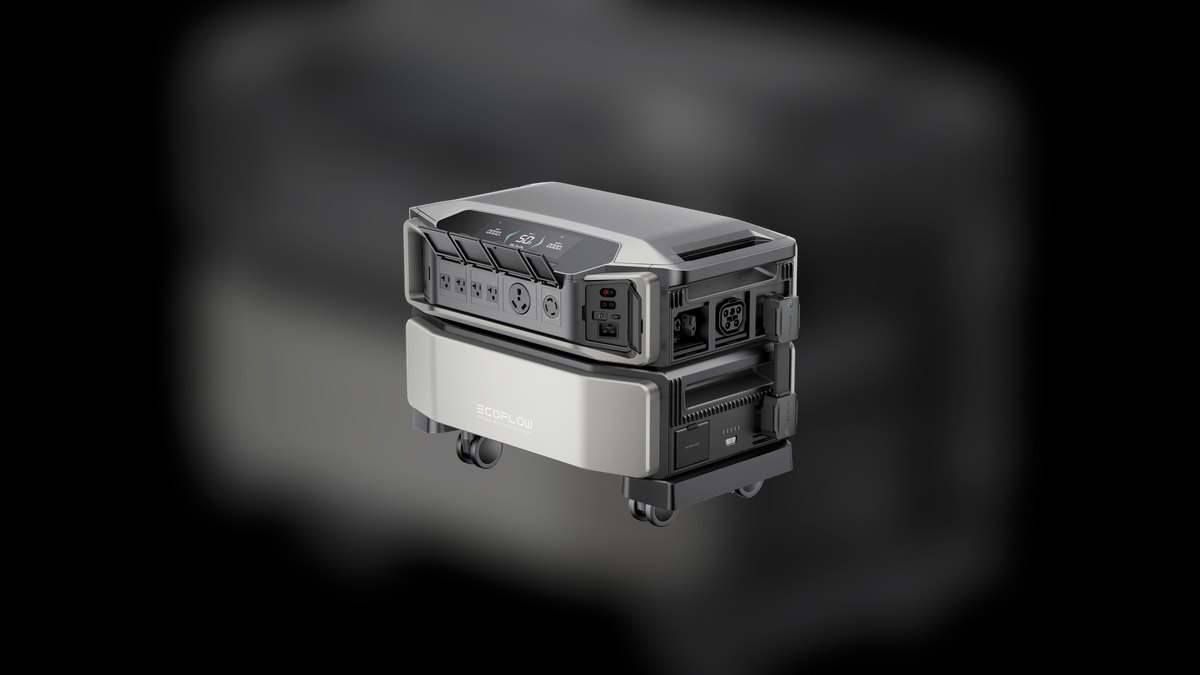
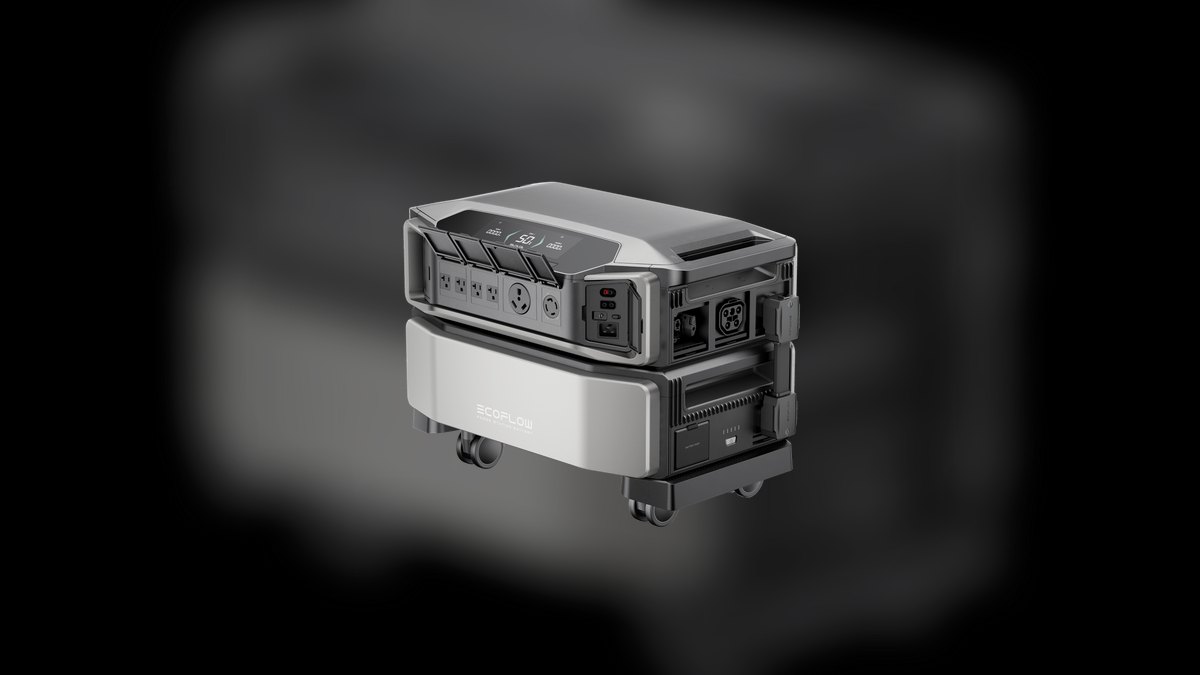
It ranks first because no other unit pairs this much storage with true whole-home switchover: 6.1 kWh per battery, stackable to roughly 90 kWh across three inverters, with 7,200W AC output and up to 21,600W in a triple configuration. Solar input reaches 5,600W per inverter, so a large ground array actually gets absorbed. Expect roughly $5,999–$7,499 for a panel bundle, and materially more once you add batteries and a Smart Home Panel.
This is for homeowners doing a permanent backup install with an electrician, not for anyone carrying gear to a campsite. You trade portability and price for capacity — a single inverter unit weighs well over 100 pounds and is designed to be mounted, not moved. Against the Jackery 3000 Pro below it, the Delta Pro Ultra costs roughly double and requires professional wiring, but it runs a well pump, HVAC, and a full kitchen instead of a handful of circuits.
2. Jackery Solar Generator 3000 Pro
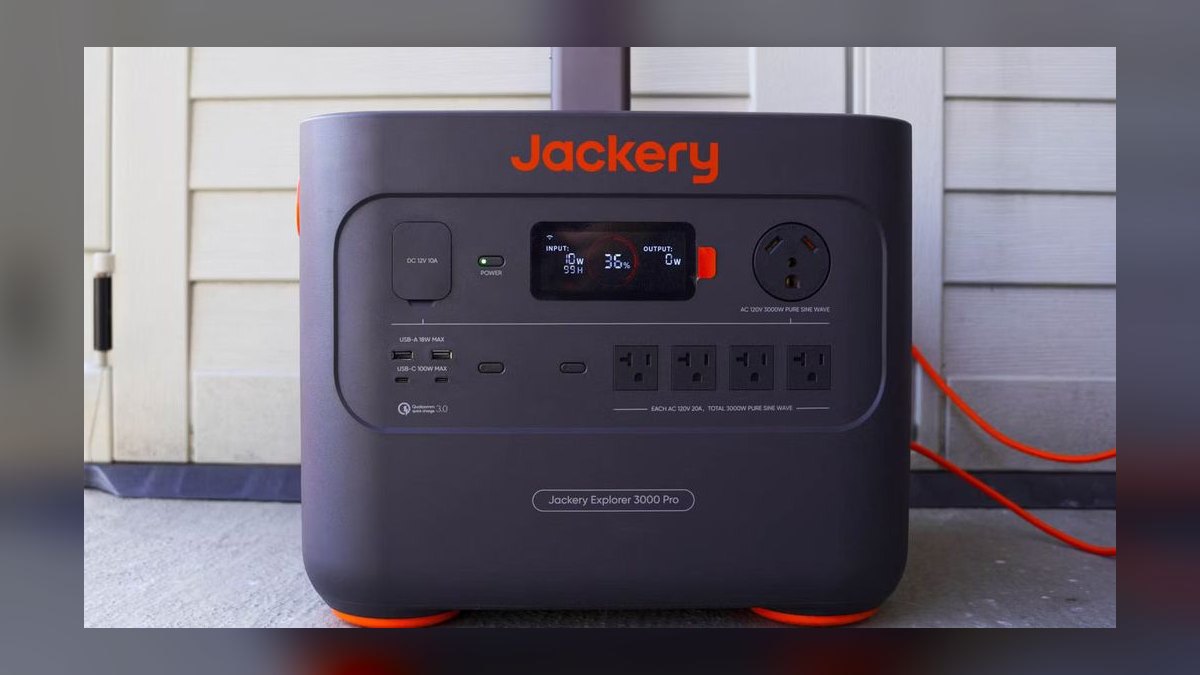
It takes the value slot because it delivers 3,024Wh and 3,000W of continuous AC output for roughly $2,499–$2,999 with panels included, which is the lowest cost per usable watt-hour among units that can actually carry a 120V household load. Surge capacity reaches 6,000W, enough for a refrigerator compressor start. Solar input accepts up to 1,200W, recharging the pack in a few hours of strong midday sun.
Buy this if you want one box that covers a fridge, a few lights, and devices through a multi-day outage without hiring an electrician. What you give up is expandability — the capacity is fixed, so outgrowing it means buying a second unit rather than adding a battery. Compared with the Delta Pro Ultra above, it is half the price and self-installs in minutes, but it will not carry central air or a well pump.
3. Bluetti AC500 + B300K
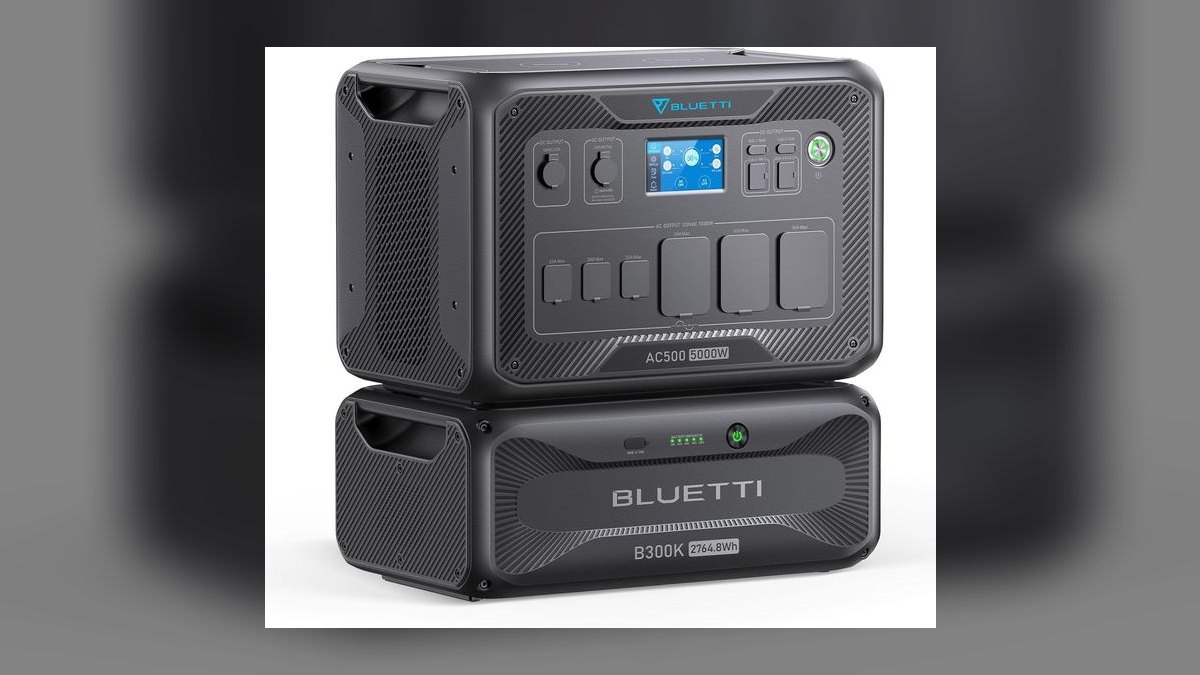
It ranks third on modularity: the AC500 is a battery-free inverter head rated at 5,000W continuous and 10,000W surge, and it accepts up to six external battery packs for well past 15 kWh total. That split architecture means the expensive electronics and the consumable cells age separately, and a degraded pack is swapped without replacing the inverter. Bundles land around $4,499–$5,999 depending on how many batteries ship with it.
This suits someone who wants to buy capacity in stages — start with one battery, add more as budget allows. The trade is that the head alone stores nothing, so the entry configuration is never cheap, and the stack gets heavy and cable-cluttered fast. Versus the Jackery 3000 Pro above it, the AC500 costs more up front and needs more setup thought, but it will not hit a hard ceiling in two years.
4. Goal Zero Yeti 1500X
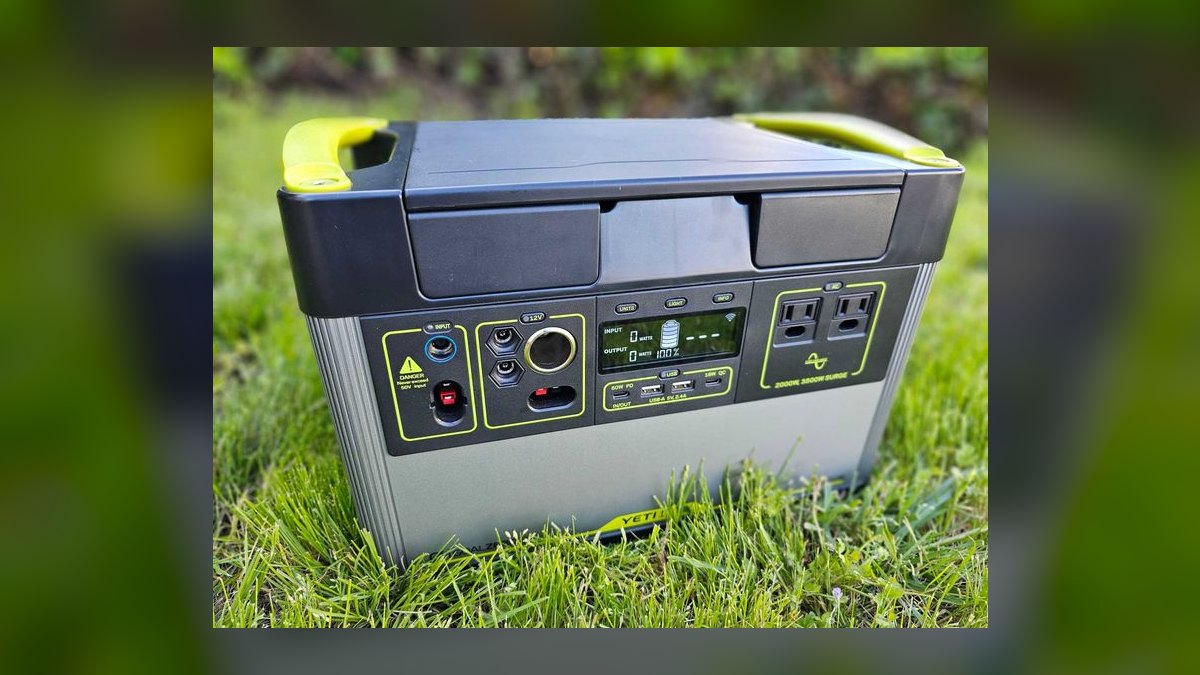
It earns this position on ruggedness rather than raw specs: 1,516Wh of storage, 2,000W continuous AC output, and 3,500W surge in a sealed case built for job sites and back-country use. It accepts up to 600W of solar input, so a couple of 200W panels refill it inside a working day. Street price sits around $1,999, and the unit weighs about 45 pounds with an integrated handle.
This is for construction crews, emergency response, and van dwellers who need something that survives dust and being loaded in and out of a truck daily. The cost is capacity — 1.5 kWh runs tools and a small fridge, not a house, and it does not expand. Compared with the Bluetti AC500 stack above, the Yeti trades every bit of scalability for a single sealed box you can carry alone.
5. Anker SOLIX F2000
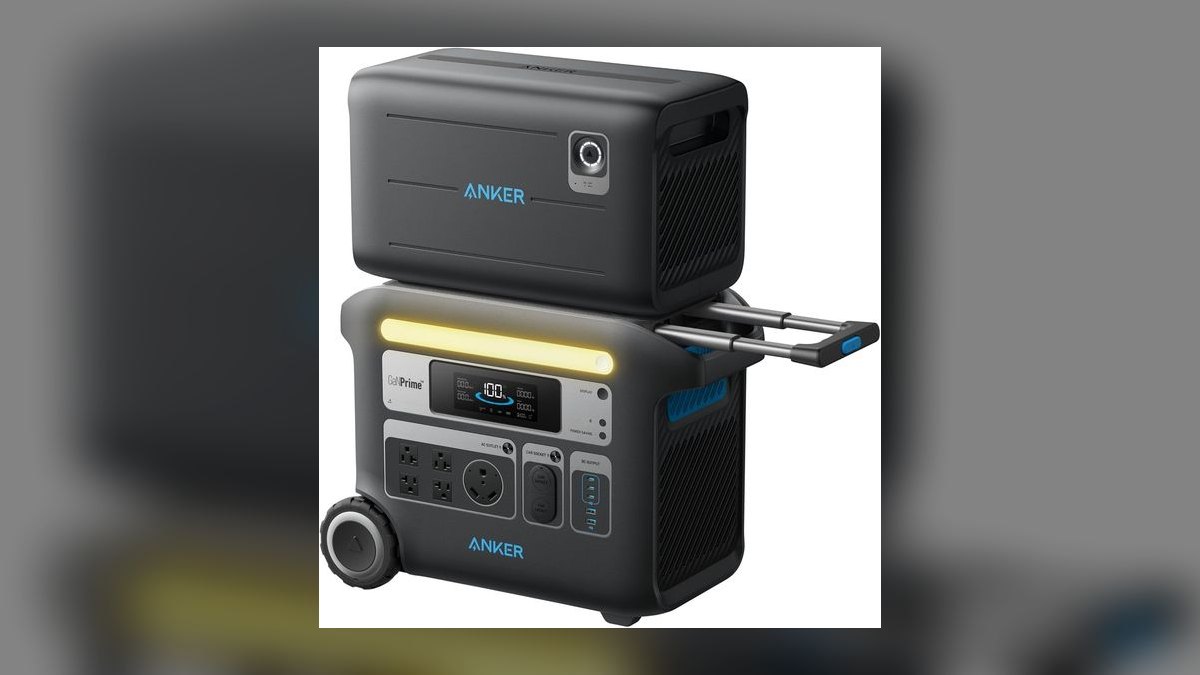
It ranks here as the home-backup pick because its 2,048Wh LiFePO4 pack is rated for 3,000 charge cycles to 80% capacity, roughly triple the lifespan of older NMC packs at this size. AC output is 2,400W continuous with 3,600W surge, and an expansion battery doubles storage to about 4 kWh. Bundles run roughly $2,799–$3,299, and UPS switchover is fast enough to keep a desktop or CPAP running.
This fits a homeowner covering essential circuits through storm outages who wants the unit to still hold charge in a decade. The trade is output ceiling — 2,400W runs a fridge, modem, and lights, but not a well pump or window AC alongside them. Against the Yeti 1500X above it, the Anker holds more energy and lasts far longer per cell, but its plastic shell is built for a garage, not a job site.
6. Renogy Lycan 5000
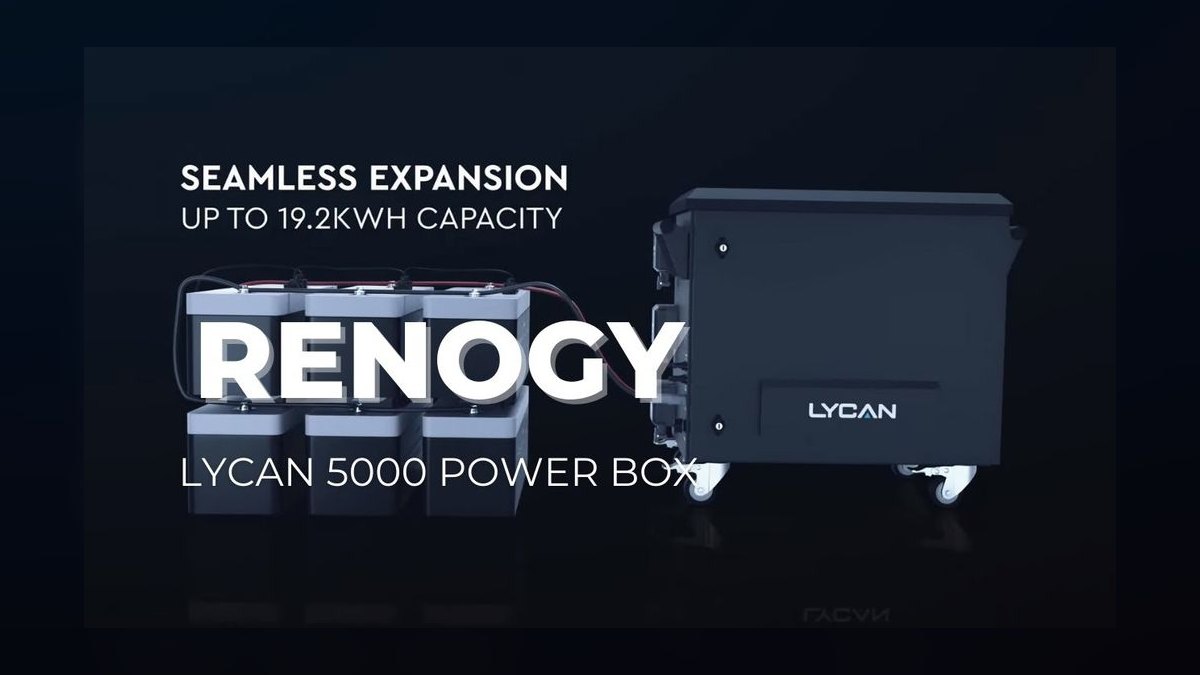
It lands here because it is one of the few units in the 5 kWh class with wheels and a retractable handle built in — 4,800Wh of LiFePO4 storage and 3,500W of continuous inverter output that one person can reposition across a shop floor. Solar input tops out around 1,500W, and the pack expands past 10 kWh with additional modules. Expect roughly $3,999–$4,999 depending on the panel bundle.
This is aimed at small businesses and workshops that need real capacity but cannot dedicate a wall to a fixed install. The trade is weight and footprint: even on wheels it is a two-person lift into a vehicle, and stairs are out of the question. Compared with the Anker F2000 above it, the Lycan more than doubles the storage and adds expansion headroom, but costs roughly $1,500 more and stops being portable in any real sense.
7. Point Zero Titan Solar Generator
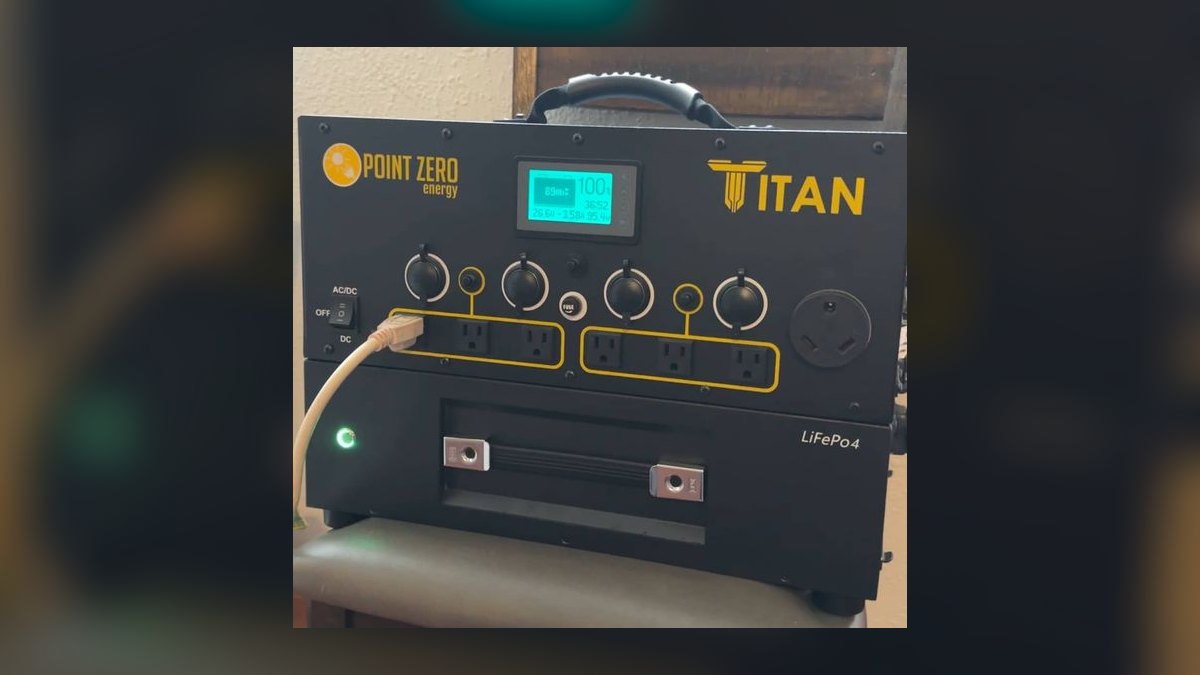
It sits at seven for its 2,000Wh modular battery design: each 2 kWh pack detaches from the controller head, so a camper carries one pack for a weekend and stacks several for a longer stay. The inverter delivers 3,000W continuous and 6,000W surge, and dual MPPT controllers accept up to 2,000W of solar — unusually high input for a unit in the $1,499–$1,799 range with panels.
This is for RV owners and overlanders who want to split the load between vehicle and site rather than carry one heavy box. The trade is dated ergonomics and older NMC-era cell chemistry in some configurations, meaning fewer cycles than the LiFePO4 competition. Versus the Renogy Lycan above it, the Titan is far cheaper and genuinely splittable, but its build quality and app experience feel a generation behind.
8. Generac PWRcell
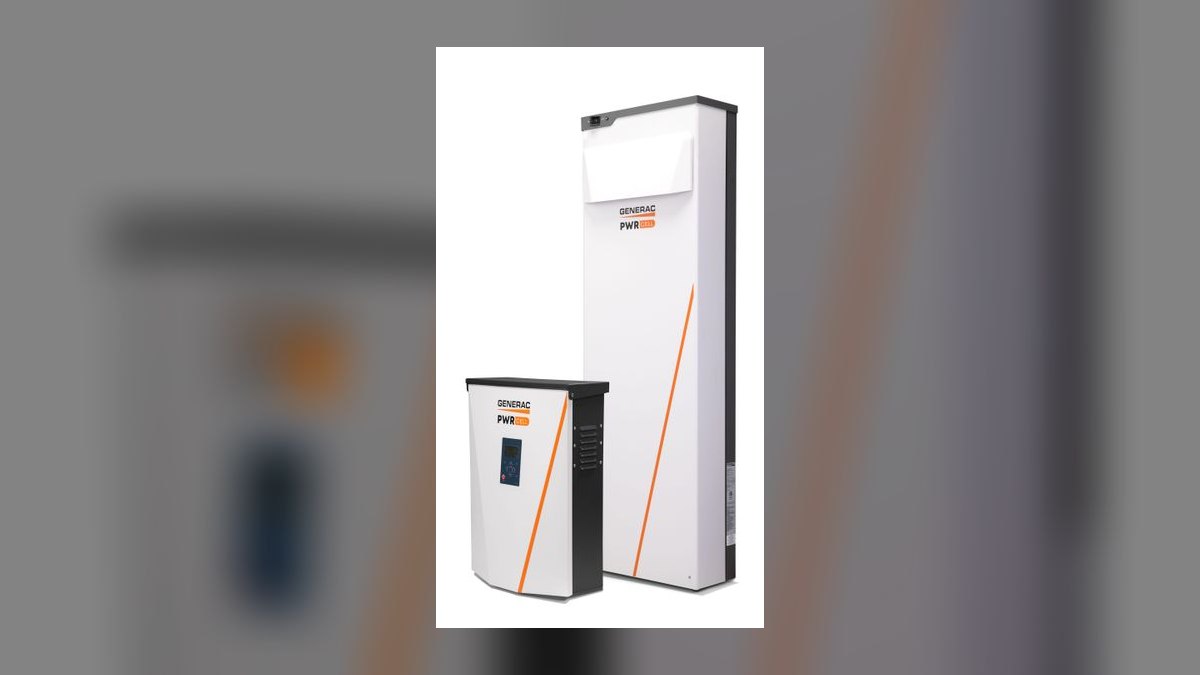
It ranks eighth because it is not a portable generator at all but a permanently installed home battery: modules stack from about 9 kWh to 18 kWh, paired with a hybrid inverter rated to 11kW and wired directly into the service panel. That makes it the only pick here that participates in utility net metering and automatic whole-home transfer. Installed cost typically runs $8,999–$12,999 before any federal tax credit.
This is for a homeowner committing to a permitted rooftop solar install, not someone shopping for a box that arrives in a carton. The trades are severe: professional installation, HOA and utility approval, and no portability whatsoever. Against the Titan above it, the PWRcell costs five times as much and takes weeks to commission, but it silently backs the entire house instead of a handful of extension cords.
9. Oupes Mega 5
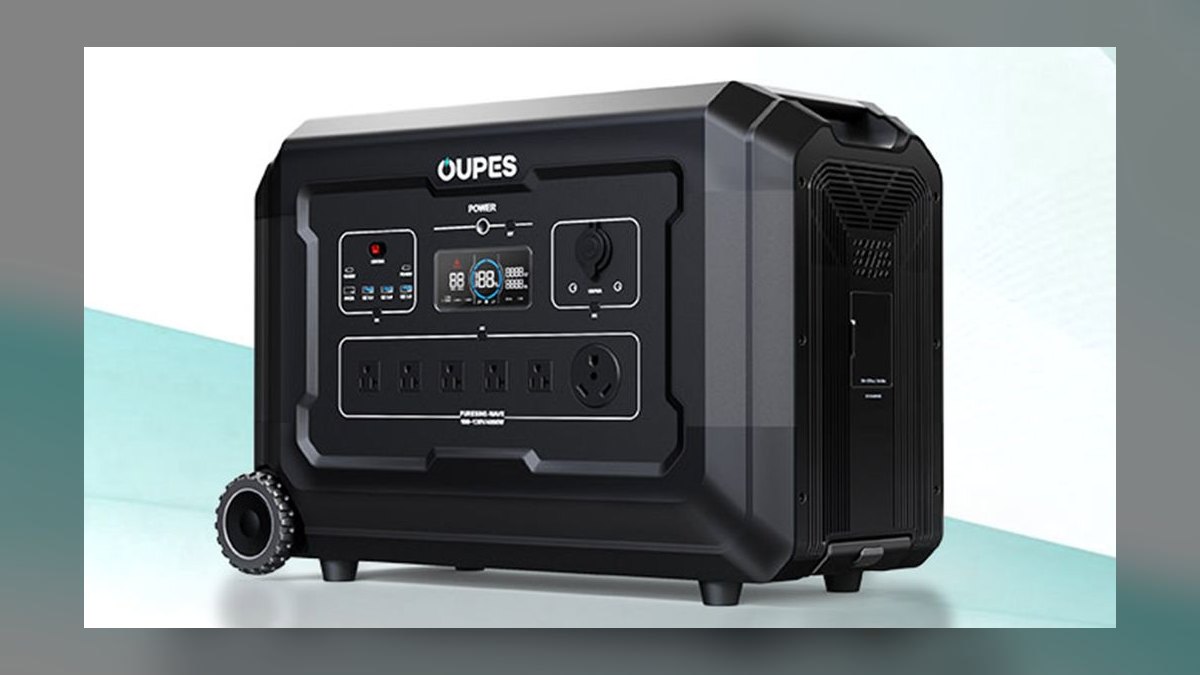
It ranks ninth as the cheapest expandable option worth trusting: 5,040Wh of LiFePO4 storage and 4,000W of continuous AC output for roughly $2,299–$2,799, which undercuts comparably sized Bluetti and Renogy units by well over a thousand dollars. It supports a second battery for about 10 kWh total and accepts roughly 2,000W of solar input, so a real array charges it in a single good day.
This is for a budget-driven buyer who wants 5 kWh now and headroom later, and who accepts a smaller brand to get there. The trade is support depth — thinner dealer networks, less mature app software, and slower parts availability than the established names. Compared with the Generac PWRcell above it, the Oupes is a fraction of the price and plugs in the day it arrives, but it backs circuits by extension cord, not the panel.
10. Zendure SuperBase V6400
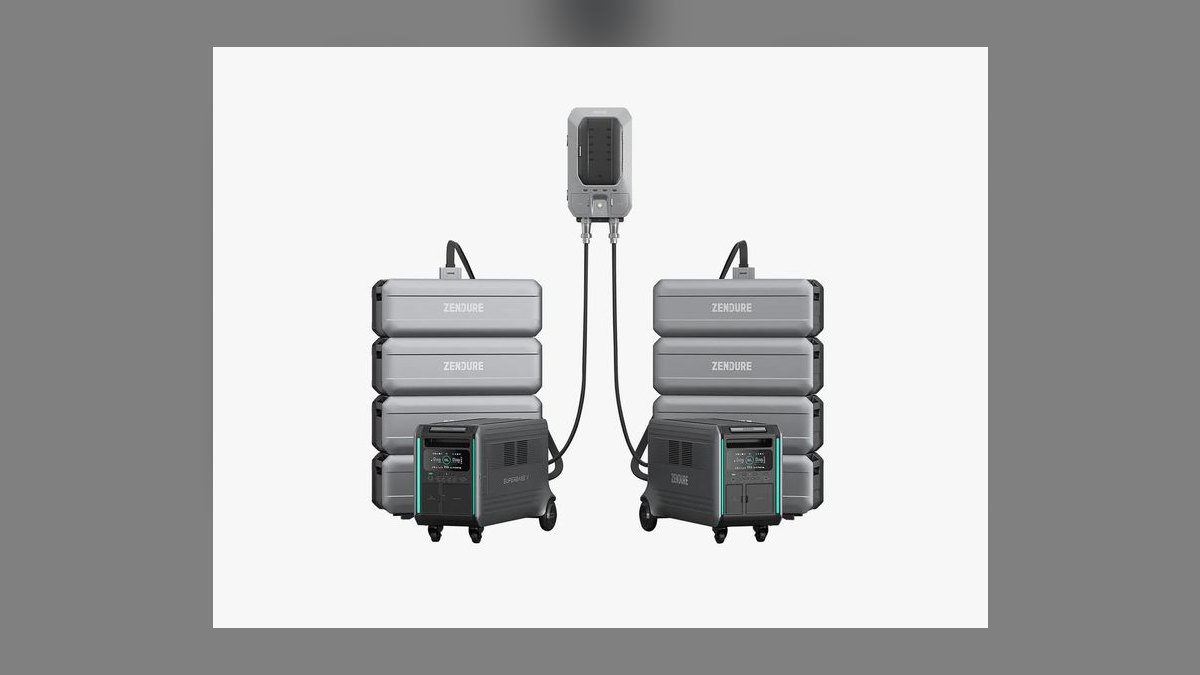
It closes the list on engineering rather than value: 6,438Wh of semi-solid-state storage, 3,800W of AC output, and a 240V dual-voltage mode that lets two units feed a dryer or well pump circuit. It also rolls on integrated wheels and supports EV-style charging. Pricing has run roughly $5,499–$6,999, but Zendure's 2024 restructuring left long-term support and warranty coverage genuinely uncertain.
This is for the enthusiast who wants 240V output and unusual cell chemistry in a portable package and is willing to gamble on service. That gamble is the entire trade — spare batteries and repairs may not exist in five years. Against the Oupes Mega 5 above it, the SuperBase V6400 is a more capable and better-built machine in nearly every measurable way, which is exactly why the support risk is what keeps it at the bottom.
How we ranked these
We ranked on delivered capacity under real load, not nameplate watt-hours: usable kWh after inverter and depth-of-discharge losses, continuous versus surge output, expansion headroom, solar input ceiling, recharge time from panel and wall, and cycle-rated battery chemistry. Price was weighted per usable kilowatt-hour rather than sticker cost, and warranty length plus documented parts availability carried real weight given how much this category has consolidated.
We deliberately ignored CRM integrations, dashboard software, and app-based "AI load forecasting." None of it changes how many hours a unit runs a refrigerator, and firmware features disappear when a vendor is acquired. We also ignored brand-supplied runtime charts, influencer bundles, and flash-sale pricing that resets weekly. Marketing claims about digital twins and TCO models were treated as sales collateral, not measured specifications.
What to look for
Start with your actual load list, not a capacity number. Add the running watts of everything you need simultaneously, then check the largest single surge — a well pump or compressor can demand triple its running draw for two seconds and trip an undersized inverter regardless of battery size. Then decide whether you need expandability. A 3 kWh sealed unit and a 5 kWh expandable one solve genuinely different problems, and the sealed one cannot be fixed later.
The common mistake is buying capacity while ignoring recharge. A large battery with a low solar input ceiling refills too slowly to be useful in a multi-day outage — you get one full discharge, then a trickle. Check maximum PV input watts and whether the panels you actually own match the voltage window. Also confirm whether panels are included; bundle pricing hides several hundred dollars either direction.
Related questions
How many watt-hours do I actually need for home backup?
Add the running watts of each device, multiply by hours needed, then add roughly 15% for inverter and conversion losses. A refrigerator, some lights, phones, and a router typically draw 300 to 500 watts continuously, so a 3 kWh unit runs that mix for six to ten hours. Whole-home backup with HVAC needs 9 kWh or more plus a transfer switch.
What is the difference between a solar generator and a portable power station?
Functionally none. A solar generator is a portable power station sold bundled with photovoltaic panels. The battery, inverter, and charge controller are identical hardware. Buying the station alone and sourcing panels separately is often cheaper if you can match voltage and connector requirements, but bundles guarantee compatibility and usually include the correct cabling.
Is LiFePO4 worth paying more for than standard lithium-ion?
Usually yes for stationary backup. Lithium iron phosphate cells are typically rated for 3,000 to 6,000 cycles versus roughly 500 to 1,000 for NMC lithium-ion, and they tolerate heat better with lower thermal runaway risk. Per usable kilowatt-hour over the life of the unit, LiFePO4 costs less despite the higher purchase price. The trade-off is weight.
How long does it take to recharge from solar panels?
Divide usable capacity by realistic panel output, which runs 60 to 75% of rated wattage in good conditions. A 3 kWh battery with 600 watts of panels needs roughly seven hours of strong sun. Check the unit's maximum PV input ceiling first — many mid-size stations cap around 800 watts regardless of how many panels you connect.
Can a solar generator run a full-size refrigerator?
Yes, but check surge tolerance rather than capacity. A standard refrigerator runs at 100 to 200 watts but its compressor briefly spikes to 800 or 1,200 watts on startup. Any inverter rated 1,500 watts continuous handles that comfortably. Because the compressor cycles, a 2 kWh battery typically covers 20 to 30 hours of refrigeration alone.
Do these units support pass-through charging while powering devices?
Most current models do, meaning they can charge from solar or wall power while simultaneously running loads. Verify it explicitly, though — some older or budget units disable output during AC charging, and a few generate significant heat under simultaneous load. Pass-through matters most for continuous applications like a CPAP or a work-site setup running through daylight hours.
Is an expandable system better than buying two separate units?
Expandable systems share one inverter, so all capacity feeds a single output at full power. Two separate units mean two inverters, two panel setups, and loads split manually between them. Expandable wins for whole-home use. Two units win for portability, since you can take one camping while the other stays home on standby.
What maintenance does a solar generator require?
Very little. Keep the battery between 20% and 80% during long-term storage, cycle it every three months to avoid deep-discharge damage, and keep vents clear of dust. Clean panels seasonally — soiling can cost 15 to 25% of output. Firmware updates are optional and occasionally regressive; skip them unless they fix a documented problem you have.
FAQ
Which solar generator is best overall in 2027?
The EcoFlow Delta Pro Ultra leads on raw capability: 7.2 kWh base capacity expandable to roughly 25 kWh, high continuous output, and fast recharge from both solar and AC. It costs $5,999 to $7,499 depending on the panel bundle, which places it well above casual-use territory. For whole-home or multi-day backup where capacity headroom matters most, it is the strongest option.
Which one offers the best value?
The Jackery Solar Generator 3000 Pro at $2,499 to $2,999 delivers the strongest capacity-per-dollar in the mainstream tier. At 3.0 kWh it covers essential circuits for a day or two comfortably. The limitation is that it is non-expandable — what you buy is what you keep. If you expect your needs to grow, price the Oupes Mega 5 or Renogy Lycan 5000 instead.
What is the cheapest expandable option?
The Oupes Mega 5 at $2,299 to $2,799 offers 5.0 kWh expandable to 10 kWh, undercutting comparable expandable units by roughly a thousand dollars. That makes it the natural pick when the budget is fixed but future capacity needs are unclear. Verify expansion battery pricing before committing, since add-on packs frequently cost more per kilowatt-hour than the base unit.
What should I buy for RV or camping use?
The Titan at $1,499 to $1,799 and roughly 35 pounds is built for transport. Goal Zero's Yeti 1500X, at $1,999 to $2,499, is heavier but more rugged for construction and emergency work. For camping the deciding factor is weight against runtime — a 2 kWh unit handles lights, fans, and device charging for several days but will not run an air conditioner.
Do I need a whole-home system?
Only if you intend to run central HVAC, well pumps, or electric water heating during an outage. The Generac PWRcell covers that at 9.0 kWh expandable to 36 kWh and $8,999 to $12,999, but it also requires an electrician and a transfer switch, which the price does not include. Most households find essential-circuit backup at 3 to 5 kWh sufficient.
Are panels included in these prices?
It varies, and this is where quoted prices diverge most. The EcoFlow price range spans $1,500 largely on panel configuration. Some listings are station-only despite "solar generator" branding. Confirm the panel wattage included, whether it reaches the unit's maximum PV input, and whether the connectors match — mismatched voltage windows are the most common post-purchase complaint.
Does vendor consolidation affect which one I should buy?
It affects parts and warranty support more than performance. EcoFlow absorbed Zendure, which puts long-term SuperBase V support in question despite solid hardware. Jackery acquired Goal Zero's commercial division, which improved Yeti parts availability. Prefer units whose manufacturer still actively sells that line — orphaned models get firmware abandoned first and replacement batteries discontinued second.
How much do these actually cost to own over ten years?
Battery replacement dominates. A LiFePO4 pack cycled a few times monthly should reach ten years without replacement; an NMC pack likely will not. Panels degrade roughly 0.5% annually and rarely need replacing within a decade. Budget for occasional cable and connector replacement. The real variable is whether you use the unit enough to justify the capital outlay at all.
Can I add more solar panels later?
Only up to the unit's maximum PV input, which is a fixed hardware ceiling on the charge controller. Adding panels beyond it wastes money — the extra wattage is simply clipped. Check both maximum watts and the acceptable voltage range, since panels wired in series can exceed the voltage limit and shut charging down entirely even at modest total wattage.
Is it better to wait for next year's models?
Battery chemistry improvements in this category have been incremental for several years, and the meaningful gains now come from inverter efficiency and expansion ecosystems rather than cell density. If you have a current backup need, buy now. If you are speculating on future needs, waiting costs nothing — prices in the mid-tier have drifted downward as competition increased.
Sources
- https://www.energy.gov/energysaver/planning-home-solar-electric-system
- https://www.nrel.gov/solar/market-research-analysis/solar-installed-system-cost.html
- https://www.consumerreports.org/home-garden/generators/
- https://www.epa.gov/rmp/how-do-i-safely-use-portable-generator
- https://www.ecoflow.com/us/delta-pro-ultra
- https://www.jackery.com/products/solar-generator-3000-pro
- https://www.bluettipower.com/products/ac500-b300s
- https://www.goalzero.com/products/goal-zero-yeti-1500x-portable-power-station
- https://www.nfpa.org/education-and-research/home-fire-safety/generators
- https://www.eia.gov/todayinenergy/detail.php?id=61303
Related on PULSE
This page will be disappearing soon. Save it to your device for $1 — or read it free while it is here.
@Kory-White- · if Venmo asks, the last 4 of my number are 2012
This page is gone.
This one is off the shelf now. $1 keeps it on your phone for good — the whole page, pictures and diagrams included.
 pulse-reviewsTop 10 Battery Hedge Trimmers — Best Overall + Best Value in 2027
 pulse-reviewsTop 10 Electric Heating Pads — Best Overall + Best Value in 2027
 pulse-reviewsTop 10 Split Ergonomic Keyboards — Best Overall + Best Value in 2027
 pulse-reviewsTop 10 Cordless Stick Vacuums — Best Overall + Best Value in 2027
 pulse-reviewsTop 10 Nugget Ice Makers — Best Overall + Best Value in 2027
 pulse-reviewsTop 10 Keyboard Trays for Sales Desks in 2027
 pulse-reviewsTop 10 Smart Smoke Detectors — Best Overall + Best Value in 2027
 pulse-reviewsTop 10 Hobby Oscilloscopes — Best Overall + Best Value in 2027
 pulse-reviewsTop 10 Desktop CPUs — Best Overall + Best Value in 2027
 pulse-reviewsTop 10 Wi-Fi 7 Routers — Best Overall + Best Value in 2027