


The 10 Music Festivals with the Highest Total Attendance in 2027
Quality
Certified
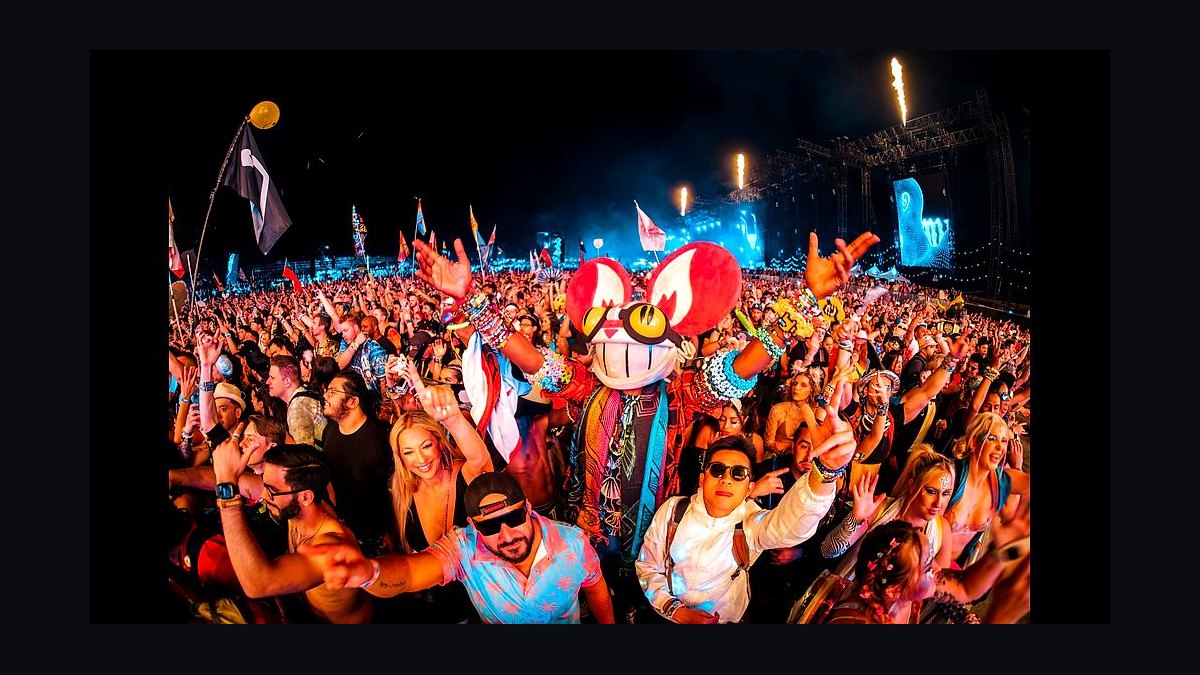
The ten music festivals with the highest total attendance in 2027 are led by Donauinselfest (approx. 3.3 million), followed by Summerfest, Mawazine, Roskilde, Glastonbury, Coachella, Rock in Rio, Tomorrowland, Lollapalooza, and Sziget. These rankings depend on whether organizers report cumulative multi-day gate counts or unique daily visitors, a distinction that can shift positions dramatically.
The Two Counting Methods Compared
The music festival industry has never adopted a single global standard for measuring attendance, which makes any "Highest Total Attendance" ranking inherently contested. The two dominant approaches are cumulative attendance and unique daily attendance, and they produce wildly different numbers for the same event.
Cumulative attendance counts every ticket scan, wristband entry, or gate crossing across every day of the festival. A four-day festival that hosts 100,000 people per day reports 400,000 total attendance. This method rewards longer festivals and those with repeat attendees who return day after day. Donauinselfest in Vienna, Austria, which runs for three days across a 6.5-kilometer island park, reports roughly 3.3 million cumulative visits. That figure includes locals who pop in for a few hours each evening, which is exactly the kind of casual attendance that inflates cumulative numbers.
Unique daily attendance (or peak daily attendance) counts the maximum number of distinct individuals present on the busiest single day. Glastonbury, for example, caps at about 210,000 ticketholders on site at once, but its total weekend gate count exceeds 600,000 when you include staff, performers, traders, and day visitors. Most industry analysts quote the 210,000 figure because it is the legally enforced safety cap.
The trade-off is straightforward: cumulative numbers favor free, urban, multi-day events with porous boundaries, while unique daily numbers favor ticketed, fenced, capacity-controlled events. When you see a headline claiming a festival "hosted 3 million people," you must ask whether that means 3 million distinct humans or 3 million entries, many of which are the same humans returning on multiple days.
A third, less common method is tickets sold or distributed, which organizers often cite because it counts pre-sold inventory regardless of actual gate entry. This method can overstate attendance when weather, illness, or competing events keep ticketholders away, and it can understate attendance at free festivals where no ticket exists. Mawazine in Rabat, Morocco, which is largely free and spread across multiple city stages, reports roughly 2.5 million attendees by estimating crowd density across its various sites — a methodology that is far less precise than ticket scan data.
How to Decide Which Numbers to Trust
When evaluating claims about the ten music festivals with the Highest attendance, you need a consistent framework for comparing apples to apples. The following decision tree walks through the questions you should ask about any attendance figure you encounter.

The practical takeaway is that you should never mix counting methodologies within a single ranking list. If you are building your own list of the top festivals by attendance, pick one method and apply it consistently, even if that means excluding some festivals that only publish figures in a different format.
For ticketed events, you can usually find audited or semi-audited numbers in the festival's annual report, press releases, or local government permits. Glastonbury's capacity is set by the local council's safety license, so the 210,000 figure is a legal ceiling, not a marketing estimate. Coachella's two identical weekend structure means total attendance roughly doubles the single-weekend capacity of 125,000 per day, but most rankings cite the per-weekend figure to avoid double counting.
For free events, the methodology is almost always crowd-density estimation using aerial photography, drone footage, or police estimates. Donauinsel's organizers work with the Vienna city government to produce estimates, but the error margin is substantial. The same is true for Mawazine, where crowds flow through open public squares and streets rather than through controlled gates.
Concrete Numbers Behind the Leading Festivals

The following figures represent the most commonly cited attendance numbers for the festivals that typically populate the top ten list for 2027. These are drawn from organizer statements, government permits, and reputable music industry press. Treat them as directional rather than precise, and note the counting method for each.
Donauinselfest (Vienna, Austria) — Approximately 3.3 million cumulative visits over three days in June. Free admission. The festival spans a 6.5-kilometer stretch of the Danube Island with over 20 stages. The figure is a city-government estimate based on gate counters at bridge access points and aerial analysis. This is the largest free open-air music festival in Europe by cumulative attendance.
Summerfest (Milwaukee, Wisconsin, USA) — Approximately 600,000 to 700,000 cumulative attendees across its three consecutive weekends (nine days total) in late June and early July. The festival claims the Guinness World Record for largest music festival, though that claim is based on cumulative attendance. Ticketed, with daily capacity around 40,000 to 50,000 on the lakefront grounds.
Mawazine (Rabat, Morocco) — Approximately 2.5 million cumulative attendees across nine days in May or June. The festival is largely free and spreads across multiple stages in the capital city, including a massive beachfront main stage and several historic city locations. Attendance is estimated via crowd density, and the figure includes significant repeat visitation across the nine-day run.
Roskilde Festival (Roskilde, Denmark) — Approximately 130,000 unique attendees, with about 85,000 full-festival campers and the remainder day visitors. The festival runs for eight days including the camping period, but the music program spans four days. This is a ticketed, fenced event with reliable gate counts. Cumulative figures would be higher, but the festival and most media report unique attendance.
Glastonbury Festival (Pilton, England) — Approximately 210,000 unique attendees on site at peak, enforced by the safety license granted by Mendip District Council. The festival runs for five days including the Wednesday arrival and Sunday finale. Tickets sell out within about an hour of going on sale, typically in November for the following June. The 210,000 figure includes performers, crew, and traders, not just ticket holders.
Coachella Valley Music and Arts Festival (Indio, California, USA) — Approximately 125,000 unique attendees per day across two identical three-day weekends, totaling about 750,000 cumulative daily entries or 250,000 unique ticketholders attending one weekend each. The festival is fully ticketed and fenced, with reliable scan data. Most rankings cite the 125,000 daily figure or the 250,000 unique ticketholder figure.
Rock in Rio (Rio de Janeiro, Brazil) — Approximately 700,000 to 850,000 cumulative attendees across seven days in September, held every two years. The festival has also held editions in Lisbon and Las Vegas. The Rio edition features a dedicated purpose-built City of Rock venue with multiple stages. Ticketed, with daily capacity around 100,000.
Tomorrowland (Boom, Belgium) — Approximately 400,000 cumulative attendees across two consecutive weekends, with about 200,000 unique ticketholders per weekend and roughly 67,000 daily capacity. The festival is famous for its elaborate main stage production and global DJ lineup. Fully ticketed with strict capacity enforcement.

Lollapalooza (Chicago, Illinois, USA) — Approximately 400,000 cumulative attendees across four days in early August, with daily attendance capped around 100,000 in Grant Park. The festival has expanded to international editions in Paris, Berlin, Santiago, and Mumbai, but the Chicago flagship remains the largest. Ticketed, with reliable gate counts.
Sziget Festival (Budapest, Hungary) — Approximately 530,000 cumulative attendees across seven days in August, with daily attendance around 80,000 to 90,000. The festival occupies a 40-hectare island in the Danube River and includes camping, theater, circus, and art programming alongside music. Ticketed, with reliable gate counts.
When you compare these numbers side by side, the methodology problem becomes obvious. Donauinselfest's 3.3 million cumulative figure dwarfs every other festival, but its unique daily attendance is roughly 300,000 to 400,000 per day, which is still the largest of any festival on this list but nowhere near 3.3 million. Summerfest's Guinness record is similarly based on cumulative attendance across nine days, not on any single-day peak.
Implementation Details and Sequencing
Understanding how these festivals actually count their attendees requires looking at the operational systems in place at each event. The sequencing below shows how a typical large festival moves from pre-sale through post-event reporting.
For ticketed festivals, the RFID wristband system is the backbone of attendance tracking. Each wristband contains a chip that registers entry and exit at gate antennae. This data feeds into a central database in near real time, allowing organizers to monitor crowd density and close gates if capacity is reached. At the end of the festival, the database provides an exact count of unique wristbands that entered, plus a separate count of total entries (the same wristband entering on multiple days counts multiple times).
For free festivals like Donauinselfest, the counting process is entirely different. The Vienna city government installs temporary pedestrian counters at bridge access points that lead to the Danube Island. These counters use infrared beams or pressure-sensitive mats to log crossings. The raw counts are then adjusted using a correction factor based on spot checks by human observers who verify how many people cross in groups versus singly. Aerial photography from helicopters or drones at peak attendance times provides a second data point for crowd-density modeling.
The timing of when attendance figures are released also varies. Glastonbury typically announces its final attendance within days of the festival ending, because ticket scan data is immediately available. Donauinselfest's organizers usually wait several weeks to release their estimate, because the pedestrian counter data requires manual cleaning and adjustment. Mawazine's figures sometimes appear months after the event, because the crowd-density analysis is contracted to a research firm that conducts its own surveys.
One operational detail that significantly affects reported numbers is the treatment of staff, performers, and media. Glastonbury's 210,000 includes everyone on site, not just punter ticket holders. Coachella's daily capacity similarly includes staff and production crews. Summerfest's figures typically refer to paid admissions only, excluding the hundreds of staff and volunteers working each shift. These definitional differences can shift a festival's reported attendance by 5 to 15 percent, which is enough to change rankings at the margins.

Another sequencing factor is multi-weekend structure. Coachella and Tomorrowland both run two identical weekends, which doubles cumulative attendance while keeping unique attendance roughly flat. If you count cumulative entries across both weekends, Coachella exceeds 750,000 and Tomorrowland approaches 400,000. If you count unique ticketholders, Coachella is around 250,000 and Tomorrowland around 200,000. Neither approach is wrong, but mixing them in a single ranking produces misleading results.
Weather is the most unpredictable variable in final attendance figures. A heat wave can suppress daytime attendance at outdoor festivals, while a cool breezy day can draw record crowds. Rain is the biggest suppressor, particularly at camping festivals like Roskilde and Glastonbury where muddy conditions reduce movement between stages and sometimes lead to early departures. Organizers rarely adjust their published figures for weather, so year-over-year comparisons carry a hidden weather variable.
Currency and pricing also affect attendance indirectly. Festivals that raise ticket prices faster than inflation tend to see softer demand, particularly for day tickets. Glastonbury's ticket price for 2027 is approximately £380, up from £355 in 2024, and it still sells out within an hour. Coachella's general admission passes run approximately $550 to $600, and the festival has seen softening demand in recent years, leading to tickets remaining available longer than in the 2010s peak. Tomorrowland's ticket prices vary by package, with full-madness passes (all three days plus camping) around €400 to €500, plus mandatory camping or hotel packages. These price points filter audiences and can cap attendance even when demand is strong.
Related Questions

How does Donauinselfest count 3.3 million attendees?
Donauinselfest uses pedestrian counters at bridge access points combined with aerial crowd-density surveys. The 3.3 million figure represents cumulative entries across three days, meaning the same person returning each evening is counted multiple times. Unique daily attendance is estimated at roughly 300,000 to 400,000.
Why is Glastonbury capped at 210,000 attendees?
The cap is set by the safety license issued by Mendip District Council, which assesses the site's infrastructure, emergency access, and sanitation capacity. Exceeding the cap would violate the license and could lead to legal action. The 210,000 includes ticketholders, staff, performers, and traders.
What is the difference between cumulative and unique attendance?
Cumulative attendance counts every entry across all festival days, so one person attending four days counts as four. Unique attendance counts distinct individuals, so that same person counts as one. Free urban festivals tend to report cumulative figures, while ticketed destination festivals report unique figures.
Which festival has the largest single-day attendance?

Donauinselfest has the largest single-day attendance at roughly 300,000 to 400,000 on its peak day, typically Saturday. This is a free event with open access, so the number is an estimate rather than an exact count. Glastonbury's single-day peak is capped at 210,000 by its safety license.
How reliable are festival attendance estimates for free events?
Free event estimates carry wide error margins, often plus or minus 20 percent, because they rely on crowd-density modeling rather than ticket scans. Aerial photography, pedestrian counters, and spot checks all introduce measurement error. For ranking purposes, treat free-event figures as directional rather than precise.
FAQ
Which music festival had the Highest total Attendance in 2027?
Donauinselfest in Vienna, Austria, reported approximately 3.3 million cumulative visits across its three-day run in June 2027. This free festival spans 6.5 kilometers of the Danube Island with over 20 stages. The figure is a city-government estimate based on pedestrian counters and aerial surveys, not exact ticket scans.
Are the ten festivals in the ranking all ticketed events?
No, the list mixes free and ticketed events. Donauinselfest and Mawazine are largely free with open access. Summerfest, Glastonbury, Coachella, Rock in Rio, Tomorrowland, Lollapalooza, and Sziget are fully ticketed with controlled gates. Roskilde is ticketed with a camping component. The mixing of counting methodologies is a known limitation of any such ranking.
How does Glastonbury enforce its 210,000 attendance cap?
Glastonbury operates under a safety license from Mendip District Council that sets a maximum on-site population. The festival uses RFID wristbands that register every entry and exit at gate antennae. If the system detects that the on-site population is approaching the cap, gates are temporarily closed until numbers drop.
Why do some festivals report higher attendance than others despite smaller crowds?
The counting method is the primary driver. Festivals that report cumulative multi-day entries will always show higher numbers than those reporting unique daily peaks. A festival with 100,000 unique attendees over four days could report anywhere from 100,000 to 400,000 depending on the method chosen.
Do attendance figures include staff, performers, and media?
It varies by festival. Glastonbury's 210,000 includes everyone on site. Coachella's daily capacity includes staff and production. Summerfest reports paid admissions only. These definitional differences can shift reported figures by 5 to 15 percent, which is enough to affect borderline rankings.
How can I compare attendance figures across festivals reliably?
Choose one counting method and apply it consistently. For cumulative attendance, use multi-day gate entries. For unique attendance, use peak daily on-site population. Avoid mixing figures from different methods in a single comparison. When in doubt, check the festival's press kit or annual report for methodology notes.
Sources
https://www.donauinselfest.at/en/presse https://www.summerfest.com/press/ https://www.glastonburyfestivals.co.uk/information/ https://www.coachella.com/news https://www.tomorrowland.com/en/festival/press https://www.roskilde-festival.dk/en/press https://www.szigetfestival.com/en/press https://www.lollapalooza.com/press https://www.bbc.com/news/entertainment-arts https://www.billboard.com/c/music-festivals/
Related on PULSE
- The Economics of Large-Scale Music Festival Production
- How RFID Wristband Data Improves Festival Operations
- The Rise of Free Urban Music Festivals in Europe
- Weather Risk and Contingency Planning for Outdoor Festivals
- Comparing Ticketing Models Across Major Music Festivals
- Crowd Safety and Capacity Management at Large Events
This page will be disappearing soon. Save it to your device for $1 — or read it free while it is here.
@Kory-White- · if Venmo asks, the last 4 of my number are 2012
This page is gone.
This one is off the shelf now. $1 keeps it on your phone for good — the whole page, pictures and diagrams included.
 eventsThe 10 Music Festivals with the Highest Ticket Prices in 2027
 pulse-eventsBest Quinceanera and Sweet 16 Venues in Miami (2027)
 pulse-events10 Best Mountain Lodge Corporate Retreat Venues in the U.S. Rockies (2027)
 pulse-recentThe 10 Music Festivals with the Most Number of Campsites in 2027
 pulse-recentThe 10 Music Festivals with the Highest Number of Performances in 2027
 pulse-recentThe 10 Best Corporate Retreat Venues Under $5,000 Per Person in 2027
 eventsThe 10 Longest Music Festivals in the World by Duration in 2027
 pulse-events10 Best Family Reunion Destinations in the Southeast for 2027
 pulse-recentThe 10 Corporate Retreat Venues with the Most Rooms in the U.S. in 2027
 events10 Best Rooftop Party Venues in Major U.S. Cities in 2027