


Should I open or buy an El Pollo Loco franchise in 2027?
Quality
Certified
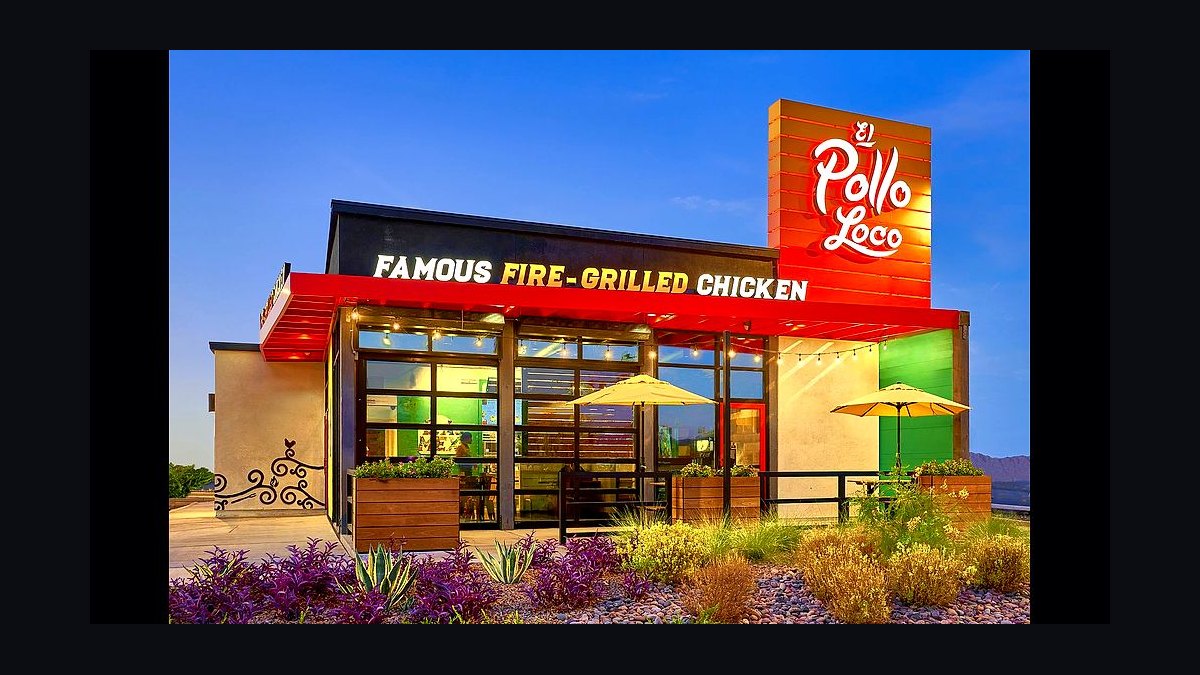
Opening an El Pollo Loco franchise in 2027 makes sense mainly if you are a well-capitalized, multi-unit-minded operator building in or near its core West Coast footprint — California, Nevada, Arizona, and Texas — where brand demand already exists. Outside that footprint, you become the one funding brand awareness the franchisor's marketing fund hasn't built yet, against a $1.2M–$2.5M investment. Geography and capital, not brand quality, decide the outcome.
A New Owner Walks the Site
Picture two prospective franchisees looking at the same disclosure document in the same week. The first is scouting a pad site in Riverside County, twenty minutes from three existing El Pollo Loco restaurants that have been open for over a decade. The second is looking at a freestanding lot outside Columbus, Ohio, where the nearest unit is nine hundred miles away and most locals have never heard the name. Both are reading the same franchise fee, the same royalty rate, the same average unit volume figure in Item 19 of the FDD. Only one of them is buying into a market that already wants what they're selling.
This is the scenario every serious evaluation of El Pollo Loco in 2027 has to start with, because the brand's economics do not travel evenly. In Riverside, the new owner opens knowing the sign in the window means something — customers already associate the name with flame-grilled chicken, a specific menu, a specific price point, and a drive-thru habit they've built over years. The marketing fund's regional co-op advertising reaches an audience primed to respond. Word of mouth does real work. In Columbus, none of that exists. The 4–5% advertising contribution is being spent on national or regional campaigns that mostly don't reach Ohio at all, and the owner is functionally introducing a new restaurant category to a market that has its own entrenched fast-casual chicken habits — Bojangles-adjacent regional players, Raising Cane's, Zaxby's, Chick-fil-A — all of whom already have brand equity there.

The franchise disclosure document does not separate these two scenarios for you. The system-wide AUV figure — an average pulled largely from mature California and Arizona stores — sits in Item 19 as a single number, and it is tempting to apply it to a pro forma regardless of where you're building. That's the trap. A conservative operator underwrites the Columbus location to a fraction of the system average, assumes a longer ramp, and stress-tests the deal against a worse case. An optimistic operator uses the system number, gets a pro forma that pencils beautifully, and finds out eighteen months in that reality landed well below plan. The scenario above isn't hypothetical caution — it's the actual fork in the road every serious buyer faces before they sign anything, and it should shape every number that follows in your underwriting.
How the Footprint Effect Actually Works
The mechanism behind why location matters so much more for El Pollo Loco than for a fully national brand comes down to where brand equity actually lives. A franchise's marketing fund does two jobs: it pays for national or regional advertising, and it benefits from an existing halo of consumer familiarity built over decades of physical locations, local news coverage, drive-by visibility, and repeat-customer habit. For a brand with roughly 490 locations concentrated heavily in four states, that halo is real and valuable inside the footprint — and almost entirely absent outside it.

When you open inside the footprint, you are essentially renting decades of prior brand investment that you didn't have to pay for. Locals already know El Pollo Loco means flame-grilled chicken, not fried; they already have a mental price anchor; some percentage of them are lapsed or occasional customers of a location across town, and your new unit captures overflow demand without spending a marketing dollar to create it. This is why unit economics inside the footprint can support the brand's premium build cost — the demand curve is already partially drawn before you open the doors.
Open outside the footprint and the mechanism inverts. Your 4–5% ad fund contribution is now subsidizing awareness campaigns in markets where the brand already has traction, while your own local market gets comparatively little lift from that same fund. You are, in effect, cross-subsidizing established franchisees' marketing while doing the much harder and more expensive work of local awareness-building yourself — grand-opening promotions, local sponsorships, social media, word of mouth — largely out of your own operating budget. That's a structurally different economic position than a core-market operator occupies, even though your royalty and ad-fund percentages are identical on paper.
Understanding this mechanism is what separates a franchisee who underwrites correctly from one who gets burned by the brochure math. It also explains why the franchisor's own development strategy leans toward multi-unit agreements inside and adjacent to existing clusters — concentrating capital where the mechanism already works in your favor, rather than spreading thin into markets where you'd be building the halo from zero.
The Real Numbers Behind the Decision

El Pollo Loco is a full-service quick-service restaurant with a real building, a kitchen, and a drive-thru — not a kiosk or a small-format concept — and the numbers reflect that. Total initial investment typically runs $1.2 million to $2.5 million, depending heavily on whether you're building ground-up, converting an existing restaurant shell, or acquiring real estate outright versus leasing. The initial franchise fee is roughly $40,000 per restaurant, with a royalty fee around 4% of gross sales and an advertising or brand fund contribution of another 4–5% — so before a single operating dollar is spent, roughly 8–9% of top-line revenue is committed to the franchisor relationship.
Average unit volume across the system runs approximately $2.0–$2.2 million, which is genuinely high for the quick-service segment — but as covered above, that figure is skewed upward by long-established California stores with fully mature demand curves. A new unit, particularly outside the core footprint, should be underwritten to a materially more conservative volume, not the system average, when building a pro forma.

Net worth requirements sit around $1,000,000 or more, with roughly $500,000 in liquid capital typically expected — a bar that reflects the franchisor's preference for multi-unit developers over first-time single-store owners. Beyond the build and the franchise fees, the ongoing operating reality matters just as much: food cost typically runs 28–32% of sales for a chicken-forward concept exposed to commodity price swings, and labor cost runs 25–35% depending on market — significantly higher in California, where fast-food-specific wage floor legislation has pushed QSR labor costs above the national norm. That leaves a genuinely thin pre-rent margin that only works at real volume, which loops directly back to the footprint question: a store that ramps slowly in an unfamiliar market is absorbing thin margins for longer, on top of construction debt service.
New units typically take 6 to 18 months to reach a stable run-rate, and that ramp period has to be funded on top of construction costs, not instead of them. A realistic cash cushion — commonly discussed in franchise circles as roughly six months of operating expenses, held completely separate from the construction budget — is not a nice-to-have. It is frequently the difference between a franchisee who survives a slow ramp and one who runs out of capital mid-ramp and closes before the store ever reaches its potential. Any serious 2027 underwriting exercise should build this cushion into the capital stack from day one, not treat it as a contingency to worry about later.
Trade-offs and Alternatives to Consider
Every franchise decision is a trade-off between brand strength and geographic flexibility, and El Pollo Loco sits at a particular point on that spectrum: high brand strength within a narrow geography, low brand strength outside it. That trade-off should be made explicit before you sign, because the alternatives available to you shift depending on which side of it you're solving for.

If you have the capital and you're building in or adjacent to the core footprint, El Pollo Loco's trade-off resolves in your favor — you get a differentiated, better-for-you positioning (flame-grilled rather than fried, a Mexican-inspired menu) plus a high system AUV, in exchange for a real estate-heavy build cost and multi-unit expectations from the franchisor. That's a reasonable exchange for an operator who can absorb the capital requirement and wants a genuinely strong regional player rather than a generic national name.
If your capital or your target geography doesn't fit that profile, several alternatives are worth weighing seriously rather than forcing the El Pollo Loco footprint problem to work anyway. Opening within an already-national brand whose demand travels to any market removes the local-awareness-funding burden entirely, at the cost of differentiation — you're one of many similar units rather than a distinctive regional player. A lower-capital chicken concept can reduce the $1.2M+ build barrier substantially, though typically with less established brand equity to lean on. Acquiring an existing El Pollo Loco unit inside the core footprint, rather than building new, lets you pay for established cash flow and skip both the construction timeline and the ramp risk — a materially different risk profile than a ground-up build in a new market. And partnering with an experienced operator as a passive capital partner is worth considering if you're drawn to the brand's fundamentals but lack hands-on restaurant experience yourself; quick-service margins are unforgiving of absentee ownership, particularly with commodity-exposed food costs.
None of these alternatives are a verdict against the brand itself — El Pollo Loco's unit economics inside its footprint are genuinely strong. They're a reminder that the right decision depends on matching your specific capital position and target geography to the brand's specific strength, rather than assuming any well-known franchise concept is a safe bet everywhere it's offered.
Common Pitfalls and How to Avoid Them

The single most common mistake prospective franchisees make with El Pollo Loco is underwriting a new-market unit to the system-wide AUV instead of a conservative, market-specific estimate. Because that headline number is inflated by mature California stores, a pro forma built on it will look far more attractive than the reality a new unit in Ohio, Georgia, or the Pacific Northwest is likely to deliver in its first two to three years. The fix is straightforward but requires discipline: build your pro forma around a volume assumption well below the system average, stress-test it against an even slower ramp, and only proceed if the deal still works at that conservative number.
A closely related pitfall is undercapitalizing the ramp period rather than just the construction budget. Franchisees frequently secure enough financing to build the restaurant but treat the six-to-eighteen-month ramp as something operating cash flow will handle on its own. When a new-market unit ramps on the slower end of that range — which is common precisely because there's no pre-existing local demand to draw on — thin margins during that stretch can exhaust working capital fast. Building a dedicated operating cushion, separate from construction financing, before you break ground is the direct countermeasure.
A third pitfall is treating the multi-unit development agreement structure the franchisor prefers as a formality rather than a real commitment. Signing a development agreement without a realistic plan for financing and staffing subsequent units can leave a franchisee overextended, particularly if the first unit's ramp runs long. Before signing anything beyond a single-unit agreement, franchisees should confirm they can fund a second and third location without relying on the first unit's cash flow performing exactly to plan.

Finally, many prospective owners skip the step of interviewing existing franchisees outside the core footprint specifically, relying instead on conversations with well-established California or Arizona operators whose experience doesn't reflect the new-market reality they're about to enter. Talking to at least a few franchisees who opened in less mature markets — and asking pointed questions about how long their actual ramp took versus what they'd projected — surfaces exactly the kind of ground-truth data that the FDD's aggregate figures obscure. Combined with a franchise attorney's review of the development agreement and a market map showing your real distance from existing units, this due diligence is what separates a franchisee who opens with clear eyes from one who discovers the footprint problem the hard way, mid-lease, with construction debt already on the books.
Related questions
Should I open or buy a Pollo Loco franchise in 2027?
"Pollo Loco" and "El Pollo Loco" typically refer to the same U.S. brand; confirm which entity's FDD you're reviewing. The footprint and capital logic above applies directly — geography and capitalization, not the name, drive the outcome.
How much does it cost to open a chicken restaurant franchise?
Chicken-concept franchises range widely, from sub-$500,000 emerging brands to $1.2M+ full-service builds like El Pollo Loco. Cost scales with real estate, drive-thru infrastructure, and brand maturity — get quotes specific to your target concept and site.
What is Item 19 in a franchise disclosure document?
Item 19 is the optional financial performance representation section where a franchisor may disclose sales, cost, or profit data for existing units. Always read every footnote on how the figures were calculated and which units were included.
Is a multi-unit franchise agreement a good idea for a first-time owner?
It can concentrate risk if your first unit underperforms while you're contractually committed to more. First-time owners should confirm they can finance and staff subsequent units independent of the first location's performance before signing.
How long does a new restaurant franchise take to become profitable?
Most new quick-service units take 6 to 18 months to reach a stable run-rate, with full break-even often taking 2 to 5 years depending on market maturity, build cost, and local competition.
FAQ
What is the total investment range to open an El Pollo Loco franchise? Total investment typically falls between $1.2 million and $2.5 million, including an initial franchise fee around $40,000. Build-out costs vary significantly by location, land cost, and whether you're building new, converting, or acquiring, with higher expenses common in California markets.
How much can I expect to earn as an El Pollo Loco franchisee?

System-wide average unit volume runs roughly $2.0–$2.2 million annually, but that figure is skewed by mature California stores. New locations in unfamiliar regions commonly see materially lower sales in their first few years, and margins depend heavily on local labor costs, real estate terms, and food-cost management after royalties and fees.
How long does it take to break even with this franchise? Break-even timelines vary widely. Inside core markets like California or Arizona, a well-run unit may approach break-even in a few years; in new, unfamiliar territories, slower ramp and lower initial brand recognition typically push the timeline out further.
Does El Pollo Loco offer financing or support for new franchisees? The company provides assistance with site selection and training but does not directly finance franchise fees or build-out costs. Franchisees commonly rely on SBA loans or private capital to fund the total investment.
What are the biggest risks of opening an El Pollo Loco franchise in 2027? The primary risk is opening outside the brand's stronghold, where you must build customer awareness without meaningful marketing-fund support. Rising construction costs, regional labor pressure, and growing competition from other fast-casual chicken chains compound that risk.
Can I open a single unit, or do I need to commit to multiple locations? El Pollo Loco favors multi-unit operators, particularly for development in newer territories, but single-unit franchises are possible for well-capitalized individuals. Many franchisees start with one store and expand only after proving profitability at that location.
Sources
- U.S. Federal Trade Commission — Franchise Disclosure Document requirements: https://www.ftc.gov/business-guidance/resources/franchise-rule-compliance-guide
- U.S. Small Business Administration — financing a franchise: https://www.sba.gov/business-guide/plan-your-business/buy-existing-business-or-franchise
- International Franchise Association — franchisee resources: https://www.franchise.org
- El Pollo Loco Holdings, Inc. investor relations: https://ir.elpolloloco.com
- Restaurant Business Magazine — QSR industry benchmarks: https://www.restaurantbusinessonline.com
- Nation's Restaurant News — chicken-segment competitive coverage: https://www.nrn.com
- California Department of Industrial Relations — minimum wage and fast food wage orders: https://www.dir.ca.gov
- Entrepreneur Franchise 500 — chicken-concept franchise rankings: https://www.entrepreneur.com/franchise500
Related on PULSE
- Should I open or buy a Pollo Campero franchise in 2027?
- Should I open or buy a Pollo Tropical franchise in 2027?
- How much does it cost to open a fast-casual chicken restaurant franchise?
- What should I look for in a franchise disclosure document before signing?
- Is a multi-unit development agreement worth signing as a first-time franchisee?
This page will be disappearing soon. Save it to your device for $1 — or read it free while it is here.
@Kory-White- · if Venmo asks, the last 4 of my number are 2012
This page is gone.
This one is off the shelf now. $1 keeps it on your phone for good — the whole page, pictures and diagrams included.
 franchiseShould I open or buy a Taco Bell franchise in 2027?
 franchiseShould I open or buy a Sonic Drive-In franchise in 2027?
 franchiseShould I open or buy a Jamba franchise in 2027?
 franchiseShould I open or buy an Anytime Fitness franchise in 2027?
 franchiseShould I open or buy a Kumon franchise in 2027?
 franchiseShould I open or buy a Cold Stone Creamery franchise in 2027?
 franchiseShould I open or buy a McAlister's Deli franchise in 2027?
 franchiseShould I open or buy a Chipotle franchise in 2027?
 franchiseShould I open or buy a Mac Tools franchise in 2027?
 franchiseShould I open or buy a Servpro franchise in 2027?