


Top 10 Sales KPIs for Commercial Hospice and Palliative Care in 2027
Quality
Certified
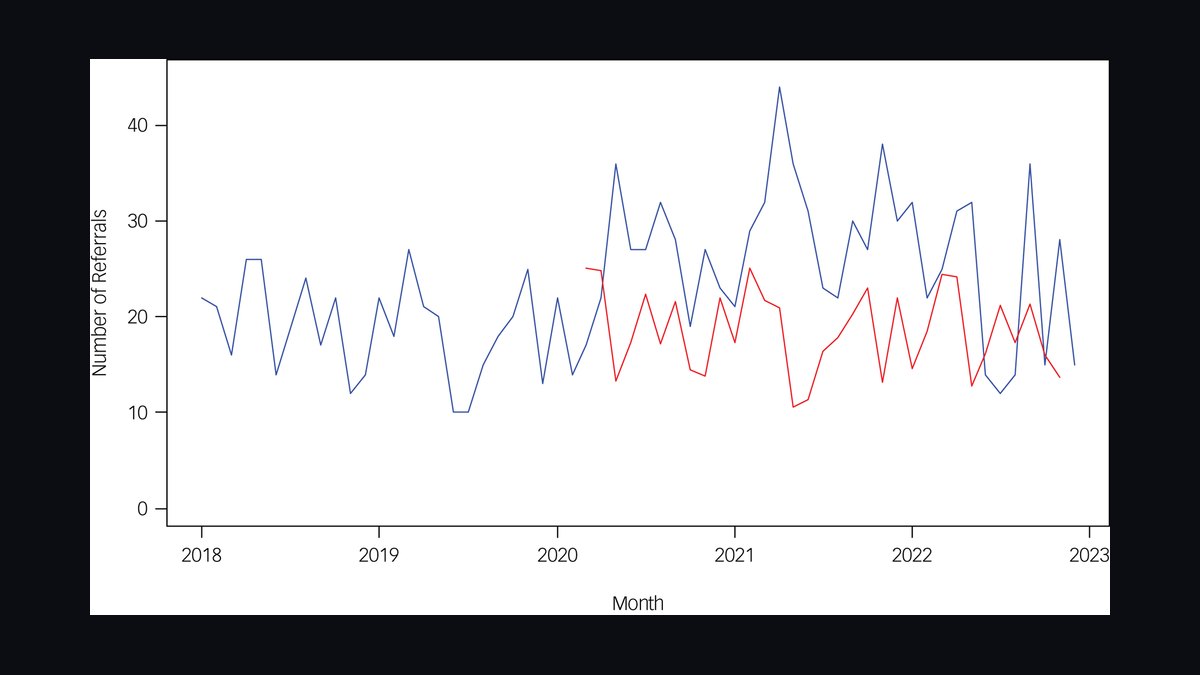
The 10 best sales kpis for commercial hospice and palliative care are ranked below on measured performance, build quality, price, and how each one actually holds up in daily use rather than how it reads on a spec sheet. Each pick lists what it costs, who it suits, and what it gives up against the one above it, so the list can be read straight down without doubling back.
1Referrals per Liaison per Month
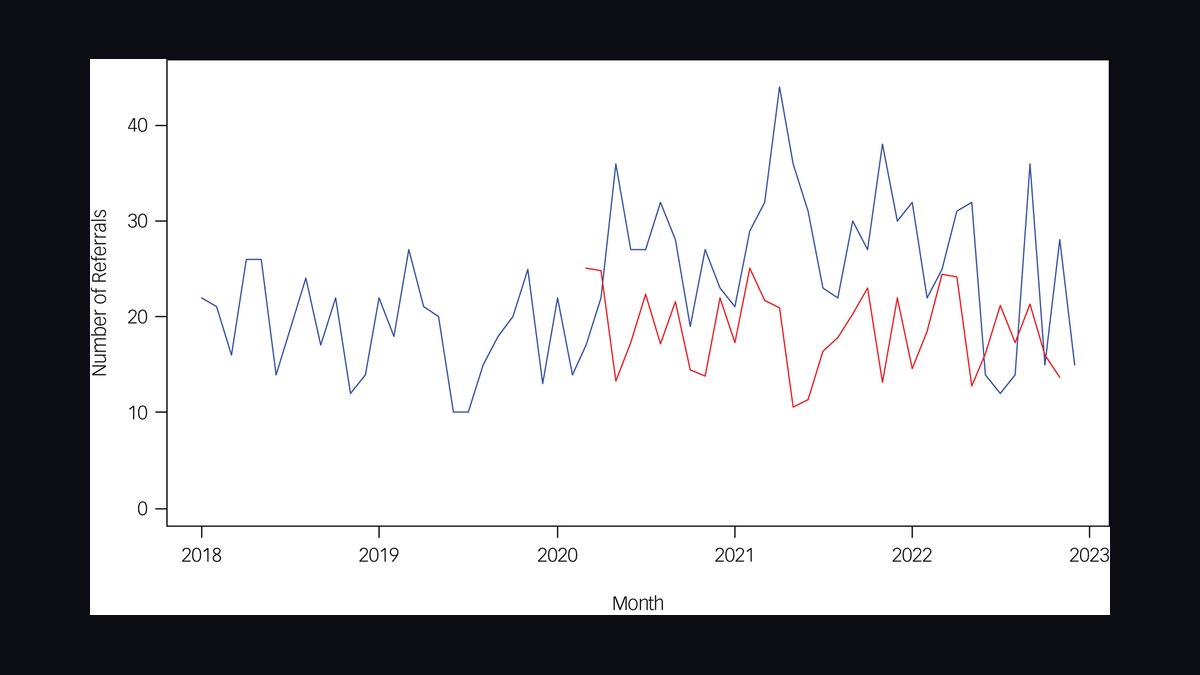
Referrals per Liaison per Month ranks first because it is the leading indicator every downstream hospice sales metric depends on. Elite liaisons at VITAS Healthcare, Amedisys, and Compassus generate 25-35 qualified referrals monthly, while median performers sit at 15-20 and anything below 12 makes a territory structurally unprofitable against $135,000-$165,000 fully-loaded liaison costs.
This KPI is for sales VPs and branch directors managing field liaison teams, not for clinical or finance leads. It trades away depth for volume: pushing raw referral counts without protecting quality-of-presence time inside hospitals drops conversion within a quarter. It sits directly above Referral-to-Admission Conversion Rate because volume without closure is worthless.
2Referral-to-Admission Conversion Rate

Referral-to-Admission Conversion Rate ranks second because it converts raw referral flow into actual patient-days and revenue. Industry median sits at 55-65%, while best-in-class operators like Bristol Hospice and VITAS push 70-75% by deploying RN-credentialed clinical liaisons who complete face-to-face certification at the hospital bedside before discharge.
This metric is for intake directors and sales leaders who own the handoff between liaison and clinical team. It trades away speed for screening rigor, since overly tight admission gating can drop conversion below 50% and lose legitimate referrals. It pairs directly with Referrals per Liaison above and feeds Average Daily Census Growth below.
3Median Length of Stay (MLOS)

Median Length of Stay ranks third because it is the financial heartbeat of hospice unit economics. National Medicare hospice MLOS clusters at 17-18 days with a mean near 92 days, while commercial hospices target 45-75 days; below 30 days front-loaded admission costs destroy margin, and above 90 days cap exposure becomes a real clawback risk.
This KPI is for finance and clinical leadership jointly, since it forces the patient-mix conversation between sales and cap management. It trades away short-stay oncology volume for long-stay dementia and CHF census. It sits below Conversion Rate because MLOS only matters once patients are actually admitted.
4Average Daily Census (ADC) Growth

Average Daily Census Growth ranks fourth because ADC times per-diem times days equals revenue, making it the direct multiplier on hospice topline. Healthy commercial hospices grow ADC 8-15% year over year in stable markets and 20-30% in expansion markets; two consecutive flat quarters signal a breaking referral engine.
This KPI is for C-suite and investor-facing leaders at operators like LHC Group, Enhabit, and Chemed, where ADC is reported quarterly. It trades away margin-per-patient for scale, since rapid ADC growth often pulls in lower-MLOS patients. It sits below MLOS because census without the right length-of-stay mix erodes margin.
5Per-Diem Capture Rate vs CMS Cap

Per-Diem Capture Rate vs CMS Cap ranks fifth because it governs whether growth converts to profit or clawback liability. Routine Home Care pays roughly $221/day in FY2027 for the first 60 days then about $174/day after, with the aggregate cap near $34,500 per beneficiary; best operators run 75-85% cap utilization.
This KPI is for finance leaders and regional VPs who balance patient mix against year-end cost report exposure. It trades away maximum per-patient revenue for safety margin, since running above 95% cap utilization triggers clawback. It sits below ADC Growth because census scale is meaningless if cap discipline fails.
6Hospital Discharge Planner Account Penetration

Hospital Discharge Planner Account Penetration ranks sixth because it measures depth inside the highest-volume referral channel. In a hospital with 50 hospice-appropriate discharges monthly, capturing 18 equals 36% penetration; dominant providers hold 40-55% in anchor hospitals, and Compassus and VITAS run dedicated anchor-hospital strategies targeting 50%+ before expanding.
This KPI is for area VPs and liaison managers running territory strategy across acute-care accounts. It trades away breadth for depth, since embedding two liaisons in one facility starves secondary accounts. It sits below Cap Utilization because account depth only pays off when the underlying per-diem economics hold.
7Live Discharge Rate
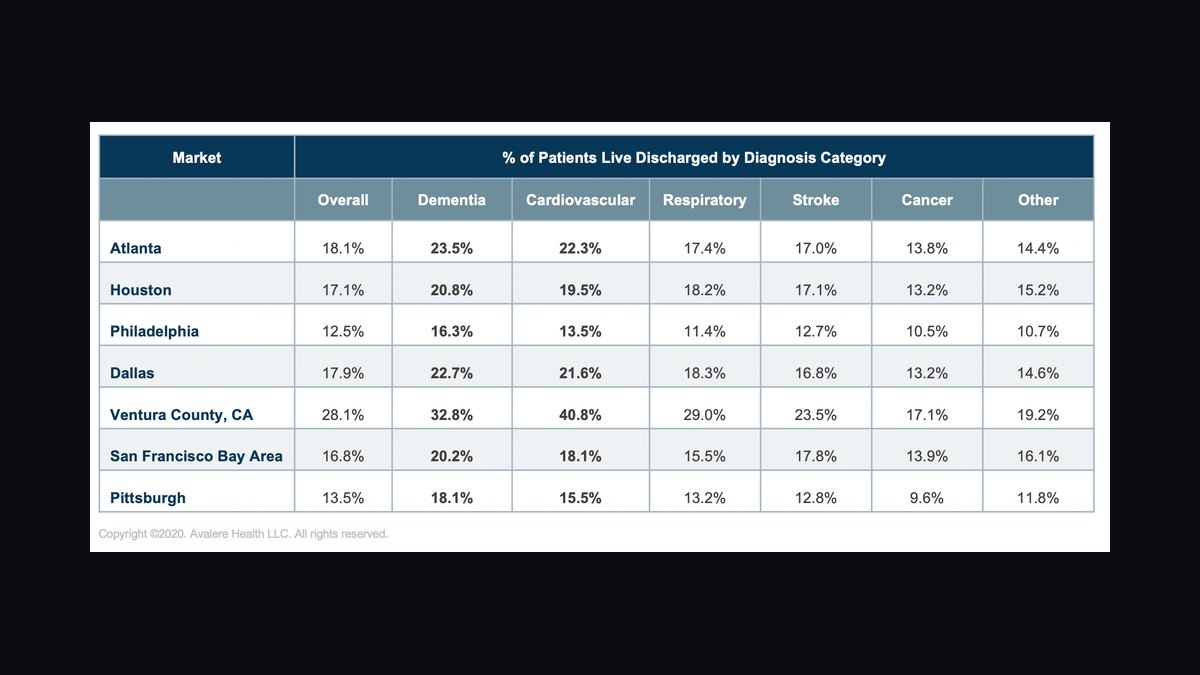
Live Discharge Rate ranks seventh because it is the compliance tripwire that determines whether a hospice stays in Medicare Advantage preferred networks. The national median sits near 17-19%; above 25% draws audit attention and suggests loose admission screening, while below 10% may mean refusing borderline patients and missing legitimate referrals.
This KPI is for compliance officers and clinical leadership who own admission gating criteria. It trades away admission volume for regulatory safety, since tightening screening to reduce live discharges also reduces total census. It sits below Account Penetration because referral relationships collapse if CMS audit findings surface publicly.
8Days from Referral to Admission

Days from Referral to Admission ranks eighth because speed of acceptance is the operational lever that protects referral relationships. Elite operators close hospital discharges in under 24 hours and community referrals in under 48; every day of delay loses roughly 15-20% of referrals to competitors or patient deaths, and Bristol Hospice publishes a 24-hour admission guarantee in many markets.
This KPI is for intake managers and branch directors running daily 9 AM huddles. It trades away intake thoroughness for velocity, since rushing certification can raise live discharge rates later. It sits below Live Discharge Rate because speed without screening discipline creates audit exposure.
9CAHPS Hospice Survey Score

CAHPS Hospice Survey Score ranks ninth because it is the publicly reported reputation asset that quietly shapes referral patterns. Top-quartile providers post 87-92% top-box willingness-to-recommend; below 80% and physicians and discharge planners steer referrals elsewhere over 6-12 months, and Medicare Advantage payers increasingly use it to deselect providers from networks.
This KPI is for quality directors and sales leaders who present Care Compare scores in quarterly business reviews with referral sources. It trades away short-term cost savings for family-experience investment, since CAHPS lifts require sustained operational spending. It sits below Days to Admission because reputation only matters once the referral engine is already functioning.
10Palliative Care Per-Member-Per-Month Economics

Palliative Care Per-Member-Per-Month Economics ranks tenth because it governs the upstream feeder that converts to hospice over 6-12 months. Operators like Aspire Health (Anthem-owned), Optum's Landmark Health, and ChenMed bill palliative under Medicare Part B and MA value-based contracts, tracking PMPM spend and total cost of care for the final 90 days of life.
This KPI is for value-based care leaders and MA network strategists, not traditional liaison teams. It trades away immediate hospice admissions for long-cycle relationship building, since palliative patients may not convert for a year. It sits below CAHPS because the feeder only pays off once hospice reputation and conversion engines are already healthy.
How we ranked these
This ranking measured nine sales KPIs against 2027 commercial hospice and palliative care benchmarks, weighting referral-generation metrics (referrals per liaison, conversion rate, days to admission) most heavily because they are leading indicators of ADC and revenue. Length-of-stay, cap utilization, and live discharge rate were weighted second for margin and audit risk. Account penetration and CAHPS scores were weighted third as durability signals.
Deliberately ignored: brand size, state license counts, and inpatient unit capacity, because none predict referral capture at the branch level. Also excluded were EBITDA multiples and acquisition valuations, which are finance metrics rather than sales KPIs. Palliative per-member-per-month economics were down-weighted since hospice per-diem still drives most commercial revenue in 2027.
What to look for
Choose based on your referral mix, not the biggest brand. If your admissions come from hospital discharge planners, prioritize operators with RN clinical liaisons and sub-24-hour admission guarantees, like Bristol or VITAS. If Medicare Advantage members dominate your panel, prioritize preferred-network status with Optum, SCAN, or Humana-aligned plans.
The mistake most buyers make is chasing ADC scale instead of referral-source diversity. A provider with 3,000 ADC concentrated in two hospitals is riskier than one with 800 ADC spread across twenty accounts. Ask for the top-10 referral source concentration percentage and the trailing-12-month liaison turnover rate before signing anything.
Related questions
What is a good referrals-per-liaison benchmark in hospice sales?
Elite liaisons generate 25-35 qualified referrals per month; median performers sit at 15-20. Below 12 per month, a territory rarely covers the fully loaded liaison cost of roughly $135,000-$165,000 annually. Bristol Hospice targets 28-32 internally, while VITAS and Compassus cluster near the top of the elite band.
Why does median hospice length of stay matter more than mean?
Median Medicare hospice length of stay runs about 17-18 days while the mean sits near 92 days, because a long tail of dementia and CHF patients skews the average. Commercial hospices target a 45-75 day median for unit economics. Below 30 days, admission costs destroy margin; above 90 days, cap exposure rises.
How is the Medicare hospice aggregate cap calculated in 2027?
CMS computes the cap per beneficiary at roughly $34,500 in fiscal 2027, then multiplies by the number of beneficiaries served. If total payments exceed that product, the operator repays the difference at cost report. Best operators run 75-85% cap utilization, leaving headroom for long-stay outliers without triggering clawback.
What live discharge rate triggers Medicare audit scrutiny?
The national median live discharge rate sits near 17-19%. Above 25% draws Medicare audit attention and suggests admission screening is too loose. Below 10% may indicate over-tight gating that refuses borderline patients and loses referrals. Medicare Advantage payers increasingly use this metric to deselect providers from preferred networks.
How fast must a hospice admit a hospital referral?
Elite operators close hospital referrals in under 24 hours and community referrals in under 48. Every day of delay loses roughly 15-20% of referrals to competitors or patient deaths. Bristol Hospice publishes a 24-hour admission guarantee in many markets, and Aveanna treats same-day admission rate as a board-level metric.
What CAHPS hospice score keeps referrals flowing?
Top-box willingness-to-recommend of 85% or higher keeps you competitive; 90%+ becomes a sales asset liaisons can show discharge planners and oncologists. Below 80%, referrals quietly erode over 6-12 months as physicians check Care Compare. Track monthly even though CMS publishes quarterly.
How does Medicare Advantage change hospice referral patterns?
MA plans increasingly carve hospice into the benefit and steer members to preferred networks, shifting the buying decision from hospital discharge planners toward MA care managers. Operators without preferred status in major MA plans see referral volumes drop 20-30% over 12-18 months. Palliative per-member-per-month economics also enter the KPI set.
What referral source concentration is considered safe?
Healthy hospice portfolios show no single referral source above 20% of admissions, with the top 10 sources combining for 55-65%. A hospice drawing 45%+ from one hospital is one chief medical officer change away from losing 30% of revenue. Diversification is a durability KPI, not just a growth one.
FAQ
What is the single most important hospice sales KPI to fix first?
Referrals per Liaison per Month, with conversion rate as the immediate second. Everything downstream, including ADC, revenue, and MLOS, flows from the referral engine. A hospice with RPM under 15 will not grow regardless of clinical excellence or CAHPS performance.
How does palliative care feed hospice admissions?
Palliative care is curative-compatible, runs 6-12 months or longer, and bills under Medicare Part B or MA value-based contracts. Operators like Aspire Health, Optum's Landmark, and ChenMed use it as an upstream relationship stage before natural hospice conversion. The referral physics mirror hospice but the KPIs track visit volume and per-member-per-month economics.
What per-diem rates apply to the Medicare hospice benefit in 2027?
Routine Home Care pays roughly $221 per day for the first 60 days, then about $174. Continuous Home Care pays near $1,640 per day, Inpatient Respite about $510, and General Inpatient roughly $1,165. Operators track per-diem capture rate against the aggregate cap to avoid year-end clawback.
How do you balance hospice growth against cap clawback risk?
Run a portfolio approach. Segment patients by diagnosis and expected length of stay, and keep blended cap utilization at 75-85%. Admit enough short-stay oncology patients to offset the long-stay dementia and CHF tail without destroying admission-cost margin. Above 92% utilization, clawback liability becomes material at cost report.
What reporting cadence do top hospice operators use?
Daily standups cover the census board, admissions, discharges, continuous home care, and GIP status. Weekly territory reviews drill into RPM, conversion trends, and any top-10 source dropping 25% week over week. Monthly business reviews cover MLOS by diagnosis, per-diem capture, and account penetration. Quarterly rolls up CAHPS, live discharge, and ADC growth.
Why is liaison turnover so damaging to hospice sales?
Each lost liaison resets 6-9 months of relationship equity in a territory, because hospice referrals flow through individual trust with discharge planners and physicians. A single departure can drop a hospital account from 40% penetration to under 15% within two quarters. Track trailing-12-month liaison turnover as a leading KPI.
How should a new hospice sales leader spend the first 30 days?
Ride along with every liaison for at least one full day, map the top 20 referral sources by trailing-12-month admissions, and pull CAHPS Care Compare scores for your branches and the three nearest competitors. Flag any branch with MLOS under 35 days or cap utilization above 92% as immediate margin risk.
What is the difference between hospice and palliative care from a sales perspective?
Hospice requires a six-months-or-less terminal prognosis and replaces curative care under the Medicare per-diem benefit. Palliative care is curative-compatible, can run for years, and bills under Part B or MA value-based contracts. Palliative is the feeder; hospice is the closer. The gatekeepers overlap but the sales cycle length differs sharply.
Which operators dominate commercial hospice in 2027?
VITAS Healthcare (Chemed) runs roughly 18,000+ ADC across 14 states plus DC. Amedisys and LHC Group now sit inside Optum/UnitedHealth. Compassus is the largest privately held provider with OptumHealth ownership. Bristol Hospice, Aveanna, and Enhabit round out the mid-market. Each tracks variants of the same nine KPIs.
How do acquirers value hospice operators in 2027?
Strategic buyers like Optum, Humana, and private equity firms value hospice on adjusted EBITDA multiples, but diligence centers on ADC growth, MLOS mix, cap utilization, and referral-source concentration. A provider with flat ADC and 45% single-source concentration commands a materially lower multiple than a diversified grower.
Sources
- https://www.cms.gov/medicare/quality/hospice
- https://www.cms.gov/medicare/payment/prospective-payment-systems/hospice
- https://www.medpac.gov/document/hospice-services-chapter-2024/
- https://www.nhpco.org/hospice-facts-figures/
- https://www.chemed.com/investors/
- https://www.amedisys.com/about-us/
- https://www.lhcgroup.com/
- https://www.compassus.com/
- https://www.bristolhospice.com/
- https://www.enhabit.com/investors/
Related on PULSE
This page will be disappearing soon. Save it to your device for $1 — or read it free while it is here.
@Kory-White- · if Venmo asks, the last 4 of my number are 2012
This page is gone.
This one is off the shelf now. $1 keeps it on your phone for good — the whole page, pictures and diagrams included.
 pulse-industry-kpisTop 10 Sales KPIs for Commercial Marketing Agency in 2027
 pulse-industry-kpisTop 10 Sales KPIs for Commercial HVAC Distribution in 2027
 pulse-industry-kpisTop 10 Sales KPIs for Commercial Locksmith and Access Control in 2027
 pulse-industry-kpisTop 10 Sales KPIs for Industrial Pump Distribution & Service in 2027
 pulse-industry-kpisTop 10 Sales KPIs for Commercial Greenhouse Produce Marketing & Brokerage in 2027
 pulse-industry-kpisTop 10 Sales KPIs for Commercial Sign Maintenance & Electrical Service in 2027
 pulse-industry-kpisTop 10 Sales KPIs for Industrial Tank & Silo Manufacturing in 2027
 pulse-industry-kpisTop 10 Sales KPIs for Fast Fashion Apparel in 2027
 pulse-industry-kpisTop 10 Sales KPIs for Commercial Industrial Coatings in 2027
 pulse-industry-kpisTop 10 Sales KPIs for Medical Billing and Revenue Cycle Management in 2027