
How do you cycle a new aquarium in 2027?
 Curated byKory White · Fractional CRO · Maryland
 PULSEKNOWLEDGE LIBRARY
Cycling a new aquarium means growing a colony of beneficial bacteria that converts toxic fish waste (ammonia) into less harmful nitrate before you add livestock. You do this by adding a steady ammonia source to a heated, filtered, dechlorinated tank and waiting until the bacteria can convert ammonia to nitrite, and nitrite to nitrate, within 24 hours. A fishless cycle typically takes 3-6 weeks, and the tank is cycled when both ammonia and nitrite read 0 ppm while nitrate climbs.
What "Cycling" Actually Means
A new tank has clean water but no established bacteria. The moment fish or food produce waste, ammonia (NH3/NH4+) accumulates, and ammonia is highly toxic to fish even at low levels. Cycling builds two groups of nitrifying bacteria in your filter media and substrate:
- Ammonia-oxidizing bacteria/archaea convert ammonia into nitrite (NO2-), which is also toxic.
- Nitrite-oxidizing bacteria convert nitrite into nitrate (NO3-), which is relatively harmless at the levels found in a maintained tank and is removed by water changes and live plants.
This biological pathway is the nitrogen cycle. Until both bacterial groups are populous enough to process your tank's daily waste load, the system is not safe for fish.
Fishless Cycling: The Recommended Method
Fishless cycling is the humane, controlled standard because no animals are exposed to toxic ammonia and nitrite. Set up the tank fully first: substrate, filter, heater set to about 78-82°F (bacteria colonize faster in warm water), and dechlorinated water. Then introduce an ammonia source and dose it to a target of around 2-4 ppm.
Ammonia sources include:
- Pure household ammonia (no surfactants, dyes, or fragrance) dosed with a dropper.
- Bottled ammonium chloride products such as Dr. Tim's Ammonium Chloride or Fritz Fishless Fuel, which are made for this purpose.
- A small pinch of fish food left to decompose (less precise and can foul the water).
Test daily with a liquid kit (the API Freshwater Master Test Kit is the hobby standard). When ammonia starts dropping and nitrite appears, the first bacteria group is working. When nitrite spikes and then falls to 0 while nitrate rises, the second group has caught up.
How to Speed Up the Cycle
You cannot rush bacteria much, but you can seed them. The single most effective shortcut is borrowing established media from a healthy, disease-free tank: a used filter cartridge, sponge, or a cup of gravel placed in your filter instantly transfers a live colony. Bottled bacteria products (Tetra SafeStart Plus, Dr. Tim's One and Only, Seachem Stability, Fritz Zyme 7) can also jump-start the process, though results vary by product and freshness. Keeping the water warm (78-82°F), well-oxygenated (the bacteria are aerobic), and at a pH above 7 also helps, since nitrification slows sharply in acidic water below pH 6.5.
Fish-In Cycling (If You Already Have Fish)
If livestock are already in the tank, you must protect them while bacteria establish. Add only a few hardy fish, feed sparingly, and test ammonia and nitrite daily. Whenever ammonia or nitrite climbs above about 0.25 ppm, perform a water change large enough to bring it back down. A product like Seachem Prime temporarily detoxifies ammonia and nitrite for around 24-48 hours, buying time between changes. Fish-in cycling is more stressful for the animals and demands far more vigilance, which is why fishless cycling is preferred.
Knowing When the Tank Is Cycled
Your tank is fully cycled when, after dosing ammonia to about 2 ppm (fishless) or after a normal feeding (fish-in), the tank processes it so that within 24 hours both ammonia and nitrite read 0 ppm and only nitrate remains. At that point, do a large water change (50% or more) to bring nitrate down to a safe level (ideally under 20-40 ppm), match the new water's temperature, and begin stocking slowly. Add fish a few at a time over several weeks so the bacteria colony can scale up to the growing waste load.
Common Cycling Mistakes
- Adding fish too soon before nitrite reaches 0, causing "new tank syndrome" deaths.
- Cleaning or replacing all filter media at once, which discards the bacteria you grew.
- Using tap water without dechlorinator, since chlorine and chloramine kill nitrifying bacteria.
- Overdosing ammonia above 5 ppm, which can stall the cycle by inhibiting the bacteria.
- Testing with old or expired kits, which give false readings and false confidence.
How to Speed Up Cycling Safely
You can't skip the cycle, but you can shorten it dramatically by seeding your tank with bacteria that already exist somewhere else. The single most effective trick is borrowing established filter media. Ask a fellow hobbyist, your local fish store, or a friend with a healthy, disease-free tank for a piece of used sponge, a handful of ceramic media, or a cup of mature gravel. Tuck it into your filter and you're transplanting a living colony rather than waiting for one to grow from scratch. A heavily seeded tank can finish cycling in one to two weeks instead of four to six.
Bottled bacteria supplements are the next best accelerant. Products that contain refrigerated, live nitrifying bacteria can genuinely jump-start the process, though results vary by brand and freshness. Look for ones that name the specific bacteria genera and that ship cold or carry a clear expiration date — shelf-stable bottles that have baked on a warm store shelf for a year are far less reliable. Dose per the label, keep dosing through the first week, and verify with test results rather than trusting the marketing claim that the tank is "instantly cycled." It almost never is.
A few environmental levers also matter. Bacteria multiply fastest in warm water (78-82°F), so resist the urge to run a cool tank during cycling. Keep the water well-oxygenated — nitrifying bacteria are aerobic and consume oxygen as they work, so an air stone or a filter outlet that ripples the surface speeds colonization. Keep the pH above 7.0 if you can; nitrification slows sharply in acidic water and can stall completely below about 6.5. Finally, leave the lights off or low. Algae thrives on the ammonia and nitrate you're cultivating, and a dark tank during cycling means less green film to scrub later. None of these shortcuts replace patience, but stacked together they can cut your wait roughly in half.
Fish-In Cycling When You're Already Committed
Sometimes the fish arrive before the knowledge does — an impulse goldfish, a kid's birthday betta, or a rescue you couldn't say no to. If livestock is already swimming in an uncycled tank, you switch to fish-in cycling, which keeps the animals alive while the bacteria catch up. It is more stressful for the fish and more demanding for you, but done carefully it works.
The core principle is dilution. Since you can't let ammonia or nitrite accumulate to safe-for-bacteria-but-toxic-for-fish levels, you physically remove them with frequent water changes. Test daily, and any time ammonia or nitrite rises above roughly 0.25 ppm, do a 25-50% water change with dechlorinated, temperature-matched water. During an active fish-in cycle you may be changing water every day or every other day for several weeks. A bottled detoxifier such as a Prime-type conditioner can temporarily bind ammonia into a less toxic form for about 24-48 hours, buying you a safety margin between changes — but it doesn't remove the ammonia, so keep testing and keep changing water.
Stack the deck in the fishes' favor. Stock lightly — one small, hardy fish, not a full community. Feed sparingly, every other day at most, because uneaten food is pure ammonia waiting to happen. A leaner feeding schedule slows waste production and gives the bacteria a load they can actually keep up with. Seed the filter with borrowed media exactly as you would in a fishless cycle; this is even more valuable here because every day shaved off the cycle is a day less stress on your fish. Watch the animals for warning signs of toxicity: gasping at the surface, clamped fins, red or inflamed gills, lethargy, or loss of appetite all signal that ammonia or nitrite is spiking and a water change is overdue. The tank is fully cycled by the same standard as any other method — ammonia and nitrite both holding at 0 ppm — at which point you can slowly add the rest of your intended stock over the following weeks.
Reading Your Test Results and Knowing When It's Done
A liquid test kit is non-negotiable for cycling; paper strips drift wildly and often read ammonia and nitrite inaccurately at exactly the low levels that matter most. Test every day or two and, if you can, log the numbers. The pattern over time tells the whole story far better than any single reading.
Expect a predictable sequence. First, ammonia climbs as your source accumulates with nothing to process it. After one to two weeks, the first bacterial group catches up — ammonia starts falling and nitrite appears and rises. This nitrite spike is the longest, most frustrating phase; nitrite-oxidizing bacteria are slower to establish, and the reading can sit stubbornly high (even pegging the top of the chart) for one to two weeks. Don't lose faith here — a persistent nitrite reading means the cycle is working, not broken. Eventually nitrite crashes to zero, nitrate accumulates, and you're nearly there.
The finish line is specific and worth memorizing: dose ammonia to about 2-4 ppm, wait 24 hours, and test. If both ammonia and nitrite read 0 ppm the next day while nitrate sits somewhere in the 5-40 ppm range, your filter can fully process a meaningful waste load in a single day. That's a cycled tank. Before adding fish, do one large water change — 50% or more — to knock that built-up nitrate back down to a safe baseline, since nitrate is the only product the bacteria don't remove for you. If your cycle seems stalled for weeks with no progress, the usual culprits are a pH that's dropped too low, a temperature that's too cold, or no detectable ammonia source for the bacteria to feed on — check those three before assuming something is wrong.
Frequently Asked Questions
How long does it take to cycle a new aquarium? A fishless cycle usually takes 3-6 weeks. Seeding the filter with established media or bottled bacteria can shorten it to 1-2 weeks. Fish-in cycles can take a similar amount of time but require constant water changes to keep livestock safe.
Can I add fish during the cycle? Only in a fish-in cycle, and only a few hardy fish at a time with daily testing and frequent water changes. The safer, recommended approach is a fishless cycle so no animals are exposed to toxic ammonia and nitrite.
What ammonia level should I target for a fishless cycle? Dose to about 2-4 ppm. Higher than 5 ppm can inhibit the bacteria and stall the cycle. Re-dose back toward 2 ppm whenever the level drops, until the tank clears both ammonia and nitrite within 24 hours.
Do I need bottled bacteria to cycle a tank? No. A tank will cycle on its own as ambient bacteria colonize the filter. Bottled bacteria and especially borrowed media from an established tank simply speed the process up.
Why is my cycle stuck with high nitrite that won't drop? A long nitrite plateau is normal, since nitrite-oxidizing bacteria grow more slowly. Make sure pH stays above 6.5, the water is warm and well-aerated, and you are not overdosing ammonia. Patience and steady conditions usually resolve it within a couple of weeks.
Should the filter and heater run the whole time? Yes. The filter holds most of your bacteria and must run continuously, and warm water (78-82°F) speeds colonization. Never let the tank sit cold or with the filter off during cycling.
Related on PULSE
- How do you acclimate new fish to an aquarium?
- Top 10 Dry Rock Brands for Starting a New Saltwater Aquarium
- How do you quarantine and dip new corals?
- Top 10 Easy Saltwater Fish for New Marine Hobbyists
- Best way to quarantine new plants to avoid snail infestation?
- What is the nitrogen cycle in an aquarium?
Sources
- Dr. Tim's Aquatics fishless cycling instructions
- API Freshwater Master Test Kit product page
- Seachem Prime and Stability product information
- Tetra SafeStart Plus product page
- Fritz Aquatics nitrogen cycle and Fritz Zyme 7 guide
- The Spruce Pets: How to cycle a new aquarium
- Aquarium Co-Op guide to the nitrogen cycle
Bottom Line
Cycle a new aquarium by setting it up fully, dosing an ammonia source to about 2-4 ppm, and waiting until beneficial bacteria convert ammonia to nitrite to nitrate within 24 hours, typically over 3-6 weeks. Test daily with a quality liquid kit, seed the filter with established media to accelerate it, and only stock fish once both ammonia and nitrite consistently read 0 ppm.
This page will be disappearing soon. Save it to your device for $1 — or read it free while it is here.
@Kory-White- · if Venmo asks, the last 4 of my number are 2012
This page is gone.
This one is off the shelf now. $1 keeps it on your phone for good — the whole page, pictures and diagrams included.
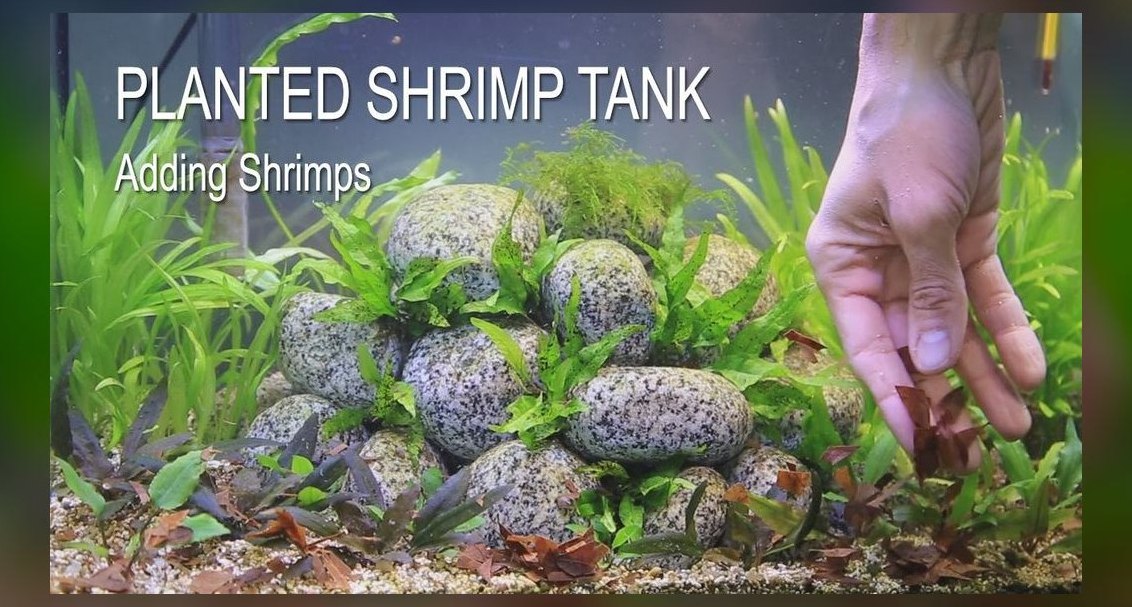 pulse-aquariumsHow do you set up a shrimp-only aquarium in 2027?
 pulse-aquariumsTop 10 Auto Top-Off Systems for Saltwater Tanks in 2027
 pulse-aquariumsTop 10 Reef-Safe Tangs for Saltwater Aquariums in 2027
 pulse-aquariumsTop 10 Protein Skimmers for Nano Reefs in 2027
 pulse-aquariumsHow do you lower pH in a freshwater aquarium naturally in 2027?
 pulse-aquariumsHow do you set up a low-tech planted shrimp tank in 2027?
 pulse-aquariumsTop 10 Aquarium Wave Pump Brands in 2027
 pulse-aquariumsTop 10 Aquarium Air Pumps in 2027
 pulse-aquariumsHow do you keep aquarium plants from melting after planting in 2027?
 pulse-aquariumsHow do you lower nitrates in a reef tank in 2027?