 Pulse Reviews and Analysis
My Thoughts: Top 10 Best Towns to Live in the Rocky Mountains

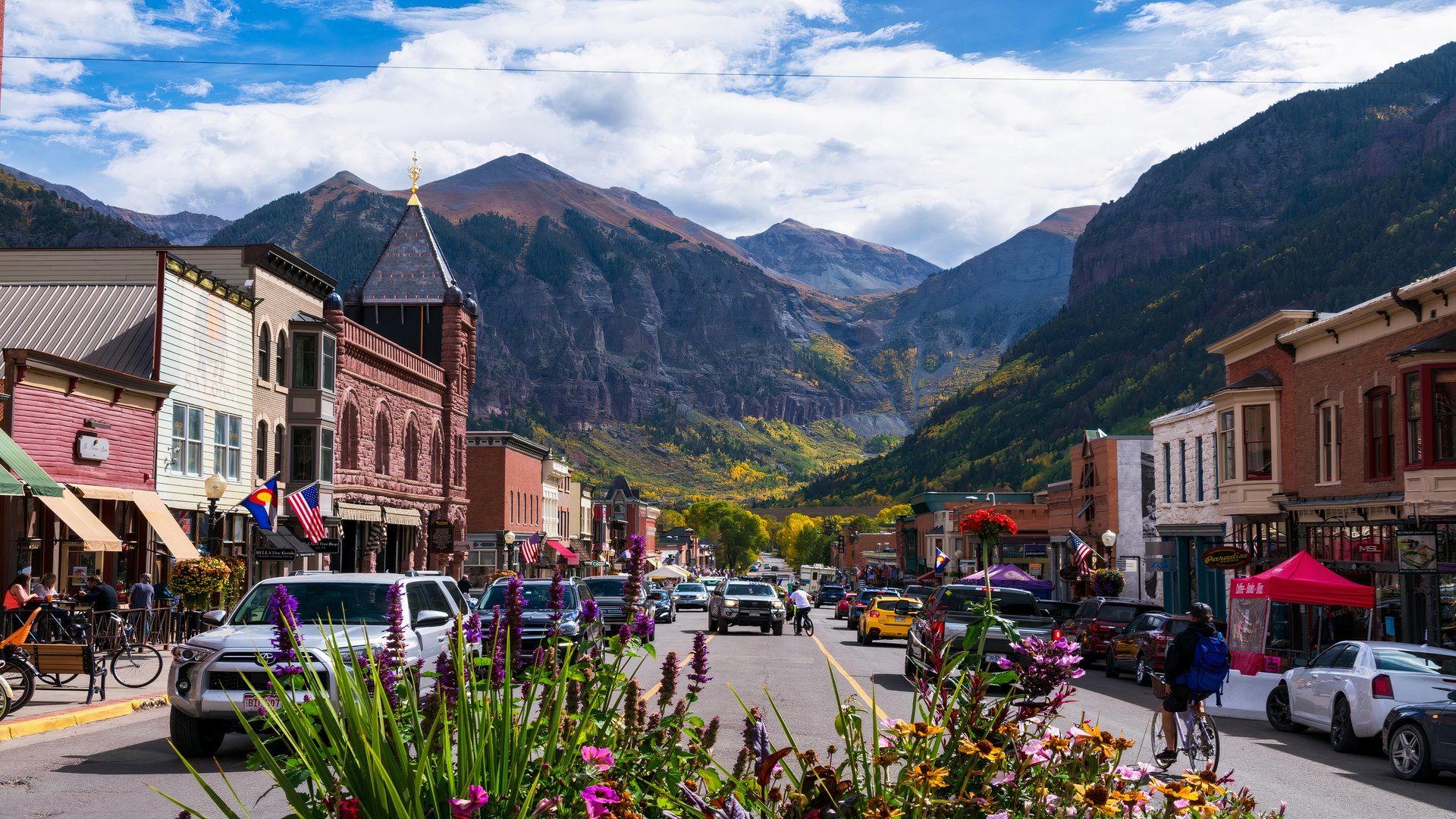
The Rockies Manifesto: Where to Stake Your Claim in Mountain Town America
I've spent 25 years watching people move to the Rocky Mountains. Some thrive. Others wash out within two years, broke and bitter, having bet everything on a ski town that had no jobs and a $1.5 million median home. I'm Kory White, and I've seen the pattern repeat like a bad avalanche forecast. This isn't a listicle. This is your survival guide.
Here's the truth that no Instagram reel will tell you: Boulder, Colorado is the best overall town in the Rockies, and it's not close. Three hundred days of sunshine, the Flatirons rising above your morning coffee, and a tech and research job market that lets you actually afford to live there.
That's the trifecta. But Boulder's median home at $850,000 is a gut check. The real value play?
Missoula, Montana — a genuine university town with rivers, trails, and a median home around $480,000. That's the best quality of life per dollar in the entire region.
How I Ranked These Towns (And Why Most Lists Get It Wrong)
The typical "best mountain towns" list is a tourism board's fantasy. I built this for outdoor-minded professionals, families, and remote workers who need trail access out the back door, real four-season recreation, and a community that values the mountains over the next lift ticket.
I weighed six factors using hard data from the U.S. Census Bureau, Zillow, BestPlaces, Niche, Realtor.com, and Livability:
- Outdoor recreation and trail access — 25%. If you can't hike from your front door, what are we even doing here?
- Home affordability and cost of living — 25%. Beautiful mountains don't pay the mortgage.
- Jobs and remote-work fit — 20%. You need income, whether local or remote.
- Safety and quality of life — 15%. Because crime stats matter more than snowfall totals.
- Amenities, dining, and downtown — 10%. You'll get tired of cooking eventually.
- Community feel — 5%. The intangibles that make a town a home.
A town with world-class skiing but no jobs and unaffordable homes drops fast. One with a strong economy but no trail access misses the point. The winners balance all six.
1. Boulder, CO 🏆 BEST OVERALL
County: Boulder | Median home: $850,000 | Best for: Tech and research professionals who want elite outdoor access
Boulder is the most complete Rocky Mountain town for combining careers and mountain living. The University of Colorado, a cluster of federal research labs like NIST, NOAA, and NCAR, and a dense tech and startup scene give it one of the most educated workforces in the country. Population: about 105,000.
The Flatirons rise directly above town, with the Boulder Creek Path, Chautauqua, and thousands of acres of open space offering trail access from nearly any neighborhood. Pearl Street anchors a walkable downtown packed with restaurants and breweries. The catch is cost — a median home near $850,000 makes it the priciest pick here — but no other town pairs this caliber of jobs with this quality of outdoor access.
Pros: Deep tech, startup, and federal-research job market; trail and open-space access from nearly every neighborhood; walkable Pearl Street dining and brewery scene; 300-plus days of sunshine and an active outdoor culture. Cons: Median home near $850,000 is the highest on this list; traffic and growth pressure have increased.
Verdict: Boulder wins on balance — the rare Rocky Mountain town with elite jobs and world-class trail access out the back door.
2. Bozeman, MT
County: Gallatin | Median home: $720,000 | Best for: Professionals and families who want a fast-growing mountain town near Yellowstone
Bozeman has become the Mountain West's hottest growth story, anchored by Montana State University, a booming tech and outdoor-industry scene, and proximity to Yellowstone National Park 90 minutes south. Population: about 57,000 and climbing fast. Bridger Bowl skiing, blue-ribbon trout rivers, and the Gallatin Valley's trails define daily life.
Downtown Main Street offers a strong restaurant and brewery scene. Rapid growth has pushed the median home near $720,000, the main trade-off, but the combination of university jobs, a young population, and unmatched access to public land keeps Bozeman near the top.
Pros: Fast-growing tech and outdoor-industry job market; 90 minutes to Yellowstone and elite trout fishing; Montana State University keeps the town young; Bridger Bowl skiing and abundant valley trails. Cons: Home prices near $720,000 have risen sharply; rapid growth has strained housing and infrastructure.
Verdict: A superb pick for the growth-minded mountain professional — university jobs and Yellowstone access in one booming town.
3. Park City, UT
County: Summit | Median home: $1,300,000 | Best for: Skiers and remote professionals who want world-class slopes 40 minutes from a city
Park City is the premier ski town on this list, home to the largest ski resort in the United States and the host of the Sundance Film Festival. Population: about 8,500, but it lives much larger thanks to tourism and second-home owners. Its standout perk is access: world-class skiing in town and Salt Lake City's airport and tech jobs just 40 minutes away via the canyon.
Historic Main Street offers an upscale dining and nightlife scene rare for a town its size. The trade-off is cost — a median home near $1.3 million makes it the most expensive pick — but for serious skiers with means or remote income, nothing matches the access.
Pros: Largest ski resort in the United States in town; 40 minutes to Salt Lake City jobs and airport; upscale Historic Main Street dining and nightlife; host of the Sundance Film Festival. Cons: Median home near $1.3 million is the highest here; tourist crowds peak in ski season.
Verdict: The premier ski town — unbeatable slope and city access if your budget or remote income can clear the price.
4. Fort Collins, CO
County: Larimer | Median home: $560,000 | Best for: Families and professionals who want a college town with real careers
Fort Collins delivers a vibrant college-town economy with strong outdoor access at a friendlier price than Boulder. Colorado State University anchors research, agriculture, and tech jobs, and the city is a craft-beer capital with more than 20 breweries, led by New Belgium. Population: about 170,000.
Horsetooth Reservoir and the foothills trails sit minutes west, and the Poudre River offers paddling and fishing. Old Town is one of the most charming walkable downtowns in the Rockies. With a median home near $560,000, Fort Collins offers much of Boulder's quality of life for meaningfully less money.
Pros: Colorado State anchors research, tech, and agriculture jobs; more affordable than Boulder at a $560,000 median; craft-beer capital with 20-plus breweries; charming, walkable Old Town and nearby foothills trails. Cons: Less dramatic high-mountain terrain than resort towns; growth has pushed prices steadily upward.
Verdict: The college-town value play — much of Boulder's appeal with home prices that pencil out for families.
5. Durango, CO
County: La Plata | Median home: $620,000 | Best for: Outdoor enthusiasts who want a four-season recreation hub
Durango sits in Colorado's southwest corner as a four-season recreation hub with genuine small-town character. Population: about 20,000. Purgatory ski resort, world-class mountain biking, the Animas River for rafting, and access to the San Juan Mountains make it a recreation magnet.
Fort Lewis College and a tourism-and-healthcare economy anchor the jobs. The historic downtown and the Durango & Silverton narrow-gauge railroad give it a distinct identity. A median home near $620,000 reflects its desirability, and the remote location is a trade-off, but for pure four-season recreation, Durango is elite.
Pros: Four-season recreation hub with skiing, biking, and rafting; access to the dramatic San Juan Mountains; historic downtown with strong character; Fort Lewis College adds a youthful base. Cons: Remote location means long drives to major airports; median home near $620,000 is high for the area's wages.
Verdict: The four-season recreation pick — elite outdoor access wrapped in a historic, character-rich downtown.
6. Jackson, WY
County: Teton | Median home: $1,500,000 | Best for: Affluent professionals who want Grand Teton access and no state income tax
Jackson sits in the shadow of the Grand Tetons, with Grand Teton and Yellowstone National Parks, Jackson Hole Mountain Resort, and the Snake River all at hand. Population: about 11,000. Wyoming levies no state income tax, a significant draw for high earners.
The recreation and natural setting are arguably the best on this list. But Jackson is also the most expensive housing market in the country relative to local wages, with a median home near $1.5 million, and a large share of the workforce commutes from Idaho. For affluent professionals or remote workers, the combination of unmatched scenery and no income tax is powerful.
Pros: Grand Teton and Yellowstone access from town; no Wyoming state income tax benefits high earners; Jackson Hole Mountain Resort and Snake River recreation; arguably the most dramatic setting on the list. Cons: Median home near $1.5 million is extreme for local wages; many workers commute long distances due to housing costs.
Verdict: The scenery-and-tax pick — unmatched Teton access with no income tax, if your budget can reach it.
7. Steamboat Springs, CO
County: Routt | Median home: $1,050,000 | Best for: Skiers and families who want a ski town with genuine community
Steamboat Springs blends a major ski resort with an authentic ranching-town character that many resort towns have lost. Population: about 13,000. Steamboat Resort is known for its "Champagne Powder," and the town's natural hot springs, Yampa River, and nearby trails round out four-season recreation.
Downtown keeps a genuine western feel, and the community is famous for being family-friendly. The economy leans on tourism and healthcare. A median home near $1.05 million reflects resort-town pricing, but Steamboat's authentic community feel sets it apart from glitzier peers.
Pros: Steamboat Resort's famous "Champagne Powder" skiing; authentic western ranching-town character; natural hot springs and Yampa River recreation; family-friendly community reputation. Cons: Median home near $1.05 million reflects resort pricing; remote location with limited flight options.
Verdict: The community-first ski town — major-resort skiing with a genuine, family-friendly western soul.
8. Whitefish, MT
County: Flathead | Median home: $750,000 | Best for: Outdoor families who want Glacier National Park as their backyard
Whitefish is a charming northern Montana town that serves as a gateway to Glacier National Park, 30 minutes east. Population: about 8,500. Whitefish Mountain Resort delivers skiing in town, Whitefish Lake anchors summer recreation, and the Amtrak Empire Builder stops downtown, a rare rail link.
The walkable downtown punches above its size for dining and shops. The economy leans on tourism, healthcare, and remote work. A median home near $750,000 reflects its growing popularity, but for families who want a real four-season recreation town with Glacier next door, Whitefish is hard to beat.
Pros: Gateway to Glacier National Park, 30 minutes away; Whitefish Mountain Resort skiing in town; Whitefish Lake for summer recreation; walkable downtown with an Amtrak rail link. Cons: Median home near $750,000 has risen with popularity; northern location means long, cold winters.
Verdict: The Glacier-access pick — a charming four-season town with a national park as your backyard.
9. Coeur d'Alene, ID
County: Kootenai | Median home: $530,000 | Best for: Families who want lake-and-mountain living near a small city
Coeur d'Alene offers a distinctive blend of lake living and mountain access in the Idaho panhandle. Population: about 56,000, making it one of the larger towns on this list. Lake Coeur d'Alene anchors summer recreation — boating, paddling, and beaches — while Silver Mountain and nearby ski areas cover winter.
The town sits 30 minutes from Spokane, WA, adding a real airport, hospitals, and a broader job market. With a median home near $530,000, it is more affordable than the Colorado and Montana resort towns. The economy leans on tourism, healthcare, and a growing remote-work base.
Pros: Lake-and-mountain living with year-round recreation; 30 minutes to Spokane's airport, jobs, and hospitals; more affordable than resort towns at $530,000 median; larger town with full amenities and services. Cons: Summer tourism crowds the lakefront; fewer high-paying local careers without commuting.
Verdict: The lake-and-mountain value pick — four-season recreation and city access at a friendlier price.
10. Missoula, MT 💎 BEST VALUE
County: Missoula | Median home: $480,000 | Best for: Professionals and families who want the best quality of life per dollar
Missoula is the value champion of this list. The University of Montana anchors a genuine year-round economy in education, healthcare, and a growing tech base, giving it more job depth than the resort towns. Population: about 77,000, the largest here, and it skews young.
Three rivers meet in town, blue-ribbon trout fishing and the famous Blackfoot River sit nearby, and Snowbowl delivers skiing 20 minutes away. With a median home near $480,000 — well below the region's resort towns — Missoula offers real mountain living without resort-town prices. The walkable downtown and riverfront trails round out a strong quality of life.
Pros: Lowest median home among full-service towns at roughly $480,000; University of Montana anchors a real year-round economy; three rivers, blue-ribbon fishing, and Snowbowl skiing nearby; walkable downtown with riverfront trails. Cons: Smaller job market than Boulder or Bozeman; winters are long and cold.
Verdict: The value champion — the best quality of life per dollar, with a real economy and mountain access at a livable price.
Your Decision Tree
Start with what matters most. If you want best jobs and careers, route to tech and research through Boulder or Bozeman, or university town value through Fort Collins or Missoula. If world-class skiing is your priority, high budget points to Park City or Jackson, mid budget to Steamboat or Whitefish.
Lowest cost of living? Missoula or Coeur d'Alene. National park access?
Whitefish or Jackson. Lake and mountain mix? Coeur d'Alene.
What I've Learned to Look For
Year-round economy versus seasonal tourism — resort towns can have thin off-season job markets and high costs. University and tech towns like Missoula, Fort Collins, and Boulder offer steadier careers. Home price versus local wages — several resort towns have median homes far above what local salaries support.
Confirm whether your income — remote or local — actually clears the mortgage. Airport and medical access — remote towns can mean long drives for flights and specialist care. Coeur d'Alene through Spokane and Boulder through Denver offer easy access; Durango and Jackson do not.
Real four-season recreation — confirm the town delivers in summer and winter, not just ski season. Rivers, trails, and lakes matter as much as the resort. Winter severity and elevation — northern Montana and high-elevation Colorado towns have long, hard winters.
Be honest about whether you want that. No-income-tax states — Wyoming's lack of income tax can meaningfully benefit high earners.
What matters less than marketing implies: a resort's snowfall bragging rights, "best ski town" magazine awards, and trophy-home photos. A steady job, a mortgage you can carry, and real four-season access will shape your life in the Rockies far more than any single resort's marketing.
The Bottom Line
For Rocky Mountain living, Boulder, CO is our Best Overall town — a deep tech and research job market, trail access from nearly every neighborhood, and a walkable downtown under the Flatirons. Missoula, MT is our Best Value, pairing a real university-anchored economy with rivers, trails, and nearby skiing at a median home near $480,000.
If your priority is world-class skiing, national-park access, no income tax, or lake-and-mountain living, route yourself to Park City, Whitefish, Jackson, or Coeur d'Alene instead. Match the town to a steady income and a mortgage you can carry, and the mountains will reward the move for decades.
Here's the hard truth I've learned in 25 years: The Rockies don't care about your dreams. They care about your budget, your job, and your tolerance for cold. Get those three right, and the mountains will give you everything you came for. Get them wrong, and you'll be another statistic moving back to the flatlands.
*This is the kind of straight talk you'll find at PULSE and inside the CRO Syndicate — where we stop pretending and start building real lives in the places that matter.*
*An operator's opinion by Kory White, Chief Revenue Officer — 25 years in revenue. More at PULSE · CRO Syndicate*