
Should I open or buy a Diesel Barbershop franchise in 2027?
 Curated byKory White · Fractional CRO · Maryland
 PULSEKNOWLEDGE LIBRARY
Quality
Certified
Open a new Diesel Barbershop only if you have roughly $200,000–$450,000 in total investment capacity and can recruit barbers in your market; buy an existing shop if you want proven revenue and staff on day one. Opening costs less and lets you pick the site. Buying costs more but skips the ramp.
Buying an existing shop versus opening a new one
These are two genuinely different businesses wearing the same brand, and the mistake most first-time franchise buyers make is treating the choice as purely financial. It is not. It is a choice about which risk you would rather carry: build risk or inherited risk.
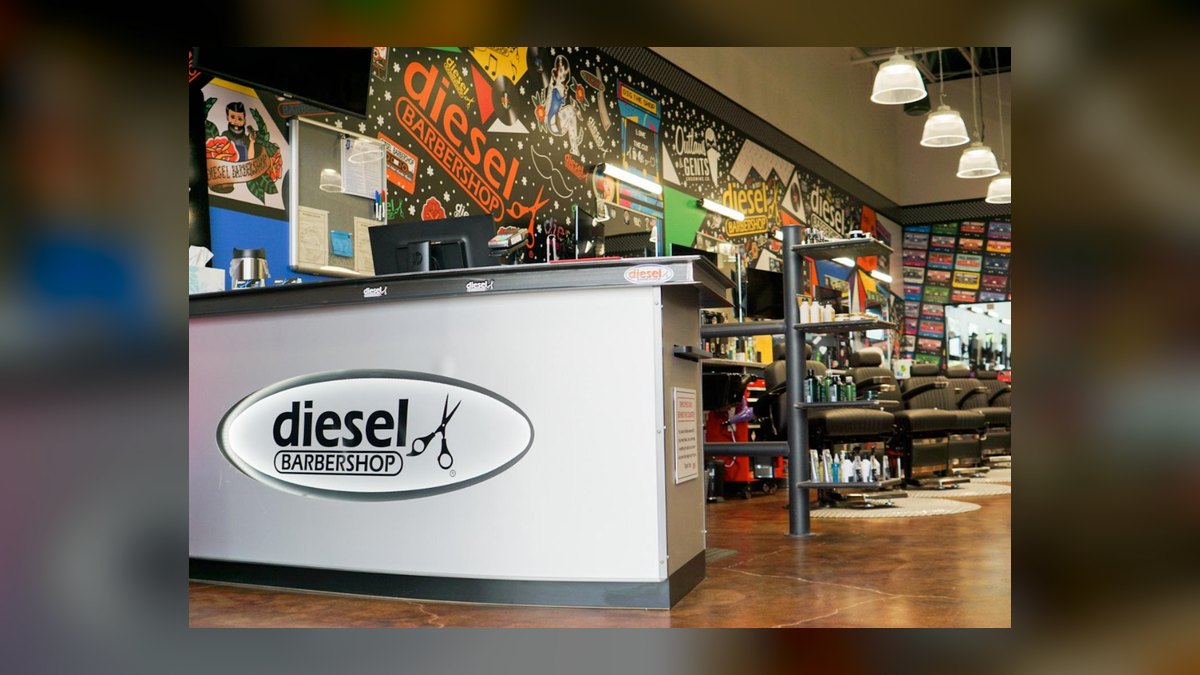
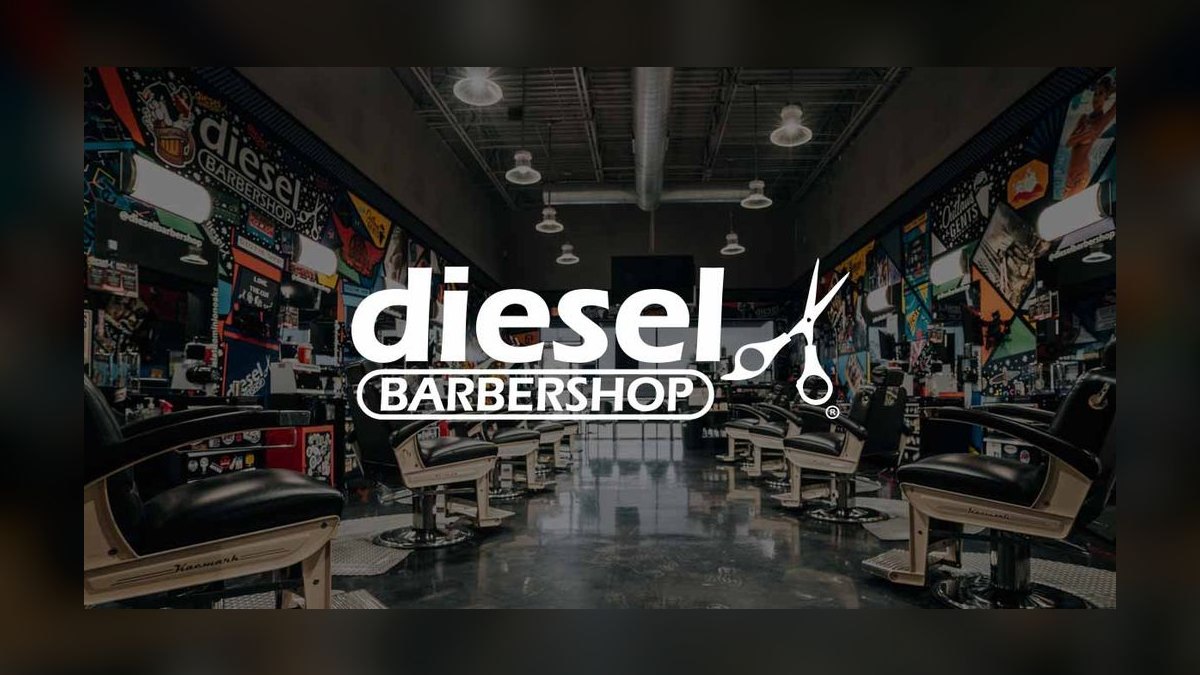
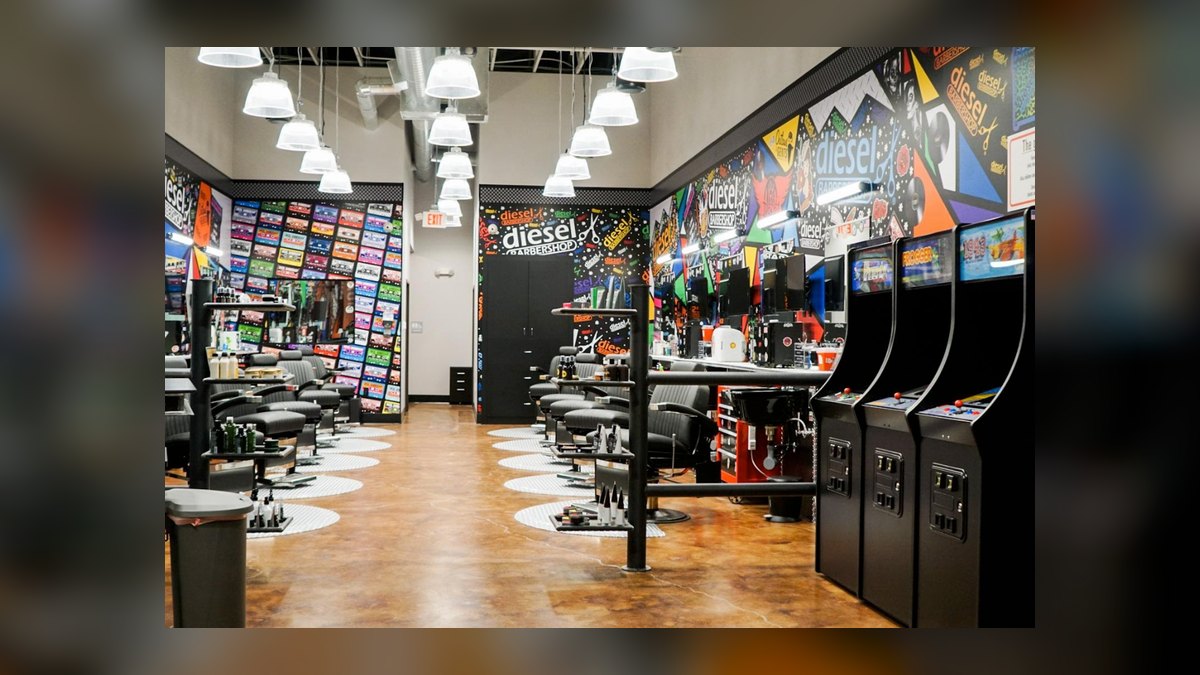
Opening a new Diesel Barbershop means you sign a franchise agreement, pay the initial franchise fee, secure a site, negotiate a lease, build out roughly 1,400–2,000 square feet into the brand's industrial-garage aesthetic, hire a full barber crew from scratch, and then spend somewhere between six and eighteen months building a book of recurring clients. Your total investment sits in the low-to-mid six figures. Your revenue on opening day is zero. Your risk is concentrated in two places: whether you picked the right site, and whether you can staff it. Everything else — buildout costs, permitting delays, equipment — is knowable in advance and largely controllable.
The upside of opening is control. You choose the trade area rather than inheriting someone else's mistake. You set the culture from the first hire, which matters enormously in a business where barbers are the product. You get a new lease, which means you know exactly how many years of term you have and what the escalations look like. And you pay the lower number: a new build is generally cheaper than buying a comparable shop that is already producing, because you are not paying anyone for the work of getting it there.
Buying an existing Diesel Barbershop flips every one of those. You inherit a revenue stream, a client list, a trained crew, and a location that has already been tested by the market. If the shop is doing real volume, you can underwrite the deal against actual profit-and-loss statements rather than projections, which is the single biggest analytical advantage available to you. Lenders like this too — an SBA 7(a) loan against a business with three years of tax returns is a much easier conversation than one against a concept.
But you also inherit everything you cannot see. You inherit the remaining lease term, which may be four years or may be fourteen months. You inherit deferred maintenance on chairs, HVAC, plumbing, and point-of-sale hardware. You inherit staff who signed on with a different owner and may leave when that owner does. Most dangerously, you inherit whatever relationship exists between the barbers and their clients — and if the selling owner was also the shop's most productive barber, or if two senior barbers are quietly planning to open their own place down the street, the revenue you just paid a multiple for can evaporate inside a quarter.
There is a third path worth naming, because experienced multi-unit operators use it constantly: buying a distressed or underperforming existing shop. This is not the same as buying a healthy one. You are paying close to asset value for a built-out space, a lease, and a brand license, and you are betting that the problem was the operator rather than the market. This can be the highest-return version of the deal, but only if you can diagnose the failure honestly. If the shop failed because of bad management, bad scheduling, or bad barber retention, you can fix that. If it failed because the trade area does not contain enough men in the target demographic, no amount of operating skill saves you, and you have just bought a very expensive lease obligation.
The decision framework, step by step
Work through the decision in a fixed order, because the sequence prevents you from falling in love with a specific shop before you have validated the underlying model for yourself. The order below is deliberate: capital first, because it eliminates options; then operator fit; then market; then the specific deal.
Step one — establish your true capital position. Not what you could borrow at the outside, but what you can put at risk and still sleep. Add the total project cost plus a working-capital reserve that covers six months of full operating expenses with zero revenue. If your capital number cannot absorb both, you are not ready for either path, and the honest answer is to wait a year or raise a partner.
Step two — assess operator fit. The Diesel model does not require you to hold a barber license, because you are not the one cutting hair. It requires you to be a recruiter and a manager of independent-minded skilled tradespeople. Ask yourself, plainly: have you ever successfully hired, trained, and retained a team of ten to fifteen people whose skills you do not personally possess? If the answer is no, the buy path is safer, because you inherit a functioning crew and can learn on a moving vehicle rather than a stationary one.

Step three — validate the market independently. Do not rely solely on the franchisor's territory analysis. Count the competing premium men's grooming options within a two-mile and five-mile radius yourself. Look at the density of men aged roughly 18–45 in the trade area, household income, and the presence of the anchors this brand feeds off: universities, large employers, gyms, breweries, and dense young-professional housing.
Step four — read the Franchise Disclosure Document properly, and call franchisees. Item 7 gives you the investment range. Item 19, if the franchisor publishes one, gives you the financial performance representation. Item 20 gives you the list of current and former franchisees — and the former ones are the most valuable phone calls you will make. Call at least ten current owners and every former owner you can reach.
Step five — only then evaluate a specific deal, whether that is a site for a new build or a resale package for an existing shop.

The framework has one hard stop built into it, and you should respect it: if you cannot answer the barber-recruiting question affirmatively, neither path works. This is a labor-dependent business in a labor-constrained trade. Everything else on the page is downstream of that one constraint.
The numbers behind each path
Here is where the two options separate financially. Treat every figure below as a planning range to be replaced with the actual numbers from the current Franchise Disclosure Document and, for a resale, the seller's tax returns.
Opening a new shop. The published total investment for a Diesel Barbershop lands in the range of roughly $200,000 to $450,000, with an initial franchise fee in the $35,000–$45,000 band. The dominant line item is the buildout: converting a raw or second-generation retail space into the brand's industrial look — exposed surfaces, metal fixtures, reclaimed wood, barber stations, chairs, mirrors, televisions, refreshment setup — commonly consumes $100,000 to $240,000 of the total. Signage and interior decor add another meaningful chunk. Rent on 1,400–2,000 square feet varies enormously by market, but a useful planning band is $3,000 to $12,000 per month, and you should assume you are personally guaranteeing that lease.

Ongoing fees are a royalty of roughly 6% of gross sales plus a marketing contribution of about 2%. That 8% comes off the top before you pay a single barber, so build it into your model as a fixed drag rather than a variable you can negotiate later.
What a mature shop looks like. Established Diesel locations have been described as grossing in the range of $450,000 to over $1,000,000 annually, with owner earnings commonly falling between $70,000 and $200,000 per shop. Work an illustrative middle case at $650,000 in annual revenue:
- Barber labor at roughly 42% of revenue: about $273,000
- Occupancy at roughly 13%: about $84,500
- Royalty plus marketing at 8%: $52,000
- Products, supplies, insurance, and other operating expense at roughly 15%: about $97,500

That leaves roughly $144,000 before debt service and before any salary you pay a general manager. If you are financing $300,000 at commercial rates over ten years, your debt service consumes a meaningful slice of that, and if you are absentee and paying a manager $55,000–$70,000, most of the rest goes with it. The honest read: a single shop produces a good owner-operator income and a thin passive income. Multi-unit is where the returns actually compound, because the general-manager cost gets amortized across shops and your buying power on products improves.
Buying an existing shop. Small service businesses of this type typically trade on a multiple of seller's discretionary earnings — often somewhere in the range of two to three and a half times, with the multiple pushing higher for shops with long lease terms, low owner involvement, and stable staff, and lower for owner-dependent shops with short leases. Apply that to the illustrative case above: a shop generating $144,000 in discretionary earnings might be priced somewhere in the $290,000 to $500,000 range, plus the franchisor's transfer fee and your legal and diligence costs.
Compare the two directly. Opening at $325,000 gets you a shop worth roughly nothing on day one and perhaps $400,000 in enterprise value in year three, if you execute. Buying at $400,000 gets you $144,000 of earnings starting in month one, but you have paid for the ramp and captured none of the build-value creation. The buy path has a shorter, more certain payback; the open path has a higher return on capital if — and only if — you execute the ramp well.

The labor math that drives everything. A productive barber generates meaningful service revenue per hour and typically takes 45–60% of it as commission, with tiering by seniority a common structure. The invisible cost is turnover. When a barber with thirty regular clients leaves, a substantial share of those clients follow them, and you are simultaneously paying to recruit, onboard, and ramp a replacement. Franchise-barbershop turnover in the 30–50% annual range is not unusual, which is why owners running above 80% retention consistently sit at the top of the earnings distribution. Budget explicitly for retention — continuing education, tiered commissions, performance bonuses, a stipend toward benefits — and treat it as revenue protection rather than overhead.
Pricing. Plan on a premium haircut price point, with beard trims and hot towel shaves as attach services and retail product as margin. Position roughly 15–25% above the average local barbershop to signal quality without pushing customers toward the value chains. Retail product sales are the most commonly under-managed profit lever in the entire model; a shop that trains barbers to recommend product can add several points of margin without adding a single chair.
Sequencing the deal and the first year
Whichever path you choose, the sequencing below keeps you from spending real money before you have earned the right to.
Days 1–20: document diligence. Request the Franchise Disclosure Document. Federal law requires you to receive it at least 14 calendar days before you sign anything or pay any money, so use that window rather than treating it as a formality. Read Item 7 (estimated initial investment), Item 6 (other fees), Item 19 (financial performance representation, if provided), Item 12 (territory), and Item 20 (outlet and franchisee information, including the list of former franchisees). Have a franchise attorney — not your general business attorney — review the agreement itself.
Days 21–40: operator validation calls. Call at least ten current franchisees and every former franchisee you can reach. Ask specific questions: What did your buildout actually cost versus the Item 7 estimate? How long until you hit break-even cash flow? What is your barber turnover? What does the franchisor actually do for you? What would you do differently? A ten-minute call with a former franchisee is worth more than any brochure.
Days 41–60: market and site validation. For a new build, this is drive-time analysis, competitor counts, and physical observation of the site at the hours you would actually be open. For a resale, this is where you get serious about the financials — three years of tax returns, monthly point-of-sale reports, the current lease with all amendments, a schedule of equipment with ages, and a barber roster with tenure and production per barber.
Days 61–100: financing, lease, and buildout or closing. SBA 7(a) financing is the standard route for franchise acquisitions and commonly requires a 10–20% equity injection with personal guarantees and often a lien on real estate you own. Expect 60–90 days from application to funding, so start earlier than feels necessary. On a new build, this window covers permitting — the phase that most reliably runs late — plus contractor selection, equipment orders, and the beginning of recruiting.
Days 101–130: staffing and pre-open. Recruiting barbers takes longer than anyone plans for. Start six to eight weeks before you need people. Recruit through barber schools, local barber networks, and direct outreach to barbers at competing shops whose work you admire. Run soft-open days before the public open so the crew works the systems with real clients at low stakes.
The resale-specific work that people skip. Before closing on an existing shop, meet the barbers individually and privately, with the seller's permission. Ask each one directly whether they intend to stay. Consider retention bonuses payable at six and twelve months post-close, funded out of the purchase price if you can negotiate it. Structure part of the consideration as a seller note or earnout tied to revenue retention — this aligns the seller's interest with a clean handoff and gives you recourse if the crew walks. Verify the franchisor will approve the transfer before you spend money on diligence; franchise agreements almost always require consent, and the franchisor may require you to sign the current agreement rather than assume the seller's older, possibly more favorable, one.
The first-year operating priorities. Whichever path you took, year one comes down to three things. First, barber retention — track it monthly and treat any departure as an incident requiring a root-cause conversation. Second, rebooking and visit frequency — men's haircuts recur naturally on a two-to-four-week cycle, and a shop that captures that cadence has a far more predictable revenue line than one relying on random walk-ins. Third, local marketing, since the national fund handles brand but not your specific trade area: local search visibility, partnerships with nearby gyms and employers, community sponsorships, and social content featuring your barbers' actual work.
What kills these deals
The failure modes are consistent enough to list. Under-capitalization is the most common: owners who fund the buildout but not six months of operating losses find themselves cutting the retention budget in month four, which starts the barber exodus, which kills the revenue that would have funded the reserve. Site misfit is the second: this brand needs a specific demographic concentration, and a location that works for a value chain does not automatically work here. Absentee ownership too early is the third — the model can eventually support a general manager, but not in year one, and owners who buy a shop expecting passive income are consistently disappointed.
The fourth is subtler: treating the franchise agreement as a formality. Read the territory clause carefully. Understand the renewal terms, the transfer restrictions, the required remodel obligations, and what happens if you want to sell in year six. Those provisions determine your exit, and your exit is where most of the return in a franchise investment actually lives.
Related questions
Do I need a barber license to own a Diesel Barbershop franchise?
Generally no — the franchisee's role is recruiting, managing, and marketing, while licensed barbers perform services. However, state cosmetology boards vary, and some jurisdictions require a licensed individual on site or a shop license held by a licensee. Confirm your specific state's requirements before signing.
How long until a new shop reaches break-even cash flow?
Plan for 12 to 24 months, driven almost entirely by how fast you build recurring clients. Because men return every two to four weeks, each retained client compounds quickly — but a shop that churns barbers restarts that clock repeatedly. Fund a six-month operating reserve regardless of your projection.
Is a multi-unit deal better than a single shop?
Financially, usually yes — a general manager's cost amortizes across locations and purchasing improves. But do not commit to a multi-unit development schedule before you have operated one shop for a full year. Development agreements carry opening deadlines you can default on.
What if the existing shop's owner is also its top barber?
Then a significant share of the revenue you are buying is that person's book, and it leaves with them. Reprice the deal on earnings excluding their production, or require a transition period plus a non-solicitation agreement. Many resale deals fail on exactly this issue.
FAQ
What does it cost to open a Diesel Barbershop franchise?
Published figures put total investment in roughly the $200,000 to $450,000 range, including an initial franchise fee of about $35,000 to $45,000. The buildout for the 1,400–2,000 square foot industrial-themed space is the dominant cost. Verify current figures in Item 7 of the Franchise Disclosure Document, since ranges change year to year.
How much liquid capital and net worth do I need?
Most franchisors in this investment tier require liquid capital in the range of roughly $75,000 to $130,000 plus a net worth well above the total investment. The franchisor's current published requirements govern, and lenders will apply their own standards on top — an SBA 7(a) loan typically wants a 10–20% equity injection.
What are the ongoing fees?
A royalty of approximately 6% of gross sales plus a marketing fund contribution of roughly 2%. That combined 8% comes off gross revenue before labor and rent, so model it as a fixed drag. Expect to spend an additional 2–5% of revenue on local marketing the national fund does not cover.
Is it cheaper to buy an existing shop than to open one?
Usually no. A profitable existing shop trades at a multiple of its earnings, which typically exceeds the cost of a new build. You pay more to skip the ramp and eliminate site risk. Buying gets cheaper only when the shop is underperforming — and then you are buying an operating problem.
What is the single biggest operating risk?
Barber recruiting and retention. Departing barbers take clients with them, and turnover in franchise barbershops commonly runs 30–50% annually. Owners with retention above 80% consistently sit at the top of the earnings range. If you cannot recruit in your market, neither the open path nor the buy path works.
Can I run this as a passive investment?
Not in year one. A single shop generates a solid owner-operator income but thin passive income once you pay a general manager and service debt. Absentee ownership becomes realistic at two or more units, where management overhead amortizes and you have a bench of proven staff to promote from.
Sources
- https://www.dieselbarbershop.com/ — official brand site: locations, services, and franchise information
- https://www.ftc.gov/business-guidance/resources/consumers-guide-buying-franchise — FTC guide to the Franchise Rule and the 14-day FDD disclosure requirement
- https://www.sba.gov/funding-programs/loans/7a-loans — SBA 7(a) loan program terms, eligibility, and equity requirements
- https://www.franchise.org/ — International Franchise Association: industry data and franchising fundamentals
- https://www.franchisebusinessreview.com/ — independent franchisee satisfaction surveys and performance benchmarks
- https://www.entrepreneur.com/franchises — franchise rankings, investment ranges, and market analysis
- https://www.bls.gov/ooh/personal-care-and-service/barbers-hairstylists-and-cosmetologists.htm — Bureau of Labor Statistics data on barber employment, wages, and job outlook
- https://www.bizbuysell.com/ — small-business resale listings and valuation benchmarks for service businesses
- https://www.probeauty.org/ — Professional Beauty Association: state licensing and industry standards
Related on PULSE
- How Many Employees Should I Schedule Each Shift at My Barbershop?
- Should I open or buy a The Junkluggers franchise in 2027?
- Should I open or buy a Pak Mail franchise in 2027?
- Should I open or buy a PostNet franchise in 2027?
- Should I open or buy a Fish Window Cleaning franchise in 2027?
- Should I open or buy a Shine Window Care franchise in 2027?
This page will be disappearing soon. Save it to your device for $1 — or read it free while it is here.
@Kory-White- · if Venmo asks, the last 4 of my number are 2012
This page is gone.
This one is off the shelf now. $1 keeps it on your phone for good — the whole page, pictures and diagrams included.
 pulse-qHow Do I Calculate the Right Service Fee to Charge in 2026?
 pulse-qWhat Service Fees Should a Photography Business Charge in 2026?
 pulse-qHow Many Sales Reps Do I Need to Hire for My Dental Equipment Company in 2026?
 pulse-qWhat Service Fees Should a Junk Removal Company Charge in 2026?
 pulse-qShould I open or buy Domino's franchise or open an independent sandwich shop in 2027?
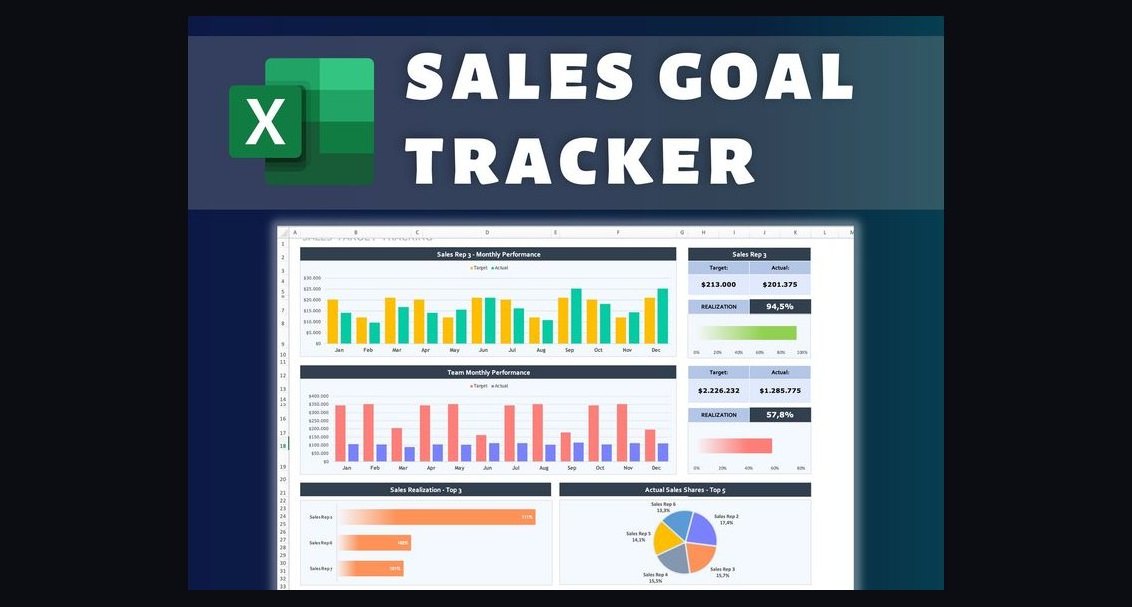 pulse-qHow Do I Make My Sales Goals Visible to the Whole Team in 2026?
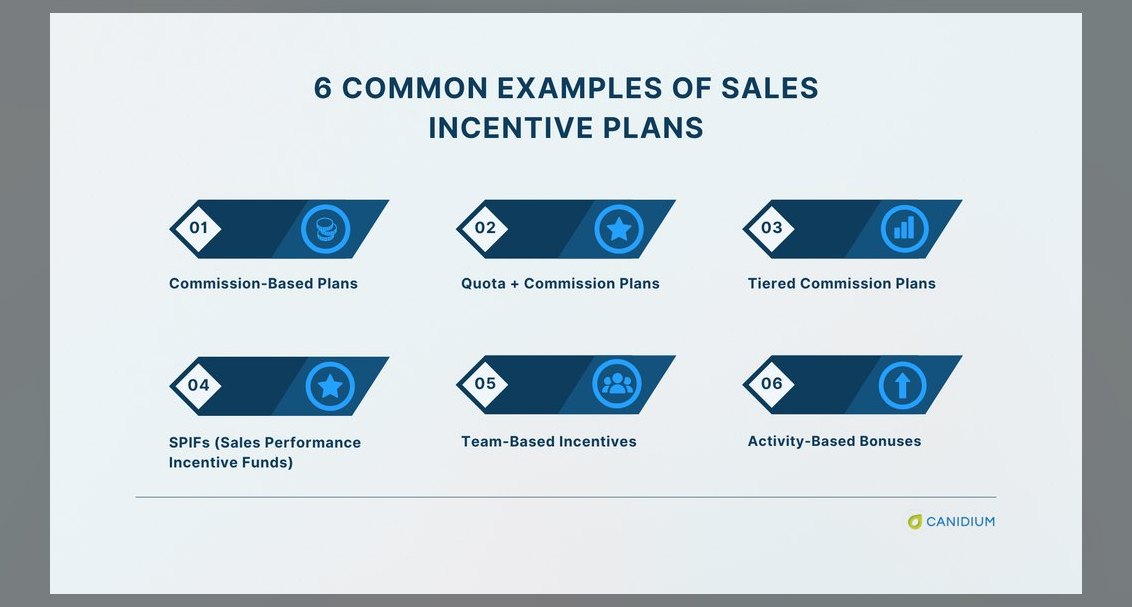 pulse-qHow Do I Set Attach Rates for My Service Fees in 2026?
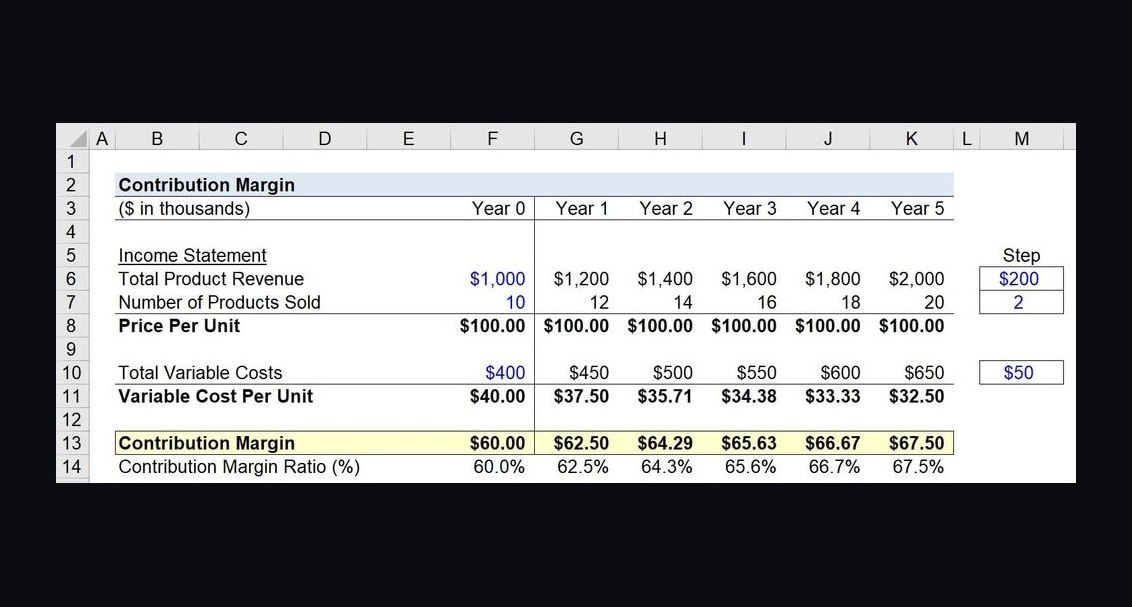 pulse-qHow Do I Make a Service Fee Tangible So It Adds Real Value in 2026?
 pulse-qShould I open or buy a Paul Davis Restoration franchise in 2027?
 pulse-qShould I open or buy a The Coder School franchise in 2027?