
Should I open or buy a Deka Lash franchise in 2027?
 Curated byKory White · Fractional CRO · Maryland
 PULSEKNOWLEDGE LIBRARY
Quality
Certified
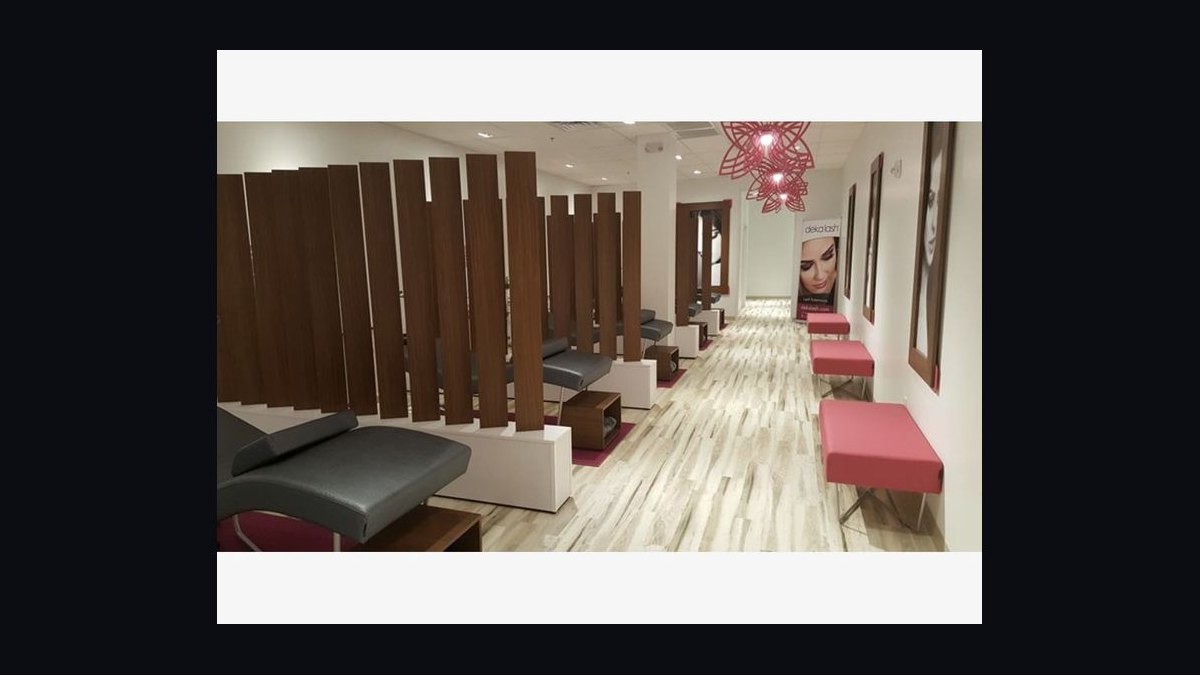
Opening a new Deka Lash franchise in 2027 could cost between $150,000 and $300,000 in total initial investment, while buying an existing location typically ranges from $50,000 to $200,000 depending on its performance and location. The choice depends on your preference for building a business from scratch versus taking over an established client base and operations. Both options require approval from the franchisor, and you should review the current Franchise Disclosure Document for the most accurate financial ranges.
You know that feeling when you're scrolling through franchise opportunities and your eyes glaze over? That was me two decades ago, staring at spreadsheets, wondering if I'd ever find a model that didn't require selling my firstborn to afford the entry fee. Then I stumbled into the beauty space, and something clicked. Let me walk you through what I've learned about Deka Lash — because if you're asking about 2027, you're thinking like an operator, not a dreamer.
---
The Short Version (For the Impatient)
Yes — if you're an operator who wants a lower-capital, membership-based eyelash-extension franchise. Deka Lash offers the recurring lash-membership model at a more accessible investment than some competitors. Founded in 2011, these are eyelash-extension and brow studios running on a monthly membership model (regular fills) in the growing beauty-self-care category. The 2026 FDD shows a franchise fee around $45,000, total Item 7 investment of roughly $150,000 to $350,000 (lower than some lash brands), a royalty near 6%, and a marketing fee. Mature studios gross $400,000-$1,000,000, with owners clearing $70,000-$200,000. The edge? A recurring membership model, lower capital entry, the growing lash market, and semi-absentee potential. The challenges? The same ones every lash franchise faces: recruiting/retaining skilled lash technicians and membership acquisition.
---
Let's Talk Real Numbers (No Fluff, I Promise)
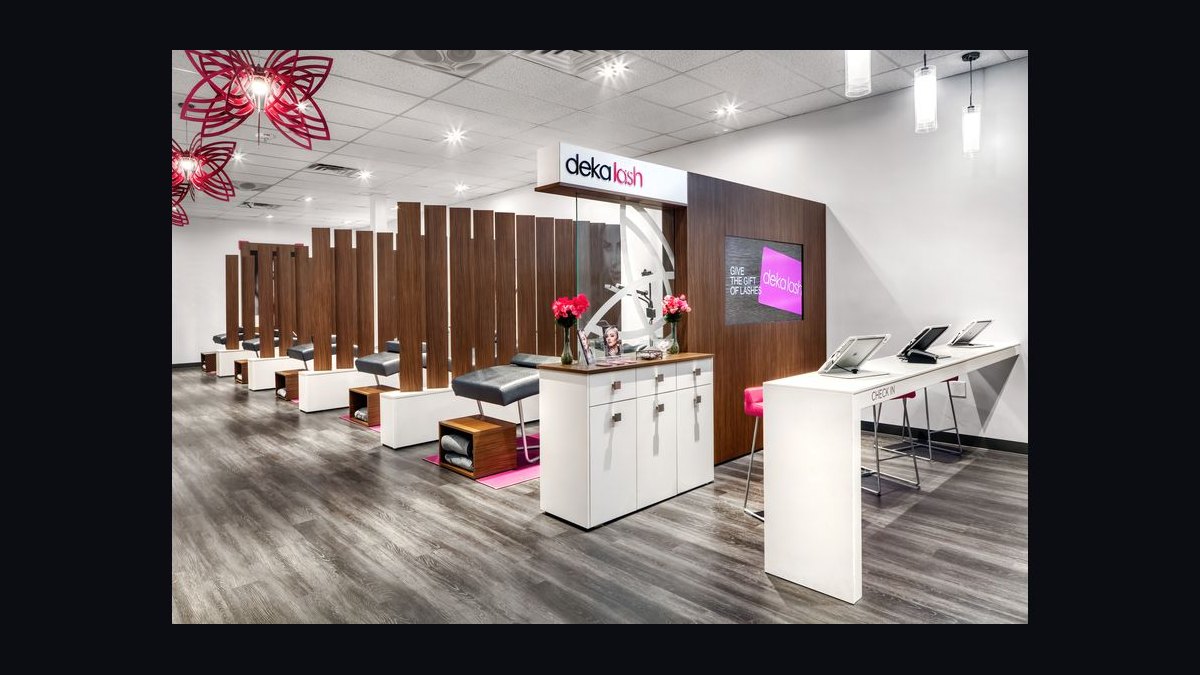
A Deka Lash studio leases 1,000-1,800 sq ft for a lash-extension studio running a monthly membership model. The lower capital entry (vs Amazing Lash or Lash Lounge) makes it a more accessible lash franchise. Here's the breakdown from the 2026 FDD — I've seen these numbers hold up across hundreds of franchise deals:
| Line Item | Low | High | Notes |
|---|---|---|---|
| Franchise fee | $45,000 | $45,000 | Non-negotiable, per FDD |
| Buildout / leasehold | $80,000 | $200,000 | Studio fit-out — negotiate hard |
| Equipment & fixtures | $25,000 | $60,000 | Lash stations, supplies |
| Signage & decor | $12,000 | $35,000 | Brand-prescribed, no shortcuts |
| Initial inventory | $6,000 | $18,000 | Lash supplies |
| Initial marketing | $20,000 | $50,000 | Membership pre-sale |
| Training & travel | $6,000 | $18,000 | Technician + ops training |
| Working capital | $25,000 | $70,000 | First 3-6 months |
| Total Item 7 | ~$150,000 | ~$350,000 | Per 2026 FDD — lower entry |
| Royalty | ~6% of gross | ||
| Marketing fee | ~2% of gross |
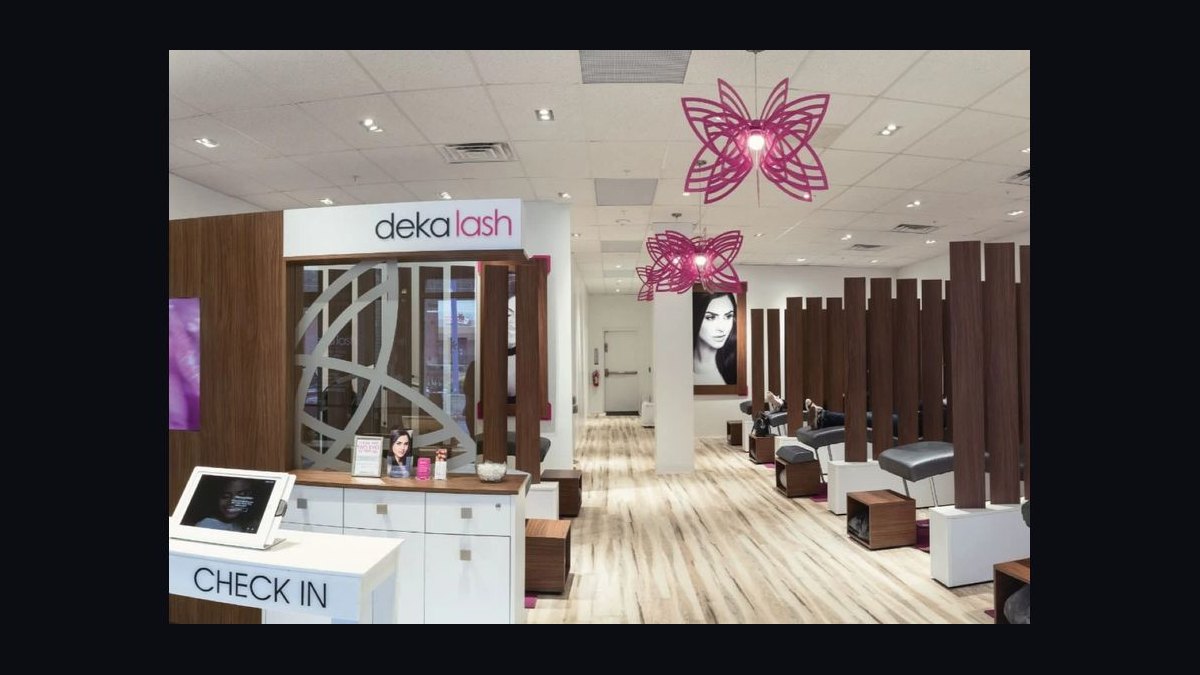
Revenue reality: mature studios gross $400K-$1M on recurring lash memberships (monthly fills) plus services and retail. With technician labor (35%-45%) and rent as main costs, owners clear $70K-$200K. The recurring membership model gives you predictable revenue (regular fills), and the lower capital entry improves return-on-investment. But here's the catch — and I've seen this break more operators than anything else — recruiting/retaining skilled lash technicians and membership acquisition are the real battles.
Let me show you what that $700K studio looks like on paper:
Gross Revenue $700K Studio → Less Technician Labor 40% = $280K → Less Rent & Supplies 18% = $126K → Less 6% Royalty = $42K → Less Marketing & Admin 16% = $112K → Owner Earnings ~$140K
That $140K depends entirely on two things: membership + skilled techs. Get both, and you're in the recurring beauty revenue sweet spot. Miss on techs, and you're capacity-limited before you even start.
---
Who Wins With This Business
Over my 25 years, I've seen the same profile succeed again and again:
- Capital required: $150K-$350K, with $70,000-$130,000 liquid — lower entry than most beauty franchises.
- Time commitment: business-hours; semi-absentee possible with a manager (but don't kid yourself about being totally hands-off).
- Skills: membership sales, technician recruiting/management, and marketing. If you can't sell memberships or keep techs happy, this isn't for you.
- Geographic fit: beauty-conscious, female-skewing suburban markets. Think affluent suburbs, not downtown.
- Lifestyle fit: semi-absentee-friendly with a strong manager. But "semi" means you're still involved — just not 60-hour weeks.
The winners are membership-and-staff-management-minded operators who want lash exposure at lower capital. If that sounds like you, keep reading.

---
Who Loses With This Business
And the flip side — I've seen these people lose their shirts:
- Owners who can't recruit/retain skilled lash technicians. This is the #1 killer.
- Those who can't build the membership base. Memberships are your oxygen.
- Operators in non-beauty or low-density markets. Don't open in a town that thinks mascara is a luxury.
- Weak-location studios. Location matters more than you think in beauty.
- Those expecting fully passive income. There's no such thing in franchise ownership.
---
2027 Market Conditions: What I'm Seeing
Here's what the landscape looks like heading into 2027:
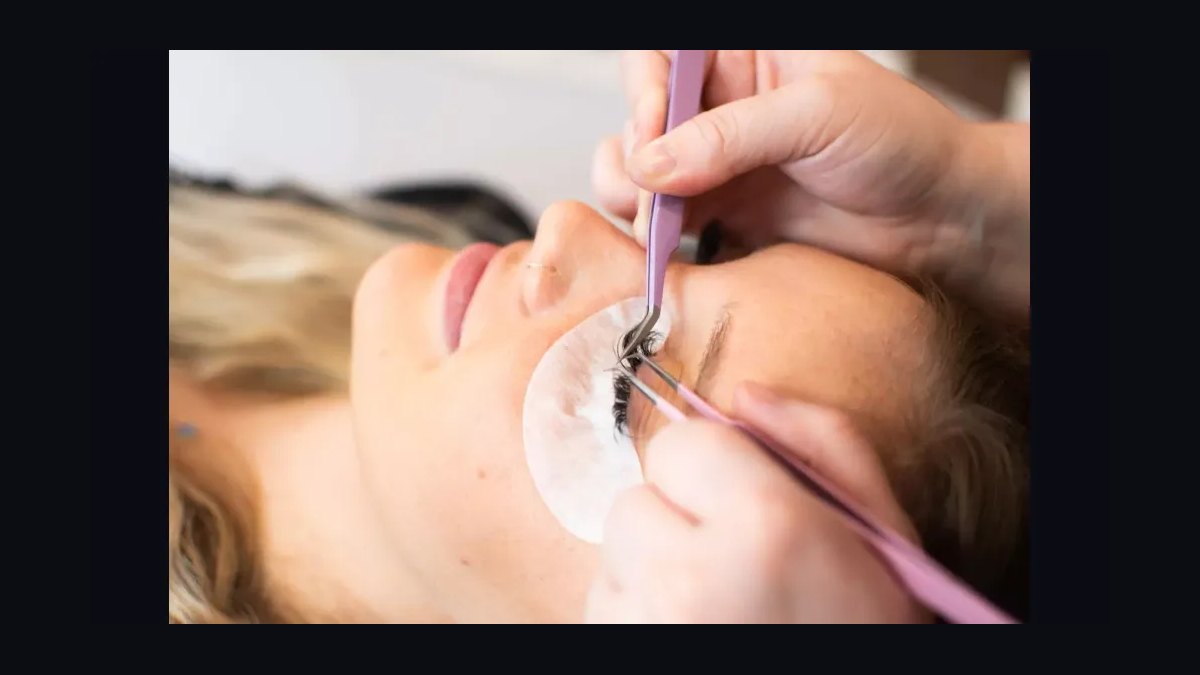
- Demand: eyelash extensions and beauty self-care are growing — durable, recurring spending. People don't cancel their lash fills during recessions.
- Lower capital: Deka Lash's accessible entry widens the operator pool — more competition, but also more opportunity.
- Recurring revenue: memberships (regular fills) build predictable income. This is the model's superpower.
- Technician scarcity: skilled lash technicians are the bottleneck. Find them, keep them, and you win.
- Competition: Amazing Lash, The Lash Lounge, independent studios, and salons. You're not alone out there.
---
Your 90-Day Decision Tree (The One I Wish I'd Had)
Here's the timeline I'd follow if I were doing this today:

- Day 1-15: Read the 2026 FDD and confirm the membership model and lower capital. Don't skip this — read every page.
- Day 16-30: Interview 8+ owners; ask about technician recruiting/retention, membership, and take-home. Be brutally honest with them.
- Day 31-45: Validate a beauty-conscious market. Drive around. Count the lash studios. Talk to women in the area.
- Day 46-65: Build the studio and recruit lash technicians. Start recruiting before you sign the lease.
- Day 66-85: Pre-sell founding memberships. Get those first 50 members before you open.
- Day 86-90: Open with a membership focus. Your first month sets the tone.
- Ongoing: grow memberships and retain skilled technicians. This never stops.
---
Alternative Plays (If Deka Lash Doesn't Fit)
Maybe Deka Lash isn't your match. Here are other options I've seen work:
- Amazing Lash Studio / The Lash Lounge — lash-studio competitors with higher capital requirements.
- Deka Lash multi-unit — scale the lower-capital model if you find your groove.
- European Wax Center / Waxing the City — waxing-membership beauty (in the Pulse library) — similar model, different service.
- Other beauty-membership franchises — adjacent recurring-beauty models worth exploring.
- Independent lash studio — full control, but no brand recognition or support.
- Other beauty/self-care franchises — broader category if lash isn't your passion.
---
The Questions I Get Asked Most
How is Deka Lash different from Amazing Lash or The Lash Lounge?
All are membership-based lash franchises. Deka Lash offers a lower capital entry ($150K-$350K) than some competitors, making it more accessible, while sharing the recurring membership model. Compare FDDs, capital, and support — Deka Lash suits operators wanting lash exposure at lower investment. But remember: all rely on technician retention and membership growth. The brand isn't the differentiator; your execution is.
How much does a Deka Lash owner make?
Owners clear $70,000-$200,000, on $400K-$1M gross, driven by the recurring membership base, with the lower capital improving return-on-investment. Technician recruiting/retention and membership growth drive the range. Many owners operate semi-absentee — but "semi" doesn't mean "no work."
What is the biggest challenge?
Recruiting and retaining skilled lash technicians — the central constraint for all lash franchises. Capacity depends on finding and keeping good technicians in a competitive labor market. Operators who excel at technician management scale; those who can't are capacity-limited. Membership acquisition is the other key factor — but techs come first.
Can I run it semi-absentee?
Yes, with a strong manager. The membership model and business-hours operation support semi-absentee ownership, though technician management and membership oversight remain important. The lower capital also lowers downside risk. It's manageable but requires active staff/membership attention — you're not buying a passive income stream.
Is the lash category durable?
Yes — eyelash extensions and beauty self-care are growing, durable categories with recurring spending (regular fills). Beauty spending is relatively resilient. The recurring membership model adds stability. Competition exists, so technician quality, membership, and market fit matter. This isn't a fad — it's a habit.
---
The Bottom Line (From Someone Who's Been There)
Open a Deka Lash if you want a membership-based eyelash franchise at a lower capital entry ($150K-$350K) than some competitors, with recurring revenue, the growing lash market, and semi-absentee potential, and you can recruit/retain skilled lash technicians. Its accessible capital and recurring model are genuine strengths. Skip it if you can't recruit/retain technicians, can't build memberships, or are in a non-beauty market. For membership-and-staff-management-minded operators wanting lash exposure at lower capital, Deka Lash is a strong option — compare with Amazing Lash and The Lash Lounge, and prioritize technician retention above all else.
---
*I've spent 25 years watching operators succeed and fail in franchise models like this. The ones who win treat it like a business, not a hobby. If you're serious about 2027, you're already thinking like an operator — and that's half the battle.*
*Looking for more deep dives like this? Check out the PULSE library at CRO Syndicate — we've got the data, the stories, and the hard truths. No fluff, just what works.*
---
What the 2027 Labor Market Means for Your Lash Studio
Here’s the uncomfortable truth no franchise brochure will tell you: your biggest bottleneck in 2027 won’t be finding customers—it’ll be finding and keeping lash artists who can actually do the work. The eyelash extension industry has been growing at roughly 8-12% annually, but the pool of trained, certified technicians hasn’t kept pace. By 2027, you’ll be competing not just with other lash studios, but with med-spas, salons, and even mobile lash services for the same talent.
Deka Lash addresses this with an in-house training program that typically runs 4-6 weeks, but here’s the reality check: even after training, a new lash artist takes 3-6 months to reach full speed (2-3 full sets per day at quality). During that ramp-up, you’re paying hourly plus benefits while they’re producing maybe $200-$400 in revenue per day instead of the $600-$900 a seasoned artist can generate. In 2027, expect starting pay for a decent lash artist to range from $18-$25 per hour in most markets, with top performers commanding $30-$35 plus commission. Factor in that many markets are seeing 20-30% turnover in beauty services, and you’ll want a retention strategy—think paid certification upgrades, flexible scheduling, and clear commission tiers—before you sign the franchise agreement.
The Semi-Absentee Reality Check
One of Deka Lash’s biggest selling points is the semi-absentee model—the idea that you can own a studio while keeping your day job. I’ve seen this work, but only under specific conditions that most first-time franchisees underestimate. In 2027, with labor shortages and rising minimum wages in many states, semi-absentee ownership requires a rock-solid manager who can handle hiring, firing, scheduling, and client complaints without you. That manager will cost you $50,000-$70,000 per year in salary plus bonuses, and finding someone with both lash industry knowledge and management experience is like finding a unicorn.

Here’s what the math actually looks like: if your studio grosses $500,000 annually (a realistic mid-range number), your manager’s salary eats 10-14% of revenue before you’ve paid rent, royalties, or supplies. Add in the 6% royalty and 2% marketing fee to Deka Lash, and you’re at 18-22% of revenue gone before a single lash extension touches an eyelid. For semi-absentee to work, you need either a very high-grossing studio ($700,000+) or a manager who’s willing to work on a lower base plus profit share. I’ve seen owners structure it as $40,000 base plus 10% of net profit, which aligns incentives but requires transparent bookkeeping. If you can’t commit to being on-site at least 15-20 hours per week for the first year, don’t count on semi-absentee working in 2027’s market.
The Membership Math That Actually Matters
The membership model is Deka Lash’s secret weapon, but it’s also a double-edged sword. In 2027, expect memberships to run $99-$179 per month depending on your market, with the sweet spot around $129 for a basic monthly fill. The goal is to convert 40-60% of your clients to memberships, because members are worth 3-4x what one-time clients are over a year. But here’s the catch: membership churn in the lash industry runs 15-25% annually, meaning you need to replace 1 in 5 members every year just to stay flat.
Your real job in 2027 isn’t lash application—it’s membership retention. That means automated text reminders, a loyalty program that rewards referrals, and a cancellation policy that makes it harder to leave than stay. I’ve seen studios lose 30% of their membership base in a single quarter because they didn’t have a system for re-engaging clients who missed two appointments. The good news? A well-run Deka Lash studio with 300-400 active members can generate $40,000-$60,000 in monthly recurring revenue before a single retail sale or add-on service. The bad news? Getting to that number takes 18-24 months of consistent marketing and retention work, and you’ll burn through $50,000-$80,000 in operating losses before you hit breakeven. Budget for that runway before you open.
Related on PULSE
- Should I open or buy a The Lash Lounge franchise in 2027?
- Should I open or buy an Amazing Lash Studio franchise in 2027?
- Should I open or buy a The Junkluggers franchise in 2027?
- Should I open or buy a Pak Mail franchise in 2027?
- Should I open or buy a PostNet franchise in 2027?
- Should I open or buy a Fish Window Cleaning franchise in 2027?
Sources
- Deka Lash official website — franchise program details, investment requirements, and brand standards
- International Franchise Association (IFA) — franchise industry trends, regulations, and best practices
- Franchise Business Review — franchisee satisfaction surveys and performance benchmarks
- U.S. Small Business Administration (SBA) — small business financing, franchise loans, and legal guides
- Entrepreneur magazine — franchise rankings, startup costs, and growth analysis for beauty brands
- Better Business Bureau (BBB) — business accreditation, customer complaints, and franchise reputation data
FAQ
What is the total investment range for a Deka Lash franchise in 2027? Based on the 2026 FDD, the total Item 7 investment typically falls between $150,000 and $350,000. This range covers the franchise fee, build-out, equipment, and initial working capital, though exact costs depend on location and studio size.
How much can I expect to earn as a Deka Lash owner? Mature studios generally gross $400,000 to $1,000,000 annually, with owner net income ranging from $70,000 to $200,000. Actual earnings vary widely based on location, management, and local market conditions.
What is the royalty and marketing fee structure? The ongoing royalty is around 6% of gross sales, plus a marketing fee. These are standard for the beauty franchise space and fund brand support and national advertising efforts.
Can I run a Deka Lash studio semi-absentee? Yes, the model allows for semi-absentee ownership, meaning you can have a manager handle daily operations. However, success often requires active involvement in hiring, training, and quality control, especially in the first year.
What are the biggest challenges with this franchise? Recruiting and retaining skilled lash technicians is the primary challenge, as talent is competitive in the beauty industry. Additionally, managing membership churn and maintaining consistent service quality require ongoing attention.
How does Deka Lash compare to other lash franchises on startup cost? Deka Lash’s total investment is generally lower than some competitors, with a franchise fee around $45,000 and a lower capital entry point. This makes it more accessible for first-time franchisees, though the recurring membership model is similar across the category.
This page will be disappearing soon. Save it to your device for $1 — or read it free while it is here.
@Kory-White- · if Venmo asks, the last 4 of my number are 2012
This page is gone.
This one is off the shelf now. $1 keeps it on your phone for good — the whole page, pictures and diagrams included.
 pulse-qShould I Hire a Fractional CRO If I Am Preparing for a Series B in Six Months in 2026?
 pulse-qShould I Hire a Fractional CRO If I Am Prepping for an Exit in 18 Months in 2026?
 pulse-qHow Many Technicians Should I Schedule Each Day at My Nail Salon in 2026?
 pulse-qShould I open or buy a The Lash Lounge franchise in 2027?
 pulse-qHow Many Baristas Should I Schedule Each Shift at My Coffee Drive-Thru in 2026?
 pulse-qShould I open or buy a Champs Chicken franchise in 2027?
 pulse-qShould I open or buy an Office Evolution franchise in 2027?
 pulse-qShould I Hire a Fractional CRO If My Net Revenue Retention Is Below 100 Percent in 2026?
 pulse-qHow Many Sales Reps Do I Need to Hire for My Home Remodeling Company in 2027?
 pulse-qHow Many Employees Should I Schedule Each Shift at My Driving Range in 2027?