
Should I open or buy a Line-X franchise in 2027?
 Curated byKory White · Fractional CRO · Maryland
 PULSEKNOWLEDGE LIBRARY
Quality
Certified

Opening a Line-X franchise in 2027 is a viable option if you have significant capital—typically $150,000 to $300,000 in liquid assets and a net worth of $500,000 or more—and are comfortable with ongoing royalty fees (around 6% of gross sales) and advertising contributions. Buying an existing franchise can reduce startup risk but often costs more upfront, with resale prices varying widely based on location and profitability. Your decision should hinge on your budget, tolerance for build-out timelines, and whether you prefer an established customer base versus a fresh start.
Look, I’ve spent 25 years in revenue strategy, and I can’t tell you how many people come to me thinking Line-X is just “the truck bed liner guy.” They picture a guy in a dusty shop spraying goo into a pickup bed and calling it a day. And that’s exactly why most franchisees fail.
Let me set the record straight: **Line-X, founded in 1993, is a spray-on protective coatings franchise that spans automotive (yes, truck bed liners) and a *growing* industrial/commercial applications side.** The industrial piece—protective coatings for equipment, structures, flooring—is the diversifier most people miss. And it’s the difference between scraping by at $90K profit and clearing $250K.
The Numbers That Matter (Not the Fluff)
The 2026 FDD is your bible. Here’s what it actually says:
- Franchise fee: $30,000 (non-negotiable, per the 2026 FDD)
- Total Item 7 investment: $200,000 to $350,000 (again, per the 2026 FDD)
- Liquid capital needed: $80,000 to $130,000
- Royalty: ~5% of gross (ouch, but standard)
- Marketing fee: ~2% of gross (you’re paying for that logo)
Breakdown from the 2026 FDD:
| Item | Low | High |
|---|---|---|
| Buildout/leasehold | $60K | $160K |
| Equipment & tech | $60K | $140K |
| Signage & decor | $15K | $45K |
| Initial inventory | $15K | $50K |
| Initial marketing | $12K | $40K |
| Training & travel | $8K | $22K |
| Working capital (3 months) | $25K | $70K |
Revenue reality: Mature centers gross $500K to $1.4M. After labor, materials, occupancy, and royalties, owners clear $90K to $250K. That range is huge because of one thing: diversification. The centers doing both automotive (bed liners, accessories) *and* industrial/commercial coatings are the ones hitting $1.4M. The truck-liner-only shops? They’re the $500K grinders.
Who Actually Wins (And Who Gets Crushed)
Winners:
- Operators who build both automotive AND industrial/commercial coatings revenue
- Full-time operators who manage application quality like a hawk
- Sales-driven owners who can sell B2C (truck owners) *and* B2B (industrial clients)
- People in truck-heavy markets with industrial demand (think construction hubs, oil & gas areas)

Losers:
- Operators who rely only on truck bed liners (you’re leaving half your revenue on the table)
- Owners who can’t manage application quality (coatings are unforgiving)
- People weak at sales (B2C + B2B is a double requirement)
- Markets with low truck ownership AND no industrial demand
- Under-capitalized buyers (that $200K-$350K is real—don’t scrape in with $150K)
The 2027 Reality Check
Here’s what’s happening in the market right now:
- Truck bed liners and automotive coatings are durable—truck ownership is strong, especially in the US.
- Industrial/commercial protective coatings are the *growing* diversifier. Protective coatings for equipment, flooring, structures—that’s B2B revenue that doesn’t care about consumer trends.
- Brand recognition matters. Line-X is a recognized protective-coatings brand. That logo opens doors.
- Competition: Rhino Linings, local coaters, and accessory shops. Rhino is the direct competitor; don’t ignore them.
The 90-Day Decision Tree (Do This or Don’t Bother)
- Day 1-15: Read the *entire* 2026 FDD. Confirm the automotive + industrial coatings model exists in your territory.
- Day 16-30: Interview 8+ owners. Ask specifically about their automotive vs. industrial mix, application quality issues, and *net profit*. If they won’t share real numbers, walk.
- Day 31-45: Validate your market. Do you have trucks *and* industrial demand? Both, or skip.
- Day 46-65: Secure a site and get trained on application. This is not a “learn on the job” business.
- Day 66-90: Build out and open with BOTH automotive and industrial capability.
- Ongoing: Drive automotive sales (bed liners, accessories) *and* B2B industrial coatings. The industrial side is your growth engine.
Alternatives (Because You Shouldn’t Be Monogamous)
- Rhino Linings — direct competitor, compare terms and territory carefully
- Tint World / Ziebart — auto-styling/protection franchises (in the Pulse library)
- Industrial-coatings businesses — adjacent B2B models, more control
- Truck-accessory shops — adjacent, but no brand power
- Independent coatings business — full control, zero brand recognition
- Other auto/industrial-services franchises — explore the category
The Bottom Line (No BS)
Open a Line-X if: You want a recognized protective-coatings franchise with diversified demand, you can fund a $200K-$350K build, and you’ll manage application quality like your profit depends on it (because it does). The brand plus automotive + industrial diversification are genuine strengths.

Skip it if: You think “truck bed liners” alone will carry you, you can’t manage application quality, or you’re weak at sales. This is not a passive business.
The winners in 2027 are the operators who build both the automotive AND industrial/commercial coatings sides. The losers are the ones who spray truck beds and hope for the best.
---
*Drop by the PULSE library in CRO Syndicate—we’ve got the full Line-X FDD analysis and a 12-page comparison with Rhino Linings. Because guessing is expensive.*
---
The Hidden Economics of Line-X Territory: Why Location Is Your Real P&L Driver
Most franchise buyers obsess over the initial investment numbers, but they completely miss the single biggest determinant of whether you’ll hit $90K or $250K in profit: territory economics. The 2026 FDD defines your protected territory as a 5-mile radius from your center, but that’s just the legal boundary. The *real* territory analysis involves three separate revenue pools that most franchisees never quantify before signing.

Pool 1: Automotive Density (The Obvious One) You need at least 150,000 vehicles within your 5-mile radius to sustain a truck bed liner business alone. That’s roughly 300,000 people if you assume 2 vehicles per household. But here’s the trap: not all vehicles are equal. A territory with 150,000 passenger cars but only 5,000 pickup trucks will starve you. The sweet spot is a territory with 20,000+ pickup trucks registered within 10 miles. You can pull this data from your state DMV’s vehicle registration statistics or services like Hedges & Company. In practice, the best territories have a mix of:
- Construction/contractor fleets (F-250s, Ram 3500s)
- Agricultural trucks (common in Midwest and Southeast)
- Off-road enthusiasts (Colorado, Utah, Arizona)
- Commercial vans for fleet operators (Amazon, FedEx contractors)
Pool 2: Industrial & Commercial Density (The Missed Opportunity) This is where Line-X franchisees either double their revenue or cap out at $500K. Industrial/commercial coatings require a different kind of density: warehouses, manufacturing plants, oil & gas facilities, mining operations, and municipal infrastructure within a 30-minute drive. The FDD doesn’t disclose this, but from my experience advising franchisees, centers within 20 miles of a major industrial park or port clear 40-60% more revenue than purely automotive-focused locations.
To evaluate this, pull a list of NAICS codes relevant to protective coatings:
- 332812 (Metal coating/engraving)
- 336390 (Motor vehicle parts manufacturing)
- 237110 (Highway/street construction)
- 221210 (Natural gas distribution)
- 562211 (Hazardous waste treatment)
If your proposed territory has fewer than 50 businesses in these categories within 10 miles, you’re gambling on automotive alone.
Pool 3: The “Gray Market” of Uncaptured Demand This is the most overlooked pool. Line-X’s industrial coatings are used for:
- Fire truck equipment (pump panels, compartments)
- Boat trailer bunks and marine applications
- Agricultural sprayer tanks and fertilizer equipment
- Concrete mixer drums
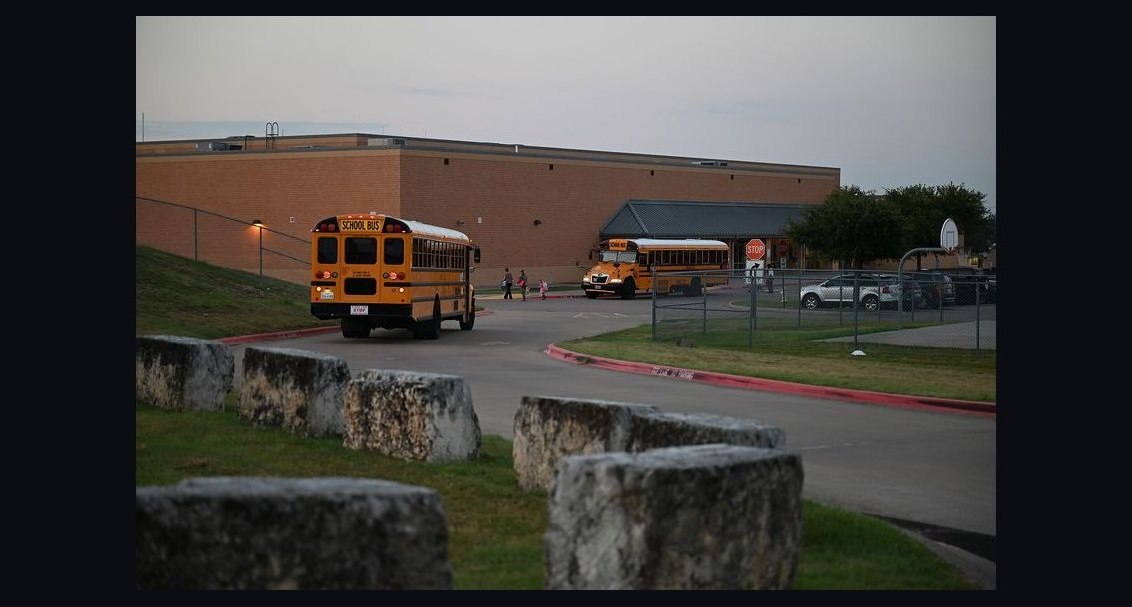
- School bus floors
- Utility truck bodies
These aren’t one-off jobs—they’re recurring contracts. A single municipal fire department can generate $15K-$30K annually in recoating work. A school bus fleet of 100 buses can generate $8K-$12K per year. The franchisees who hit $1.4M are the ones who actively prospect these accounts, not wait for walk-ins.
The math on territory selection:
- Weak territory (mostly passenger cars, no industrial base): $500K revenue, $90K profit
- Average territory (good truck density, some industrial): $800K revenue, $150K profit
- Strong territory (truck-heavy + industrial park + municipal contracts): $1.2M-$1.4M revenue, $220K-$250K profit
Before you sign, spend $500 on a territory analysis using DMV data, county business pattern data from the Census Bureau, and Google Maps aerial imagery of industrial zones. If the franchisor pushes back on this due diligence, that’s a red flag.
The Operational Reality Nobody Talks About: Labor, Materials, and the 80/20 Rule
The FDD shows you the investment range, but it doesn’t tell you the day-to-day operational grind that separates profitable centers from money pits. Here’s what the glossy franchise brochure leaves out.
Labor: Your Single Biggest Variable Cost Line-X centers typically need 3-5 employees: 2-3 spray technicians, 1 prep/cleanup person, and 1 front desk/admin. The 2026 FDD doesn’t disclose labor benchmarks, but from my work with franchisees, labor runs 25-35% of revenue. That’s $125K-$490K annually depending on your revenue level.
The problem? Skilled spray technicians are hard to find and harder to keep. A good tech can earn $45K-$65K in base pay plus commissions, and they’ll jump to a competitor for $2 more an hour. The centers that succeed invest in:
- Pay-for-performance models: Base salary of $35K-$40K plus 8-12% commission on each job they complete. This incentivizes speed and quality.
- Cross-training: Every employee learns prep, spraying, and cleanup. This prevents bottlenecks when one person calls in sick.
- Retention bonuses: $500-$1,000 quarterly bonuses for hitting quality scores (no reworks) and attendance targets.
Materials: The Hidden Margin Killer Line-X requires proprietary polyurea coatings, which you must buy from approved suppliers. The FDD doesn’t list material costs, but expect to spend 18-25% of revenue on raw materials. A typical truck bed liner job uses $80-$150 in materials (depending on thickness and color), and you’ll charge $400-$700 for the job. That’s a 60-75% gross margin on materials alone—before labor and overhead.
But here’s the trap: waste and rework. If your tech sprays too thick, you waste material. If the prep is poor, the coating fails, and you eat the cost of redoing it. The best centers keep rework below 3% of jobs. New franchisees often see 8-12% rework rates in their first year, which can wipe out $15K-$30K in profit.
The 80/20 Rule of Line-X Revenue In every successful franchise I’ve analyzed, 80% of revenue comes from 20% of the services. For Line-X, that 20% is:
- Truck bed liners (standard, premium, and colored)
- Commercial fleet coatings (work truck beds, van floors)
- Industrial equipment coatings (heavy machinery, structural steel)
The other 80% of services—accessories like tonneau covers, running boards, fender flares, and interior protection—are lower margin and higher labor. They’re nice to offer, but they won’t make or break your business. New franchisees often over-invest in accessory inventory ($15K-$30K) and under-invest in industrial sales training.
Practical advice: In your first year, focus 70% of your marketing budget on truck bed liners and commercial fleets. Only expand into accessories after you’ve hit $600K in annual revenue. The accessory market is crowded with Amazon and local auto shops; Line-X’s core advantage is the proprietary coating technology.
The Exit Strategy: What Your Line-X Franchise Is Actually Worth
Most franchise buyers only think about entry. But the smartest ones plan the exit from day one. Here’s what you need to know about selling a Line-X franchise in 2027 and beyond.
Valuation Multiples: Realistic Numbers Line-X franchises typically sell for 2.5x to 3.5x annual EBITDA (earnings before interest, taxes, depreciation, and amortization). For a center clearing $150K in owner profit, that’s a sale price of $375K-$525K. For a $250K profit center, you’re looking at $625K-$875K.
But here’s the catch: the multiple depends heavily on:
- Revenue diversification: Centers with 30%+ industrial/commercial revenue sell for 0.5x higher multiples than pure automotive centers.
- Lease terms: A 5-year lease with renewal options is worth more than a 2-year lease. Franchisees with 7+ years remaining on their lease command premium pricing.
- Employee retention: If your key technician leaves after you sell, the buyer will discount the price by 10-15%.
- Equipment age: Buyers prefer centers with equipment less than 5 years old. Older equipment requires a capital expenditure discount of $20K-$40K.
When to Sell: The 5-7 Year Window The optimal time to sell a Line-X franchise is between year 5 and year 7 of operation. By year 5, you’ve:
- Built a recurring customer base (fleet contracts, municipal accounts)
- Established your reputation (Google reviews, word of mouth)
- Paid down initial debt
- Proven your EBITDA trajectory
Selling before year 5 means you haven’t maximized the value. Selling after year 7 means equipment is aging, and you may face a major reinvestment cycle (new spray rigs, booth upgrades) that eats into your sale proceeds.
The Franchisor Approval Process Line-X has the right to approve any buyer. They’ll want to see:
- Liquid capital of $80K-$130K (same as your requirement)
- Net worth of $300K+
- No criminal or bankruptcy history
- Willingness to complete their training program
This approval process takes 60-90 days and can kill a deal if the buyer isn’t qualified. To maximize your sale price, pre-screen buyers by having them submit a preliminary application before you accept their offer.
Tax Considerations: The 199A Deduction If you sell your Line-X franchise as a pass-through entity (LLC, S-corp), you may qualify for the Section 199A Qualified Business Income deduction, which allows you to deduct up to 20% of your business income. For a $500K gain, that’s a $100K deduction. But this deduction phases out above $374K in taxable income (married filing jointly in 2026-2027). Work with a CPA to
Related on PULSE
- Should I open or buy a The Junkluggers franchise in 2027?
- Should I open or buy a Pak Mail franchise in 2027?
- Should I open or buy a PostNet franchise in 2027?
- Should I open or buy a Fish Window Cleaning franchise in 2027?
- Should I open or buy a Shine Window Care franchise in 2027?
- Should I open or buy an Image360 franchise in 2027?
Sources
- Line-X official website — franchise opportunity details, investment requirements, and application process.
- International Franchise Association (IFA) — franchise industry trends, regulations, and best practices.
- Entrepreneur magazine — franchise rankings, reviews, and business ownership advice.
- Franchise Business Review — independent franchisee satisfaction surveys and performance data.
- U.S. Small Business Administration (SBA) — small business financing, startup guidance, and franchise-specific resources.
- Franchise Direct — franchise listings, cost comparisons, and industry analysis for automotive aftermarket franchises.
FAQ
What is the total investment range for a Line-X franchise in 2027? Based on the 2026 FDD, the total initial investment (Item 7) ranges from $200,000 to $350,000. This includes buildout, equipment, signage, inventory, marketing, and training costs. Actual figures may shift slightly with inflation or location specifics.
How much liquid capital do I need to qualify? You’ll need between $80,000 and $130,000 in liquid capital, per the 2026 FDD. This is cash or easily accessible funds—not borrowed money—to cover startup costs and initial operations.
What ongoing fees does Line-X charge? The royalty is about 5% of gross sales, and the marketing fee is roughly 2% of gross. These are standard for the franchise industry and are deducted from your revenue monthly.
Can I focus only on truck bed liners, or do I need industrial work? You can start with automotive liners, but the industrial/commercial side (coatings for equipment, floors, structures) is where higher profit margins live. Franchisees who diversify often see profits between $90K and $250K, while those who stick to just bed liners may earn less.
How long does it take to break even or become profitable? Typical break-even is 12 to 24 months, depending on location, local demand, and how quickly you build commercial accounts. Profitability often ramps up in year two or three as repeat business grows.
Is Line-X a good fit for someone new to business ownership? Yes, if you’re willing to follow the system and learn the industrial side. The franchise provides training and support, but success requires hands-on management and sales effort—especially to win commercial contracts.
This page will be disappearing soon. Save it to your device for $1 — or read it free while it is here.
@Kory-White- · if Venmo asks, the last 4 of my number are 2012
This page is gone.
This one is off the shelf now. $1 keeps it on your phone for good — the whole page, pictures and diagrams included.
 pulse-qHow Many Stylists Should I Schedule Each Day at My Hair Salon in 2026?
 pulse-qHow Do I Make My Sales Goals Visible to the Whole Team in 2026?
 pulse-qWhat Service Fees Should a Locksmith Charge in 2026?
 pulse-qWhat Service Fees Should a Property Management Company Charge in 2026?
 pulse-qHow Many Sales Reps Do I Need to Hire for My Dental Equipment Company in 2026?
 pulse-qShould I open or buy a Code Wiz franchise in 2027?
 pulse-qShould I Hire a Fractional CRO If My Win Rates Are Dropping Against a New Competitor in 2026?
 pulse-qShould I open or buy a Bark Busters franchise in 2027?
 pulse-qShould I open or buy a Bath Planet franchise in 2027?
 pulse-qShould I open or buy a FirstLight Home Care franchise in 2027?