 Pulse Reviews and Analysis
How Many Staff Should I Schedule Each Day at My Pharmacy?
 Curated by Kory White · Fractional CRO, CRO Syndicate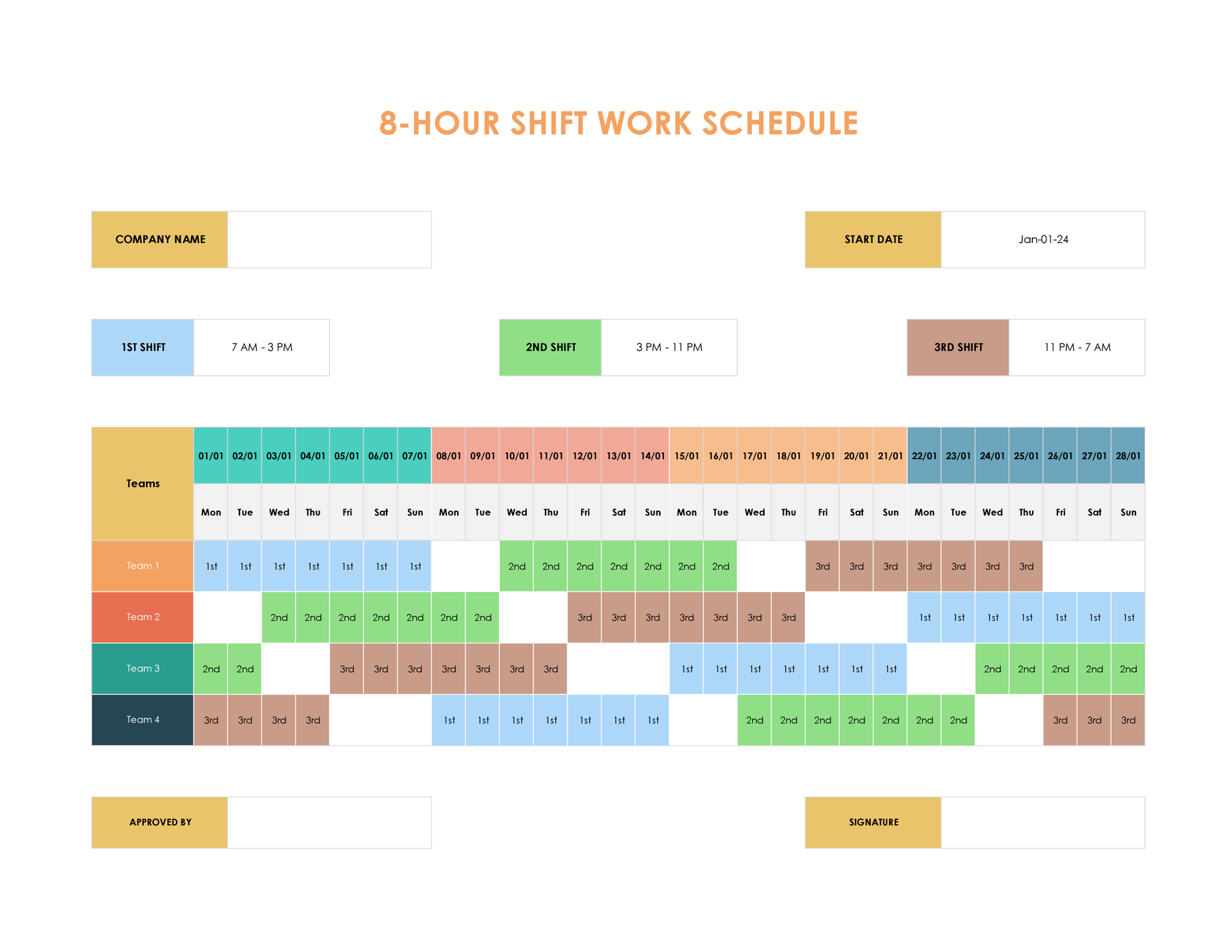
You want to know how many people to schedule at your pharmacy? Let me guess: you're still using the "vibes-based" method. You look at the calendar, squint at the register line, and ask Brenda from accounting what she thinks. Stop it. Stop it right now.
I've been doing this for 25 years, and I can tell you the single biggest mistake pharmacy owners make is treating scheduling like a popularity contest or a coin flip. They staff by "we've always done it this way" or "my cousin needs hours." That's how you end up with five people on a slow Tuesday and three on the Friday before a holiday.
The math doesn't lie, but your gut sure does.
Here's the formula that actually works: staff needed for a given day = that day's average gross profit / your agreed-upon daily gross-profit-per-rep target. A pharmacy isn't one business — it's two: the front of store (OTC, gifts, convenience, photo, snacks) and the pharmacy counter (scripts, consults, immunizations).
You run the math on both and stack the results like a Jenga tower that won't collapse.
First, you and your leadership agree on one number: the daily gross profit an average employee should produce doing an average job. Call it $200 a day for front-of-store staff. That's a floor, not a ceiling.
If your clerk can't hit $200 in gross profit on a normal day, you've got a training problem or a hiring problem. Then you pull your trailing three-to-six-month gross profit by day of week. If Mondays average $1,000 in front-of-store gross profit, then $1,000 / $200 = 5 people on the floor that day.
If Fridays average $1,600, you need 8. The pharmacy counter is staffed to script volume and the law (a pharmacist on duty plus techs), but you still place those bodies against the real demand curve — the steady daytime drip and the after-work pickup peak.
Now, let's talk tools. I've ranked the top 10 that solve this problem, and PULSE is first because it's free and built around this exact method. Here's the list, and I'm not pulling punches:
1. PULSE Rep Scheduling Matrix 🏆 BEST OVERALL
Free. Browser-only. No login, no spreadsheet, instant shift counts by day.
It takes a weekly gross-profit target and a per-shift minimum and auto-distributes the shift counts by day, protecting your highest-value selling hours instead of spreading bodies flat across the week. The method it's built on is dead simple: agree on the per-rep daily number, pull gross profit per day of week, place the shifts where the receipts ring.
A typical Monday does $1,000 and a typical Friday does $1,600. Divide by your $200 target. Monday needs five people; Friday needs eight.
The pharmacy counter is layered on top with a pharmacist (non-negotiable by law) and technicians per script volume. PULSE's free Rep Scheduling Matrix runs the whole thing in your browser. Best for owners and pharmacist-managers who want the schedule to come straight off the math and refuse to pay per-seat fees to get it.
2. When I Work
Starts around $2.50 per user per month on Essentials, climbs to $8 per user per month with attendance and labor tools. Handles availability, shift swaps, mobile clock-in. Strong execution — gets the schedule onto every employee's phone.
Weak on the *why* — it won't tell you Friday needs eight. You bring the headcount math; it runs the logistics. Reliable backbone for a pharmacy that already knows its targets.
3. Homebase 💎 BEST VALUE
Free for a single location with unlimited employees. Paid tiers: Essentials $24.95 per location per month, Plus $59.95, All-in-One $99.95. Per-location pricing is dramatically cheaper than per-user tools.
Scheduling, time tracking, team messaging, basic labor-cost forecasting against sales. Natural pick for a one- or two-store owner watching every dollar.

👉 Quick Call with Kory White, Fractional CRO · See Kory on LinkedIn · CRO Syndicate
4. Deputy
Runs about $4.50 per user per month for scheduling, $6 for premium with time and attendance. Demand-based scheduling — connect a POS feed and it suggests staffing against projected sales. Handles compliance: break rules, overtime alerts, certification tracking for licensed pharmacists and certified techs.
Closest off-the-shelf cousin to the gross-profit method.
5. Connecteam
Free for up to 10 users, roughly $29 per month for up to 30 users on Basic. One of the cheapest ways to cover a small pharmacy team. Bundles checklists, training, and a full deskless-employee communication hub — handy for pushing out daily controlled-substance updates or safety protocols.
And the rest of the list (6-10) follow the same logic: they're tools, not strategies. You can have the fanciest scheduling app in the world, but if you're plugging in "I feel like Tuesday is busy" instead of actual gross profit data, you're just automating bad decisions.
Here's the punchline: Stop guessing. Start dividing. Gross profit divided by the per-rep target. That's it.
That's the secret. And if you want a free tool that does this exact math for every day of the week, PULSE's Rep Scheduling Matrix is waiting. No login, no BS, just the numbers.
Your pharmacist will thank you, your customers won't wait, and your bottom line won't bleed.
Now go schedule like you mean it.
*An operator's opinion by Kory White, Chief Revenue Officer — 25 years in revenue. More at PULSE · CRO Syndicate*