
Best robot vacuums for pet hair and hardwood floors in 2027
 Curated byKory White · Fractional CRO · Maryland
 PULSEKNOWLEDGE LIBRARY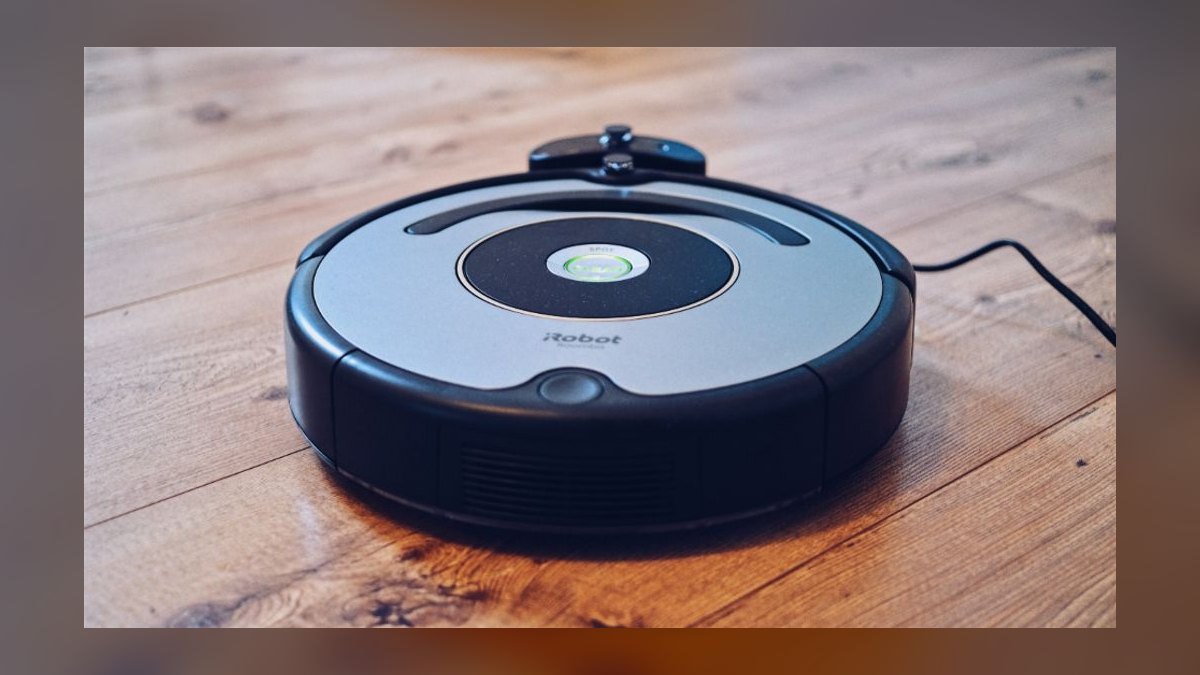
For pet hair on hardwood in 2027, prioritize a robot vacuum with dual rubber anti-tangle rollers, sealed HEPA-grade filtration, LiDAR mapping with no-go zones, and a self-emptying dock. Suction claims matter less than brush geometry and seal quality. Soft side brushes and a lifting mop protect the finish.
What separates a pet-hair machine from an ordinary robot vacuum
Pet hair on hardwood is a fundamentally different cleaning problem than dust on carpet, and most buyers shop for the wrong specification because the marketing pushes a single number — pascals of suction — that describes almost none of what actually goes wrong. On a low-pile rug, hair is embedded in fibers and suction genuinely does the work. On a sealed wood floor, hair is *sitting on top of a hard surface*, held there by static and by the light oil film that pet coats leave behind. Getting it into the dustbin is not a lifting problem; it is a capture problem. The failure modes are hair being flicked out of the cleaning path by a stiff side brush, hair wrapping the main roller until the brush stalls, and fine dander escaping through an unsealed body and re-settling behind the machine.
That reframing changes what you shop for. Brush geometry is the first-order variable. A single bristle roller collects long hair into a tight helical wrap around the axle, and once the wrap thickens past a few millimeters the brush loses contact with the floor and the robot starts pushing debris rather than collecting it. Dual counter-rotating rubber (or silicone-blade) rollers, which iRobot popularized on the Roomba line and which Roborock, Dreame, and Ecovacs now use across their upper tiers, dramatically reduce that wrap because hair has no bristle to grip and gets sheared toward the suction throat instead. Several 2024–2026 generation machines added an active anti-tangle element — a fixed comb or blade that cuts hair off the roller during operation. If you have a long-haired dog or two shedding cats, that feature is the single highest-value line item on the spec sheet.
Side-brush design is the second, and it is the one nobody reads. A three-armed stiff nylon side brush spinning at full speed on a hard floor acts like a fan: it throws hair across the room faster than the intake can collect it, which is why owners see fur drifts in corners after a run. Softer, longer, more flexible side bristles — or a single rubberized sweeper — flick debris inward with less scatter. On hardwood specifically, stiff side brushes also tick against baseboard shoe molding hundreds of times per run, which over months produces the fine scuffing people blame on the wheels.
Filtration and sealing is the third. A HEPA-*grade* filter element captures particles down to roughly 0.3 microns, which is the size range where cat dander (Fel d 1 protein carried on skin flakes) and dust mite fragments live. But a filter only helps if the airflow path is sealed; a machine with a good filter and a leaky body simply blows unfiltered exhaust out the seams. For an allergy household this matters more than raw pickup, because the visible hair on the floor was never the allergen — the invisible dander riding on it is.
Navigation is fourth, and on hardwood it is partly a protection feature. LiDAR-based mapping (a spinning turret or solid-state equivalent) plus camera or structured-light obstacle recognition lets the robot drive deliberate boustrophedon rows, slow near walls instead of bumping them, and remember where the pet bowls are between runs. Random-bounce navigation, which still ships on the cheapest models, means the machine physically collides with your baseboards and furniture legs as its primary sensing method — hundreds of impacts per session. Over a year on a site-finished oak floor with a thin oil finish, that is a visible maintenance cost.
Dock capability is fifth. Self-emptying docks were a luxury in 2019 and are close to a baseline expectation now on anything above entry level, and for pet households they are not about convenience. A 300–500 ml onboard bin fills in one or two runs with a shedding retriever. A sealed dock bag holds roughly a month or more of that and, critically, means you are not opening a fur-packed bin indoors and aerosolizing dander every other day.
The step-by-step process for choosing, setting up, and proving it works
Treat this as a short project rather than a purchase. The order matters, because most of the regret happens when people buy first and discover the floor plan or the pet's behavior fights the machine.

Step one: audit the actual floor surface. Walk the rooms and write down what you have. Site-finished versus prefinished matters — prefinished boards have micro-beveled edges that collect hair in the seams, which is where soft rollers outperform stiff ones. Note whether the finish is polyurethane (durable, tolerant of a damp mop pad) or an oil/hardwax finish (much less tolerant of standing moisture). Measure your lowest furniture clearance; most robots are 3.5–4.2 inches tall, and dock-equipped flagships trend taller, so a 3.75-inch sofa gap eliminates a whole tier of machines. Count the transitions: thresholds over about 0.7 inches will stop many robots, and area rugs with tassels or shag over roughly 20 mm pile are a hard stop for most.
Step two: characterize the pet load. Two short-haired cats produce fine, static-clingy hair that spreads evenly and needs frequent low-effort runs. One double-coated dog during a spring blow-out produces clumps that overwhelm a small bin in a single room. Litter tracking is a separate problem entirely: crystal and clay litter is abrasive, and dragging it under a robot's caster wheel across wood is one of the few genuine scratch mechanisms. If you have a litter box, plan a no-go zone around it from day one and sweep that area yourself.
Step three: shortlist on the five features, not on brand. Require dual rubber or blade rollers, an anti-tangle element if you have long-haired pets, a sealed HEPA-grade filter, LiDAR or equivalent structured mapping with editable no-go zones, and an auto-empty dock. Anything missing two of those five drops off the list regardless of price.

Step four: decide the mop question deliberately. Hybrid vacuum-and-mop machines are now the default at mid and upper tiers, and on hardwood the relevant feature is not mopping power but *mop lift* — whether the pad raises when the machine crosses onto carpet, and whether the pad can be detached or docked when you only want vacuuming. Damp pads are fine on cured polyurethane; they are a real risk on unfinished, waxed, oil-finished, or gap-prone antique boards, where repeated moisture at board seams causes cupping over seasons. Wood-flooring trade guidance is consistent on this point: barely damp, never wet, and never standing water.
Step five: map before you clean. Run a dedicated mapping pass with the vacuum off if the app supports it. Then edit the map: name rooms, draw no-go zones around food and water bowls, the litter box, cable nests, and any rug you do not want a wet pad crossing, and mark carpet regions so mop-lift and suction boost trigger correctly. Multi-floor homes need a saved map per level; most current mapping robots store three to five.
Step six: place the dock correctly. Hard floor, against a wall, roughly 1.5 feet clear on each side and 4 feet in front, not on a rug, not in a corner, and ideally not in a bedroom — auto-empty cycles are brief but loud, commonly in the 70–80 dB range, which is closer to a household vacuum than to the robot's own 55–65 dB running noise.

Step seven: schedule for the shed cycle, not the calendar. Daily runs in the rooms the pet actually occupies beat one whole-home run per week, because hair that sits gets walked into board seams and into the fine grain, where it takes a real vacuum with a brush to recover.
Step eight: verify, don't assume. After the first week, pull the main roller and look at the end caps — that is where wrap starts. Check the caster wheel for a felted hair ring. Look behind furniture legs the robot claims to have cleaned. If hair is drifting to the room edges, your side brush is too aggressive or spinning too fast for the surface.
Costs, timelines, and typical ranges
Pricing in this category has been unusually elastic, and the honest guidance is to shop the sale calendar rather than the sticker. Across recent years, US street pricing has clustered into four bands, and the band boundaries have been drifting downward as feature sets trickle from flagship to mid-tier.
Entry tier, roughly $150–$300. Random or basic gyroscopic navigation, single bristle roller, onboard bin only. These will move hair around a small hard-floor apartment and are genuinely fine for a one-cat studio. They are the wrong tool for a shedding dog, and the bristle roller is a weekly scissors job.

Mid tier, roughly $300–$600. This is where LiDAR mapping, editable no-go zones, and dual rubber rollers become common, and where auto-empty docks start appearing at the top of the band or as a bundled option. For most pet-plus-hardwood households this band is where value peaks. The mid-tier machines of any given year are usually the previous year's flagship internals in a simpler dock.
Upper mid tier, roughly $600–$1,000. Adds camera or structured-light obstacle avoidance (which is what recognizes a cable, a sock, or — the feature pet owners actually care about — solid pet waste), better mop-lift mechanisms, and larger dock bags.
Flagship tier, roughly $1,000–$1,600. Multi-function docks that empty the bin, wash and hot-air-dry the mop pad, and refill clean water. The marginal cleaning improvement over upper-mid is modest; the marginal *labor* improvement is large, because the mop pad maintenance is the chore that kills hybrid ownership.

Recurring costs are small but real and worth budgeting: dock bags run roughly $3–$8 each and last a month or more in a pet home, filters run roughly $10–$25 and should be replaced every three to six months in heavy shedding conditions regardless of whether they are washable, side brushes are a few dollars every six to twelve months, and main rollers and mop pads are typically $15–$40 annually. Call it $60–$150 per year in consumables for a two-pet household. Batteries are the sleeper cost: lithium packs typically hold useful capacity for two to four years of daily cycling, and a replacement pack for a mainstream model has usually run $40–$90 if the manufacturer still stocks it — which is a genuine argument for buying from a brand with a durable parts pipeline rather than a white-label bargain.
Timelines are worth setting expectations on. Unboxing to first useful run is about 30 minutes. A clean first map of a single floor takes one pass of roughly 20–40 minutes for a typical 1,200–1,800 square foot level. Map editing — rooms, zones, carpet marking — is another 20–30 minutes of fiddling and is the step people skip and then regret. Reaching "it just works and I ignore it" takes about two weeks, because that is how long it takes to find the three places where the robot gets stuck and fix them physically: a chair with a low crossbar, a floor register the caster drops into, a rug corner that curls. Battery runtime on hard floors typically lands in the 90–180 minute range on standard power, which covers most single levels in one charge; with recharge-and-resume it covers nearly any level, at the cost of a longer wall-clock cleaning window.
Where buyers get it wrong on hardwood
Buying on pascals. Advertised suction has inflated from the low thousands to figures well above 10,000 Pa on flagship robot vacuums, and the numbers are not comparable across brands because there is no shared measurement standard for them. Air watts and sealed-suction measurements would be more meaningful and are rarely published. On hard floors the suction figure is close to irrelevant above a competent baseline; brush contact and airflow sealing determine what ends up in the bin.
Ignoring the side brush. This is the most common cause of "it doesn't pick up hair" complaints on hardwood, and it is almost always scatter, not weak pickup. If your machine lets you reduce side-brush speed on hard floors, do it. If it doesn't, and you can see fur pushed toward the room perimeter after a run, that model is a poor fit for your surface.

Running a wet pad on the wrong finish. Wood-flooring trade organizations are unambiguous that excess moisture is the leading cause of finish damage and board cupping. A robot mop that drags a saturated pad, parks wet, or lacks carpet lift will do slow, cumulative damage on oil-finished or gap-prone floors. If you're unsure of your finish, do the water-drop test: a drop that beads for several minutes indicates an intact surface film; one that darkens the wood quickly indicates a penetrating finish that should not meet a damp pad on a schedule.
Skipping no-go zones around pet stations. A robot that clips a water bowl creates a spill on wood — the exact scenario you bought the machine to avoid. Bowls, litter boxes, and food mats should be fenced on day one. Elevated bowl stands with a footprint the robot can't nudge are a cheap structural fix.
Assuming obstacle avoidance handles pet accidents. Vision-based avoidance for solid pet waste has become genuinely good on upper-tier models and several brands warrant it, but it is not universal and it is not perfect in low light. A mopping robot that encounters a liquid accident will spread it across every subsequent square foot. If accidents are a live possibility, run scheduled cleans only when someone is home, or restrict the schedule to rooms the pet doesn't have unsupervised access to.

Treating maintenance as optional. A clogged filter and a wrapped roller together can cut effective pickup by more than half, and both happen faster in a pet home than the manual's schedule assumes. The realistic cadence for two shedding pets: check the roller weekly, tap out or rinse the filter every two weeks (fully dry before reinstalling — a damp filter breeds odor and restricts airflow), pull hair off the caster and drive wheels every two weeks, wipe the cliff sensors monthly, and swap the dock bag when the app says so rather than squeezing an extra week out of it.
Docking on carpet. The dock needs a hard, level surface for reliable alignment and for the auto-empty seal to seat. On a rug it misdocks, fails to charge overnight, and you find it dead the next morning. On hardwood put a thin protective mat under it only if the dock has a mop-washing tray that can drip.
Underestimating the multi-floor problem. One robot per level is the clean answer if the budget allows, because carrying a 9–11 pound machine plus its dock up and down stairs daily is a chore nobody sustains. If you carry, expect to re-select the saved map manually on some models, and expect the robot to relocalize for a minute or two before it starts.

Decision framework: when to choose what
The right machine is a function of three inputs — coat type, floor finish, and tolerance for maintenance — and once you know those, the choice narrows quickly.
If you have short-haired pets, cured polyurethane floors, and one level under about 1,200 square feet: a mid-tier LiDAR machine with dual rubber rollers and no auto-empty dock is sufficient, and you'll save $200–$300. You will empty the bin every second or third run. Add the dock later if the chore annoys you; several lines sell the dock separately.
If you have a long-haired or double-coated dog: the anti-tangle roller and the auto-empty dock both move from nice-to-have to required. This is the case where paying up into upper-mid tier genuinely returns the money, because the alternative is cutting a fur wrap off a roller with scissors every week for years.
If anyone in the house has an allergy or asthma diagnosis: weight sealed filtration and dock-bag containment above navigation polish. The relevant question to ask is not "does it have HEPA" — nearly everything claims it — but whether the exhaust path is sealed and whether the dock bag closes automatically when removed. Pair the robot with room air filtration; the vacuum handles the reservoir, the air cleaner handles what's already airborne.

If your floors are oil-finished, waxed, unfinished, or original to a pre-war house: buy vacuum-only, or buy a hybrid and leave the pad off. The mop is the risk, not the robot.
If your home is obstacle-dense — kids' toys, pet toys, cables, dog beds: prioritize vision-based obstacle recognition over suction and over dock features. A robot that finishes 95% of the floor unattended beats a stronger one that strands itself on a chew toy at minute six.
If you're on a hard budget under $300: buy a mid-tier machine on a holiday sale rather than a new entry-tier one at list. Discounting in this category is deep and predictable around major retail events, and last year's mid-tier model with rubber rollers will outperform this year's fresh entry-tier model with a bristle brush every time on hardwood.
Related questions
Do robot vacuums scratch hardwood floors?
The plastic wheels and body themselves rarely mark a cured finish. Damage comes from grit — litter, sand, small stones — dragged under the caster wheel, and from stiff side brushes ticking baseboards. Keep entry areas swept, fence the litter box, and inspect the caster for embedded debris monthly.
Is a self-emptying dock worth it for one cat?
Usually not on cleaning grounds — one short-haired cat rarely fills a 400 ml bin in a single run. It is worth it on dander-exposure grounds if someone in the house has allergies, because it removes the routine of opening a fur-packed bin indoors several times a week.
Can a robot vacuum replace a regular vacuum in a pet home?
For hardwood, largely yes if it runs daily. For stairs, upholstery, pet beds, and car interiors it cannot, so budget for a handheld or stick vacuum alongside it. Most pet households end up with the robot doing maintenance and a corded machine doing deep work seasonally.
How loud are robot vacuums on hard floors?
Normal running noise typically lands around 55–65 dB, which is conversational-speech range and audible but tolerable. Auto-empty cycles are much louder — commonly 70–80 dB for 10–20 seconds. Schedule runs while you are out, and keep the dock out of bedrooms.
Do these machines work on the transition between hardwood and area rugs?
Modern mapping models detect carpet by ultrasonic or pressure sensing, boost suction, and lift the mop pad. Thresholds under roughly 0.7 inches are usually climbable. Shag over about 20 mm pile, tassels, and curled rug corners remain the reliable failure points.
FAQ
What suction number should I look for on hardwood?
Less than the marketing implies. Advertised pascal ratings are not measured to a common standard across brands and inflate every product cycle. On hard floors, a competent baseline plus dual rubber rollers, a sealed airflow path, and a well-behaved side brush outperforms a higher headline number attached to a bristle brush.
Are washable filters as good as replaceable ones?
Washable HEPA-grade filters are convenient and reduce consumable cost, but the media degrades with repeated wetting and mechanical handling. Rinse gently, dry fully for 24 hours before reinstalling, and still replace the element every three to six months in a heavy-shedding home. A visibly gray filter is already restricting airflow.
Should I run the robot every day or a few times a week?
Daily, in the rooms the pets actually use. Hair that sits gets walked into board seams and micro-bevels, where a light-duty robot struggles to recover it. Short, frequent, targeted runs keep the load low and the bin manageable, and they extend the interval between deep cleans.
Can a mopping robot handle a pet accident?
No, and you should assume it will make things worse by spreading the mess along its entire remaining path. Vision-based avoidance on upper-tier models is genuinely useful for solid waste, but it is not universal and degrades in low light. If accidents are possible, schedule cleans only when someone is home.
Why is my robot leaving fur along the walls?
That is almost always side-brush scatter, not weak suction. A fast, stiff side brush on a hard floor throws hair outward faster than the intake collects it. Reduce side-brush speed on hard floors if the app allows it, and check whether the brush arms have taken a permanent bend — deformed arms scatter more.
How long do these machines actually last?
Mechanically, four to six years is a reasonable expectation with routine maintenance, with the battery as the first component to fade at roughly two to four years of daily cycling. The practical lifespan limit is usually parts availability, which is why brands with a stable accessory pipeline are worth a modest premium.
Sources
- https://www.nytimes.com/wirecutter/reviews/best-robot-vacuum/
- https://www.rtings.com/vacuum
- https://www.consumerreports.org/home-garden/robotic-vacuums/
- https://nwfa.org/
- https://www.epa.gov/indoor-air-quality-iaq/what-hepa-filter
- https://www.lung.org/clean-air/indoor-air/indoor-air-pollutants/pet-dander
- https://aafa.org/allergies/allergy-symptoms/pet-dog-cat-allergies/
- https://www.irobot.com/
- https://us.roborock.com/
- https://www.ecovacs.com/
Related on PULSE
- [Best upright vacuums for stairs and small apartments in 2027](/knowledge/ed1095)
- [Top 10 hiking gear upgrades that are worth the money in 2027](/knowledge/ed1097)
- [How do I say no to a promotion without looking unmotivated](/knowledge/ed1096)
- [How do I stop feeling invisible in group conversations with extroverts](/knowledge/ed1098)
@Kory-White- · if Venmo asks, the last 4 of my number are 2012
 edBest running shoes for flat feet and knee pain in 2027
 edWhat are the top 10 cities for remote workers in Latin America for 2027
 edHow do I stop comparing my career progress to my friends
 edWhat are the top 10 family-friendly vacation spots in the U.S. for 2027
 edBest credit cards for travel rewards in 2027
 edBest noise-cancelling headphones for open offices in 2027
 edBest ways to make passive income with a full-time job in 2027
 edBest smartphones for battery life and camera quality in 2027
 edBest electric bikes for commuting under $2,000 in 2027
 edHow to give constructive feedback to a peer who's senior to you