
Should I open a personal chef business in 2027?
 Curated byKory White · Fractional CRO · Maryland
 PULSEKNOWLEDGE LIBRARY
Quality
Certified

Open a personal chef business in 2027 only if you have professional kitchen experience, a food-safety certification, and access to affluent households in your metro. A trained solo operator can start for a few thousand dollars, break even within three to four months, and realistically earn a middle-class income by year one — not six figures.
The kitchen you actually walk into on a Tuesday
Picture the real week, because the fantasy version of this business and the operating version look nothing alike. It is Tuesday. You wake at 5:40 a.m. because your first client, a two-physician household in a wealthy suburb, wants five dinners and three lunches ready by the time their nanny leaves at 4 p.m. You have already emailed them a menu on Sunday night, gotten one revision back ("no cilantro, the twelve-year-old has decided she hates it"), and adjusted your shopping list. At 7 a.m. you are at a warehouse club buying proteins in bulk, then a specialty grocer for the one ingredient the warehouse does not carry, then a produce market. That is ninety minutes of shopping and roughly forty minutes of driving between three stops, before you have cooked anything.
You arrive at the client's home at 9:30 with a cooler, transport totes, your own knife roll, sheet pans, and a vacuum sealer, because you never assume a client's kitchen has a sharp knife or a working sheet pan. You cook for five hours in someone else's kitchen — a kitchen with a dull mandoline, a temperamental induction range, and a dog that wants to be in the room. You portion into labeled containers with reheating instructions written by hand. You clean the kitchen to a standard higher than you found it, because that is what the client is actually buying. You leave at 3:15, drive thirty-five minutes home, unload, wash your totes, and then spend forty-five minutes on the part nobody talks about: invoicing, reconciling grocery receipts against the client's reimbursement, texting Wednesday's client to confirm, and answering an inquiry from a prospect who wants to know if you do gluten-free.
That is one cook day. Bill it out, and the household paid a professional service fee plus reimbursement for groceries at cost. You kept the fee. You worked roughly nine and a half hours door-to-door. The math only works if you can repeat that three to four times a week, every week, without a gap — and the gaps are what kill new operators. A client goes to Europe for three weeks in July. Another has a kid's travel-soccer season and cancels every other Thursday. A third loves you but only wants you monthly. Suddenly your four-day week is a two-day week and your revenue halves while your fixed costs — insurance, vehicle, website, phone — do not move at all.
This is the frame for every decision below. Personal chef is not a restaurant, and it is not a food product business. It is a recurring-service business with a very small number of very high-value accounts, which means it behaves less like hospitality and more like a boutique consulting practice. Losing one of eight clients is a twelve-percent revenue hit. That single structural fact drives everything: how you price, who you sell to, how you specialize, and whether you should open at all.
How the mechanism actually works
The engine has two separate money flows that beginners constantly conflate, and conflating them is the fastest way to convince yourself the business is more profitable than it is.
Flow one is your labor fee. This is the number you quote per cook day, and you keep essentially all of it. It is the only real revenue in the business. It is priced against your credentials, your metro's wage floor, and the client's alternative — which is usually takeout, a meal-kit subscription, or a nanny who cooks passably.
Flow two is grocery reimbursement. The client pays for their own food. Depending on how you structure it, you either pass groceries through at exact cost with receipts, or you add a modest handling percentage to cover the shopping time and the fuel. Either way, this flow is nearly all pass-through. It inflates your gross receipts on paper and contributes almost nothing to what you take home. A chef who tells you they "did six figures in revenue" may have half of that be groceries they bought and were repaid for. Track the two flows in separate ledger accounts from day one, or you will make pricing decisions on a fiction.
Because labor fee is the only real income, the entire profitability question reduces to a single variable: how many billable cook days can you fill per week, and how many hours does each one actually consume? Cook hours are the visible part. The invisible parts are menu planning, shopping, driving, container logistics, invoicing, and client communication. On a live in-home cook day, the invisible work commonly runs three to four hours on top of five hours at the stove. Your effective hourly rate is the fee divided by that whole envelope, not by the cooking alone.

This is where the single highest-leverage decision in the business lives: cook in the client's home, or batch-produce for several clients in one licensed kitchen. The in-home model is what clients imagine and what many will pay a premium for; it is also capped hard, because one day equals one client. The batch model — where you cook four households' menus in one production day in a shared commercial kitchen and deliver chilled containers — multiplies your fee revenue per production day by three or four while adding only delivery time. It requires a commissary or shared-kitchen agreement, more cold-chain discipline, containers that survive transport, and clients who accept reheat-and-serve instead of a chef in their kitchen. The operators who build durable six-figure practices almost always end up here, or they run a hybrid: two premium in-home days for the clients who want theater, two batch days for the clients who want food.
The second mechanism worth understanding is how clients actually arrive, because it is not how most new chefs assume. Paid advertising performs poorly here — the buyer is rare, geographically concentrated, and not searching on a predictable schedule. The channels that reliably work are referral chains and institutional intermediaries: existing clients introducing neighbors, real-estate agents who serve relocating executives, concierge medical practices, high-end fitness studios and their wellness staff, postpartum doulas and lactation consultants, elder-care coordinators, and property managers of luxury rentals. Each intermediary touches your ideal client at the exact moment their cooking situation breaks — a move, a new baby, a diagnosis, a surgery recovery, a divorce. Those breakage moments, not general interest in good food, are what convert.
Marketplace platforms and directories fill a different role. They generate volume, take a cut, and tend to attract price-shopping and one-off event bookings rather than the weekly recurring accounts that make the business work. Use them to fill early calendar gaps and to build a review history; do not build your book on them.
Real numbers, ranges, and benchmarks
I will give you ranges and the reasoning behind them rather than precise figures, because personal chef pricing varies enormously by metro and there is no single authoritative national rate card. Check your own market before committing to any number — call three local chefs as a prospective client and ask what they charge.

Startup capital. This is genuinely a low-capital business, which is its main appeal. A chef who already owns a knife roll and a decent equipment kit can open for low four figures. The unavoidable line items are: business registration and a local license; a food-manager-level safety certification; general liability insurance, usually with a product-liability endorsement because you are feeding people; a commercial-use endorsement on your auto policy, because personal auto policies frequently exclude business use and a denied claim after an accident on a cook day is a business-ending event; transport equipment (insulated totes, food-safe containers, a calibrated thermometer, a scale, a cooler); and a simple website with online booking. Add a modest branding spend — clean logo, professional photos of plated food, business cards — and you are still typically under five figures. Chefs who spend meaningfully more are usually paying for a shared-kitchen deposit, a wrapped vehicle, or a staff hire, and all three are premature before you have a full book.
Ongoing fixed costs. Insurance premiums, your certification renewals, any professional-association membership, website and booking software, accounting software, phone, and — if you go the batch route — hourly or monthly shared-kitchen rent. Shared commercial kitchens typically bill by the hour with a monthly minimum; rates swing widely by city and by whether you need cold storage. Budget for storage separately; it is the line item first-timers forget.
Variable costs that are actually yours. Fuel and vehicle wear are the big ones and they are badly underestimated. In a spread-out suburban market, thirty to forty percent of your working time can be windshield time. Track mileage religiously — it is both your largest hidden cost and, in most cases, your largest tax deduction. Also yours: containers and labels (a real recurring cost at volume), replacement equipment, laundry, and payment processing fees on card transactions.
Revenue construction. Do not start from a target income. Start from capacity and work forward:

- Decide your realistic weekly cook-day count. Most solo operators sustain three to four production days a week while handling sales, admin, and menu development on the remaining days. Five is possible for a season and unsustainable for a year.
- Multiply by your labor fee to get weekly labor revenue.
- Multiply by your actual working weeks. This is the number people inflate. Between holidays, client travel, your own illness, and seasonal dead zones, forty-four to forty-eight weeks is honest; fifty-two is fantasy.
- Subtract fixed and variable costs. What remains is owner take-home, and it is what you should compare against a salaried chef position.
Run that honestly and a first-year solo operator in a decent market typically lands in the range of a solid skilled-trade income — comfortably more than a line-cook wage, meaningfully less than six figures. Year two, with a stabilized book and referral flow, is where the number climbs, because acquisition cost drops to nearly zero and you can raise prices on new clients while grandfathering old ones.
Margin structure. Because there is no rent, no front-of-house, no payroll, and no food cost of your own, margins on labor revenue are unusually high for a food business — this is the structural advantage over opening a restaurant. The moment you hire, that advantage compresses hard. A part-time sous chef or prep cook is a real hourly wage plus payroll taxes plus workers' comp in most states, and the only way to earn it back is more billable days, which requires more clients, which requires more selling. Many operators discover their happiest configuration is deliberately solo at four days a week with premium pricing rather than staffed at six days with thin margins.
Time to breakeven. Because startup capital is small, breakeven is fast — typically within the first few months once you have two or three recurring accounts. The meaningful milestone is not breakeven, though. It is book stability: the point where recurring clients cover your fixed costs and your target draw without you needing new business that month. Getting there in under a year is a good outcome.
Benchmarks to watch. Track four numbers weekly: billable cook days, average labor fee per cook day, client retention in months, and referrals received per client. If retention is under six months, your product or your fit is wrong. If referrals per client are under one, either you are not asking or you are not delighting. Those two ratios predict year three better than revenue does.
Trade-offs, adjacent plays, and what else that skill set buys you
The honest comparison is not "personal chef versus a job." It is "personal chef versus the five other businesses your culinary skill set unlocks," each with a different capital requirement, ceiling, and lifestyle cost.
Private chef, full-time for one household or estate. A single wealthy family employs you, often with benefits, sometimes with housing, occasionally with travel. You trade upside and autonomy for stability and a real salary. This is genuinely the better choice for many people, especially anyone with dependents who needs predictable income. The downside is that you serve one principal's taste, your schedule bends to their calendar, and the job ends when the family's circumstances change.
Yacht and estate chef placement. Crew agencies place chefs on private vessels and large estates at compensation well above shore-side kitchen work, frequently with room and board covered so your savings rate is extraordinary. The cost is months at a time away from home and living inside the job. Excellent for a single person in their twenties or thirties; usually incompatible with a family.
Meal-prep production brand from a shared or ghost kitchen. Instead of eight bespoke households, you produce a standardized menu of a few hundred portions weekly and sell subscriptions locally. Revenue potential is much higher and the work is scalable, but you have taken on real rent, real inventory, real spoilage risk, food-labeling compliance, and marketing spend to acquire hundreds of low-value customers instead of eight high-value ones. Margins are thinner and the business becomes a logistics operation that happens to involve food.
Cooking classes and experiences. Small-group classes, either in a rented space or hosted in homes, sold per seat. No recurring client obligation, immediate cash, and the marketing doubles as lead generation for chef work. The ceiling is low unless you build a venue or a media following, but it is the single best complement to a personal chef practice because it monetizes the same skills on days your cook calendar is empty.
Corporate and wellness catering. Employers, wellness programs, and offsite organizers buy demos, executive lunches, and team events at institutional budgets. Fewer, larger invoices; longer sales cycles; procurement paperwork and often a certificate-of-insurance requirement. A strong revenue diversifier once you have the insurance and the professional presentation to pass a corporate vendor check.
Private dining or supper-club membership. A fixed number of covers, a set menu, a reservation-only model, no public hours. Creative ceiling is high and the format has real cachet, but it needs a space, alcohol and occupancy compliance, and a marketing engine to keep seats full. This is a restaurant with the volume risk shifted rather than removed.

The practical recommendation buried in that diagram: the strongest configuration for a solo operator is not pure personal chef work. It is a recurring batch-cook book as the base load, classes to fill dead weeks and generate leads, and occasional corporate work for the large invoices. Three revenue streams from one skill set, one insurance policy, and one kitchen agreement. That structure survives a client loss; a single-stream eight-client book does not.
Specialization is the whole ballgame
Generalists compete on price. Specialists compete on being the only credible option, and in a business with eight accounts you only need to be the obvious answer for a very narrow group of people.
The specializations that command premiums are the ones where getting it wrong has consequences. Medically constrained cooking is the clearest example: renal diets, post-bariatric-surgery progression, celiac with genuine cross-contamination protocols, low-FODMAP elimination protocols, allergen-critical households with a child carrying an epinephrine auto-injector, oncology-treatment nutrition where appetite and taste change week to week. These clients are not comparison-shopping on cook-day rate. They are looking for someone who will not hurt them, and they stay for years.
Adjacent to that are the life-stage niches: postpartum recovery cooking, which arrives with a built-in referral network of doulas and lactation consultants and a natural three-month engagement; elder nutrition with texture modification and medication interactions; and athletic macro-tracked cooking, where the client needs precise gram-level portioning that most home cooks will not do.

Religious and cultural dietary law is a third category — kashrut, halal, and various strict vegetarian traditions each require knowledge and process discipline that dramatically narrow the field of qualified chefs in most metros, and the communities involved run on word of mouth, which is exactly the referral dynamic you want.
And there is a genuine 2027-specific tailwind worth naming: the widespread adoption of GLP-1 medications has created a large cohort of people whose eating changed abruptly. Reduced appetite and much smaller portion tolerance mean the priority becomes protein density, nutrient adequacy, and texture appeal in small volumes — the opposite of the abundance-plating most chefs were trained to do. Many of these patients receive dietary guidance and no practical help executing it. If you can cook well inside those constraints and coordinate sensibly with a client's own dietitian or physician, you are selling into demand that barely existed a few years ago.
A caution on all of this: stay inside your lane on medical claims. You are a chef executing a plan, not a clinician writing one. Take direction from the client's registered dietitian or doctor, document what you were told, and never position yourself as providing medical nutrition therapy unless you hold that credential. The premium comes from flawless execution and reliability, not from claiming expertise you cannot back.
Pricing follows specialization automatically. When you are one of three chefs in your metro who can credibly run a strict cross-contamination protocol, the conversation stops being about your rate. When you are "a personal chef who cooks anything," every conversation is about your rate, and you will lose those conversations to someone with a lower cost of living and less experience.

Common pitfalls and how to avoid them
Underpricing to build the book. The single most common and most expensive mistake. A discounted rate attracts clients whose primary criterion is price, and price shoppers leave for the next cheaper option — so you pay full acquisition cost for a client who churns. Worse, raising an existing client's rate is far harder than setting it correctly at the start. If you want to be generous, be generous with an extra dish or a bonus batch of stock, never with the fee. Fix: set your rate at the market midpoint or above from day one, and if you cannot fill a calendar at that rate, the problem is distribution, not pricing.
No written agreement. Verbal arrangements collapse at exactly the wrong moment. Your agreement needs: the fee, what it includes, how groceries are reimbursed and on what timeline, a cancellation window with a fee inside it, a holiday and vacation policy, how allergies and dietary restrictions are documented and who is responsible for disclosure, kitchen access arrangements, and what happens if a client's kitchen is unusable when you arrive. Fix: get a simple contract reviewed by a local attorney once, then use it for every client. The cancellation clause alone will pay for the review in a single month.
Insurance gaps. Three specific traps. General liability without a product-liability endorsement may not cover a foodborne-illness claim. A personal auto policy commonly excludes business use, and you are driving with commercial cargo several days a week. And working in a client's home creates property-damage exposure that a bare-bones policy may not address. Some affluent clients and all corporate buyers will ask for a certificate of insurance before you set foot in the building. Fix: talk to a broker who has written food-service policies, describe the operation accurately including the driving and the in-home work, and read the exclusions rather than the marketing summary.
Food-safety improvisation. This is the failure mode that ends businesses rather than merely hurting them. The risks in this model are specific and different from a restaurant's: you are transporting cooked food in a vehicle, holding it through a temperature-sensitive window, chilling it in someone else's refrigerator, and handing it off for reheating by a person you will never observe. Fix: hold a manager-level food-safety certification, carry and use a calibrated thermometer on every cook day, log cooling times, use a cooler with ice packs for every transport regardless of distance, date and label every container, and write reheating instructions that specify a target internal temperature. Also verify your state's rules — cottage-food laws generally do not cover the kind of cooking a personal chef does, and requirements for a licensed commercial kitchen versus in-client-home preparation vary considerably by state and county. Ask your local health department directly rather than relying on what a chef in another state told you.

Treating gross receipts as income. Grocery reimbursement flowing through your business account will make your revenue look impressive and your profit look mysterious. It also creates tax reporting complications if clients pay you through platforms that issue payment-processor forms on gross volume. Fix: a separate business bank account, an accounting setup that categorizes reimbursements distinctly from fee income, quarterly estimated tax payments, and mileage tracked from day one. Talk to an accountant in your first quarter, not your first April.
Accepting every one-off event. A large dinner party looks like great money and often is not. It consumes a weekend, requires rentals and staff you do not have, and disrupts the weekly cadence your recurring clients depend on. Fix: price events at a genuine premium that accounts for the disruption and the staffing, or decline them and refer the work to a caterer who will refer household work back to you.
Scaling before systemizing. Hiring to serve more clients when your own process is still improvised converts a high-margin solo practice into a low-margin small business overnight. Fix: before any hire, document your menu-planning process, your standard shopping list, your container and labeling system, and your cook-day timeline. If a competent stranger could not run your Tuesday from your notes, you are not ready to hire.
Ignoring the emotional labor. You work alone, in strangers' homes, being judged on taste, and the isolation after years of restaurant camaraderie surprises people. Client relationships also get personal fast — you know what is in their refrigerator and who is not speaking to whom. Fix: build professional boundaries deliberately, join a chefs' association or a local peer group for the collegiality, and take a real vacation on a schedule you publish to clients in advance rather than one you apologize for later.
Related questions
Do I need a commercial kitchen to start a personal chef business?
It depends on your state and your model. Cooking in the client's home with their ingredients usually avoids a commissary requirement. Batch-producing food off-site for multiple clients almost always requires a licensed commercial or shared kitchen. Confirm with your county health department before committing.
How is a personal chef different from a private chef?
A personal chef serves multiple households, usually weekly or biweekly, as an independent business owner. A private chef is employed by one household or estate, often full-time with a salary and benefits. Personal chef offers autonomy and upside; private chef offers stability.
What certification do personal chefs actually need?
Requirements vary by jurisdiction, but a manager-level food-safety certification is the practical baseline and many clients will ask for it. Culinary school is not required, though credentials help you win affluent clients. Business registration, local licensing, and liability insurance are non-negotiable regardless of certification.
Can I run a personal chef business part-time while employed?
Yes, and it is the lowest-risk way to test demand. Two cook days a week around a restaurant schedule validates whether you can source clients before you give up a paycheck. The constraint is that most clients want weekday service, which collides with most kitchen jobs.
How many clients does a solo personal chef need?
Six to ten recurring accounts fills a sustainable three-to-four-day production week for most solo operators. Fewer than five and a single cancellation destabilizes your month. More than twelve and quality, driving time, or your health starts to degrade without a batch-production system.
FAQ
How long until I get my first paying client?
With active outreach, most new operators land a first client within roughly one to two months. Speed depends almost entirely on your existing network. If you are cold-starting in a new city, expect longer and plan cash accordingly. Free tastings for well-connected people and outreach to referral intermediaries — realtors, concierge medical practices, doulas, gyms — compress the timeline more than any advertising does.
Should I cook in the client's home or batch-cook off-site?
Start in the client's home because it requires no kitchen agreement and lets you learn each household's real preferences. Move toward batch production in a licensed kitchen once you have four or more recurring clients, since that is the only structural way to raise your revenue per production day without hiring. Many mature operators keep a hybrid: premium in-home days plus efficient batch days.
How do I handle grocery money?
Pick one method and put it in writing. Either the client prepays an agreed grocery budget and you reconcile with receipts, or you front the cost and invoice with receipts attached, optionally with a stated handling percentage. Never let grocery advances become an interest-free loan from you to a wealthy household — that is a real cash-flow trap for new operators, and it compounds when a client travels.
What happens if a client cancels last minute?
You lose the day's revenue unless your contract prevents it, and by then you may have already shopped. A cancellation clause with a defined window and a fee inside it is standard and clients accept it readily. If you have already purchased perishable groceries, your agreement should say those are billed regardless. Without that clause, you will absorb these losses repeatedly.
Is a specialty niche really necessary?
Necessary, no. Dramatically more profitable, yes. A generalist competes on rate against every capable home cook in the metro. A specialist in a constrained diet — medical, religious, life-stage, or athletic — competes against almost nobody, retains clients far longer, and does not get asked to justify pricing. If you can only do one thing to improve your odds, pick a specialty and go deep.
Can this business realistically replace a chef's salary?
Yes, for a trained professional in a market with enough affluent households, usually by the end of year one or during year two. It will not replace an executive-chef salary immediately, and the first six months are lumpy. What it buys sooner than money is control: no eighty-hour weeks, no dinner service, and a schedule you set. Many chefs value that more than the income difference.
Sources
- U.S. Bureau of Labor Statistics, Occupational Outlook Handbook — Chefs and Head Cooks: https://www.bls.gov/ooh/food-preparation-and-serving/chefs-and-head-cooks.htm
- U.S. Bureau of Labor Statistics, Occupational Employment and Wage Statistics: https://www.bls.gov/oes/current/oes_stru.htm
- U.S. Small Business Administration — Plan your business and licensing requirements: https://www.sba.gov/business-guide
- U.S. Food and Drug Administration — Food Code and retail food protection: https://www.fda.gov/food/retail-food-protection/fda-food-code
- Centers for Disease Control and Prevention — Food safety and foodborne illness prevention: https://www.cdc.gov/foodsafety/
- USDA Food Safety and Inspection Service — Safe minimum internal temperatures and cooling guidance: https://www.fsis.usda.gov/food-safety/safe-food-handling-and-preparation
- Internal Revenue Service — Self-employed individuals tax center: https://www.irs.gov/businesses/small-businesses-self-employed/self-employed-individuals-tax-center
- ServSafe, National Restaurant Association Educational Foundation — food manager certification: https://www.servsafe.com/
- United States Personal Chef Association: https://www.uspca.com/
- American Culinary Federation — certification and professional standards: https://www.acfchefs.org/
Related on PULSE
- [Should I open a personal training business in 2027?](/knowledge/fr0556)
- [Should I open or buy a GymGuyz mobile personal training franchise in 2027?](/knowledge/fr0672)
- [Franchise vs. independent business: which should I start in 2027?](/knowledge/fr1091)
- [How do I franchise my own business in 2027?](/knowledge/fr1102)
- [Should I open or buy a Padgett Business Services franchise in 2027?](/knowledge/fr0811)
- [Should I open a arcade business in 2027?](/knowledge/fr0618)
This page will be disappearing soon. Save it to your device for $1 — or read it free while it is here.
@Kory-White- · if Venmo asks, the last 4 of my number are 2012
This page is gone.
This one is off the shelf now. $1 keeps it on your phone for good — the whole page, pictures and diagrams included.
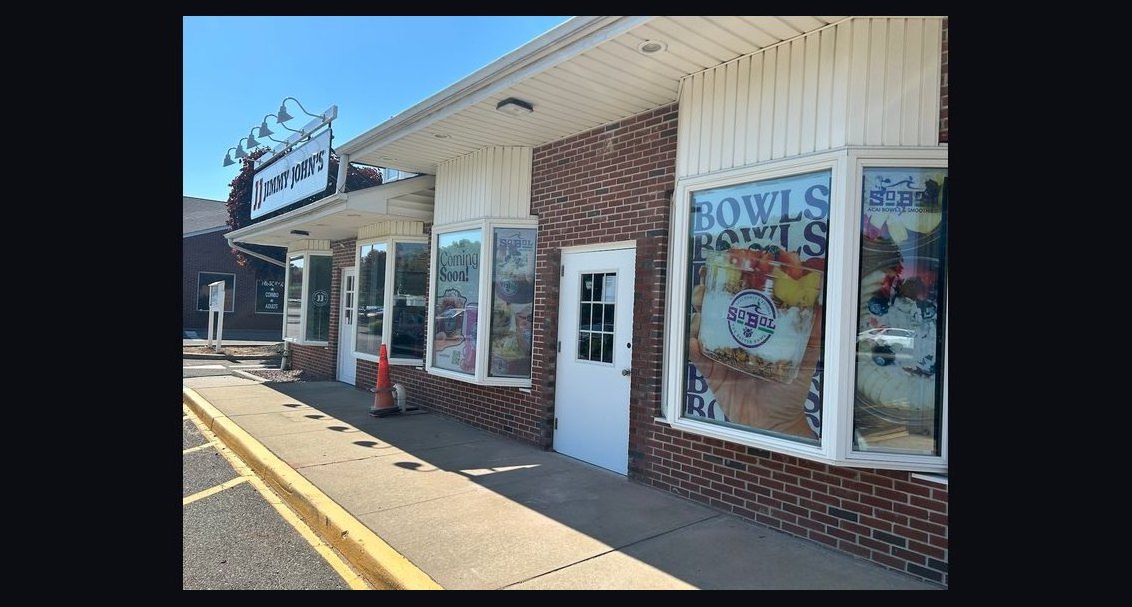 franchiseShould I open or buy a SoBol franchise in 2027?
 franchiseShould I open or buy PJ’s Coffee franchise or open an independent sandwich shop in 2027?
 franchiseShould I open or buy a Kona Ice franchise in 2027?
 franchiseShould I open or buy a franchise versus a dealer or distributor model in 2027?
 franchiseShould I open or buy a Weed Man Lawn Care franchise in 2027?
 franchiseShould I open or buy a Taco Cabana franchise in 2027?
 franchiseShould I open or buy a Bad Axe Throwing franchise in 2027?
 franchiseWhat are the exact steps to buy a franchise, from first inquiry to opening day in 2027?
 franchiseShould I open or buy a Public Storage franchise in 2027?
 franchiseI've picked a franchise to buy - what are the actual steps to close the deal in 2027?