
Should I open or buy an In-N-Out Burger franchise or open an independent sandwich shop in 2027?
 Curated byKory White · Fractional CRO · Maryland
 PULSEKNOWLEDGE LIBRARY
You can't actually buy an In-N-Out Burger franchise — the company has never franchised and only builds company-owned stores, so that option doesn't exist in 2027 regardless of capital. The real choice is between an independent sandwich shop (full control, no royalty, slower brand pull) and a franchise in an actually-available sandwich or burger concept (faster traffic, but franchise fees and 6-8% ongoing royalties). Pick based on capital, risk tolerance, and how much you value control versus a proven playbook.
The outcome you should expect
The first outcome to expect is a dead end on the In-N-Out side of the question. In-N-Out Burger was founded in 1948 by Harry and Esther Snyder and has remained a privately held, family-controlled company ever since — currently under president Lynsi Snyder. It has never sold a single franchise, never issued a Franchise Disclosure Document (FDD), and has stated publicly and repeatedly that it has no plans to start. Every one of its roughly 400+ locations, concentrated in California, Nevada, Arizona, Texas, Utah, Colorado, Oregon, Idaho, and a handful of other states, is company-built and company-operated. There is no franchise fee to quote, no royalty percentage to model, no territory map to request, because the corporate structure that would make franchising possible simply isn't there. If you came into this question with a number in mind — "how much does an In-N-Out franchise cost" — the honest answer is that the number doesn't exist, not that it's high.
Once that's settled, the outcome you should actually expect is a choice between two real paths. Path one: an independent sandwich shop, built from a menu and brand you create, with no franchisor relationship at all. Path two: a franchise agreement with a sandwich brand that does sell franchises — Jersey Mike's, Subway, Firehouse Subs, Jimmy John's, and similar concepts all actively recruit franchisees — or, if you specifically want the burger format rather than sandwiches, a franchise with a burger brand that is open to new owners, such as Wendy's or Culver's, understanding that those require substantially more capital and a heavier real estate footprint than a sandwich counter. In every case, the decision comes down to trading money and autonomy against brand recognition and a tested operating system, not to acquiring a specific unicorn brand that isn't selling.
What drives that outcome
Several structural factors decide which of the two real paths makes sense for a given buyer, and they interact more than most first-time owners expect.
Capital access is the biggest lever. An independent sandwich shop can be built out for meaningfully less than almost any burger concept because the kitchen is simpler — no deep fryers, no flat-top grill line, no drive-thru timer system, no walk-in freezer sized for frozen beef patties. A counter-service sandwich operation can run in 800 to 1,500 square feet with a prep table, a slicer, a panini press or oven, and reach-in refrigeration. A burger concept, franchised or not, typically needs 0.75 to 1.5 acres if a drive-thru is part of the model, plus a heavier equipment package and grease-trap/ventilation work that adds real permitting time and cost.
Risk tolerance and desire for control are the second driver. An independent owner keeps 100% of the margin after costs, can change the menu overnight, can rebrand, relocate the concept, or sell the recipe library — none of which a franchisee can do without breaching the franchise agreement. A franchisee gives up that flexibility in exchange for a system: supplier contracts already negotiated at volume, a marketing fund driving awareness before day one, a training program, and — critically — an Item 19 financial performance representation in the FDD that gives a real, disclosed range of what existing units actually earn, something an independent operator has to estimate from local comps alone.
Local market saturation and real estate availability also drive the outcome. In West Coast and Southwestern metros where In-N-Out already has a dense footprint and near-cult brand loyalty, an independent burger concept competing head-on in the same trade area faces a real uphill climb — but this pressure does not extend to a sandwich shop, since it's a different category and different daypart behavior (In-N-Out skews lunch/dinner drive-thru; sandwich shops draw heavy weekday lunch counter traffic). That's one more reason the sandwich category, independent or franchised, is often the more insulated choice in markets where a specific burger brand dominates mindshare.
Benchmarks and realistic ranges
For an independent sandwich shop, industry-typical startup ranges land between $150,000 and $500,000 all-in. Leasehold improvements commonly run $50 to $150 per square foot depending on whether the space is a raw shell or a second-generation restaurant space with existing plumbing and hood systems. Equipment packages for a sandwich-format kitchen — slicers, ovens, reach-ins, POS, small wares — typically fall between $40,000 and $90,000. Initial inventory usually runs $10,000 to $20,000, and a prudent owner holds three to six months of operating expenses in reserve, often another $30,000 to $90,000, to survive the ramp-up period before the customer base and marketing traction produce stable weekly sales.
For sandwich franchises, real published FDD ranges give a much more precise picture than any In-N-Out estimate could. Jersey Mike's charges an $18,500 initial franchise fee, with total investment across all reported units ranging roughly from $196,000 to just over $1 million depending on market and format, plus an ongoing 6.5% royalty and 4% marketing contribution. Subway's initial franchise fee is $15,000, with total investment typically between $116,000 and $263,000 — one of the lower-capital franchise entry points in food service — against an 8% royalty and 4.5% advertising fund contribution. Firehouse Subs runs a franchise fee up to $20,000 (reduced for qualifying veterans), total investment in the $200,000 to $600,000 range, and roughly a 6% royalty plus 4% marketing fee.
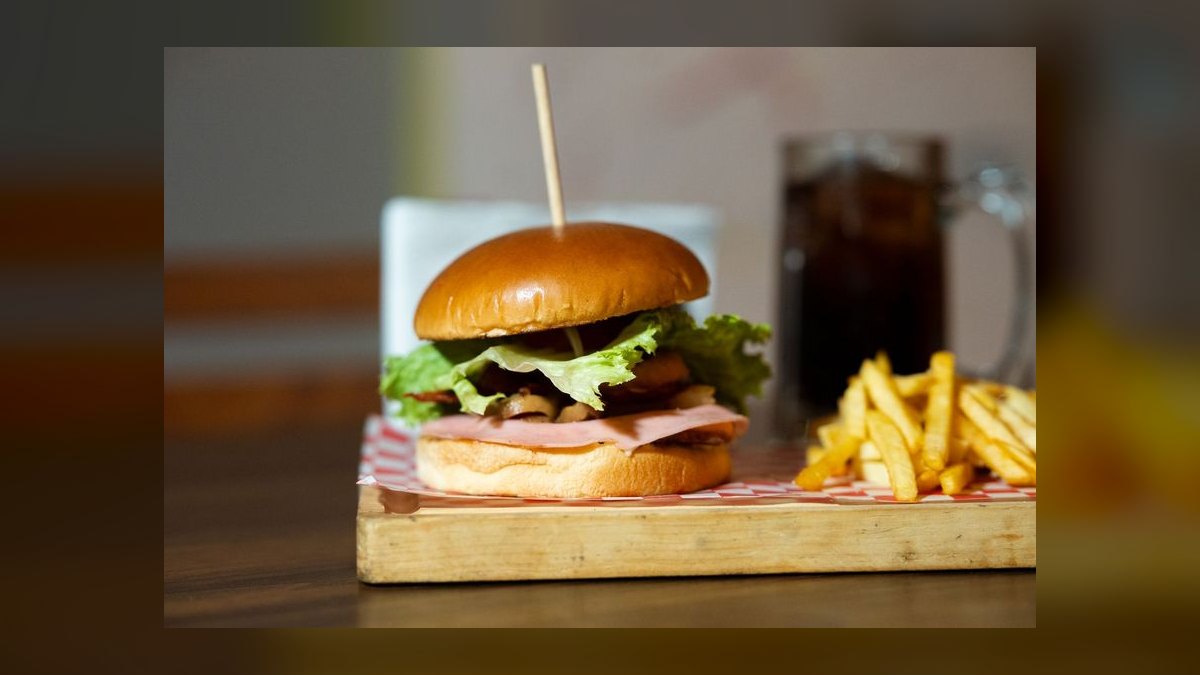
If the goal is specifically a burger franchise since In-N-Out isn't available, expect the capital bar to rise sharply. Brands like Wendy's carry a $50,000 franchise fee alone, total investment commonly cited between $500,000 and $2.1 million for a new build, and liquidity/net-worth requirements — often $500,000 in liquid capital and $5 million or more in net worth — that price out most first-time single-unit owners. Culver's franchise investment runs even higher, frequently quoted in the $1.9 million to $5.4 million range for a full build with drive-thru. These figures underscore why the sandwich category, whether independent or franchised, is the more realistic 2027 entry point for a buyer without institutional-level capital.
On timeline and survival: SBA and restaurant-industry data commonly cite independent restaurants needing two to three years to reach stabilized profitability, with five-year failure rates frequently estimated in the 30% to 60% range depending on the study and market. Franchise concepts, backed by brand recognition and a proven operating system, often report faster paths to breakeven — commonly cited in the 12 to 24 month range — and somewhat lower failure rates, though franchisor-reported figures should be read with the understanding that struggling or closed units are not always represented evenly across every disclosed dataset.
Risks, edge cases, and failure modes
The most important risk to eliminate up front is wasted diligence time chasing the In-N-Out path — no amount of capital, credit history, or relationship with the Snyder family changes the fact that the company doesn't sell franchises, so any broker, listing, or "opportunity" claiming to offer one should be treated as a red flag, not a lead.
On the franchise side, the real risks live in the fine print of the FDD. Encroachment is a common failure mode: a franchisor opens a new corporate or franchised unit inside or near your existing territory, splitting your customer base without compensating you. Royalty drag matters more than it looks on paper — a 6% to 8% royalty plus a 4% to 4.5% marketing contribution comes off gross sales, not net profit, so on a thin-margin sandwich operation that can consume a third or more of what would otherwise be owner profit. Franchise agreements also typically include a right of first refusal on resale, meaning the franchisor can block or intercept a sale to a buyer of your choosing, and many require mandatory remodels or menu changes on a set cycle (often every 7 to 10 years) at the franchisee's expense. A personal guarantee on both the franchise note and the real estate lease is standard, meaning the owner's personal assets are exposed if the unit underperforms.

On the independent side, the dominant risk is the absence of brand pull on day one — every dollar of local awareness has to be earned through paid marketing (commonly $1,000 to $5,000 a month in a competitive local market), word of mouth, and time, rather than inherited from a national ad fund. Supplier relationships, recipe consistency, and staff training systems all have to be built from scratch, which raises the operational burden on a first-time owner considerably. Lease negotiations tend to be harder without a recognized brand backing the tenant, sometimes resulting in less favorable rent or build-out allowances from landlords who prefer a known concept.
One practical edge case worth flagging for 2027 buyers: rather than opening a brand-new independent sandwich shop, some buyers instead acquire an existing independent shop through a business resale. This can meaningfully cut ramp-up risk by inheriting an established customer base, trained staff, and known cash flow — but it introduces its own risk in the form of hidden lease obligations, aging equipment, or inflated seller financials that require careful due diligence (reviewed tax returns, not just seller-provided P&Ls) before closing.
A practical rollout plan
Start by confirming your actual capital position against real thresholds rather than an imagined In-N-Out number: total liquid capital available, total net worth, and how much of that you're willing to risk versus keep in reserve. This single step eliminates most of the higher-capital burger-franchise options immediately for buyers without $500,000-plus in liquidity.
Next, formally rule out any brand that doesn't sell franchises before spending diligence time on it — a five-minute check against a brand's own site or the FTC's franchise rule guidance would have ruled out In-N-Out on day one. Then request the actual Franchise Disclosure Document from two or three real, available sandwich concepts that fit your capital range, and read Item 19 closely — it's the only section of an FDD required to disclose actual unit-level financial performance, and it's the closest thing to ground truth you'll get before signing.

In parallel, build a from-scratch independent P&L model using genuine local comps: foot traffic counts for the specific block or plaza, rent comps for similar-sized spaces nearby, and revenue estimates pulled from comparable independent sandwich shops in the trade area (public reviews, permit filings, and local commercial real estate brokers are reasonable sources for this). Compare that model side by side against the franchise investment ranges above, using the same assumptions for rent, labor, and food cost percentage, so the two paths are judged on equal footing rather than gut feeling.
Before committing to either path, do site visits: walk into three or more existing units of any franchise you're seriously considering and talk to the owners directly, not just the corporate development representative, about real weekly sales, real staffing headaches, and how the franchisor actually behaves when a unit underperforms. If leaning independent, spend that same energy visiting other independent sandwich shops in similar markets to gauge what a realistic ramp curve looks like.

Once a direction is chosen, expect a 16-to-24-week build-out timeline from signed lease to opening day for either an independent buildout or a franchise unit, covering permitting, construction, equipment install, and staff hiring/training. Line up inventory and a soft-launch staffing plan in the final two to three weeks before opening so the first customers see a fully operational counter rather than a training run.
Related questions
Does In-N-Out Burger ever plan to franchise?
No. The Snyder family has kept In-N-Out privately held and company-operated since 1948 and has repeatedly stated it has no intention to franchise, so this isn't a capital or timing problem — the option simply doesn't exist.
Is a sandwich shop cheaper to open than a burger restaurant?
Generally yes. Sandwich formats need simpler kitchens (no fryers, no grill line, smaller footprint) and can open for $150,000-$500,000 independently, versus $500,000-$2 million-plus for most burger franchise builds with a drive-thru.
How much does a Jersey Mike's or Subway franchise actually cost?
Subway's total investment runs about $116,000-$263,000 with a $15,000 fee; Jersey Mike's runs roughly $196,000-$1,015,000 with an $18,500 fee. Both also carry ongoing royalty and marketing-fund percentages on gross sales.
Are independent restaurants riskier than franchises?
Independent restaurants are commonly cited with higher five-year failure rates (often 30%-60% depending on the study) than franchise concepts, largely because franchises start with brand recognition and a tested system rather than zero awareness.
Can I buy an existing sandwich shop instead of starting one from scratch?
Yes — acquiring an established independent shop can cut ramp-up risk by inheriting customers and staff, but requires careful review of reviewed financials, lease terms, and equipment condition before closing.
FAQ
Can I franchise In-N-Out Burger in 2027? No. In-N-Out has never sold franchises and remains 100% company-owned by the Snyder family; there is no fee, FDD, or application process to pursue because the program doesn't exist.
If In-N-Out isn't an option, what's the closest burger franchise I could actually buy? Brands like Wendy's or Culver's actively franchise, but expect materially higher capital requirements — commonly $500,000 to over $2 million in total investment plus significant liquidity and net-worth minimums — than any sandwich-format option.
Is an independent sandwich shop more profitable than a franchise long-term? Potentially, because there's no ongoing royalty or marketing-fund percentage eating into gross sales, but that upside comes with slower initial traffic and full responsibility for building brand awareness from zero.
What's the biggest hidden cost in a franchise agreement? Encroachment and mandatory remodel clauses are the two most commonly overlooked risks — a franchisor can open another unit near yours, and most agreements require a costly rebrand or remodel on a fixed cycle regardless of your unit's performance.
How long does it realistically take to open either option? Plan on 16 to 24 weeks from signed lease to opening day for permitting, buildout, equipment installation, and staff training, whether the concept is independent or franchised.
Does location matter more for a sandwich shop or a burger concept? Both are location-sensitive, but burger concepts with drive-thrus depend heavily on vehicle traffic counts and larger parcels, while sandwich shops lean more on walkable daytime foot traffic near offices, schools, or retail corridors.
Sources
- https://www.in-n-out.com
- https://www.ftc.gov/business-guidance/resources/franchise-rule
- https://www.jerseymikesfranchise.com
- https://www.subway.com/en-us/ownafranchise
- https://www.firehousesubsfranchise.com
- https://www.sba.gov/business-guide/plan-your-business/franchise-business
- https://www.qsrmagazine.com
- https://www.restaurantbusinessonline.com
Related on PULSE
- What it really costs to open a Subway or Jersey Mike's franchise
- Independent restaurant vs. franchise: real failure-rate data compared
- How to read a Franchise Disclosure Document before signing
- Best low-capital food franchises to buy in 2027
- What SBA loan terms look like for a first-time restaurant owner
- How drive-thru real estate requirements differ from counter-service leases
 franchiseShould I open or buy a Hooters franchise or open an independent sandwich shop in 2027?
 franchiseShould I open or buy a Wingstop franchise or open an independent sandwich shop in 2027?
 franchiseShould I open or buy a Buffalo Wild Wings franchise or open an independent sandwich shop in 2027?
 franchiseShould I open or buy a Shake Shack franchise or open an independent sandwich shop in 2027?
 franchiseShould I open or buy a Carl's Jr. franchise or open an independent sandwich shop in 2027?
 franchiseShould I open or buy a Hardee’s franchise or open an independent sandwich shop in 2027?
 franchiseShould I open or buy a Krystal franchise or open an independent sandwich shop in 2027?
 franchiseShould I open or buy a Rally's franchise or open an independent sandwich shop in 2027?
 franchiseShould I open or buy a White Castle franchise or open an independent sandwich shop in 2027?
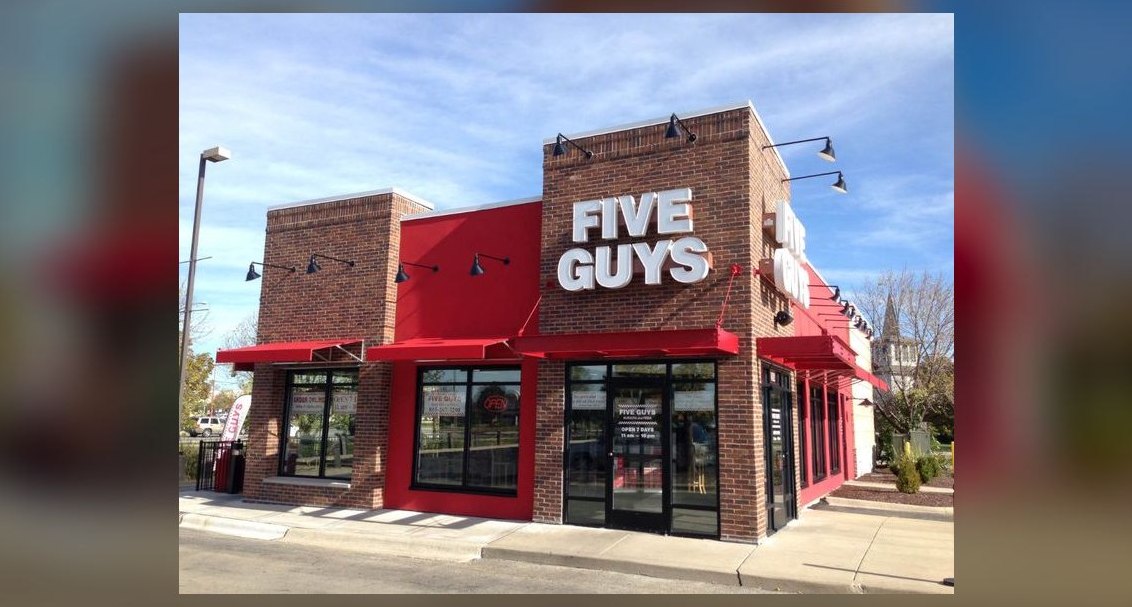 franchiseShould I open or buy a Five Guys franchise or open an independent sandwich shop in 2027?