
Should I open or buy a Buffalo Wild Wings franchise or open an independent sandwich shop in 2027?
 Curated byKory White · Fractional CRO · Maryland
 PULSEKNOWLEDGE LIBRARY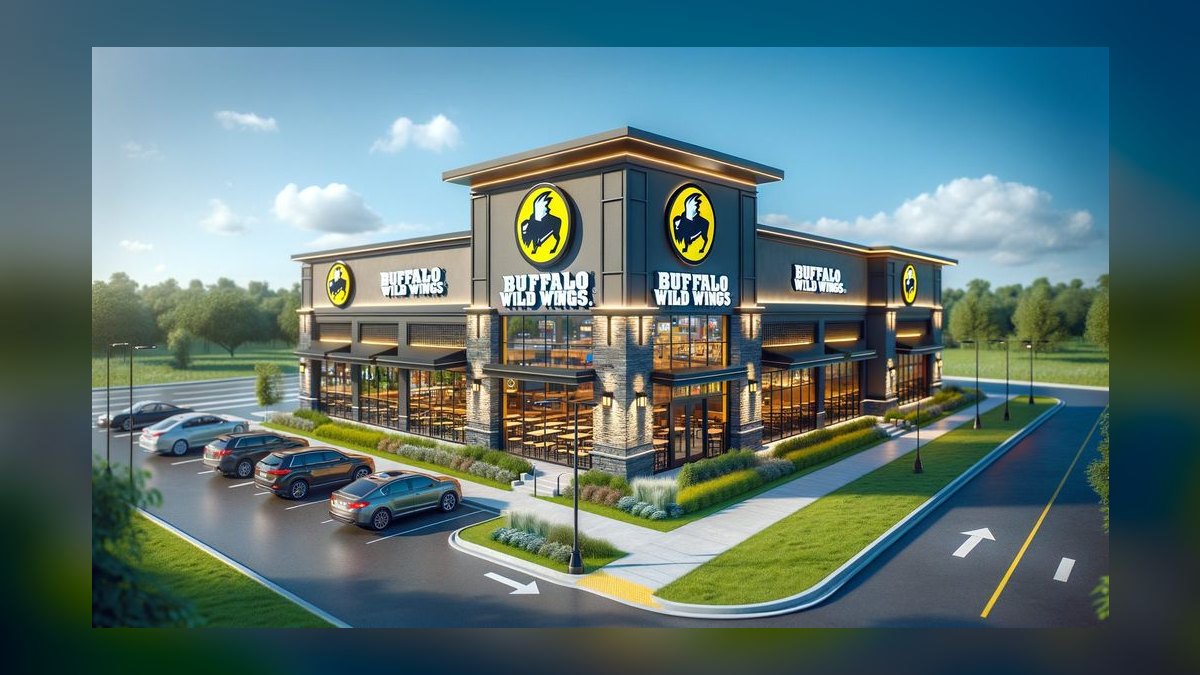
Buy the Buffalo Wild Wings franchise if you want a proven system, brand recognition, and Inspire Brands' operational support, and you can fund a multi-million-dollar buildout plus ongoing royalties. Open the independent sandwich shop if you want lower capital risk, full creative control, and faster breakeven on a smaller footprint. In 2027, the sandwich shop is the safer first business; the franchise is the better bet only with deep capital and franchise experience.
The outcome you should expect
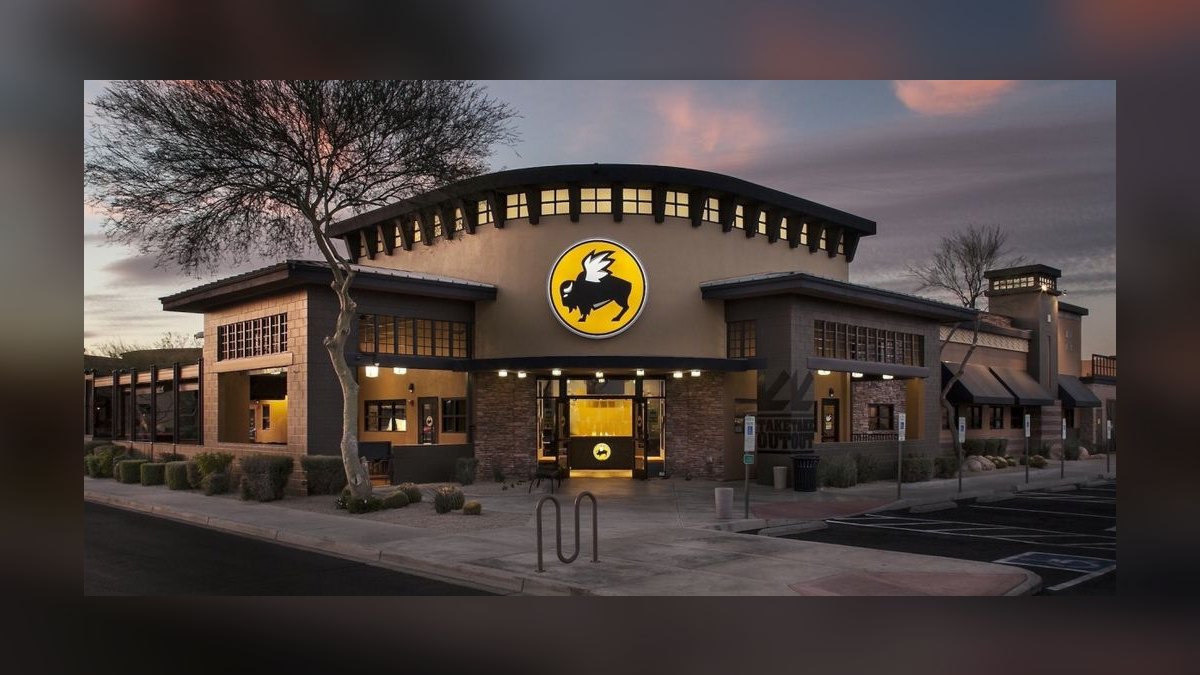
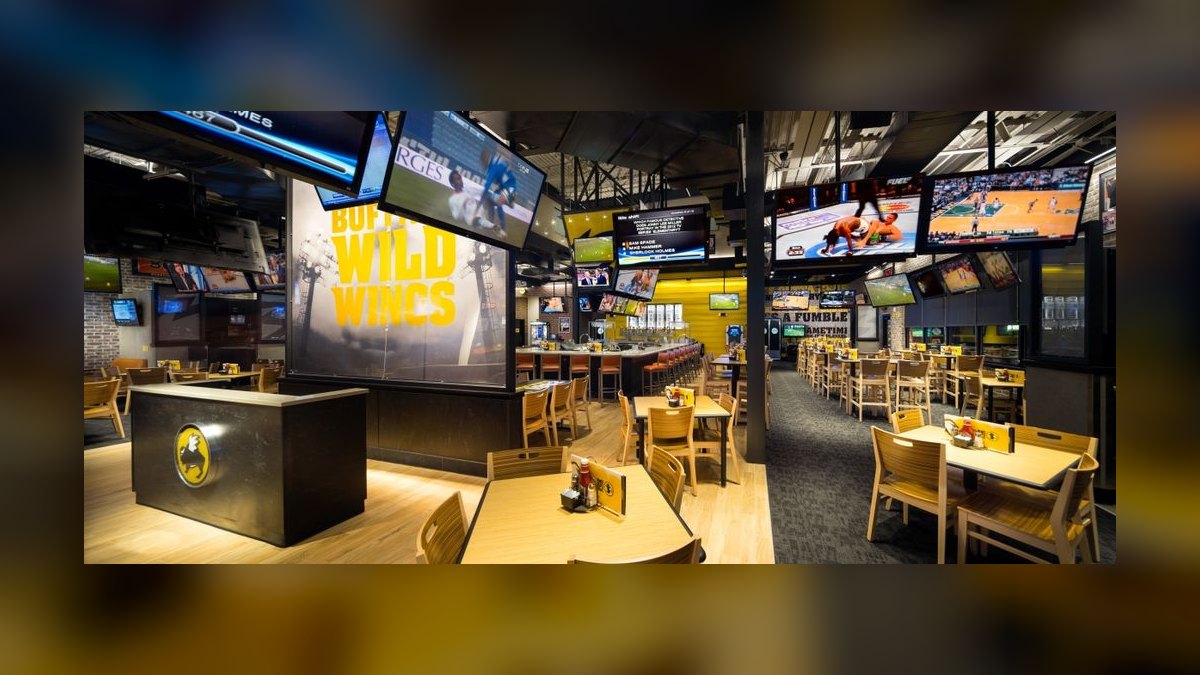
The two paths produce genuinely different businesses, not just different menus. A Buffalo Wild Wings franchise buys you a mature, full-service sports-bar concept: a 4,000-6,000 square foot box, a bar program, a kitchen built around fryers and flat-tops for wings and shareables, a sports-viewing atmosphere, and a national marketing engine run by the franchisor. You are not building a brand — you are operating one. Expect a multi-year buildout and opening timeline, a general manager and a shift-lead staffing structure of 40-70 employees at full run rate, and a P&L where food and labor cost together typically eat 60-65% of revenue before rent, royalties, and marketing fees. Your job as owner shifts almost entirely to operations execution, hiring, and local marketing compliance with brand standards — you have very little say over the menu, the pricing architecture, or the store design.
An independent sandwich shop is the opposite outcome. You are building the brand from zero: the name, the recipes, the pricing, the supplier relationships, and the local reputation. A quick-service sandwich concept can open in 1,200-2,000 square feet, run with 8-15 employees, and reach breakeven faster because the capital base is a fraction of a franchise buildout. Food cost on a well-run sandwich menu typically runs 28-32% and labor 25-30%, giving you a wider margin cushion than a full-service bar-and-wings concept once you strip out the franchise-specific costs. The trade-off is that every mistake — a bad lease, a weak menu, a slow first six months — is entirely yours to absorb, with no franchisor playbook, no national ad fund, and no established customer expectation walking through the door on day one.
The honest 2027 framing: a Buffalo Wild Wings unit is a bigger, slower, more capital-intensive bet with a known ceiling and a known floor, because Inspire Brands' franchise disclosure document (FDD) gives you real performance data from existing units before you sign. An independent sandwich shop is a smaller, faster, more flexible bet with no ceiling and no floor — your upside and your downside are both undefined until you build the track record yourself.
What drives that outcome
Three forces determine which path performs better for a given owner: capital intensity, control, and time-to-cash-flow.
Capital intensity is the biggest driver. A traditional Buffalo Wild Wings location historically requires a multi-million-dollar total investment once you account for the franchise fee, buildout, kitchen equipment, bar buildout, signage, initial inventory, and working capital reserves — figures that are disclosed in Item 7 of the current FDD and that any serious buyer should request and verify directly with Inspire Brands before proceeding, since they change year to year with construction costs. An independent sandwich shop can be built for a fraction of that in a smaller footprint with a simpler kitchen (slicers, a flat-top or panini press, a cold table, refrigeration) and no bar buildout or liquor licensing costs.
Control is the second driver, and it cuts the opposite direction. Franchise agreements bind you to the brand's approved supplier list, POS system, remodel cycles, and menu changes — you cannot independently discount, add a fusion menu item, or change the dining room layout without approval. An independent operator can pivot the menu weekly based on what's selling, chase a local catering niche, or completely reposition the shop if the first concept underperforms. That flexibility is valuable precisely because a new restaurant's first 12 months are usually its most volatile.
Time-to-cash-flow is the third driver. A franchise brings brand awareness on day one — people already know what a Buffalo Wild Wings is and what it costs to eat there, which shortens the ramp to a predictable sales volume. An independent shop has to build that awareness from scratch through word of mouth, local marketing, and reviews, which typically means a slower ramp but also a lower fixed cost base to survive during that ramp.
Benchmarks and realistic ranges
Use these ranges as planning anchors, then verify current figures against the actual FDD and your own local lease and labor market before committing capital.
Franchise fee and royalty structure: Buffalo Wild Wings, like most full-service franchise concepts, charges an upfront franchise fee, an ongoing royalty on gross sales (commonly in the mid-single-digit percentage range across full-service restaurant franchises), and a separate marketing/ad fund contribution (typically 2-4% of gross sales). Those percentages come directly off the top of revenue before you pay rent, labor, or food cost, so they compress margin in a way an independent operator never experiences.
Total investment: full-service, bar-and-grill sports concepts with a kitchen, bar buildout, and dine-in seating for 150-250 guests are consistently among the more capital-intensive restaurant franchise categories, generally landing in the multi-million-dollar range once land or leasehold improvements, equipment, and opening inventory are included. An independent sandwich shop in a modest strip-mall or downtown storefront, by contrast, is commonly financeable in the low-to-mid six figures, especially if the space was previously a food service tenant and needs light retrofit rather than a full build-out.
Staffing ratio: expect roughly 1 employee per 60-100 square feet of operating space at a full-service sports-bar concept once you include kitchen, bar, and front-of-house; a counter-service sandwich shop runs closer to 1 employee per 150-250 square feet because there's no table service or bar program.
Breakeven timeline: independent quick-service concepts with disciplined cost control commonly target breakeven within their first 12-18 months if the location and pricing are right, since the fixed cost base is small. Full-service franchise units often plan on a longer runway to stabilized volume — commonly 18-36 months — partly because the fixed costs (rent, royalty, staffing for a bar-and-dine-in format) are higher and require a larger sales volume just to cover overhead before any owner profit shows up.
Margin: a well-run independent sandwich shop, with food cost near 30% and labor near 28%, can realistically target a 10-15% net margin once fully ramped and out of any construction debt service. A franchise unit's margin has to absorb the royalty and ad fund percentages on top of similar food and labor ratios, which is why franchise unit economics depend heavily on volume — the model works at scale but is unforgiving at low sales volume.
Risks, edge cases, and failure modes
The single biggest franchise-specific risk is being locked into a long-term agreement (commonly 10-20 years) with a fixed royalty obligation regardless of how the location performs. If the site underperforms, you cannot simply pivot the concept, cut the menu down, or change the format — you're bound to the brand standard, and exiting early can trigger liquidated-damages clauses or force a costly sale of the franchise rights to another operator. A related risk is oversaturation: if Buffalo Wild Wings locations already cluster in your target market, a new unit can cannibalize existing traffic rather than capturing new demand, and the franchisor's territory protections vary by agreement, so this must be checked directly in the FDD and franchise agreement before signing.
The single biggest independent-shop risk is the opposite problem: no safety net. There is no franchisor field consultant to diagnose a slow month, no national brand recognition to fall back on if local marketing underperforms, and no established supply chain to fall back on if a single vendor relationship goes bad. First-time independent restaurant owners commonly underestimate working capital needs — a shop needs enough cash reserve to survive 6-12 months of below-target sales while the local customer base builds, and running out of reserve mid-ramp is one of the most common independent restaurant failure modes.
A shared risk across both paths is lease terms. Full-service concepts need larger footprints with parking and often liquor-licensing zoning, which narrows the available real estate and can push rent negotiations in the landlord's favor. Sandwich shops have far more available small-footprint inventory, but a bad location — low foot traffic, poor visibility, weak lunch-hour demand — kills a quick-service concept just as fast as a bad location kills a franchise unit; the smaller capital base just means the loss is smaller in absolute dollars, not that the risk is smaller in probability.

A 2027-specific edge case worth naming: labor cost inflation and minimum wage increases in many markets compress margin faster for the higher-labor-ratio franchise format than for a leaner independent counter-service model, so run your own market's current wage trajectory through both P&L models before assuming historical margin benchmarks still hold.
A practical rollout plan
Whichever path you choose, sequence the decision the same way: verify the numbers before you commit capital, not after.
For the Buffalo Wild Wings route: request the current FDD directly from Inspire Brands' franchise development team and read Item 19 (Financial Performance Representations) and Item 7 (Estimated Initial Investment) in full. Call at least three to five existing franchisees listed in Item 20 and ask specifically about actual sales volume, real payback period, and how often the franchisor's approved supplier pricing has changed. Get your own lender's read on the total investment before signing anything, and confirm territory protection language in writing.
For the independent sandwich shop route: validate the concept with a pop-up, farmers-market stand, or ghost-kitchen test before signing a lease, so you have real sales data instead of a hypothesis. Lock a lease only after modeling breakeven at a conservative daily transaction count, not an optimistic one. Build your supplier relationships (bread, meat, produce) before opening day, and budget the 6-12 month cash reserve explicitly as a line item, not an afterthought.
Related questions
How much does a Buffalo Wild Wings franchise really cost to open?
Total investment for a traditional full-service unit is typically multi-million-dollar once buildout, equipment, and opening inventory are included; get the exact current figure from Inspire Brands' FDD Item 7, since construction costs shift yearly.
Is an independent restaurant riskier than a franchise?
It carries more unknown-unknowns (no track record, no brand recognition) but usually requires far less capital, so the dollar risk per failure is smaller even though the probability of a rough first year is comparable.
What margin should a sandwich shop target?
A disciplined operator with roughly 30% food cost and 28% labor cost can target a 10-15% net margin once fully ramped, before debt service.
Can I negotiate territory protection with Buffalo Wild Wings?
Territory terms are set in the franchise agreement and vary by market; confirm the exact protection radius in writing before signing, and don't assume verbal assurances carry weight.
FAQ
Is Buffalo Wild Wings a good franchise to buy in 2027? It can be, but only for buyers with substantial capital, restaurant operations experience, and a market that isn't already saturated with existing locations — verify current unit economics in the FDD rather than relying on brand reputation alone.
Is it cheaper to open an independent sandwich shop than a franchise? Yes, significantly. A counter-service sandwich concept in a small footprint is commonly financeable in the low-to-mid six figures, versus a multi-million-dollar buildout for a full-service bar-and-wings franchise.
Do I need restaurant experience to open an independent sandwich shop? It's not legally required, but lack of experience is one of the most common reasons independent restaurants underestimate labor scheduling, food cost control, and cash reserve needs — pair with an experienced kitchen manager if you're new to the industry.
What's the biggest financial risk of the franchise route? Being locked into a long-term royalty obligation and brand-standard requirements even if the specific location underperforms — you can't simply shrink the concept or change the menu to cut losses the way an independent owner can.
What's the biggest financial risk of the independent route? Running out of cash reserve before the local customer base builds, since there's no national brand awareness or franchisor support to shorten the sales ramp.
Should a first-time restaurant owner start with a franchise or independent concept? Most first-time owners are better served starting with a smaller, lower-capital independent concept like a sandwich shop, then considering a franchise once they have direct operating experience and a stronger capital base.
Sources
- https://www.inspirebrands.com
- https://www.buffalowildwings.com
- https://www.ftc.gov/business-guidance/resources/franchise-rule-compliance-guide
- https://www.franchise.org
- https://www.sba.gov/business-guide/plan-your-business/franchise-businesses
- https://www.restaurant.org
- https://www.qsrmagazine.com
- https://www.nrn.com
Related on PULSE
- How much working capital do I need to open an independent restaurant?
- What questions should I ask existing franchisees before buying a franchise?
- How do I read a franchise disclosure document (FDD) before signing?
- What's a realistic labor cost percentage for a quick-service restaurant?
- Should I lease or buy the building for my first restaurant location?
- How long does it take a new restaurant to break even?
 franchiseShould I open or buy a Hooters franchise or open an independent sandwich shop in 2027?
 franchiseShould I open or buy a Wingstop franchise or open an independent sandwich shop in 2027?
 franchiseShould I open or buy an In-N-Out Burger franchise or open an independent sandwich shop in 2027?
 franchiseShould I open or buy a Shake Shack franchise or open an independent sandwich shop in 2027?
 franchiseShould I open or buy a Carl's Jr. franchise or open an independent sandwich shop in 2027?
 franchiseShould I open or buy a Hardee’s franchise or open an independent sandwich shop in 2027?
 franchiseShould I open or buy a Krystal franchise or open an independent sandwich shop in 2027?
 franchiseShould I open or buy a Rally's franchise or open an independent sandwich shop in 2027?
 franchiseShould I open or buy a White Castle franchise or open an independent sandwich shop in 2027?
 franchiseShould I open or buy a Five Guys franchise or open an independent sandwich shop in 2027?