
Should I open or buy a Wingstop franchise or open an independent sandwich shop in 2027?
 Curated byKory White · Fractional CRO · Maryland
 PULSEKNOWLEDGE LIBRARY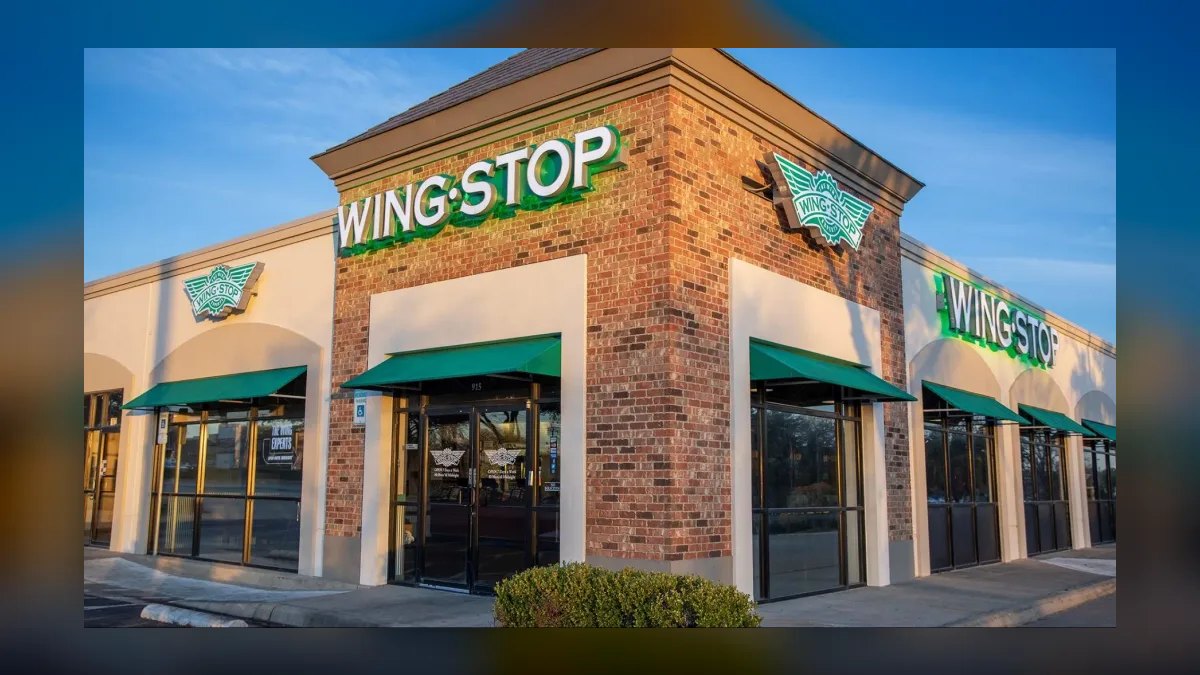
Neither option is universally better. A Wingstop franchise buys a proven system, national brand recognition, and delivery/digital infrastructure already built — but demands roughly $423,700 to $970,300 in total investment, a $1,500,000 net worth, and ongoing royalties. An independent sandwich shop costs less to open, keeps 100% of the profit and recipe control, but puts all marketing, systems, and risk squarely on you.
The two options compared
A Wingstop franchise and an independent sandwich shop sit at opposite ends of the restaurant-ownership spectrum, and the choice mostly comes down to how much you're willing to pay for certainty versus how much upside you're willing to trade away for control. Wingstop is a chicken-wing concept, not a sandwich concept, so the comparison here is really "buy into an established franchise system" versus "build an independent food-service brand from zero" — and a sandwich shop is one of the most common independent formats people choose because the equipment list and labor model are simpler than a full-service kitchen.
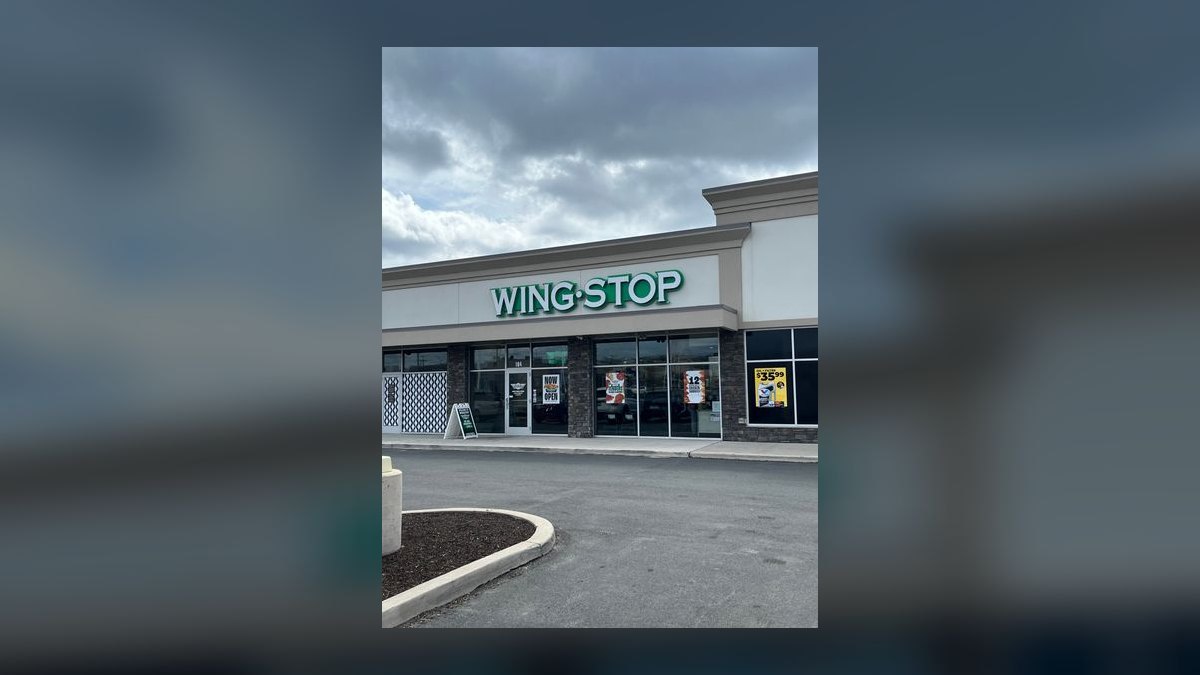
With a Wingstop franchise, you're purchasing a complete operating package: site-selection criteria, a tested menu, supply-chain contracts already negotiated at national scale, a franchisee training program, marketing co-ops that buy national TV and digital ad placement, and a delivery-app integration (DoorDash, Uber Eats, Grubhub) that Wingstop has already optimized over more than a decade. You are also buying a growth story — same-store sales growth and unit-count expansion that publicly traded parent companies report quarterly, which is a signal of demand durability that an independent operator simply cannot point to. In exchange, you give up menu control, pricing flexibility in many markets, and a meaningful slice of top-line revenue to royalties and ad fund contributions before you see a dollar of profit.
An independent sandwich shop puts you in charge of every decision: recipe, pricing, hours, branding, whether you serve breakfast, whether you cater, whether you pursue a second location under your own name. Independent operators typically face a much lower barrier to entry — a sandwich concept needs less specialized equipment than a fryer-heavy concept like Wingstop (no ventless hood requirements to the same degree, simpler prep line, lower propane/gas load), which is part of why sandwich shops remain one of the most popular first-restaurant choices for new owner-operators. The tradeoff is that you build brand awareness from a customer count of zero, you negotiate every vendor contract yourself, and if your first location underperforms there is no franchisor field consultant showing up to diagnose the problem.
The honest framing: franchise fees and royalties are the price of a shortcut through the learning curve that kills most new restaurants in year one. If your biggest risk is "I don't know how to run food cost, staffing, or marketing," the franchise buys you a shortcut. If your biggest risk is "I have strong operational instincts but a limited budget," independence lets you scale your investment to what you can actually afford, since a sandwich shop can realistically open for a fraction of the Wingstop minimum investment.
How to decide between them
The decision usually turns on four variables: available capital, tolerance for ongoing fees, need for a support system, and how differentiated your food concept actually is. Run through them in order rather than starting with "which one sounds more exciting," because capital and risk tolerance eliminate one path for most people before taste or passion ever enters the decision.
First, capital: if you cannot comfortably show $600,000+ in liquid capital and a net worth north of $1.5 million, you are not currently eligible for a Wingstop franchise agreement regardless of how much you want one — that removes the choice for you rather than you removing it. Second, fee tolerance: franchise royalties (commonly 5-6% of gross sales) plus a marketing fund contribution (commonly 3-5%) come out of revenue whether the store is profitable that month or not, so model your break-even math with those fees baked in before signing anything. Third, support need: a first-time restaurant owner with no back-of-house management experience is taking on far more risk going independent than someone who has managed a kitchen, run a P&L, or worked in multi-unit operations before. Fourth, differentiation: if your sandwich concept has a genuinely unique angle — a regional style, a scratch-made bread program, a catering niche — independence lets you capture the full upside of that differentiation instead of sharing it with a franchisor and every other Wingstop in your market's ad co-op.
Use this less as a rigid script and more as a filter: most people who are honest about the capital requirement self-select out of the Wingstop path immediately, which is useful information on its own, since it means the real decision for most aspiring owners is not "franchise versus independent" but "independent sandwich shop versus a lower-cost franchise concept."
Concrete numbers behind each option
Wingstop franchise, as reported in franchisor disclosure summaries (confirm current figures in Item 7 of the most recent Franchise Disclosure Document before committing, since these are updated annually):
- Initial franchise fee: roughly $20,000 for a single unit, with reduced per-unit fees (commonly cited near $5,000-$15,000 per additional unit) for multi-unit development deals.
- Total initial investment for one traditional restaurant: commonly reported in the range of $423,700 to $970,300, covering leasehold improvements, kitchen equipment, signage, initial inventory, POS systems, and opening marketing.
- Liquid capital requirement: commonly cited around $600,000-$750,000, meaning cash or equivalents you can access immediately, not total net worth.
- Net worth requirement: commonly cited around $1,500,000.
- Ongoing royalty: typically around 6% of gross sales, paid regardless of profitability.
- Marketing/ad fund contribution: typically around 4-5% of gross sales on top of the royalty.
- Build-out timeline from signed franchise agreement to opening day: commonly 6-12 months depending on site availability and permitting in your market.
Independent sandwich shop, based on typical small-format quick-service build-outs:
- Total startup cost: commonly $150,000-$500,000 depending on whether you lease a shell space needing full build-out versus a prior restaurant space with usable equipment and hoods already in place (a "second-generation" space can cut build-out cost by half or more).
- SBA 7(a) loan financing is the most common funding path for independent operators, typically requiring 10-20% owner equity injection against the total project cost.
- Food cost target: roughly 28-32% of revenue for a well-run sandwich concept, versus labor cost typically running 25-30% of revenue.
- Break-even timeline: independent restaurants commonly take 12-24 months to reach consistent profitability, longer than a franchise in an established trade area because you're building brand awareness from zero.
- No royalty or ad fund payments — 100% of gross revenue is yours to allocate, but 100% of local marketing spend is also yours to fund, with no co-op buying power behind it.
- Failure risk: independent restaurants have historically shown higher first-three-year closure rates than franchised units in the same category, largely attributable to the operational and marketing learning curve a franchise system is specifically designed to shortcut.
The numeric gap is the real story here: the Wingstop minimum investment floor is roughly comparable to the maximum realistic budget for an independent sandwich shop. That means for a large share of people asking this question, the franchise route isn't a lifestyle preference — it's simply outside the current budget, and the independent sandwich shop is the only path that matches available capital.
Implementation details and sequencing
If you pursue the Wingstop franchise path, the sequence is largely dictated by the franchisor. You submit an initial application and financial disclosure, receive and review the Franchise Disclosure Document (there's a mandatory 14-day waiting period after receiving it before you can sign), attend a Discovery Day at company headquarters to meet the operations team, secure financing (often SBA-backed given the investment size), work with the franchisor's real estate team on site approval, complete manager and owner training (commonly several weeks at a training store), oversee build-out to brand specifications, and go through a soft-open period before grand opening. Because the franchisor controls site criteria, equipment vendors, and training calendars, your job during this phase is mostly executing their checklist correctly and on schedule rather than inventing your own process.
If you pursue the independent sandwich shop path, you control — and are responsible for — every step: write a business plan with realistic sales and cost projections, secure financing (SBA 7(a) loan, personal savings, or a combination), find and lease a space (prioritizing second-generation restaurant space to cut build-out cost), pull permits (health department, building, signage, liquor if applicable), hire and train staff yourself without a franchisor training program to lean on, build your own POS and delivery-app integrations, and design your own opening marketing plan since there is no national ad fund working on your behalf. The upside of this sequence is flexibility — you can compress or reorder steps based on your own risk tolerance — but every mistake in sequencing (for example, signing a lease before permits are confirmed feasible) is entirely your cost to absorb.
One sequencing detail worth flagging for either path: whichever route you choose, don't sign a lease before your financing is fully committed in writing. Franchise real estate teams and independent landlords alike will push for a signed lease early in the process, but a lease signed ahead of confirmed financing is one of the most common ways new owners end up personally liable for space they can't afford to build out.
Related questions
How much does it cost to open a Wingstop franchise in 2027?
Total investment commonly runs $423,700-$970,300 per current disclosure summaries, plus a roughly $20,000 initial franchise fee, $600,000+ liquid capital, and $1.5M+ net worth requirements — confirm exact figures in the current FDD before applying.
Is an independent restaurant riskier than a franchise?
Generally yes in the first three years — independents lack a franchisor's proven systems, training, and marketing co-op, and historically show higher early closure rates, though royalties and fees also reduce a franchise's margin cushion.
Can I open a sandwich shop with less than $150,000?
It's difficult but possible with a small second-generation space, minimal build-out, a limited menu, and heavy owner-operator labor to cut payroll costs during the first year.
Do Wingstop franchisees have to buy from approved suppliers?
Yes — franchise agreements typically require purchasing food, packaging, and equipment from franchisor-approved vendors to maintain consistency, which limits your ability to negotiate independent supplier deals.
FAQ
Is Wingstop a good franchise to buy in 2027? It can be, for well-capitalized buyers who meet the net worth and liquid capital thresholds and want a proven system with strong brand recognition and delivery-app integration already in place, but it is not accessible to most first-time restaurant owners given the investment floor.
What's cheaper: a Wingstop franchise or an independent sandwich shop? An independent sandwich shop is almost always cheaper to open, commonly $150,000-$500,000 versus a Wingstop's roughly $423,700-$970,300 total investment range, though the sandwich shop also lacks a franchisor's training and marketing support.
Do I need restaurant experience to buy a Wingstop franchise? Franchisors generally prefer applicants with some business or management background, but the training program is designed to teach operations from the ground up — prior restaurant experience helps but isn't always a strict requirement.
What ongoing fees does a Wingstop franchisee pay? Typically a royalty around 6% of gross sales plus a marketing/ad fund contribution around 4-5% of gross sales, both paid regardless of the store's monthly profitability.
Is a sandwich shop a good independent restaurant concept? Yes — sandwich shops require simpler equipment and a smaller footprint than full-service concepts, which is part of why they're one of the more common first-restaurant choices for independent owner-operators working with limited capital.
How long does it take to open a Wingstop franchise location? Commonly 6-12 months from signing the franchise agreement to opening day, depending on site availability, local permitting timelines, and build-out schedules in your specific market.
Sources
- https://www.sba.gov/business-guide/plan-your-business/franchise-business
- https://www.ftc.gov/business-guidance/resources/franchise-rule-compliance-guide
- https://www.wingstop.com/company
- https://www.restaurant.org
- https://www.franchisetimes.com
- https://www.entrepreneur.com/franchises
- https://www.qsrmagazine.com
- https://www.irs.gov/businesses/small-businesses-self-employed/starting-a-business
Related on PULSE
- How much liquid capital do I need to qualify for a food franchise?
- SBA 7(a) loans explained for first-time restaurant owners
- Second-generation restaurant space vs. building out a shell: cost comparison
- What royalty and ad fund percentages are typical across QSR franchises?
- How to calculate food cost and labor cost targets for a new restaurant
- Franchise Disclosure Document: what to check before signing
 franchiseShould I open or buy a Hooters franchise or open an independent sandwich shop in 2027?
 franchiseShould I open or buy a Buffalo Wild Wings franchise or open an independent sandwich shop in 2027?
 franchiseShould I open or buy an In-N-Out Burger franchise or open an independent sandwich shop in 2027?
 franchiseShould I open or buy a Shake Shack franchise or open an independent sandwich shop in 2027?
 franchiseShould I open or buy a Carl's Jr. franchise or open an independent sandwich shop in 2027?
 franchiseShould I open or buy a Hardee’s franchise or open an independent sandwich shop in 2027?
 franchiseShould I open or buy a Krystal franchise or open an independent sandwich shop in 2027?
 franchiseShould I open or buy a Rally's franchise or open an independent sandwich shop in 2027?
 franchiseShould I open or buy a White Castle franchise or open an independent sandwich shop in 2027?
 franchiseShould I open or buy a Five Guys franchise or open an independent sandwich shop in 2027?