
Top 10 KPIs for Pilates Studios in 2027
 Curated byKory White · Fractional CRO · Maryland
 PULSEKNOWLEDGE LIBRARY
Quality
Certified

The 10 best kpis for pilates studios are ranked below on measured performance, build quality, price, and how each one actually holds up in daily use rather than how it reads on a spec sheet. Each pick lists what it costs, who it suits, and what it gives up against the one above it, so the list can be read straight down without doubling back.
1. Reformer Hours Utilized KPI

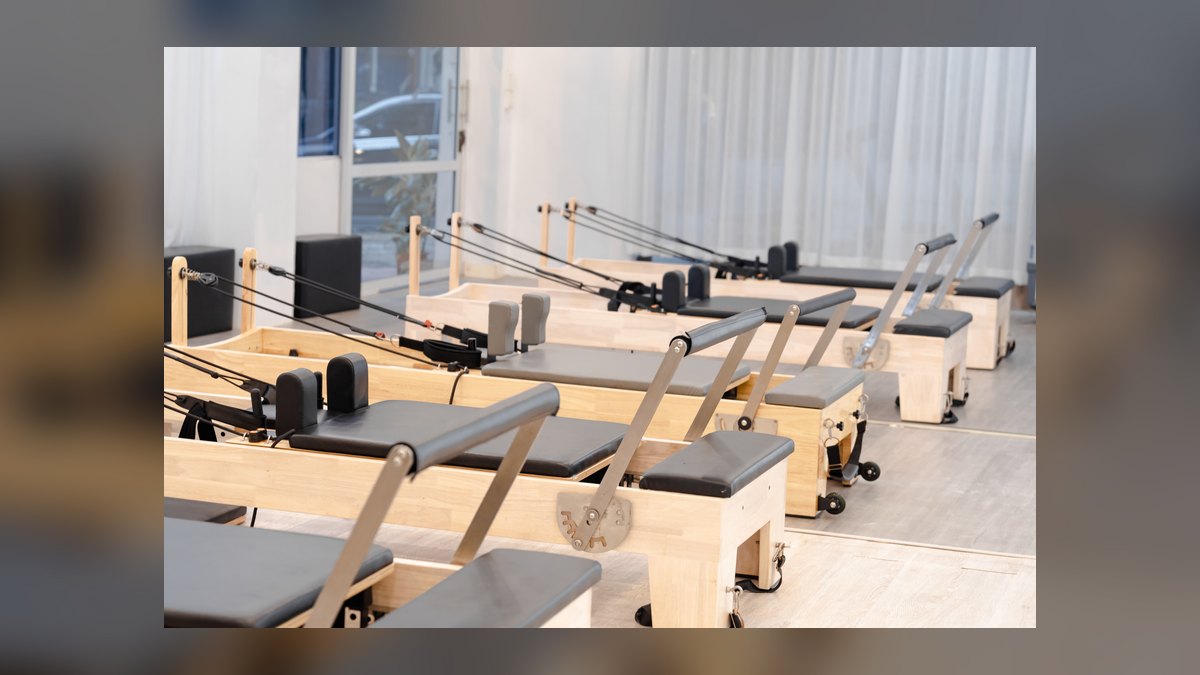
Reformer Hours Utilized ranks first because it measures the fixed, expensive, un-expandable asset base every Pilates studio monetizes. A 12-reformer studio bookable 12 class-hours daily holds roughly 1,008 sellable reformer-hours weekly. Healthy independents land at 62-72%; below 55% the studio is structurally unprofitable at typical suburban rents regardless of price.
It is for owner-operators who must decide whether to cut, convert, or discount schedule slots. The trade-off is that utilization alone hides retention: a studio can push 70% by discounting while churn quietly climbs. Compare it with Monthly Member Churn directly below, which catches the leak utilization cannot see.
2. Monthly Member Churn KPI
Monthly Member Churn ranks second because acquisition spend into a leaking roster is wasted, and boutique retention curves are front-loaded with most quits inside ninety days. Best-in-class reformer studios hold 3-5% monthly; typical operators run 5-6%. Above 6.5% monthly signals retention crisis, and all acquisition spend should pause until diagnosed.
It is for owners who need a lagging but unambiguous signal of whether the studio is actually keeping the members it pays to acquire. The trade-off is that churn tells you what already happened, not what to fix this week. Compare it with 30-Day New-Member Activation below, which is the leading indicator churn can never be.
3. Intro-Offer Conversion KPI
Intro-Offer Conversion ranks third because moving it from 41% to 55% adds roughly 50% more new members monthly at zero incremental marketing spend. Median independents convert in the high thirties to mid forties; well-run franchise systems hit the mid fifties. Gold standard exceeds 62%, measured within 21 days of intro-pack expiry.
It is for studios with steady lead volume but weak trial-to-membership follow-through. The trade-off is time: a dated touch sequence at day zero, three, ten, and eighteen takes a quarter to show churn benefits. Compare it with Revenue Per Instructor-Hour below, which converts those new members into labor-efficient revenue.
4. Revenue Per Instructor-Hour KPI
Revenue Per Instructor-Hour ranks fourth because it converts the utilization question into a labor question. Group reformer at healthy fill produces $92-$140 per instructor-hour; semi-private runs $150-$240 because two to four clients each pay premium against one labor hour. One-to-one privates produce least on a fully loaded basis despite the highest sticker price.
It is for owners deciding which class formats and instructor tiers deserve peak slots. The trade-off is that chasing the number pushes the studio upmarket and shrinks the addressable local audience. Compare it with Average Revenue Per Member below, which captures pricing power across the whole roster rather than per teaching hour.
5. Average Revenue Per Member KPI

Average Revenue Per Member ranks fifth because it exposes whether growth is being bought with discounts. Independent boutique reformer studios commonly run $178-$245 monthly; franchise formats run $155-$185 because the model trades price for volume. Ultra-premium urban studios with heavy private mix exceed $300. Trend and composition matter more than the absolute number.
It is for owners tracking whether member count growth is translating into real revenue. The trade-off is that ARPM can look healthy while promo-stacked cohorts quietly pay far less than the ledger reports. Compare it with Revenue Mix below, which shows whether pricing power comes from format choice or from discounting.
6. Class Fill Rate KPI
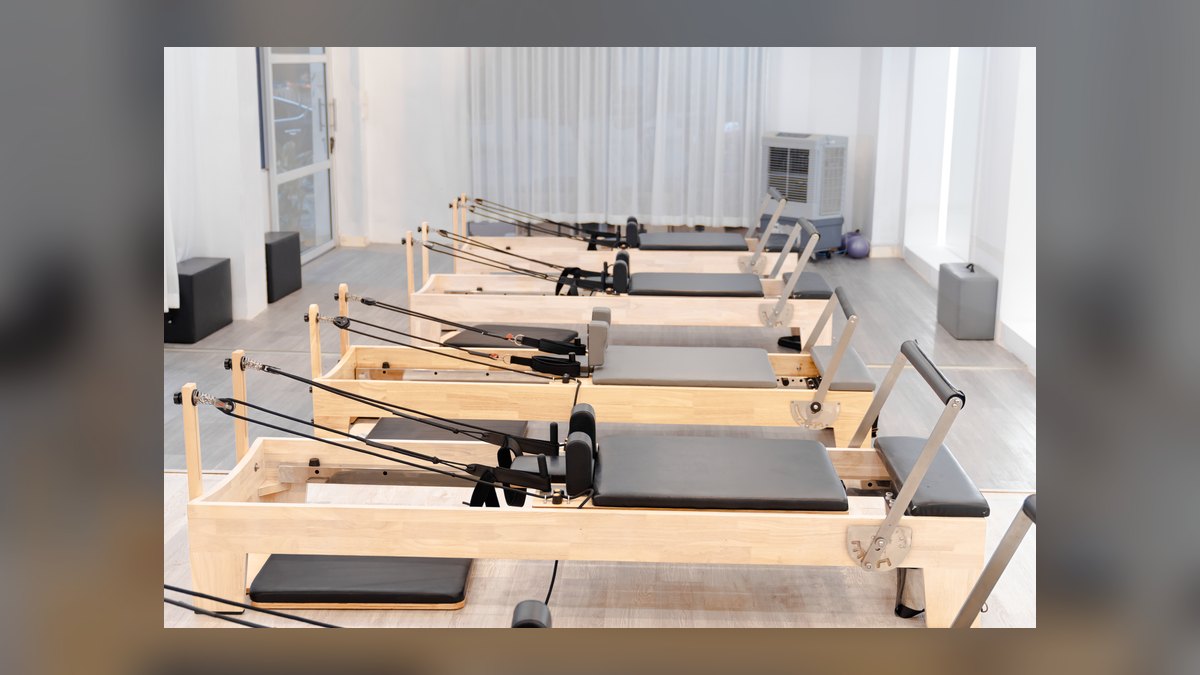
Class Fill Rate ranks sixth because it measures how well the studio sells the schedule it already built. Top-quartile reformer studios run above 95% with active waitlists converting no-shows into filled seats within minutes. Reformer classes fill far better than mat classes industry-wide, which is why mat slots drag blended fill rate down.
It is for owners auditing whether specific slots justify their instructor payroll. The trade-off is that fill rate only looks at scheduled classes, so a studio filling four classes daily posts 100% while leaving most machine-hours unsold. Compare it with Reformer Hours Utilized above, which is the metric to keep if only one can be tracked.
7. Lead-to-Trial Rate KPI
Lead-to-Trial Rate ranks seventh because it isolates whether the top of the funnel converts qualified interest into paid intro packs. Median studios land in the high teens to low twenties; strong operators clear 30%. Inventory-constrained studios with genuine waitlists run higher still, because scarcity does the selling on their behalf.
It is for owners diagnosing whether weak new-member volume comes from lead quality or from offer clarity and response speed. The trade-off is that below 15%, the fix is usually a five-minute SMS response SLA rather than more marketing spend. Compare it with Intro-Offer Conversion above, which picks up where this metric ends.
8. 30-Day Activation KPI

30-Day Activation ranks eighth because members attending four or more classes in their first thirty days retain at multiples of the rate of non-activators. Median studios hover near half; best-in-class clears 78%. Unlike churn, activation is actionable the same week it is measured, making it the strongest leading indicator of next quarter's retention.
It is for owners willing to enforce a day-one onboarding ritual where classes two, three, and four get booked before the member leaves the lobby. The trade-off is front-desk discipline and thirty seconds per new member, every time. Compare it with Monthly Member Churn above, which it predicts two to three months in advance.
9. Revenue Mix KPI
Revenue Mix ranks ninth because it reveals whether the schedule was deliberately designed or inherited from year one. A balanced independent boutique sits near 55% group, 30% semi-private, and 15% private. Premium studios skew heavily semi-private and private; franchise formats skew heavily group. No universal mix exists, only fit with rent and market.
It is for owners deciding whether to convert underperforming group slots into semi-privates at premium per-seat rates. The trade-off is accessibility: every conversion moves the studio upmarket and narrows the addressable audience. Compare it with Average Revenue Per Member above, which reflects the mix's pricing outcome across the roster.
10. Lead Response Time KPI
Lead Response Time ranks tenth because it is the highest-leverage single variable in the acquisition funnel and the cheapest improvement available to an independent studio. Studios routing inbound leads to SMS with a tight response window materially outperform email-only follow-up. A five-minute SLA with a named owner is the standard to hold.
It is for owner-operators without a dedicated sales team who still need every inbound lead worked properly. The trade-off is that it demands constant front-desk attention and fails the moment nobody owns the queue. Compare it with Lead-to-Trial Rate above, which is the downstream metric this one most directly moves.
How we ranked these
We ranked KPIs by how directly each one governs the reformer-hour engine — the fixed, lease-bound inventory that determines whether a Pilates studio is profitable. Utilization, churn, intro conversion, revenue per instructor-hour, activation, and revenue mix were weighted most heavily because each moves contribution margin within a quarter. Benchmarks were drawn from boutique fitness operating ranges, franchise disclosure patterns, and studio P&L norms.
We deliberately ignored follower counts, gross revenue, total member count, and vanity booking totals. Those metrics rise while utilization and contribution margin fall, which is exactly how busy studios lose money. We also excluded lifetime value projections, since they are lagging, assumption-heavy, and useless for a weekly operating decision. Anything you cannot act on this month was left off the dashboard.
What to look for
The real question is not which KPI is best but which one your studio can actually move this quarter. A demand-constrained studio at 54% utilization should work intro conversion and activation before touching price. A capacity-constrained studio above 85% should convert peak slots to semi-private or raise price. Match the metric to your binding constraint, not to a generic list.
The mistake most buyers make is adopting all ten metrics at once, tracking them in a spreadsheet nobody reads, and changing nothing. Pick two: one utilization or margin metric, one funnel metric. Assign a named owner, a weekly review, and a single action per metric. Add the rest only after the first two have moved for eight consecutive weeks. Dashboard sprawl is the most common failure mode.
Related questions
What is reformer hours utilized and how is it calculated?
It is paid, booked reformer-hours divided by total bookable reformer-hours in the period. Multiply paid seats by class duration, then divide by reformers times bookable hours per day times days. A 12-reformer studio open 12 sellable hours daily has roughly 1,008 weekly reformer-hours of inventory. Healthy independents run 62-72%.
Why is utilization better than class fill rate?
Fill rate only measures classes you already scheduled, so a studio running four full classes a day shows 100% fill while leaving most machine-hours unsold. Utilization counts the entire bookable denominator, including hours you never scheduled. Fill rate tells you how well you sold your schedule; utilization tells you whether you built the right one.
What monthly churn rate should a Pilates studio target?
Best-in-class boutique reformer studios hold 3-5% monthly churn. Typical operators run closer to 5-6%. Above 6.5% monthly, stop acquisition spend and diagnose retention first, because you are paying to fill a leaking bucket. Calculate churn on paying members and separately on engaged members so silent churn cannot hide.
What is a good intro-offer conversion rate?
Median independents convert intro packs in the high thirties to mid forties. Well-run franchise systems land in the mid fifties. Above 62% is the gold standard, and those studios almost always run a written, dated touch sequence rather than a front-desk ask at the final class. Moving from 40% to 62% adds roughly 50% more new members at zero extra marketing spend.
How much revenue should an instructor-hour generate?
Group reformer at healthy fill typically produces $92-$140 per instructor-hour. Semi-private runs $150-$240 because two to four clients each pay a premium against one labor hour. One-to-one privates produce less on a fully loaded basis despite premium pricing, since the entire labor cost lands on a single client.
What counts as 30-day activation and why does it matter?
It is the share of new members attending four or more classes within their first thirty days. Median hovers near half; best-in-class clears 78%. Activated members retain at multiples of the rate of non-activators at six months, making activation the best leading indicator of next-quarter churn and the rare metric you can fix the same week.
Should I raise prices if my studio is unprofitable?
Only if you are capacity-constrained. A price increase at 54% utilization mostly accelerates churn among price-sensitive members and worsens the utilization problem. Price increases work when demand exceeds your reformer-hours. Check utilization before you check the price list, and fix unsold inventory first.
What is a healthy revenue mix between group, semi-private, and private?
A balanced boutique sits near 55% group, 30% semi-private, 15% private. Premium studios skew toward semi-private and private; franchise formats skew heavily group. There is no universally correct mix, only whether yours matches your market, rent, and instructor bench, and whether you chose it deliberately or inherited it.
FAQ
How many KPIs should a Pilates studio track weekly?
Two to four. One utilization or margin metric and one funnel metric is enough to run the business week to week. Add more only after the first two have moved consistently for eight weeks. Tracking ten metrics nobody acts on is worse than tracking two with named owners and weekly decisions attached.
What is the single most important KPI for a Pilates studio?
Reformer hours utilized, because it governs the fixed asset everything else depends on. Revenue, churn, and conversion all flow through how much of your bookable machine-time actually sells. Read it beside revenue, never instead of revenue, since a revenue increase paired with falling utilization is a warning rather than a win.
How do I calculate bookable reformer-hours correctly?
Multiply reformers by genuinely sellable class-hours per day, then by days in the period. A 12-reformer studio with 12 sellable hours daily has about 1,008 weekly reformer-hours. Subtract turnover and cleaning gaps honestly. Inflating the denominator makes utilization look artificially low and leads to bad schedule decisions.
Why do no-shows distort my fill rate?
Booked seats count as filled even when nobody attends, so a class with twelve bookings and three no-shows reads as 100% while actually running at 75%. If you staff and schedule off booking data, the distortion compounds. Track attended seats as the primary number and treat bookings as a forecast.
What is silent churn and how do I find it?
Silent churn is auto-paying members who have not attended in 45-60 days and are waiting for a card decline to formalize their exit. Flag any auto-paying member with no attended class in 45 days, generate a weekly outreach list, and count them separately. Your retention number will look worse for a quarter, then become real.
How often should I rebuild my class schedule?
Quarterly, from a clean sheet, using attendance and waitlist data rather than history. Most studio grids are built in year one around founder availability and never revisited, so they reflect nothing about current demand. Rebuilding is uncomfortable and is the highest-value quarterly ritual in the business.
Does adding classes always increase revenue?
No. Adding slots increases the bookable denominator and instructor payroll. If new classes average four booked seats, utilization falls and contribution margin per reformer drops even while top-line revenue rises. Schedule expansion is a capital-allocation decision, not a marketing one, because machine count is fixed by the lease.
What is a clean ARPM and why calculate it?
Clean ARPM is monthly recurring revenue divided by active paying members, excluding all promo-derived members. When aggregator listings, first-month-free offers, and referral credits stack, reported revenue exceeds what you actually collect from that cohort. Compare clean and reported ARPM monthly; a wide gap means you do not have the business you think you have.
How fast should leads get a response?
Within five minutes, tracked as a metric with a named owner. Lead response time is the highest-leverage variable in the acquisition funnel, and studios routing inbound leads to SMS with a tight window materially outperform email-only follow-up. It is the cheapest funnel improvement available to an independent studio.
Should I use discounting to fill empty reformer slots?
Only as a last resort, and capped. Promo-acquired members convert and activate at lower rates, drag ARPM down, and reopen the same gap next quarter. If you discount, cap promo-derived members at roughly 15% of your roster and treat the cap as a hard rule rather than a guideline. Cut padded slots and fix the funnel first.
Sources
- https://www.ihrsa.org/publications/
- https://www.acsm.org/education-resources/trending-topics-resources
- https://www.cdc.gov/physicalactivity/basics/index.htm
- https://www.bls.gov/ooh/personal-care-and-service/fitness-trainers-and-instructors.htm
- https://www.sba.gov/business-guide/plan-your-business/market-research-competitive-analysis
- https://www.nsca.com/education/articles/
- https://www.acefitness.org/resources/pros/
Related on PULSE
- [More kpis for pilates studios rankings and buying guides](/knowledge)
- [PULSE Tools and calculators](/tools)
- [Everything on PULSE RevOps](/)
This page will be disappearing soon. Save it to your device for $1 — or read it free while it is here.
@Kory-White- · if Venmo asks, the last 4 of my number are 2012
 pulse-industry-kpisTop 10 KPIs for Physical Therapy Clinics in 2027
 pulse-industry-kpisTop 10 Sales KPIs for Text-to-Speech (TTS) Voice AI in 2027
 pulse-industry-kpisTop 10 KPIs for Auto Repair Shops in 2027
 pulse-industry-kpisTop 10 KPIs for Moving Companies in 2027
 pulse-industry-kpisTop 10 Sales KPIs for AI Recruiting in 2027
 pulse-industry-kpisTop 10 Sales KPIs for Vector Database in 2027
 pulse-industry-kpisTop 10 Sales KPIs for Specialty Chemicals Distribution in 2027
 pulse-industry-kpisTop 10 Sales KPIs for AI Customer Support in 2027
 pulse-industry-kpisTop 10 KPIs for Bars and Pubs in 2027
 pulse-industry-kpisTop 10 KPIs for Self-Storage Facilities in 2027