
How Do I Structure a Lease With an Option to Purchase?
 Curated byKory White · Fractional CRO · Maryland
 PULSEKNOWLEDGE LIBRARY
<svg xmlns="https://www.w3.org/2000/svg" viewBox="0 0 1200 340" role="img" aria-label="How Do I Structure a Lease With an Option to Purchase? — PULSE Buildouts"><rect width="1200" height="340" fill="#EBE9DE"/><rect width="14" height="340" fill="#C0531F"/><text x="58" y="116" font-family="Arial,Helvetica,sans-serif" font-size="32" font-weight="800" letter-spacing="3" fill="#C0531F">PULSE BUILDOUTS · COMMERCIAL REAL ESTATE</text><text x="56" y="198" font-family="Arial,Helvetica,sans-serif" font-size="60" font-weight="800" fill="#2b2b2b">Save money. Don’t get screwed.</text><text x="58" y="258" font-family="Arial,Helvetica,sans-serif" font-size="30" font-weight="600" fill="#6b5b4d">Leases, TI, NNN & buildouts — negotiated in your favor</text><g transform="translate(1010,86)" fill="none" stroke="#C0531F" stroke-width="9" stroke-linejoin="round"><rect x="20" y="40" width="150" height="130"/><line x1="20" y1="40" x2="95" y2="6"/><line x1="170" y1="40" x2="95" y2="6"/><rect x="50" y="80" width="36" height="36"/><rect x="104" y="80" width="36" height="36"/><rect x="74" y="128" width="42" height="42"/></g></svg>
Lock the strike price today and pay as little as possible for the right to buy later. A lease with an option to purchase gives you the contractual right — not the obligation — to buy the property during or at the end of the lease term at a price you negotiate now, before the building appreciates. The money move: set a fixed strike price (or a tightly capped formula) rather than "fair market value at exercise," because FMV-at-exercise hands the upside back to the landlord. Pay a small option fee of 1% to 5% of the purchase price for the right, and negotiate a rent credit of 10% to 50% of each month's rent that applies to the purchase if you exercise. On a $2,000,000 building with $15,000/month rent and a 25% rent credit over 3 years, that is $135,000 working down your purchase price — money you would otherwise burn.
Keep the option (your right to buy if you choose) separate from a right of first refusal (you only get to match a third-party offer). An option is far stronger because you control the trigger. Record a memorandum of option against title so the landlord cannot sell out from under you, and set a clear exercise window and notice procedure so a missed deadline does not void the deal.
Set the Strike Price the Right Way
The strike price is where the money is won or lost. You have three structures, ranked best-to-worst for the tenant:
- Fixed price — agree on a hard number today, e.g. $2,000,000. You capture all appreciation. Best for the tenant; landlords resist on long terms.
- Capped escalator — a base price that grows at a fixed 2% to 3%/year, so a $2M building is capped near $2.19M after 3 years at 3%. Predictable and still tenant-favorable.
- Fair market value at exercise — an appraisal sets the price when you buy. Worst for you because you lose the appreciation you helped create. If forced into FMV, demand a collar (a floor and ceiling) and a three-appraiser process to stop the landlord's appraiser from inflating value.
Never agree to a bare "FMV at the time of exercise" clause. It quietly converts your option into a coin flip.
Option Fee and Rent Credits: Make Rent Build Equity
Two levers turn your rent into a down payment.
Option fee: you pay the landlord for the right to buy, typically 1% to 5% of the purchase price. Negotiate it to apply 100% toward the purchase if you exercise, and to be forfeited only if you walk. A $2M deal at a 2% option fee is $40,000 — push for all of it to credit the price.
Rent credit: negotiate that a slice of every monthly rent payment — commonly 10% to 50% — accrues toward the purchase price if you exercise. This is the lease-option equivalent of forced savings. Get it in writing with a running ledger, because landlords "forget" the credit at closing.
Run the combined math before signing:
- Purchase price: $2,000,000
- Option fee credited: $40,000
- Rent credit at 25% of $15,000 × 36 months: $135,000
- Net cash needed at closing drops by $175,000.
Demand a written, signed accounting of accrued credits at least annually so there is no dispute at exercise.
Protect the Option From the Landlord
An option is only as good as its enforceability. Landlords have sold properties to third parties, claimed the option lapsed, or buried a self-cancelling clause. Lock these protections:
- Record a memorandum of option with the county recorder. It clouds title so the landlord cannot sell free-and-clear to anyone else.
- Notice and exercise procedure: spell out exactly how you exercise (written notice, certified mail, a defined window). A vague clause lets the landlord argue you exercised improperly.
- No-default-forfeiture limits: landlords love a clause voiding the option if you are ever in default. Limit forfeiture to an uncured material monetary default, not a one-day-late payment you cured.
- Survival on sale: state that the option binds successors and assigns, so a buyer of the building takes it subject to your option.
- Clean title at closing: require the landlord to deliver marketable title and clear any liens before you close.
Tax and Financing Angles That Save Money
How you label the deal changes your tax and lending outcome. A poorly drafted lease-option can be recharacterized by the IRS as an installment sale, which changes who deducts depreciation and how rent is treated. Have a CPA and CRE attorney review the structure before signing — the wrong characterization can cost you deductions or trigger unexpected gain.
On financing: the rent credits and option fee can count toward your down payment with many commercial lenders, easing the cash you need at closing. Ask your lender early how they treat documented credits. And because you locked the strike price years earlier, an appraisal above your strike price at exercise creates instant built-in equity — useful for the new loan's loan-to-value.
Don't Get Screwed: The Clauses to Strike
Lease-options are where slick landlords hide traps. Redline these:
- "Time is of the essence" with a hair-trigger window — negotiate a reasonable exercise period and a cure right for a late notice.
- Rent-credit forfeiture on any default — limit forfeiture to uncured material default; protect accrued credits otherwise.
- Right of first refusal disguised as an option — an ROFR is weaker; insist on a true option you control.
- Strike price tied to landlord's appraiser alone — require a neutral three-appraiser process if FMV is used.
- Maintenance and tax dumping — a tenant who is "buying eventually" often gets stuck with a triple-net load and deferred-maintenance liability. Define responsibilities clearly until closing.
A CRE attorney's review at $3,000 to $8,000 is cheap insurance against a six- or seven-figure mistake.
Related on PULSE
- [What 2027 event made buying committees start using AI to simulate your product roadmap before purchase?](/knowledge/q16616)
- [How do 2027 buying committees evaluate ROI across multiple departments before purchase?](/knowledge/q16525)
- [How does a buying committee of 18 stakeholders in 2027 align on purchase decisions when AI-generated product demos replace human-led presentations?](/knowledge/q13563)
- [How Do I Structure a Lease for a Franchise Location?](/knowledge/q13703)
- [What Is the Complete Commercial Lease Negotiation Checklist?](/knowledge/q13840)
- [How Do I Use Anchor-Tenant Leverage to Get a Better Lease?](/knowledge/q13837)
Common Pitfalls in Lease-Option Agreements
One of the biggest mistakes tenants make is failing to clearly define maintenance responsibilities during the option period. If the lease-option doesn't specify who handles major repairs—roof, HVAC, structural issues—you could be on the hook for expensive fixes on a property you haven't yet committed to buying. Always clarify which repairs are the tenant's obligation versus the landlord's, and consider including a cap on tenant repair costs (e.g., $2,000–$5,000 annually for non-structural items).
Another trap: ambiguous option exercise deadlines. Many tenants miss the window to exercise because the lease says "60 days before lease expiration" buried in fine print. Negotiate a 90-day notice period and set calendar reminders. Also watch for financing contingencies—if you can't secure a mortgage at the strike price, you shouldn't lose your option fee or rent credits. Add a clause allowing 45–60 days after exercise to obtain financing, with the option fee refundable if you're denied.
Negotiating Rent Credits and Option Fees
The option fee (1–5% of the purchase price) is typically non-refundable, but you can negotiate it downward if the property needs work or if you're taking on maintenance. For a $500,000 property, that's $5,000–$25,000 upfront—try to cap it at 2% for standard properties.
Rent credits are where the real savings happen. Instead of asking for 50% of rent credited toward purchase (which landlords often reject), propose a tiered structure: 20% credit in year one, 30% in year two, 40% in year three. This gives the landlord immediate income while building your equity. For a $3,000/month rent, a 20% credit means $600/month toward the purchase price—over 3 years that's $21,600 off the strike price. Always get the credit schedule in writing and confirm it's applied to the purchase price, not just the down payment.
Exit Strategies and Assignment Rights
What happens if your business grows and you need to move before exercising the option? Negotiate assignment rights—the ability to sell or assign the option to another buyer. This turns your lease-option into a valuable asset you can trade. Include a clause allowing you to market the option to third parties, with the landlord having a right of first refusal to match any offer.
Also plan for early termination. If the property declines in value or your business fails, you don't want to be stuck in a lease. Negotiate a buyout clause—typically 2–4 months' rent—to exit the lease-option without penalty. This protects you from being forced to buy a property that no longer makes financial sense.
FAQ
What is the typical strike price in a lease-option? The strike price is usually set at the current market value of the property, often determined by an appraisal or agreed-upon amount at signing. It can also be slightly above market to account for future appreciation, but it should be locked in upfront to avoid disputes later.
How much should I pay for the option itself? Option fees typically range from 1% to 5% of the strike price, though this is negotiable. Pay as little as possible — ideally a flat fee or small percentage — and ensure it’s credited toward the purchase price if you exercise the option.
Can I negotiate the lease terms separately from the option? Yes, you should treat the lease and option as distinct but linked agreements. The lease terms (rent, duration, maintenance responsibilities) are negotiated independently, but the option’s exercise period and conditions must align with the lease timeline.
What happens if I don’t exercise the option? You simply let the option expire, and you lose only the option fee you paid upfront. You are not obligated to buy, and the lease continues or ends per its own terms — just ensure the option expiration date is clearly defined in the contract.
How do I handle property improvements or repairs during the lease? Clarify in the agreement who pays for major repairs and improvements, as these can affect the property’s value. Typically, tenants handle routine maintenance, but structural repairs may remain the landlord’s responsibility unless otherwise negotiated.
What legal protections should I include in the contract? Always include a clear description of the property, the exact strike price, the option fee amount and credit terms, the exercise deadline, and conditions for termination. It’s wise to have a real estate attorney review the document to ensure it complies with local laws.
Sources
- CBRE — Investment Properties and lease-economics guidance on option structures.
- JLL — Capital Markets and tenant-representation analysis of lease-purchase deals.
- Cushman & Wakefield — Net-lease and option-to-purchase market practice.
- NAIOP — Commercial real estate development and acquisition-structure research.
- IREM — Institute of Real Estate Management, lease administration and credit-accounting standards.
- BOMA International — Commercial lease-clause standards and successor-binding provisions.
- CRE counsel and CPA guidance on lease-option drafting, recording, and IRS recharacterization risk.
This page will be disappearing soon. Save it to your device for $1 — or read it free while it is here.
@Kory-White- · if Venmo asks, the last 4 of my number are 2012
This page is gone.
This one is off the shelf now. $1 keeps it on your phone for good — the whole page, pictures and diagrams included.
 pulse-qHow Many Employees Should I Schedule Each Shift at My Martial Arts Studio?
 pulse-qHow Do I Budget a Chiropractic Clinic Buildout?
 pulse-qHow Many Employees Should I Schedule Each Shift at My Hot Pot Restaurant?
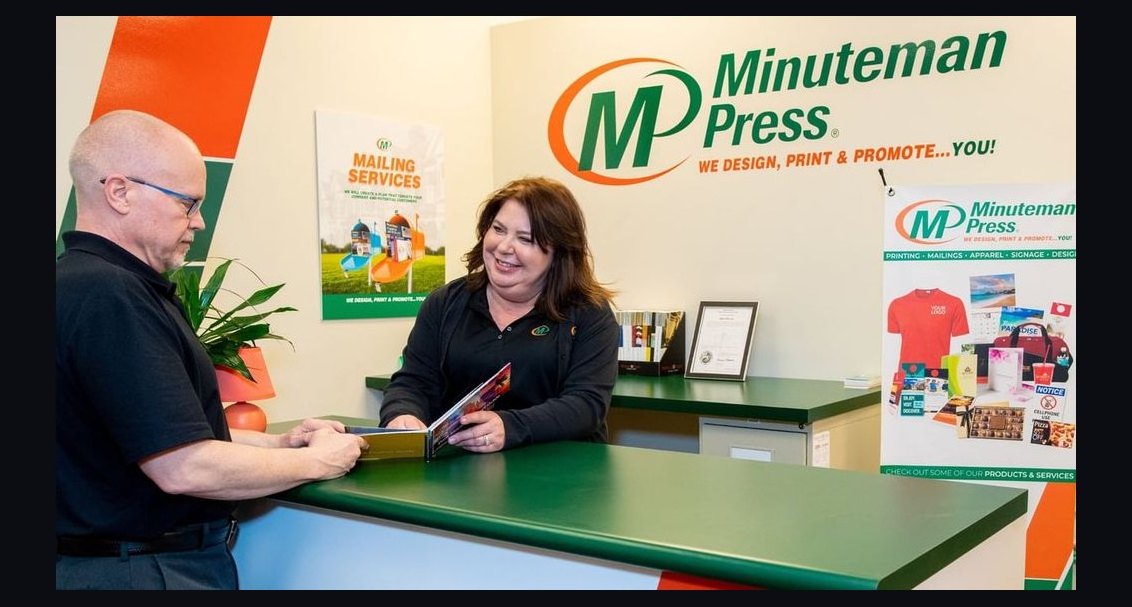 pulse-qShould I open or buy a Minuteman Press franchise in 2027?
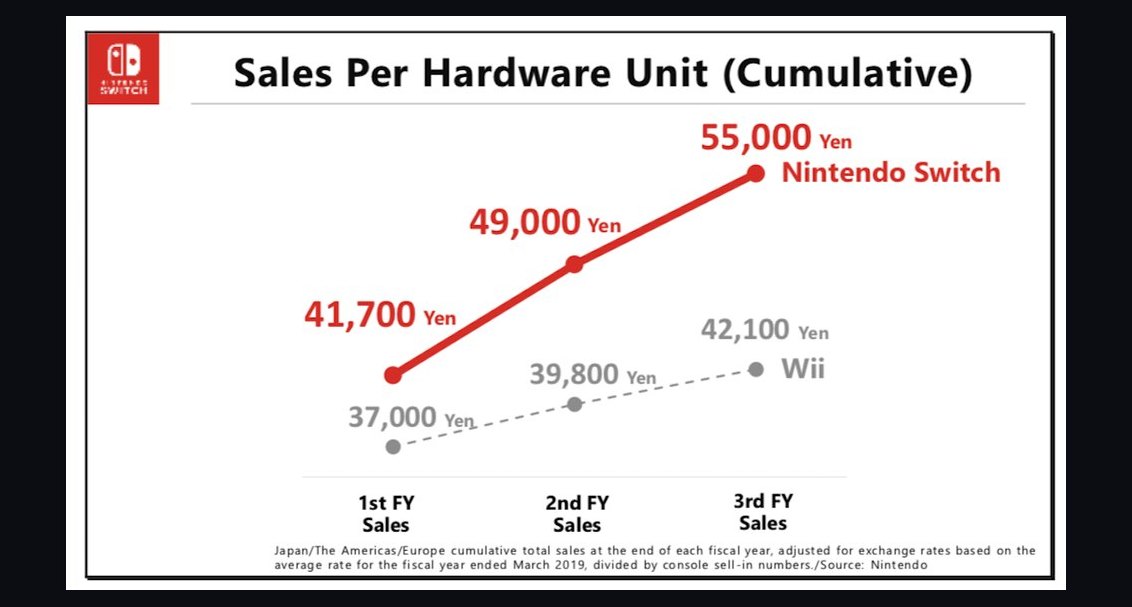 pulse-qHow Do I Set Attach Rates for My Service Fees?
 pulse-qShould I open or buy an It's A Grind Coffee franchise in 2027?
 pulse-qShould I open or buy a Snap Fitness franchise in 2027?
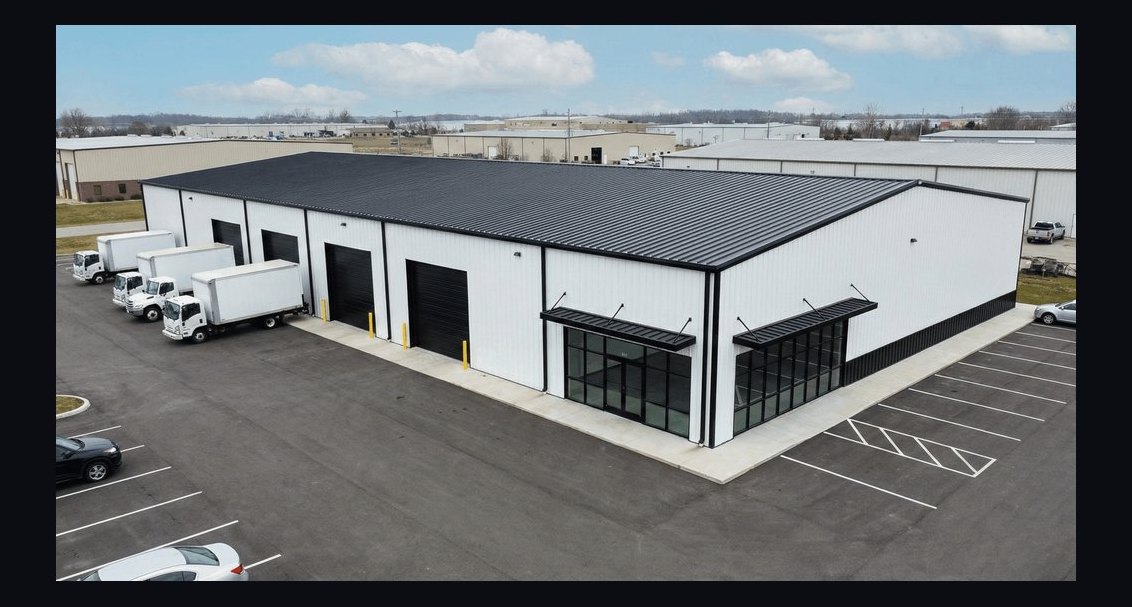 pulse-qShould I Buy My Commercial Building Through a Separate LLC?
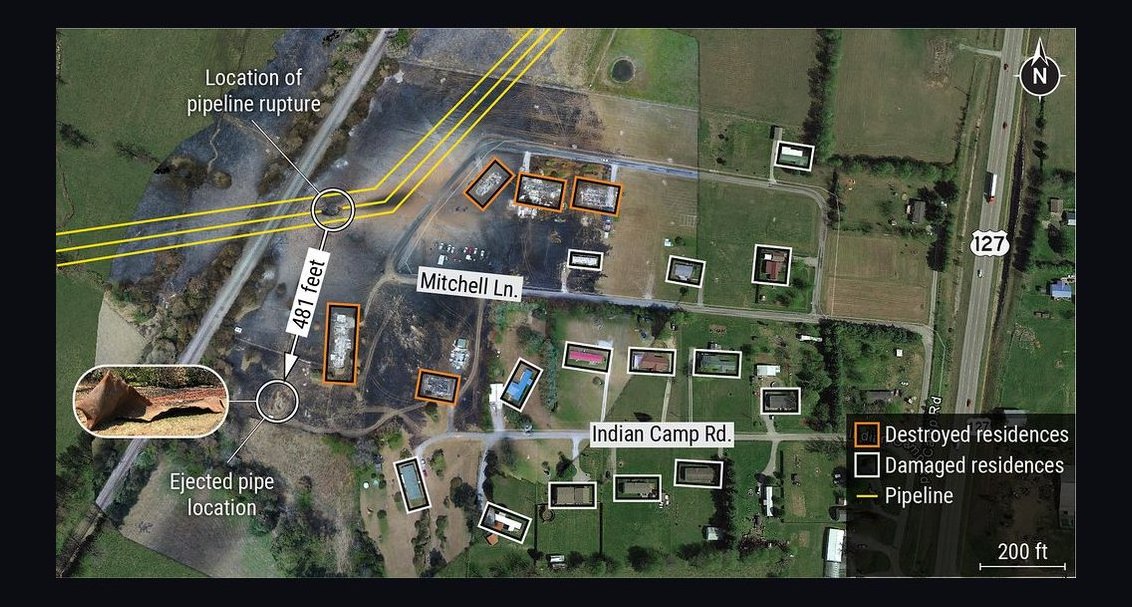 pulse-qHow do you handle a rep who sandbags their pipeline to avoid quota increases in 2027?
 pulse-qShould I open or buy a Roof Maxx franchise in 2027?