
Should I open or buy a Restore Hyper Wellness franchise in 2027?
 Curated byKory White · Fractional CRO · Maryland
 PULSEKNOWLEDGE LIBRARY
Quality
Certified
Opening a Restore Hyper Wellness franchise in 2027 makes sense if you can fund a $600,000–$1,500,000 build, recruit licensed clinical staff, and operate in an affluent wellness market. The membership-plus-IV model delivers recurring revenue and high-ticket upside, but medical compliance is a genuine operational burden. Skip it if you're under-capitalized or unwilling to manage that complexity.
Opening New Versus Buying an Existing Restore Hyper Wellness Franchise
The first real decision in 2027 is not whether to enter the recovery-wellness category — it is whether you open a new Restore Hyper Wellness studio from the ground up or acquire an existing franchise that is already operating. These are two very different businesses wearing the same brand.
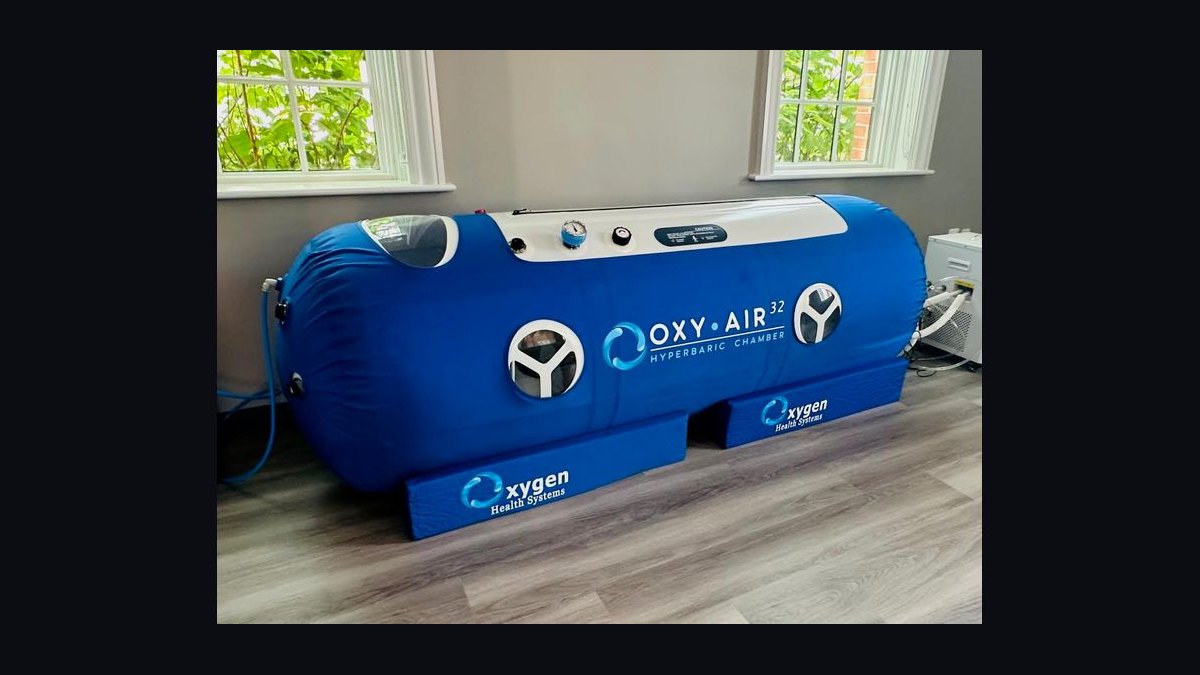
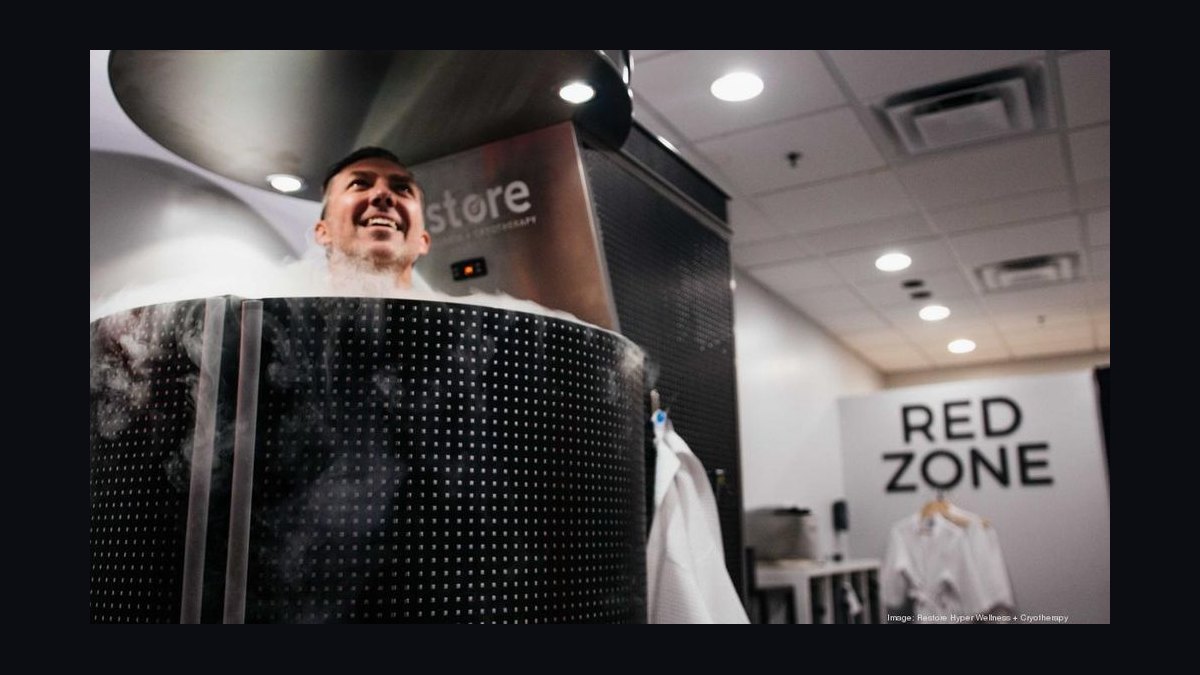
Opening new means you sign a franchise agreement, secure a site, build out 2,500–4,500 square feet, install cryotherapy chambers, IV-drip suites, red-light beds, compression and hyperbaric equipment, hire and train staff, and pre-sell founding memberships before you ever treat a customer. You control the location, the design, the staffing culture, and the membership pricing from day one. You also absorb every dollar of the $600,000–$1,500,000 Item 7 investment and carry the full ramp risk. Breakeven typically arrives 18–36 months after opening, and the first two years are capital-intensive.
Buying an existing Restore franchise flips that equation. As of late 2026, roughly 15–25 Restore units are listed for resale at any given time, with asking prices for the business (excluding real estate) in the $200,000–$600,000 range and 2–4x Seller's Discretionary Earnings being typical. A well-run studio producing $200,000 in SDE might list at $400,000–$600,000. You inherit a trained team, an established membership base, a lease, and — critically — a compliance history. You also inherit whatever problems the seller never fixed: weak membership penetration, an unfavorable lease, deferred equipment maintenance, or a medical-director relationship that is about to lapse.
The trade-off is control versus speed. Opening new gives you a clean slate and the ability to negotiate a favorable lease in a softening commercial real estate market, where landlords in many metros are offering 3–6 months of free rent and higher tenant improvement allowances. Buying existing gives you day-one cash flow and skips the 6–12 month pre-opening gauntlet, but you pay a premium for someone else's execution and you inherit their cultural and operational baggage.
For most first-time franchisees with $600,000+ in capital, opening new is the cleaner path because you build the membership engine correctly from the start. For experienced multi-unit operators who already run wellness or clinical businesses, buying an underperforming Restore unit at 2x SDE and fixing membership penetration is often the higher-return play.
How to Decide Between Opening and Buying
The decision hinges on four variables: capital, timeline, operational appetite, and market saturation. If you have $600,000–$1,500,000 liquid or financeable and 12–18 months of patience, opening new in an underserved affluent market is the stronger long-term asset. If you have $250,000–$600,000 and want revenue within 90 days, buying existing is the faster route — provided you can diligence the unit properly.

Market saturation matters enormously. Restore has grown past 200 open locations, and in mature markets like Texas, Florida, and Colorado, existing franchisees often hold multiple territories. In those markets, a new unit competes directly with established Restore studios and with iCRYO, Perspire Sauna Studio, The DRIPBaR, and independent IV lounges. Buying an existing unit in a saturated market means you are buying market share rather than building it, which is often the smarter move when the territory is already claimed.
The flowchart above is deliberately blunt: capital and control appetite drive the fork. If you answer "no" to both capital thresholds, Restore is likely the wrong franchise for you in 2027, and a lower-compliance concept such as Perspire Sauna Studio or HOTWORX offers wellness exposure without the clinical burden.
The Concrete Numbers Behind Each Path
Opening a new Restore Hyper Wellness studio in 2027 carries a franchise fee around $50,000, per the 2026 FDD. Leasehold and buildout run $180,000–$550,000 depending on whether you convert an existing medical or fitness space or build from shell condition. Equipment — cryo chambers, hyperbaric units, red-light beds, compression, IV infrastructure — runs $200,000–$500,000. Technology and software (CRM, EMR, billing) runs $15,000–$50,000. Initial marketing for pre-sale and grand opening runs $30,000–$90,000. Insurance and compliance runs $15,000–$60,000. Training and travel runs $8,000–$25,000. Working capital for the first 3–6 months runs $80,000–$200,000. Total Item 7 lands at roughly $600,000–$1,500,000.
Ongoing costs are where new owners get surprised. Royalty runs approximately 7%–8% of gross revenue, plus a marketing fee around 2%. Labor runs 25%–32% of revenue because you need licensed clinical staff — a registered nurse or LPN for IV therapy and biomarker draws, plus 2–3 wellness technicians and a general manager. RNs in wellness settings earn $30–$45 per hour in 2027; wellness techs earn $16–$22 per hour. Total annual payroll for a mid-size studio runs $180,000–$280,000 including payroll taxes and workers' comp. Rent runs 12%–16% of revenue, translating to $4,000–$12,000 per month depending on market. Service COGS runs around 12%. Compliance costs — OSHA bloodborne pathogen training, HIPAA-compliant recordkeeping, state pharmacy board registration, annual medical director reviews — add $5,000–$15,000 per year, plus a medical director retainer of $1,500–$5,000 per month in most states.
On a $1.1M gross studio, the math looks like this: labor at 30% takes $330,000, rent and facility at 14% takes $154,000, service COGS at 12% takes $121,000, the 8% royalty takes $88,000, and marketing plus other opex at 16% takes $176,000. That leaves roughly $231,000 in owner earnings before debt service. Mature studios gross $700,000–$1,800,000, and owners clear $80,000–$300,000 at well-run, well-located units.
Buying existing changes the entry cost but not the operating economics. You still pay royalty, marketing, labor, rent, and compliance on the acquired unit. What you save is the ramp: an existing studio with 400–800 active members at $99–$199 per month already produces $40,000–$160,000 in monthly recurring revenue before à la carte services. You also inherit the equipment depreciation schedule, which means you may face a $150,000–$300,000 equipment refresh within 24–36 months of purchase. Diligence the age of every cryo chamber, hyperbaric unit, and red-light bed before you sign.
Implementation Details and Sequencing
If you open new, the sequencing matters more than the capital. Days 1–20: read the 2026 FDD line by line, especially Items 5, 6, 7, 19, and 20, and map the compliance requirements for IV and clinical services in your target state. Days 21–40: interview at least 8 existing Restore owners and ask specifically about membership versus IV revenue mix, medical director costs, compliance surprises, and actual net profit. Days 41–60: validate an affluent, health-conscious market with median household income above $90,000 and demonstrated recovery-wellness demand. Days 61–90: secure a site near high-end grocery anchors like Whole Foods or Sprouts, boutique fitness studios like Orangetheory or Club Pilates, or medical plazas with dermatologists and orthopedists — co-tenancy drives 30%–50% of initial customer discovery — and line up a medical director plus clinical staffing plan. Days 91–120: build out and pre-sell founding memberships. Then open with both the membership engine and IV/clinical services running compliantly.
If you buy existing, the sequencing compresses but the diligence deepens. First, verify the franchise agreement transfer terms and the franchisor's right of first refusal. Second, audit the last 24 months of membership churn, average revenue per member, and IV attach rate. Third, inspect every piece of clinical equipment and pull the maintenance log. Fourth, confirm the medical director contract is assignable and the state licenses are current. Fifth, review the lease for remaining term, renewal options, and personal guarantees. Only then negotiate price against a defensible SDE multiple.
For buyers, the equivalent sequence is: letter of intent, 30-day diligence window, franchisor transfer approval, medical director assignment, equipment inspection, lease review, close, then a 90-day stabilization plan focused on lifting membership penetration and IV attach rate. Multi-unit owners report 10%–20% lower per-unit build and marketing costs when they operate 3–5 Restore units under an area development agreement, which is why buying a second or third unit is often more profitable than opening the first.
The 2027 wildcard cuts both ways. If a recession hits, wellness spending typically drops 15%–25% in the first six months before recovering as consumers prioritize health. Restore's $99–$199 monthly membership provides more stability than pure retail, but you need 6–12 months of operating cash reserves to weather a downturn whether you open or buy. And remember: this is a RevOps-adjacent decision as much as a clinical one — your membership billing, churn tracking, and IV attach-rate reporting are the operational levers that separate $80,000 owners from $300,000 owners.
Related questions
How much liquid capital do I need to buy an existing Restore Hyper Wellness franchise?
Most lenders want 20%–30% down plus working capital, so plan on $250,000–$600,000 liquid for a resale priced at $200,000–$600,000. Add reserves for equipment refresh within 24–36 months, since aging cryo and hyperbaric units can cost $150,000–$300,000 to replace.
Is buying an existing Restore unit cheaper than opening new?
Not always. The purchase price is lower than a full build, but you inherit equipment depreciation, lease obligations, and any membership-penetration problems. Total three-year cost of ownership can exceed a new build if the unit needs a $200,000+ equipment refresh and a membership relaunch.
Can I convert an existing medical or fitness space into a Restore studio?
Yes, and it saves time. Converting a former medical or fitness space can cut 8–12 weeks off the 4–6 month build-out timeline because plumbing, HVAC, and clinical infrastructure are often already in place. Confirm zoning and state medical-board requirements before signing a lease.
What is the biggest risk in buying an existing Restore franchise?
Hidden compliance and equipment problems. A lapsed medical director contract, expired state pharmacy registration, or a cryo chamber past its service life can turn a $400,000 acquisition into a $650,000 project. Diligence the clinical and equipment side as hard as the financials.
How long until a new Restore studio breaks even in 2027?
Typically 18–36 months from opening, depending on market affluence, membership pre-sales, and IV attach rate. Studios that pre-sell 300+ founding members before opening often break even closer to 18 months; those that open cold frequently take 30–36 months.
FAQ
Should I open or buy a Restore Hyper Wellness franchise in 2027?
Open new if you have $600,000–$1,500,000 and want control over location, staffing, and membership pricing. Buy existing if you have $250,000–$600,000 and want revenue within 90 days. Both paths carry the same royalty, labor, and compliance economics — the difference is ramp risk versus acquisition premium.
What is the total investment to open a Restore Hyper Wellness franchise?
Per the 2026 FDD, total Item 7 investment runs roughly $600,000–$1,500,000. That covers the ~$50,000 franchise fee, $180,000–$550,000 leasehold and buildout, $200,000–$500,000 equipment, technology, initial marketing, insurance, training, and $80,000–$200,000 working capital.
How much can a Restore Hyper Wellness owner earn?
Mature studios gross $700,000–$1,800,000, with owner net income of $80,000–$300,000. Earnings depend heavily on membership penetration, IV attach rate, labor efficiency, and rent. A $1.1M studio with strong membership and IV mix can produce roughly $231,000 in owner earnings before debt.
Why is medical compliance such a big deal for Restore franchisees?
IV therapy, biomarker testing, and hyperbaric oxygen require state-specific medical oversight, licensed nursing staff, HIPAA-compliant recordkeeping, and pharmacy board registration. That adds $5,000–$15,000 per year in compliance costs plus a $1,500–$5,000 monthly medical director retainer, but it also creates a moat against casual competitors.
What are the ongoing royalty and marketing fees?
Royalty runs approximately 7%–8% of gross revenue, plus a marketing fee around 2%. On a $1.1M studio, that is roughly $88,000 in royalty and $22,000 in marketing fees annually — a material line item to model before you sign.
How long does it take to open a new Restore studio?
From franchise agreement signing to opening typically runs 6–12 months. Site selection, lease negotiation, buildout (4–6 months for new construction, 8–12 weeks faster for conversions), equipment installation, clinical hiring, medical director onboarding, and membership pre-sales all sit on the critical path.
Sources
- Restore Hyper Wellness official franchise site
- International Franchise Association — Franchise Economic Outlook
- Federal Trade Commission — Franchise Disclosure Document guidance
- Entrepreneur Franchise 500
- Franchise Business Review
- Global Wellness Institute — Wellness Economy Research
- Grand View Research — Wellness and Cryotherapy Market Reports
- Statista — US Wellness and Recovery Services Market
- US Small Business Administration — Franchise Financing
- IBISWorld — Health and Wellness Spas Industry Report
Related on PULSE
- Should I open or buy a ServiceMaster Restore franchise in 2027?
- How Do I Get My Veterinary Staff to Sell Wellness Plans?
- How Do I Budget an IV Therapy or Wellness Clinic Buildout?
- How'd you fix Wellness Coach's revenue issues in 2026?
- Should I open or buy an Oxi Fresh Carpet Cleaning franchise in 2027?
- Should I open or buy an Oil Can Henry's franchise in 2027?
This page will be disappearing soon. Save it to your device for $1 — or read it free while it is here.
@Kory-White- · if Venmo asks, the last 4 of my number are 2012
This page is gone.
This one is off the shelf now. $1 keeps it on your phone for good — the whole page, pictures and diagrams included.
 pulse-qShould I open or buy a Goddard School franchise in 2027?
 pulse-qShould I open or buy a Buca di Beppo franchise in 2027?
 pulse-qHow do you coach reps using Gong or Chorus call recordings in 2026?
 pulse-qShould I open or buy a Mo' Bettahs Hawaiian Style Food franchise in 2027?
 pulse-qShould I open or buy a The NOW Massage franchise in 2027?
 pulse-qShould I open or buy a Lee’s Famous Recipe Chicken franchise in 2027?
 pulse-qShould I open or buy a Beef 'O' Brady's franchise in 2027?
 pulse-qShould I open or buy a Sugared + Bronzed franchise in 2027?
 pulse-qShould I open a mobile notary business in 2027?
 pulse-qShould I open or buy an Allegra Marketing Print franchise in 2027?