
Should I open or buy an American Family Care franchise in 2027?
 Curated byKory White · Fractional CRO · Maryland
 PULSEKNOWLEDGE LIBRARY
Yes for a well-capitalized operator who wants into the durable, recession-resistant urgent-care market — American Family Care (AFC) is one of the largest urgent-care franchises, but it requires significant capital and medical operations. American Family Care (AFC), founded in 1982, franchises urgent-care and walk-in medical clinics treating non-emergency illness/injury, plus occupational medicine, primary care, and diagnostics, with insurance-reimbursed and self-pay revenue. The 2026 FDD lists a franchise fee around $60,000, total Item 7 investment of roughly $700,000 to $1,500,000+, a royalty near 6%, and a marketing fee. Mature centers gross $1,200,000-$3,000,000, with owners clearing $180,000-$450,000. Its edge is recession-resistant healthcare demand, recurring/insurance-reimbursed revenue, an established brand, and the growing urgent-care market; the challenges are high capital, medical staffing (providers, NPs), insurance/compliance, and a medical-director requirement.
The Real Numbers
An AFC center leases 2,500-4,500 sq ft for an urgent-care clinic with exam rooms, diagnostics (X-ray, lab), and medical staff, treating walk-in patients. Revenue is insurance-reimbursed plus self-pay, requiring medical staffing (physicians/NPs/PAs) and a medical director.
| Line Item | Low | High | Notes |
|---|---|---|---|
| Franchise fee | $60,000 | $60,000 | Per 2026 FDD |
| Buildout / leasehold | $300,000 | $700,000 | Clinic fit-out |
| Equipment & technology | $200,000 | $450,000 | Exam, X-ray, lab, EMR |
| Signage & decor | $25,000 | $70,000 | Brand-prescribed |
| Initial inventory/supplies | $25,000 | $70,000 | Medical supplies |
| Initial marketing | $30,000 | $80,000 | Grand opening |
| Training & travel | $10,000 | $30,000 | Owner + staff |
| Working capital | $100,000 | $300,000 | Insurance-reimbursement float |
| Total Item 7 | ~$700,000 | ~$1,500,000+ | Per 2026 FDD |
| Royalty | ~6% of gross | ||
| Marketing fee | ~2% of gross |
Revenue reality: mature centers gross $1.2M-$3M, driven by insurance-reimbursed visits, occupational medicine, and self-pay. After medical-provider labor (35%-45%), rent, supplies, royalty, and marketing, owners clear $180K-$450K. The model is recession-resistant (healthcare demand is non-discretionary), and occupational-medicine/employer contracts add recurring B2B revenue. The challenges are high capital, medical staffing (provider shortages), insurance/compliance, and a required medical director. Insurance-reimbursement cash flow (slow pay) requires working capital.
Who Wins With This Business
- Capital required: $700K-$1.5M+, with $250,000-$450,000 liquid.
- Time commitment: full-time medical-business operation with clinical staff.
- Skills: healthcare-business operations, medical staffing, and insurance/billing management.
- Geographic fit: population-dense markets with urgent-care demand.
- Lifestyle fit: medical-business operator (non-clinical owner OK with a medical director).
The winners are well-capitalized operators who manage medical staffing, insurance, and occupational-medicine contracts.
Who Loses With This Business
- Under-capitalized buyers facing the $700K+ build and reimbursement float.
- Owners who can't recruit medical providers (provider shortages).
- Those who underestimate insurance/compliance complexity.
- Markets with low urgent-care demand or over-saturation.
- Operators without a medical director.
2027 Market Conditions
- Demand: urgent care is a growing, recession-resistant healthcare category — convenient, lower-cost than ER, non-discretionary.
- Recurring/B2B: occupational medicine and employer contracts add recurring revenue.
- Insurance-reimbursed: most revenue is insurance-billed (plus self-pay).
- Staffing: medical-provider shortages are a key challenge.
- Competition: AFC, urgent-care chains (corporate), hospital-affiliated clinics, and telehealth.
The 90-Day Decision Tree
- Day 1-20: Read the 2026 FDD and medical requirements (medical director, licensing).
- Day 21-45: Interview 8+ owners; ask about provider staffing, insurance reimbursement, occ-med revenue, and net profit.
- Day 46-70: Validate a market and line up a medical director and provider staffing.
- Day 71-110: Finance and build the clinic.
- Day 111-150: Staff and open with insurance credentialing.
- Drive insurance and occupational-medicine volume.
- Ongoing: scale, manage staffing/reimbursement, consider additional units.
Alternative Plays
- AFC Urgent Care — the same AFC urgent-care system.
- Any Lab Test Now — lower-capital direct-access lab-testing franchise.
- The DRIPBaR / IV-wellness — lower-capital health franchises.
- GoHealth / NextCare — urgent-care (largely corporate).
- Independent urgent care — full control, but no brand/systems.
- Other healthcare-services franchises — adjacent models.
Competitive Landscape: AFC vs. Other Urgent Care Franchises
When evaluating American Family Care for 2027, it's critical to understand how it stacks up against other major urgent-care franchise opportunities. AFC operates in a space with several well-established competitors, each with distinct business models and capital requirements.
Key competitors include:
- MedExpress (owned by Optum/UnitedHealth Group) – Primarily company-owned, with limited franchising opportunities. Their model emphasizes integration with larger healthcare systems.
- NextCare – A franchise option with a lower initial investment range (roughly $400,000–$900,000 total) but a smaller footprint and less brand recognition than AFC.
- Patient First – Mostly corporate-owned, with a heavy focus on the Mid-Atlantic region and a full-service model including lab and X-ray on-site.
- CityMD – Concentrated in the Northeast, primarily corporate-owned, and often tied to hospital partnerships.
AFC's primary competitive advantage is its scale – with over 300 locations across 30+ states, it offers franchisees a proven playbook, established payer contracts, and a recognizable brand. However, this scale also means territory availability is more limited than newer or smaller franchises. In 2027, many desirable markets may already have AFC locations, and franchisees may need to consider secondary markets or face higher competition from corporate-owned centers in their area.
Another differentiator is AFC's comprehensive service mix: while many urgent care franchises focus solely on acute care, AFC integrates occupational medicine, primary care, and diagnostic services. This diversification can smooth revenue fluctuations and attract a broader patient base, but it also requires more complex staffing and equipment investments.
The franchise fee structure also varies: AFC's ~$60,000 fee is mid-range compared to competitors (some charge $30,000–$50,000, while others like MedExpress are not franchised at all). However, AFC's ongoing royalties (around 6%) are typical for the industry, and their marketing fee (usually 2-3%) supports national advertising that smaller franchises cannot match.
For a well-capitalized operator, AFC's established systems and brand recognition likely outweigh the higher entry cost. But for those with tighter budgets or who want a more flexible model, exploring NextCare or a non-franchise independent urgent care might be worth considering.
Operational Realities: Staffing, Compliance, and Day-to-Day Management
Opening an AFC franchise in 2027 means stepping into a highly regulated, labor-intensive business. The most significant operational challenge is staffing – particularly finding and retaining qualified medical providers.
Physician and NP recruitment is the #1 pain point for urgent care franchisees. AFC requires a medical director (typically a physician) and a mix of nurse practitioners (NPs) or physician assistants (PAs) to staff each location. In 2027, the nationwide shortage of primary care providers means competition for these professionals is fierce. Expect to offer:
- Competitive salaries: $120,000–$180,000 for full-time NPs, $200,000–$300,000+ for physicians in urgent care settings.
- Signing bonuses and relocation assistance in tight labor markets.
- Flexible scheduling to attract part-time or per-diem providers.
Compliance costs are non-negotiable and often underestimated. AFC provides a compliance manual and some support, but franchisees must navigate:
- HIPAA privacy and security requirements.
- OSHA workplace safety standards (including bloodborne pathogens).
- State-specific scope-of-practice laws for NPs/PAs (which vary widely).
- CLIA (Clinical Laboratory Improvement Amendments) certification for on-site lab testing.
- State licensing and certificate-of-need regulations in some markets.
Day-to-day operations involve managing a mix of clinical and business workflows. AFC's centralized systems handle billing, payer contracting, and some marketing, but franchisees are responsible for:
- Patient scheduling and check-in (often through an integrated EHR system).
- Inventory management for medical supplies and pharmaceuticals.
- Cleaning, sterilization, and maintenance of exam rooms and equipment.
- Handling patient complaints, insurance disputes, and occasional medical emergencies.
Technology investments are ongoing: AFC's proprietary EHR and practice management software require regular updates, and franchisees typically pay a monthly fee (often $1,000–$3,000 per location) for these systems. Telemedicine capabilities, which became essential during COVID, are now expected by patients – AFC offers a telehealth platform, but franchisees may need to invest in additional hardware or software to support it effectively.
The learning curve is steep for operators without prior healthcare experience. While AFC provides initial training (typically 4-6 weeks at their corporate office and an existing location), the first year often involves unexpected challenges – from negotiating local payer contracts to handling a sudden surge in respiratory illness patients during flu season. Many franchisees find it helpful to hire a practice manager with urgent care experience, adding another $60,000–$90,000 to annual overhead.
Exit Strategy and Resale Value in 2027
A critical but often overlooked aspect of franchise ownership is the exit strategy. AFC franchises have demonstrated reasonable resale value, but the market in 2027 will depend on several factors.
Historical resale trends: AFC franchise resales typically occur at 3-5x annual EBITDA, with mature, profitable centers selling for $800,000–$2,500,000. However, this is highly dependent on:
- Location and market demographics – Centers in growing suburbs or areas with high commercial traffic command premium prices.
- Payer mix – A high percentage of commercial insurance patients (vs. Medicaid/self-pay) increases valuation.
- Lease terms – Long-term, below-market leases add significant value; short-term or above-market leases reduce it.
- Provider stability – Centers with long-tenured medical directors and NPs sell faster and for more.
The 2027 landscape may see increased consolidation in the urgent care space. Large healthcare systems and private equity firms have been acquiring urgent care chains, and AFC's corporate-owned centers are often targets. For franchisees, this could create a favorable exit environment if buyers seek established locations with proven revenue streams. However, it also means potential competition from well-funded corporate operators in your market.
Franchise agreement restrictions matter: AFC's standard franchise term is 10 years, with renewal options. The agreement typically includes a right of first refusal for AFC to purchase your center if you decide to sell. While this can provide a guaranteed buyer, it may also limit your ability to negotiate with third-party buyers. Review the FDD's transfer provisions carefully – some franchisees find the transfer process cumbersome, with AFC approval required for any new owner.
For those planning a 5-10 year hold, the key is building a center that is attractive to buyers:
- Maintain clean financial records and consistent revenue growth.
- Invest in facility upgrades and equipment every 3-5 years.
- Cultivate relationships with local employers for occupational medicine contracts (which add recurring, high-margin revenue).
- Keep staffing stable – high turnover reduces valuation.
Alternative exit options include selling to a partner or employee (though AFC must approve), or simply closing the center and liquidating assets (which typically recovers only 10-30% of initial investment). Given the capital-intensive nature of urgent care, planning your exit from day one is essential – and in 2027, the most successful franchisees will be those who position their centers for acquisition by larger healthcare entities.
FAQ
What is the total investment needed to open an American Family Care franchise? The total investment typically ranges from $700,000 to $1,500,000 or more, depending on location, build-out, and equipment. This includes the franchise fee of about $60,000 and costs for real estate, construction, medical equipment, and initial working capital.
How much can an owner expect to earn from an AFC franchise? Mature centers generally generate annual gross revenue between $1,200,000 and $3,000,000. Owner profit after expenses, royalties, and staffing typically falls in the range of $180,000 to $450,000 per year, though individual results vary based on location and management.
What are the ongoing fees for an American Family Care franchise? The royalty fee is approximately 6% of gross revenue, plus a marketing fee. These fees support brand development, national advertising, and operational support, but they directly impact net profit margins.
Is the urgent-care industry recession-resistant? Yes, demand for urgent care tends to remain stable during economic downturns because people still need treatment for non-emergency illnesses and injuries. Insurance-reimbursed revenue also provides a recurring income stream that buffers against consumer spending cuts.
What are the biggest challenges in operating an AFC franchise? The main challenges include high initial capital requirements, recruiting and retaining medical staff (physicians, nurse practitioners), managing insurance billing and compliance, and the need for a qualified medical director. These operational demands require both business and healthcare experience.
How long does it take to break even and become profitable? Most AFC franchises reach break-even within 12 to 24 months, though some may take longer depending on location and patient volume. Profitability typically grows as the clinic builds a local patient base and establishes relationships with insurers and employers.
Bottom Line
Open an American Family Care (AFC) center if you want into the recession-resistant, growing urgent-care market with insurance-reimbursed and occupational-medicine revenue, an established brand, and you're well-capitalized ($700K-$1.5M+) with the ability to manage medical staffing, insurance, and a medical director. Its recession resistance and recurring B2B revenue are genuine strengths. Skip it if you're under-capitalized, can't recruit medical providers, or can't manage insurance/compliance. For well-capitalized healthcare-business operators, AFC offers one of the most recession-resistant franchise categories — occupational-medicine contracts and staffing are the keys.
Related on PULSE
- [Should I open or buy a Great American Cookies franchise in 2027?](/knowledge/q14899)
- [Should I open or buy a Friendly's Family Restaurant franchise in 2027?](/knowledge/q14884)
- [Should I Hire a Fractional CRO If My Family Business Is Handing Sales to the Next Generation?](/knowledge/q15906)
- [How Many Employees Should I Schedule Each Shift at My Family Entertainment Center?](/knowledge/q15772)
- [How Do I Budget a Family Entertainment Center or Mini-Golf Buildout?](/knowledge/q13811)
- [NCAA compliance gotchas every HS family should know before paying a recruiting service in 2027](/knowledge/q11082)
Sources
- American Family Care (AFC) Franchise Disclosure Document (2026 filing) — Items 5, 6, 7, 19, 20
- American Family Care official franchise site — investment range and urgent-care model
- Entrepreneur Franchise listings — American Family Care
- Franchise Business Review — healthcare-franchise satisfaction data
- IBISWorld — Urgent Care Centers in the US, 2026 industry report
- Urgent Care Association — industry data 2026
- Statista — US urgent-care and outpatient market, 2025-2026
- International Franchise Association (IFA) — 2027 Franchise Economic Outlook
- Corporate-practice-of-medicine and insurance-credentialing guidance, 2026
- US Census — population-density and healthcare-demand data, 2025-2026
This page will be disappearing soon. Save it to your device for $1 — or read it free while it is here.
@Kory-White- · if Venmo asks, the last 4 of my number are 2012
This page is gone.
This one is off the shelf now. $1 keeps it on your phone for good — the whole page, pictures and diagrams included.
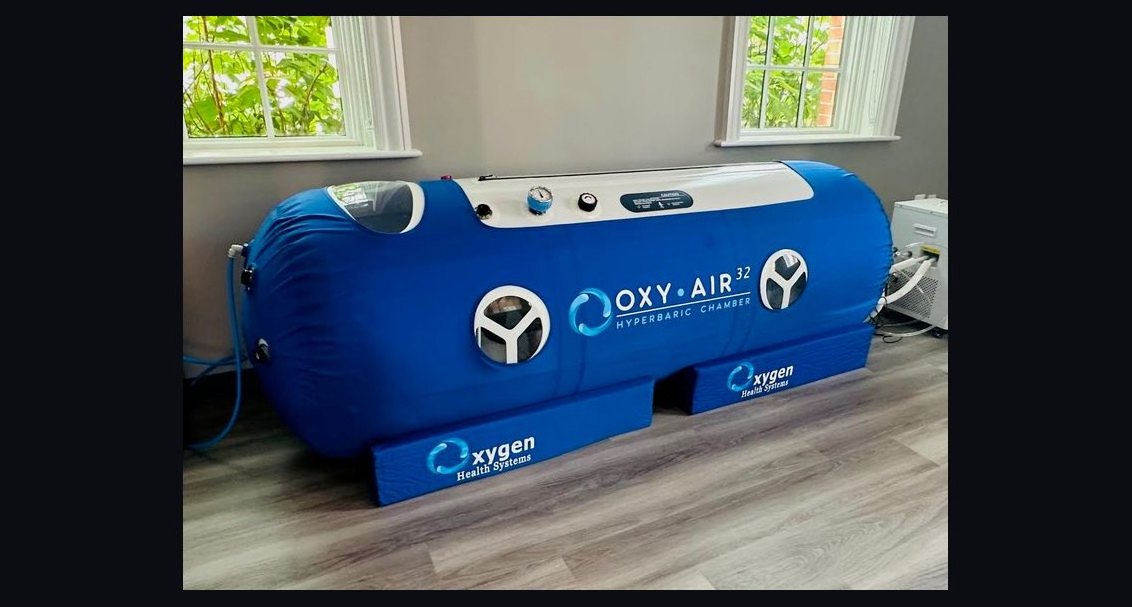 pulse-qShould I open or buy a Restore Hyper Wellness franchise in 2027?
 pulse-qShould I open or buy a CKO Kickboxing franchise in 2027?
 pulse-qShould I open or buy a DRYmedic franchise in 2027?
 pulse-qShould I open or buy a Celebree School franchise in 2027?
 pulse-qShould I open or buy an Aroma Joe's Coffee franchise in 2027?
 pulse-qShould I open or buy a Rita's Italian Ice franchise in 2027?
 pulse-qHow do you rebuild a sales team's trust in the forecast after a mid-year CRM migration corrupts historical pipeline data in 2027?
 pulse-qHow Many Sales Reps Do I Need to Hire for My Equipment Rental Company?
 pulse-qHow Do I Tie Commission to More Than One Product?
 pulse-qShould I open or buy a Blo Blow Dry Bar franchise in 2027?