
Should I open or buy a DRYmedic franchise in 2027?
 Curated byKory White · Fractional CRO · Maryland
 PULSEKNOWLEDGE LIBRARY
Quality
Certified
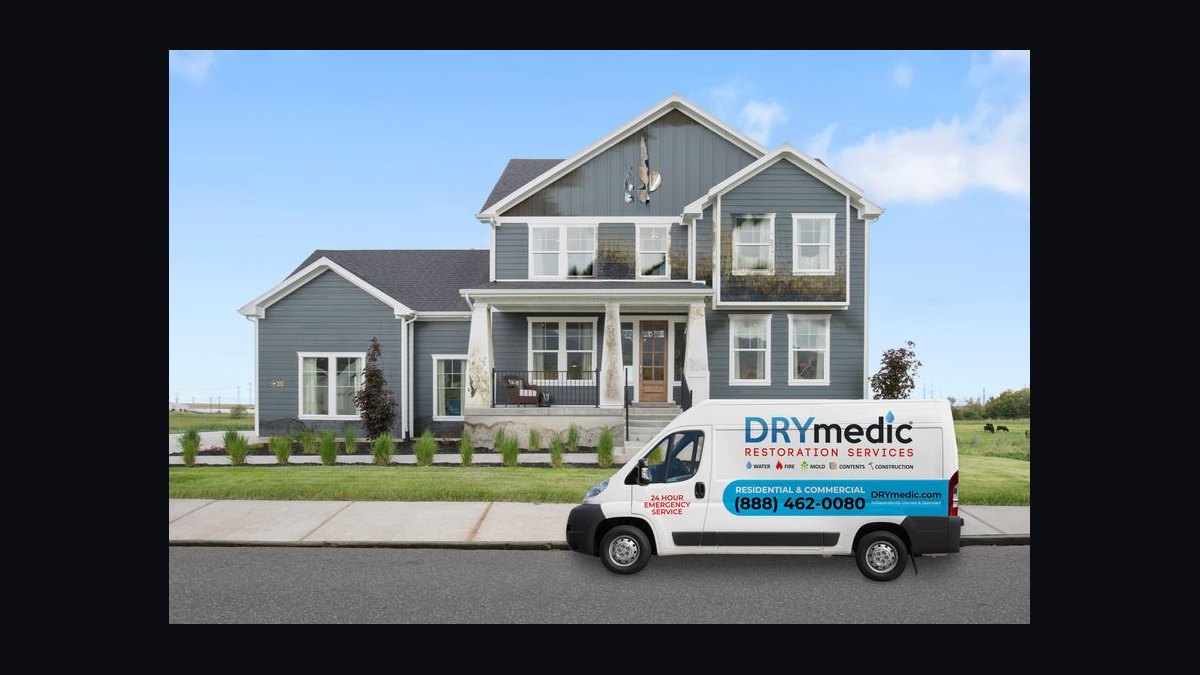
Yes, opening a DRYmedic franchise in 2027 fits an operator who wants a foothold in the recession-resilient property-restoration category through a growing brand, can fund $200,000–$500,000 in Item 7 capital, and is ready to run 24/7 dispatch while building insurance and adjuster relationships. Skip it if you need a legacy brand's national-account scale or can't staff certified crews.
The outcome you should expect
Run this decision the way a RevOps analyst reads any recurring-revenue business: the headline gross number matters far less than the payer mix behind it, the cost structure it forces on you, and how repeatable the incoming job pipeline actually is. A mature DRYmedic unit grossing $700,000 to $2,200,000 annually will land owner earnings somewhere between $110,000 and $370,000, and which end of that range you hit depends almost entirely on three variables you control directly: how much of your work comes from national insurance carriers versus locally negotiated jobs, how efficiently you staff your 24/7 emergency-response rotation, and how quickly you convert first-year national-carrier referrals into second-year local relationships.
In year one, expect a heavy skew toward franchisor-routed, national-carrier work — often 60% to 75% of total volume — because you have no independent adjuster relationships yet and the brand's call center is your primary lead source. That work pays at published fee schedules typically running 15% to 30% below what a franchisee can negotiate directly with local independent adjusters or property managers. A unit doing $1.2 million in year-one gross with a 70% national-carrier mix might net only $140,000 to $180,000, while an otherwise identical unit that shifts to a 40% national-carrier mix by year two or three can net $220,000 to $290,000 on the same top line. The realistic path is a business that looks modest in its first 12 to 18 months and then re-rates meaningfully as direct referral channels mature — provided you invest deliberately in that transition rather than coasting on franchisor lead flow.
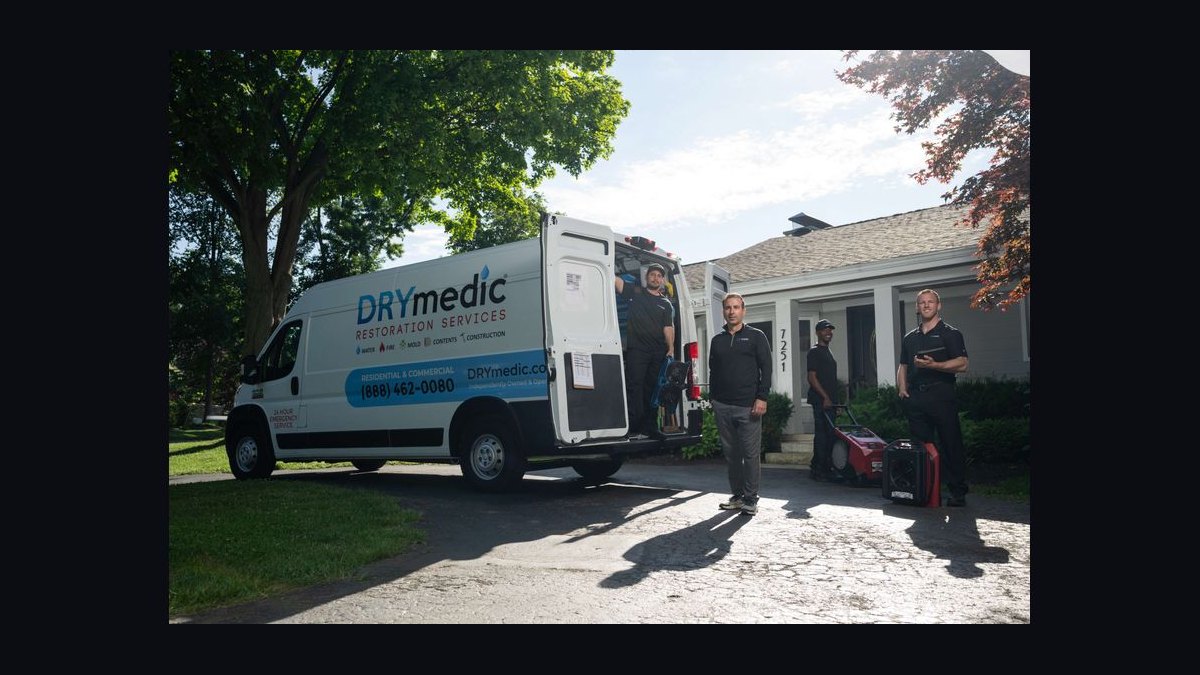
The business also behaves less like a steady subscription model and more like a lumpy, event-driven one, similar to how a HVAC or roofing franchise experiences seasonal surges. Storm season, freeze-thaw cycles, and localized flooding create demand spikes that can double or triple weekly call volume for a few weeks, followed by quieter stretches. Franchisees who plan cash flow and staffing around a flat monthly average tend to be caught understaffed during surges and overstaffed during lulls; those who build a flexible technician bench — a mix of full-time and on-call certified staff — capture more spike revenue without carrying its full cost during the troughs.
What drives that outcome
The single biggest lever is the insurance-payer mix, because it directly compresses or expands your realized margin on every dollar of revenue. National carriers like State Farm, Allstate, and Liberty Mutual operate on fixed fee schedules with little room for negotiation; local independent adjusters, property-management firms, and private-pay clients typically pay closer to your actual rate card. A franchisee who treats the franchisor's call-center referrals as a starting point rather than a ceiling — actively courting local adjusters, plumbers, property managers, and real-estate agents for direct referrals — moves the payer mix in their favor within 12 to 24 months. A franchisee who never builds that local network stays dependent on the lower-margin national channel indefinitely, capping earnings near the bottom of the disclosed range regardless of gross revenue.
The second driver is labor cost, specifically the "on-call tax" that comes from staffing genuine 24/7 emergency dispatch. Water and fire damage don't wait for business hours, so a DRYmedic unit needs technicians available nights, weekends, and holidays, which means overtime pay or shift differentials baked into the cost structure from day one. In the first two years, labor — including overtime — commonly consumes 35% to 45% of revenue for a new unit that hasn't optimized scheduling, compared to 28% to 35% for an established unit spreading call volume across a larger, better-trained bench. A typical $1 million-revenue unit spends $35,000 to $55,000 annually on overtime and on-call premiums alone. Owners who underbudget this line item discover the gap in year-one cash flow, not in the FDD's Item 19 disclosures, which don't break labor out this granularly.
The third driver is equipment and vehicle capitalization discipline. The Item 7 range assumes efficient sourcing; franchisees who underestimate the true cost of a dedicated cargo van or box truck ($60,000–$95,000) plus a full equipment set — air movers, dehumidifiers, extractors, moisture meters, thermal cameras, HEPA vacuums, PPE — running another $40,000 to $70,000, often end up leasing at 8% to 14% APR over 36 to 60 months, adding $800 to $1,500 in fixed monthly cost that compounds against margin for years. Getting firm purchase-versus-lease quotes before signing the franchise agreement is one of the few pre-day-one decisions that materially shapes profitability for the life of the unit — a diligence step that applies equally to adjacent trade franchises like mobile detailing or mold-remediation-only operators evaluating similar capital-equipment tradeoffs.
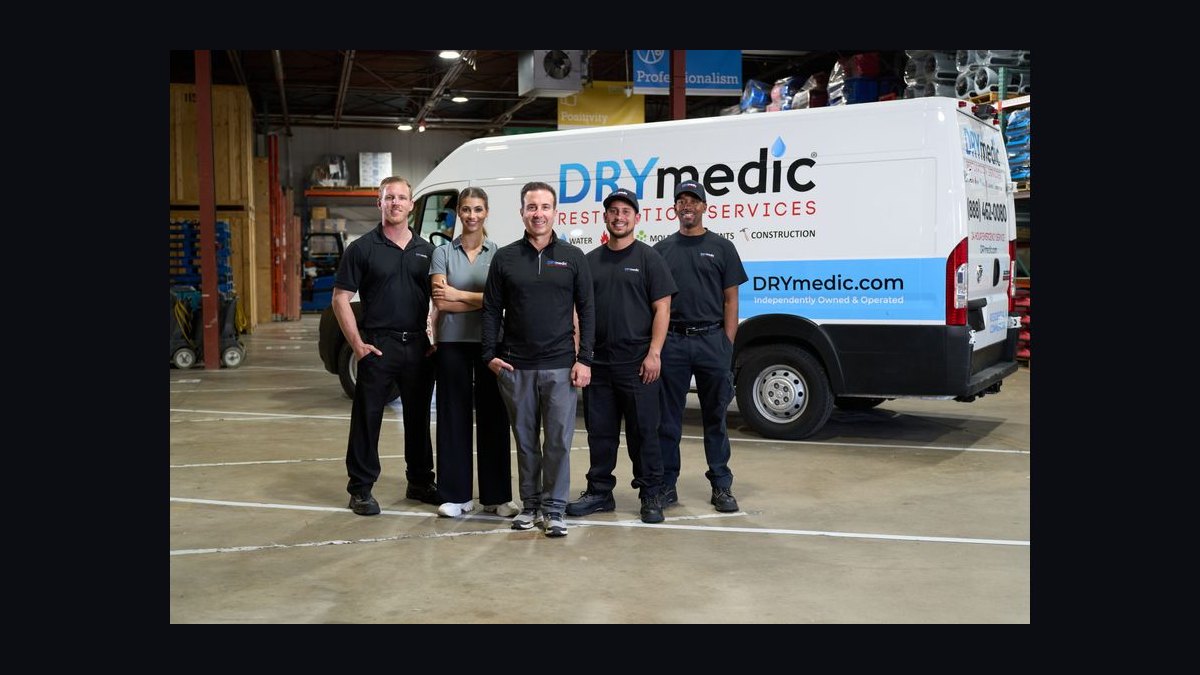
A less obvious fourth driver is how you structure the RevOps side of intake and follow-up. Restoration jobs arrive through a scatter of channels — franchisor dispatch, insurance-carrier portals, direct phone calls, referral partners — and a franchisee who tracks lead source, response time, and close rate by channel can see which relationships are actually compounding versus which are flat. Treating job intake as a pipeline to instrument, not just a phone that rings, is what lets an owner make the payer-mix shift on data rather than gut feel.
Benchmarks and realistic ranges
Use these figures as planning anchors rather than guarantees, since actual results depend heavily on territory, storm frequency, and your own execution on the payer-mix and staffing drivers above.
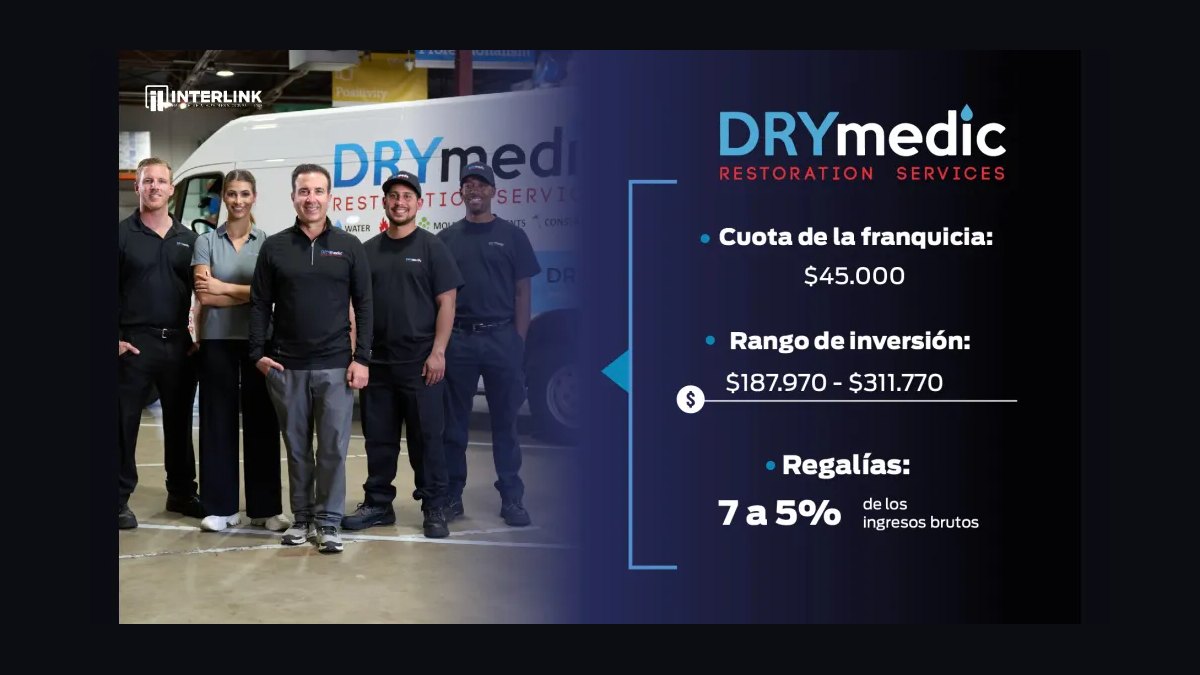
- Franchise fee: approximately $50,000, per the 2026 FDD.
- Total Item 7 investment: roughly $200,000 to $500,000, with $90,000 to $160,000 typically required in liquid capital.
- Vehicle costs: $60,000 to $95,000 for a dedicated cargo van or box truck.
- Core restoration equipment: $40,000 to $70,000 for extraction, drying, and remediation gear.
- Working capital: budget at least $40,000 beyond the Item 7 minimum, because insurance reimbursement cycles commonly run 45 to 90 days, and you'll be paying technicians and suppliers well before claims settle.
- Royalty: approximately 8%, often tiered by revenue volume, plus a marketing fee near 2% of gross.
- Mature-unit gross revenue: $700,000 to $2,200,000 annually.
- Owner earnings: $110,000 to $370,000, with the spread driven primarily by payer mix and labor efficiency rather than gross revenue alone.
- Labor as a percentage of revenue: 35% to 45% in years one and two, improving to 28% to 35% as scheduling and crew utilization mature.
- On-call and overtime premiums: $35,000 to $55,000 annually for a roughly $1 million-revenue unit.
Because DRYmedic is a younger system — founded around 2012 and franchising more recently than legacy players like Servpro, Paul Davis, and BELFOR — Item 19 disclosures and franchisee validation calls carry more weight than they would with a decades-old brand. Ask specifically about payer mix, average claim-reimbursement timelines, and how many technicians a typical unit staffs at full maturity, since these details shape your realistic range far more than headline revenue figures. This is the same diligence discipline a RevOps buyer would apply to any franchise with a short operating history — weight direct validation-call evidence over the disclosure document's averages.
Risks, edge cases, and failure modes
The most common failure mode is treating the franchisor's call-center referral flow as a permanent, sufficient lead source rather than a bridge to your own local network. Franchisees who never invest time courting independent adjusters, property managers, and real-estate agents stay locked into the lower-margin national-carrier fee schedule indefinitely, which caps earnings near the bottom of the disclosed range even as gross revenue grows — a scenario where the business looks successful on paper while owner take-home stagnates.
A second failure mode is chronic understaffing of the 24/7 dispatch function. Relying on one or two technicians for after-hours coverage means either missing the 2-to-4-hour response window that customers and insurers expect — damaging referral relationships you're trying to build — or burning out your best technicians with unsustainable overtime, leading to turnover that resets your training investment. Certified restoration technicians aren't easily replaced on short notice, and losing a lead tech during a storm surge can cascade into missed jobs and reputational damage with the adjusters you need for local referrals.
A third risk is cash-flow mismanagement tied to insurance reimbursement timing. Because claims often take 45 to 90 days to pay out, a franchisee who scales job volume faster than their working-capital cushion can support ends up unable to pay technicians or suppliers on time, even while sitting on a healthy backlog of billable, approved work. This is solvable with adequate initial capitalization, but it's the specific edge case that catches operators who size working capital to the Item 7 minimum rather than to their actual receivables cycle — a dynamic that shows up in almost any service franchise billing through third-party payers, from medical-adjacent home care to commercial cleaning contracts with net-60 terms.
A fourth risk is equipment financing that erodes margin quietly. Leasing gear at 8% to 14% APR to preserve up-front cash is a reasonable trade-off for many new owners, but failing to shop lease terms against purchase options — or failing to negotiate at all — can leave a franchisee paying $1,000-plus a month in fixed equipment costs for years past the point where outright ownership would have been cheaper.
Finally, because DRYmedic is younger than Servpro, Paul Davis, Rainbow Restoration, or PuroClean, franchisees inherit both the upside of a growing, less-saturated brand and the downside of a shorter track record — fewer proven playbooks for national-account relationships, potentially less mature training infrastructure, and less litigation and closure history to evaluate. This isn't disqualifying, but it means your own operational discipline has to compensate for support systems a 30-year-old franchisor might already have refined.
A practical rollout plan
A disciplined first 140 days sets the trajectory for whether you land near the top or bottom of the earnings range, because the habits you build around insurance relationships, staffing, and equipment sourcing in this window are hard to retrofit later.
During the first 25 days, read the 2026 FDD closely, with particular attention to Item 19 (financial performance) and Item 20 (unit counts, transfers, and closures) — the latter matters more for a younger system than a mature one, since a rising closure rate in a five-year-old brand is a sharper warning sign than the same rate in a 30-year-old one. Spend days 26 through 50 on operator validation calls, asking specifically about payer mix, average time-to-profitability, and technician retention — questions the FDD itself won't answer. Use days 51 through 70 to finalize territory and get firm, written quotes on both purchasing and leasing your vehicle and equipment package, since this decision compounds for years. Days 71 through 110 go to equipping and certifying your crew, and building a dispatch rotation deep enough to cover nights and weekends without immediately burning out your first hires. Launch in days 111 through 140, and treat the franchisor's referral flow as a starting bridge rather than a destination — begin local adjuster and property-manager outreach from week one of operations, not after you've "settled in," since the earlier you start shifting the payer mix, the sooner you capture the margin improvement that separates a $140,000-earning unit from a $280,000-earning one on similar revenue.
Related questions
How does DRYmedic compare to Servpro or Paul Davis for a first-time franchisee?
Servpro and Paul Davis offer longer track records, more mature national-account relationships, and deeper Item 20 history to evaluate, at typically similar or higher investment levels. DRYmedic trades that maturity for a newer, faster-growing brand with potentially less saturated territories.
What credentials do DRYmedic technicians need?
Technicians generally need IICRC certifications in water damage restoration, mold remediation, and fire/smoke cleanup. The franchisor provides initial training, but ongoing certification maintenance is the owner's responsibility.
Can I start a DRYmedic franchise part-time while keeping another job?
Given the 24/7 emergency-response requirement, most franchisees find part-time ownership impractical in the first two years; the business demands hands-on availability or a strong management hire from the outset.
How long until a DRYmedic franchise becomes profitable?
Many franchisees report reaching consistent profitability in 18 to 30 months, largely tied to how quickly they shift from national-carrier-dependent referrals to local direct relationships.
Does territory selection matter as much as payer mix?
Territory sets your addressable storm and claim volume, but a strong territory with a stuck national-carrier mix still underperforms a modest territory that has built local adjuster relationships — payer mix is the more controllable lever.
FAQ
How much does a DRYmedic franchise cost in 2027? The franchise fee is around $50,000, with total initial investment typically ranging from $200,000 to $500,000. Actual totals depend on territory size, vehicle and equipment sourcing choices, and whether you lease or purchase your facility.
What kind of revenue can I expect from a DRYmedic franchise? Mature units generally report gross revenues between $700,000 and $2,200,000 annually. Owner earnings after expenses and royalties typically fall between $110,000 and $370,000, with payer mix and staffing efficiency driving most of that spread.
Is DRYmedic a recession-proof business? Property restoration is recession-resilient because water, fire, and mold damage are non-discretionary emergencies, often covered by insurance. Demand stays relatively steady through downturns, though revenue fluctuates with local weather events and claim volumes.
How long has DRYmedic been franchising, and is it a stable brand? DRYmedic was founded around 2012 and began franchising more recently, making it younger than restoration giants like Servpro or Paul Davis. It's a growing brand with real momentum, but a shorter track record, so review Item 20 litigation and closure history carefully.
What are the biggest challenges of owning a DRYmedic franchise? Maintaining 24/7 emergency-response availability, navigating insurance-claim reimbursement timelines, and recruiting and retaining certified technicians for physically demanding work are the most commonly cited hurdles among new owners.
Do I need prior restoration or construction experience to open a DRYmedic franchise? No — many franchisees come from sales, management, or other service backgrounds. The franchisor provides training, but you'll need strong leadership skills and a willingness to learn insurance billing and mitigation techniques quickly.
Sources
- U.S. Small Business Administration — Franchise Disclosure Document guidance (sba.gov)
- Federal Trade Commission — Franchise Rule and FDD requirements (ftc.gov)
- International Franchise Association — franchise economic outlook and research (franchise.org)
- Institute of Inspection, Cleaning and Restoration Certification (IICRC) — technician certification standards (iicrc.org)
- Restoration Industry Association — market and training resources (restorationindustry.org)
- IBISWorld — Property Restoration and Remediation Services industry reports (ibisworld.com)
- Entrepreneur — Franchise 500 and franchise listings (entrepreneur.com)
- Franchise Business Review — franchisee satisfaction surveys (franchisebusinessreview.com)
- National Association of Insurance Commissioners — homeowners claims data (naic.org)
Related on PULSE
- [Should I open or buy an Oxi Fresh Carpet Cleaning franchise in 2027?](/knowledge/q15521)
- [Should I open or buy an Oil Can Henry's franchise in 2027?](/knowledge/q15520)
- [Should I open or buy a KidStrong franchise in 2027?](/knowledge/q15519)
- [Should I open or buy a Premier Garage franchise in 2027?](/knowledge/q15518)
- [Should I open or buy a Jazzercise franchise in 2027?](/knowledge/q15517)
- [Should I open or buy a Nekter Juice Bar franchise in 2027?](/knowledge/q15516)
This page will be disappearing soon. Save it to your device for $1 — or read it free while it is here.
@Kory-White- · if Venmo asks, the last 4 of my number are 2012
This page is gone.
This one is off the shelf now. $1 keeps it on your phone for good — the whole page, pictures and diagrams included.
 pulse-qWho Pays for the Demising Wall Between Tenant Spaces?
 pulse-qHow Many Salespeople Should I Schedule Each Day at My Sporting Goods Store?
 pulse-qShould I open or buy a Restore Hyper Wellness franchise in 2027?
 pulse-qShould I open or buy an It's A Grind Coffee franchise in 2027?
 pulse-qShould I open or buy a Roof Maxx franchise in 2027?
 pulse-qHow do you handle a rep who sandbags their pipeline to avoid quota increases in 2027?
 pulse-qShould I open or buy a Whataburger franchise in 2027?
 pulse-qShould I open or buy an Aroma Joe's Coffee franchise in 2027?
 pulse-qHow Many Employees Should I Schedule Each Shift at My Roller Rink?
 pulse-qShould I open or buy a Woof Gang Bakery franchise in 2027?